-
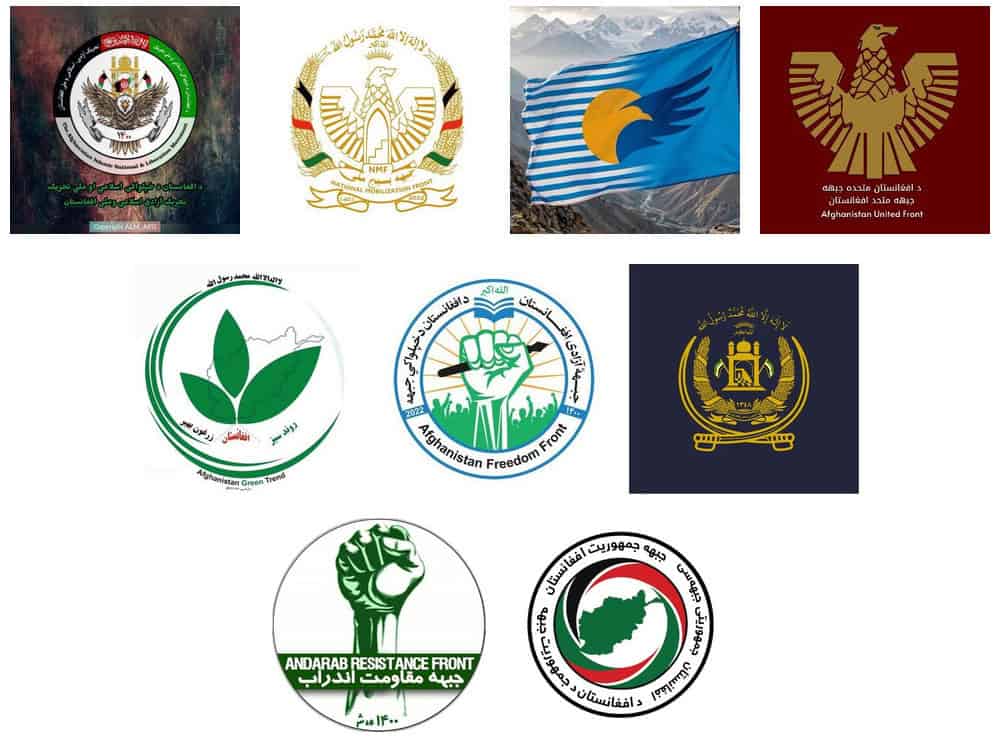
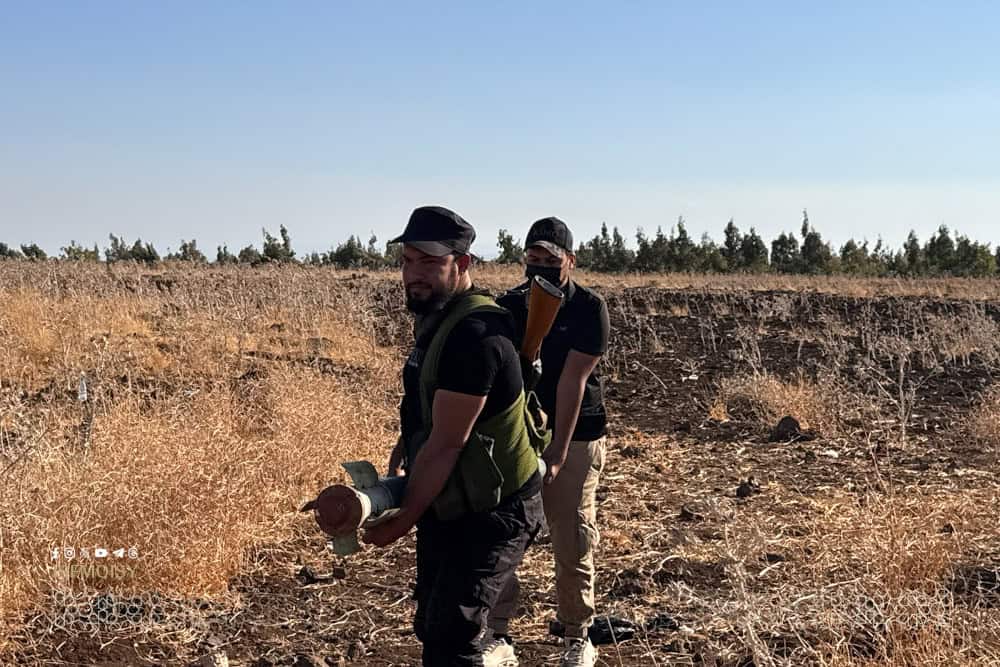
Pakistani outreach presents a dilemma for Afghanistan’s anti-Taliban resistance
Pakistan’s reported outreach to anti-Taliban resistance groups reflects deteriorating ties with its longtime ally. But accepting Pakistani support could deepen divisions in the resistance and undermine its standing among Afghans who blame Islamabad for decades of bloodshed.
-
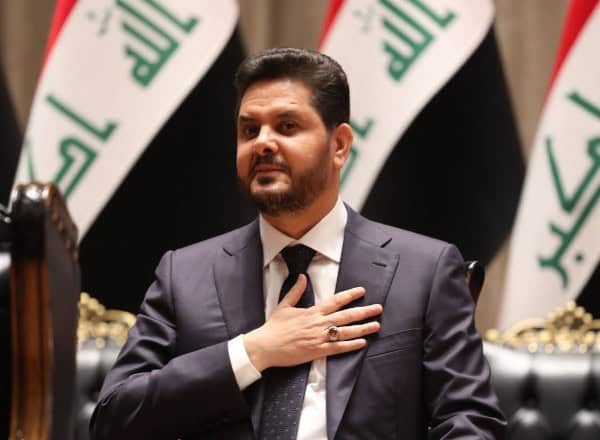
Iraqi parliament approves most remaining cabinet appointments, including Iran-backed militia figures
After five months of negotiations, almost all remaining spots in Iraqi Prime Minister Ali al Zaidi’s cabinet were approved by the parliament on October 15. Among the three deputy prime ministers is Laith al Khazali, whom the US State Department designated a Specially Designated Global Terrorist in 2020.
-
The Houthis’ Red Sea power play
The Houthis are on the offensive in Yemen, threatening one of the world’s most important maritime chokepoints and bringing the war back to Saudi Arabia’s doorstep. Bill Roggio is joined by FDD research analyst and Long War Journal contributor Bridget Toomey to discuss the Iranian-backed group’s renewed campaign to conquer Yemen, its advances along the…
-

Ukrainian intelligence details new low-cost Russian cruise missile
A new missile called the Filin adds to Russia’s growing arsenal of low-cost, long-range munitions, placing strain on Ukraine’s overstretched air defenses. Ukraine is expected to scale production of faster interceptor drones, but this addresses only part of the challenge of countering Russia’s evolving missile and drone capabilities.
-
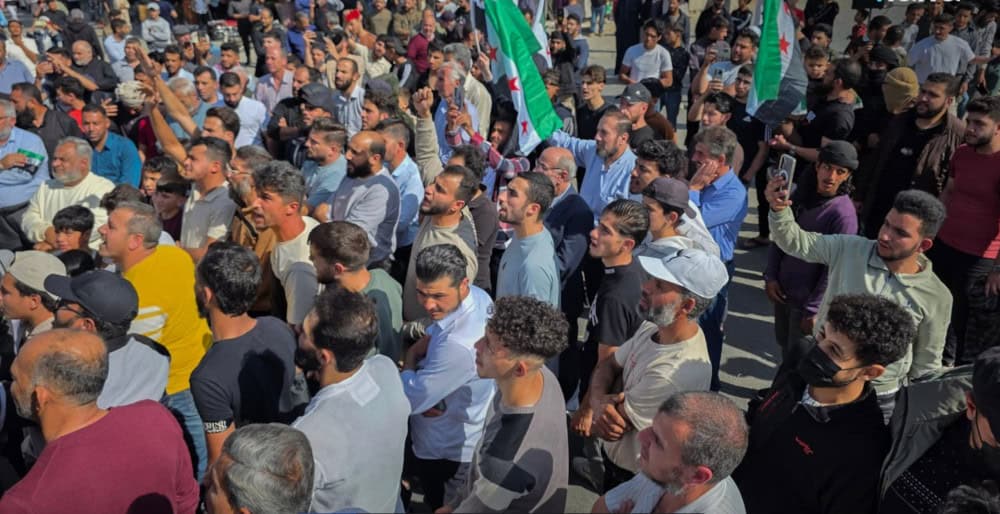
Protests break out in Syria against ‘Israeli incursions and attacks’ as tensions rise
Protests erupted across southern Syria and Damascus on October 23 against Israeli military operations in the buffer zone along the Golan border, following reports that a Syrian man with disabilities was killed during an IDF raid. The protests come amid growing Syrian condemnation of Israeli incursions, as well as diplomatic efforts by Syrian officials to…
-
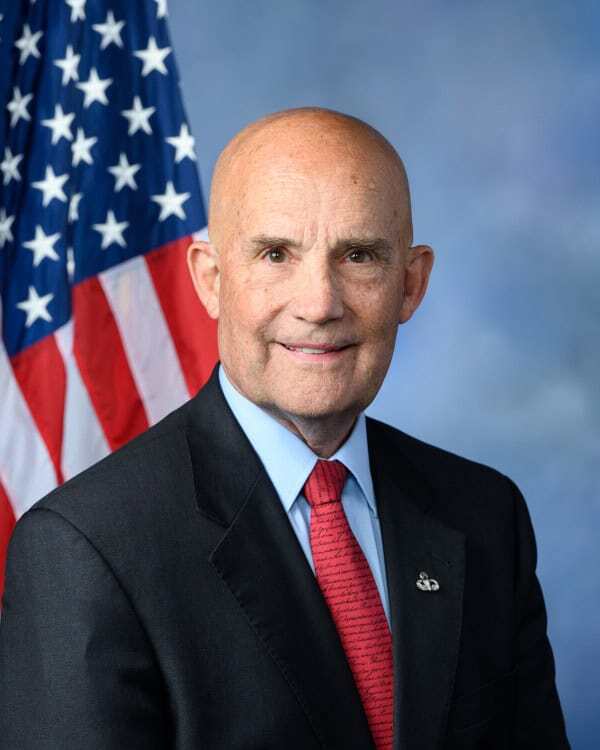
FBI arrests alleged Islamic State supporter accused of plotting to assassinate Texas congressman
A 17-year-old Texas teenager allegedly plotted to assassinate Republican US Representative Keith Self at a veterans’ fundraiser as part of a broader Islamic State-inspired terrorist plot. Federal agents arrested the suspect after he acquired a firearm.
-
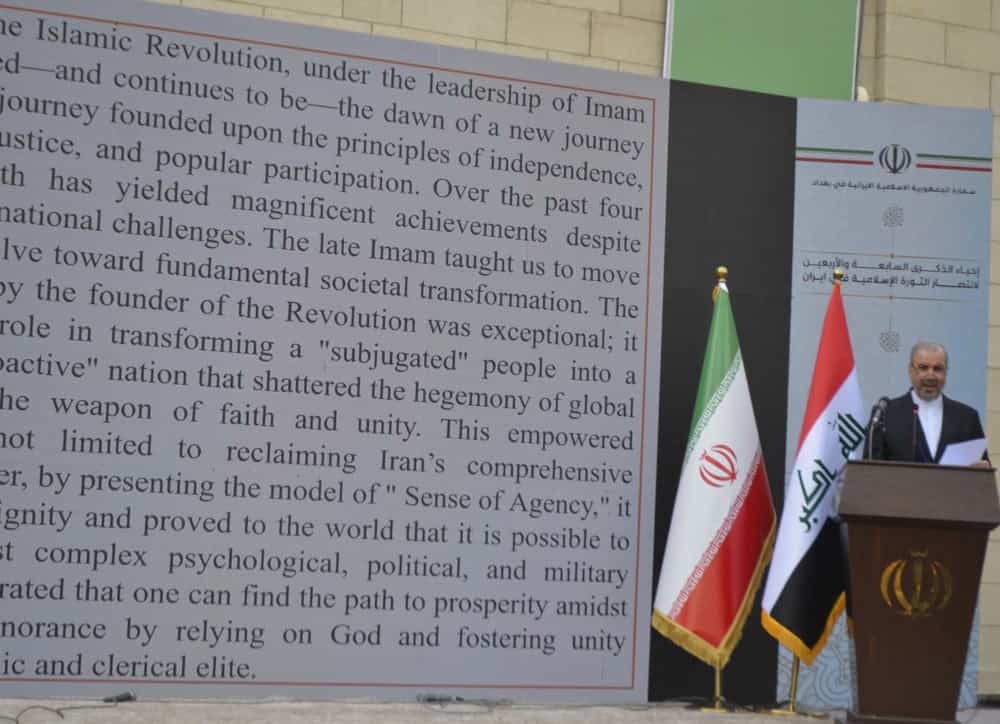
Iran says it has agreement with Iraq to expel Kurdish Iranian opposition groups
Iran’s ambassador to Iraq claimed on October 20 that Iraq has agreed to expel Iranian Kurdish opposition groups based in the Kurdistan Region. The announcement came amid increased Iranian attacks on these groups and as the Kurdistan Workers’ Party withdraws from positions in northern Iraq as part of a peace process with Turkey. An Iraqi…
-
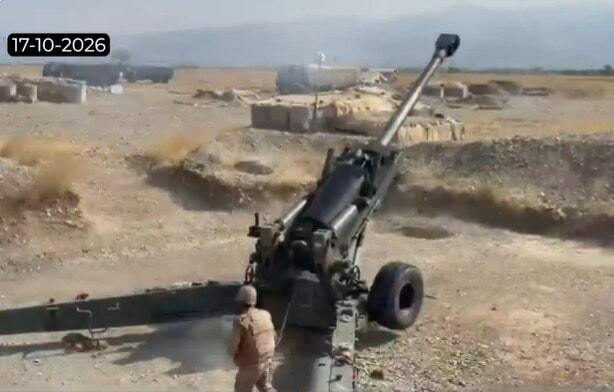
Pakistan-Taliban border clashes continue amid diplomatic efforts
Pakistani forces and the Taliban exchanged heavy fire along the border as Russia, the European, and China pressed for dialogue and action against terrorist groups operating from Afghanistan.
-
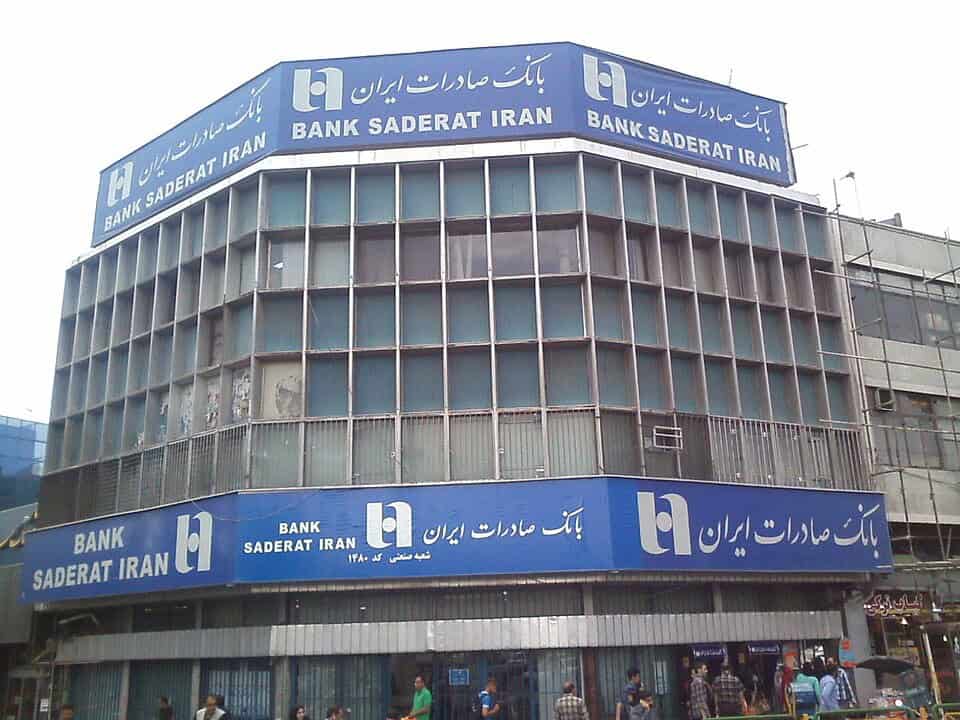
Lebanon revokes Iranian bank’s license amid US pressure over Hezbollah financing
Lebanon has revoked Bank Saderat Iran’s operating license amid US pressure to disrupt Hezbollah’s financial networks. The bank has a documented history of channeling Iranian funds to Hezbollah, but whether Lebanese authorities have closed its branches or initiated liquidation proceedings remains unclear.
-

Hezbollah accuses Lebanese police of violating security coordination procedure after supporters reportedly obstruct raid
Armed men identifying themselves as Hezbollah supporters reportedly surrounded Lebanese security personnel conducting an October 16 raid on a pharmaceutical warehouse near Beirut’s southern suburbs. Hezbollah subsequently claimed the officers had violated an agreed security coordination procedure with the group.
-
Profile: Hezbollah’s new liaison to the Lebanese state and society
Hussain al Abdallah, the new chief of Hezbollah’s Liaison and Coordination Unit who succeeded Wafiq Safa, reportedly sought the return of explosives seized by Lebanese security forces in early October. Abdallah’s career spans more than two decades in Hezbollah’s southern security apparatus.

All Articles
-
Israel reportedly blocks Board of Peace base in Gaza, IDF reports 31 ceasefire violations October 1–15
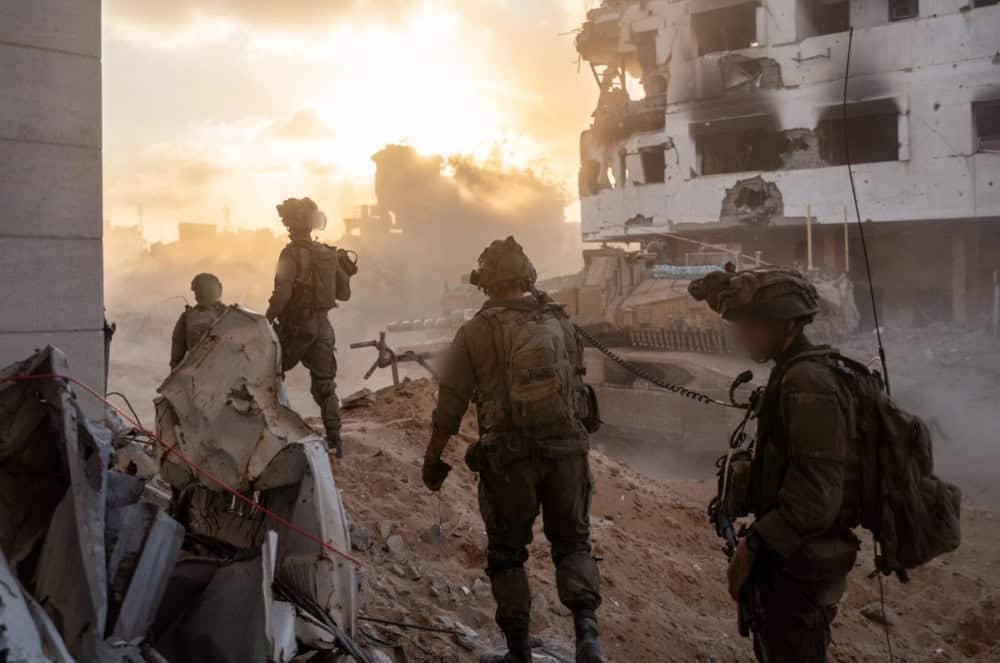
Efforts to implement the US-backed Board of Peace’s plans for Gaza remain stalled on the ground, with a first military facility still unbuilt, but preparations for Hamas’s disarmament and international reconstruction cooperation are moving forward. Meanwhile, Hamas maintains its grip on Gaza’s civilian administration and commercial activity, despite its July declaration that it was relinquishing governing authority.
-
Iraqi commander killed by Islamic State following Iraqi airstrikes against the group
An Iraqi brigadier general and two other military personnel were killed by an explosive device linked to the Islamic State near Kirkuk on October 14, a day after Iraqi F-16s carried out airstrikes against Islamic State positions in the area. The incident underscores the continued threat posed by the remnants of the jihadist group in northern Iraq, where militants have exploited security gaps.
-
Hezbollah announces ‘Promise and Commitment’ housing and reconstruction program
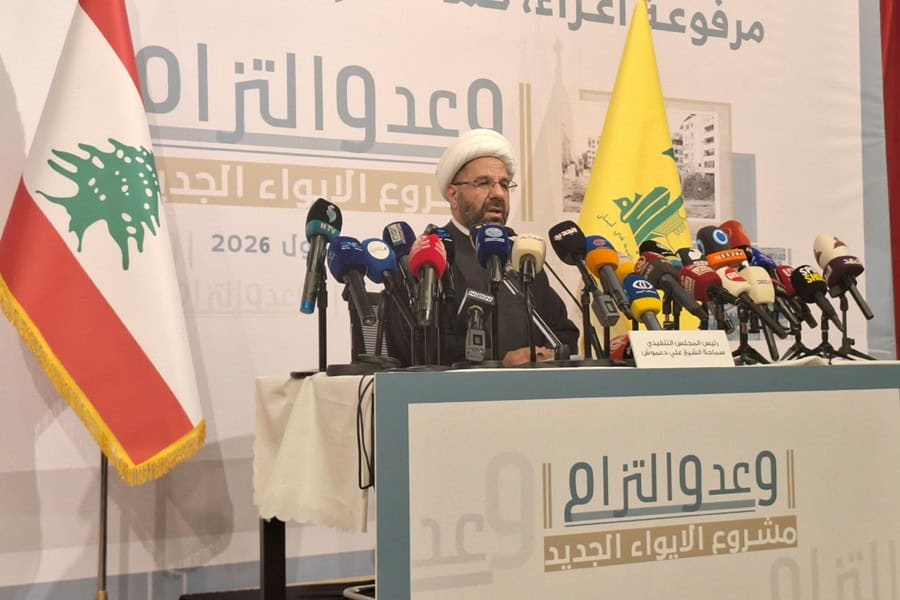
Hezbollah announced a new housing-assistance program for Lebanese families displaced by the wars with Israel, even as earlier compensation payments remain outstanding and questions persist over the group’s financing. Separately, Lebanese Prime Minister Nawaf Salam met with Hezbollah and Amal lawmakers to discuss government-funded reconstruction projects in southern Lebanon and Beirut’s southern suburbs.
-
Shipshow: The world’s waterways are at war
The world’s most critical shipping lanes are becoming battlegrounds as Iran targets commercial vessels in the Strait of Hormuz, the Houthis threaten shipping through the Bab al Mandab, and Russia and Ukraine wage an escalating maritime war in the Black Sea. Bill Roggio is joined by Dr. Sal Mercogliano to discuss how these conflicts are disrupting global trade, driving up energy prices, and threatening the freedom of navigation.
-
Lebanese security forces seize explosives shipment reportedly bound for Hezbollah in Beirut
Lebanese security forces intercepted a shipment containing nearly 800 kilograms of explosives reportedly destined for Hezbollah in Beirut. Authorities arrested two men and are investigating the shipment’s origins and intended use. Hezbollah has reportedly demanded the explosives’ return, testing the government’s prohibition on the group’s military activities.
-
Iran targets Kurdish opposition groups in Iraq with new round of drone attacks
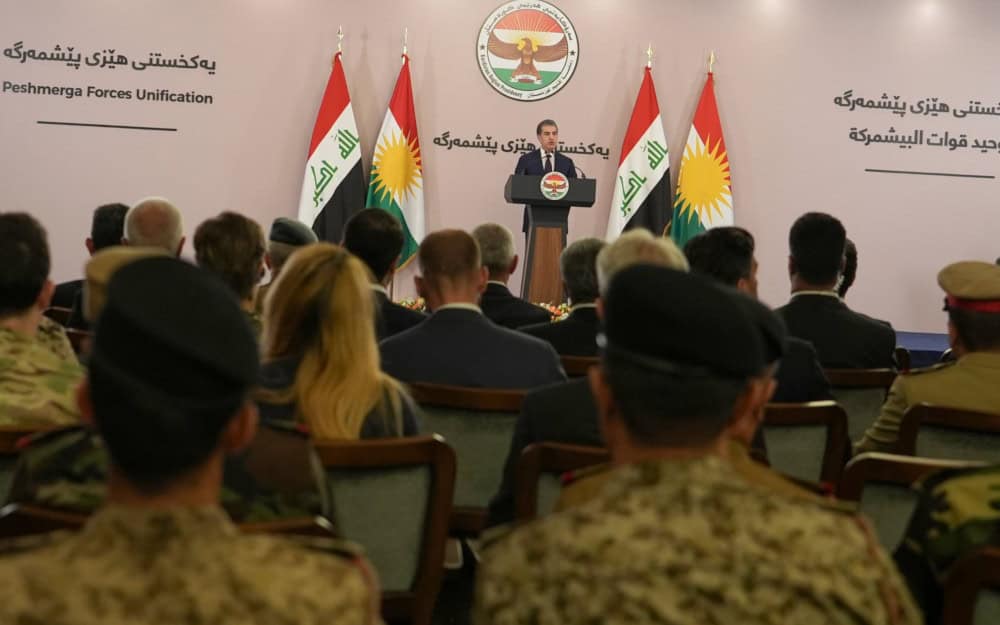
Iran launched a new round of drone attacks against Iranian Kurdish opposition groups in northern Iraq, including a strike on a Democratic Party of Iranian Kurdistan camp near Koya on October 12. As Iranian pressure mounts and concerns grow following the US military’s withdrawal from Iraq, Kurdish opposition groups have pledged not to use Iraqi territory to launch attacks on Iran. Kurdistan Region President Nechirvan Barzani criticized their actions, saying they endanger the region.
-
Taliban-Pakistan border clashes continue after Moscow talks end without agreement
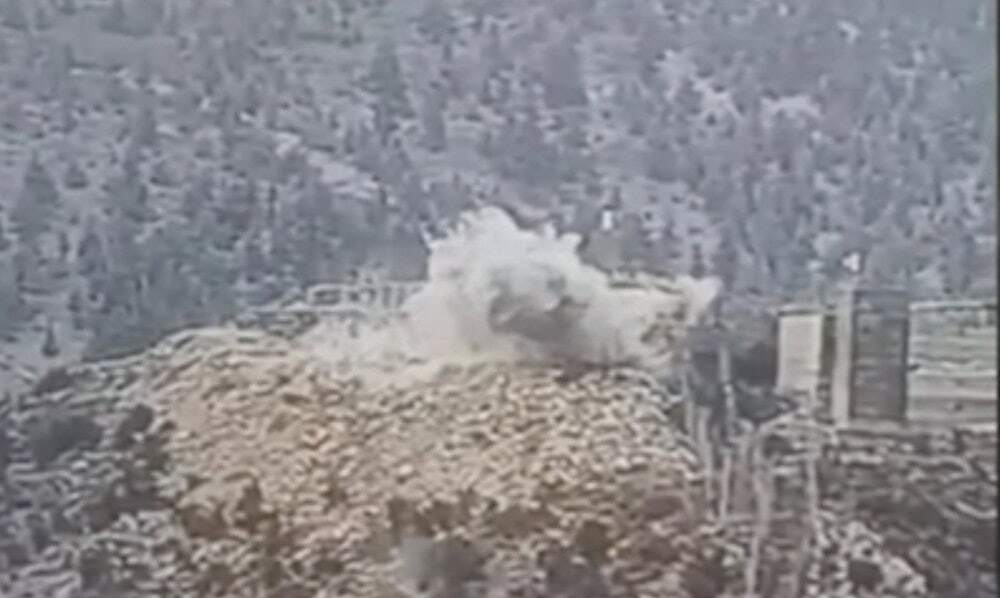
Pakistan reported killing 12 militants and Taliban fighters during ongoing clashes along its border with Afghanistan over the past week. Islamabad also suspended the provincial government of Khyber Pakhtunkhwa amid security concerns and protests demanding the release of imprisoned former Prime Minister Imran Khan.
-
Insurgent attacks surge in southeastern Iran
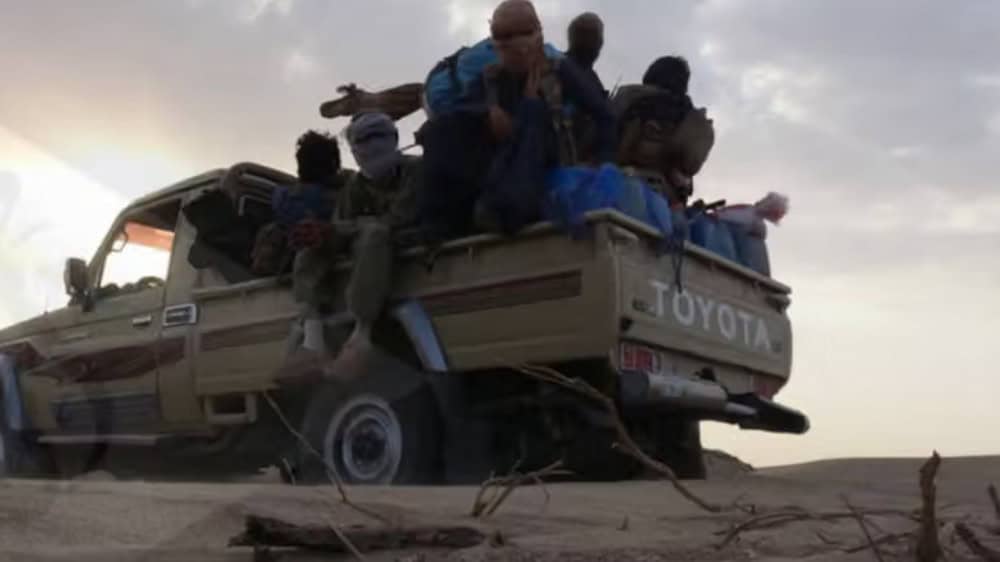
Insurgent attacks have intensified in southeastern Iran, with the Baluch coalition JMM claiming five operations in the first eight days of October. A review of 37 armed incidents since January 2026 traces the renewed insurgency, its growing attacks on the Islamic Revolutionary Guard Corps and police, and JMM’s shift toward framing its struggle in Iranian nationalist terms.
-
Somalia claims to have killed another senior Shabaab leader
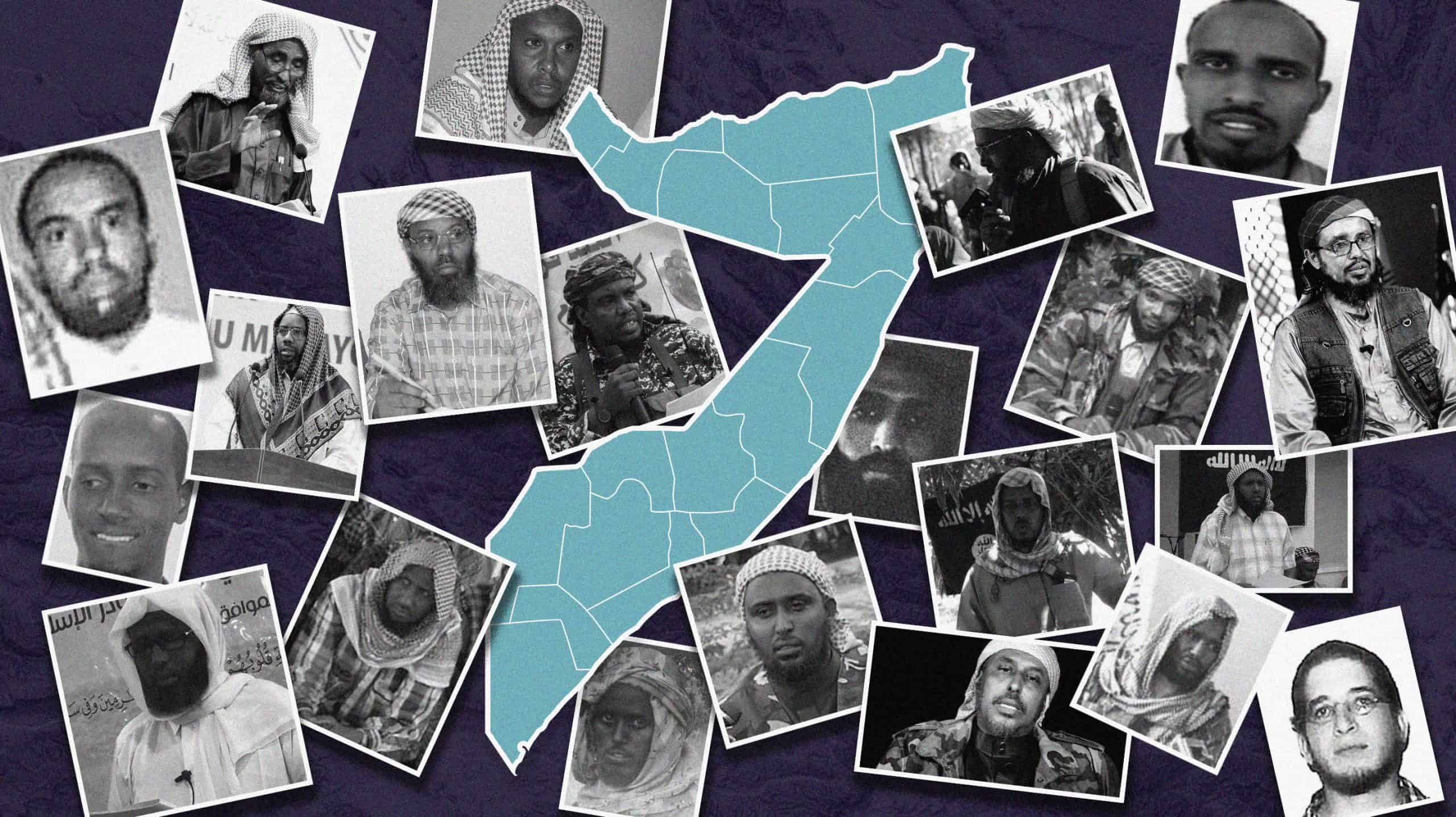
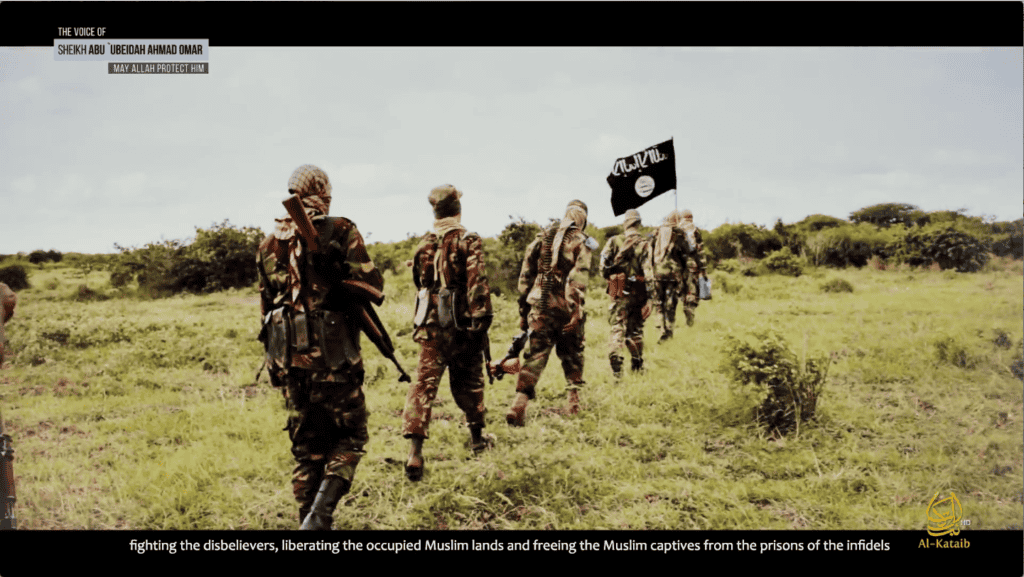
Somalia’s National Intelligence and Security Agency said that Bashir Ahmed Haji Nunow, the former head of Shabaab’s Amniyat wing and ringleader behind the worst terrorist attack in Somalia’s history, is dead. Shabaab has neither confirmed nor denied his death.
-
Syria increases criticism of Israeli actions, continues diplomatic outreach
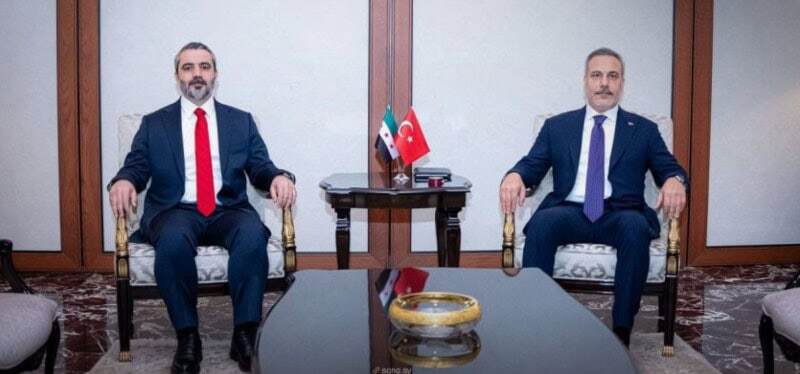
Syria has stepped up its criticism of Israeli military operations in Syria, drawing support from several regional countries. Damascus continues diplomatic outreach, strengthening ties with Turkey, Saudi Arabia, the UAE, and the US as it seeks to consolidate its regional position following the fall of the Assad regime.
-
Islamic State-linked suspects detained or charged in 6 countries since late September
Authorities detained suspected Islamic State fighters, dismantled an alleged criminal network, and disrupted a suspected poison-and-explosives plot between September 25 and October 8 in eight distinct cases spanning Europe, Turkey, Georgia, and Israel.
-
The Taliban vs Pakistan: Can they both lose?
Five years after the US withdrawal from Afghanistan, the Taliban is stronger than ever, Al Qaeda continues to operate under its protection, and Pakistan is learning the hard way that supporting jihadists comes with a price. Bill Roggio is joined by Will Selber to assess the state of the Taliban’s Islamic Emirate, the fractured Afghan resistance, and the continued presence of Al Qaeda and the Islamic State’s Khorasan Province.
-
FBI arrests alleged Islamic State supporter accused of plotting Mall of America attack
Sheikhdoon Abdullahi Mohamud, 18, an American citizen of Somali descent, allegedly intended to attack an arts festival at the Mall of America in Bloomington, MN, in late October. Mohamud’s arrest marks the seventh Islamic State-linked terrorism case or incident in the United States this year.

-
IDF shifts southern Lebanon forces toward ‘forward-defense’ posture as troops prepare for winter
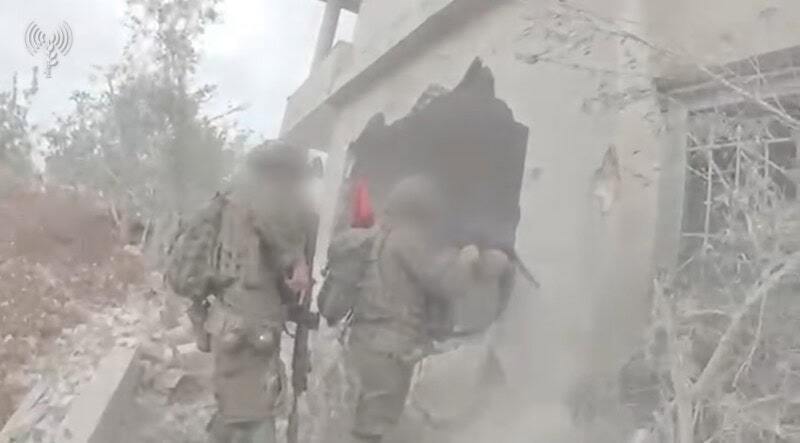
The Israeli military is shifting toward a deeper “forward defense” posture in southern Lebanon, rotating formations and preparing positions for winter while continuing to clear Hezbollah infrastructure. The evolving deployment comes as Hezbollah maintains that Israeli forces’ continued presence in Lebanon justifies continued “resistance.”
-
US flag trampling, militia disarmament dispute mark Iraq’s post-US withdrawal era
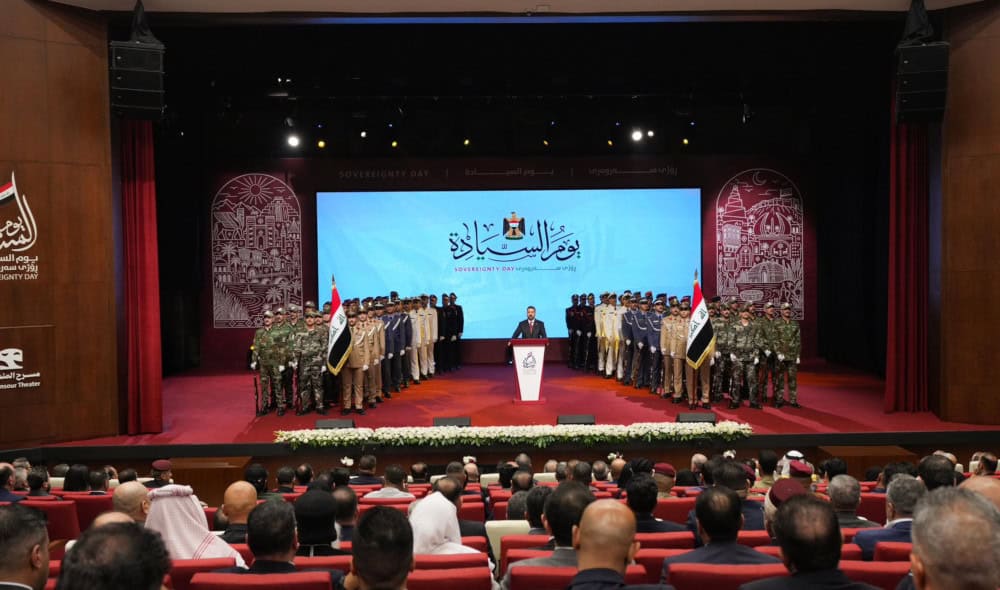
Iraq is grappling with controversy over the role of Iran-backed militias following the departure of US forces, including an incident in which Popular Mobilization Forces members were photographed driving over an American flag. Prime Minister Ali al Zaidi is pushing to bring militia weapons under state control by June 2027, with several factions reportedly agreeing to disarm while others continue to resist.
-
Yemeni government forces launch Saudi-backed counteroffensive against Houthis
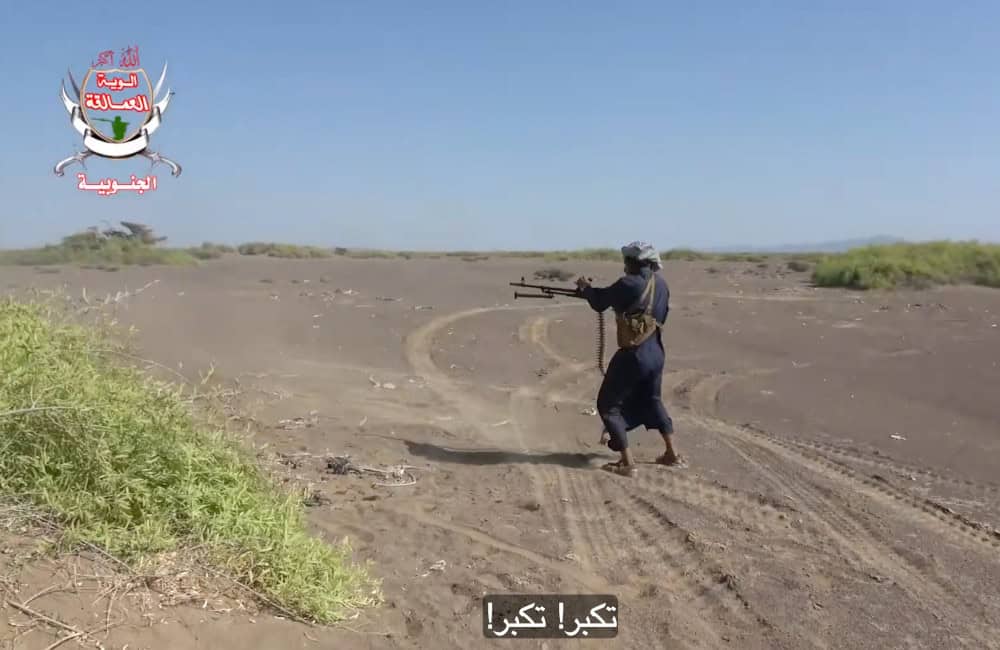
The Yemeni government announced a counteroffensive against the Houthis, with Saudi support, to retake territory the group seized in September, stating that removing the Houthis from the Yemeni capital of Sanaa is a goal. Forces aligned with Yemen’s internationally recognized government retook territory along the Bab al Mandeb Strait on October 5.
-
Pakistan launches new strikes as conflict with Taliban persist into third week
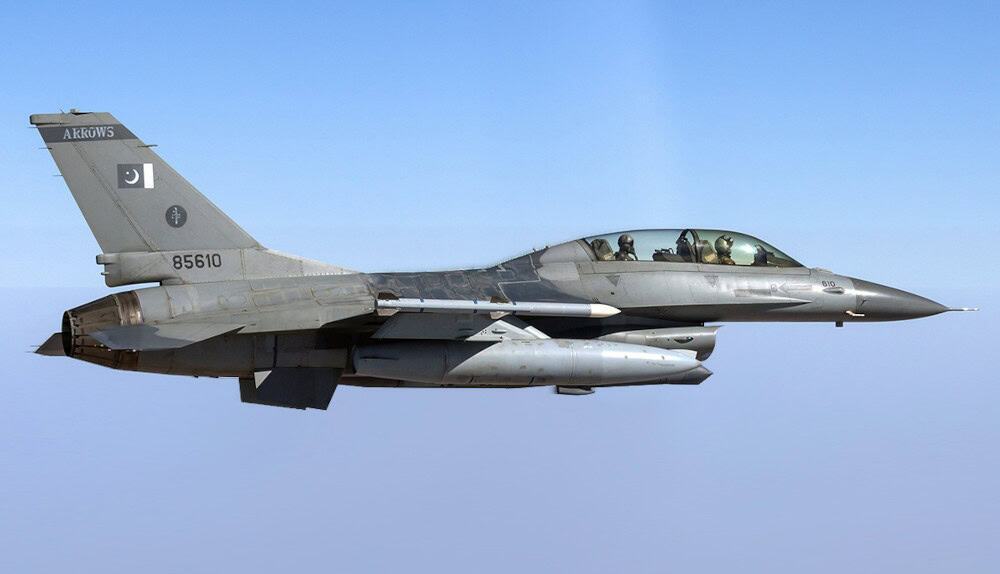
Pakistan claims its latest airstrikes in Afghanistan last week killed 22 terrorists, while the UN reports 10 civilians killed, most of them children. The Taliban accused Islamabad of sending anti-Taliban fighters into Afghanistan.
-
Syria faces infrastructure sabotage, Islamic State activity amid utility shortages
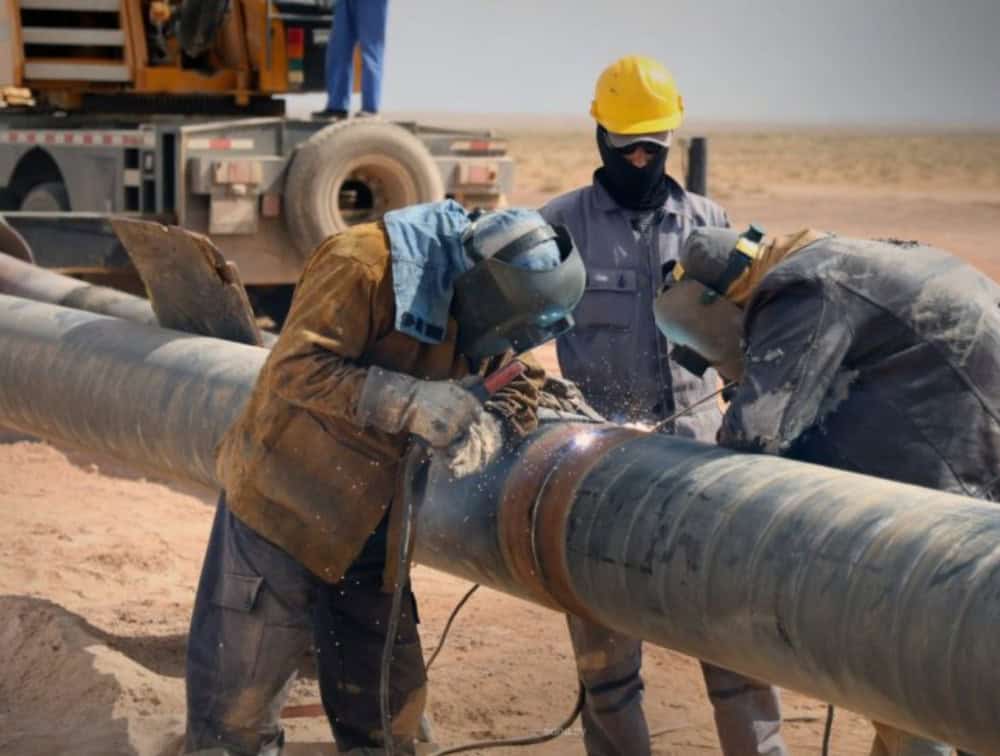
Syria has restored a sabotaged gas pipeline near Deir Ezzor and is repairing another line near Damascus as authorities confront threats to the country’s energy infrastructure. The repairs come amid wider challenges, including Islamic State activity and electricity, water, and fuel shortages, even as Syria expands energy trade with Iraq and works to restore regional oil and gas links.
-
US charges engineer with supporting Houthis, Louisiana brothers and Florida man with financing Hamas
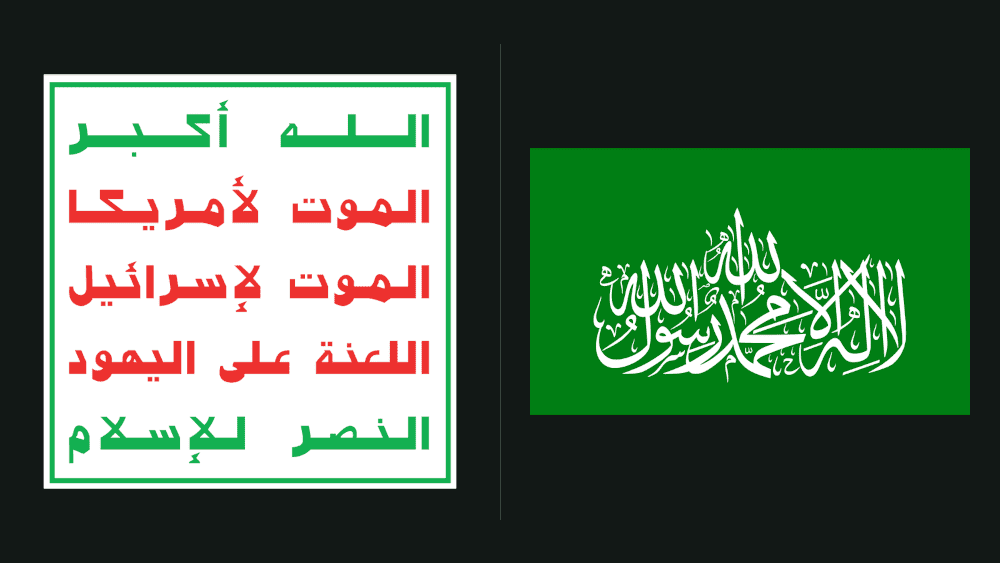
In September, federal prosecutors brought three cases involving alleged support for Middle East terrorist groups: one against a DOE engineer accused of assisting the Houthis and two others accusing Louisiana brothers and a Florida beauty-store owner of financing Hamas.
-
Syria says it thwarted Hezbollah plot; Israel likely target
On September 29, Syria’s Internal Security Forces (ISF) announced that the agency, in coordination with the General Intelligence Directorate, had “thwarted a sabotage plot in the Yarmouk Basin in Daraa” and arrested a three-member cell affiliated with Hezbollah.