
-
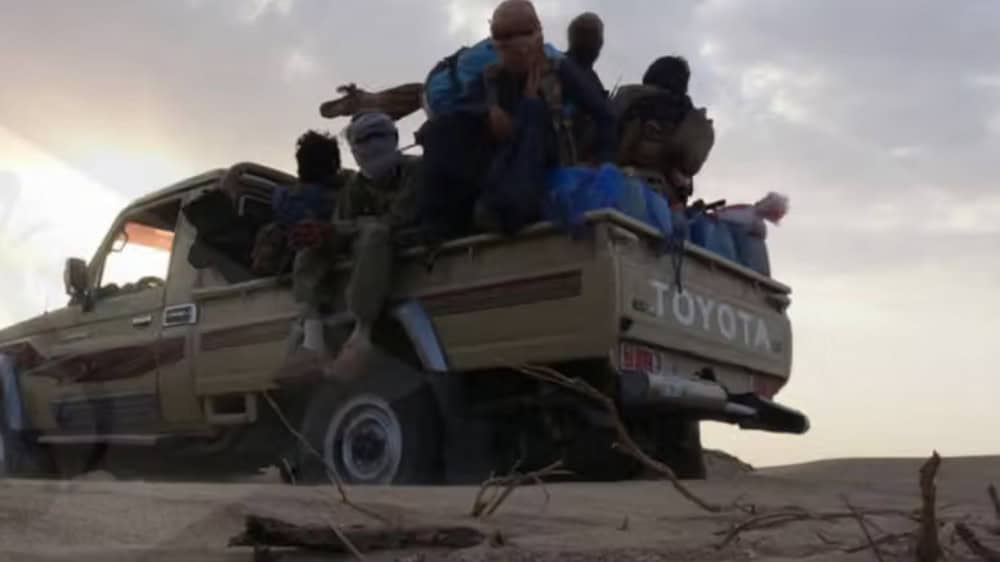
Insurgent attacks surge in southeastern Iran
Insurgent attacks have intensified in southeastern Iran, with the Baluch coalition JMM claiming five operations in the first eight days of October. A review of 37 armed incidents since January 2026 traces the renewed insurgency, its growing attacks on the Islamic Revolutionary Guard Corps and police, and JMM’s shift toward framing its struggle in Iranian…
-
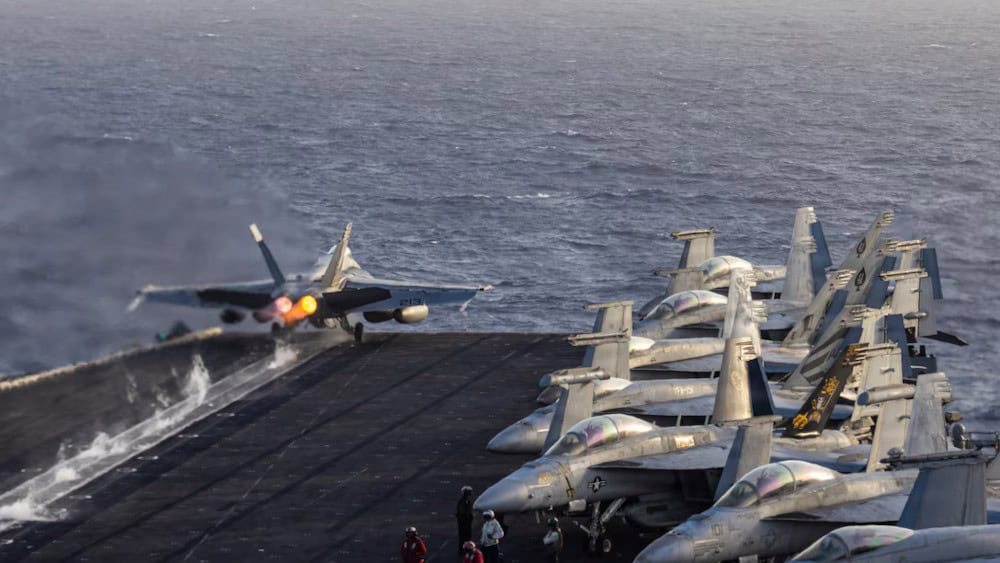
CENTCOM strikes Iran as Tehran condemns US sanctions waiver revocation
The Memorandum of Understanding between the US and Iran faced its most significant test yet on July 7 after Iran attacked commercial shipping in the Strait of Hormuz. Washington responded with a new round of military strikes and sharply narrowed its oil sanctions waiver, with both sides accusing each other of violating the agreement.
-
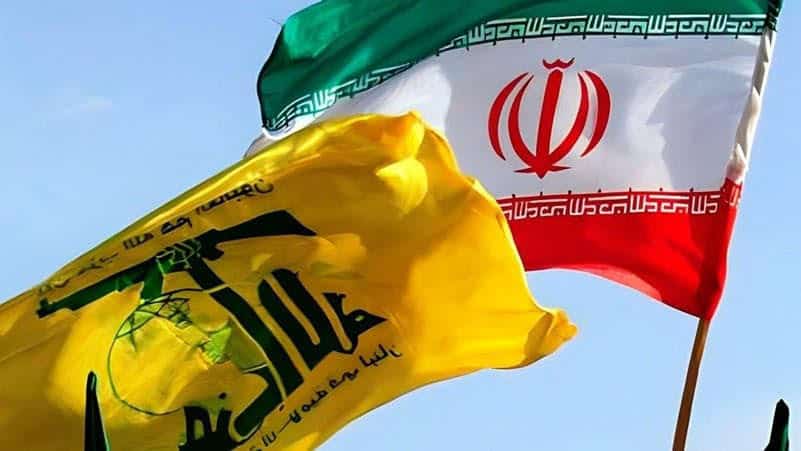
Analysis: Khamenei warily accepts US deal as Tehran eyes rebuilding Hezbollah
Days after Tehran and Washington reached a memorandum of understanding over ending the recent conflict, Iran’s new supreme leader is distancing himself from the agreement as hardliners clash over its implications. Meanwhile, reports that Iran is preparing to increase support for Hezbollah and statements from senior regime figures suggest that Tehran views any sanctions relief…
-
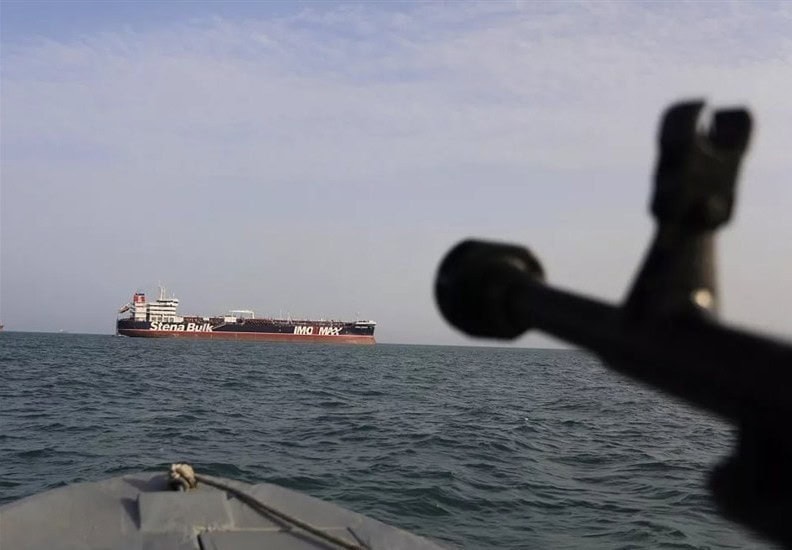
Iran attacks vessels in Hormuz, avoids concrete stance on ceasefire extension
Tehran has refused to take an official position after US President Donald Trump’s announcement of an extension of the US ceasefire with Iran, while conditioning further negotiations on the lifting of the US naval blockade. Iran’s Islamic Revolutionary Guard Corps also threatened regional oil and digital infrastructure and attacked ships in the Strait of Hormuz.
-
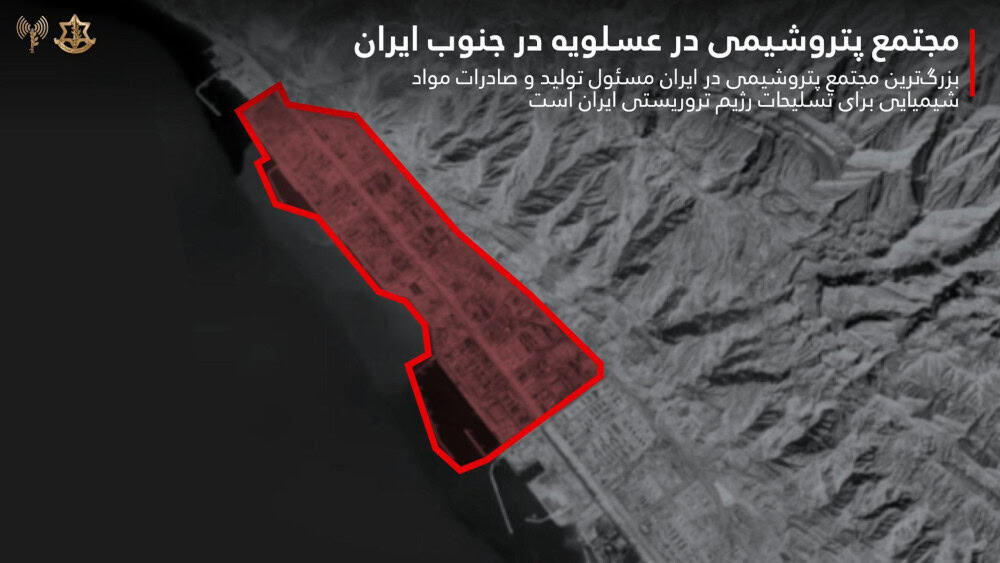
Iran rejects US ceasefire proposal as US-Israeli operations escalate, regime suffers high-profile casualties
US and Israeli operations inside Iran escalated over the past week. Actions included strikes on Islamic Revolutionary Guard Corps missile and air defense sites, eliminations of senior military and intelligence officials, the recovery of a US F-15E crew downed over Iran, and attacks on Iranian infrastructure, ranging from petrochemical facilities to major industrial plants.
-
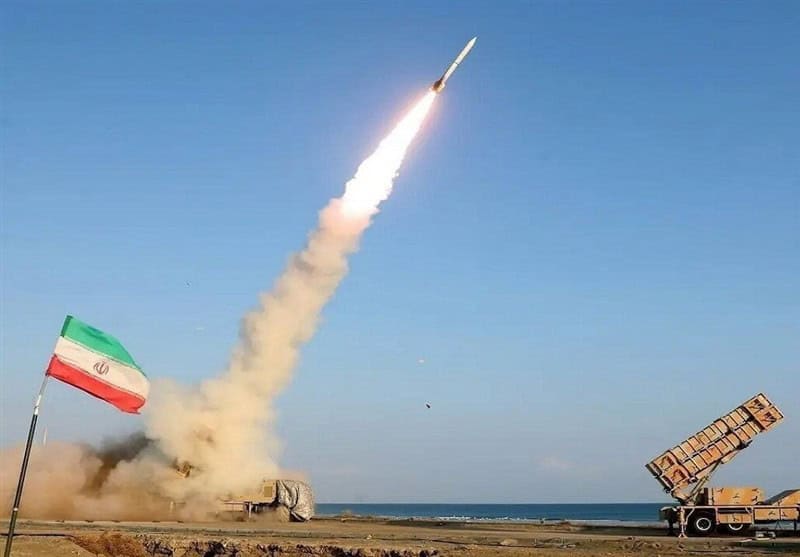
Iran intensifies recruitment, repression amid reports of thousands of security deaths, Washington weighs ground operations
Washington is considering ground operations as joint US-Israeli strikes impact Iran’s military and internal security forces, reportedly causing thousands of casualties. Simultaneously, Tehran has increased security recruitment efforts, deployed foreign proxy militias, and escalated executions and arrests of Iranian citizens while issuing threats over “sharing images or footage with foreign actors.”
-
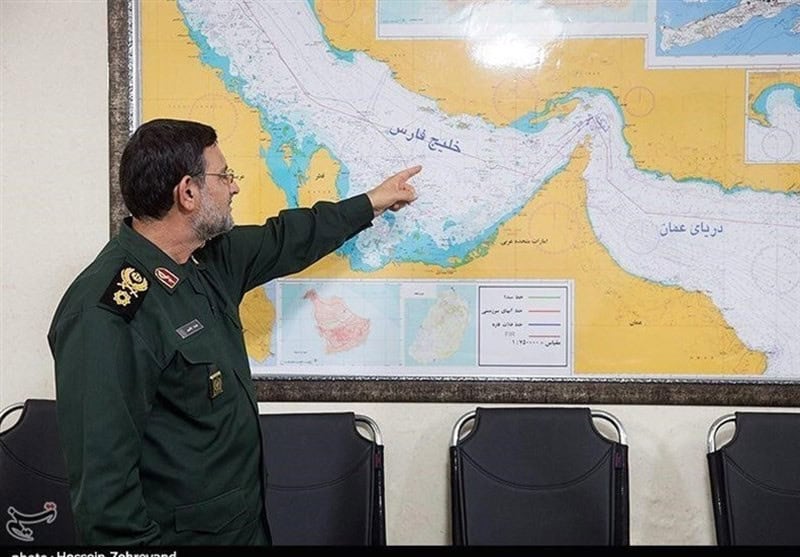
US-Israeli strikes continue as talks over Strait of Hormuz stall and Iran intensifies internal crackdown
The US and Israel continued airstrikes as negotiations over the passage of shipping through the Strait of Hormuz hit an impasse and Iran ramped up efforts to repress its populace. The regime has expanded internal security checkpoints into a dispersed network across various cities and increased arrests targeting alleged collaborators and dissenters.
-
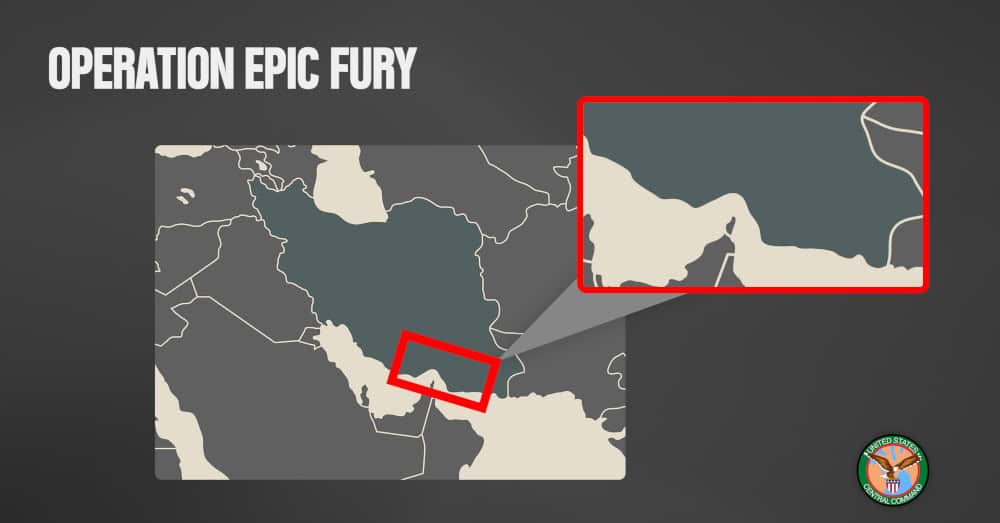
US and Israel strike more military targets, plus Iran’s leadership, repression units, and energy sites (March 17-18 updates)
US and Israeli operations have continued to degrade Iran’s military capabilities while increasingly targeting the regime’s internal security apparatus. Strikes on Basij internal security and police units, alongside assassinations and reported morale issues, may be beginning to affect the regime’s ability to sustain repression efforts as US and Israeli attacks also expanded to targeting energy…
-
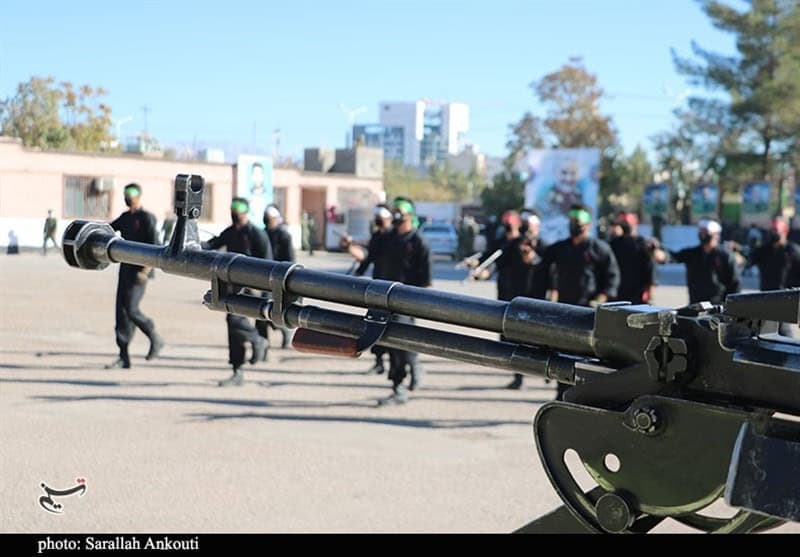
Iran braces for internal unrest as US and Israeli attacks persist (March 14-16 updates)
US and Israeli strikes against the Islamic Republic are expanding to include additional military infrastructure, command centers, and production facilities. At the same time, the Tehran regime is tightening security across Iranian cities amid reports of arrests, checkpoints, and growing economic pressure.
-
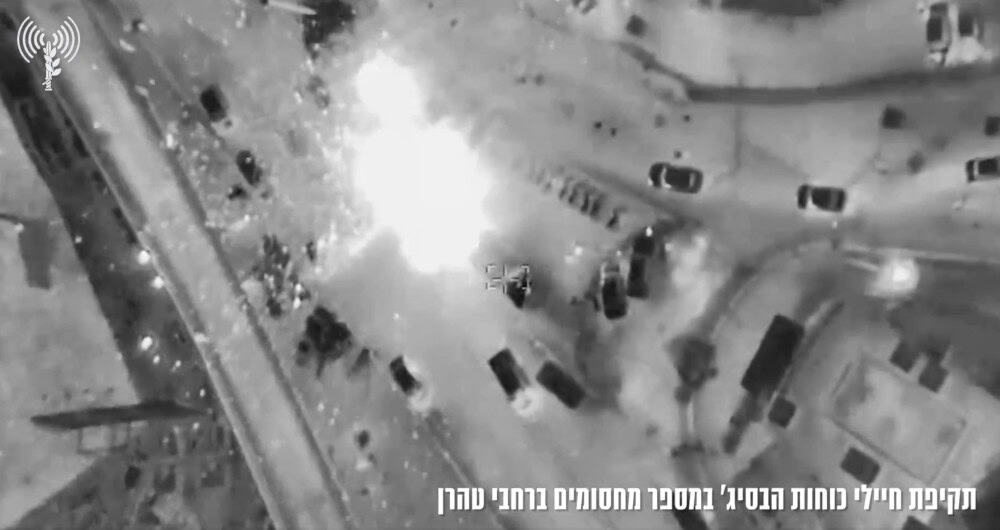
Israel shifts to hyperlocal targeting in Iran as regime military power degrades (March 11-13 updates)
The Iran conflict has entered a new phase after US–Israeli strikes have destroyed key military infrastructure, killed thousands of regime personnel, and degraded Iran’s missile and drone launch rates. Israel has shifted toward hyperlocal targeting of repression units and regime figures inside Tehran, often aided by intelligence from Iranians on the ground. Simultaneously, the Tehran…
-
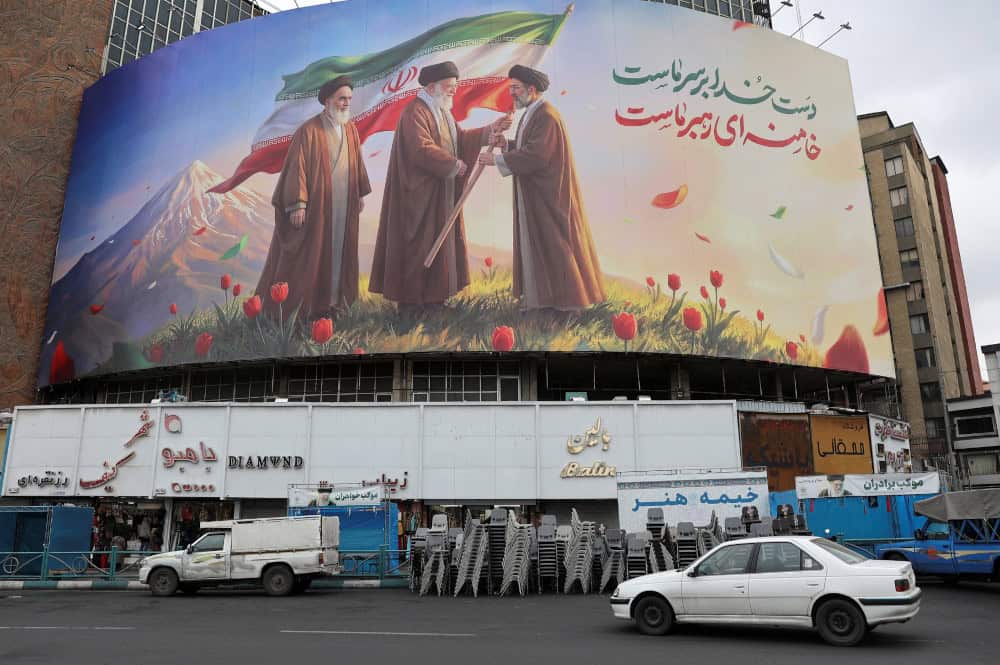
Israel intensifies strikes on repression sites, expands outreach to Iranians as regime repression deepens (March 8-10 updates)
The joint US–Israeli campaign is striking Iran’s military and internal security infrastructure across the country while continuing to eliminate senior regime figures. Amid the pressure, the regime installed a new supreme leader, expanded regional attacks while denying responsibility, and intensified repression, as Israel increased outreach to the Iranian public.
-

US-Israeli strikes hit Iran’s missile, nuclear, political, and repression sites
On March 2 and 3, the United States and Israel struck missiles and launchers nationwide, nuclear program sites at Natanz, and a key leadership target in Qom, while also hitting IRGC, Basij, police, and intelligence facilities in Tehran and western Iran.
-
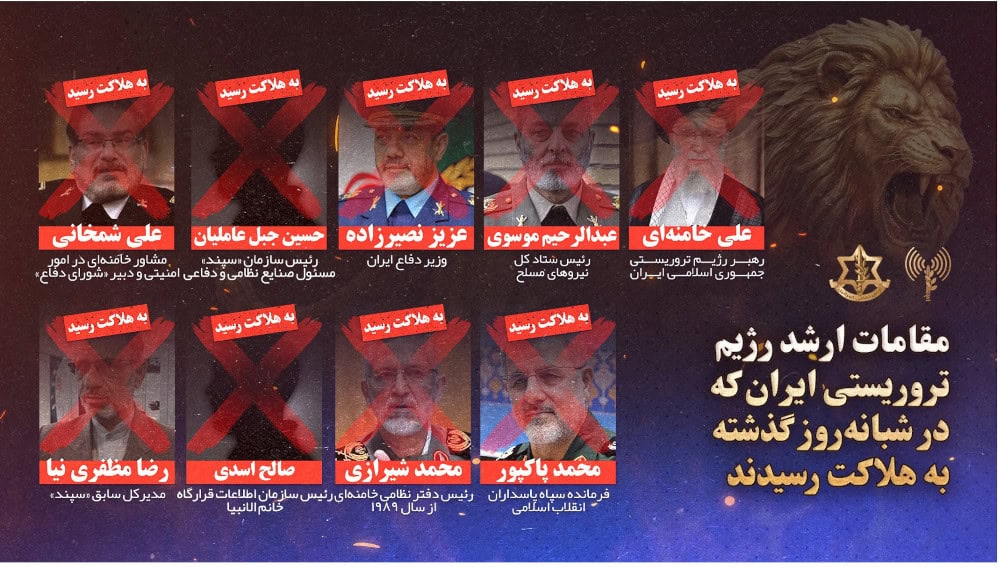
US-Israeli campaign hits Iranian regime’s military and repression apparatus, regime forms leadership council (March 1 updates)
The joint US and Israeli operation entered its second day, with American forces targeting command-and-control centers, Islamic Revolutionary Guard Corps (IRGC) headquarters, air defense systems, ballistic missile sites, and Iran’s naval forces. In parallel, Israeli strikes concentrated on targets in Tehran, including key pillars of the regime’s repression apparatus, as well as ballistic missile sites…
-
US and Israel launch military campaign against Iran, Supreme Leader Khamenei reportedly killed
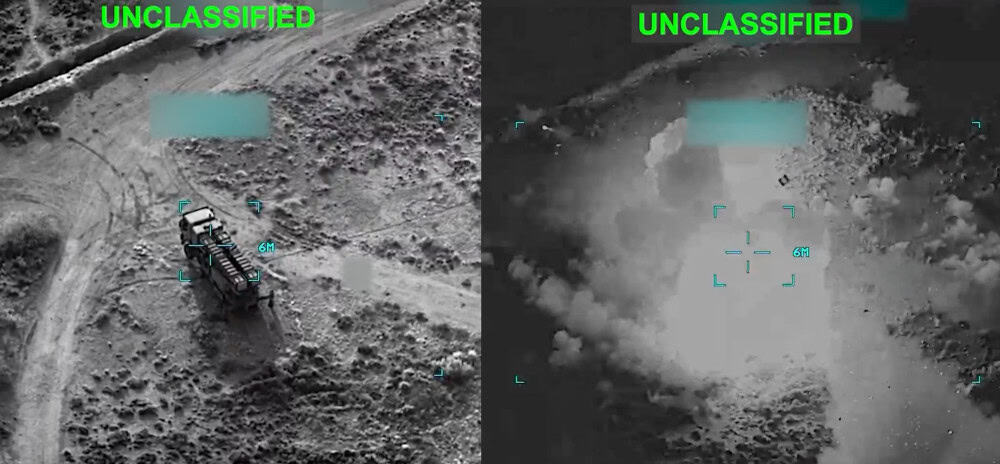
After the third round of nuclear talks between Tehran and Washington failed to produce meaningful progress, the US followed through on its threats against the Iranian regime. On the morning of February 8, in a joint operation with Israel, the US struck military sites in Iran and targeted the Islamic Republic’s leadership. The military campaign…
-
Iranian regime escalates hostilities with US, hardens negotiating position
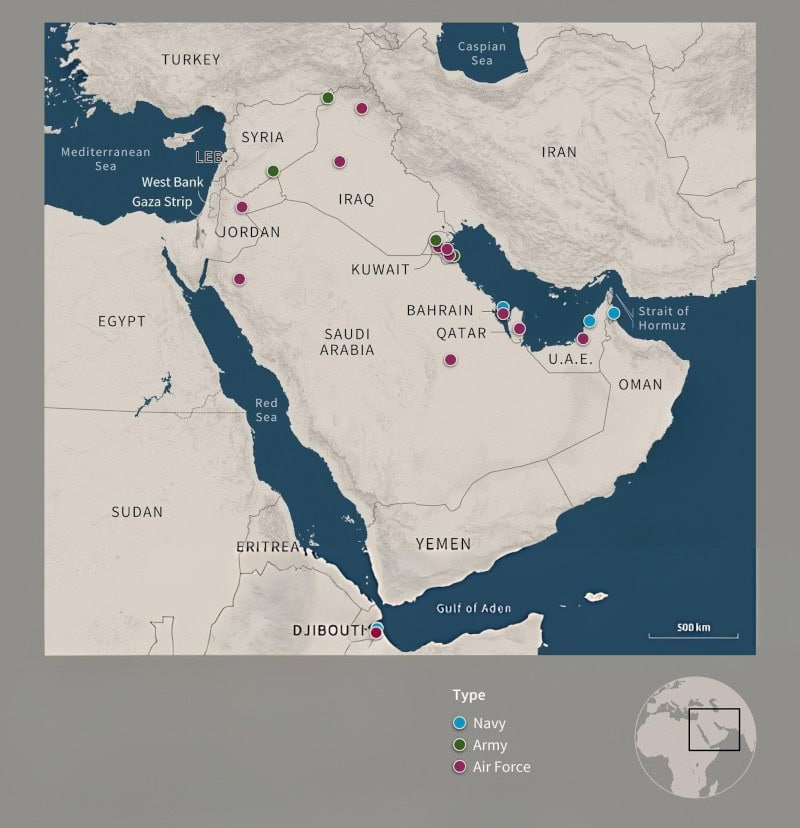
Iran has ramped up military provocations against US forces as nuclear negotiations loom, with regime officials sending mixed signals on uranium enrichment while refusing to discuss missile programs or terror proxies. Internal regime sources reveal the leadership’s growing fear that a US strike could trigger mass uprisings. Despite killing over 36,000 protesters, according to some…
-

Tehran regime fears defections as Iran’s nationwide movement defies containment
Iran’s protest movement has now entered its third week, and the regime is struggling to contain the unrest. Islamic Republic authorities fear disobedience within the ranks, and reports of potential defections point to growing anxiety inside the security apparatus. Washington is assessing options to strike regime sites.
-

Iranian Baluch separatist factions establish Popular Fighters Front coalition
Iranian Baluch separatist factions have formed a new coalition known as the Popular Fighters Front (JMM), presenting themselves as a unified movement against the Islamic Republic of Iran. The coalition’s manifesto outlines its constituent groups, including PADA Baluch, Harakat-e Nasr, Jaish al Adl, the Mohammad Rasulullah network, and independent fighters, and frames its mission as…
-

Analysis: Iran threatens nuclear weaponization ambitions
Senior Iranian officials have openly hinted at Tehran’s shifting nuclear posture. A nuclear scientist confirmed Iran’s capacity to build nuclear weapons, while a military official reflected that Tehran should have pursued them in the 1990s—exposing how the regime’s rhetoric now edges closer to weaponization.
-

Analysis: How the Iranian regime’s foreign proxies suppress Iranian protestors
The Islamic Republic has long backed proxy groups abroad, but their role inside Iran is less well-known. Lebanese Hezbollah, Iraqi Shiite militias, and the Afghan Fatemiyoun Brigade have helped suppress dissent within Iran, and recent reports of their harassment of female students have sparked new outrage.
-
Israel strikes IRGC in Lebanon, reports Qods Force arrests in Syria
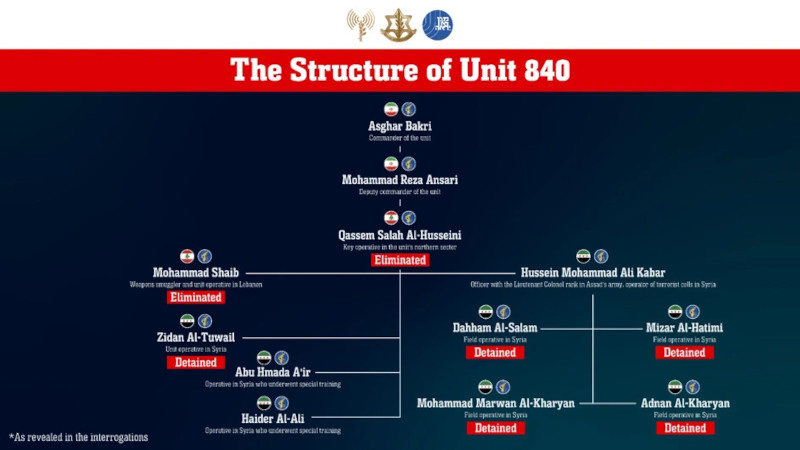
Israel killed Islamic Revolutionary Guard Corps (IRGC) and Hezbollah member Wissam Saeed Jubai in southern Lebanon and struck Hezbollah compounds in the Beqaa Valley as reports indicate Tehran is seeking new financial channels to sustain Hezbollah after Assad’s collapse. The IDF separately revealed the arrests of Qods Force Unit 840 operatives in Syria, part of…
-
Tehran threatens snapback retaliation, raises fears of war with Israel
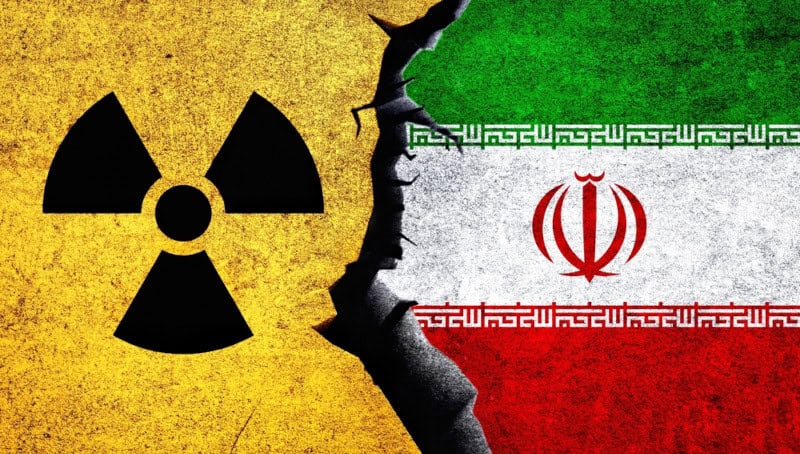
Reacting to Europe’s decision to initiate snapback, the reimposition of pre-2015 UN sanctions, officials and state media in the Islamic Republic issued vague threats of retaliation. While some voices have acknowledged that snapback could pave the way for war, others are downplaying its impact in an effort to prevent public panic and preserve regime morale,…
-
Israel intensifies outreach to Iranians as Tehran anticipates another war
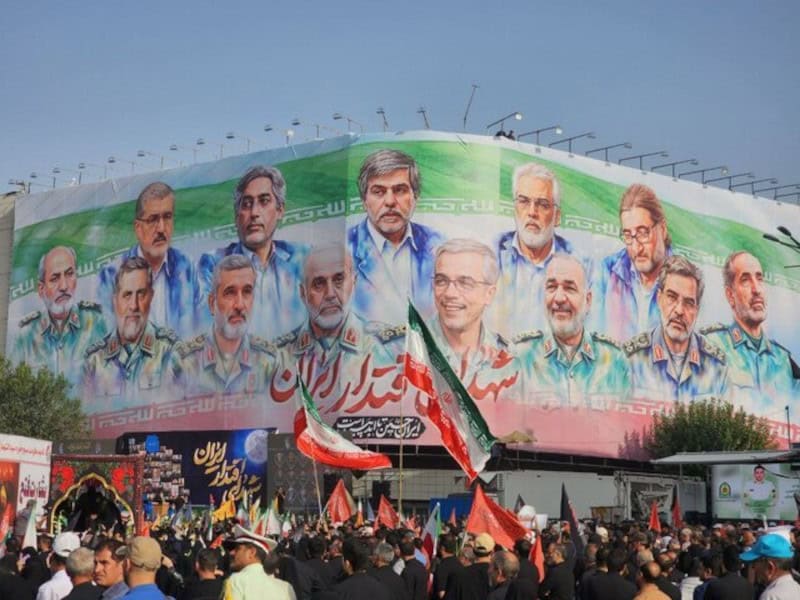
As Tehran continues to ready for a potential conflict, Israel has ramped up direct appeals to the Iranian public, offering water technology, urging protests, and hinting at a regime collapse. The Israeli campaign has drawn sharp backlash from Iranian leaders, while both sides maintain a shadow war marked by likely sabotage and public military preparations.
-

Analysis: Armenia–Azerbaijan deal worries Iran
The August 8 agreement between Armenia and Azerbaijan that was brokered in Washington created the US-managed “Trump Route for International Peace and Prosperity” and granted Azerbaijan a link to its Nakhchivan exclave. While the deal preserves Iran’s overland access to Armenia and Europe, Tehran sees it as a strategic setback that could weaken its role…
-

Afghans in Iran have significant national security implications for the Tehran regime
Afghans in Iran now occupy a charged space in the regime’s security calculus, seen as both potential infiltration risks and diplomatic leverage. From exploiting leaked UK asylum data to mass deportations and espionage arrests, Tehran is reframing Afghan migration as a matter of national security.
-
US, UK, EU allies condemn Iranian terror plots
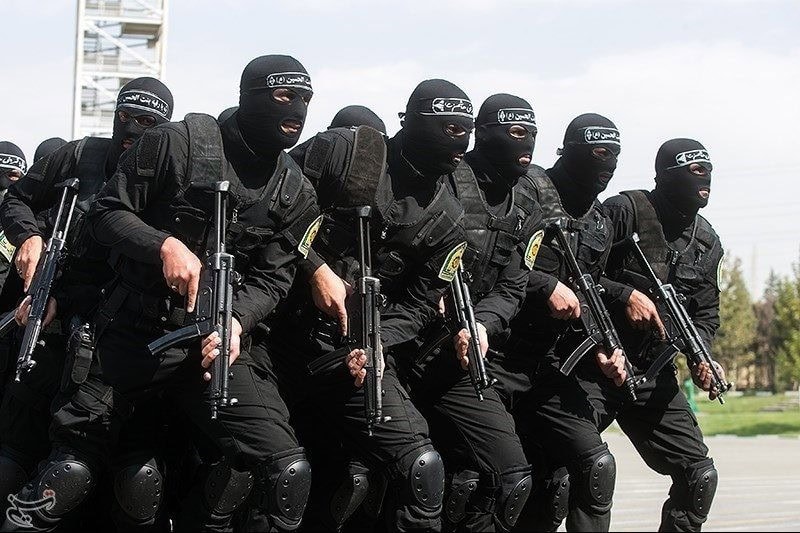
Tehran’s aggressive global terrorism, intelligence, and repression operations are drawing sharper Western scrutiny. The US, the UK, and 12 allies condemned Tehran’s plots abroad, which it often outsources to criminal gangs. European states are investigating regime-linked mosques, while Iran passed a law to track expatriates under the guise of outreach.
-

Mysterious wave of explosions, sudden IRGC death disrupt post-ceasefire calm in Iran
Israel and Iran indirectly agreed to a ceasefire on June 24, yet a wave of explosions and the mysterious death of an IRGC general over the past week have disturbed the relative calm in Iran. The regime has attributed every explosive incident to “gas leaks,” despite contradictory evidence. Israel has remained silent on these events…
-

Iran threatens Europe as France, Germany, and UK weigh snapback options
As France, Germany, and the UK weigh triggering snapback sanctions, Tehran has escalated its threats against Europe both rhetorically and operationally. Mohammad Javad Larijani, a senior advisor to the Supreme Leader, warned that Europeans “can no longer move about comfortably,” pointing to Iran’s growing drone capabilities as a tool of deterrence. From supplying Russia with…
-

Trump announces ceasefire, Israel strikes Iranian regime’s repression apparatus (June 23 updates)
After nearly two weeks of high-intensity conflict, US President Donald Trump announced on June 23 that Israel and Iran had reached a ceasefire agreement. The announcement followed a flurry of kinetic activity: Iran launched missiles at the US Al Udeid Air Base in Qatar in response to American strikes on its nuclear infrastructure, while Israel…
-

Analysis: How might Iran retaliate against the US?
Following US strikes on three nuclear sites, Tehran has threatened to target American bases in the Middle East, continue missile attacks on Israel, and close the Strait of Hormuz. Iran’s Islamic Revolutionary Guard Corps claims the strikes were anticipated, uranium was moved from Fordow in advance, and Iran is preparing for a potential six-month war.
-

Israel targets IRGC officials, nuclear scientist, and missile bases in Iran (June 22–21 updates)
Over the past 72 hours, Israel has intensified its air campaign across Iran, striking missile and drone infrastructure in Esfahan, Bushehr, Ahvaz, Yazd, and Qom. Targets included the Imam Hossein missile base in Yazd, IRGC drone and air defense facilities, and the Shahid Mostafa Khomeini military base. Senior IRGC and IRGC-Qods Force commanders tied to…
The Team
Meet the Team Behind the Vision
Our dedicated team combines diverse skills and shared passion to bring innovative solutions to life. Together, we collaborate, create, and strive to exceed expectations every day. Learn more about the people driving our mission forward.
Alex Johnson
Project Manager
Oversees project timelines and ensures seamless collaboration among team members to deliver results on schedule.
Alex Johnson
Project Manager
Oversees project timelines and ensures seamless collaboration among team members to deliver results on schedule.
Alex Johnson
Project Manager
Oversees project timelines and ensures seamless collaboration among team members to deliver results on schedule.