-
Israel intensifies outreach to Iranians as Tehran anticipates another war
As Tehran continues to ready for a potential conflict, Israel has ramped up direct appeals to the Iranian public, offering water technology, urging protests, and hinting at a regime collapse. The Israeli campaign has drawn sharp backlash from Iranian leaders, while both sides maintain a shadow war marked by likely sabotage and public military preparations.
-
Analysis: The ‘How’ over the ‘What:’ Israel’s dilemma beyond target selection in Iran
Israel’s war cabinet has reportedly agreed on what Iranian targets to strike, so the question now is what method it will employ to carry out the attacks to effectively deter Tehran without escalating into a full-scale war. In doing so, Israel has two choices: to either publicly humiliate the regime or launch a series of covert attacks, and the latter is less likely to warrant Tehran’s retaliation.
-
Analysis: Large-scale attack targets Hezbollah fighters
Pagers assigned to members of the Lebanese group exploded on September 17, injuring more than 2,500 people and causing an undetermined number of deaths. A significant Israeli assault that has potentially injured thousands of Hezbollah fighters is unlikely to go unanswered.
-
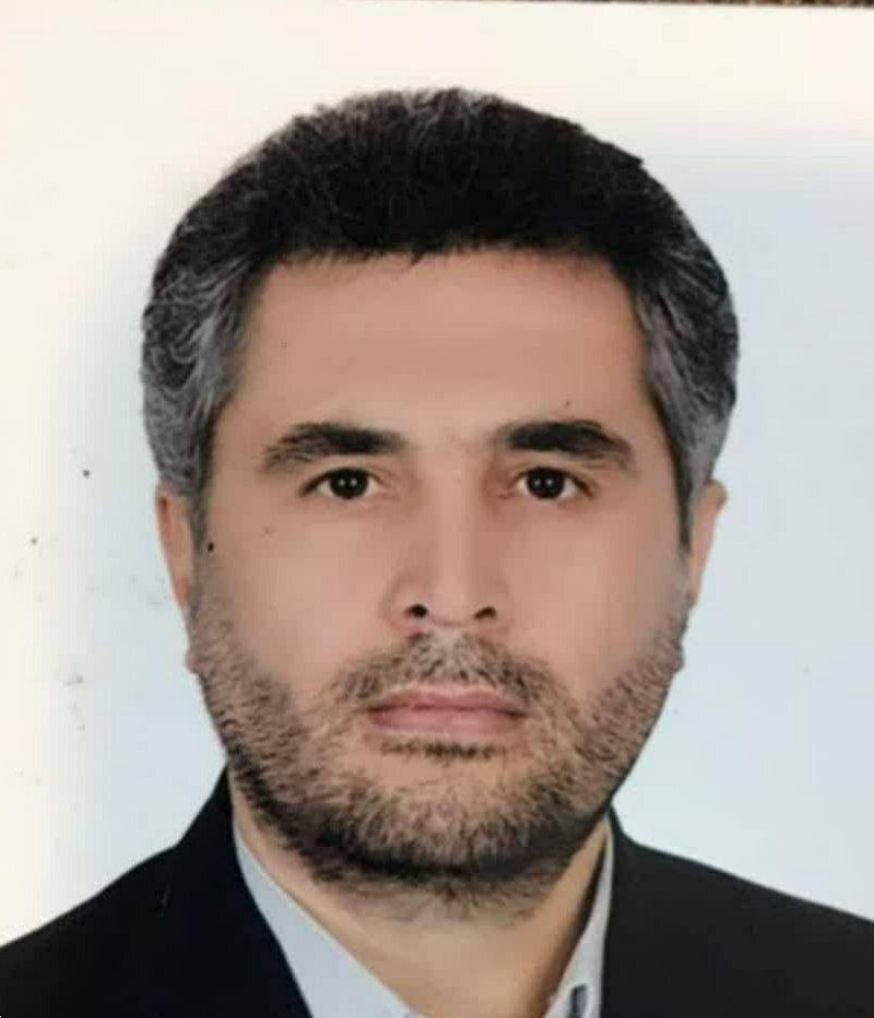
IRGC Colonel Assassinated in Tehran, Mossad Suspected of Being Behind Hit
An IRGC colonel reportedly involved in plans to kill Israelis abroad was assassinated Sunday afternoon in Tehran.
-
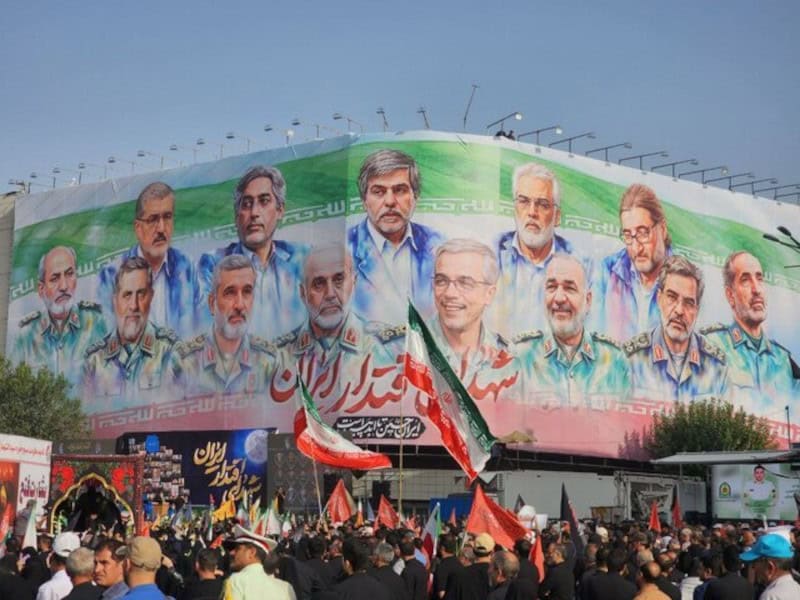
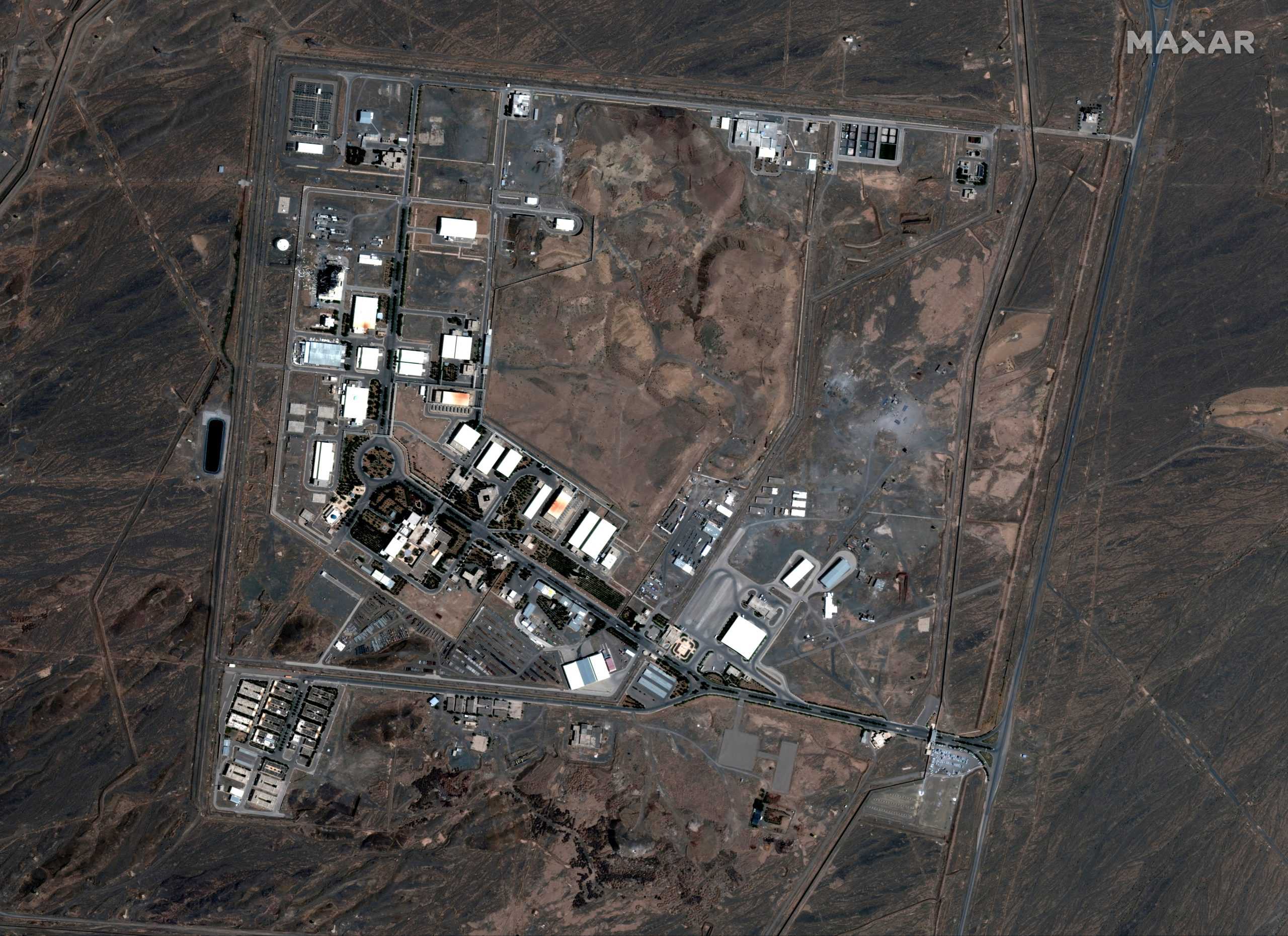
Analysis: Israel’s three-front conflict with Iran
A tit for tat exchange of retaliatory attacks has taken place between Israel and Iran over recent weeks which has the potential to push both powers towards a wider conflict.
-
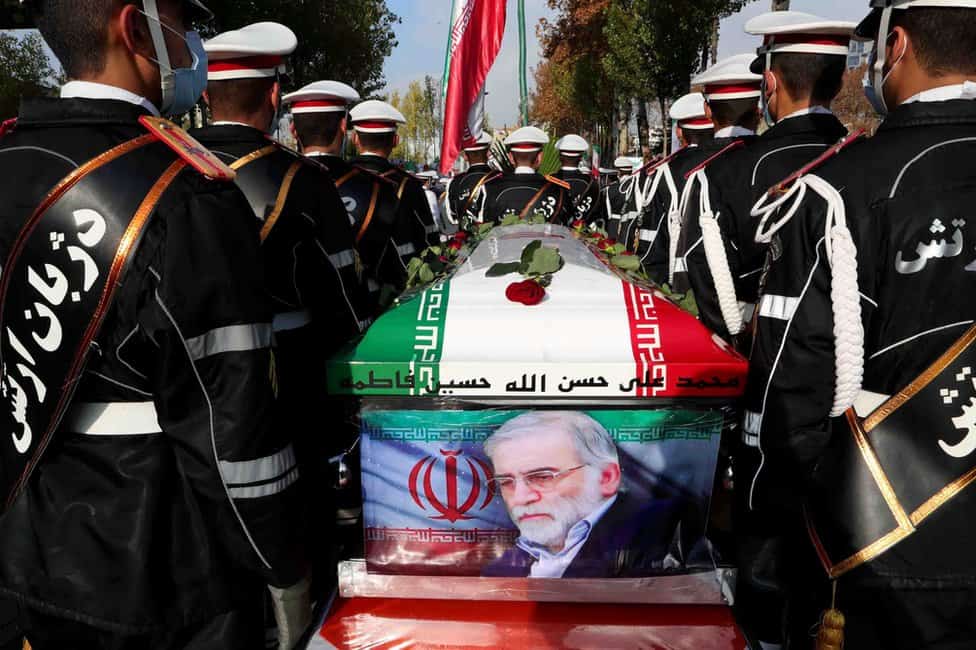
Chief Iranian nuclear scientist Mohsen Fakhrizadeh assassinated near Tehran
Iranian Brigadier General and scientist Mohsen Farkhrizadeh was assassinated Friday in an operation attributed to Israel’s Mossad.
-
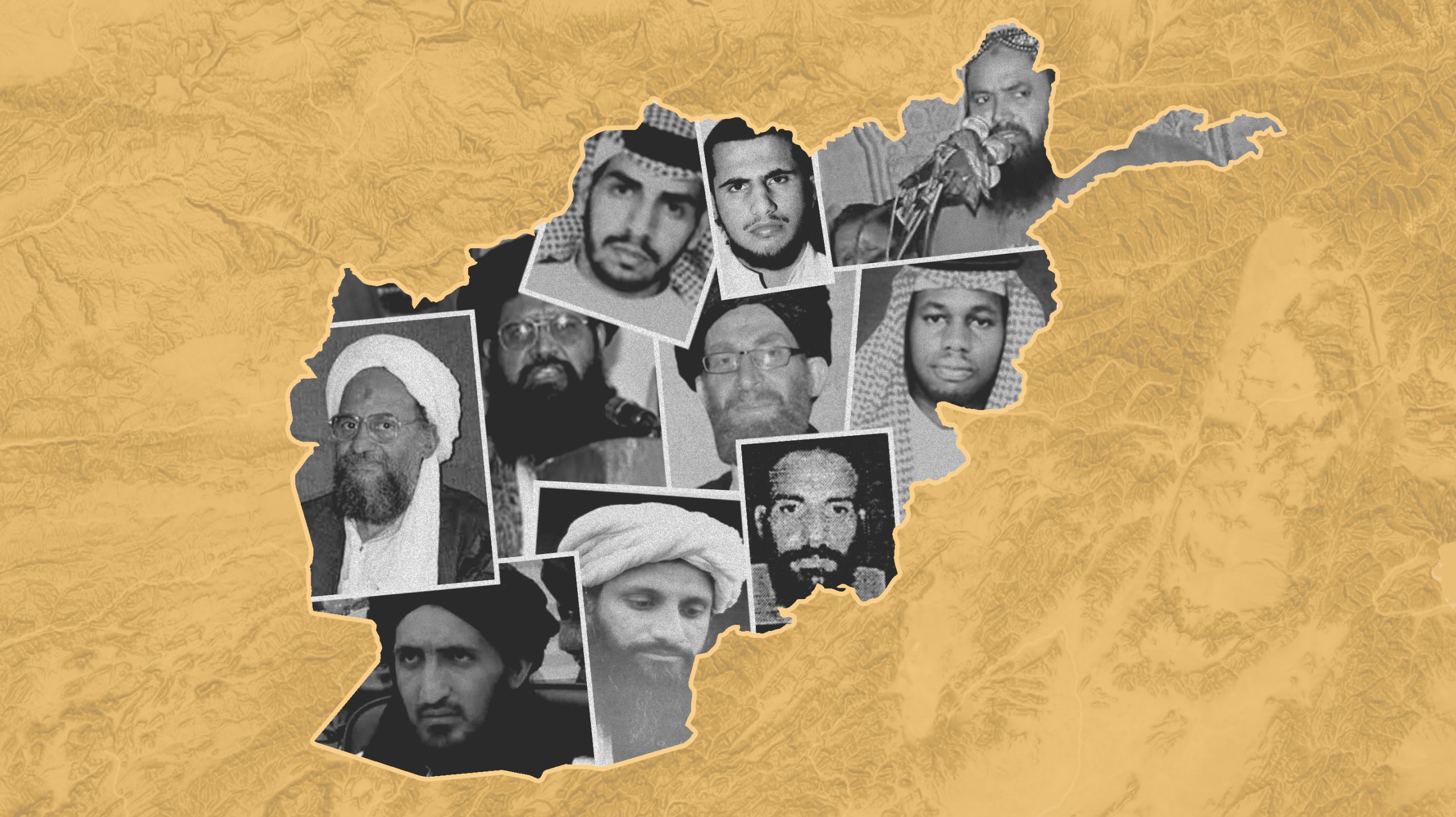
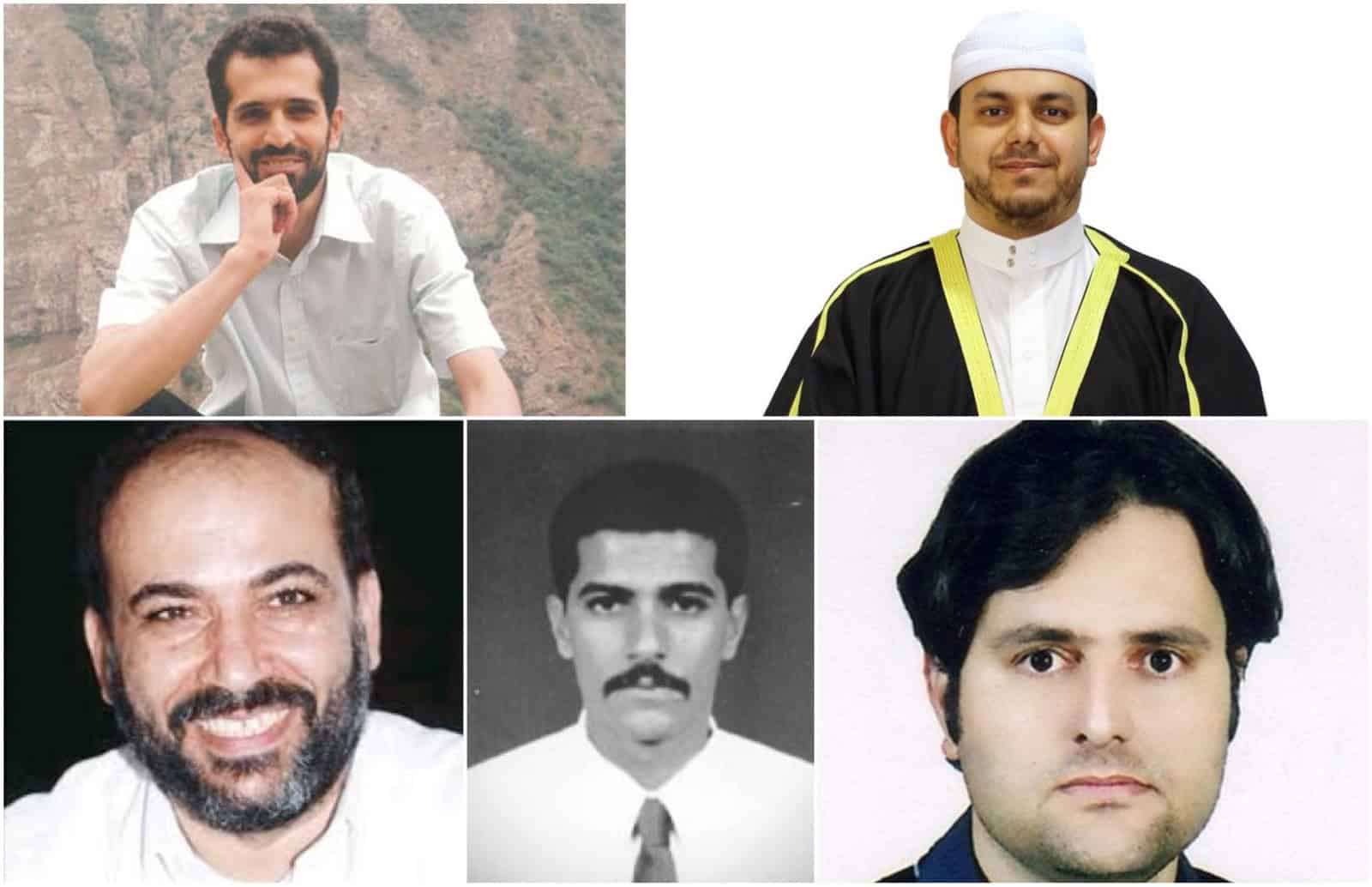
Analysis: A History of Targeted Killings Attributed to the Mossad
Following the killing of Al Qaeda’s Abu Muhammad al-Masri, the Mossad’s history of targeted killings comes into focus.
-
Hamas acknowledges a ‘collaborator’ fled to Israel
Hamas is in damage control-mode after one of its commanders reportedly flees to Israel.