-
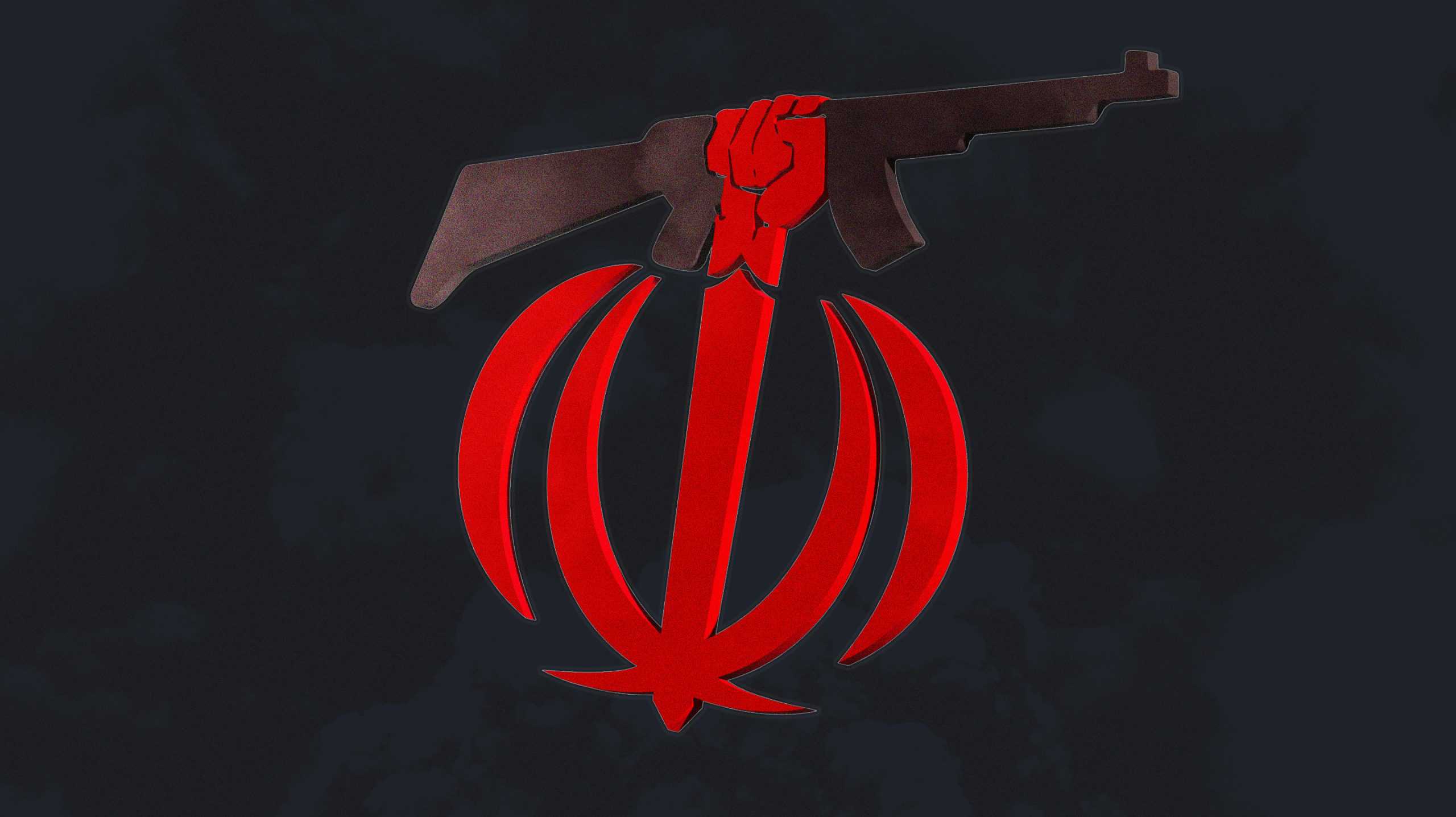
How Hezbollah reframed the battle for Ali al Taher as Israel advanced
As Israeli forces pushed from the outskirts of Ali al Taher Ridge into its underground network, Hezbollah repeatedly revised what counted as a success for the group—from denying Israeli entry to portraying the loss of the position as an attritional achievement.
-
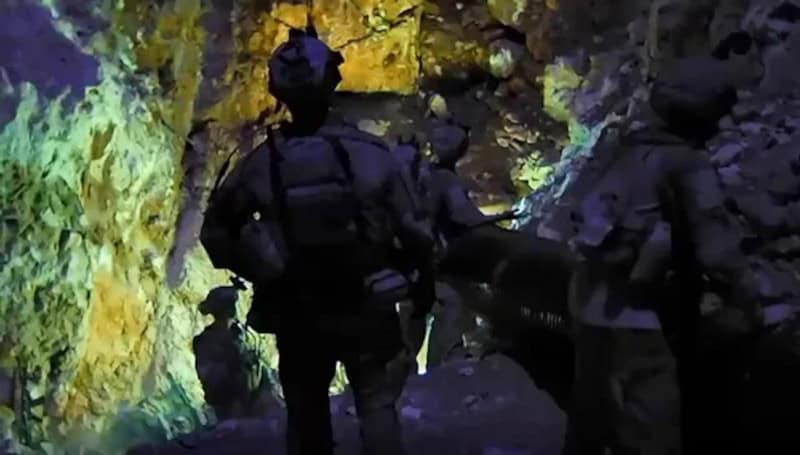
Syria’s military is rebuilding, but foreign influence may slow security progress
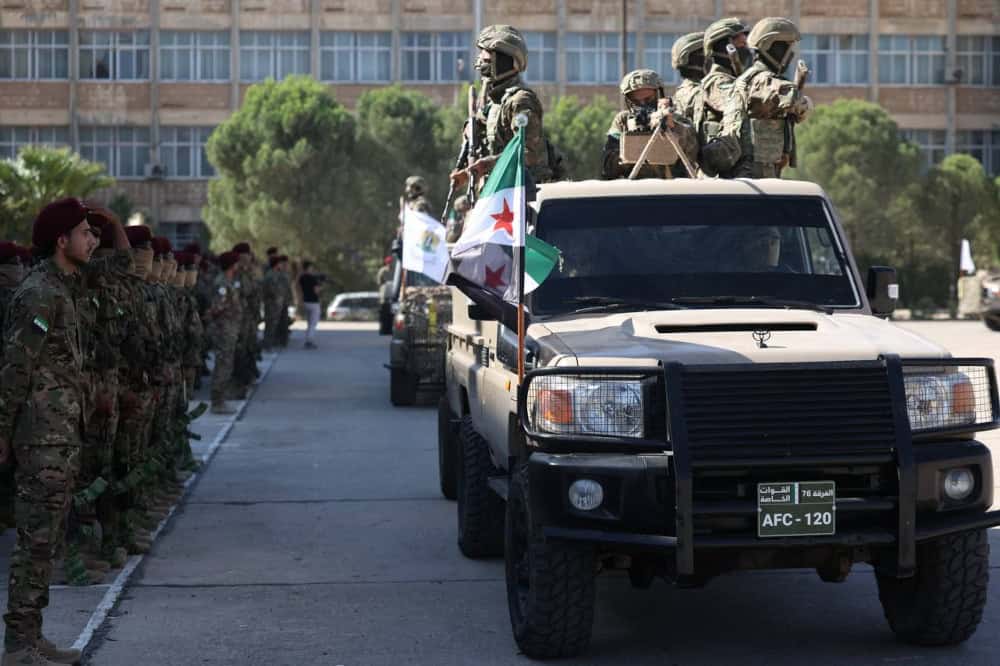
Syria’s post-Assad military is rebuilding rapidly, but its structure and foreign dependencies could limit Damascus’s ability to advance US security interests. If security cooperation from Turkey and Russia comes with strings attached, it may jeopardize Syria’s potential as a future partner against the Islamic State and Hezbollah.
-
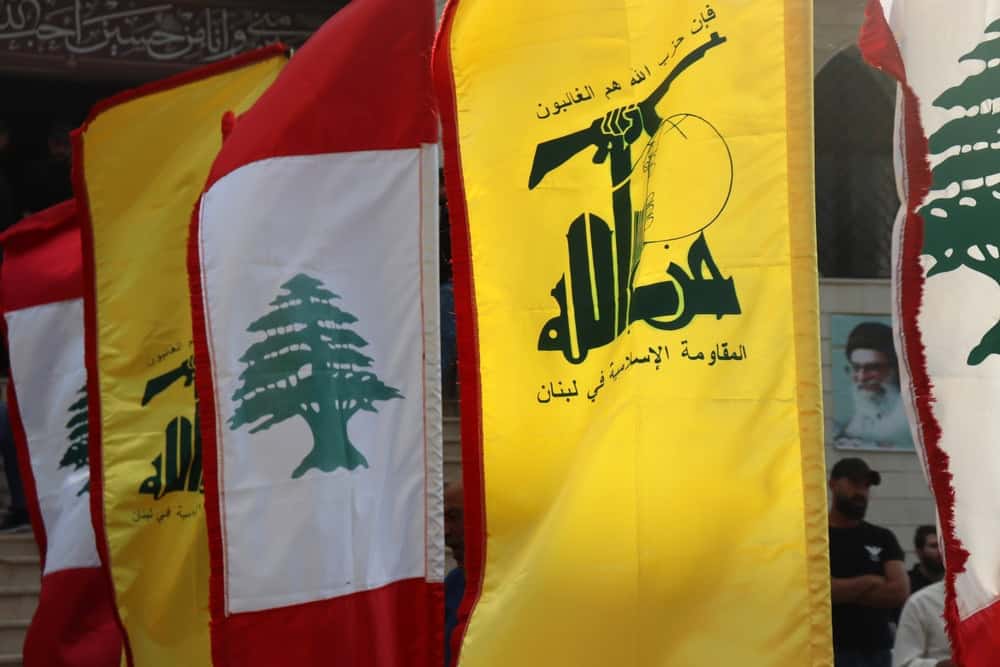
LAF-Hezbollah coordination and the limits of Lebanon’s disarmament effort
Israel reportedly assesses that the Lebanese military is coordinating with Hezbollah in pilot zones intended to disarm non-state groups. The broader claim is supported by years of evidence, and the record since 2024 shows what coordination has produced: negotiated access, handovers, and seizures without Hezbollah’s genuine disarmament.
-
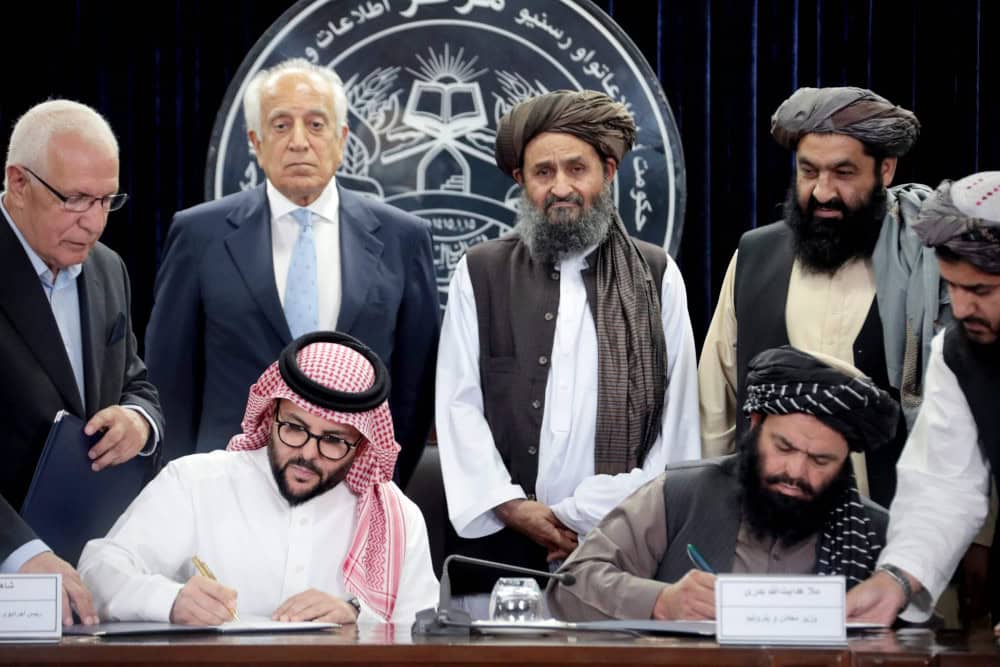
Former US ambassador Khalilzad visits Kabul, attends Taliban oil deal signing
Former US Ambassador to Afghanistan Zalmay Khalilzad met with senior Taliban officials and attended the signing of a major oil and gas agreement with a Saudi company, despite the US State Department insisting that he was acting solely “in a personal capacity.” Whatever his intentions, Khalilzad gave the Taliban something it has sought since returning to power: an appearance of American validation.
-
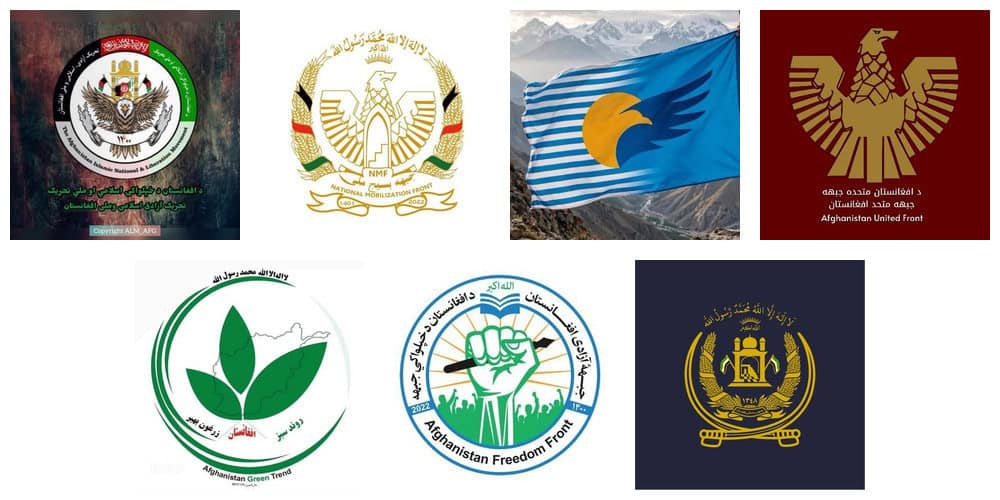
Resistance to Taliban rule persists in Afghanistan
Five years after the fall of Kabul, Afghanistan’s armed resistance continues to expand despite lacking territorial sanctuary, overt state sponsorship, and meaningful international assistance. Although it remains far from an existential threat to Taliban rule, its persistence challenges the appearance of uncontested control.
-
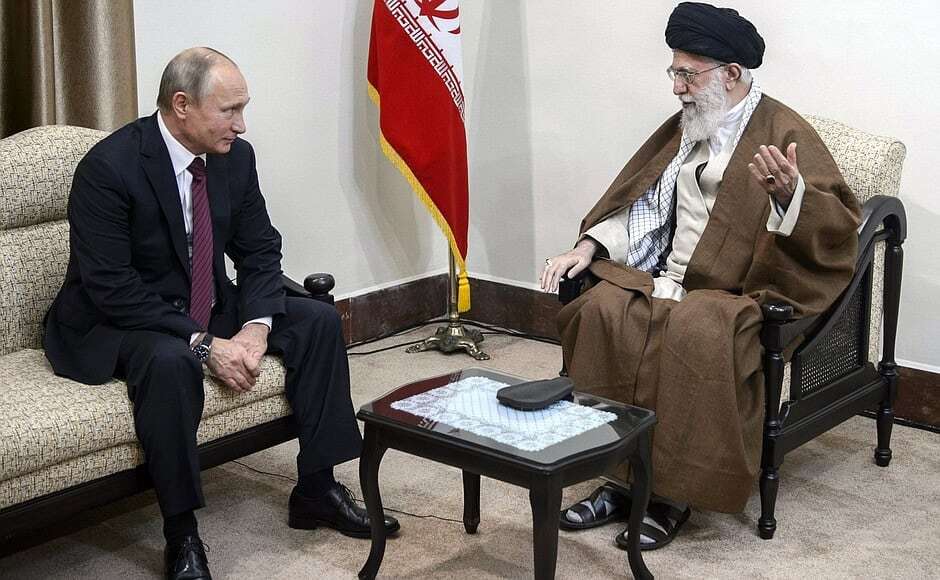
Russia helps Iran sharpen its sword
Russia reportedly is supplying explosives, drone components, and other military goods to Iran, helping the Islamic Republic replenish arsenals for future rounds of fighting with the United States and Israel.
-
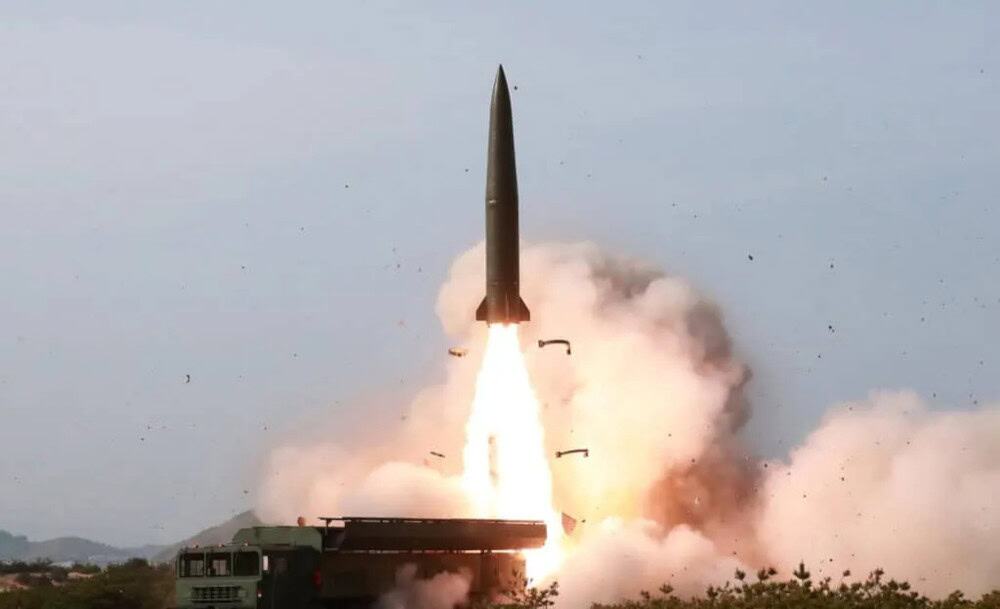
Analysis: North Korean missile deployment raises urgency of Ukraine’s Starlink plea
North Korea is reportedly dispatching as many as 120 additional ballistic missiles to Ukraine as the embattled country searches for ways to destroy Russian missile launchers.
-
Analysis: US Treasury sanctions Turkish Hamas financiers as Erdogan presses for F-35s
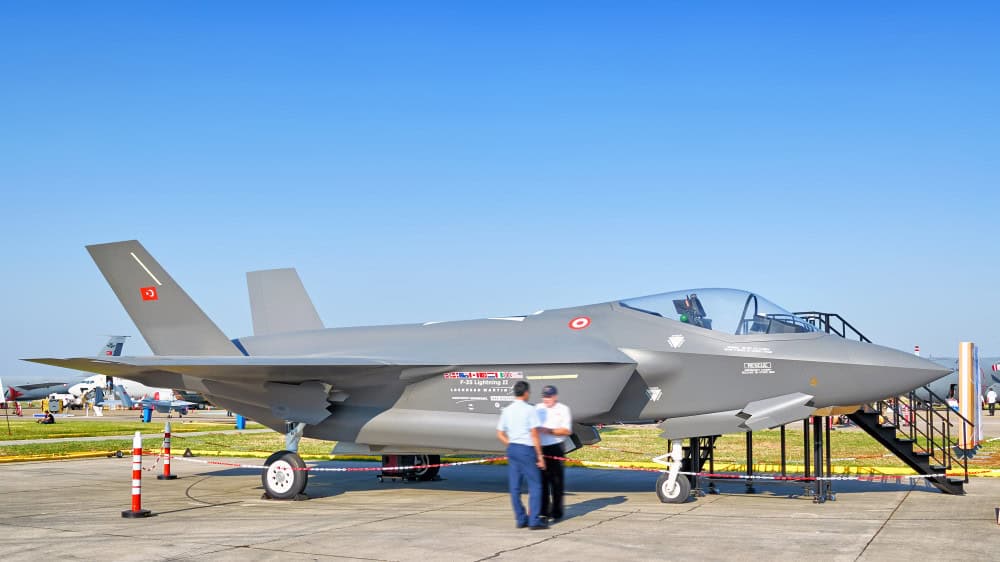
On July 23, the US Treasury Department’s Office of Foreign Assets Control (OFAC) designated a Turkey-based Hamas money exchange and a senior Muslim Brotherhood official, the third round of sanctions against Hamas’s Turkish financial network in less than two years. US lawmakers have introduced measures that would condition future F-35 sales to Turkey on certification that Turkey has severed its ties to Hamas.
-
Analysis: Ukraine’s defense leadership crisis becomes blessing in disguise
President Volodymyr Zelenskyy’s short-sighted decision to fire his popular defense minister may ultimately redound to Ukraine’s benefit, as the firestorm it unleashed has forced Zelenskyy to install a widely respected, new-school officer as Ukraine’s top general.

-
Analysis: The Israel-Lebanon framework agreement explained
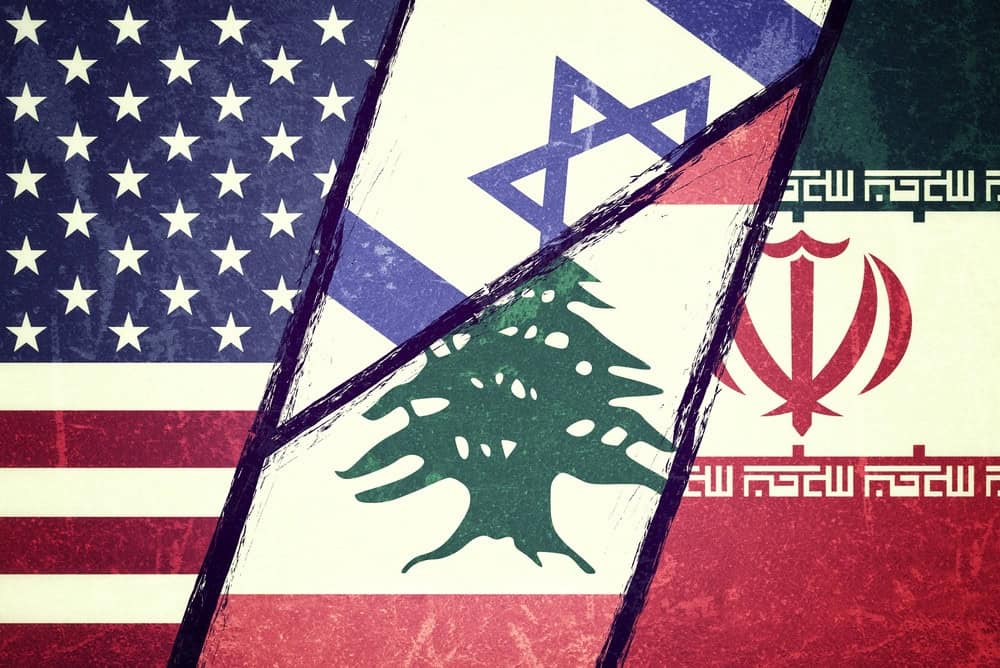
On June 26, Israel and Lebanon signed a framework agreement, mediated by the United States, to permanently end their state of conflict and address its root causes—primarily, Hezbollah’s arms. While the deal is promising on its face, significant parts of it may be difficult or impossible to implement under Lebanon’s current domestic conditions.
-
Analysis: Khamenei warily accepts US deal as Tehran eyes rebuilding Hezbollah
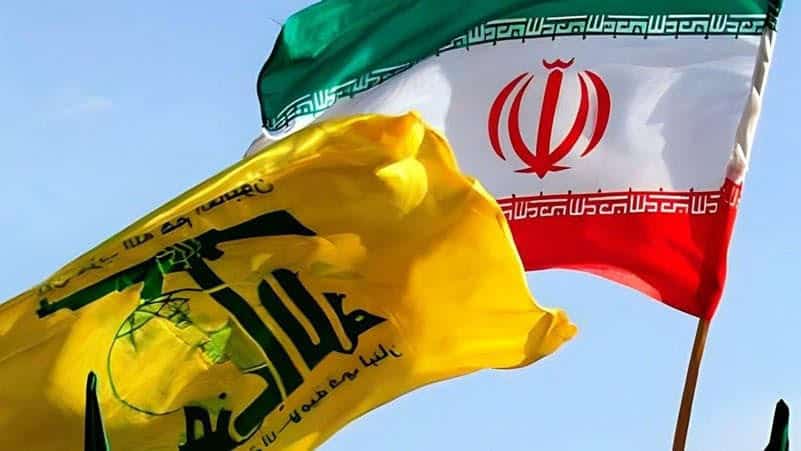
Days after Tehran and Washington reached a memorandum of understanding over ending the recent conflict, Iran’s new supreme leader is distancing himself from the agreement as hardliners clash over its implications. Meanwhile, reports that Iran is preparing to increase support for Hezbollah and statements from senior regime figures suggest that Tehran views any sanctions relief as an opportunity to rebuild proxy capabilities.
-
Analysis: Ukraine unveils reforms to address manpower shortage
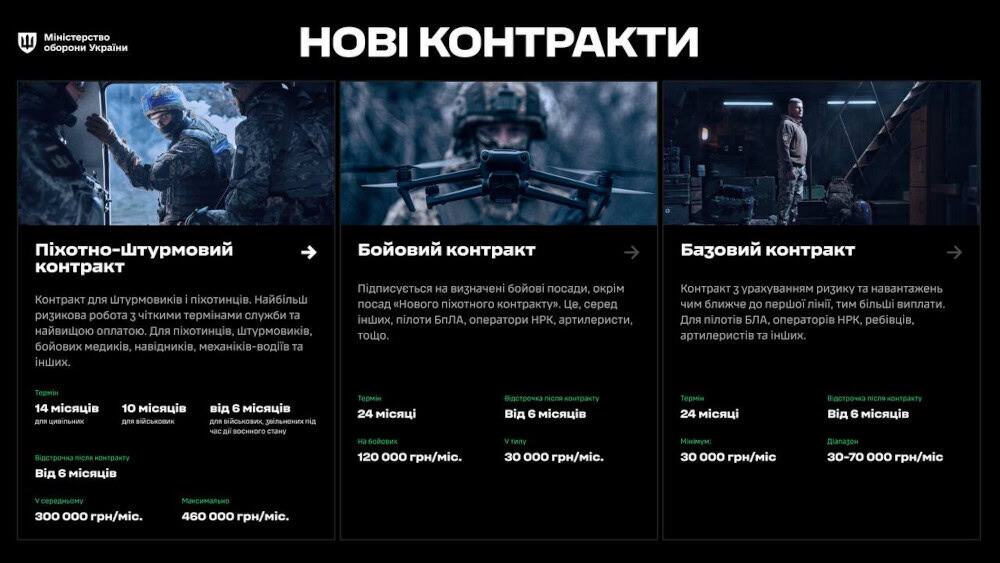
Ukraine hopes a set of sweeping reforms will help redress its chronic shortage of manpower by providing clear terms of service and better pay. However, its promises to begin discharging long-serving troops and reform controversial mobilization procedures raise questions about how it will accomplish these goals simultaneously.
-
Analysis: Turkish interior minister states dream of governing Jerusalem, provoking Israel
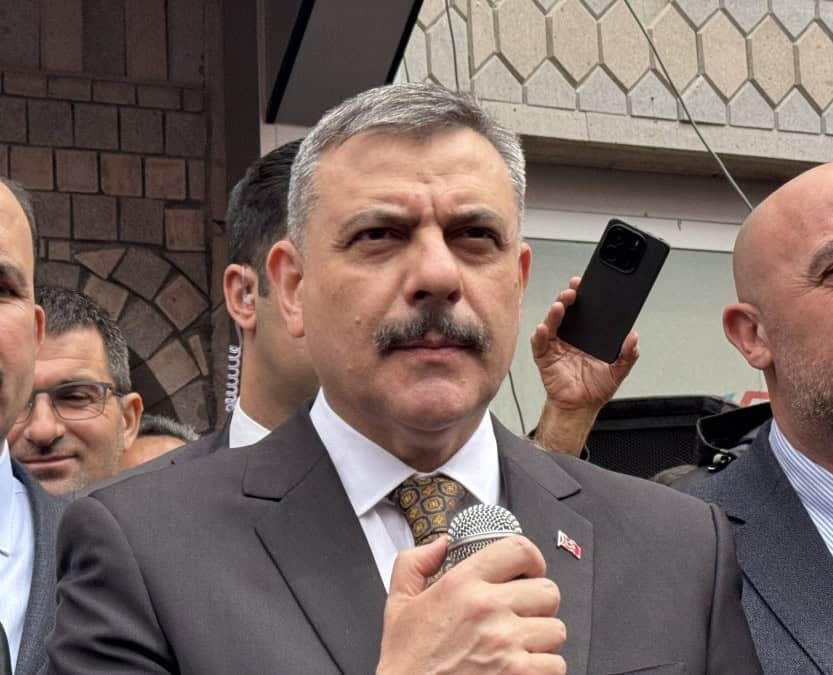
Turkish Interior Minister Mustafa Ciftci recently sparked controversy by expressing his desire to one day govern Jerusalem and suggesting that territories once ruled by the Ottoman Empire could again fall under Turkish sovereignty. Ciftci’s remarks are the latest indication that senior Turkish officials continue to view Jerusalem not merely as a symbol of the Palestinian cause, but as part of a broader historical mission that seeks to expand Ankara’s influence across the Middle East.
-
Analysis: Netanyahu pushes for US military aid drawdown
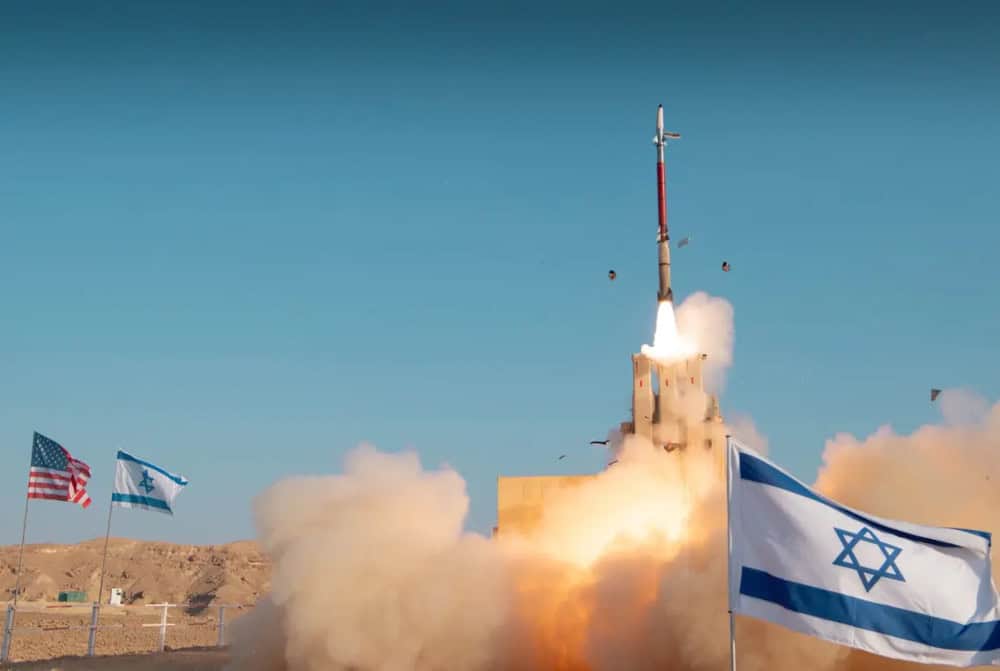
Israeli Prime Minister Benjamin Netanyahu continues to promote a plan to move his country away from American foreign military financing, but that comes at a time when Israel’s military requirements are increasing, and it is already spending an extraordinary percentage of gross domestic product on defense.
-
Analysis: Russian security assistance is creating problems on the Korean Peninsula
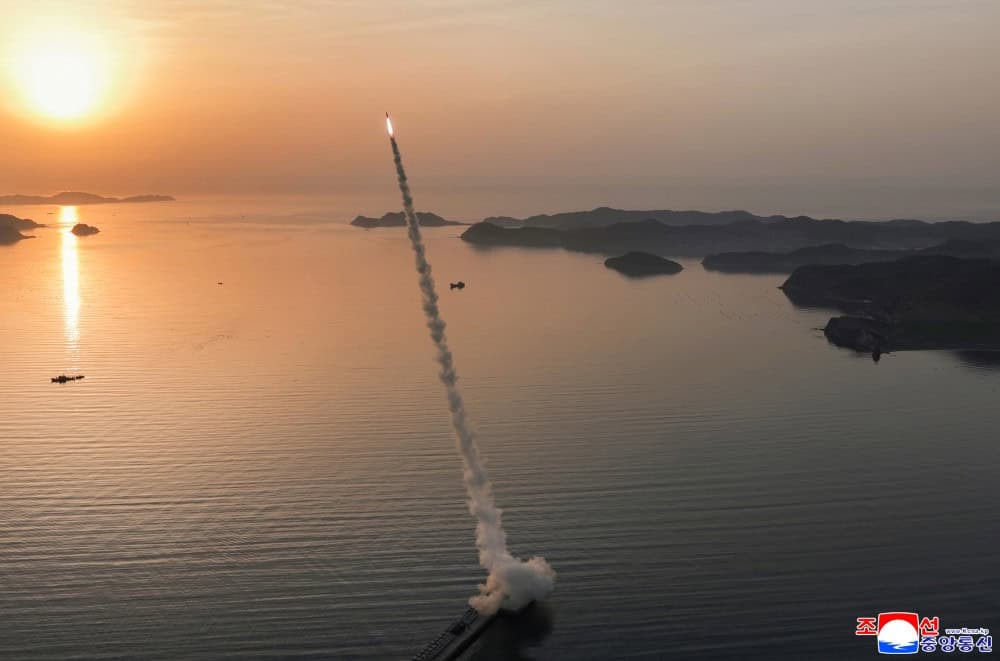
North Korea has launched dozens of missiles since the start of 2026. The regime is displaying increasingly lethal long-range fires capabilities that have been enabled, in no small part, by Russian security assistance.
-
Analysis: The road to the latest Lebanon ceasefire
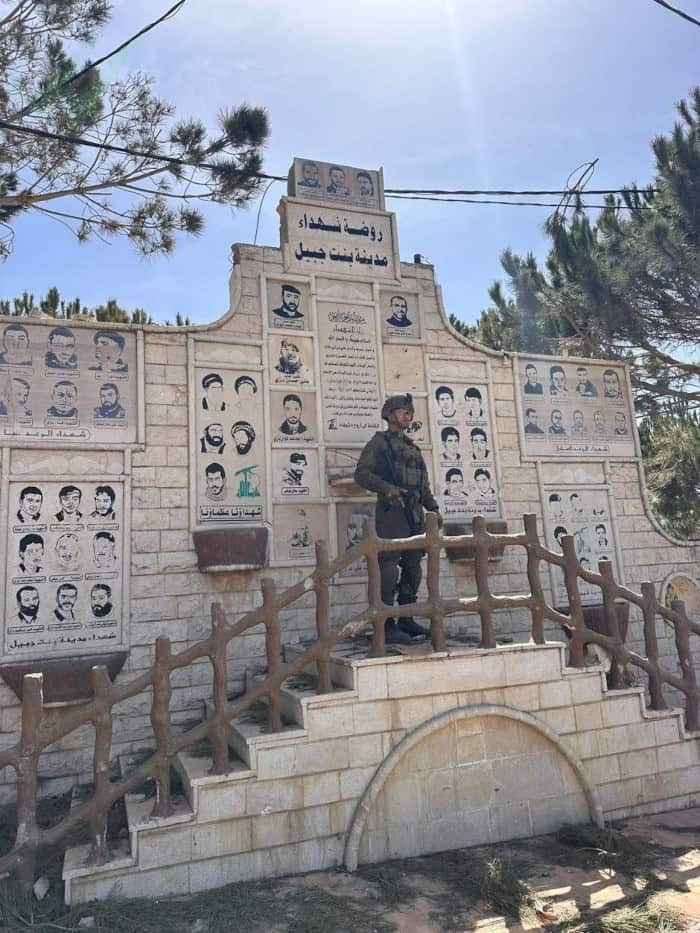
Iran has consistently sought to link its ceasefire with the United States to a concurrent cessation of hostilities in Lebanon. Tehran’s goal is to save Hezbollah, regardless of its stated aim of sparing Lebanon additional suffering. Iran, therefore, pressed the matter again as Hezbollah was on the cusp of losing the critical town of Bint Jbeil. A ceasefire in Lebanon went into effect on April 16.
-
Analysis: How to assess America’s 40 days of war against Iran
US and Israeli forces conducted an impressive campaign that significantly degraded Iran’s primary elements of military power. The operation did not, however, destroy these capabilities outright or eliminate Iran’s ability to project meaningful power outside of its borders.

-
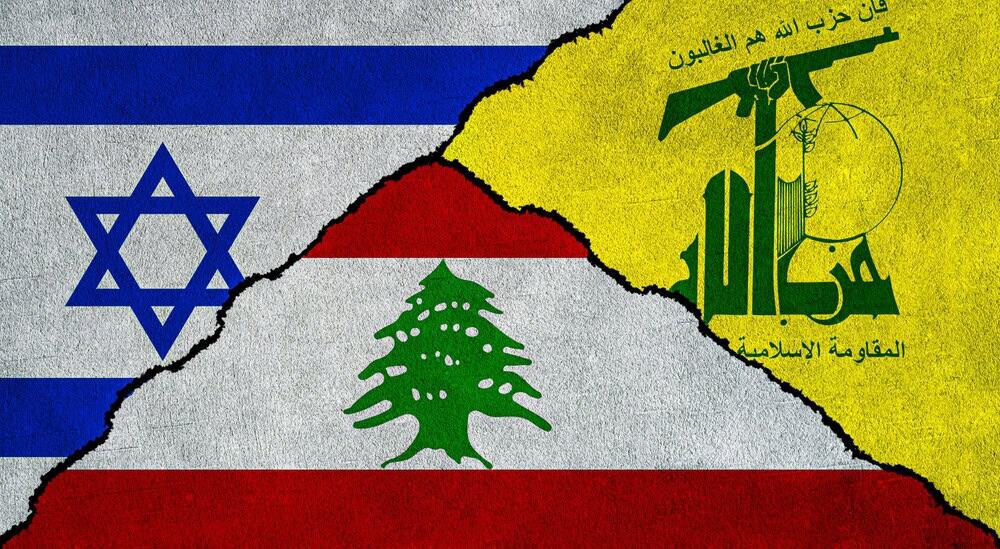
Analysis: Israeli goals in Lebanon war shift from imminently disarming Hezbollah to reestablishing South Lebanon Security Zone
The renewed conflict in Lebanon has settled into a static pattern, despite remaining intense. Israel has narrowed its immediate war aims, while Lebanon remains unable to restrain Hezbollah, which remains defiant. This dynamic of impasse has led the international community to effectively tolerate the situation in Lebanon.
-
Analysis: Why seizing Iran’s Kharg Island could be a trap of America’s own making
A US effort to seize Kharg Island, the Islamic Republic’s critical economic hub, would be a high-risk operation that would likely entail significant costs for little gain. Kharg is much more likely to become a liability than an asset, drawing the Trump administration closer to the war of attrition it is trying to avoid.

-
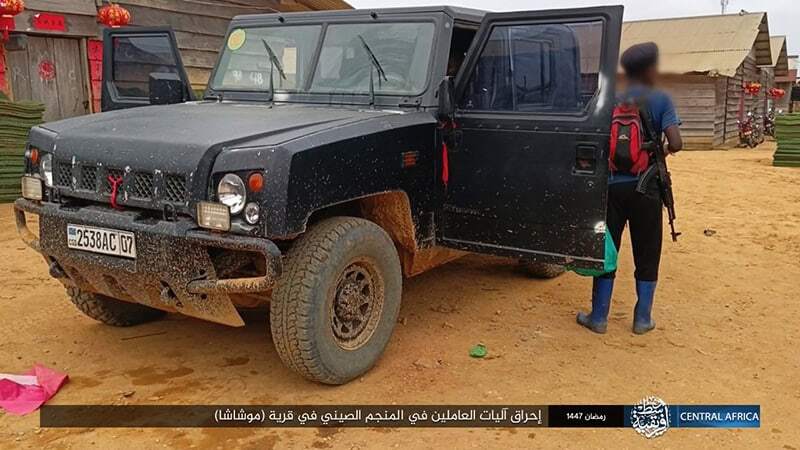
Analysis: The Islamic State’s targeting of a Chinese mine in Congo proves the group is a resilient threat
The Islamic State’s Central Africa Province (ISCAP), known locally as the Allied Democratic Forces (ADF), raided and burned down a Chinese-owned mine in eastern Congo earlier this month. The raid, which was far from the jihadist group’s normal area of operation, highlights both ISCAP’s threats to Congo’s mining sector and its resilience after nearly five years of a sustained military operation against it.
-
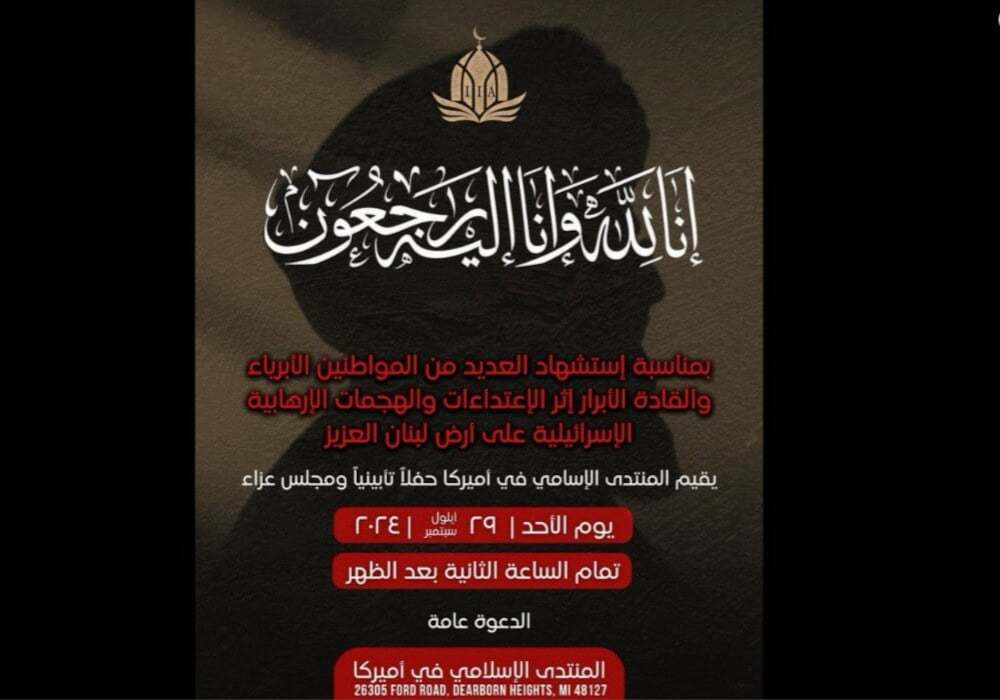
Analysis: West Bloomfield terror attack highlights Hezbollah connections within Shiite Lebanese community in US
Last week, Ayman Mohamad Ghazali, a Lebanese-US dual national, rammed his car into the entrance of Temple Israel, a synagogue in West Bloomfield, Indiana. Ghazali had familial connections to Hezbollah, and evidence shows multiple connections to the US-designated terrorist group among Shiite Lebanese expatriates, including open support for Hezbollah by some individuals within these communities.
-
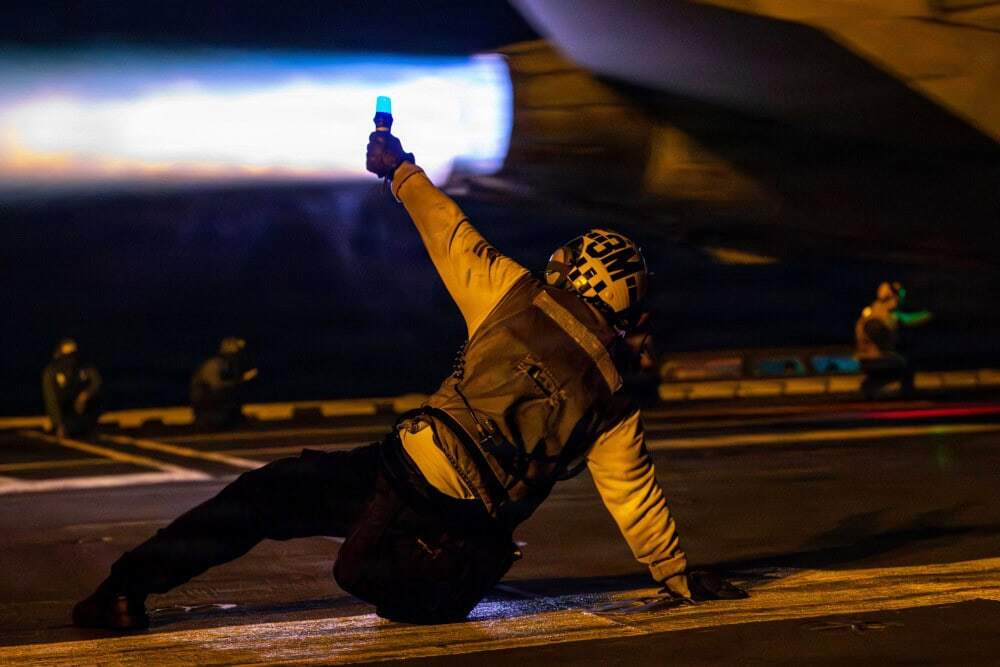
Analysis: Operational gains against Iran continue, but threats to US forces persist
The United States, along with its Israeli partners, continues to make considerable progress toward its military objectives of removing Iran’s primary military means to threaten the region in the third week of Operation Epic Fury. Despite these operational successes, however, Tehran and its proxies retain the ability to attack US forces.
-
Analysis: Naim Qassem says Hezbollah will continue fighting Israel, frames war as defense of Lebanon
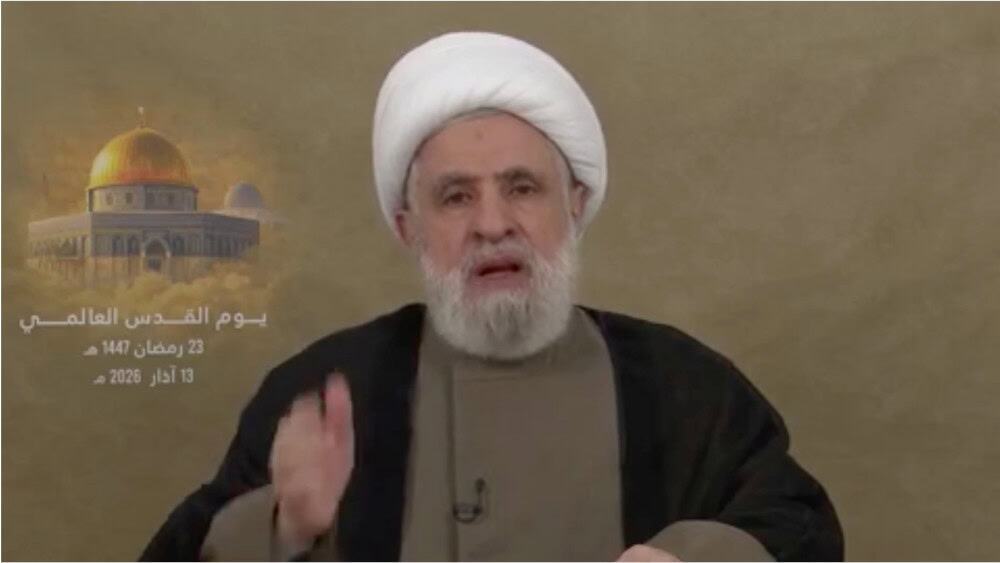
Hezbollah Secretary-General Naim Qassem gave his second speech regarding the renewed war with Israel, once again arguing that his group was the victim of aggression and not the aggressor. He said that Hezbollah is fighting a war of self-defense on behalf of Lebanon and stressed that it would continue fighting until it secures adequate concessions from Israel.
-
Analysis: Lebanon war intensifies as IDF strikes harder and Hezbollah escalates attacks
The renewed Lebanon war shows no sign of abating. Lebanon has yet to match its stern pronouncements on Hezbollah with equally tough enforcement, with the Lebanese military openly defying Beirut’s orders to disarm the group. Hezbollah has expressed its commitment to continue fighting in deed and word, including by pledging loyalty to Iran’s new supreme leader. Israel has responded by intensifying its operations as part of what it expects to be a long war against Hezbollah.
-
Analysis: Israel strikes over 500 targets in Lebanon, issues evac orders in renewed war with Hezbollah (March 2–6)
The November 27, 2024, ceasefire agreement in Lebanon has officially ended. Israel and Hezbollah are now reengaged in a full conflict after the group attacked Israeli territory on March 2. The Israelis have responded ferociously, targeting large swathes of Lebanon and promising that their campaign will continue until Hezbollah’s destruction.
-
Analysis: Similarities and differences in US and Israeli targets and objectives in Iran campaign
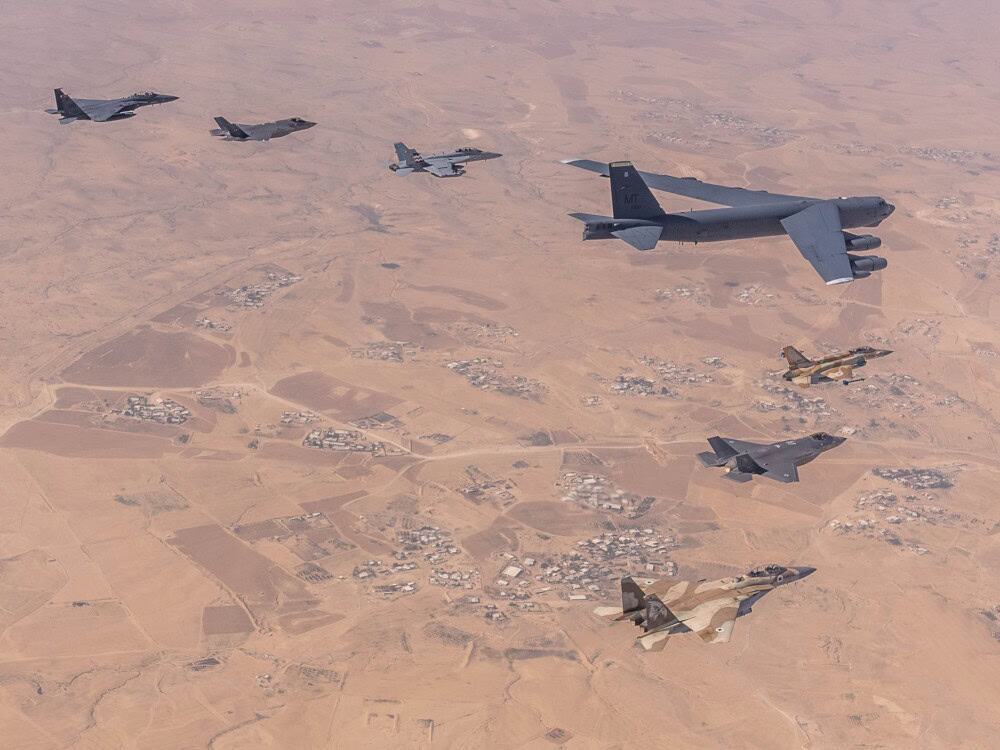
The US and Israel have cooperated to achieve impressive operational successes against Iran, but a publicly shared definition of victory remains elusive. This inconsistency and lack of clarity may negatively impact the allies’ ability to achieve durable strategic objectives.
-
Analysis: Hezbollah leader vows to fight until the end in renewed war with Israel
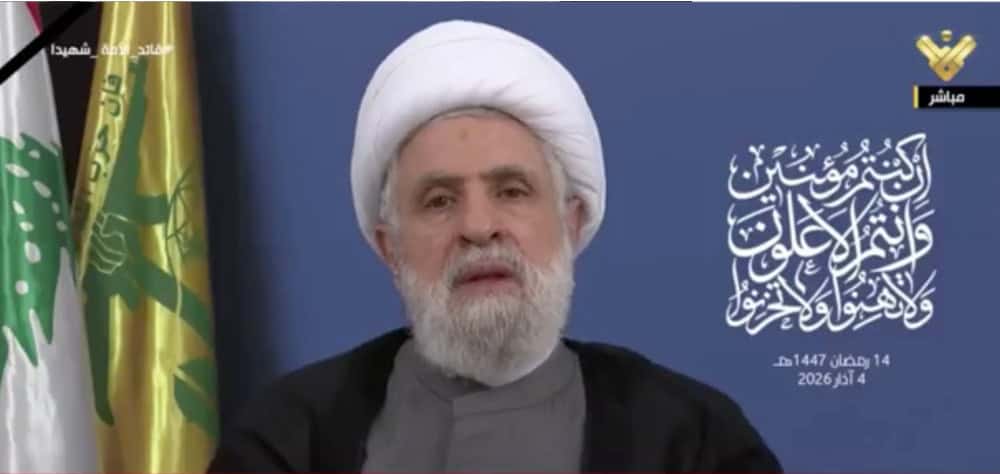
Hezbollah Secretary-General Naim Qassem addressed Hezbollah’s latest war with Israel on Monday night, insisting that his group had fire rockets at Israel in defense of Lebanon, preempting a premeditated “war of extermination.” Qassem insisted that Hezbollah would not surrender its arms and vowed to continue fighting until achieving either victory in battle or martyrdom.
-
Analysis: Why Iran’s ballistic missile launches are declining
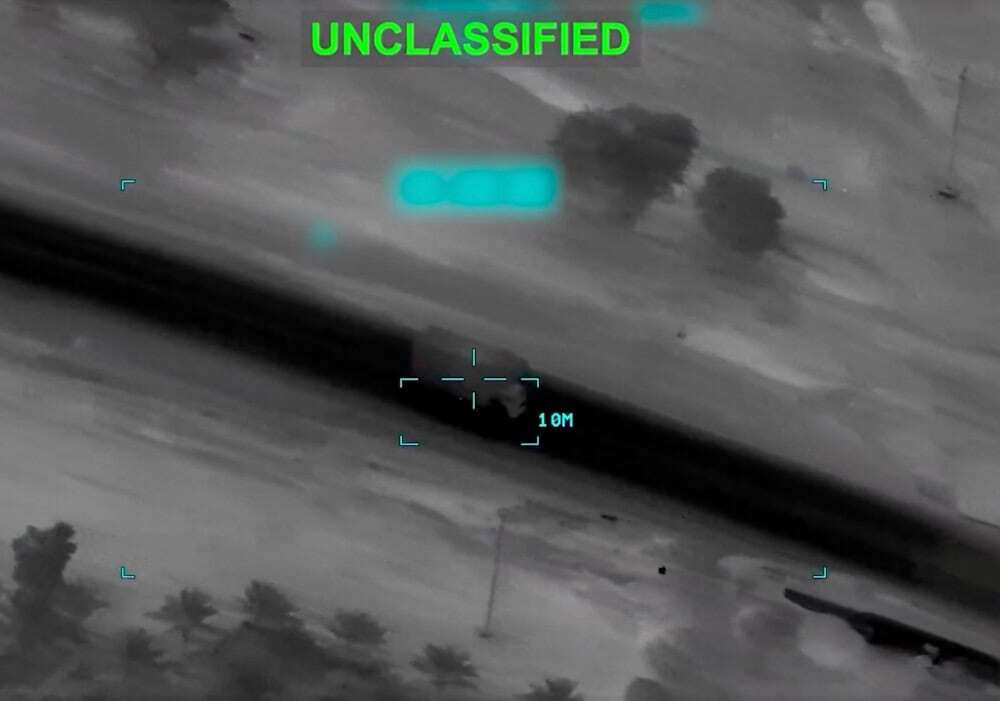
Iran has lashed out at its neighbors with hundreds of missiles and drones. However, a careful analysis of the data shows that Tehran’s ballistic missile launches have been dropping since the start of the conflict, largely because of the impact of US and Israeli strikes.
-
Analysis: US and Israel race to defeat Iranian missiles and drones following early campaign successes
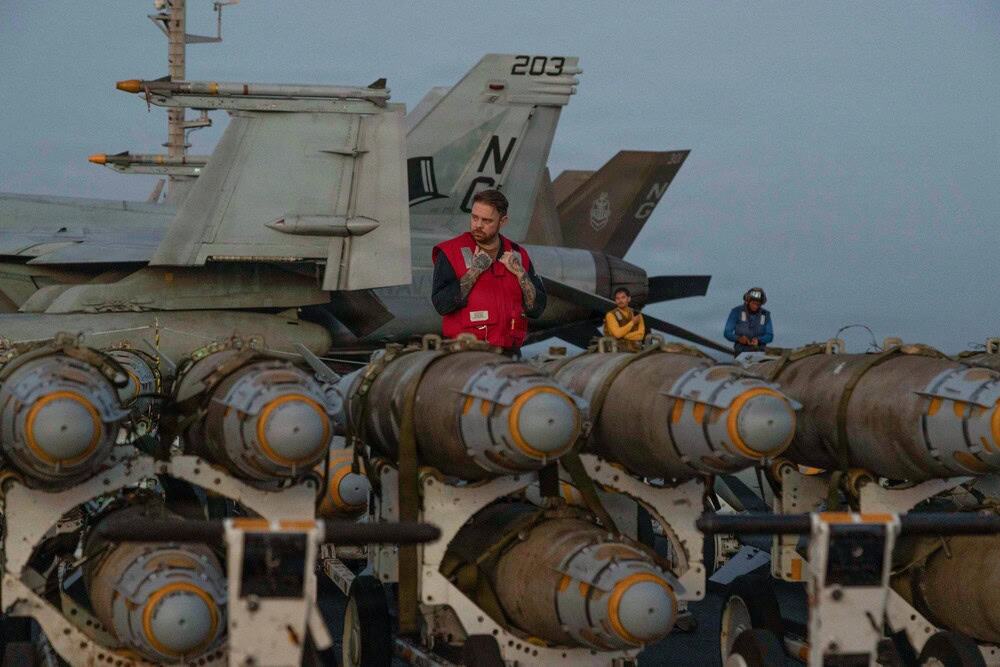
The United States and Israel demonstrated unprecedented coordination and delivered impressive blows against Iranian military capabilities in the early stages of the current conflict. Now, as Tehran lashes out against US forces and regional partners, Washington and Jerusalem face the immediate challenge of striking Iranian ballistic missiles, drones, and their launchers on the ground before they can be fired, along with intercepting any projectiles that Iran has successfully launched before they hit military and civilian targets.
-
Analysis: Israeli strikes against Hamas in Lebanon signal a sustained strategy
Following the Hamas-led attack on Israel on October 7, 2023, Israel has conducted a consistent military campaign against Palestinian terrorist groups in Lebanon. The Israeli military’s recent attack against a Hamas command center in the Palestinian camp of Ayin al Hilweh demonstrates that this approach continues to be Jerusalem’s preferred strategy against Palestinian armed groups that operate on Israel’s northern border.