-
Analysis: Israeli strikes against Hamas in Lebanon signal a sustained strategy
Following the Hamas-led attack on Israel on October 7, 2023, Israel has conducted a consistent military campaign against Palestinian terrorist groups in Lebanon. The Israeli military’s recent attack against a Hamas command center in the Palestinian camp of Ayin al Hilweh demonstrates that this approach continues to be Jerusalem’s preferred strategy against Palestinian armed groups that operate on Israel’s northern border.

-
Analysis: US Treasury sanctions Hezbollah front designed to insulate terror group’s gold reserves
Earlier this week, the US Treasury Department sanctioned Jood SARL, a gold exchange recently established in Lebanon, declaring it a front for the US-sanctioned Hezbollah financial institution Al Qard al Hassan (AQAH). For years, AQAH has acted as Hezbollah’s shadow bank, using its legal status as a charitable institution to elude banking regulations, oversight, and compliance. However, based on corporate records, it appears that Treasury did not designate some of Jood SARL’s shareholders and managers.
-
Analysis: Naim Qassem delivers defiant speech to mark anniversary of Mahdi Schools
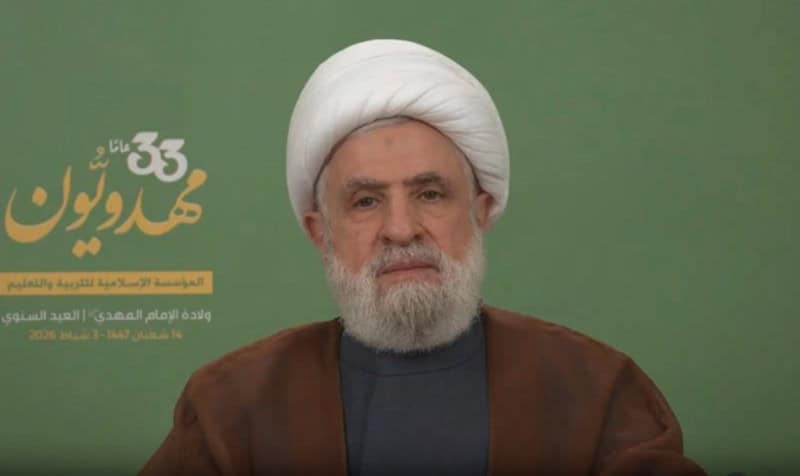
Naim Qassem marked the 33rd anniversary of the Mahdi Schools System with a defiant speech that said Iran was divinely promised a momentous victory over the United States and Israel. He also stressed that Hezbollah would not disarm, and its patient path of choosing even death over surrender would guarantee Lebanon’s eventual victory over Israel.
-
Analysis: Hezbollah: We will not remain neutral if Islamic Republic endangered
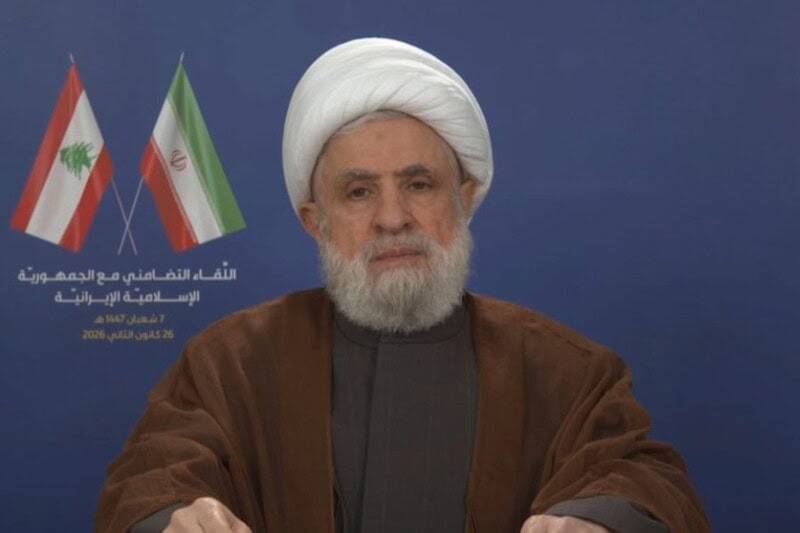
Hezbollah has yet to deploy operatives to protect the Islamic Republic of Iran’s regime from ongoing protests. However, the group has stated that it will not remain neutral if the United States or Israel attack the Tehran regime and threaten its existence. Hezbollah also claims the current Iranian authorities actually enjoy widespread domestic support and that calls for regime change are being instigated by Washington and Jerusalem.
-
Analysis: The Islamic State’s war on Christians in Congo
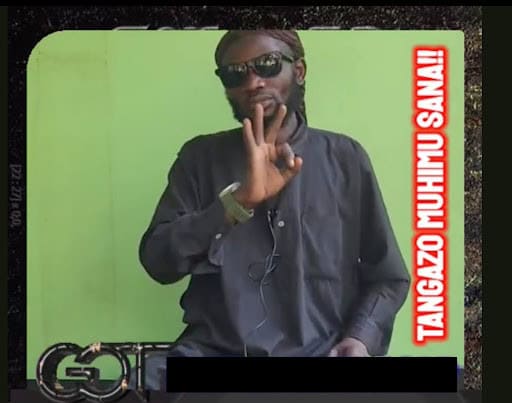
The Islamic State Central Africa Province (ISCAP), locally known as the Allied Democratic Forces (ADF), has killed almost 1,000 civilians this year, with the vast majority of its victims being Christian villagers. ISCAP has explicitly framed its attacks as a war against Congo’s Christians. However, the group’s rhetoric has changed in recent months to also focus on trying to convert Christians to Islam.
-
Analysis: Iran’s Al Mustafa University is a terror front
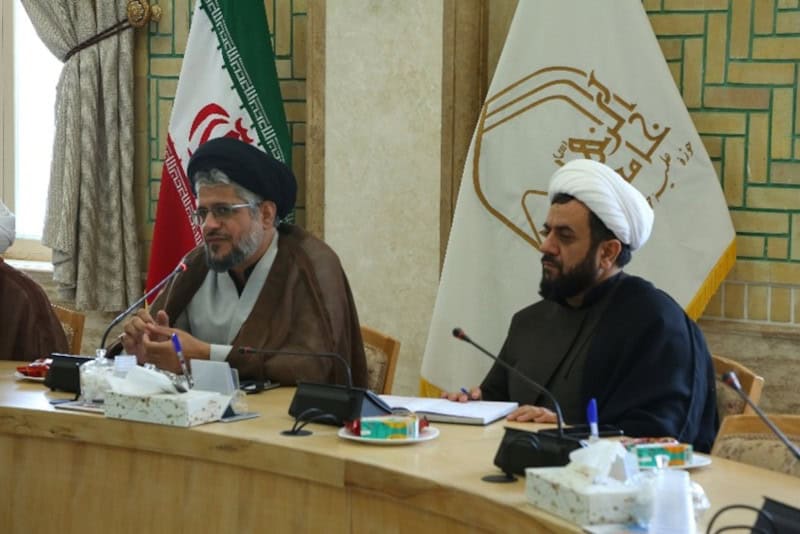
In 2020, the US Treasury Department sanctioned Al Mustafa International University, followed by Canada’s Foreign Ministry designating the organization in 2022. Ostensibly an international Islamic school, Al Mustafa is a front for Iranian terrorism and propaganda with a proven track record of involvement in terror plots, including a recent IRGC scheme to assassinate Israel’s ambassador to Mexico.
-
Analysis: Islamic State redoubles call for jihad in Sudan, urges foreign fighters to migrate
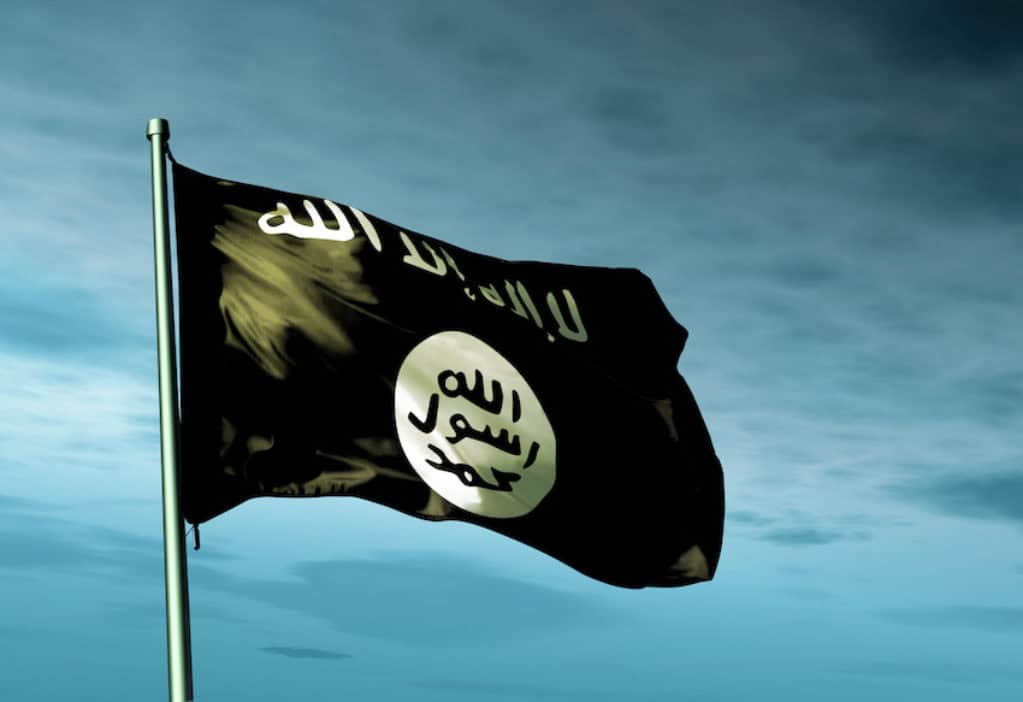
For the second time this year, the Islamic State explicitly called for its supporters and other Muslims to take up arms in Sudan under its name. Simultaneously, it urged foreign fighters, particularly from North Africa, to travel to the country to partake in this jihad.
-
Analysis: Iran threatens nuclear weaponization ambitions
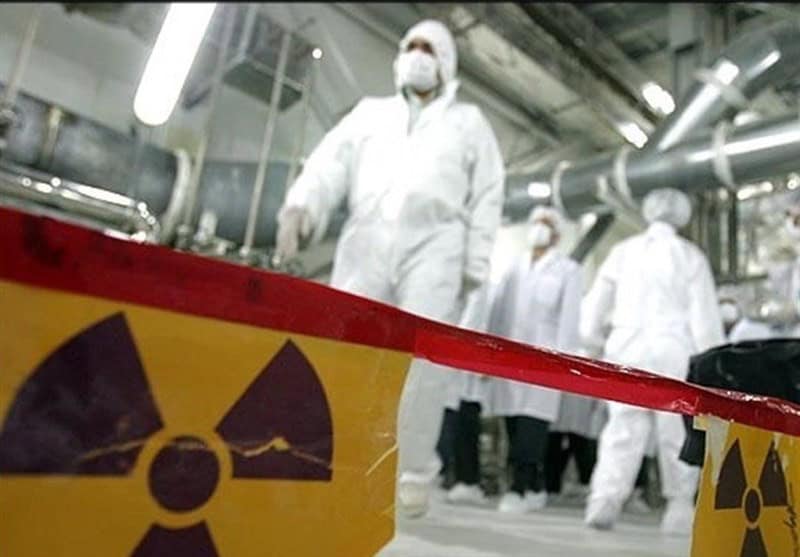
Senior Iranian officials have openly hinted at Tehran’s shifting nuclear posture. A nuclear scientist confirmed Iran’s capacity to build nuclear weapons, while a military official reflected that Tehran should have pursued them in the 1990s—exposing how the regime’s rhetoric now edges closer to weaponization.
-
Analysis: Hezbollah holds massive ‘Sayyed’s Generations’ scouting event in Beirut
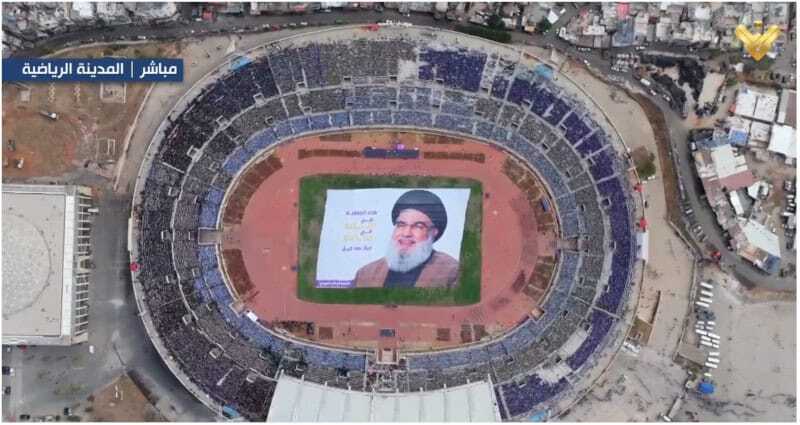
Hezbollah hosted a gathering for its Mahdi Scouts in Beirut that the group claimed drew 75,000 attendees. The event was meant to commemorate the Scouts’ 40th anniversary and one year since Secretary-General Hassan Nasrallah’s death, while also demonstrating Hezbollah’s continued popularity among Lebanese Shiites.
-
Analysis: How the Iranian regime’s foreign proxies suppress Iranian protestors
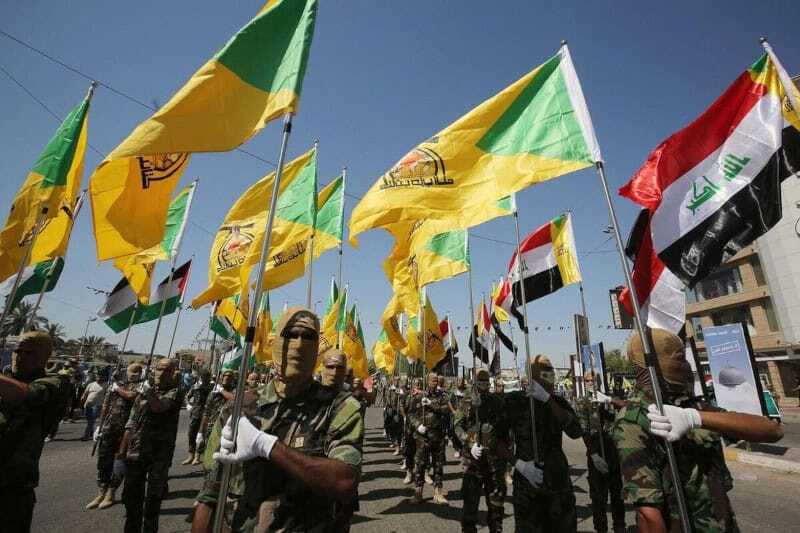
The Islamic Republic has long backed proxy groups abroad, but their role inside Iran is less well-known. Lebanese Hezbollah, Iraqi Shiite militias, and the Afghan Fatemiyoun Brigade have helped suppress dissent within Iran, and recent reports of their harassment of female students have sparked new outrage.
-
Analysis: Pakistan attempts to shift blame for TTP attacks toward India
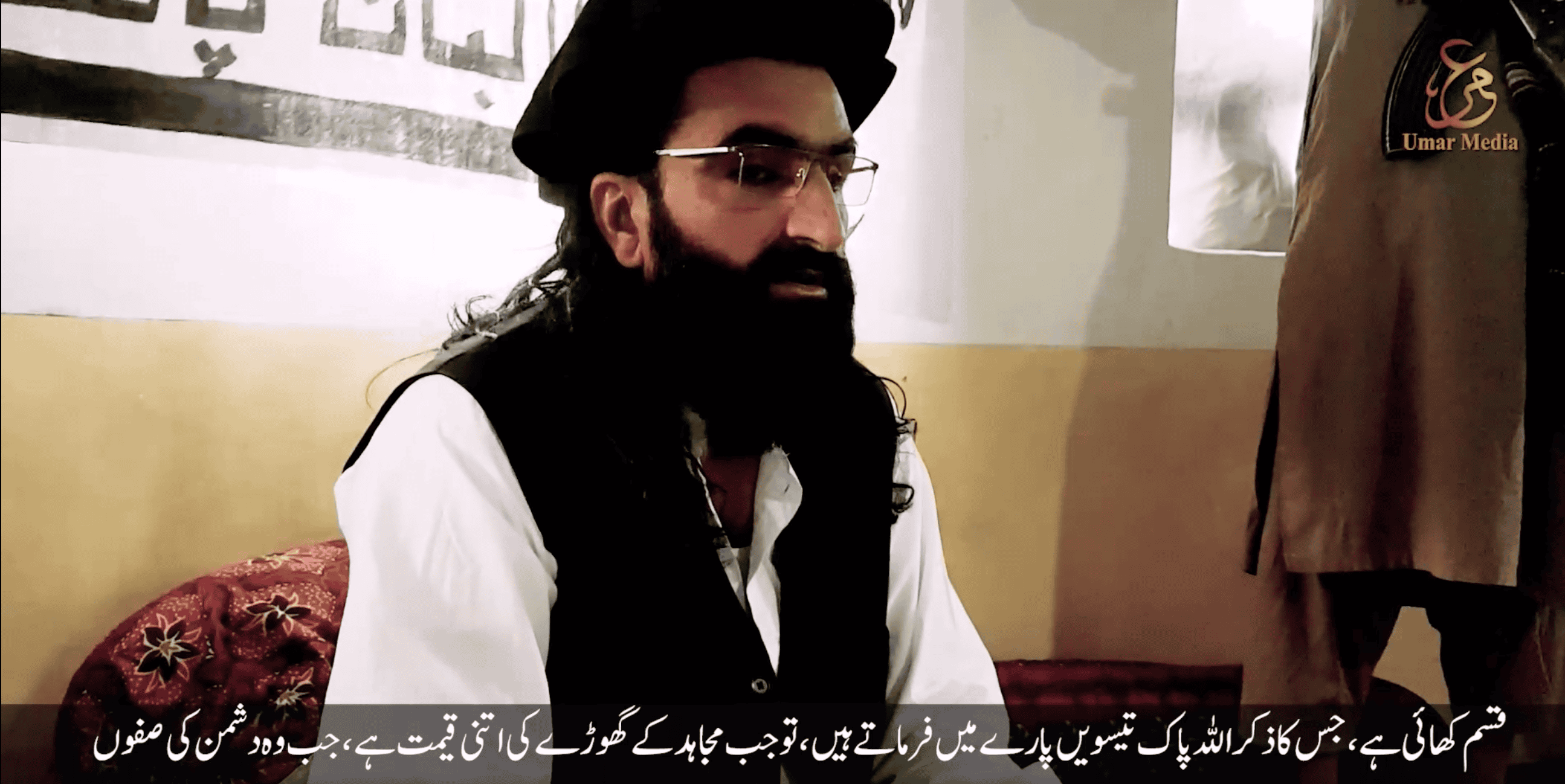
Pakistani officials blamed an attack in the northwestern province of Khyber Pakhtunkhwa that killed 11 Pakistani soldiers on the “Indian Proxy, Fitna al Khwarij.” However, the accusation is an attempt to redirect the responsibility for violence toward India and mask Pakistan’s role in the formation of and support for the Afghan Taliban and its spinoff, TTP.
-
Analysis: Hezbollah continues exploiting Canadian vehicular theft and money-laundering schemes
Hezbollah has been leveraging crime in Canada for decades to raise funds. A recent Canadian government report states that the group maintains these illicit sources of financing.

-
Analysis: Iran’s web of terror and propaganda: The case of Al Mustafa University
Al Mustafa International University, a religious seminar in Iran’s city of Qom, is a key instrument of the Islamic Republic of Iran’s efforts to spread its revolutionary ideology. Its cooperation with the regime’s Islamic Revolutionary Guards Corps (IRGC) has earned it sanctions from the United States and Canada, and some of its graduates have been implicated in terrorist plots. Yet, the organization’s work overseas continues with little interference from local authorities.

-
Analysis: Armenia–Azerbaijan deal worries Iran
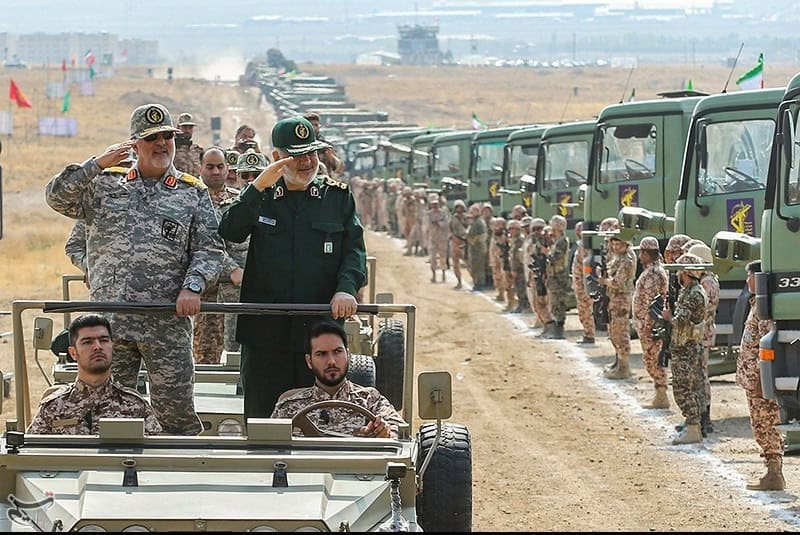
The August 8 agreement between Armenia and Azerbaijan that was brokered in Washington created the US-managed “Trump Route for International Peace and Prosperity” and granted Azerbaijan a link to its Nakhchivan exclave. While the deal preserves Iran’s overland access to Armenia and Europe, Tehran sees it as a strategic setback that could weaken its role in regional trade, bolster Turkish and Azerbaijani influence, and reduce its leverage with the West.
-
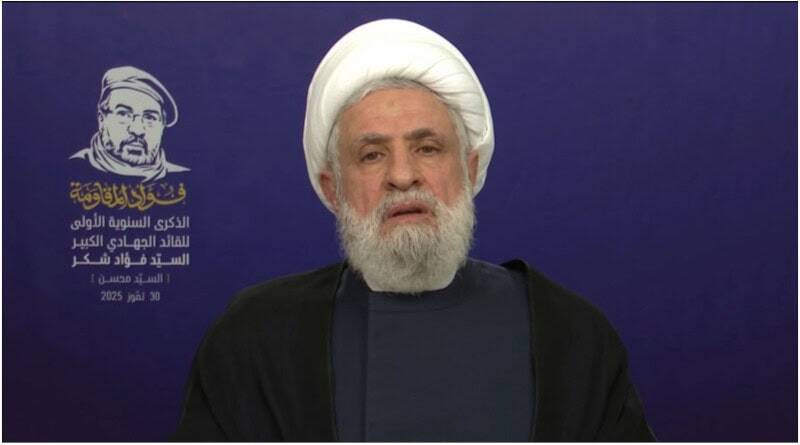
Analysis: Naim Qassem commemorates Fuad Shukr’s death, rejects Hezbollah disarmament
Hezbollah Secretary-General Naim Qassem gave a speech marking the first anniversary of the death of Fuad Shukr, who was serving as Hezbollah’s chief of staff when Israel assassinated him. Qassem also once again reiterated the group’s longstanding refusal to disarm.
-
Analysis: Syrian Druze are not entitled to self-determination, and Kurds cannot yet pursue secession
Damascus’s new rulers may be unwilling or unable to protect Syria’s minorities, and calls have arisen to carve sovereign states for Kurds and Druze out of Syrian territory. However, these calls reflect a fundamental misunderstanding and misapplication of the principle of self-determination.
-
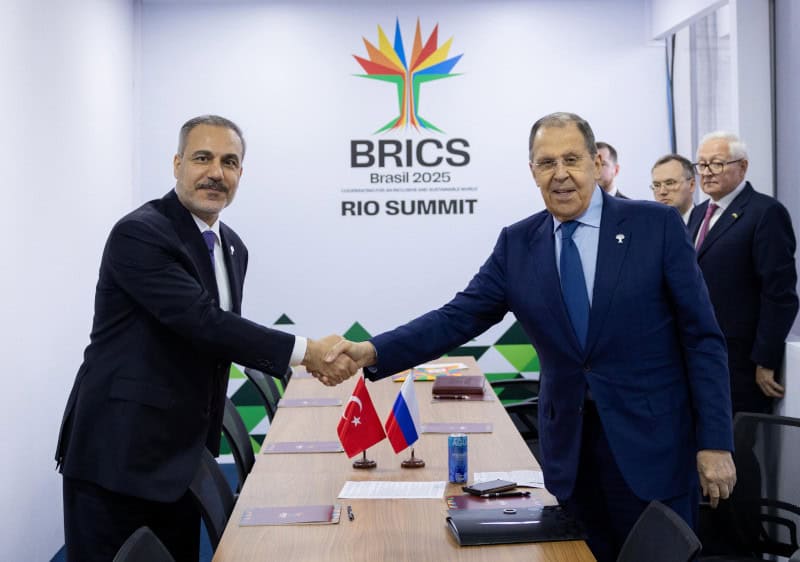
Analysis: Turkey still wants to join BRICS while pretending to be a NATO ally
Turkey’s attempt to join BRICS, a bloc that seeks to undermine the foundations of the Western world order, is only one of many transgressions against the interests of its ostensible allies in NATO, the US, and Europe.
-
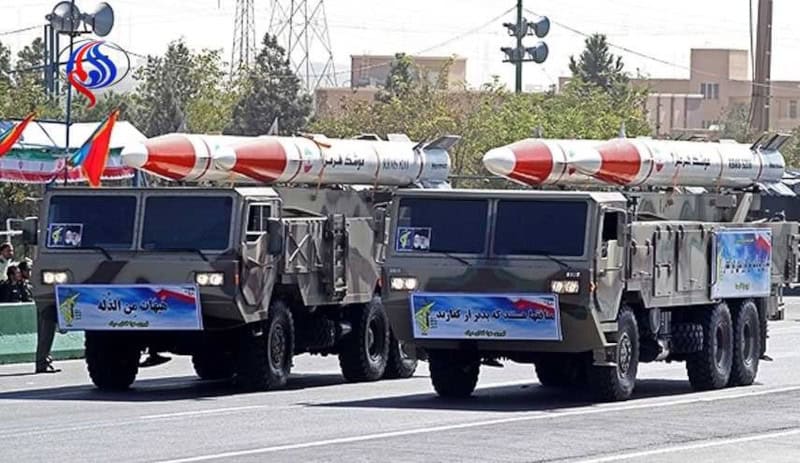
Analysis: Iran is severely weakened but remains a regional threat
In testimony to the Senate Armed Service Committee, incoming CENTCOM Commander Vice Admiral Charles B. Cooper II highlighted the nuclear, conventional, and asymmetrical threats posed by the Iranian regime. While Israel and the US focused their short campaign primarily on Iran’s nuclear program and ballistic missiles, large elements of Iran’s conventional assets survived unscathed.
-
Analysis: How might Iran retaliate against the US?
Following US strikes on three nuclear sites, Tehran has threatened to target American bases in the Middle East, continue missile attacks on Israel, and close the Strait of Hormuz. Iran’s Islamic Revolutionary Guard Corps claims the strikes were anticipated, uranium was moved from Fordow in advance, and Iran is preparing for a potential six-month war.
-
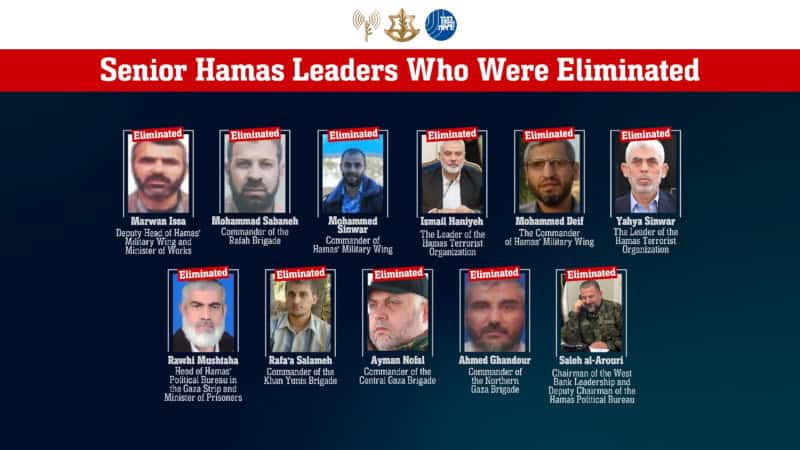
Analysis: Who will replace Muhammad Sinwar as the leader of Hamas in Gaza?
Following the elimination of Hamas’s Gaza chief, Muhammad Sinwar, the Islamist group will have to choose a new leader to head the organization in the territory. However, Israel’s eliminations of Hamas leaders will make it difficult to find a suitable successor.
-
Analysis: Islamic State attempts suicide bombing in Uganda
On June 3, the Islamic State’s Central Africa Province (ISCAP) attempted an unsuccessful suicide bombing targeting Christian worshippers near Kampala, Uganda. The failed attack marks the second time that ISCAP has utilized a female suicide bomber and the first attack inside Uganda since December 2023.

-
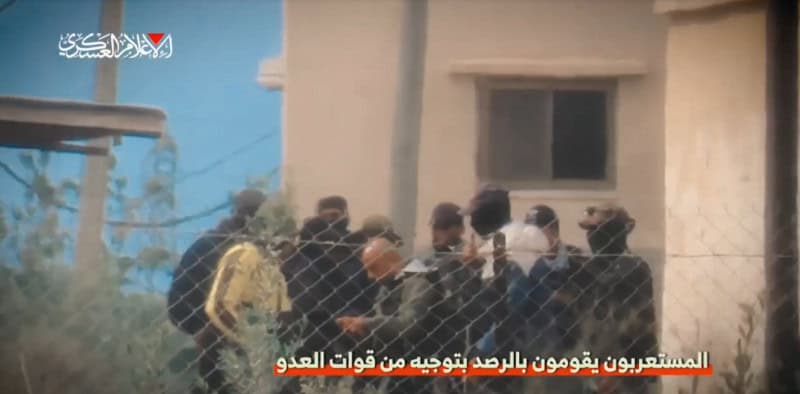
Analysis: Hamas likely strikes rival Palestinian armed group amid mounting internal pressure
Hamas claimed that it attacked an undercover Israeli force in Gaza. However, it is more likely that the target of the Islamist group’s attack was a rival Palestinian group that has challenged its authority.
-
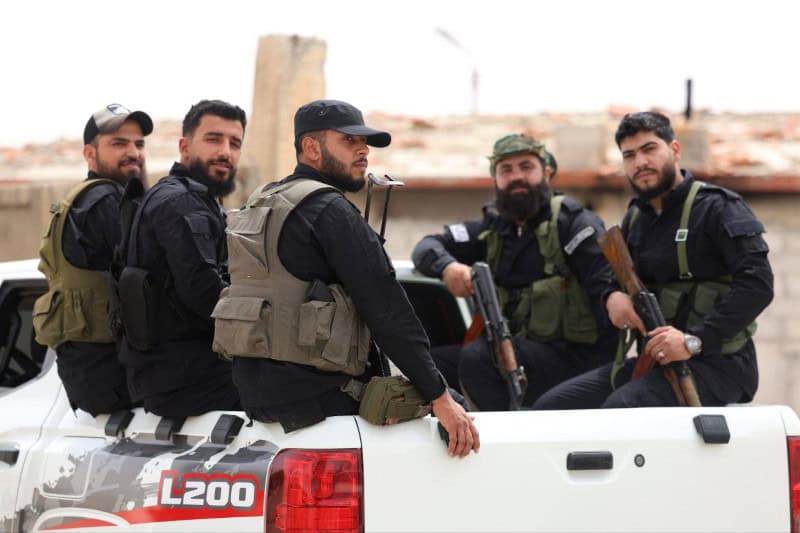
Analysis: The Druze chessboard between Syria and Israel
On May 29, an Israeli security official stated that Israel will not intervene militarily in support of any group in Syria. This stance follows previous Israeli intervention to protect the Syrian Druze amid pressure from Israeli Druze to prevent human rights abuses. Israel’s evolving stance reflects a delicate balancing act between security, humanitarian, and political interests and may mark a turning point in Syria’s sectarian conflict.
-
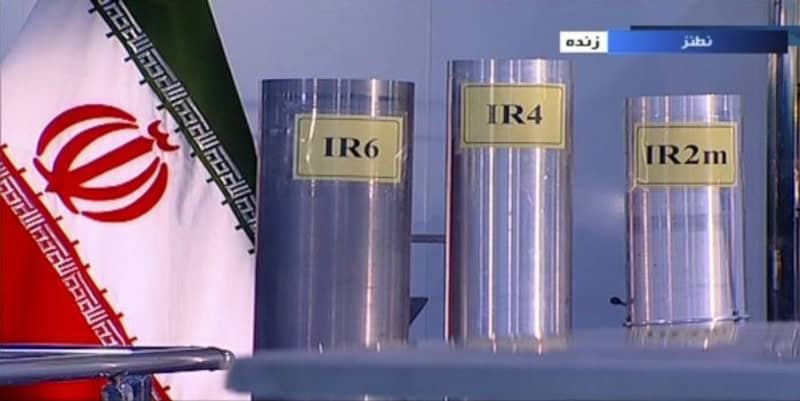
Analysis: Iran braces for potential conflict as 5th round of US negotiations ends inconclusively
Amid a stalled fifth round of negotiations in Rome, Iran has grown increasingly pessimistic about the prospects of reaching a deal with the United States. Tehran has responded to reported Israeli strike preparations with warnings of retaliation and appeals to the United Nations. Clashes with Israel in 2024 have left Iran militarily exposed, prompting Tehran to fear further escalation.
-
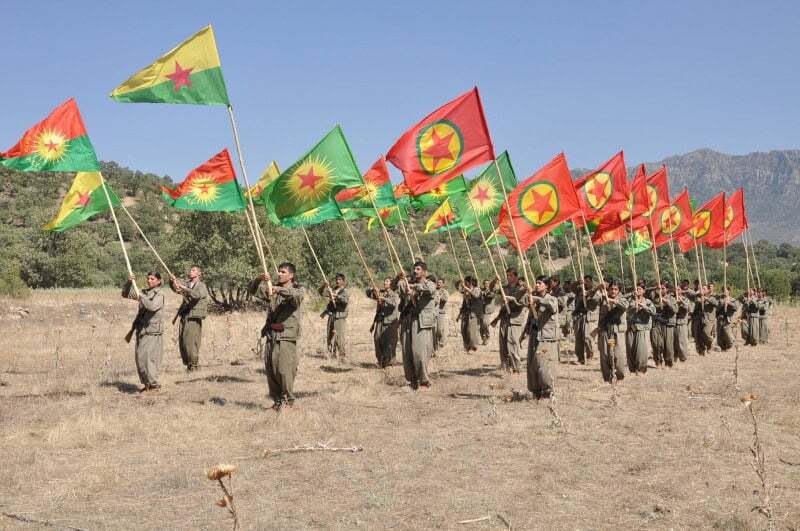
Analysis: The PKK abandons armed struggle
The PKK, the Kurdish separatist group that has waged a decades-long secessionist movement inside Turkey, recently announced its decision to lay down its weapons and likely abandon its cause. However, the conditions of the compromise the opposing sides have reached are shrouded in secrecy, and many wonder if lasting peace will be achieved. Peace between the PKK and Turkey will have regional implications spanning the stability of Syria, Iraq, and Iran.
-
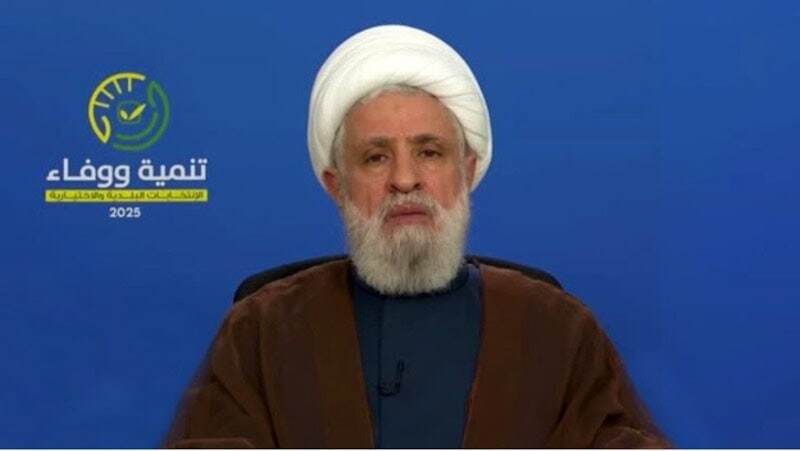
Analysis: Naim Qassem encourages voting in upcoming Lebanese municipal elections
Hezbollah Secretary-General Naim Qassem called on his group’s followers to vote in strength in the upcoming municipal elections in Lebanon. He also demanded that the Lebanese government end Israel’s operations in the country and rebuild areas damaged in the recent Hezbollah-Israel war.
-
Analysis: Iraq is not-so-seriously attempting to exert control over militias and weapons
Reports are emerging that numerous Iraqi militias are integrating into the Popular Mobilization Forces (PMF), a state institution Iraqi leaders see as a way to ward off pressure from Washington to bring all weapons under the government’s control. However, the PMF is a hotbed for Iranian influence and will only further entrench the Tehran regime in Iraq.

-
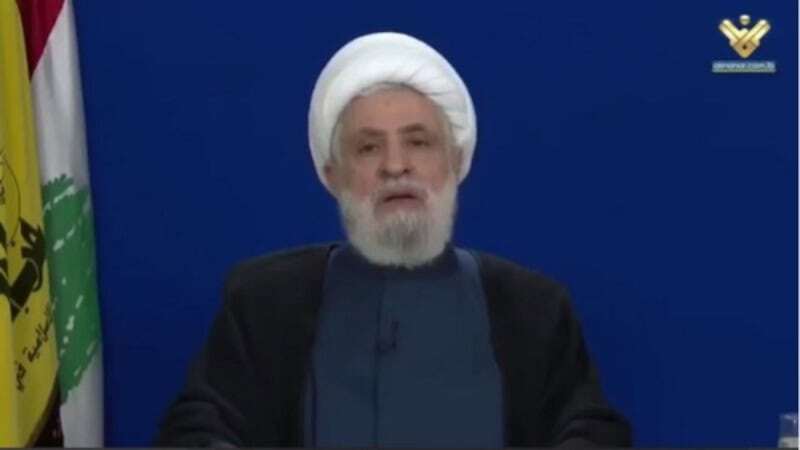
Analysis: Qassem’s speech on Lebanon’s national defense strategy indicates Hezbollah will remain armed
Hezbollah Secretary-General Naim Qassem delivered his first speech thoroughly addressing Hezbollah’s vision for a national defense strategy. He said the group was ready for a dialogue, which remained premature, but would refuse to disarm even after a strategy is set.
-
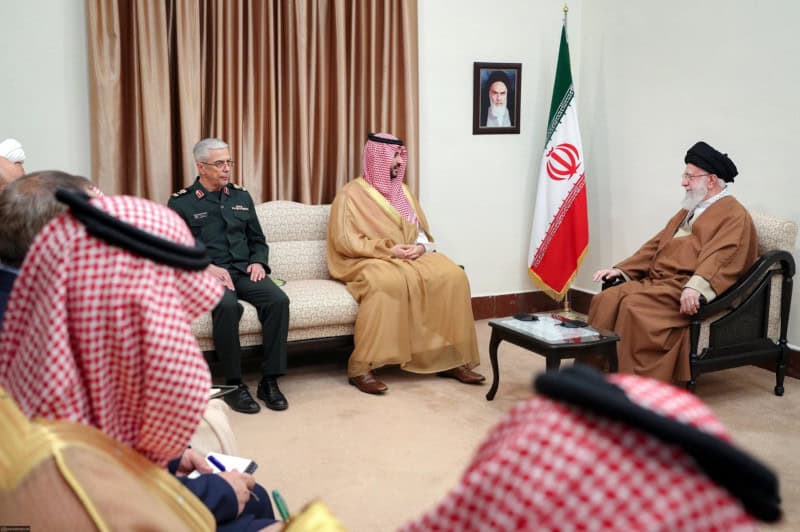
Analysis: A decade of Saudi-Iranian relations: from rivalry to re-engagement
From 2015 to 2025, Tehran-Riyadh ties shifted from confrontation to cautious engagement. Prince Khalid bin Salman’s visit to Tehran marks a historic step in de-escalation amid rising regional tensions. Riyadh appears intent on avoiding entanglement in a broader conflict between Iran and the West.
-
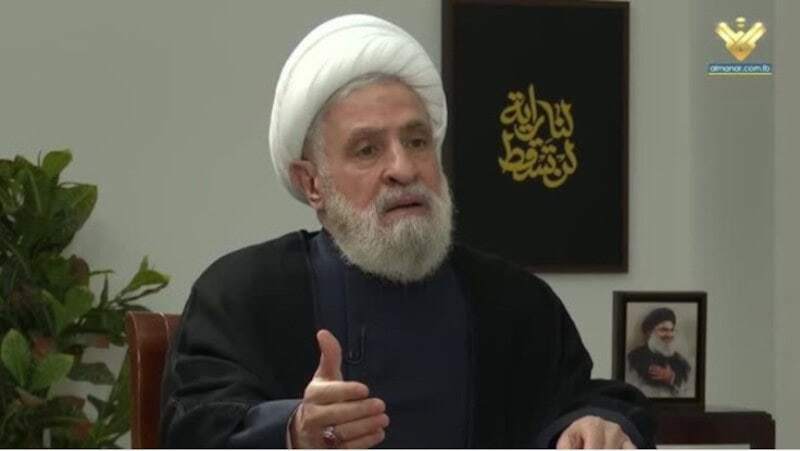
Analysis: Naim Qassem explains Hezbollah’s vision for the future in first long-form interview
Al Manar hosted Naim Qassem for his first lengthy interview as Hezbollah’s secretary-general. Qassem threatened to resume attacking Israel if it didn’t withdraw from south Lebanon and explained Hezbollah’s vision for the future, including the group’s intention to retain its arms and freedom of action from the Lebanese state.