-
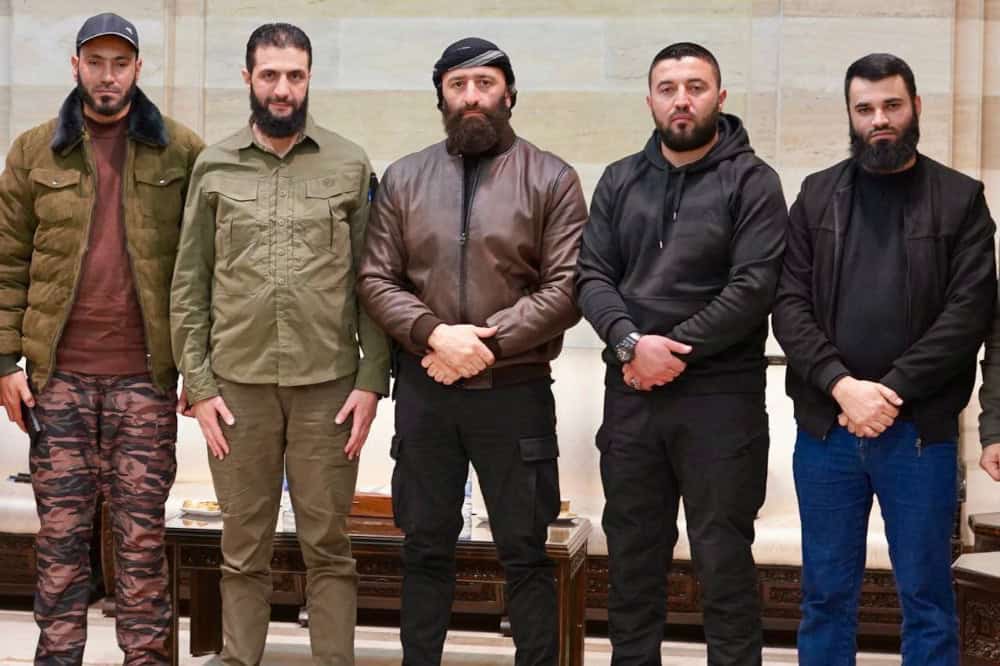
Analysis: Who will form the core of Jolani’s unified army?
Abu Mohammad al Jolani, leader of Hayat Tahrir al Sham (HTS), has announced plans to dissolve existing factions and form a unified national army under centralized control in post-Assad Syria. The question is: who will constitute the core of this new national army?
-
Analysis: Iran never gave up on Assad; it simply failed to protect him
The sudden collapse of the Islamic Republic’s closest state-actor ally stunned the world as Syrian rebels captured Damascus in just 11 days after launching a new wave of insurgency. To deflect this humiliating defeat, Iranian officials have claimed that the Tehran-Damascus alliance had been weakening and that Iran no longer aimed to preserve the Assad dynasty. However, leaks from Tehran and insights into Iranian regional strategy tell a different story: Iran was incapable of safeguarding the Syrian regime, and its collapse has sparked internal divisions among Iranian officials.

-
Analysis: Somali forces turn their weapons on each other
On December 12, The Somali National Army (SNA) of the Federal Government of Somalia (FGS) in Mogadishu was routed from the southern Somali town of Ras Kamboni by the regional forces of Jubaland, a federal member state of Somalia. This conflict provides Shabaab, Al Qaeda’s branch for East Africa, an opportunity to consolidate and rebound from its previous losses.

-
Analysis: Don’t bet on the Lebanese Army to restrain Hezbollah
Lebanon and the Lebanese Armed Forces (LAF) cannot be counted upon to restrain Hezbollah. Beirut continues to demonstrate a lack of will to act against the group—and the more time that passes, the more difficult Hezbollah will become to rein in or disarm.

-
Analysis: Who liberated Damascus? Unpacking the Southern Operations Room’s emergence
The Southern Operations Room, a coalition of armed groups active in southern Syria, was the first to enter Damascus, forcing Bashar al-Assad to flee. Although not formally affiliated with Hayat Tahrir al-Sham (HTS), the coalition’s shifting allegiances over previous years have heightened uncertainty regarding the situation in post-Assad Syria.

-
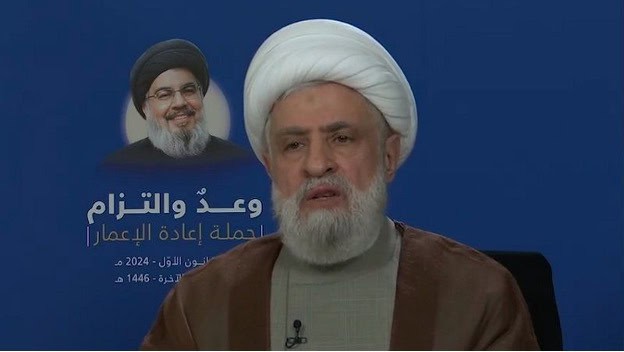
Analysis: Naim Qassem on Hezbollah’s post-ceasefire posture
Hezbollah Secretary-General Naim Qassem gave two speeches after the November 27 ceasefire that discussed Hezbollah’s next steps. In his first, he didn’t mention Hezbollah’s withdrawal from south of the Litani River. However, he made an about-face in his second speech, perhaps under Israeli military pressure and due to the situation in Syria. Qassem also discussed cooperating with the Lebanese government to reconstruct areas damaged during the war.
-
Analysis: AQAP praises Shabaab’s activities in East Africa
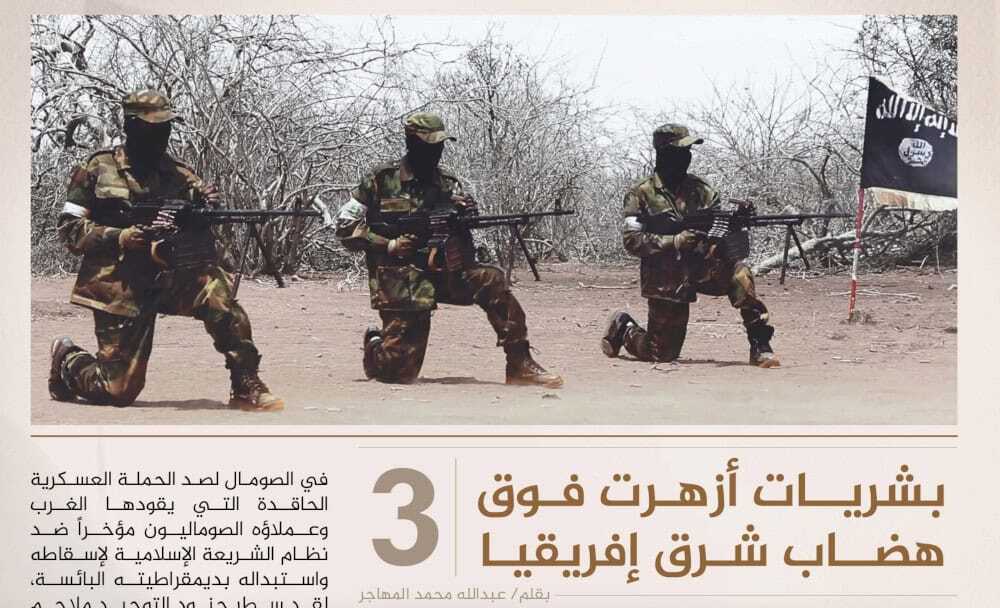
In the latest issue of its Sada al-Malahem magazine, Al Qaeda in the Arabian Peninsula (AQAP) heaped significant praise on recent operations conducted by Shabaab, Al Qaeda’s branch in East Africa. The article is another data point regarding the open support between these Al Qaeda branches.
-
Analysis: Tehran on the back foot: Proxy struggles and Assad’s dilemma
Just a year ago, the Islamic Republic was on the offensive as it used its proxies to launch coordinated attacks on Israel from six fronts to demonstrate the extent of its regional influence. Now, the momentum has shifted. Israeli operations have severely weakened Hamas and Hezbollah, Syrian rebels backed by Turkey wage a relentless war against Assad, and the United States targets Iranian-backed militia bases across Syria.

-
Analysis: Iran hails ceasefire as an opportunity to rebuild Hezbollah
With Israel and Hamas having reached a ceasefire agreement, the rhetoric coming from Tehran is far from de-escalatory. Military and civilian officials within the Islamic Republic continue to underscore their commitment to rebuilding Hezbollah’s capabilities and have reiterated threats of launching a third phase of the “True Promise” operation against Israel.

-
Analysis: The Afghanistan Freedom Front Steps into the Spotlight
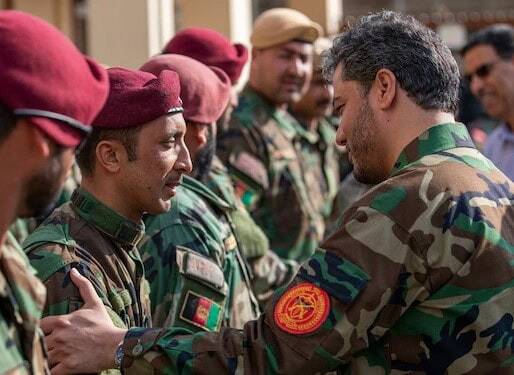
The Afghanistan Freedom Front (AFF), led by former Afghan Armed Forces Chief of General Staff Yasin Zia, is increasing the scope and lethality of its attacks. While the AFF is still in its infancy, Zia’s battlefield experience bodes well for its future.
-
Analysis: Israel’s expanding efforts to disrupt Hezbollah’s supply chain
Israel’s recent kidnapping of a Lebanese naval officer, allegedly a senior official in Hezbollah’s small, elite naval unit, may have as much to do with disrupting Iranian attempts to resupply Hezbollah’s degraded arsenal by sea as it does with learning more about the secretive unit’s fighting capabilities.

-
Analysis: Naim Qassem commemorates 40 days since Hassan Nasrallah’s death
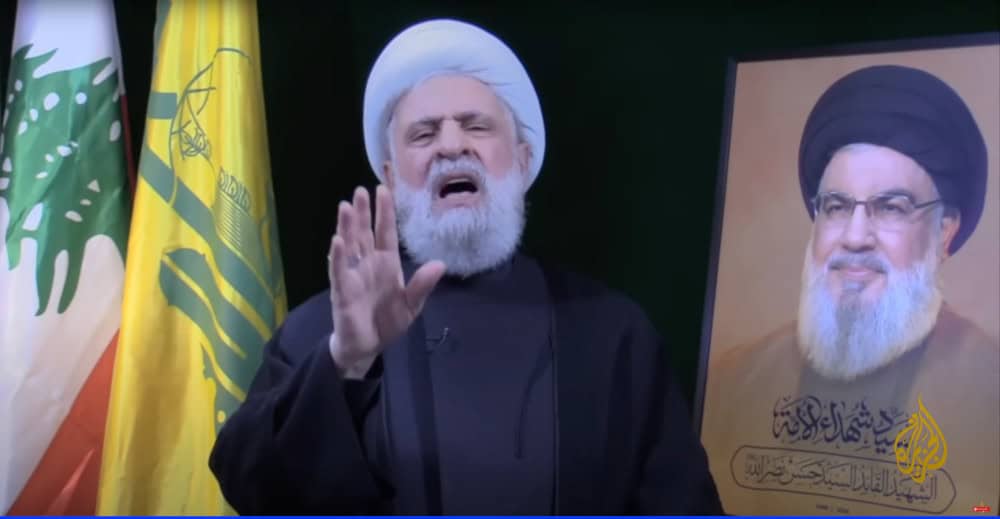
Naim Qassem delivered his second speech as Hezbollah’s secretary-general on the 40th day since Hassan Nasrallah’s passing. Qassem repeated many of the themes and claims from his previous speeches and stressed that Hezbollah will continue fighting.
-
Analysis: Hezbollah’s Unit 4400
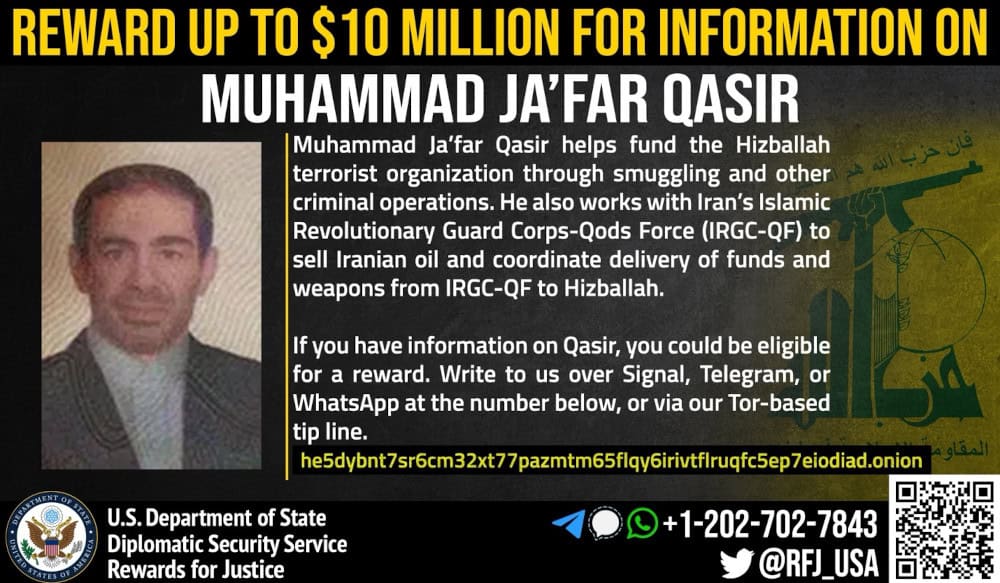
Israel has focused on degrading Hezbollah’s Unit 4400, which is tasked with supplying the group with weapons and funds. Israel’s spate of attacks has impacted the unit’s ability to function and Hezbollah’s battle-readiness during the current campaign. However, it remains too soon to determine the long-term impact on Hezbollah’s organizational integrity.
-
Analysis: Israeli airstrikes hit Hezbollah’s intelligence branch in Syria
The Israel Defense Forces (IDF) conducted airstrikes targeting sites belonging to Hezbollah’s intelligence headquarters in Syria.

-
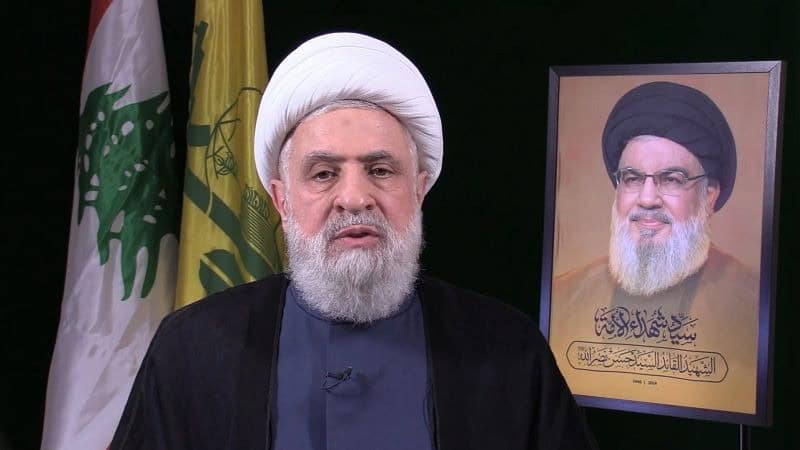
Analysis: Naim Qassem’s inaugural speech as Hezbollah’s new secretary-general
On October 30, Naim Qassem delivered his first speech as Hezbollah’s new secretary-general. Qassem stressed his intention to continue in Nasrallah’s footsteps and that Hezbollah would continue its war with Israel until a ceasefire was reached on the group’s terms.
-
Analysis: Spy surge: Tehran’s espionage strategy against Israel
The Islamic Republic has accelerated its intelligence operations in Israel, with at least five spy rings uncovered in October alone. Between October 14 and 31, Israeli authorities arrested some 20 individuals who were operating on behalf of Iran. Led by the Islamic Revolutionary Guard Corps (IRGC) and Iran’s Ministry of Intelligence (MOI), Tehran’s multifaceted espionage strategy in Israel employs cyber warfare and direct human intelligence engagement.
-
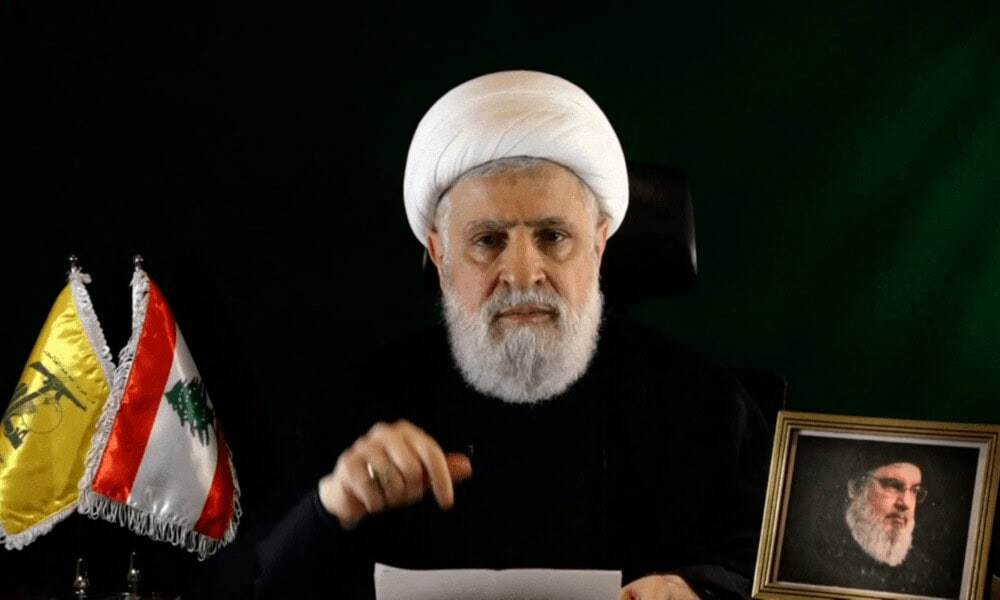
Analysis: Naim Qassem vows Hezbollah will continue fighting
Naim Qassem became Hezbollah’s new secretary-general on October 29. His last speech as the group’s deputy secretary-general, given two weeks earlier, indicates that Nasrallah’s successor intends to continue in his predecessor’s confrontational path.
-
Analysis: Iran reacts to Israel’s direct retaliation
As Iran attempts to save face following Israel’s recent military strike, conflicting narratives about the imperative to respond are coming to the fore.

-
Analysis: Explaining UNSC Resolution 1701 and its relation to Resolution 1559
A specious argument fueled by DC-based Lebanese activists is gaining traction. It alleges that UN Security Council Resolution 1559 (2004) takes a stronger stance against Hezbollah than its successor, Resolution 1701, adopted after the 2006 Israel-Hezbollah War. This entire argument, however, rests on misinterpretations of Resolution 1701’s meaning and intent and demonstrates ignorance of international law.

-
Analysis: Leaks and spy rings merely delay the inevitable Israeli operation
Despite allegedly leaked documents from US agencies and Tehran’s ongoing intelligence operations aimed at disrupting an Israeli attack, Iran is bracing itself for an operation targeting its nuclear facilities. The situation has only intensified after Hezbollah’s botched attempt to assassinate Israeli Prime Minister Benjamin Netanyahu.

-
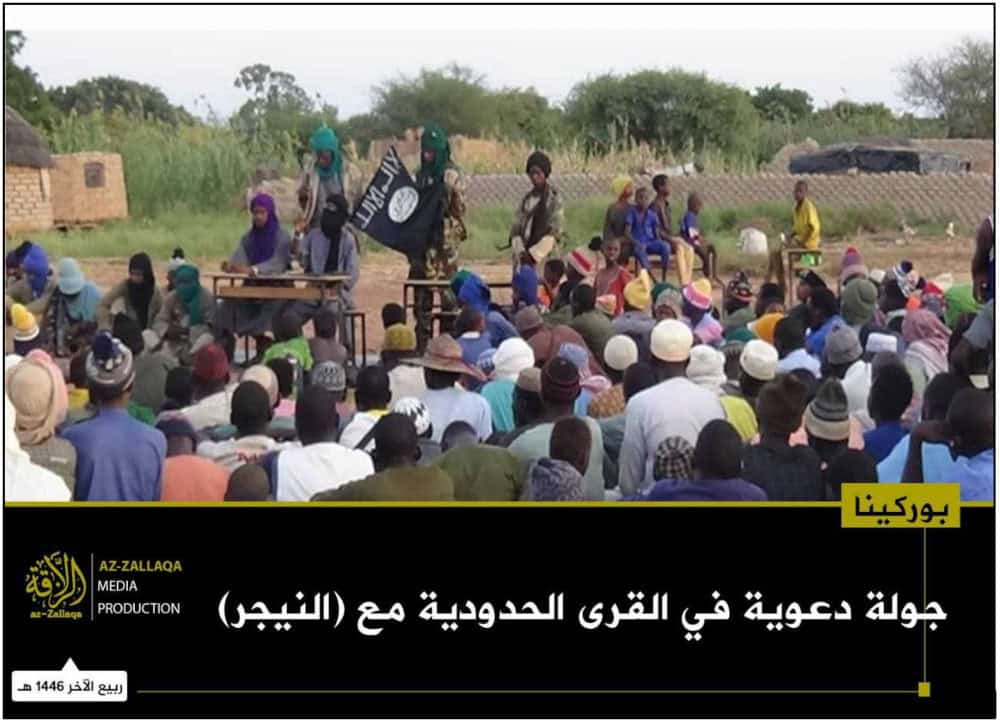
Analysis: Al Qaeda’s da’wah campaign in West Africa
The Group for Support of Islam and Muslims (JNIM), al Qaeda’s branch for West Africa, has publicized its da’wah (proselytizing) activities in local communities in Mali and Burkina Faso. Photos released by the group document its men delivering religious lectures to locals in the southern Mali region of Kayes and Burkina Faso along the border with Niger.
-
Analysis: The ‘How’ over the ‘What:’ Israel’s dilemma beyond target selection in Iran
Israel’s war cabinet has reportedly agreed on what Iranian targets to strike, so the question now is what method it will employ to carry out the attacks to effectively deter Tehran without escalating into a full-scale war. In doing so, Israel has two choices: to either publicly humiliate the regime or launch a series of covert attacks, and the latter is less likely to warrant Tehran’s retaliation.

-
Analysis: The lights are still blinking red—Sunni Islamists and Iran are determined to attack the homeland
While the United States is focused on the election, the domestic terrorism warning signs are still blinking red. Over the last few months, the Department of Justice has indicted another Islamic State terrorist and uncovered an Iranian assassination plot against former President Donald Trump.

-
Analysis: ‘Axis of Resistance’ or ‘Axis of Espionage?’ Iran’s struggles to staff leadership
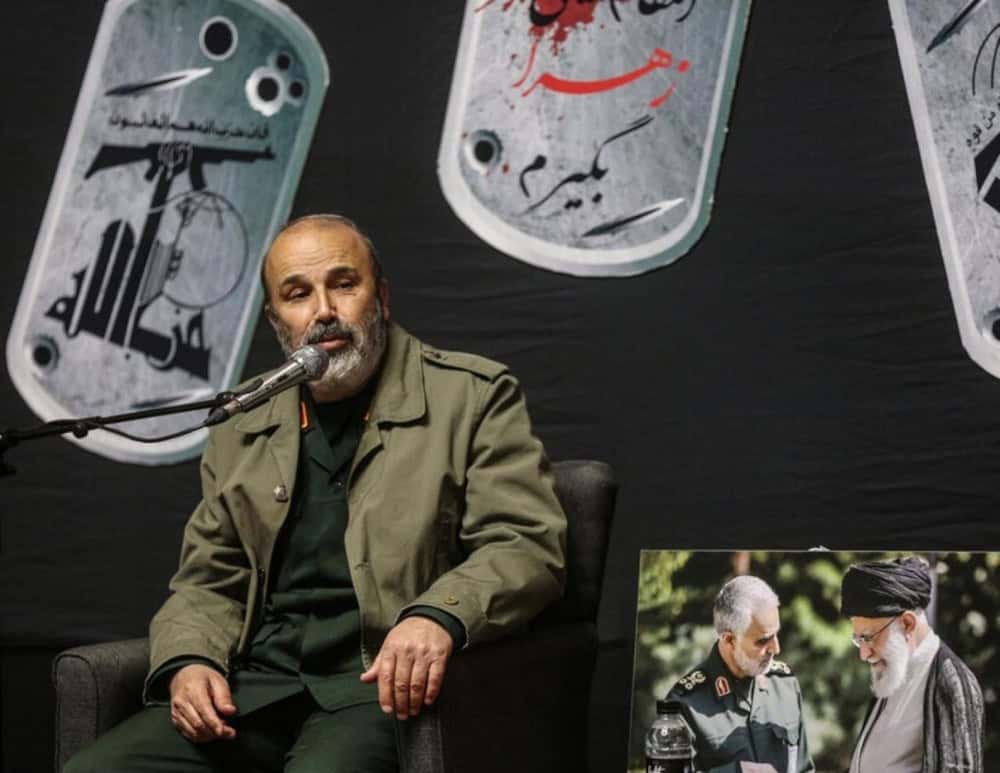
The appointment of Brigadier General Mohammad Reza Fallahzadeh as Hezbollah’s “supervisor” underscores the growing challenges faced by Iran and its proxies amid Israel’s military and intelligence operations. The inability to establish stable leadership within Hezbollah not only reflects Israel’s tactical successes but also reveals deep fractures within the Axis of Resistance. The heightened paranoia among Iranian leaders suggests a precarious future for the Islamic Republic’s efforts to maintain control over its oldest proxy.
-
Analysis: The road to the Third Lebanon War
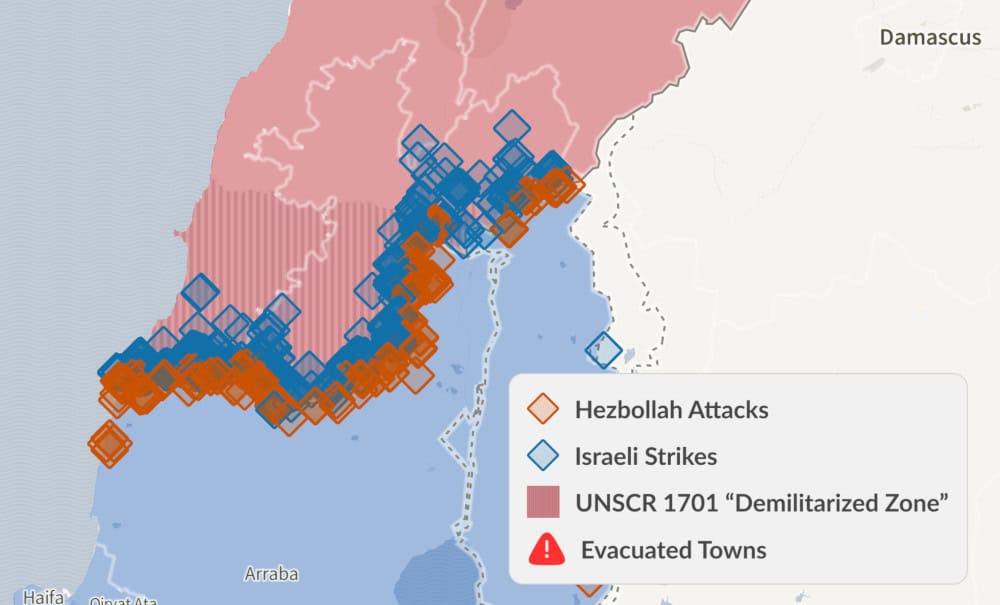
The conflict between Hezbollah and Israel that began on October 8, 2023, has evolved into a protracted war of attrition that neither side initially expected to last this long. Hezbollah’s goal was to support Gaza by diverting the Israelis’ attention and impacting their morale, but the group miscalculated Israel’s resolve, leading to an extended and more intense conflict.
-
Analysis: Awaiting Israel’s strike, Tehran pushes propaganda to cushion the blow
Iranian politicians, military officials, and media outlets are currently advancing a series of threats, half-truths, and outright lies in the service of softening the political blow that any Israeli strike could land while also raising military costs.

-
Analysis: Iran threatens Israeli civil and nuclear infrastructure on October 7 anniversary
On the anniversary of the October 7 terrorist attack, the Islamic Republic has pledged to target Israeli cities and critical infrastructure while US and Israeli officials consider their options in response to Tehran’s second ballistic missile assault. With Israel’s air defense capabilities demonstrating superiority over Iranian missiles and the military setbacks suffered by the regime’s proxies, Tehran has increasingly diminished its leverage over Jerusalem. This shifting dynamic offers Israel a strategic opportunity to target the regime’s nuclear facilities, addressing the primary existential threat it faces.

-
Analysis: The Houthis’ leadership structure
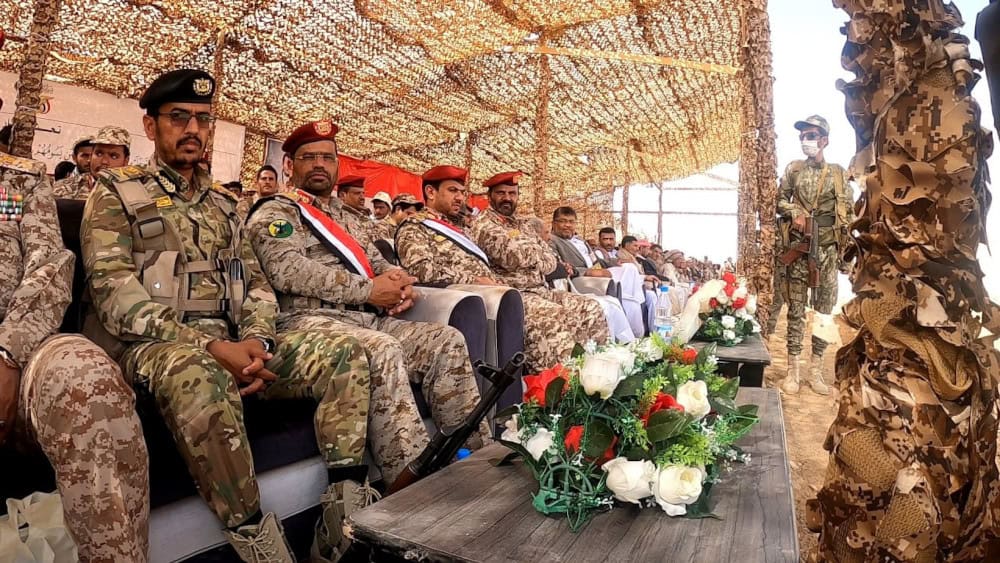
The Houthis in Yemen have an extensive leadership hierarchy. FDD’s Long War Journal lists some of the leaders of the organization, their roles, and if they have been sanctioned by the United States government.
-
Analysis: The impact of Israeli operations on Hezbollah’s organizational structure
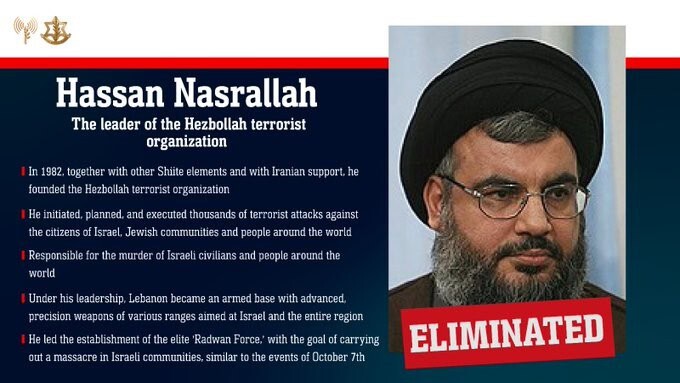
A breakdown of the Hezbollah officials Israel has assassinated, those who remain, and the impact on the organization and its durability.
-
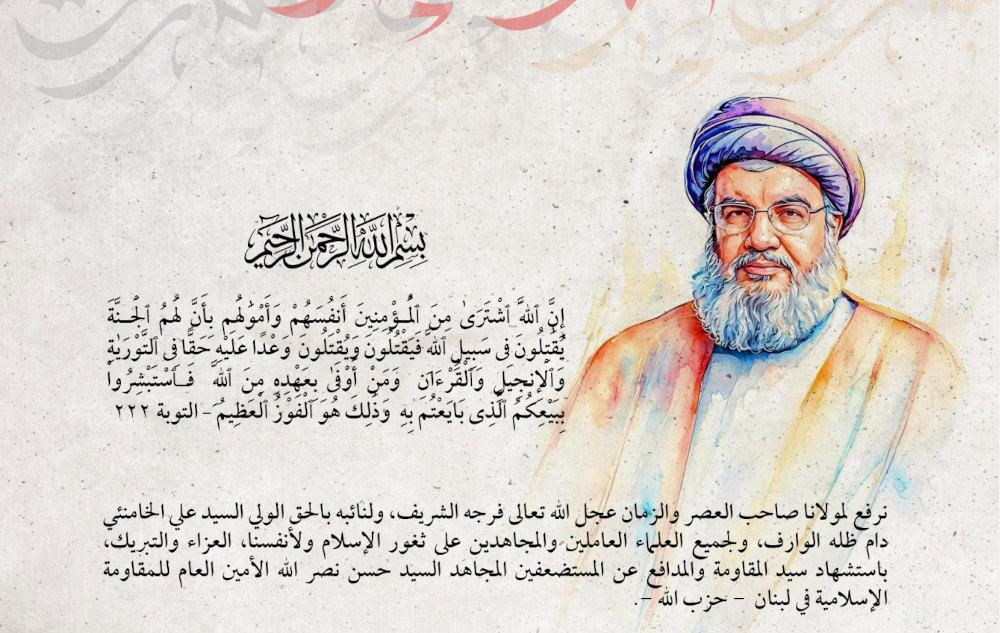
Analysis: Bahraini militias eulogize slain Hezbollah leader
Saraya al-Ashtar and Saraya Wa’ad Allah, two Iranian-backed militias in Bahrain, issued a statement expressing condolences for the death of Hassan Nasrallah in an Israeli airstrike and calling for vengeance.