-
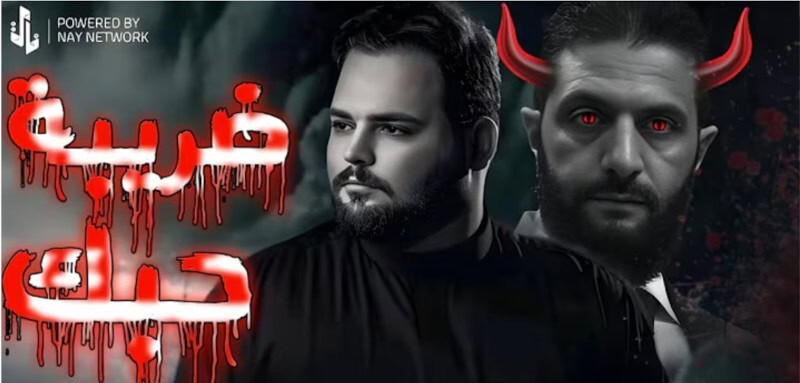
Analysis: Why do Iraqi Shiites hate the new Syria and its leader?
Many Iraqi Shiites have showcased a deep hatred of Syrian interim President Ahmad al Sharaa and his new government following the fall of dictator Bashar al Assad. Sharaa’s unpopularity can be explained by his history as a jihadist, as well as the Iran-led Axis of Resistance’s defeat in Syria.
-
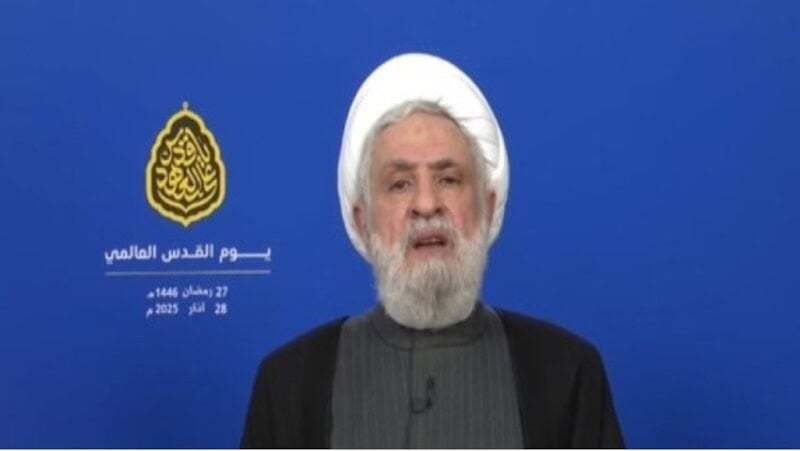
Analysis: Hezbollah Secretary-General Naim Qassem’s Quds Day speeches
Naim Qassem delivered two speeches last week to mark Quds Day that touched on similar themes, including Hezbollah’s alleged victory in the recent war with Israel. Qassem also vowed Hezbollah would not disarm and cryptically threatened to resume attacking Israel if Israeli operations in Lebanon continued.
-
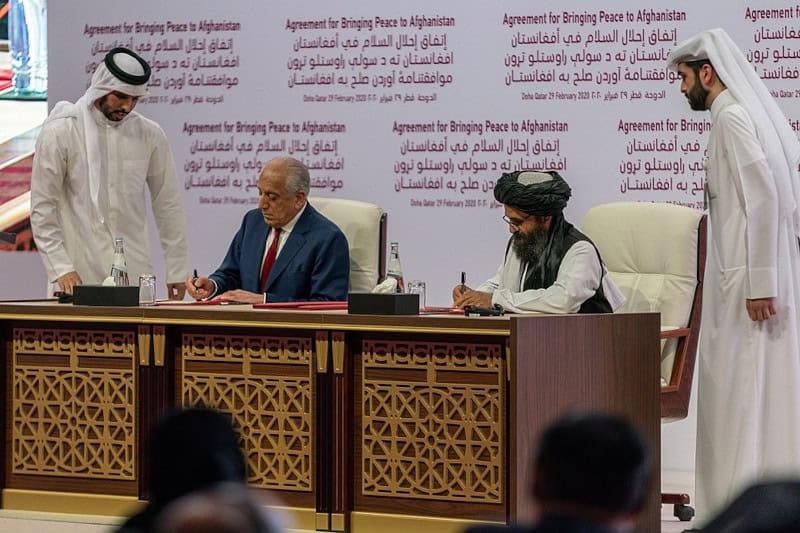
Analysis: US removal of Sirajuddin Haqqani’s $10 million bounty signals engagement with the Taliban
With the return of former American Ambassador to Afghanistan Zalmay Khalizad to negotiations in Afghanistan and the Trump administration’s decision to remove Sirajuddin Haqqani’s bounty, the Trump administration may be continuing its previous policy of engagement with the Taliban.
-
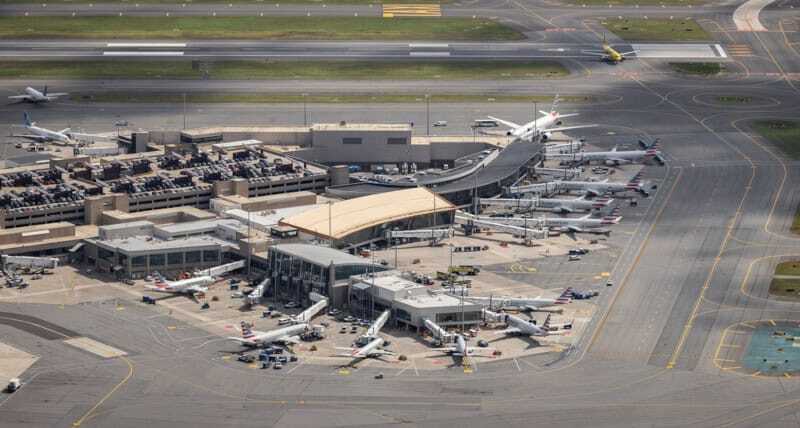
Analysis: A deported Brown University professor’s Hezbollah ties
Dr. Racha Alawieh, a Brown University physician in the US on a visa, was denied re-entry into the country after returning from Lebanon. A central question is whether Alawieh’s entry was blocked for her exercising First Amendment rights or whether her family’s close links to Hezbollah jeopardized her visa. If the latter justification survives judicial review, the precedent may give US authorities a tool to disrupt Hezbollah’s influence and illicit finance operations in the United States.
-
Analysis: Why did Syria’s Kurds sign a deal with the new regime?
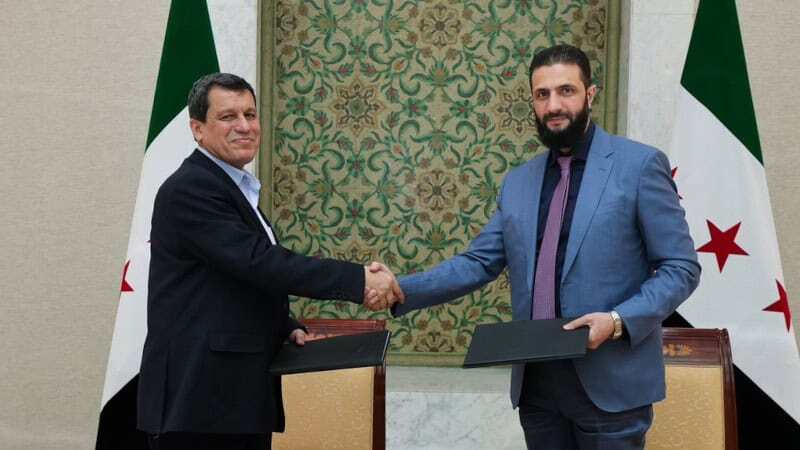
The Syrian Democratic Forces (SDF) signed an agreement with Syria’s interim government, integrating the SDF’s 100,000-strong, mostly Kurdish force into the new Syrian military. The deal likely represents a calculated risk by the SDF to curtail Turkish aggression, especially if the US withdraws from the country.
-
Analysis: Lebanon’s new government, the absent “resistance” Clause, and Hezbollah’s fate
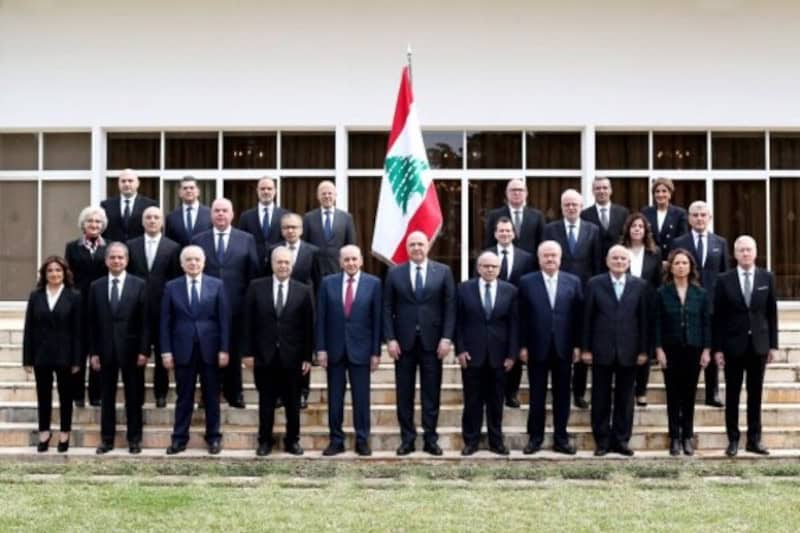
A review of the new Lebanese government’s policy statement reveals some positive changes from the positions of previous governments regarding the official posture on Hezbollah and its arms. Nevertheless, the statement contains subtle but significant loopholes that Hezbollah can exploit to ensure its survival and eventual regeneration.
-
Analysis: A comparison of IDF and LAF activities in Lebanon post-November 27 ceasefire
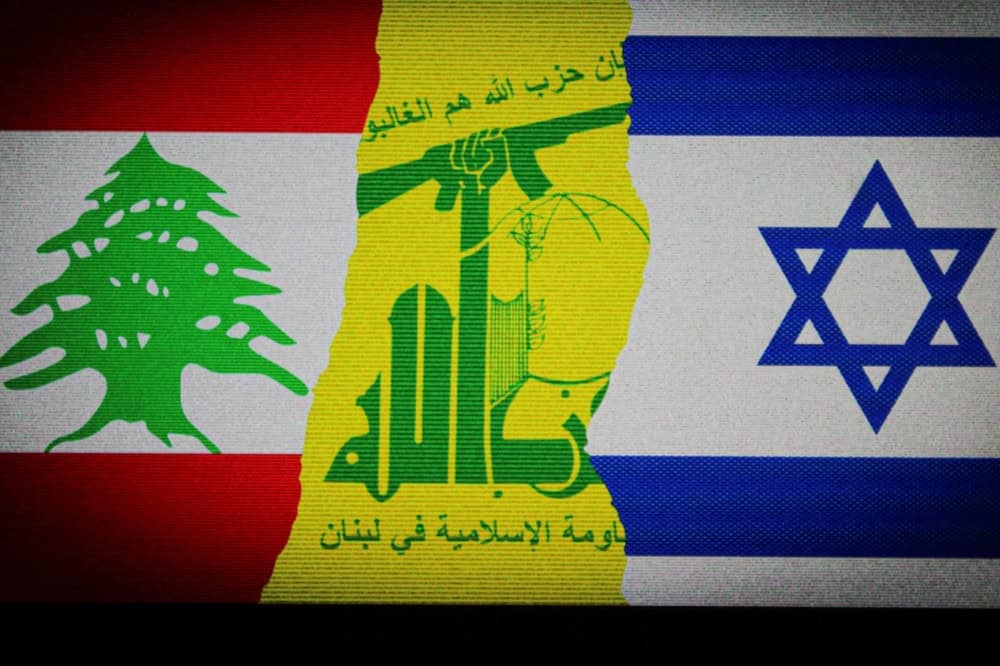
A comparison of actions by the Israel Defense Forces (IDF) and Lebanese Armed Forces (LAF) in Lebanon after the ceasefire on November 27, 2024, demonstrates that the Lebanese have not taken significant action against Hezbollah.
-
Analysis: What the suspension of US aid means for Ukrainian forces
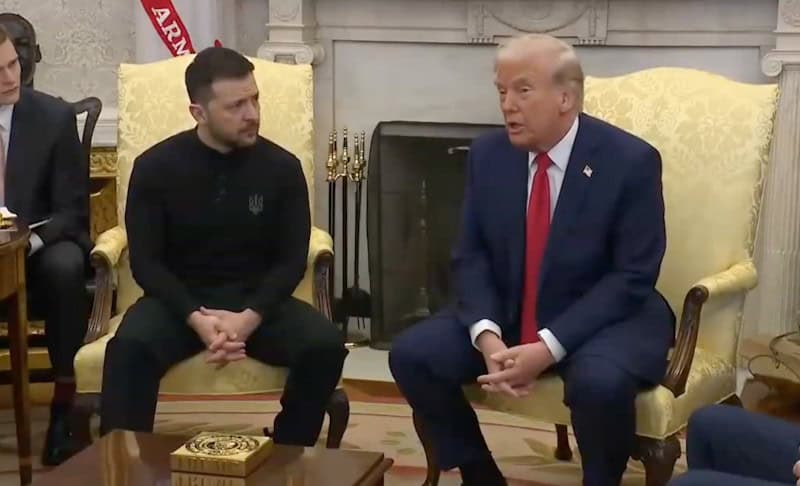
A permanent cutoff of all aid likely would not cause a Ukrainian collapse, but it would result in more Ukrainian lives and land lost and more infrastructure destroyed. Challenges would build over time and could exacerbate Kyiv’s manpower shortage, boosting Russian efforts to grind down Ukrainian forces and granting Moscow greater leverage in negotiations.
-
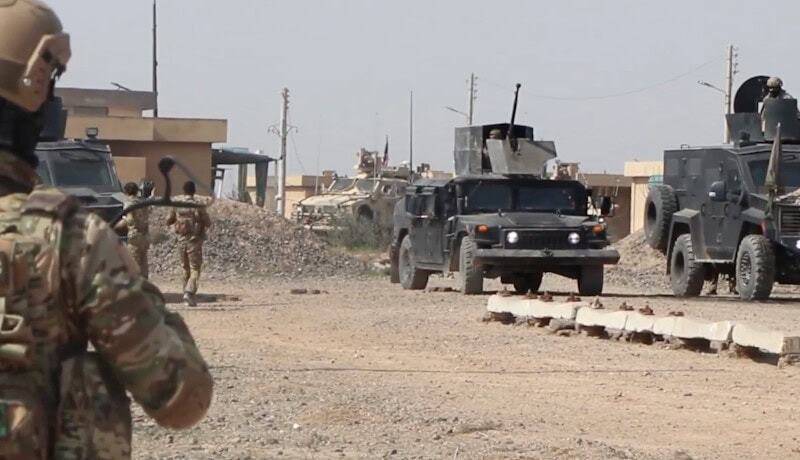
Analysis: How will the US-backed SDF be affected by PKK leader’s disarmament call?
On February 27, Kurdistan Workers Party (PKK) leader Abdullah Ocalan called for his group to disarm and end its conflict with Turkey. The US-backed Syrian Democratic Forces (SDF) in eastern Syria have welcomed this statement, which may provide an opportunity for Turkey to change its policy in Syria, affect US policy, and impact SDF relations with the new government in Damascus.
-
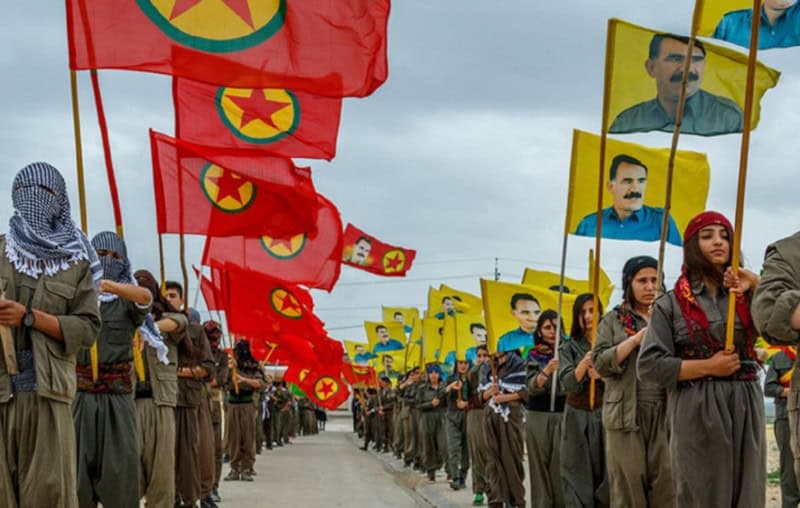
Analysis: Iran’s loss is Turkey’s gain
Tehran’s recent setbacks have paved the way for Ankara’s ascent. The Ankara-backed Azerbaijan’s triumph over Tehran-backed Armenia, Turkish-supported militias outmaneuvering Iran’s influence in Syria, and now, the unraveling of the Iran-backed PKK further tilts the balance in Turkey’s favor.
-
Analysis: Al Jazeera platforms Hamas’s “resistance” at annual conference
Qatar-funded Al Jazeera provided a platform to two Hamas officials on its panels at the media organization’s recent annual conference. One speaker, Osama Hamdan, praised the October 7 massacre in Israel and the “philosophy of resistance.”
-
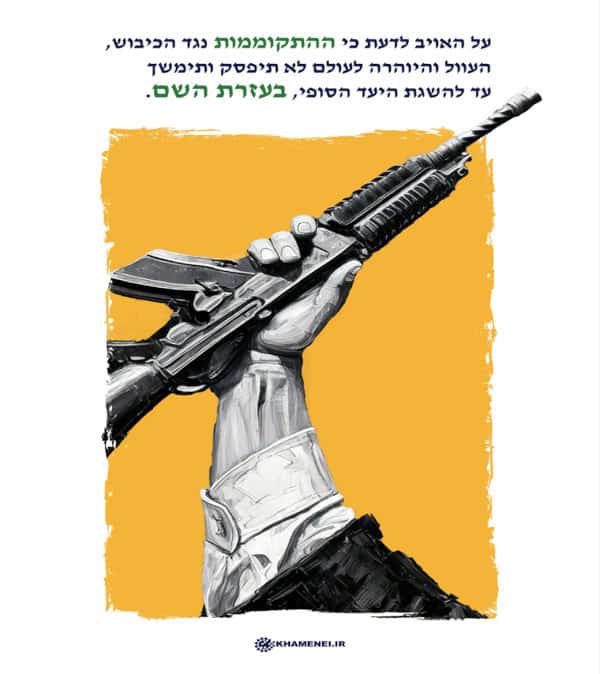
Analysis: Is Iran poising itself for escalation with Israel?
Recent statements by Islamic Republic officials indicate Tehran’s staunch commitment to rebuilding Hezbollah’s capabilities and achieving “final victory.” These threats may signal a renewed escalation in the region after Israel’s crippling blow to Iran’s missile arsenal and the collapse of the Islamic Republic’s Syrian ally.
-
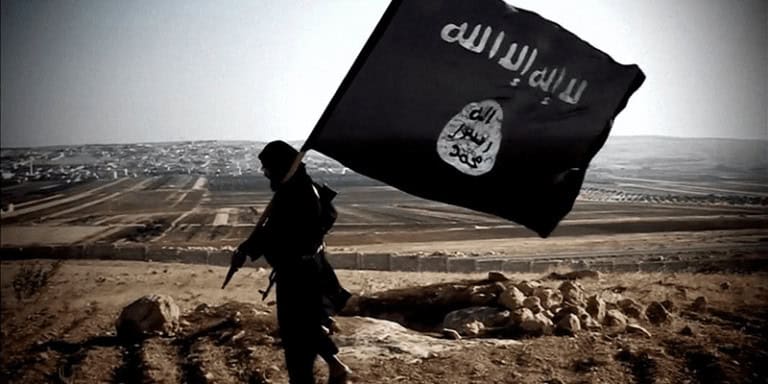
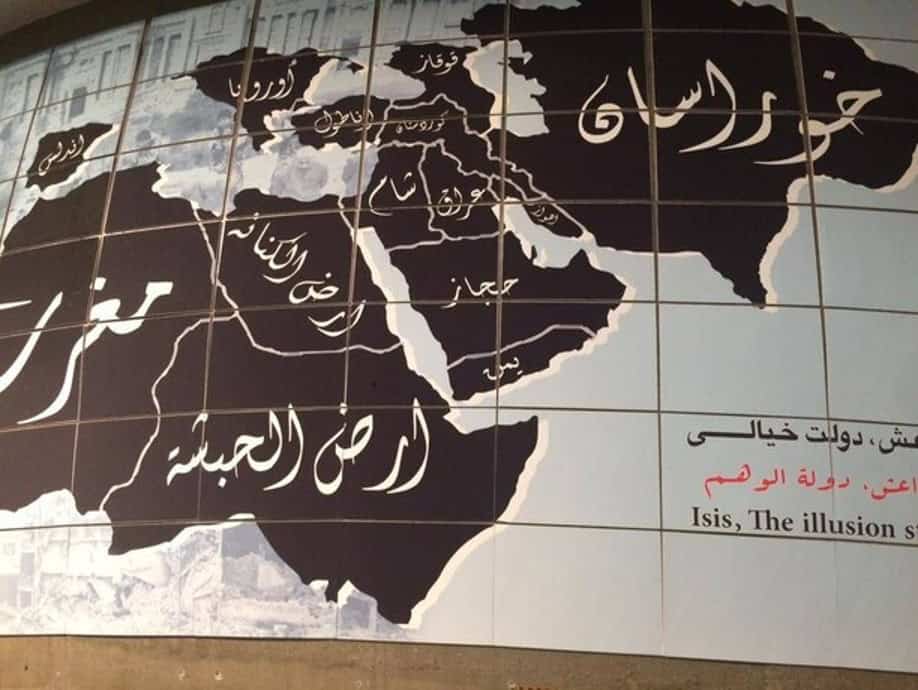
Analysis: From Afghanistan to America: the rising reach of the Islamic State Khorasan Province
Four years after the US withdrawal from Afghanistan, the threat posed by the Islamic State Khorasan Province (ISKP) has expanded beyond the region, now endangering both America and Europe. With the group actively recruiting and transferring fighters across borders, regional actors such as the Taliban, Iran, Tajikistan, and Pakistan have proven unable to curb its growth.
-
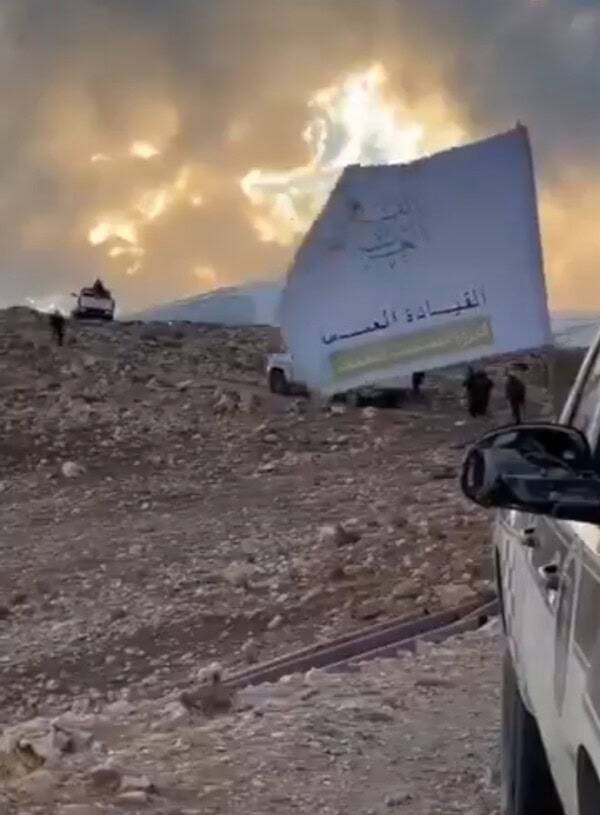
Analysis: Syria’s crackdown on smuggling sparks tensions with Hezbollah and Lebanon
There has been a serious escalation on the Lebanon-Syria border over the past week after Syrian forces launched an operation targeting illegal checkpoints used for narcotics and weapon smuggling.
-
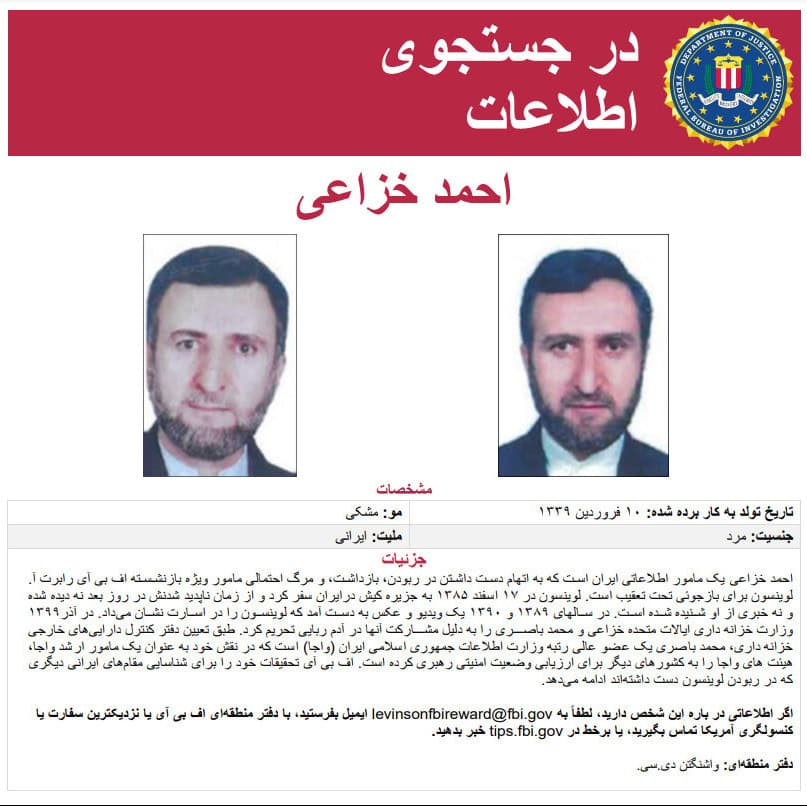
Analysis: Unpacking Iran’s counterintelligence apparatus
Iran’s intelligence network is not a monolithic entity but a web of competing and cooperating factions that execute the regime’s global ambitions. Iran’s Islamic Revolutionary Guard Corps (IRGC), Quds Force, and Ministry of Intelligence each play distinct yet overlapping roles in conducting assassinations, abductions, and sabotage operations worldwide. While institutional rivalries persist, their shared objective—suppressing dissent and expanding Iran’s geopolitical reach—ensures continued collaboration.
-
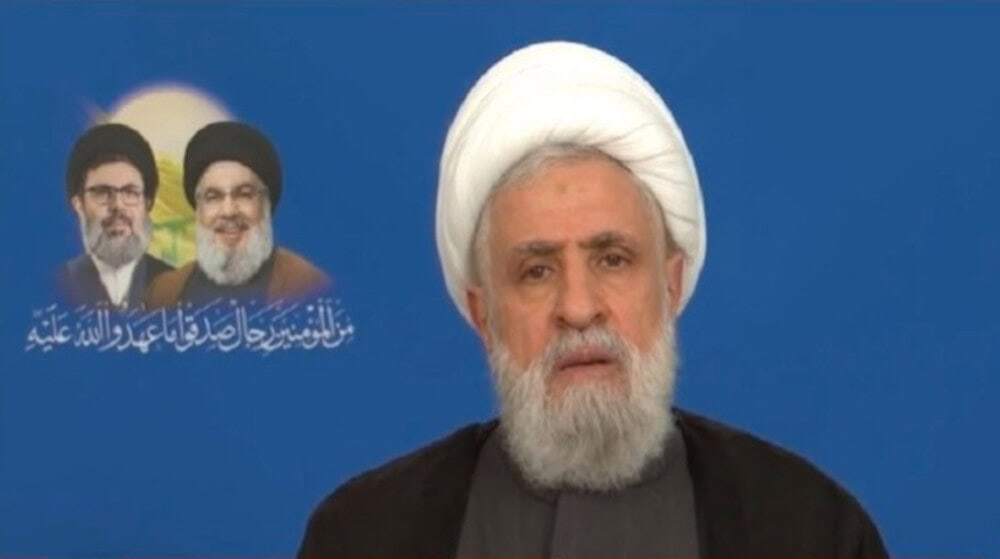
Analysis: Naim Qassem announces the date of Nasrallah’s funeral
Hezbollah Secretary-General Naim Qassem gave a speech to mark the onset of the month of Shaban, in which he announced the date of Hassan Nasrallah’s funeral, sought to counter the group’s domestic detractors, and condemned provocative behaviors by Hezbollah’s supporters.
-
Analysis: Naim Qassem’s most defiant speech yet as Hezbollah secretary-general
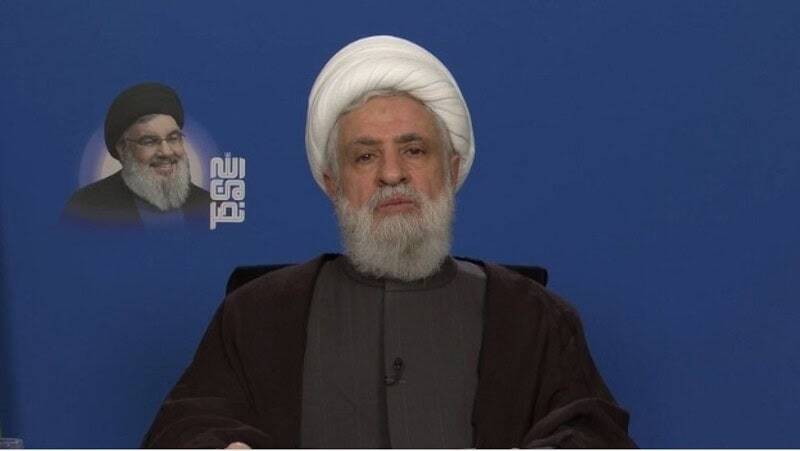
On January 27, Naim Qassem insisted Hezbollah had emerged from the fight with Israel victorious, despite painful and unprecedented setbacks, and was unwilling to concede the group’s domestic position. Qassem also expressed Hezbollah’s satisfaction with Lebanon’s post-war political direction and said his group had a productive and positive relationship with Lebanon’s new president and prime minister-designate.
-
Analysis: Continued chaos in Syria: Iraqi militias and an Alawite insurgency
Chaos in Syria deepens as a newly formed Iraqi militia vows to defend the Alawites from alleged Hayat Tahrir al Sham (HTS)-led atrocities and Alawite militias escalate attacks on HTS-affiliated groups in Western Syria, fueling a growing insurgency.
-
Analysis: Hamas begins to publish the names of its dead members
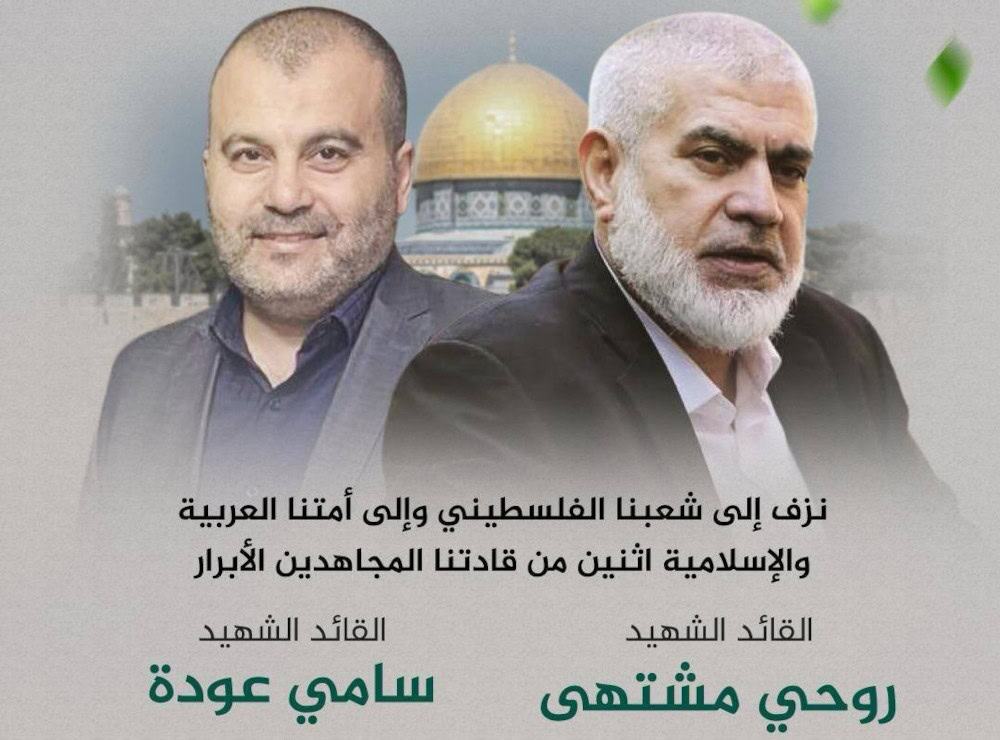
After mostly maintaining silence about the deaths of its members, Hamas has started to acknowledge their fate.
-
Analysis: Islamic State calls for jihad in Sudan
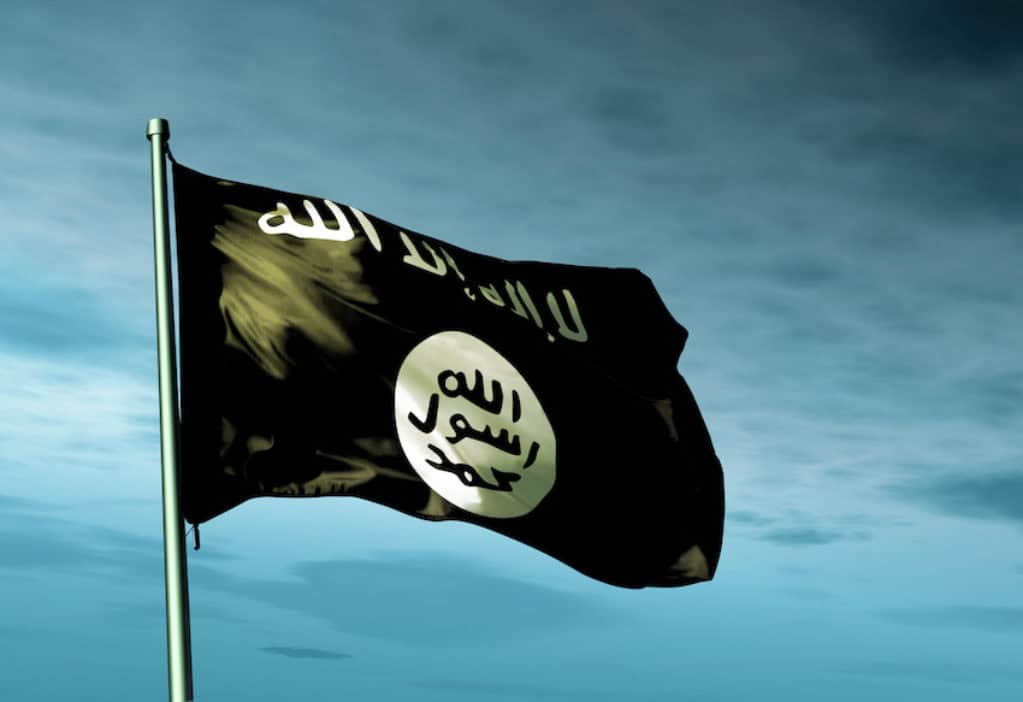
In its weekly Al Naba newsletter, the Islamic State made its most explicit call for jihad inside Sudan, referring to opposing sides of the country’s brutal civil war as infidels. Both the Islamic State and Al Qaeda have now called on Muslims in Sudan to take up arms for their respective organizations.
-
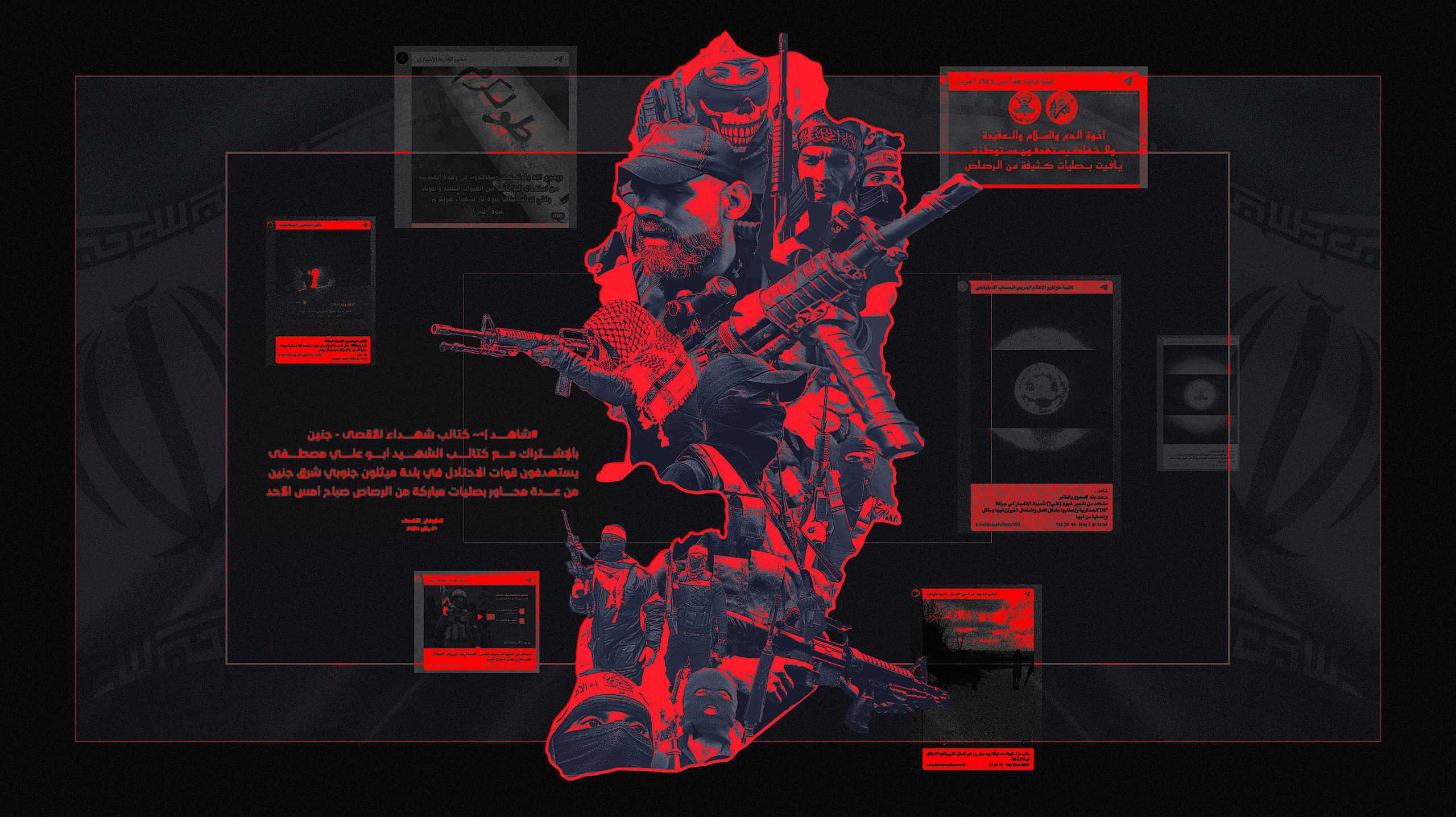
Analysis: Israeli forces eliminate two wanted West Bank gunmen
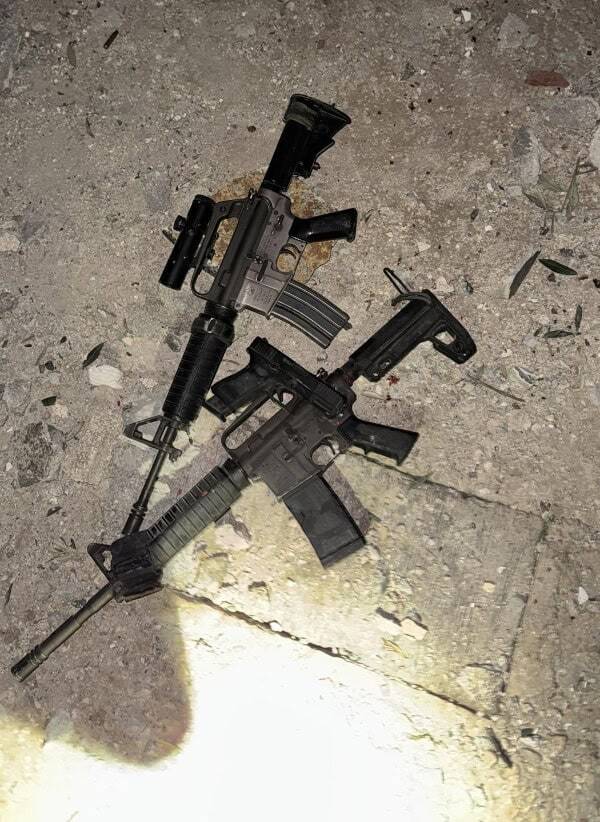
Israeli forces located and killed Muhammad Nazzal and Katiba Shalabi, both of whom were affiliated with Palestinian Islamic Jihad and wanted for the murder of three Israelis in the West Bank on January 6.
-
Analysis: West Bank terrorism persists, IDF launches operation in Jenin
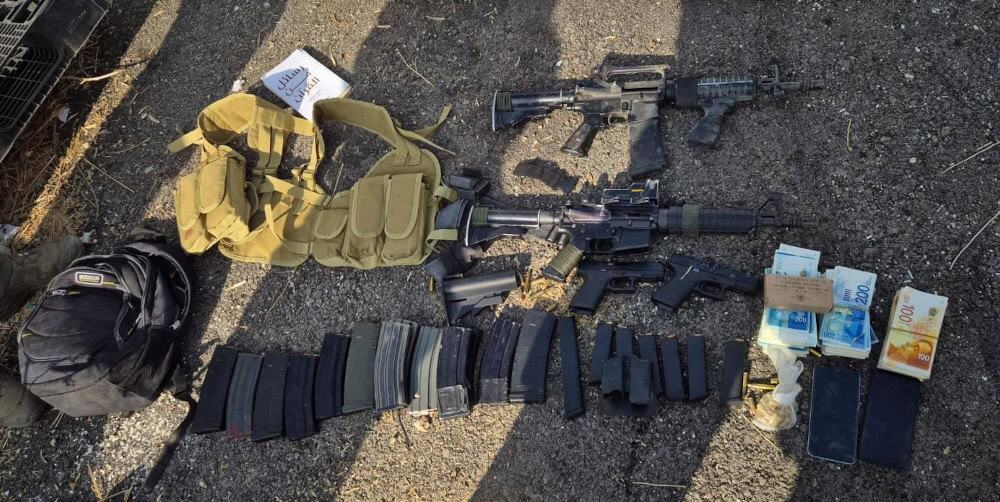
West Bank terrorist groups are a persistent and evolving security challenge for Israel and the Palestinian Authority. These groups’ numbers, arsenals, and capabilities have expanded dramatically since an initial surge of terrorist activity in June 2021.
-
Analysis: The role of Iraqi Shia militias as proxies in Iran’s Axis of Resistance
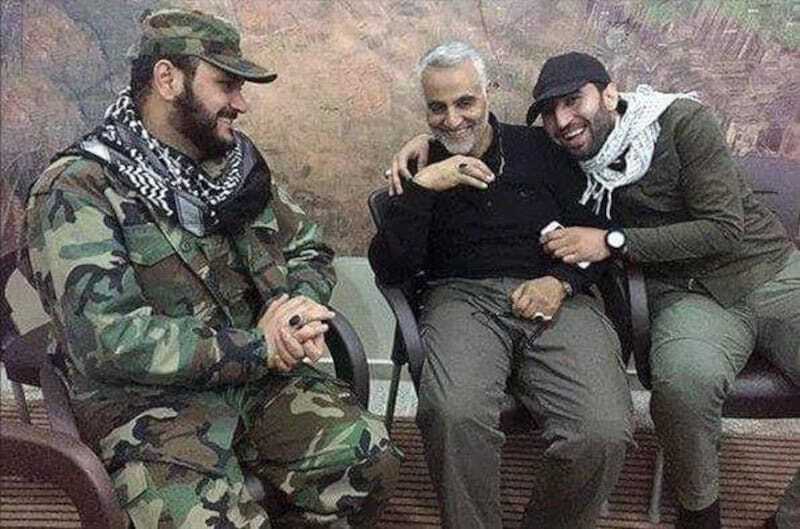
Iraq’s Shia militias play a unique part in Iran’s Axis of Resistance and present distinct challenges for the US, Israel, and the Iraqi state. Notably, a more direct conflict between the militias and the US and Israel would imperil the Iraqi government’s ability to balance its relationships with Iran and the US, along with the country’s essential stability.
-
Analysis: Ukraine, Russia trade attacks in Kursk while Russia takes Kurakhove
Russia and Ukraine traded attacks in the Kursk region this week as Moscow looks to continue clawing back its territory. Meanwhile, Russian forces appear to have taken the eastern city of Kurakhove but failed to encircle the Ukrainian forces there.
-
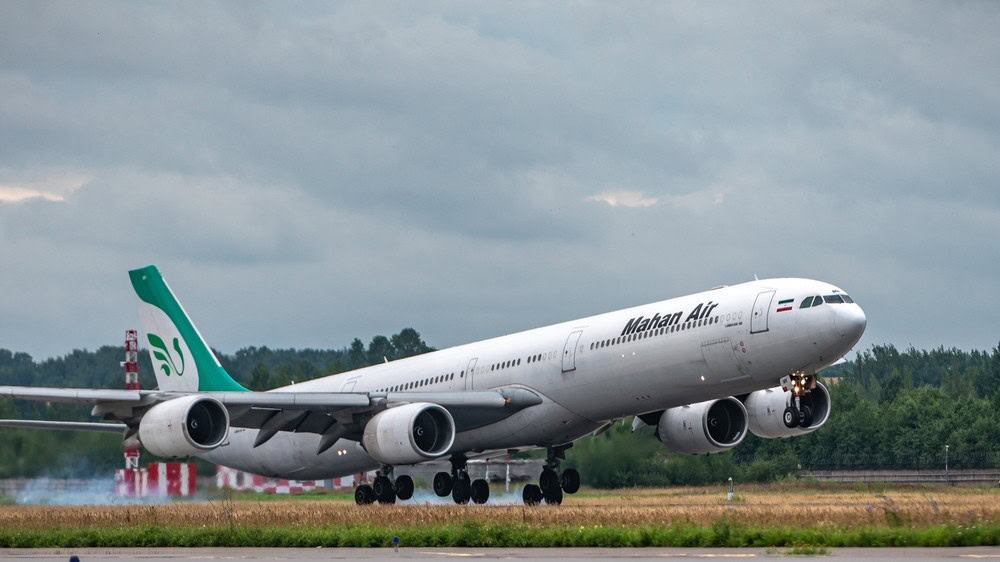
Analysis: Lebanon’s Mahan Air theater was meant to cover ceasefire deal non-performance
Lebanon did not thoroughly inspect a Mahan Air Flight suspected of carrying funds for Hezbollah. It engaged in an act of theater to deny Israel justification to resume fighting the group in light of Beirut’s failure to implement its obligations under the November 27, 2024, ceasefire agreement.
-
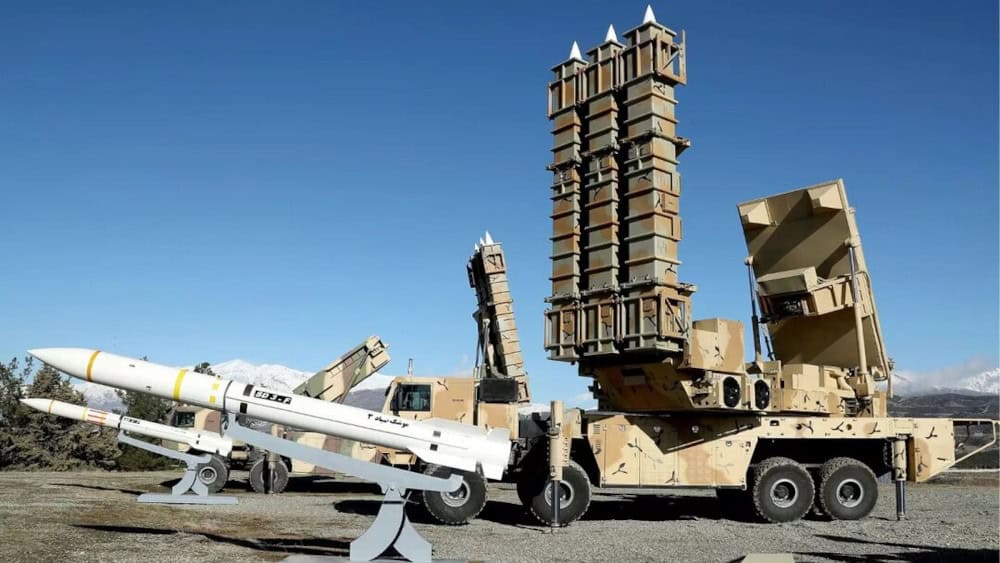
Analysis: Tehran’s triad: propaganda, proxies, and preparedness
The Tehran regime faces significant challenges, including the diminished influence of its regional proxies and the potential for an Israeli strike on its nuclear facilities. In response, the Islamic Republic has devised a three-pronged strategy: bolstering morale through propaganda, conducting extensive military drills as a deterrent, and amplifying support for its remaining proxies.
-
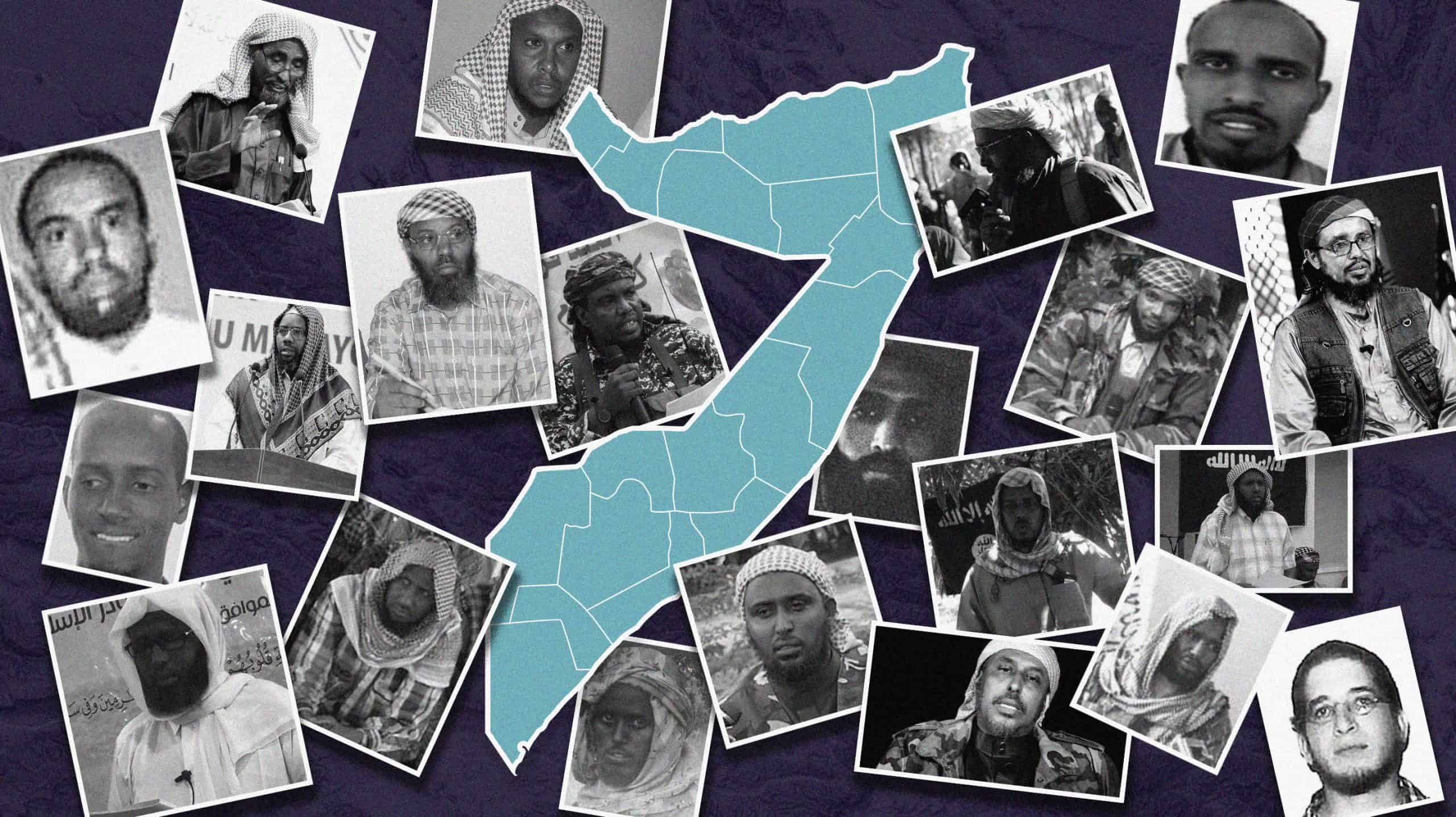
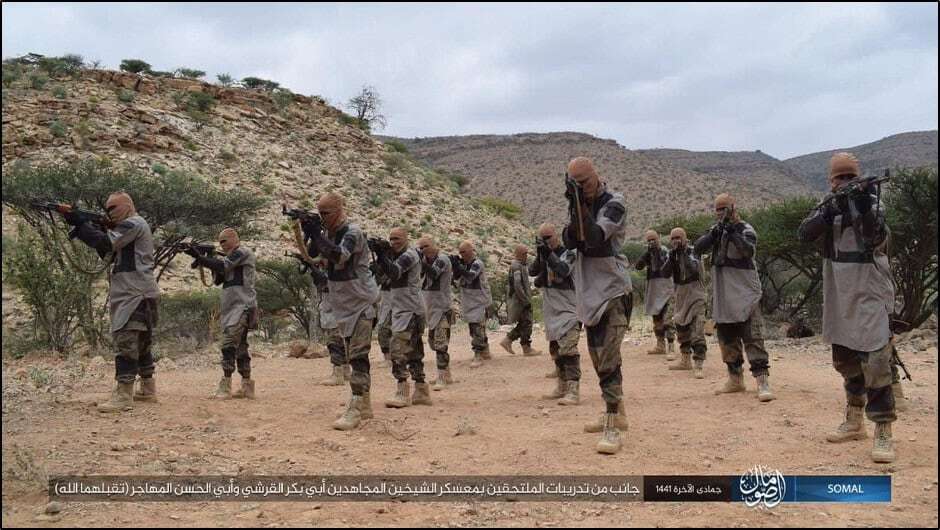
Analysis: Puntland forces repel Islamic State suicide assault
In a rare assault, the Islamic State Somalia (ISS) tried—and ultimately failed—to oust Puntland Security Forces (PSF) from a PSF base earlier today. Nonetheless, the attack represents how ISS is growing in strength and capacity.
-
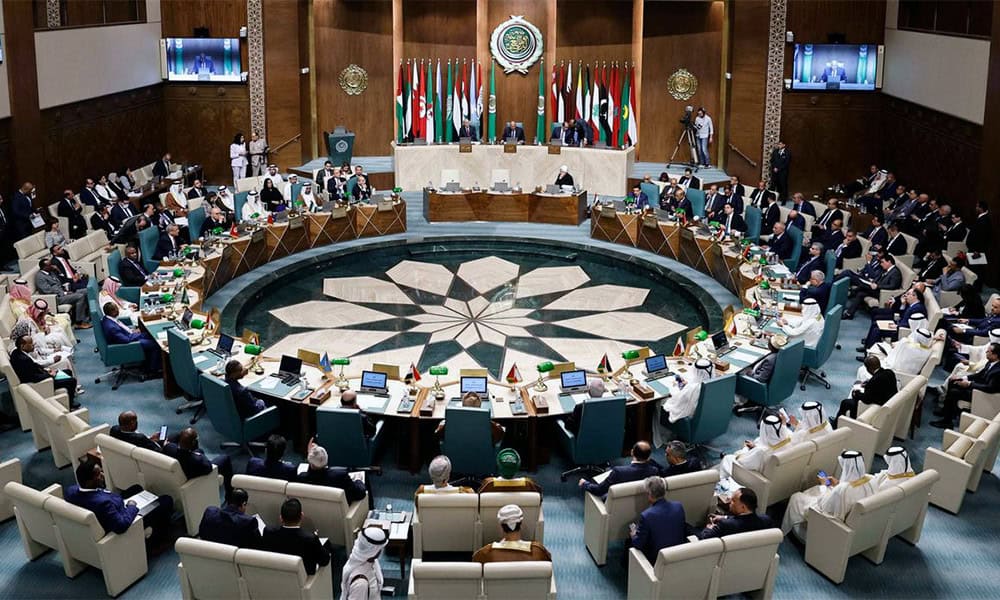
Analysis: Iran’s waning influence in the Arab world
A recent declaration by the League of Arab States chastising Iran for “inciting strife among the Syrian people” and the weakened positions of or hedging by Tehran’s regional proxies signal Iran’s diminishing influence.
-
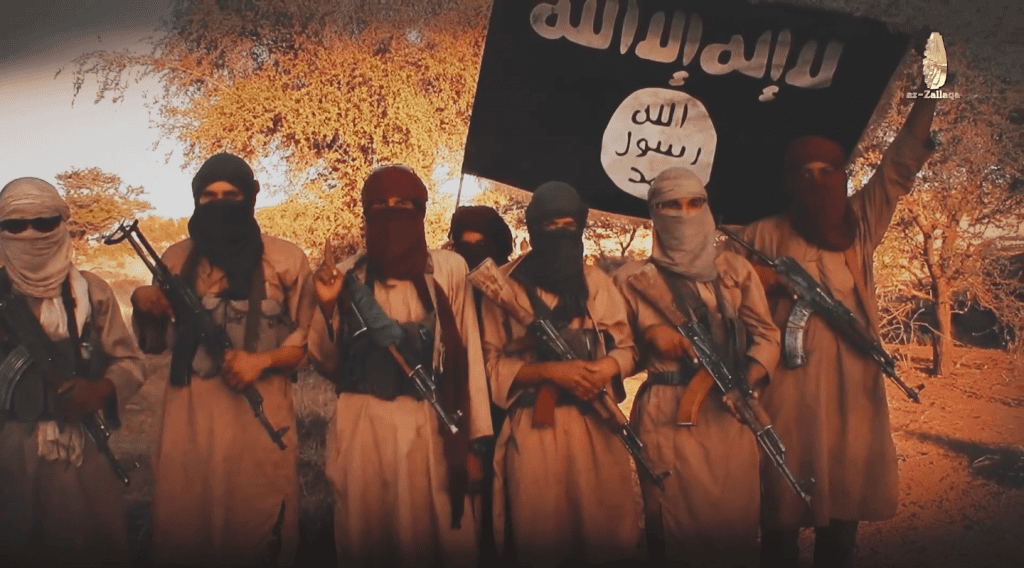
Analysis: Turkey and JNIM: Jihadist messaging signals possible conflict between 2 ascending forces in central Sahel
Turkey has steadily increased its foothold in the central Sahel by providing arms, security assistance, and more to regional juntas. Similarly, The Group for Support of Islam and Muslims (JNIM), Al Qaeda’s branch for the Sahel and West Africa, is on its own upward trajectory, standing as one of the region’s most dominant violent actors. The jihadist group’s external messaging suggests it perceives Turkey to be an obstacle as it seeks to expand its territorial control and influence.
-
Analysis: The Islamic State and Iran remain determined to attack the US
US law enforcement agencies have apprehended or charged 11 individuals involved in plots supporting the Islamic State or Iran since October 8, underscoring both US adversaries’ continued determination to kill Americans at home and abroad.