-
Analysis: The Houthis’ leadership structure
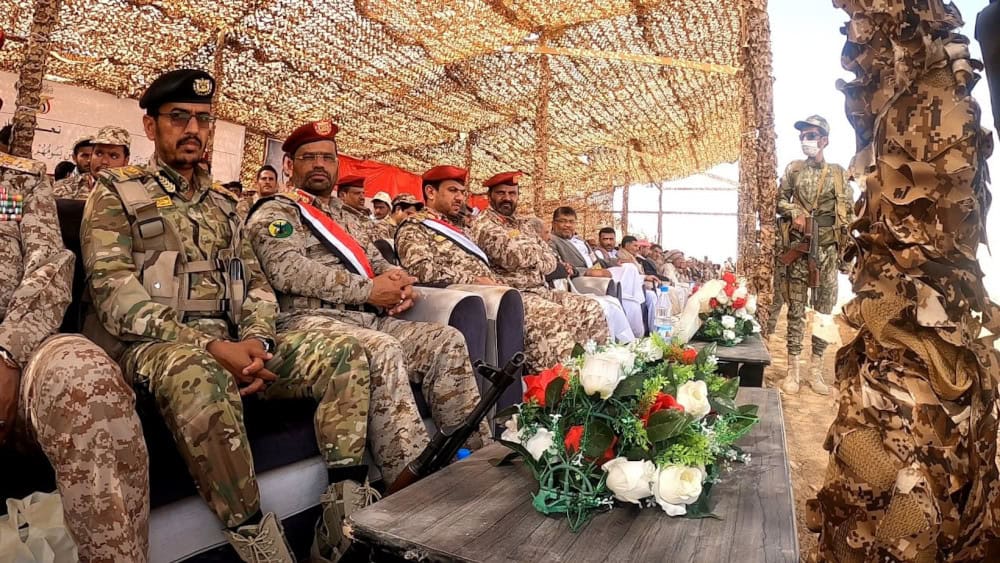
The Houthis in Yemen have an extensive leadership hierarchy. FDD’s Long War Journal lists some of the leaders of the organization, their roles, and if they have been sanctioned by the United States government.
-
Analysis: The impact of Israeli operations on Hezbollah’s organizational structure
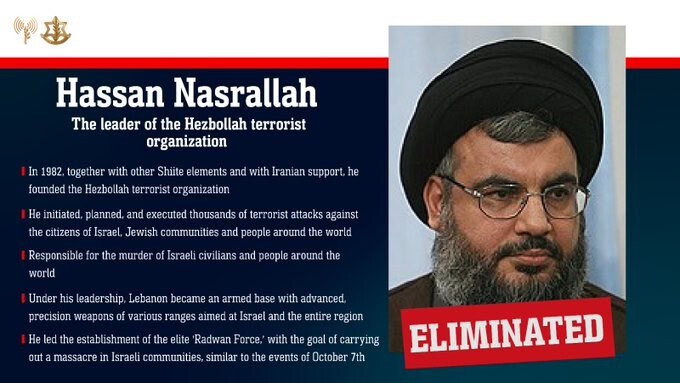
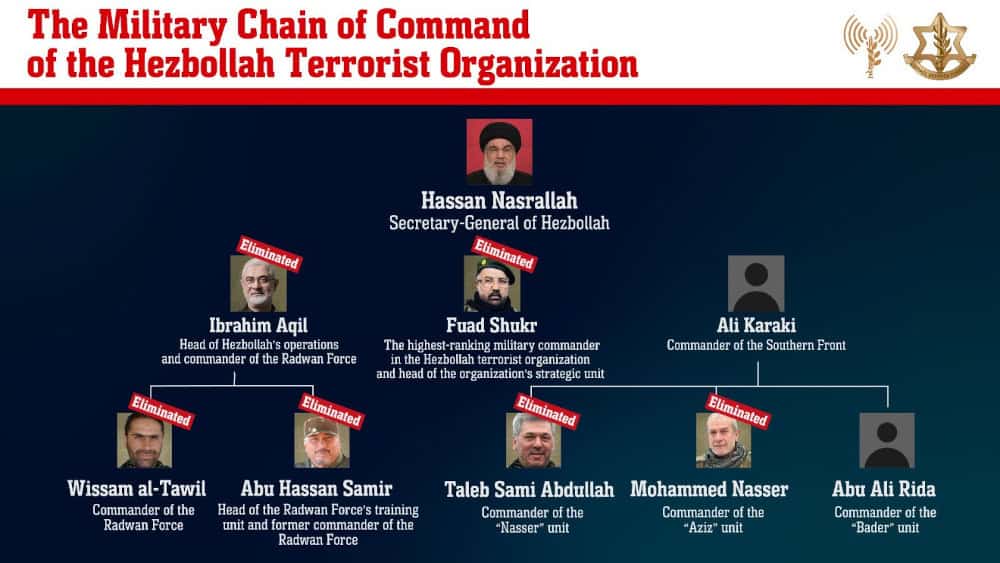
A breakdown of the Hezbollah officials Israel has assassinated, those who remain, and the impact on the organization and its durability.
-
Analysis: Bahraini militias eulogize slain Hezbollah leader
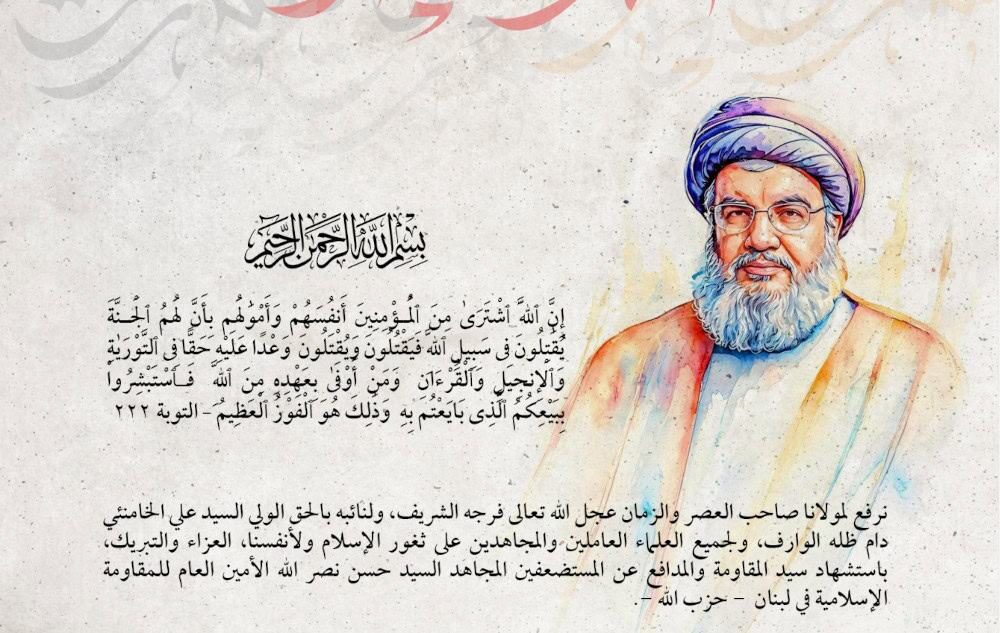
Saraya al-Ashtar and Saraya Wa’ad Allah, two Iranian-backed militias in Bahrain, issued a statement expressing condolences for the death of Hassan Nasrallah in an Israeli airstrike and calling for vengeance.
-
Analysis: Erdogan’s private military company looks to raise an Islamist army
Turkish President Recep Tayyip Erdogan aims to play a central role in post-war Gaza. However, the West should closely scrutinize Turkey’s involvement, especially given Erdogan’s reliance on SADAT, Turkey’s premier private military company, and its Islamist ideology and ties to terrorist organizations.
-
Analysis: Tehran’s damage control tactics amidst Hezbollah’s setbacks
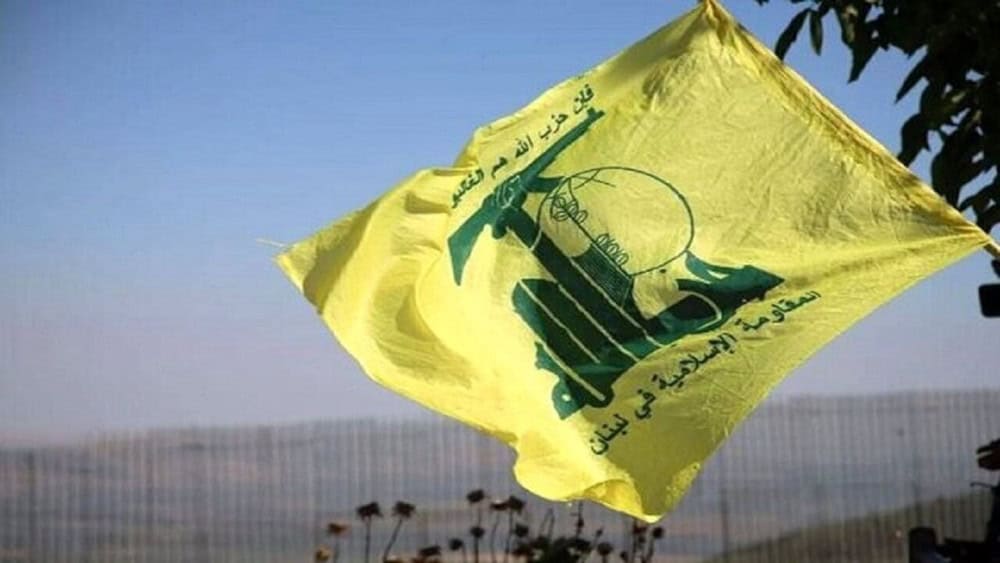
The Iranian regime’s current strategy seems focused on damage control, as it believes maintaining a foundation allows it to eventually regain influence in southern Lebanon. The Islamic Republic aims to create an image of total warfare through a series of calculated proxy attacks. This approach not only projects strength to its supporters but also bets on the possibility that the United States will pressure Israel to stop its strikes against Iranian militias.
-
Analysis: The Houthis have challenged the Rules-Based International System and must be defeated
Was the international community culpably naive in failing to give unqualified backing to Yemen’s internationally recognized government (IRG)? And was this largely because of a knee-jerk hostility to the Saudis that is so common in Western progressive circles? If the Houthis genuinely pose a chronic threat to the Rules-Based International System and intend to hold freedom of navigation in the Red Sea hostage to any and every tactical interest they choose to pursue, will it become inevitable to try to revive and empower the Saudi-IRG coalition to suppress them?

-
Analysis: Nasrallah throws down the gauntlet to save face for twin telecommunications attacks
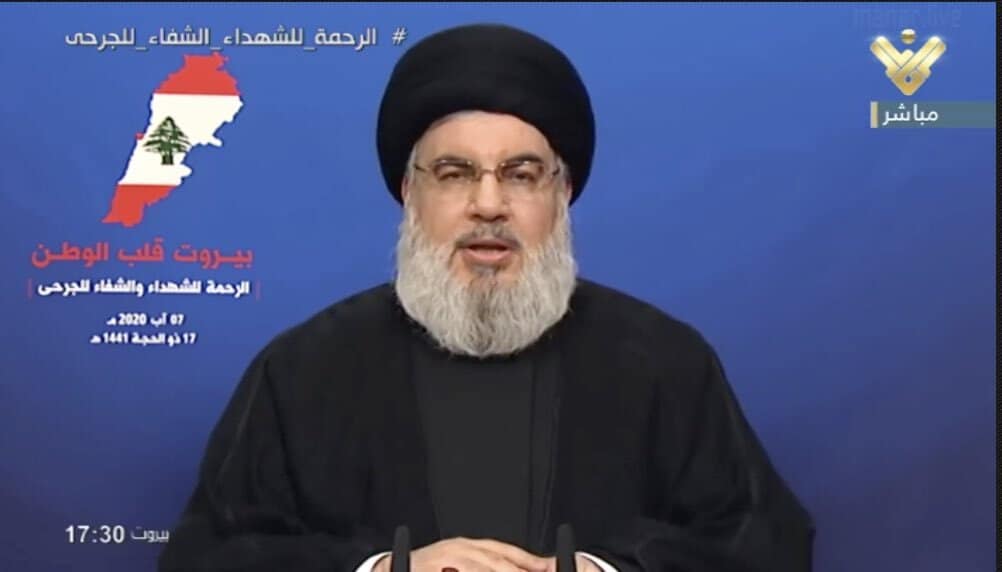
Hezbollah Secretary-General Hassan Nasrallah’s speech on Thursday afternoon was a difficult exercise in damage control after Israel’s attacks on September 17 and 18.
-
Analysis: Israel humbles Hassan Nasrallah and Hezbollah
After a week of exploding pagers and radios, Israel carried out a significant and successful strike targeting Hezbollah military leaders in Beirut.
-
Analysis: Al Qaeda strikes the Malian capital
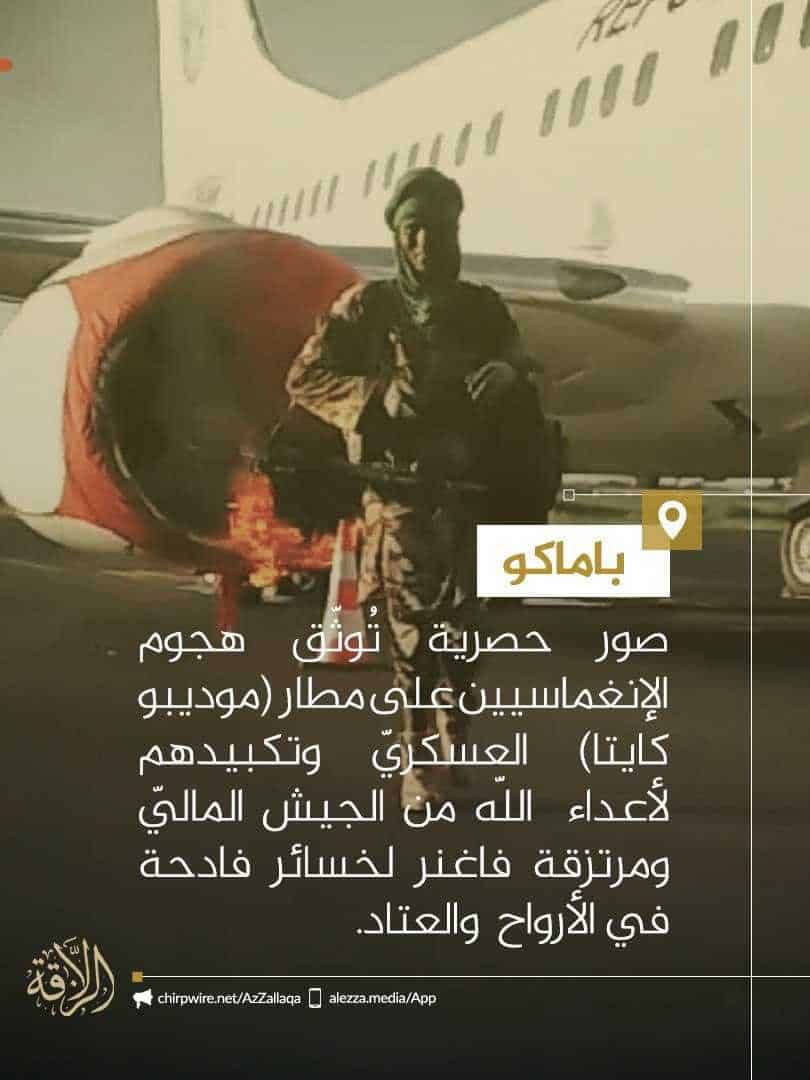
The Group for Support of Islam and Muslims (JNIM), al Qaeda’s West African branch, claimed responsibility for a coordinated assault in Mali’s capital city of Bamako yesterday. The attack comes as JNIM continues to push further south within Mali, threatening the stability of Interim President Assimi Goita’s military regime.
-
Analysis: Large-scale attack targets Hezbollah fighters
Pagers assigned to members of the Lebanese group exploded on September 17, injuring more than 2,500 people and causing an undetermined number of deaths. A significant Israeli assault that has potentially injured thousands of Hezbollah fighters is unlikely to go unanswered.
-
Analysis: Hezbollah’s Vengeance for Shukr was a propaganda exercise from start to Nasrallah’s speech
Hezbollah’s promised retaliation after Israel killed Fuad Shukr on July 31 finally came this Sunday. But the great vengeance promised by Secretary-General Hassan Nasrallah turned out to be a flop. Nasrallah’s subsequent speech after Hezbollah’s attack was a transparent exercise in damage control.
-
Analysis: Don’t over-concentrate US forces in the Middle East
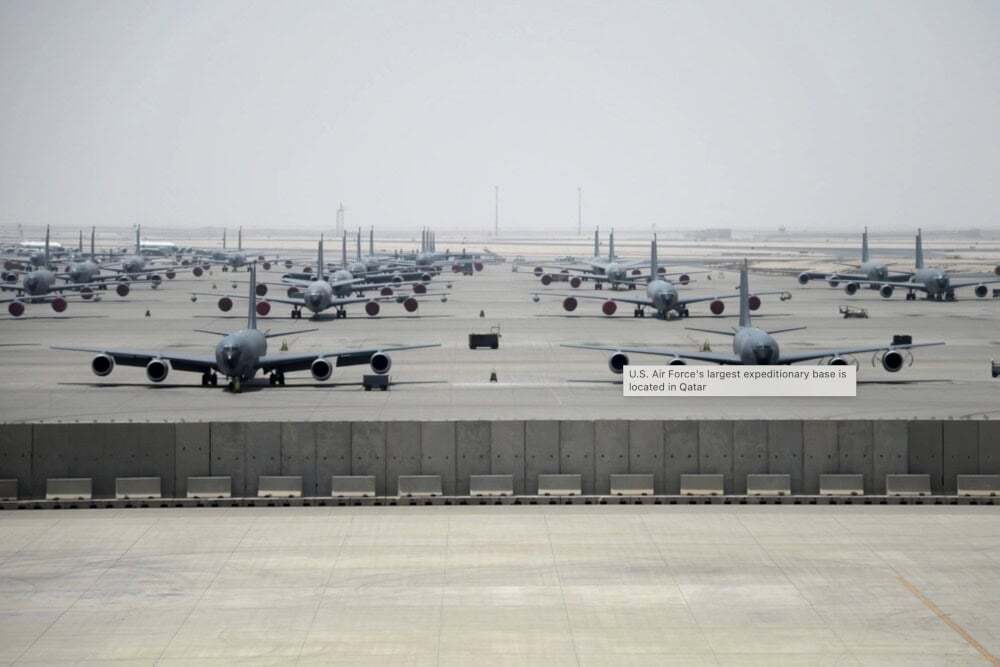
US military bases in the Persian Gulf confront two challenges, one military and the other political. FDD’s Ryan Brobst, Bradley Bowman, and Behnam Ben Taleblu survey the two challenges and propose a way to address them.
-
Analysis: Responding forcefully to the Axis of Resistance
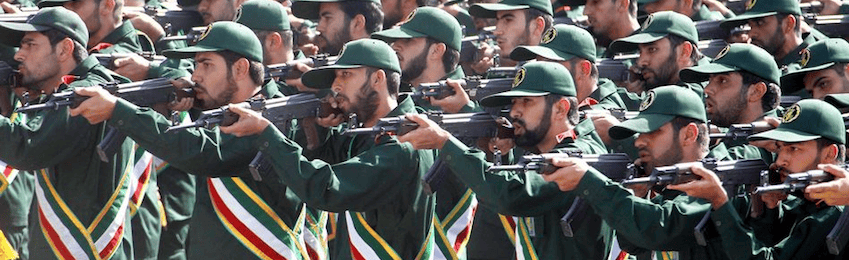
As soon as the Islamic Republic of Iran was established, it effectively declared war on Israel and the West. International appeasement of Iran has failed, and the current crisis in the Middle East has clarified that a more forceful Western policy is required now to forestall a more dangerous confrontation a few years later.
-
Analysis: Russia moves forces to Kursk while intensifying push toward Pokrovsk
Though Ukraine’s Kursk offensive has achieved tactical success and boosted morale, it has so far failed to divert Russian forces attacking toward Pokrovsk. Instead, Russian gains there have accelerated as Moscow capitalizes on Ukraine’s manpower shortage.

-
Analysis: When did the US lose Afghanistan?
Three years after the fall of Afghanistan, American politicians, policymakers, generals, and foreign policy “experts” can’t admit we lost the war. If they did, they would have to own their role in that failure.
-
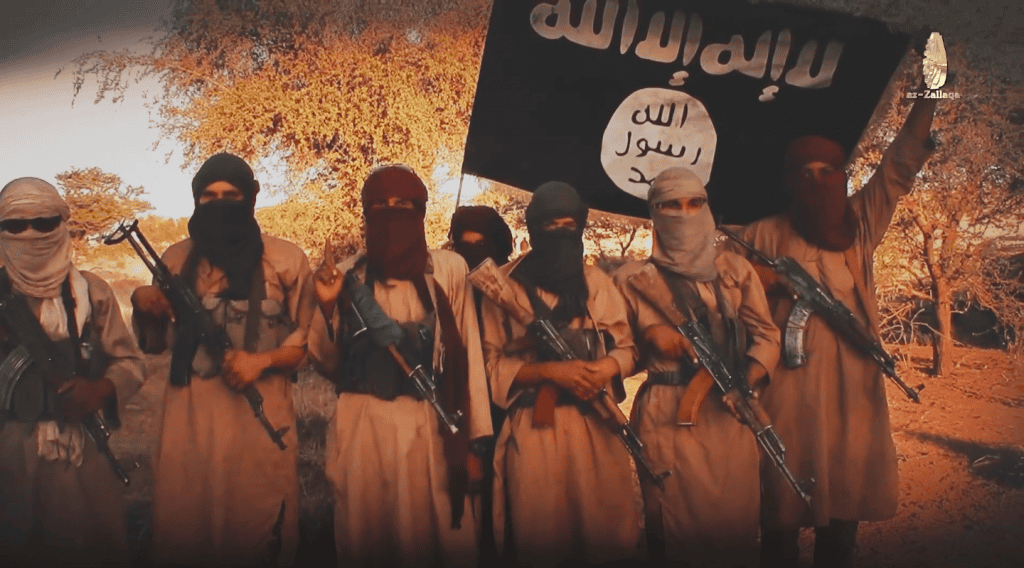
Analysis: Al Qaeda kills hundreds in Burkina Faso attack
On Saturday, the Group for Support of Islam and Muslims (JNIM), Al Qaeda’s branch for West Africa, killed at least 200 people in a massive assault in central Burkina Faso.
-
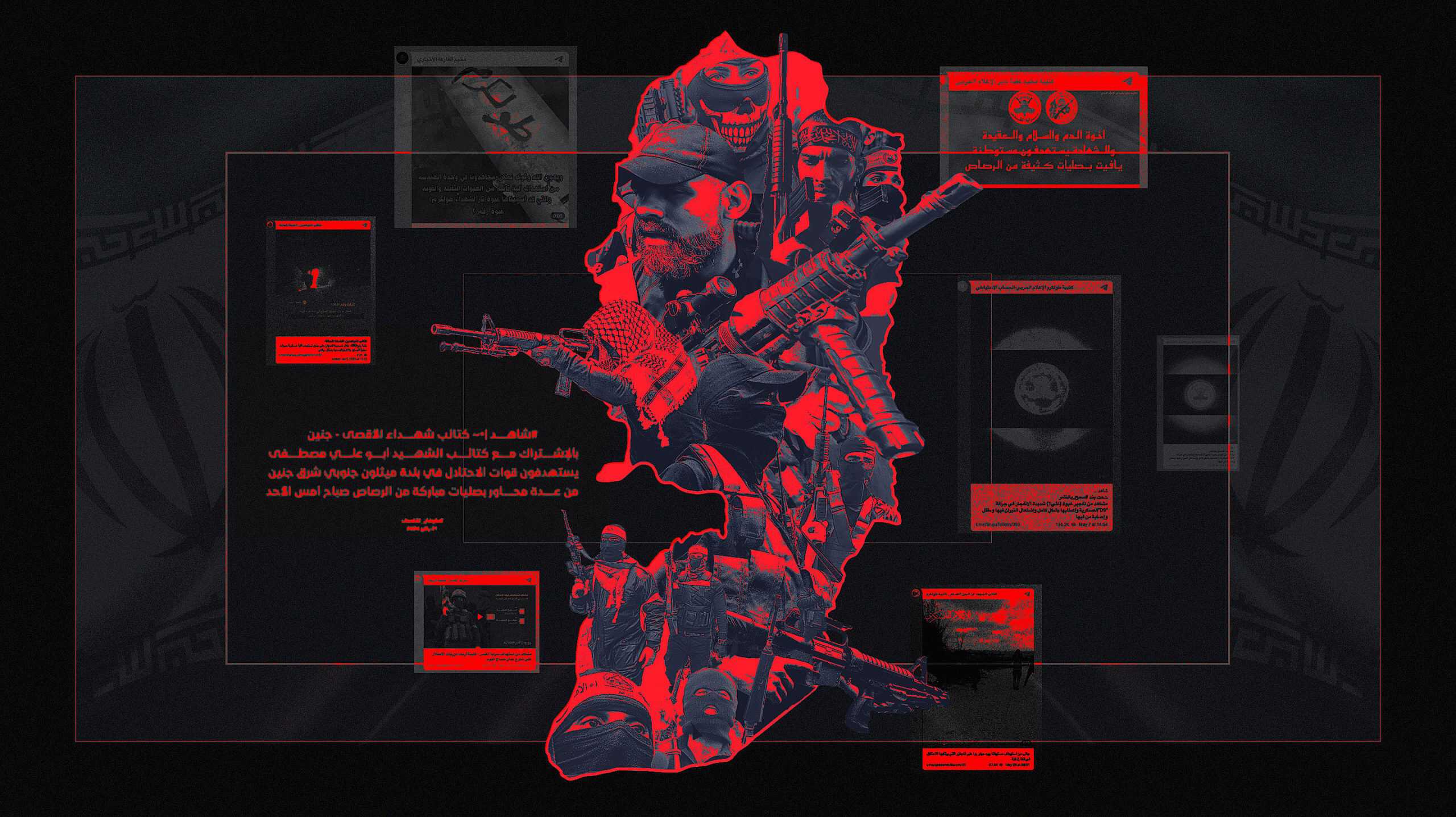
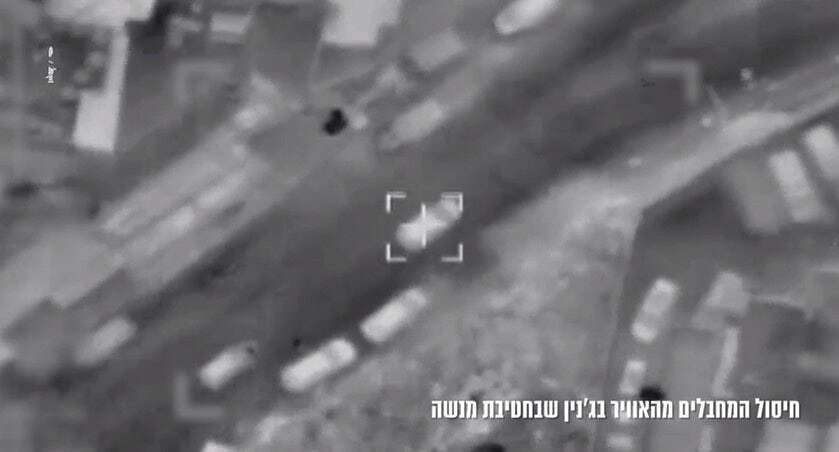
Analysis: Israel is targeting orchestrators of West Bank terrorism
Israel is waging a campaign of targeted eliminations against members of various terrorist groups who are orchestrating violence in the West Bank.
-
Analysis: From “harsh punishment” to “tactical retreat”—time isn’t on Tehran’s side
The Islamic Republic has scaled back its rhetoric against Israel by exercising “strategic ambiguity” and “tactical retreat” while claiming that “time is on [Tehran’s] side.” Israel’s ongoing onslaught against Iran-backed groups in Gaza, the West Bank, and Lebanon suggests otherwise.
-
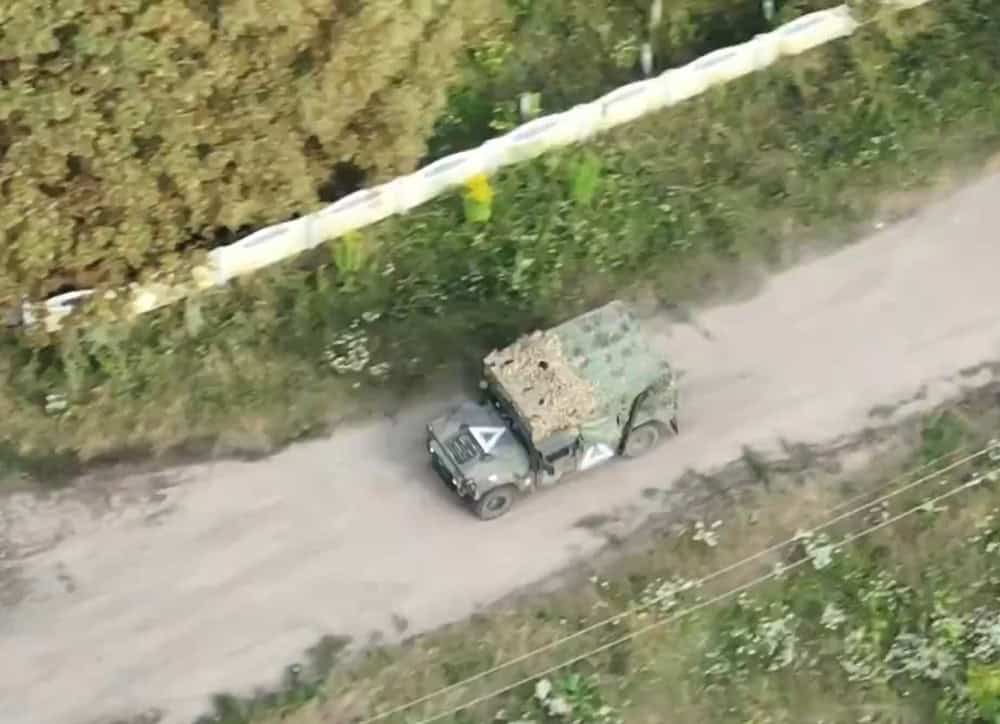
Analysis: Ukraine’s bold—and risky—gamble in Kursk
Ukraine’s surprise offensive in the Kursk region is a daring gambit likely intended to divert Russian forces and shift the war’s momentum. But it also comes with major risks for Ukraine, which is short on reserves and struggling to hold its lines in Donetsk Oblast.
-
Analysis: Mass arrests and conflicting narratives following the Haniyeh assassination
Iran’s regime arrested dozens of intelligence officers who may have been responsible for the security breach that led to Haniyeh’s assassination. The IRGC’s sole control over the investigation into the incident and the regime’s contradictory reporting further demonstrate various parties are intentionally crafting differing narratives to deflect blame and avoid being seen as incompetent.
-
Analysis: The Islamic Republic prepares to avenge Ismail Haniyeh
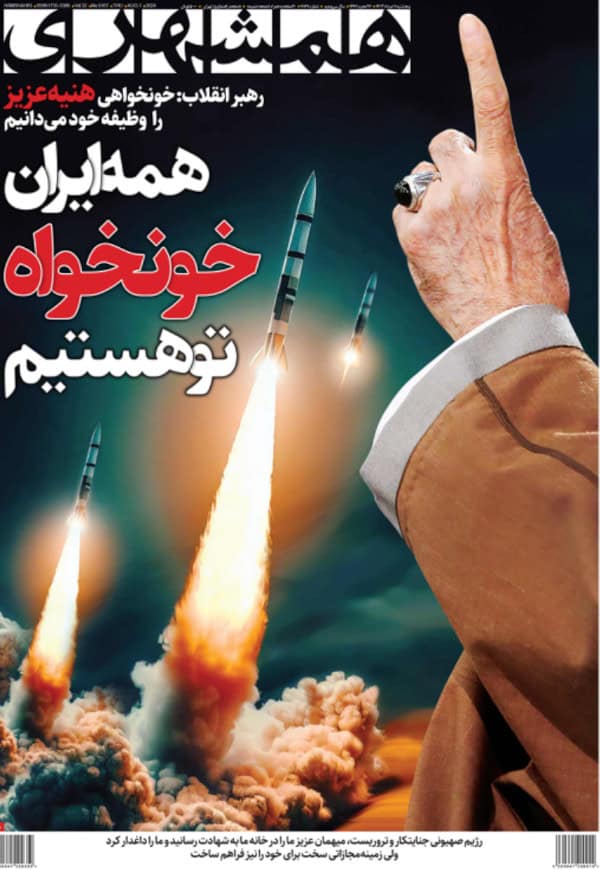
Despite Israel’s precision strike on a radar facility in Isfahan on April 19 and the recent assassination of Hamas Political Chief Ismail Haniyeh in Tehran, Iran remains undeterred from picking a fight with conventionally superior and even nuclear-armed states. For a regime that has perfected the art of proxy warfare, the Islamic Republic is increasingly seeing the political utility of overt and attributable conflict in the Middle East.
-
Analysis: Hints within Nasrallah’s speech about Hezbollah’s retaliation for Beirut strike
A speech by Hassan Nasrallah, the secretary general of Hezbollah, suggests Hezbollah intends to conduct painful retaliation for Fuad Shukur’s assassination but that the organization is still not interested in escalating to a full-scale conflict with Israel. When it comes, the retaliatory strike will likely aim to remain below the threshold that leads to the outbreak of war.
-
Analysis: Hezbollah rocket fire kills 12 civilians in northern Israel
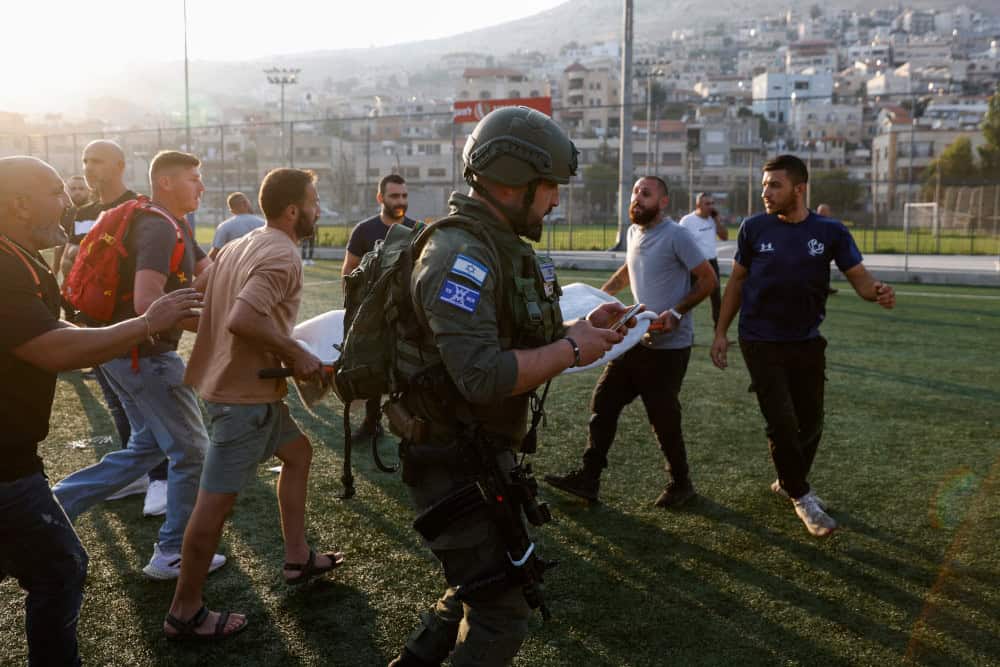
Rocket fire from Lebanon killed 12 Israeli civilians in the northern Druze town of Majdal Shams on July 27, and Israel cites evidence that Hezbollah is responsible, while the group issued a denial. Israel will undoubtedly retaliate, and a significant escalation in the conflict is likely.
-
Analysis: The perils of a Turkish-Syrian rapprochement
Since Turkey and Syria broke off relations in 2011, Ankara has played a prominent role in fighting Bashar Al-Assad’s regime in Syria by supplying material support to insurgent groups seeking to overthrow Assad and maintaining forces in the opposition-held northwest. However, Turkish President Recep Tayyip Erdogan and Assad recently signaled they are interested in restoring diplomatic ties.
-
Analysis: Iran reestablishes its presence in the Caucuses with Armenian arms deal
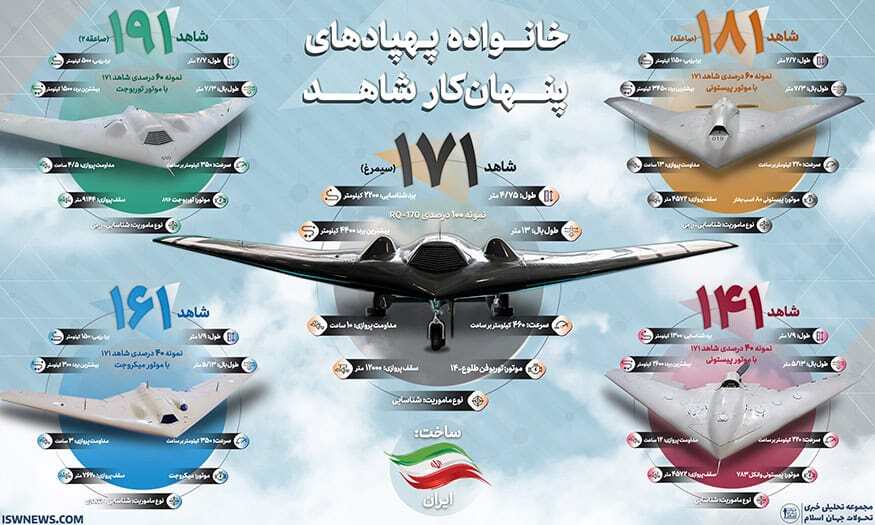
Iran signed a new arms agreement with Armenia, seeking to increase its influence in the Caucuses and counter Israel-Azerbaijan military ties.
-
Analysis: Israeli drone strike kills wanted West Bank commanders
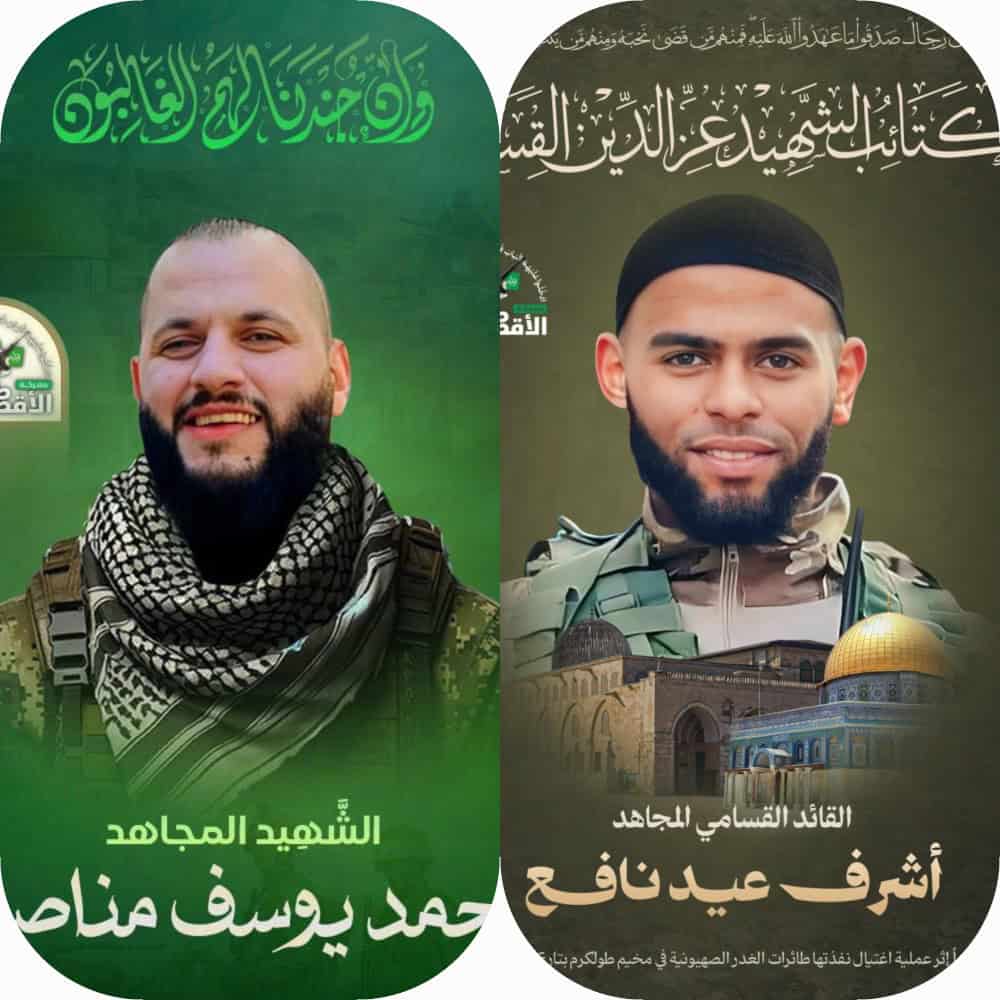
An Israeli drone strike on Tuesday morning in the northern West Bank city of Tulkarm killed two West Bank commanders belonging to Hamas and al-Aqsa Martyrs’ Brigades.
-
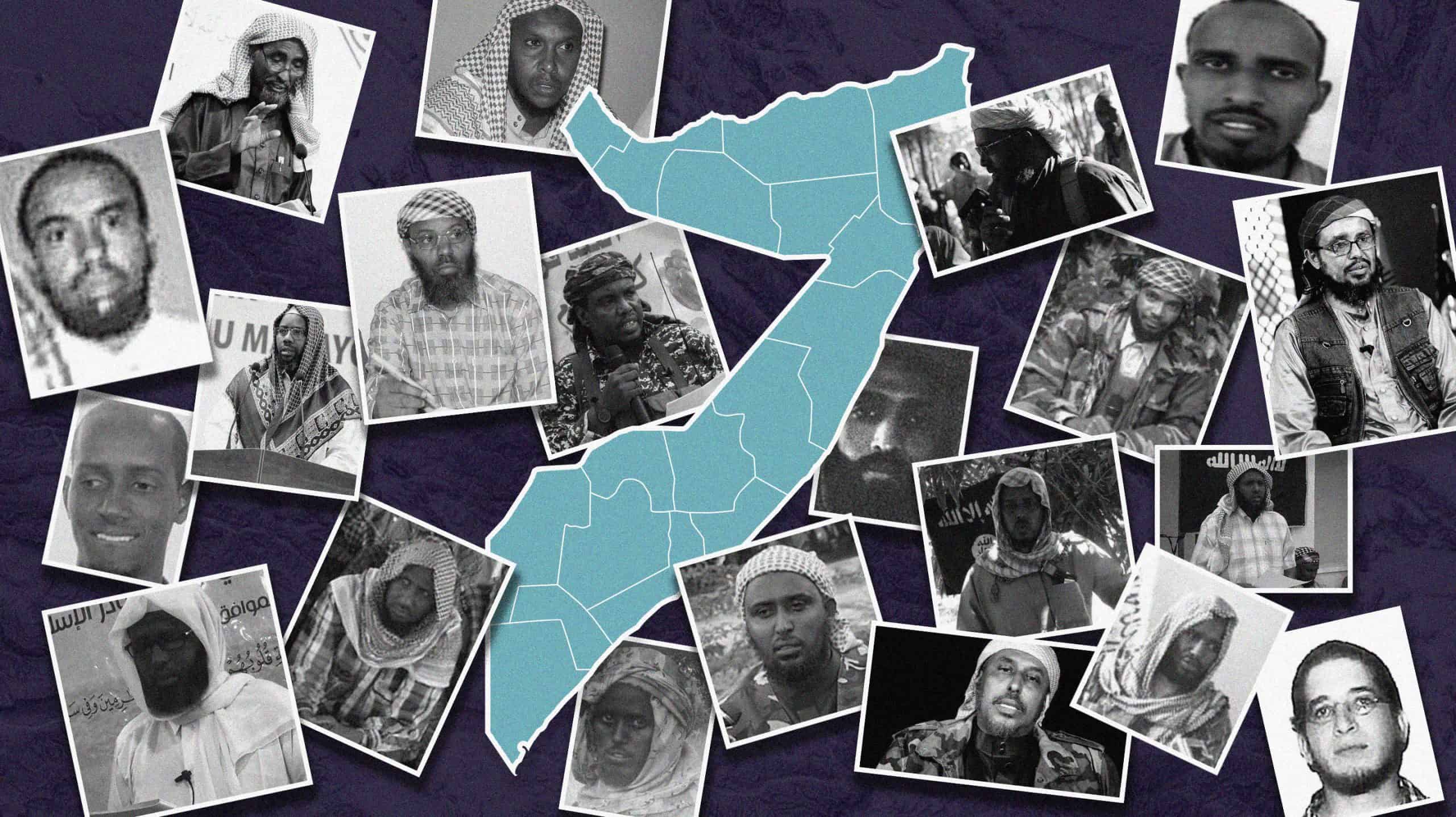
Analysis: Shabaab mounts large-scale offensive, Somali Armed Forces claim victory
In a coordinated, multi-pronged offensive, Shabaab, al Qaeda’s branch for East Africa, assaulted multiple Somali National Army (SNA) bases across southern Somalia’s Lower Juba region yesterday. Each side has claimed victory, with both releasing footage purporting to verify their claims.

-
Analysis: What we know about Russia’s new 3-ton glide bomb
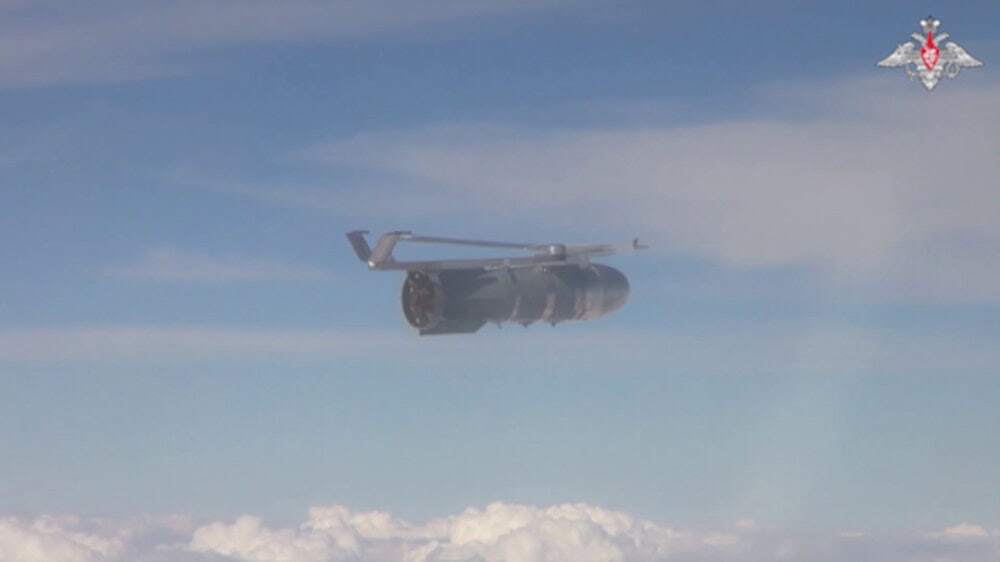
New footage confirms Russia has begun using three-ton bombs equipped with “UMPK” wing and guidance kits, adding to the serious threat that Russian glide bombs already pose to Ukraine. Here is what we know about the new weapon and its implications for the war.
-
Analysis: The “bonds are close” as the Pakistani Taliban benefits from its Afghan safe haven
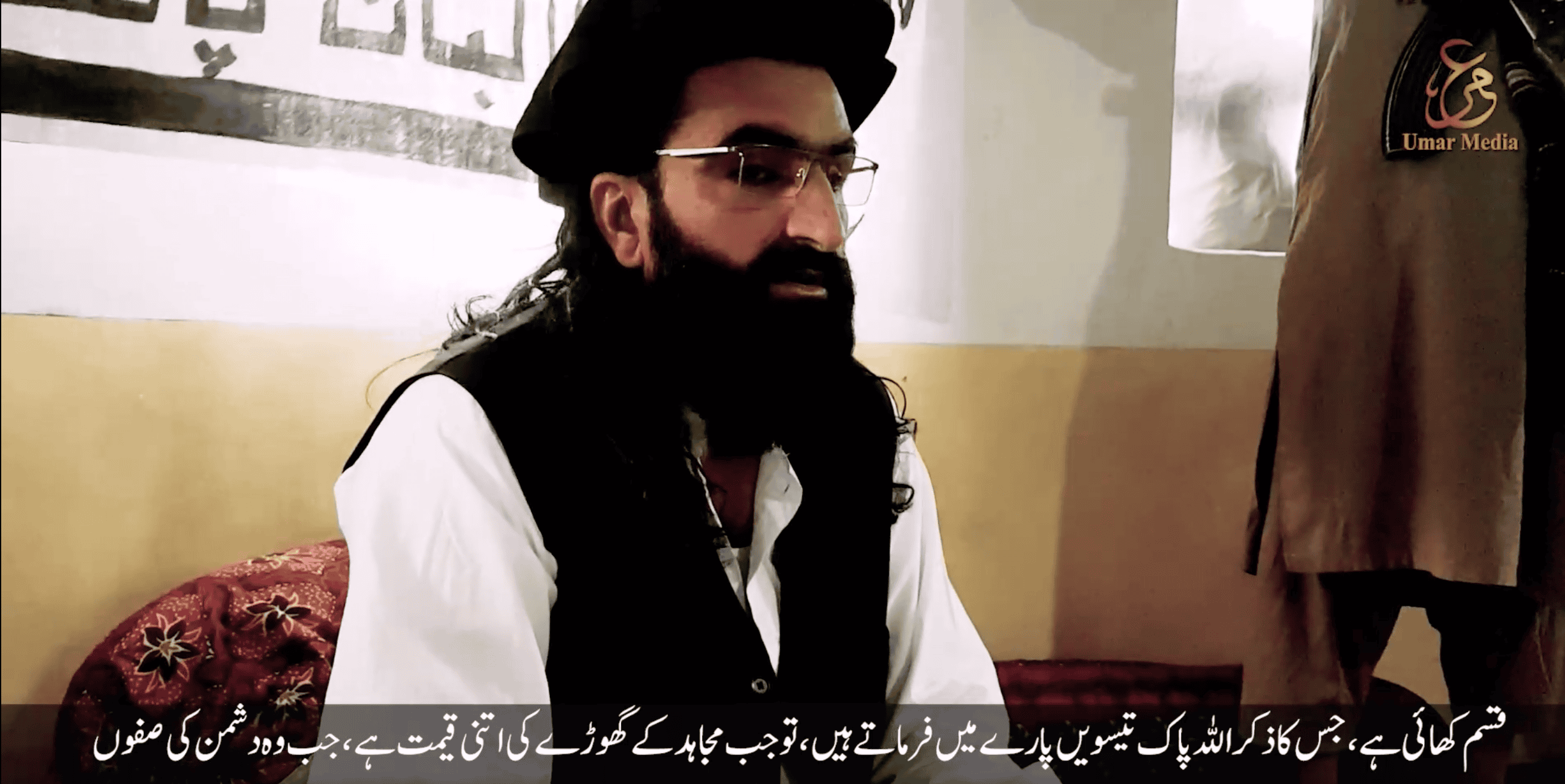
The United Nations Analytical Support and Sanctions Monitoring Team reports that “the bonds are close” between the Afghan Taliban and the Movement of the Taliban in Pakistan. The Pakistani Taliban trains at Al Qaeda camps and has received high-tech weapons systems from the Afghan Taliban
-
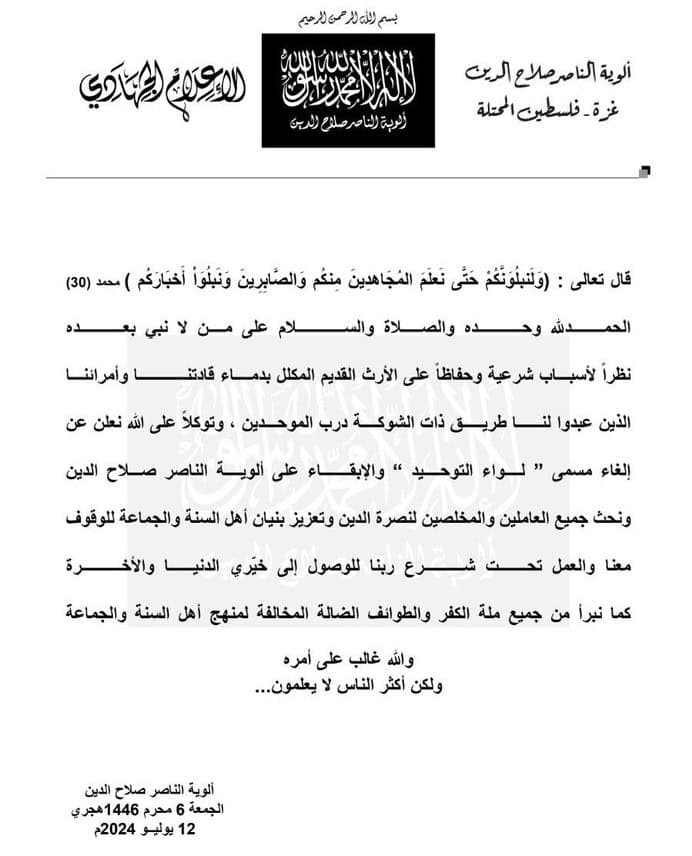
Analysis: Al-Nasser Salah al-Din Brigades breaks with Liwa al-Tawhid
The Al-Nasser Salah al-Din Brigades, an ally of Hamas and other Palestinian terrorist organizations, announced that it has disavowed Liwa al-Tawhid, a longtime affiliate. While the reasons for the split are not clear, the division may present an opportunity for Israeli anti-terrorism efforts.