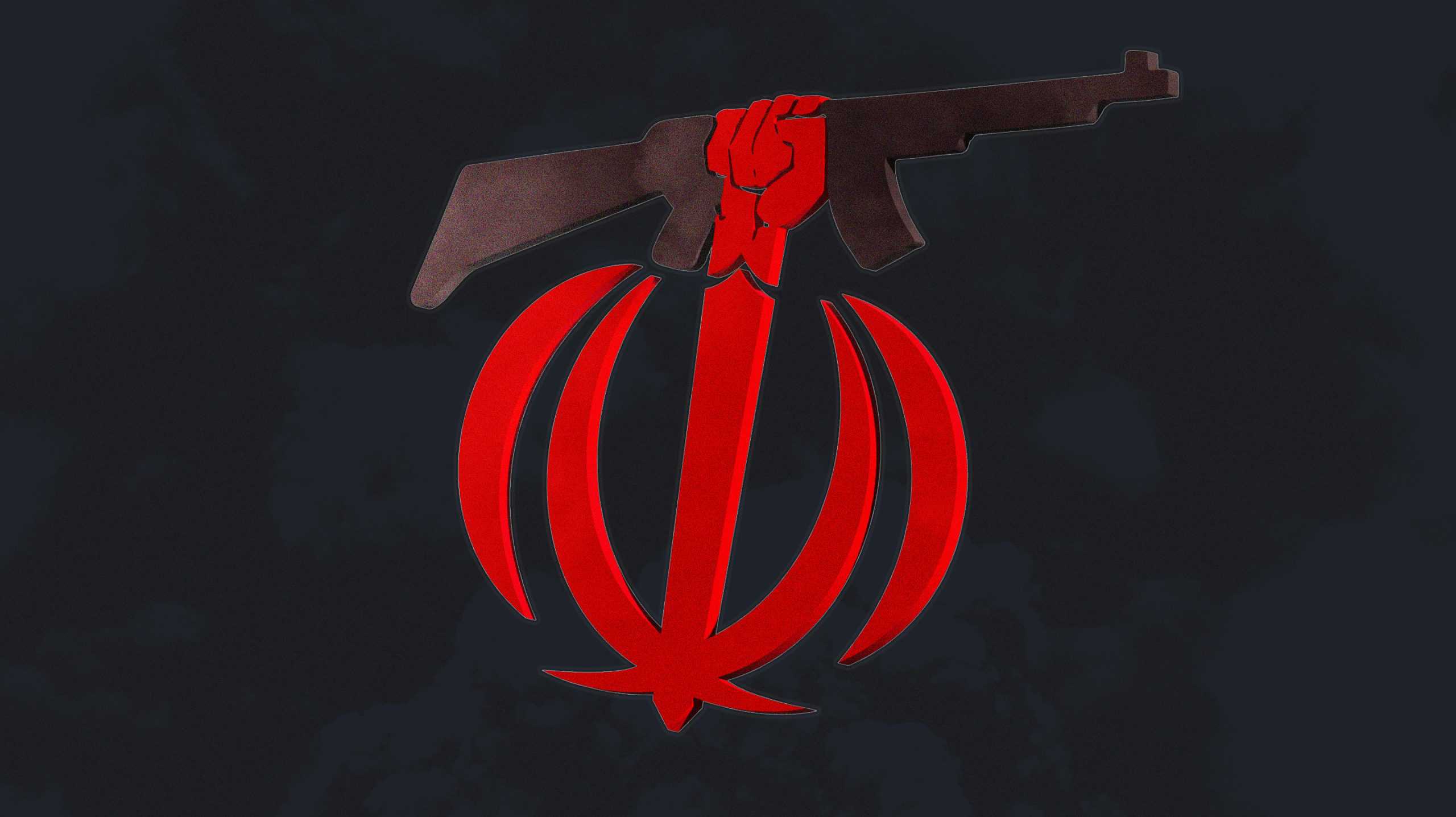
Mahmoud Reza Aghamiri, the president of Iran’s Shahid Beheshti University and one of the Islamic Republic’s prominent nuclear scientists, offered a rare glimpse into Tehran’s calculus behind weaponization.
During an October 16 interview, he stated that the regime “has the capability and capacity to build a nuclear bomb” and added that Supreme Leader Ali Khamenei’s religious declaration [against nuclear weapons] can change.” When asked whether Iranian officials and nuclear scientists had ever considered building a nuclear weapon, he replied, “Certainly,” explaining that the idea had crossed the minds of all scientists.
Aghamiri also said that if the Islamic Republic were ever to pursue a nuclear bomb, “it could do so in the best possible way,” emphasizing that “the most important part of this process is enrichment.” The issue of uranium enrichment and centrifuge capacity has indeed been the central impasse in the five rounds of Tehran–Washington negotiations in May, with both sides defining it as the ultimate red line.
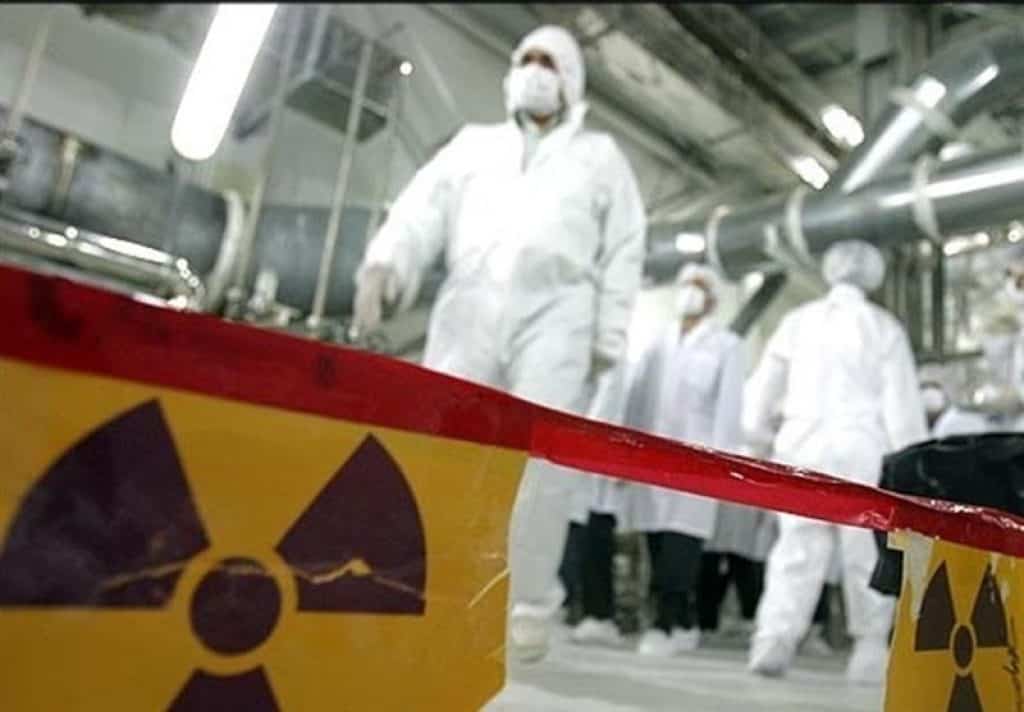
Designated by the European Union, the United Kingdom, Canada, Australia, and Switzerland for nuclear proliferation, Shahid Beheshti University has researched optimal centrifuge-cascade parameters, electrodialysis for extracting uranium from wastewater, criticality calculations for explosive compression of uranium spheres, and neutron generation, measurement, and transport modeling.
Aghamiri’s comments echo those of other regime officials from the past week, including Ali Shamkhani, the former head of Iran’s Ministry of Defence and Armed Forces Logistics. Reflecting on his 1990s tenure as defense minister, Shamkhani said in an October 12 interview that if he could go back in time, he would build a nuclear bomb.
Having survived an Israeli assassination attempt on June 13, Shamkhani—who also previously served as secretary of the Supreme National Security Council and now advises the supreme leader on the Expediency Council—plays a key role in US–Iran nuclear talks. He also revealed that he had formed a “circle” of nuclear experts during his tenure as defense minister, most of whom were eliminated during the recent 12-day war with Israel.
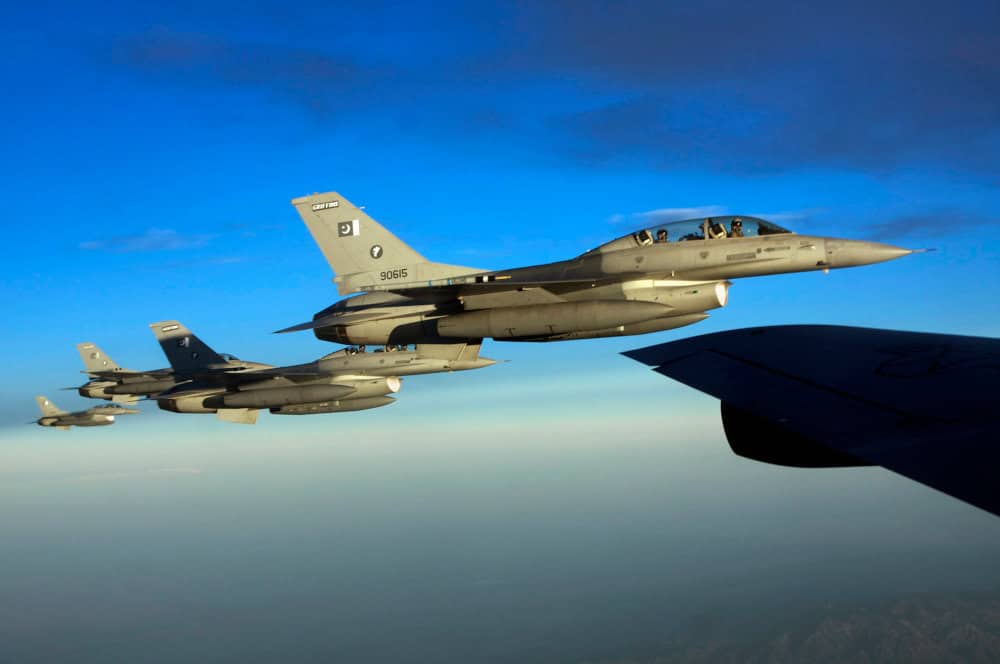
Despite Shamkhani’s claim that the Islamic Republic was not pursuing a nuclear bomb in the early 1990s, evidence suggests otherwise. Abdul Qadeer Khan, the father of Pakistan’s nuclear program, wrote that in the late 1980s, Shamkhani traveled to Islamabad seeking nuclear weapons. Pakistan refused to sell bombs but reportedly provided Iran with centrifuge parts, bomb blueprints, and a list of global suppliers—forming the basis of the regime’s uranium-enrichment program.
Following the Israeli and American strikes against the regime’s nuclear sites, the fate of Iran’s enriched uranium remains an enigma. As of mid-May 2025, Iran’s stockpile of uranium enriched up to 60 percent stood at roughly 408.6 kilograms. Following Israeli airstrikes, Foreign Minister Abbas Araghchi stated that “our enriched uranium is buried under the rubble of bombed nuclear facilities,” suggesting that it had been destroyed. However, satellite imagery and intelligence leaks suggest that much of the highly enriched uranium may have been relocated from Iran’s Fordow site before the strikes. Around the same time, Iran informed the International Atomic Energy Agency (IAEA) on June 13 that it was taking “special measures” to protect nuclear materials.
Tehran’s use of doublespeak remains central to its strategy toward the West, alternating between hinting at weaponization and insisting that Khamenei’s decree forbids it, only to later suggest that the decree could change. The same ambiguity surrounds the fate of its enriched uranium, a calculated uncertainty meant to cloud Washington’s judgment. The question of ambition speaks to intent, while the uranium reflects capability. And in the regime’s case, capability has often bred intent.