-
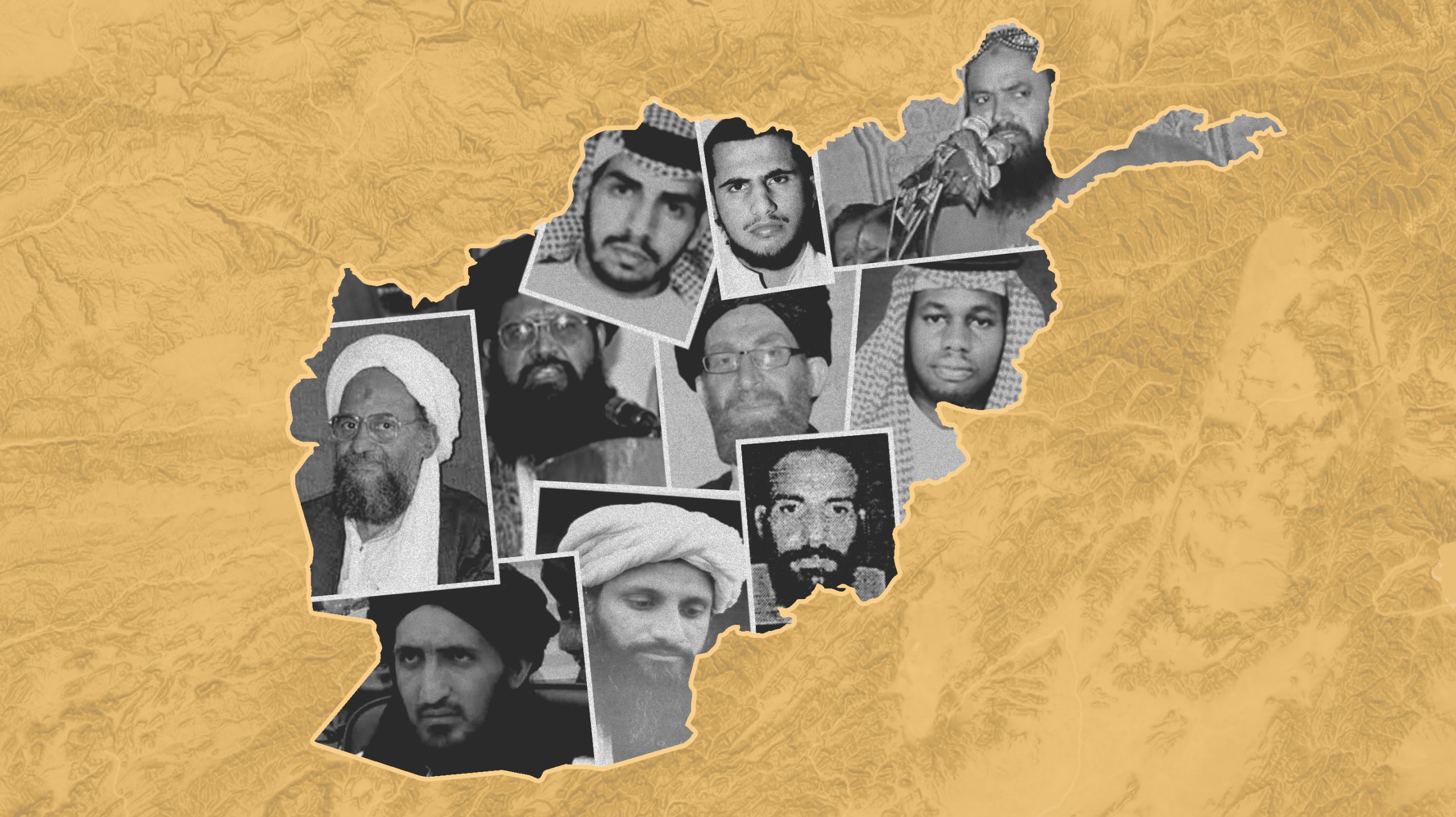
Generation Jihad | Iran’s nukes: Degraded but not dead
Iran’s nuclear program is in ruins, but the threat is far from dead. Deputy Director of FDD’s Non-Proliferation Program Andrea Stricker and Bill Roggio dive into the desperate gamble Tehran is making at the negotiating table with the US — and the terrifying chemical contingency they might be holding in reserve.

-
US and Israel launch military campaign against Iran, Supreme Leader Khamenei reportedly killed
After the third round of nuclear talks between Tehran and Washington failed to produce meaningful progress, the US followed through on its threats against the Iranian regime. On the morning of February 8, in a joint operation with Israel, the US struck military sites in Iran and targeted the Islamic Republic’s leadership. The military campaign was supplemented with messaging to ordinary Iranians to take to the streets once the bombing ended, and Israeli sources say that Supreme Leader Ali Khamenei has been killed.
-
Turkish foreign minister warns of nuclear arms race if Iran gets the bomb
Turkish Foreign Minister Hakan Fidan warned on February 9 that Ankara may pursue nuclear weapons if Iran acquires them, signaling a potential shift from rhetorical grievance to a conditional proliferation policy. While downplaying evidence of Iran’s weaponization and opposing US military strikes, Turkish officials continue to legitimize Tehran’s nuclear activities while framing Turkish nuclearization as a defensive necessity tied to regional “balance of power.”

-
Iranian regime escalates hostilities with US, hardens negotiating position
Iran has ramped up military provocations against US forces as nuclear negotiations loom, with regime officials sending mixed signals on uranium enrichment while refusing to discuss missile programs or terror proxies. Internal regime sources reveal the leadership’s growing fear that a US strike could trigger mass uprisings. Despite killing over 36,000 protesters, according to some estimates, scattered demonstrations continue across Iran, with one official saying that “the wall of fear has collapsed.”
-
Analysis: Iran threatens nuclear weaponization ambitions
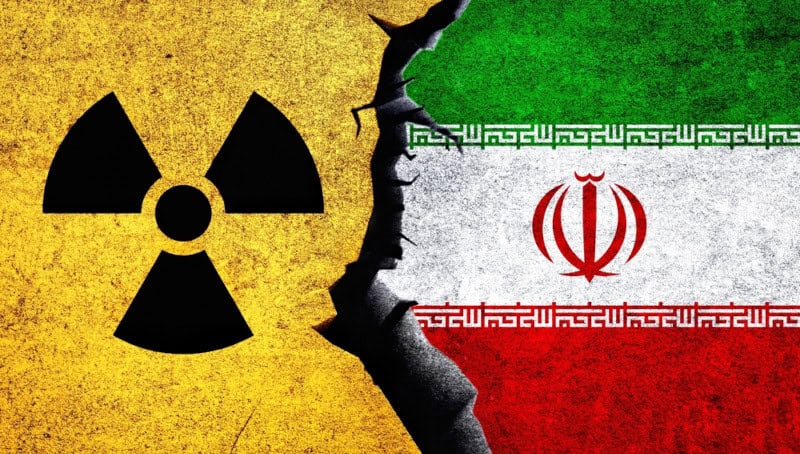
Senior Iranian officials have openly hinted at Tehran’s shifting nuclear posture. A nuclear scientist confirmed Iran’s capacity to build nuclear weapons, while a military official reflected that Tehran should have pursued them in the 1990s—exposing how the regime’s rhetoric now edges closer to weaponization.

-
Tehran threatens snapback retaliation, raises fears of war with Israel
Reacting to Europe’s decision to initiate snapback, the reimposition of pre-2015 UN sanctions, officials and state media in the Islamic Republic issued vague threats of retaliation. While some voices have acknowledged that snapback could pave the way for war, others are downplaying its impact in an effort to prevent public panic and preserve regime morale, a contrast that suggests Tehran is bracing for the possibility of escalation.
-
Iran threatens Europe as France, Germany, and UK weigh snapback options
As France, Germany, and the UK weigh triggering snapback sanctions, Tehran has escalated its threats against Europe both rhetorically and operationally. Mohammad Javad Larijani, a senior advisor to the Supreme Leader, warned that Europeans “can no longer move about comfortably,” pointing to Iran’s growing drone capabilities as a tool of deterrence. From supplying Russia with drones for use in Ukraine to cultivating organized crime networks across Europe, the Islamic Republic is leveraging multiple pressure points to dissuade the E3 from restoring UN sanctions under Resolution 2231.

-
Iranian drone and missile attacks against Israel: June 24, 2025
In the final hours before the ceasefire on June 24, Iran launched eight attacks on Israel, including a missile strike in Beersheva that killed four people. Since the war began, Iran has fired an estimated 591 missiles at Israel that killed 28 people and wounded 3,431.

-
Israel and Iran trade strikes, ceasefire goes into effect (June 24 updates)
Israel and Iran traded strikes hours before and after a ceasefire brokered by the US went into effect. President Donald Trump castigated both sides for violating the agreement, and a tentative truce has held since the rebuke.

-
Iran launches missile attack on US base in Qatar
Iran’s Islamic Revolutionary Guard Corps (IRGC) attacked US forces at the Al Udeid Air Base in Qatar in response to the June 21 US airstrikes against three Iranian nuclear facilities.

-
Analysis: How might Iran retaliate against the US?
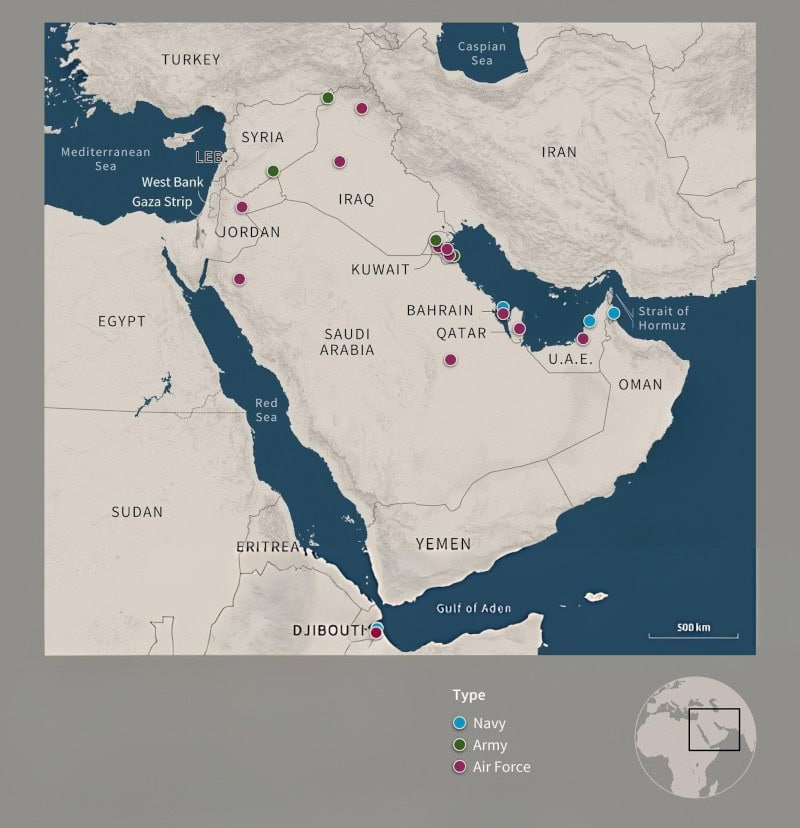
Following US strikes on three nuclear sites, Tehran has threatened to target American bases in the Middle East, continue missile attacks on Israel, and close the Strait of Hormuz. Iran’s Islamic Revolutionary Guard Corps claims the strikes were anticipated, uranium was moved from Fordow in advance, and Iran is preparing for a potential six-month war.

-
Israel targets IRGC officials, nuclear scientist, and missile bases in Iran (June 22–21 updates)
Over the past 72 hours, Israel has intensified its air campaign across Iran, striking missile and drone infrastructure in Esfahan, Bushehr, Ahvaz, Yazd, and Qom. Targets included the Imam Hossein missile base in Yazd, IRGC drone and air defense facilities, and the Shahid Mostafa Khomeini military base. Senior IRGC and IRGC-Qods Force commanders tied to weapons transfers, regional proxy coordination, and nuclear development were killed. Despite Tehran’s calls for retaliation, Hezbollah, Hamas, and other allied militias have mostly stayed out of the fight so far.

-
US strike inflicts “severe damage and destruction” on 3 Iranian nuclear facilities, CJCS Caine states
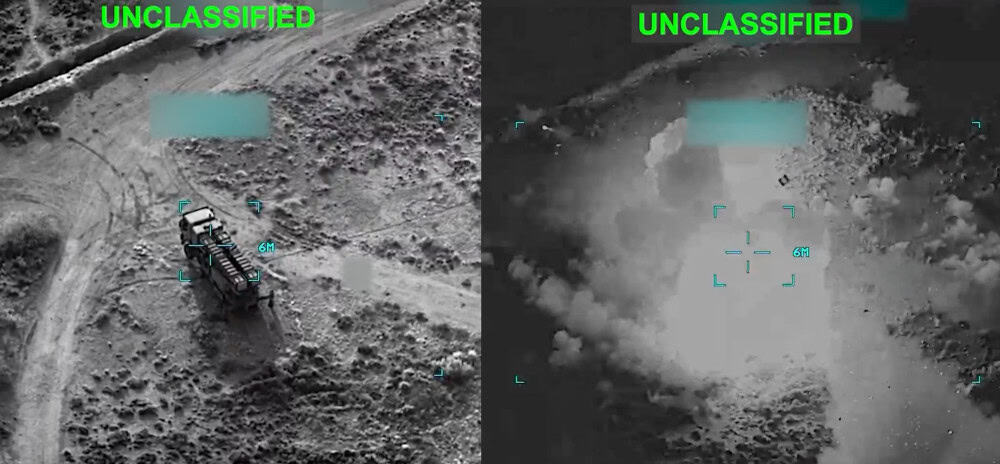
Operation Midnight Hammer, planned and practiced in near secrecy for several weeks, was “designed to severely degrade Iran’s nuclear weapons infrastructure,” Chairman of the Joint Chiefs of Staff General Dan Caine stated. The US Air Force hit the Iranian nuclear facilities at Fordow and Natanz with 14 Massive Ordnance Penetrators launched from B-2 bombers. Separately, a US Navy submarine struck the Esfahan site with “dozens” of cruise missiles.

-
US strikes Iranian nuclear facilities
Just two days after US President Donald Trump said he would decide about striking Iran’s nuclear program within two weeks, US B-2 bombers hit Iranian nuclear facilities in Fordow, Natanz, and Esfahan. Attacking the hardened Fordow facility via air is a mission only the US Air Force could execute.

-
Israel targets Iran’s nuclear sites and senior military figures
Israel launched a sweeping campaign targeting Iran’s nuclear sites, missile infrastructure, and senior military leaders, with strikes reported at Natanz, Fordow, and across Tehran. Mossad-led covert operations neutralized key assets and personnel, while Iran vowed retaliation and also blamed the US for the assault.

-
Iran’s armed forces escalate threats as Khamenei rejects latest US proposal
Amid deadlocked nuclear talks, Iran’s military leadership issued new threats on June 4, vowing to confront the US and Israel with force. Supreme Leader Ali Khamenei and senior officials rejected Washington’s latest proposal as unacceptable, while Tehran repositioned air defenses around nuclear sites and warned of retaliation if Israel strikes unilaterally.

-
Analysis: Iran braces for potential conflict as 5th round of US negotiations ends inconclusively
Amid a stalled fifth round of negotiations in Rome, Iran has grown increasingly pessimistic about the prospects of reaching a deal with the United States. Tehran has responded to reported Israeli strike preparations with warnings of retaliation and appeals to the United Nations. Clashes with Israel in 2024 have left Iran militarily exposed, prompting Tehran to fear further escalation.

-
Iran braces for possible US attack amid proxy setbacks
Amid mounting proxy losses and a major US military buildup across the Middle East, Iran has placed its armed forces on high alert and warned neighboring states against facilitating a potential American strike. Tehran is suffering setbacks in Iraq and Yemen while ramping up deterrence through inflammatory propaganda.