-
Israel strikes military airbase in Syria while warning Turkey
Israeli airstrikes on Syria’s Abu al Duhur military airbase overnight between August 17 and 18 highlighted growing tensions between Israel and Turkey over Ankara’s expanding role in Syria. Syria condemned the strikes, while the US continued efforts to de-escalate the situation.

-
Israel lessens strikes after US-backed disarmament plan, rejects initial withdrawal; IDF reports 16 Gaza ceasefire violations July 31-August 18
After Israel’s rejection of the Board of Peace’s (BoP) initial disarmament plan, US Special Envoy Jared Kushner and BoP officials held talks with Hamas and Israel, followed by Washington adjusting its position to prioritize Hamas’s disarmament. Meanwhile, Hamas and other Palestinian terrorist groups continued violating the first phase of the ceasefire, according to Israel.

-
Israel says Hezbollah drone attack wounded 3 soldiers at Ali al Taher; IDF kills Hezbollah commanders in response
The Israel Defense Forces (IDF) said that a Hezbollah explosive drone seriously wounded three Israeli troops on the Ali al Taher Ridge on August 15. Israel responded with strikes that killed senior Radwan and Badr commanders. Hezbollah has not claimed the attack, and Lebanese reports allege Israel is considering a broader operation around the contested ridge.
-
Board of Peace announces Hamas disarmament agreement, IDF reports 32 Gaza ceasefire violations July 10–31
US President Donald Trump announced a 15-point Board of Peace roadmap transferring Gaza’s governance and security responsibilities. The plan links verified Hamas disarmament to phased Israeli withdrawal, but sequencing remains disputed.

-
Israel says Hezbollah launched drone attack on strategic ridge amid ceasefire
Israel accused Hezbollah of launching an explosive-laden drone at its positions in the Ali Al Taher Ridge on July 29, despite a ceasefire that went into effect on June 19. Hezbollah has not claimed the attack or issued a denial of the Israeli claims.
-
Former Israeli prime minister says Qatar funded Iran’s IRGC
Former Israeli Prime Minister Naftali Bennett vowed to declare Qatar an “enemy state” if reelected to lead the government. Among the reasons he cited was Qatar’s alleged funding of Iran’s Islamic Revolutionary Guard Corps.

-
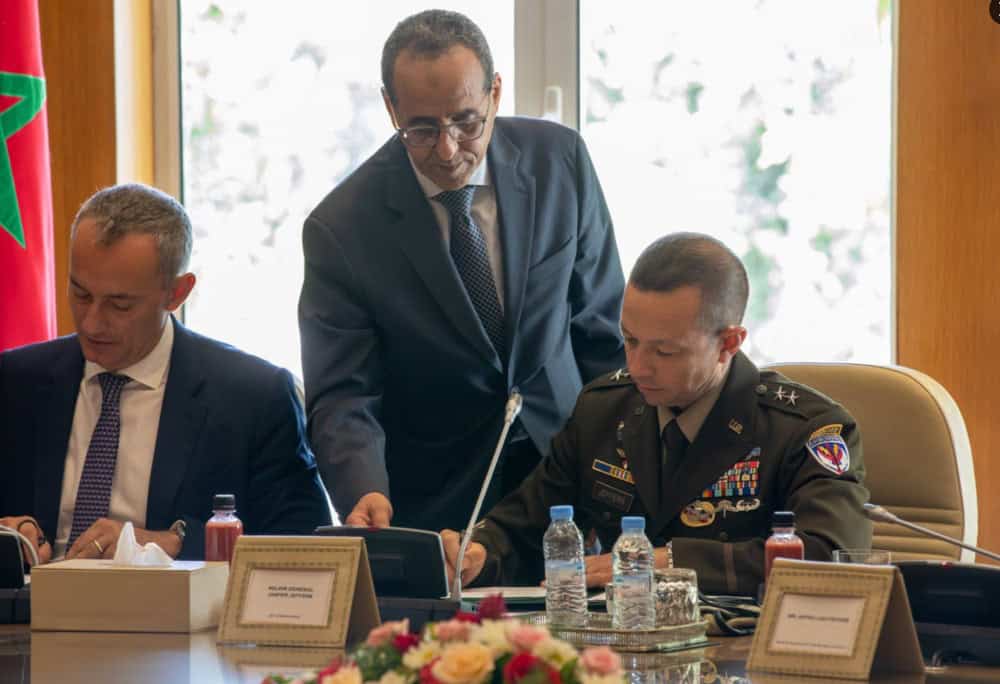
Israel approves entry of International Stabilization Force into Gaza
Israel has approved the future deployment of the International Stabilization Force (ISF) in Gaza, a significant step in implementing the US-backed peace plan. The planned multinational force is expected to support humanitarian efforts, stabilization, and a transition toward new Palestinian governance as Israel continues operations against terrorist groups in Gaza.
-
Iran reportedly tells Houthis to close Bab al Mandeb Strait if US strikes power grid
Reuters reported that Iran’s leaders instructed the Houthis in Yemen to close Bab al Mandeb Strait, the maritime chokepoint at the southern end of the Red Sea, if the United States strikes Iran’s power infrastructure. The Houthis are also focused on an escalatory cycle with Saudi Arabia that began after Iran and the Houthis attempted to re-establish direct flights in early July.

-
Analysis: The Israel-Lebanon framework agreement explained
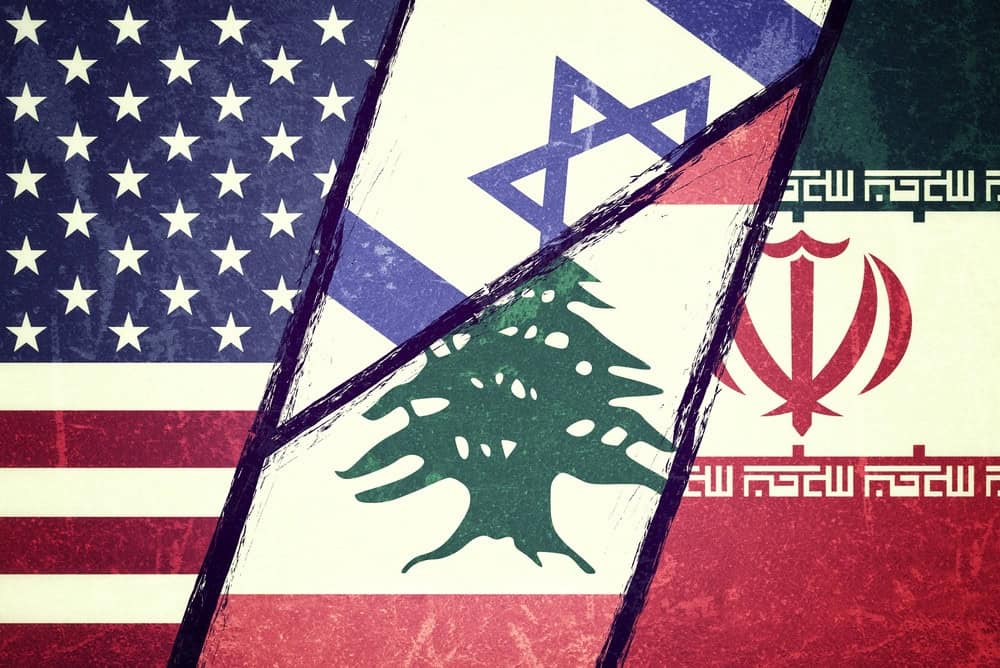
On June 26, Israel and Lebanon signed a framework agreement, mediated by the United States, to permanently end their state of conflict and address its root causes—primarily, Hezbollah’s arms. While the deal is promising on its face, significant parts of it may be difficult or impossible to implement under Lebanon’s current domestic conditions.
-
Hamas announces intent to dissolve Gaza government as disarmament questions remain
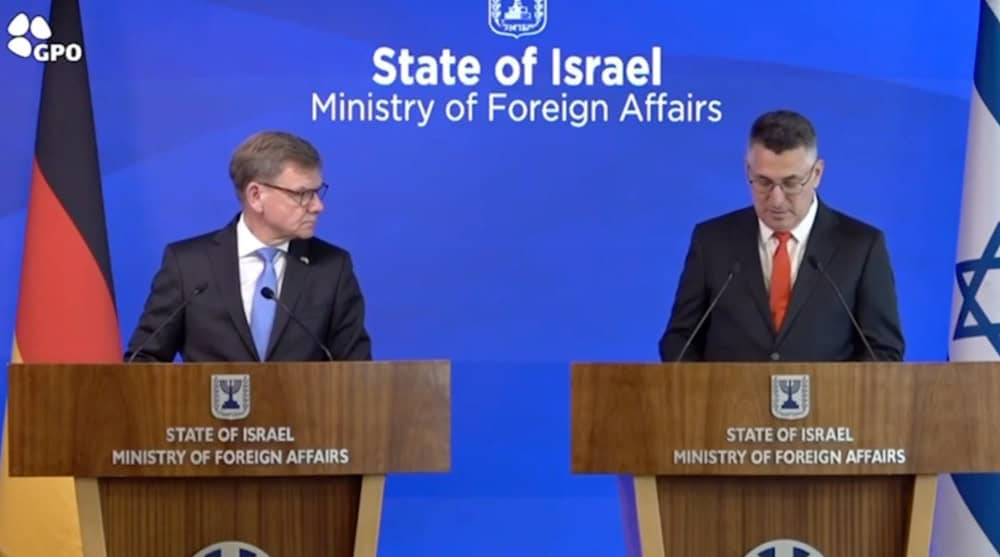
Hamas said that it is prepared to dissolve its governing institutions in Gaza and transfer authority to the National Committee for the Administration of Gaza (NCAG), a key component of the US- and UN-backed ceasefire framework. As negotiations continue, Israeli officials argue that Hamas surrendering administrative control without relinquishing weapons would leave Hamas as the dominant force behind the scenes.
-
Generation Jihad | Hezbollah’s moment of truth
A new 14-point trilateral framework toward ending hostilities in Lebanon puts Hezbollah, Iran’s strongest terror proxy, at a crossroads. Disarm and let Lebanon reclaim its southern border—or keep threatening Israel and risk blowing up the fragile US-Iran peace deal. FDD Senior Fellow David Daoud joins Bill Roggio to break down what’s really at stake in these negotiations.
-
Hamas suppresses protests, IDF reports 17 strikes, ceasefire violations June 10–29
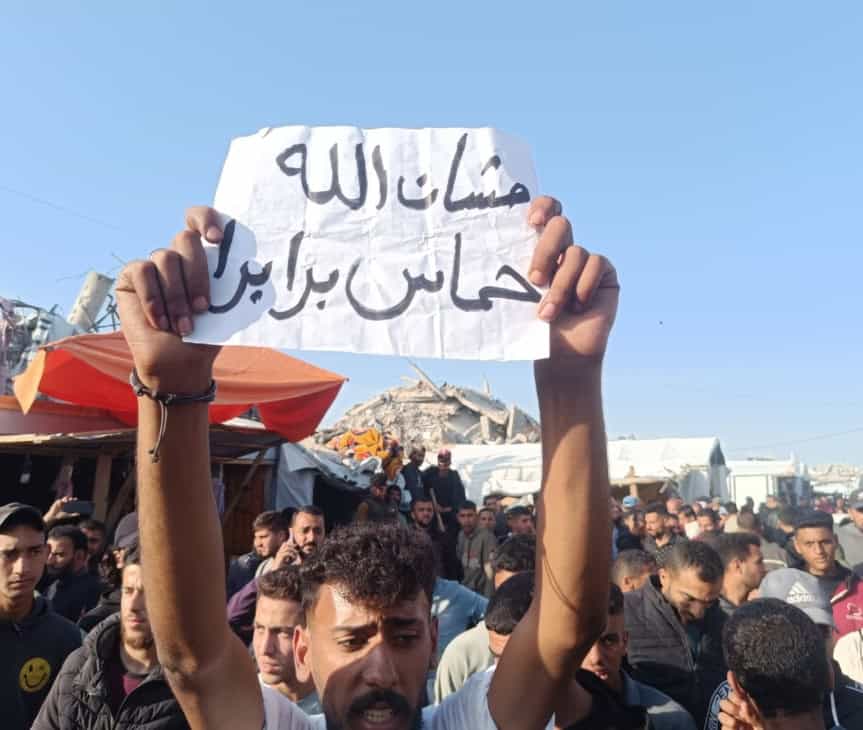
Anti-Hamas organizers in Gaza had hoped June 26 would bring a wave of large demonstrations against the terror group. However, Hamas worked to lower turnout with arrests, threats, and armed street deployments.
-
Gaza peace plan sees slow progress after Hamas meets in Cairo
Efforts to advance the US-backed peace plan for Gaza have continued amid difficult negotiations over Hamas’s disarmament and the future security structure of the enclave. Talks in Cairo involving Hamas, Egyptian officials, and representatives of the Board of Peace have focused on implementing key provisions related to weapons restrictions and the deployment of an International Stabilization Force.

-
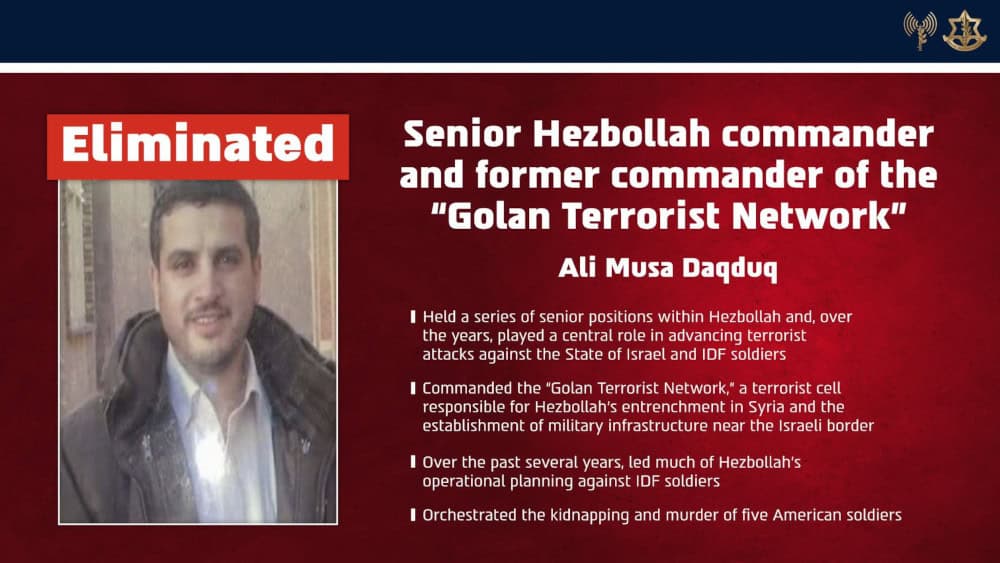
IDF confirms killing Hezbollah commander responsible for creating Iran-backed militias in Iraq
On June 14, the Israeli military confirmed that it killed Ali Mousa Daqduq, a wanted and dangerous Hezbollah military commander. Daqduq was a key architect of the Iranian-backed militias in Iraq and a top Hezbollah commander involved in leading attacks inside Israel. He was previously reported killed in the fall of 2024, but his death was never confirmed.
-
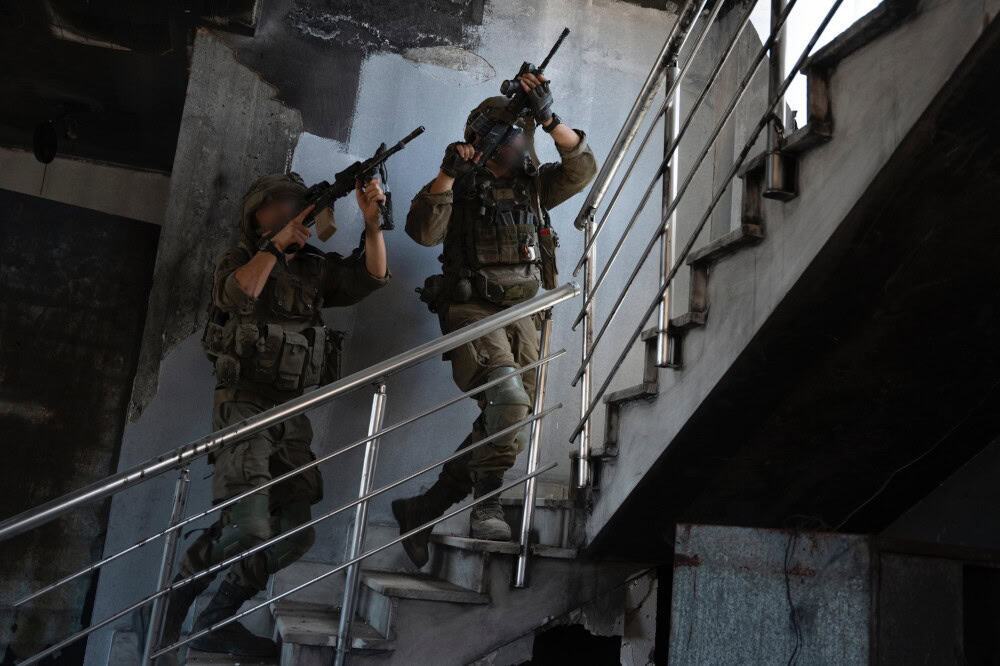
IDF targets Hamas middle managers, reports 15 strikes and ceasefire violations May 29–June 10
Following the high-profile eliminations of two Hamas military wing leaders, the Israeli military turned to targeting lower-level officials in the group who are leading its rearmament push, as well as members of other Gaza terrorist organizations.
-
Houthis attack Israel and announce ban on Israeli vessels in the Red Sea
The Houthis in Yemen launched two missiles at Israel and declared a blockade of Israeli vessels in the Red Sea on Monday. The Iran-backed terror group conducted this attack during waves of Iran’s own missile attacks against Israel.

-
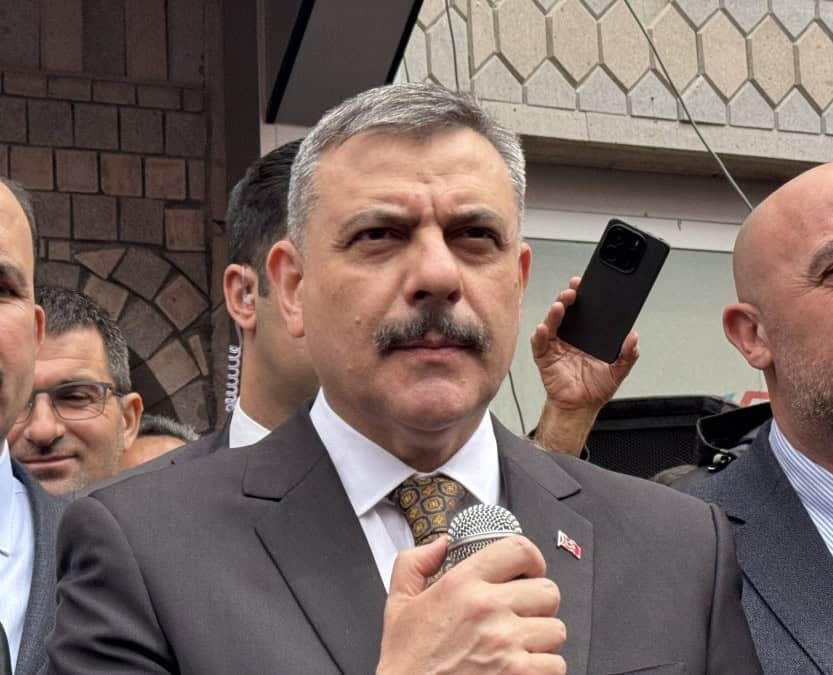
Analysis: Turkish interior minister states dream of governing Jerusalem, provoking Israel
Turkish Interior Minister Mustafa Ciftci recently sparked controversy by expressing his desire to one day govern Jerusalem and suggesting that territories once ruled by the Ottoman Empire could again fall under Turkish sovereignty. Ciftci’s remarks are the latest indication that senior Turkish officials continue to view Jerusalem not merely as a symbol of the Palestinian cause, but as part of a broader historical mission that seeks to expand Ankara’s influence across the Middle East.
-
Houthis emphasize solidarity and coordination with Iran-led Axis of Resistance
The Houthis in Yemen reiterated support for their partners in the Iran-led Axis of Resistance, singling out Hezbollah in Lebanon and Hamas in Gaza. While leaving the door open to further involvement in the ongoing regional conflict, the group stopped short of saying it would join the fighting.

-
Generation Jihad | Gaza: Smoldering battlefield?
Despite multiple attempts by Israel to quell the fighting in Gaza and decapitate Hamas’s leadership, the group continues a guerilla-style resistance. The IDF now fights on three active fronts: Lebanon, Iran, and Gaza. But it’s perhaps the forgotten war in Gaza that could resume major hostilities if left unchecked. Bill Roggio speaks with FDD Research Analyst Samuel Ben-Ur about next steps in Gaza.
-
Generation Jihad | Everybody wants a McWar
Iran’s military has been shattered. The Strait of Hormuz remains contested. Three months in, Bill Roggio and FDD’s Jon Schanzer examine why quick victories are rare, patience is scarce, and this war is entering its most consequential phase yet.
-
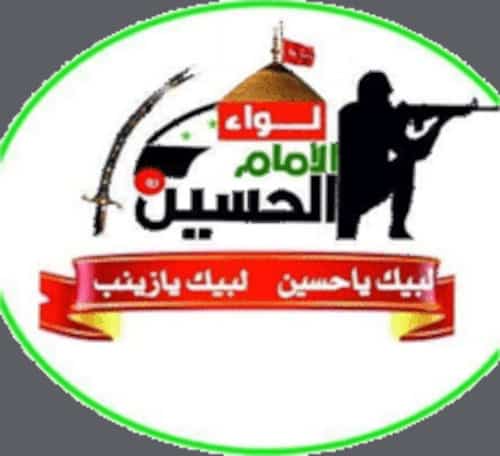
Israel reportedly targets Imam Hossein Division missile commander in Beirut strike
On May 28, Israel conducted its first strike in weeks targeting Beirut. The Israelis have yet to confirm it, but reporting indicates that the intended target was Ali al Hussaini, a commander in the Islamic Revolutionary Guard Corps-Qods Forces’ Imam Hossein Division. This division, whose origins were in the Syrian Civil War, has been reinforcing Hezbollah throughout the conflict with Israel that began in October 2023.
-
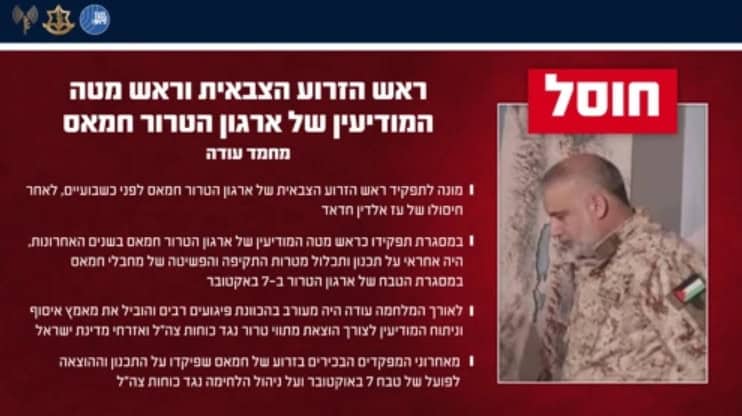
IDF kills new Hamas military leader, reports 10 ceasefire violations May 21–May 28
Less than two weeks after Hamas named Mohammed Odeh as its new military commander, Israel eliminated him. The IDF also targeted a number of other high-profile Hamas members as the terrorist group continues refusing to disarm.
-
Generation Jihad | POV: FPV (or: “The Anarchist Cookbook of war”)
Hezbollah’s missiles may be depleted, but cheap FPV drones are changing the battlefield — slipping past defenses, targeting Israeli troops, and exposing a dangerous new vulnerability. Bill Roggio and David Daoud unpack Hezbollah’s drone evolution, the psychological warfare behind the footage, and why Israel may be drifting back toward the failed security zone dynamics of the past.
-
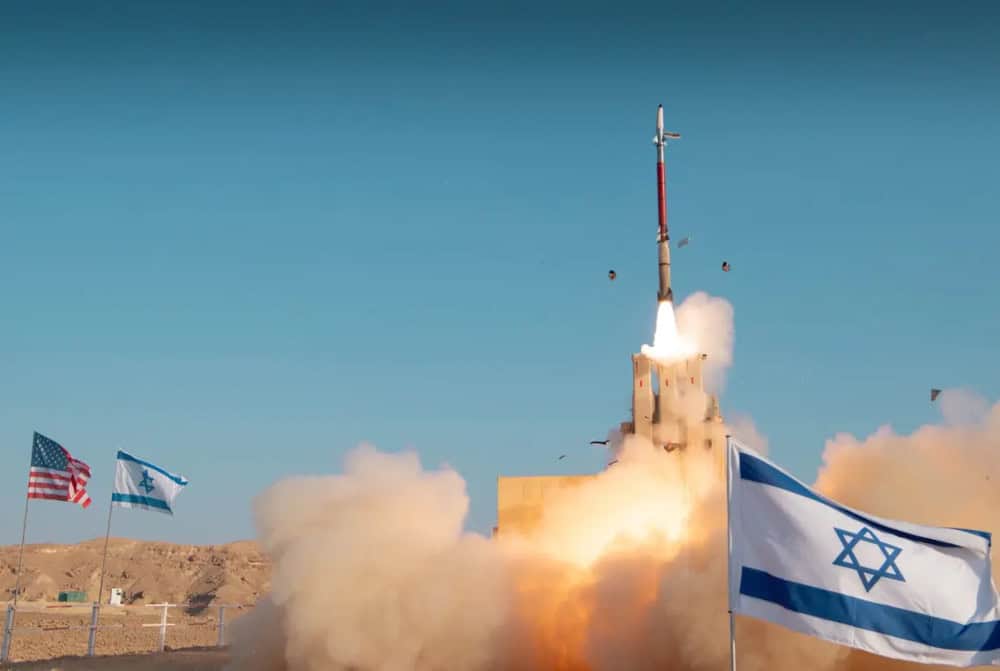
Analysis: Netanyahu pushes for US military aid drawdown
Israeli Prime Minister Benjamin Netanyahu continues to promote a plan to move his country away from American foreign military financing, but that comes at a time when Israel’s military requirements are increasing, and it is already spending an extraordinary percentage of gross domestic product on defense.
-
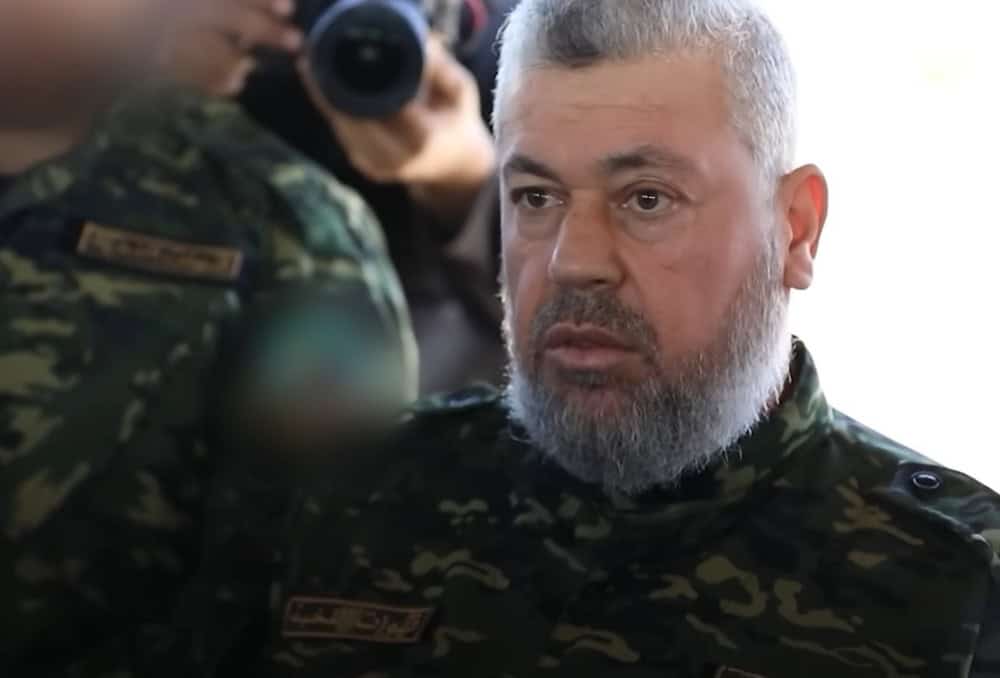
Hamas commander Izz al Din al Haddad targeted in Israeli airstrike
The Israeli military attacked an apartment in Gaza City, targeting Izz al Din al Haddad, Hamas’s leader in Gaza. Al Haddad is one of the last remaining senior members of Hamas who were responsible for the October 7 attack.
-
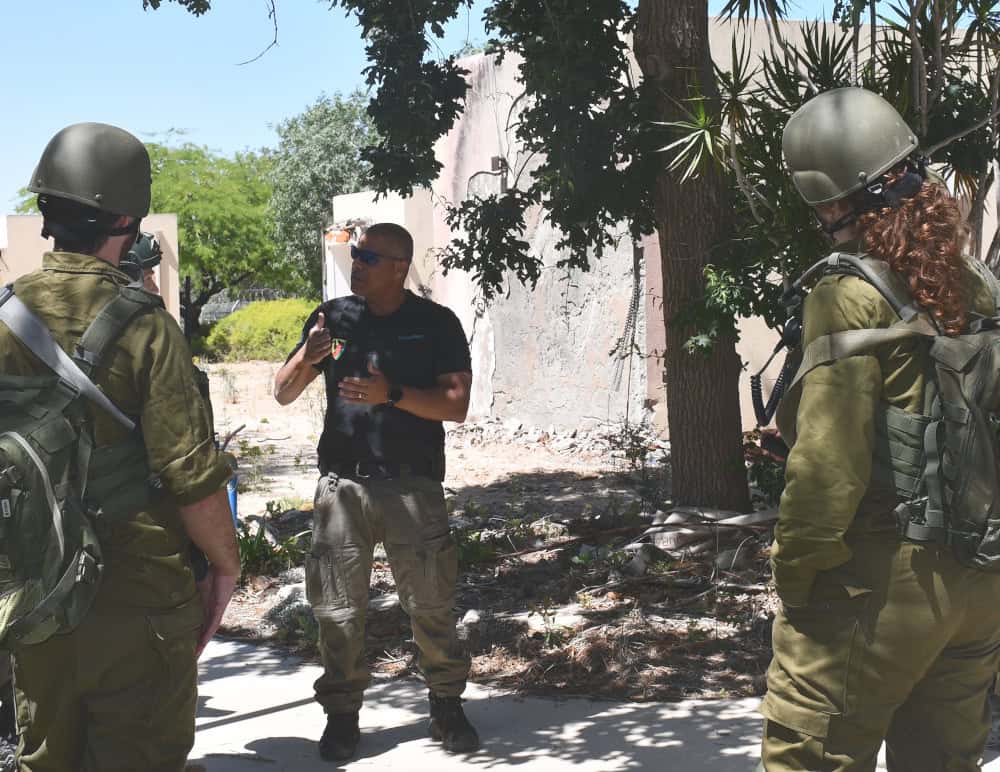
Israel trains new civilian security squads for 67 Gaza border communities
Israel is expanding civilian security preparedness in communities near the Gaza border through a new training program led by Magen 48, a non-profit civilian-led initiative, in cooperation with the Israel Defense Forces. The program, created after the October 7 Hamas attack, trains local volunteer armed response teams in tactics, medical support, and community defense.
-
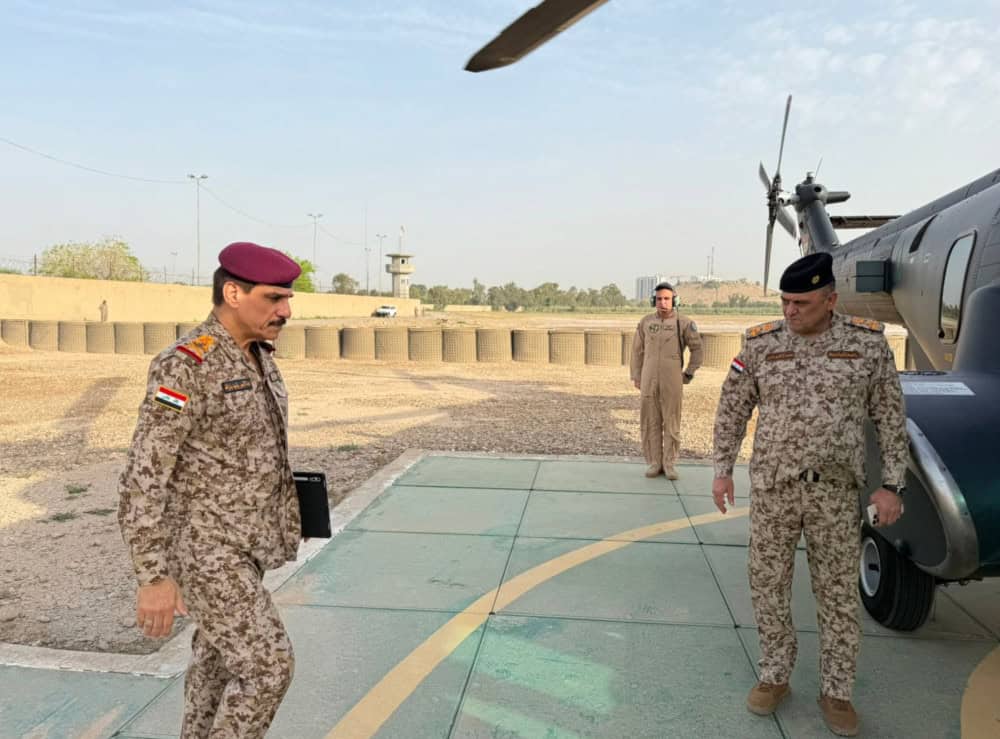
Iraqi security forces and politicians react to reports of ‘secret’ Israeli base
A report alleging that Israel operated a secret military base in Iraq’s Najaf desert has sparked controversy and conflicting statements among Iraqi politicians and security forces. The report emerged amid sensitive political negotiations in Baghdad and broader tensions involving Iran-backed militias, Israel, the United States, and Iran.
-
3 October 7 perpetrators identified with facial recognition software
Open-source information and commercially available facial recognition tools have identified three suspects— Amjad Qadoum, Yasir Samir, and Mustafa Shaheen—who were involved in the October 7 Hamas-led massacre in southern Israel. Facial recognition tools and social media exploitation can yield verifiable identity data from the extensive footage recorded by the terrorists’ own devices.

-
Israeli forces face challenges as Hezbollah ramps up use of FPV drones
During the renewed conflict with Israel, Hezbollah has increasingly relied on an arsenal of first-person view (FPV) drones that it amassed and developed over the 15 months of the Israel-Lebanon ceasefire. These drones, which are guided by fiber-optic cables instead of radio, are proving effective against Israeli forces because they are hard to intercept and detect, and the IDF was unprepared to deal with this threat.

-
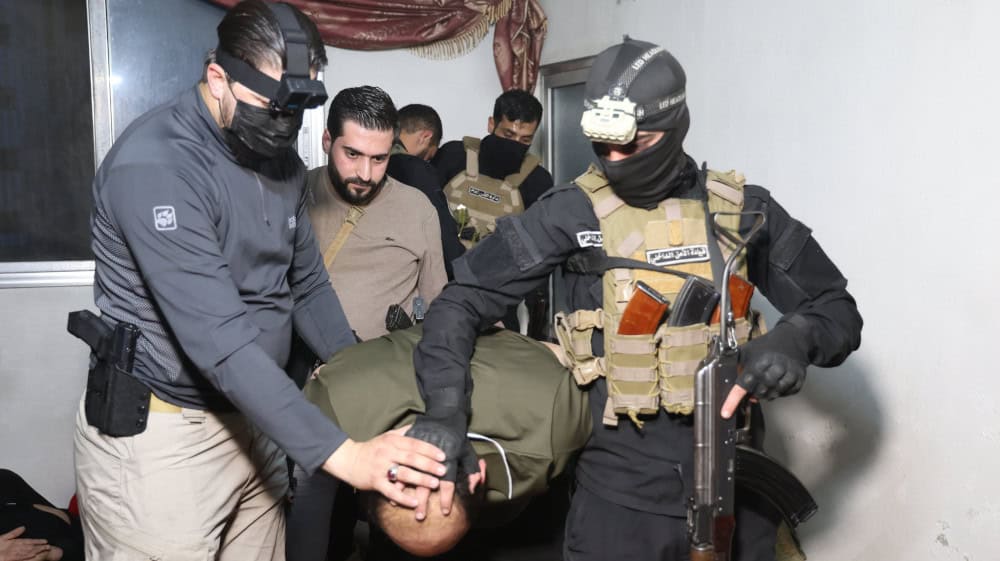
Syria reports neutralizing Hezbollah plot to assassinate senior officials
On May 5, Syrian authorities said that security forces dismantled a Hezbollah-linked militant network operating across multiple governorates, arresting 11 operatives, seizing weapons, and foiling planned assassinations.