
-

Hezbollah accuses Lebanese police of violating security coordination procedure after supporters reportedly obstruct raid
Armed men identifying themselves as Hezbollah supporters reportedly surrounded Lebanese security personnel conducting an October 16 raid on a pharmaceutical warehouse near Beirut’s southern suburbs. Hezbollah subsequently claimed the officers had violated an agreed security coordination procedure with the group.
-
Lebanese security forces seize explosives shipment reportedly bound for Hezbollah in Beirut
Lebanese security forces intercepted a shipment containing nearly 800 kilograms of explosives reportedly destined for Hezbollah in Beirut. Authorities arrested two men and are investigating the shipment’s origins and intended use. Hezbollah has reportedly demanded the explosives’ return, testing the government’s prohibition on the group’s military activities.
-
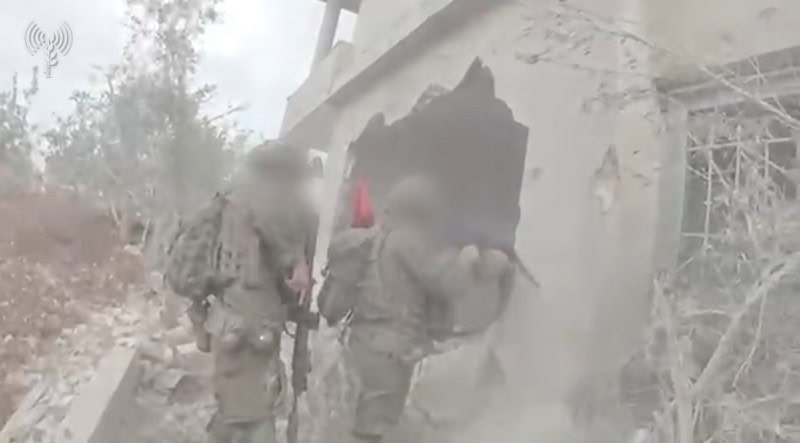
IDF shifts southern Lebanon forces toward ‘forward-defense’ posture as troops prepare for winter
The Israeli military is shifting toward a deeper “forward defense” posture in southern Lebanon, rotating formations and preparing positions for winter while continuing to clear Hezbollah infrastructure. The evolving deployment comes as Hezbollah maintains that Israeli forces’ continued presence in Lebanon justifies continued “resistance.”
-
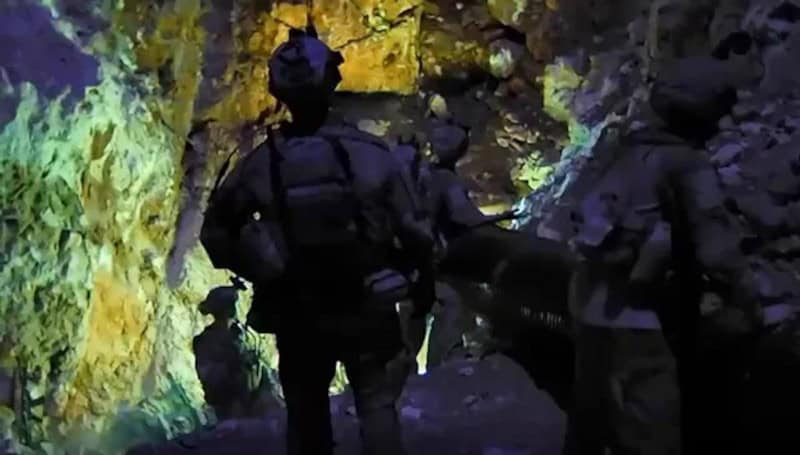
How Hezbollah reframed the battle for Ali al Taher as Israel advanced
As Israeli forces pushed from the outskirts of Ali al Taher Ridge into its underground network, Hezbollah repeatedly revised what counted as a success for the group—from denying Israeli entry to portraying the loss of the position as an attritional achievement.
-

LAF-Hezbollah coordination and the limits of Lebanon’s disarmament effort
Israel reportedly assesses that the Lebanese military is coordinating with Hezbollah in pilot zones intended to disarm non-state groups. The broader claim is supported by years of evidence, and the record since 2024 shows what coordination has produced: negotiated access, handovers, and seizures without Hezbollah’s genuine disarmament.
-
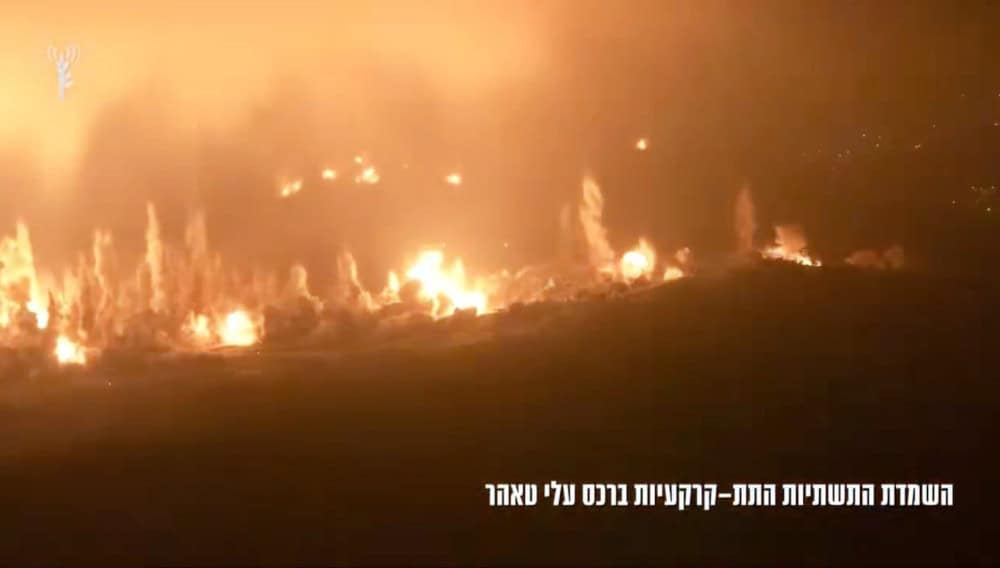
IDF destroys Hezbollah underground command complex at Ali al Taher, withdraws from ridge
The IDF says it destroyed more than two kilometers of Hezbollah underground infrastructure beneath Ali al Taher Ridge in southern Lebanon and identified the facility as a central command complex for Hezbollah’s Badr Unit. Israeli Army Radio reported that troops subsequently withdrew from the ridge and redeployed toward Beaufort, and Israel says it will retain…
-

Lebanese Army details pilot zone arms seizures, claims operational control
The Lebanese Armed Forces said its operations in three southern Lebanon pilot areas have produced “operational control.” The military’s first detailed official accounting of arms seizures there shows that roughly 86 percent of its 1,818-item weapons-and-ammunition tally consists of “light ammunition.”
-
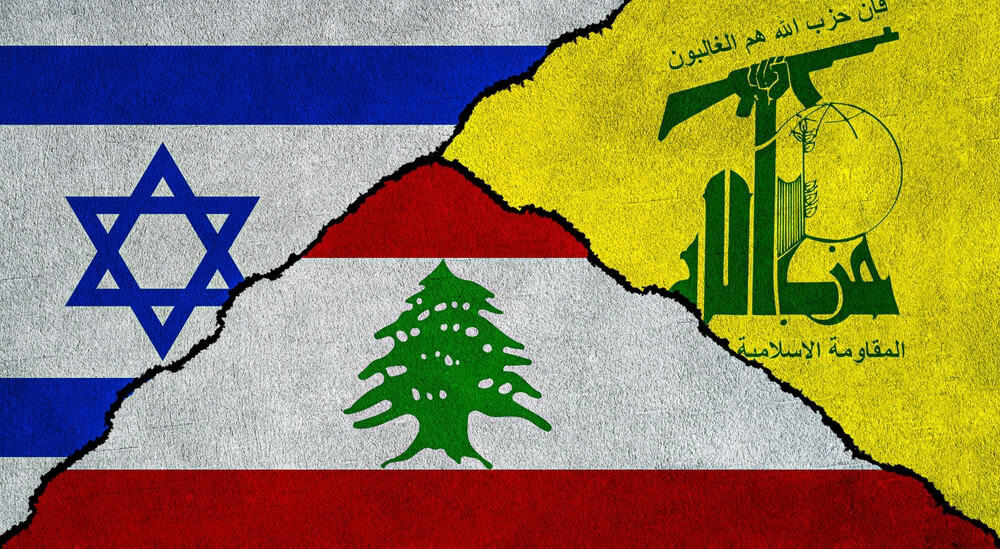
Lebanese Army intensifies Nabatieh deployment as report says mission excludes Hezbollah disarmament
The Lebanese Armed Forces (LAF) is intensifying its presence in Nabatieh in southern Lebanon while reinforcing nearby Zawtar al Gharbiyeh, one of the pilot zones of the June 26 Trilateral Framework Between the United States of America, the State of Israel, and the Republic of Lebanon. Lebanese reporting says the Nabatieh mission is intended to…
-
Israel claims control of Ali al Taher after weeks of Hezbollah attacks and failed handover efforts
The IDF says it cleared Hezbollah fighters from underground infrastructure in south Lebanon’s Ali al Taher Ridge and achieved operational control above and below ground. Hezbollah denied losing the strategic position. The battle exposed the limits of Lebanese government efforts to secure the site through negotiation and prompted an Iranian threat of direct retaliation.
-
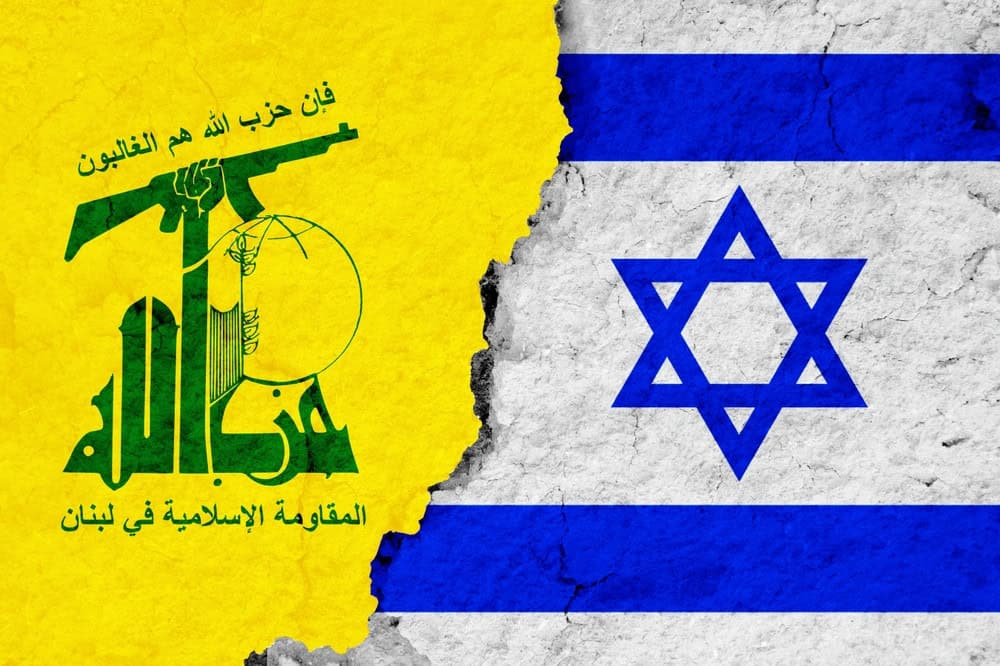
Israel says Hezbollah drone attack wounded 3 soldiers at Ali al Taher; IDF kills Hezbollah commanders in response
The Israel Defense Forces (IDF) said that a Hezbollah explosive drone seriously wounded three Israeli troops on the Ali al Taher Ridge on August 15. Israel responded with strikes that killed senior Radwan and Badr commanders. Hezbollah has not claimed the attack, and Lebanese reports allege Israel is considering a broader operation around the contested…
-
Israel says Hezbollah launched drone attack on strategic ridge amid ceasefire
Israel accused Hezbollah of launching an explosive-laden drone at its positions in the Ali Al Taher Ridge on July 29, despite a ceasefire that went into effect on June 19. Hezbollah has not claimed the attack or issued a denial of the Israeli claims.
-
Lebanese security forces incidentally discover Hezbollah weapons cache during raid
Lebanese security forces conducted a raid on a home in Beirut over a family dispute. During the operation, they reportedly discovered a large weapons cache, and subsequent interrogation allegedly uncovered that the cache’s owner was a “member of Hezbollah.”
-

Analysis: The Israel-Lebanon framework agreement explained
On June 26, Israel and Lebanon signed a framework agreement, mediated by the United States, to permanently end their state of conflict and address its root causes—primarily, Hezbollah’s arms. While the deal is promising on its face, significant parts of it may be difficult or impossible to implement under Lebanon’s current domestic conditions.
-
Israel reportedly targets Imam Hossein Division missile commander in Beirut strike
On May 28, Israel conducted its first strike in weeks targeting Beirut. The Israelis have yet to confirm it, but reporting indicates that the intended target was Ali al Hussaini, a commander in the Islamic Revolutionary Guard Corps-Qods Forces’ Imam Hossein Division. This division, whose origins were in the Syrian Civil War, has been reinforcing…
-
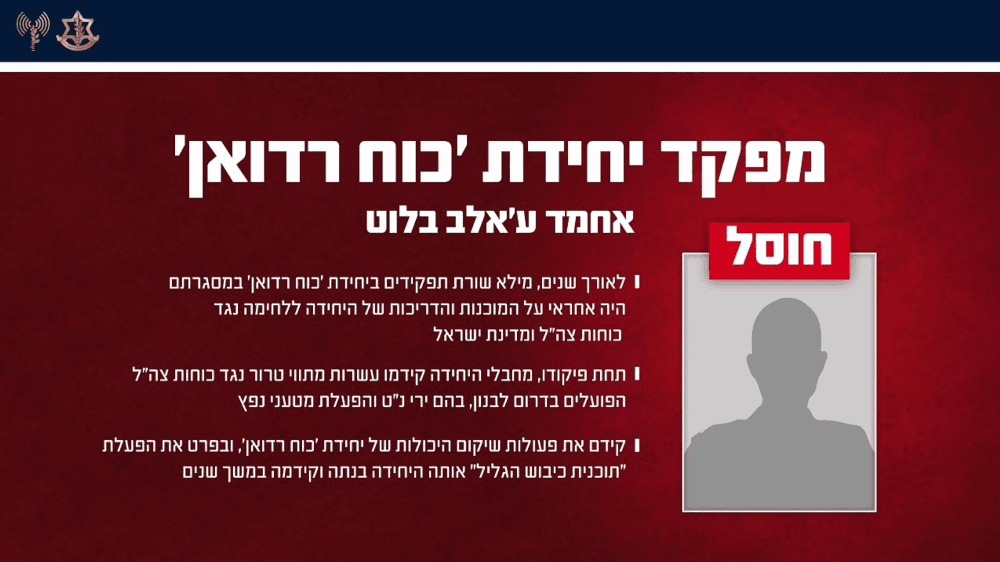
Israel assassinates commander of Hezbollah Radwan Force
On May 6, Israel conducted its first strike in the greater Beirut metropolitan area since the onset of a ceasefire on April 16. The strike targeted an apartment building in Dahiyeh, and one of the alleged fatalities was Ahmad Ghaleb Ballout, whom Israel claimed was the newest leader of Hezbollah’s Radwan Force commando unit.
-

Israeli forces face challenges as Hezbollah ramps up use of FPV drones
During the renewed conflict with Israel, Hezbollah has increasingly relied on an arsenal of first-person view (FPV) drones that it amassed and developed over the 15 months of the Israel-Lebanon ceasefire. These drones, which are guided by fiber-optic cables instead of radio, are proving effective against Israeli forces because they are hard to intercept and…
-
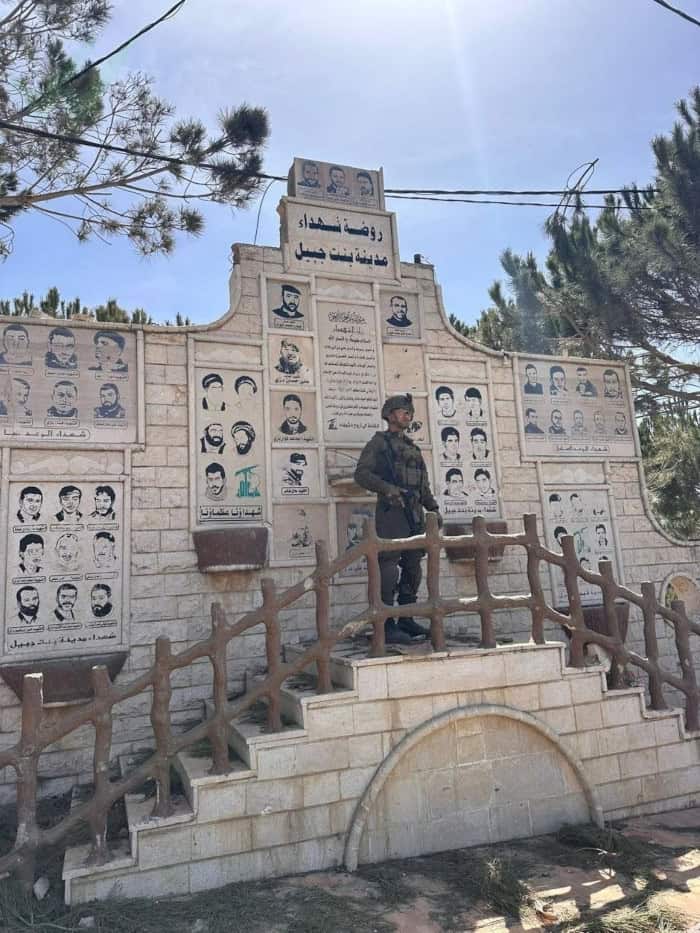
Analysis: The road to the latest Lebanon ceasefire
Iran has consistently sought to link its ceasefire with the United States to a concurrent cessation of hostilities in Lebanon. Tehran’s goal is to save Hezbollah, regardless of its stated aim of sparing Lebanon additional suffering. Iran, therefore, pressed the matter again as Hezbollah was on the cusp of losing the critical town of Bint…
-
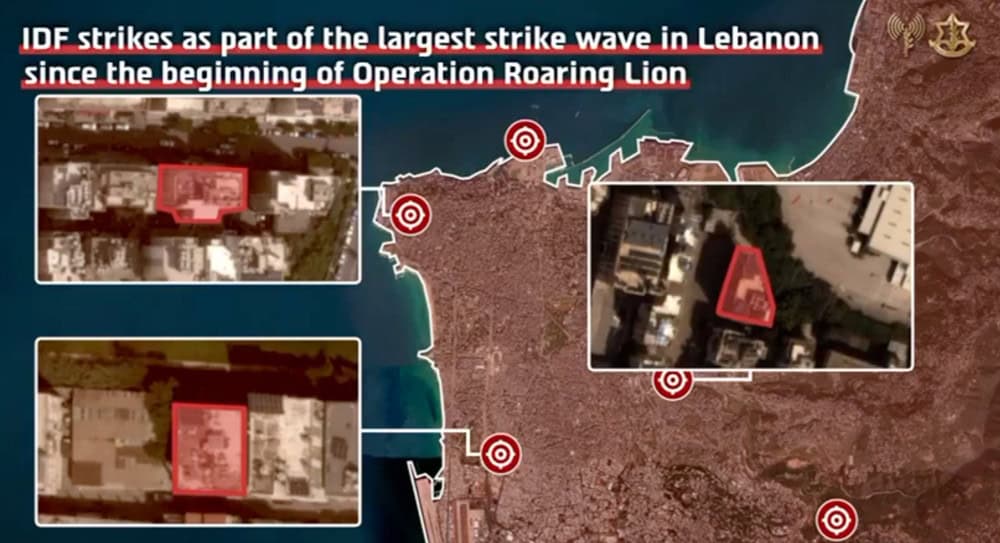
A breakdown of Israel’s heavy bombardment of Beirut on April 8
On April 8, Israel launched its most intense aerial blitz in Lebanon since the war with Hezbollah restarted. The strikes were particularly deadly in Beirut, where the Israeli military struck targets both in the suburb of Dahiyeh and, in a rare occurrence, the heart of the Lebanese capital. Israel alleges that Hezbollah operatives had moved…
-
Analysis: Israeli goals in Lebanon war shift from imminently disarming Hezbollah to reestablishing South Lebanon Security Zone
The renewed conflict in Lebanon has settled into a static pattern, despite remaining intense. Israel has narrowed its immediate war aims, while Lebanon remains unable to restrain Hezbollah, which remains defiant. This dynamic of impasse has led the international community to effectively tolerate the situation in Lebanon.
-
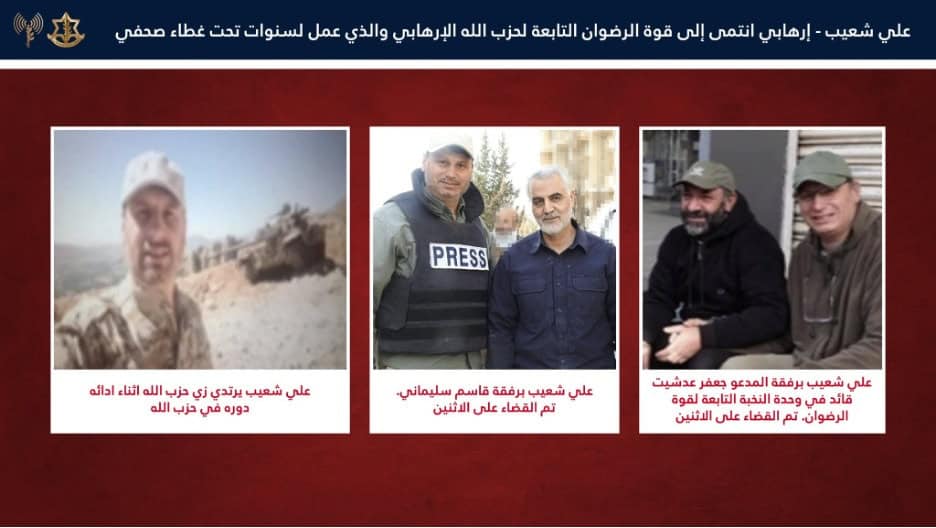
Israel kills Al Manar employee Ali Shuaib, says he was a Hezbollah military operative
Israel targeted and killed Ali Shuaib, an employee of the Hezbollah TV station Al Manar, and two others who worked for the pro-Hezbollah Al Mayadeen channel. The Israel Defense Forces claimed Shuaib was a Hezbollah Radwan Force operative using his journalistic credentials to monitor Israeli troop movements.
-

Lebanon declares Iranian ambassador-designate ‘persona non grata’ before Iranian missile explodes over Lebanese airspace
An Iranian ballistic missile exploded in Lebanese airspace shortly after Lebanese Foreign Minister Youssef Raggi declared Tehran’s ambassador-designate in the country “persona non grata.” Official silence, coupled with Lebanese reporting that the missile was targeting an American asset in Lebanon, led to speculation that Iran considered Raggi’s move significant and was retaliating for it. However,…
-
Kuwait and UAE report disrupting domestic Hezbollah cells
Kuwaiti and UAE authorities stated that they discovered and arrested terror cells linked to Hezbollah operating in their countries. The Lebanese group denied the allegations, insisting that it does not have operatives in the Gulf states.
-
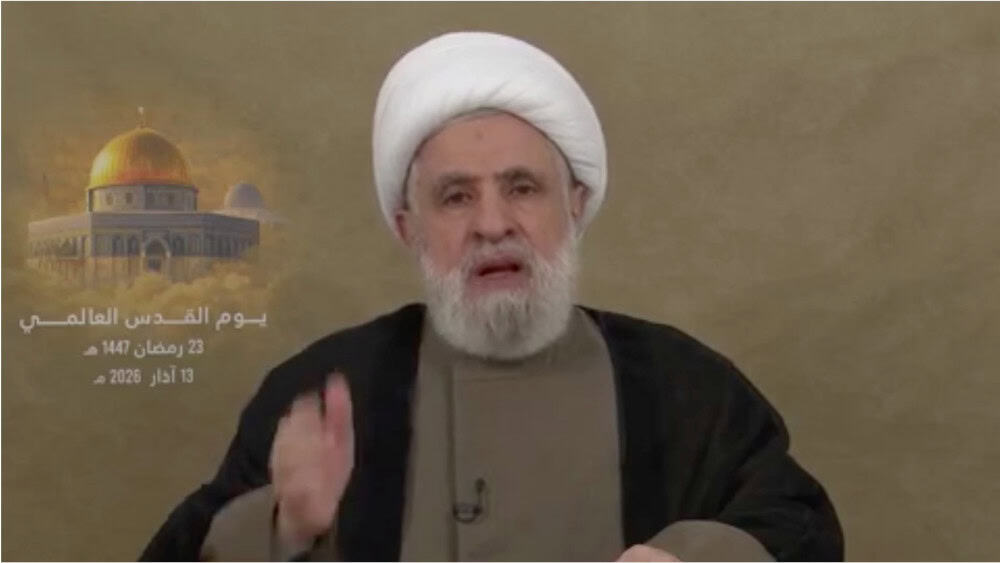
Analysis: Naim Qassem says Hezbollah will continue fighting Israel, frames war as defense of Lebanon
Hezbollah Secretary-General Naim Qassem gave his second speech regarding the renewed war with Israel, once again arguing that his group was the victim of aggression and not the aggressor. He said that Hezbollah is fighting a war of self-defense on behalf of Lebanon and stressed that it would continue fighting until it secures adequate concessions…
-
Analysis: Lebanon war intensifies as IDF strikes harder and Hezbollah escalates attacks
The renewed Lebanon war shows no sign of abating. Lebanon has yet to match its stern pronouncements on Hezbollah with equally tough enforcement, with the Lebanese military openly defying Beirut’s orders to disarm the group. Hezbollah has expressed its commitment to continue fighting in deed and word, including by pledging loyalty to Iran’s new supreme…
-
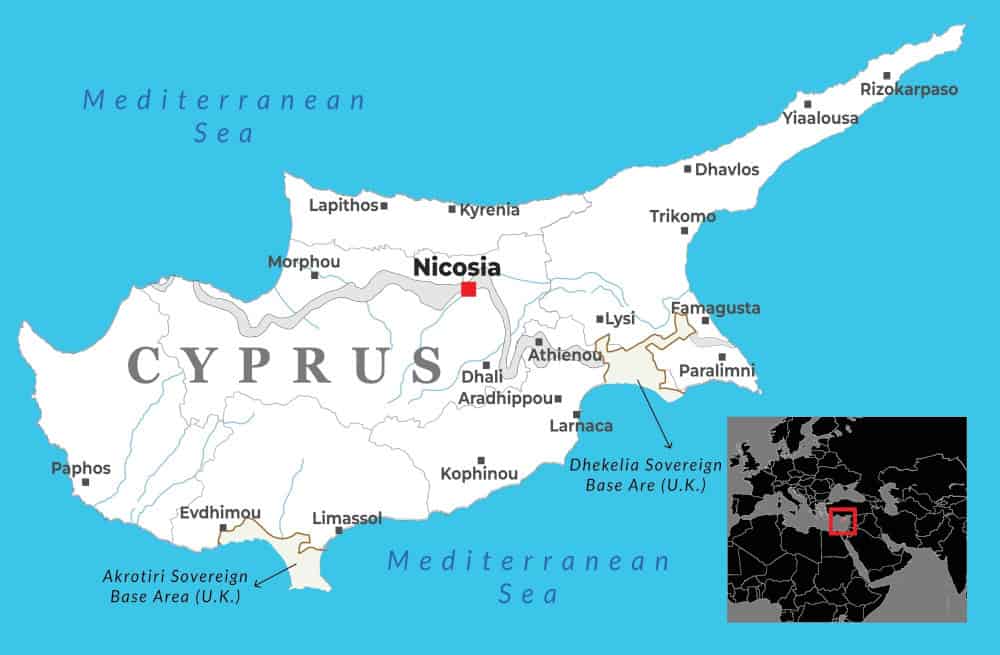
Cypriot, Lebanese officials blame Hezbollah for drone attacks on UK base in Cyprus; IRGC responsibility also possible
On March 1, a loitering munition struck the Royal Air Force (RAF) base in Akrotiri. Cypriot officials, followed by their Lebanese counterparts, accused Hezbollah of responsibility. The group’s leadership has threatened to target Cyprus in the past if it facilitated a war effort against the interests of the Iran-led Axis of Resistance. However, Iranian Islamic…
-
Analysis: Israel strikes over 500 targets in Lebanon, issues evac orders in renewed war with Hezbollah (March 2–6)
The November 27, 2024, ceasefire agreement in Lebanon has officially ended. Israel and Hezbollah are now reengaged in a full conflict after the group attacked Israeli territory on March 2. The Israelis have responded ferociously, targeting large swathes of Lebanon and promising that their campaign will continue until Hezbollah’s destruction.
-

Analysis: Hezbollah leader vows to fight until the end in renewed war with Israel
Hezbollah Secretary-General Naim Qassem addressed Hezbollah’s latest war with Israel on Monday night, insisting that his group had fire rockets at Israel in defense of Lebanon, preempting a premeditated “war of extermination.” Qassem insisted that Hezbollah would not surrender its arms and vowed to continue fighting until achieving either victory in battle or martyrdom.
-
Israeli operations in Lebanon against Hezbollah: February 23–March 1, 2026
Israel continued military operations in Lebanon between February 23 and March 1, 2026. Israeli activities last week, the last days of which coincided with the onset of the joint US-Israeli operation against the Islamic Republic of Iran, were concentrated on policing activities but included airstrikes on Hezbollah’s assets deeper into Lebanon.
-

US State Department orders non-emergency personnel to depart from Beirut embassy
The US State Department ordered the departure of all non-emergency government personnel from the US Embassy in Beirut, along with their family members. Many media outlets tied this to rising US regional tensions with Iran. A Lebanese media outlet suggested it was in response to threats to the embassy from Hezbollah.
-
Israeli operations in Lebanon against Hezbollah: February 16–22, 2026
Israel continued military operations in Lebanon between February 16 and February 22, 2026. Israeli activities last week were relatively more intense than in preceding weeks and included attacks on Hezbollah assets deep inside Lebanon, some of which the group reportedly intended to use against Israel in the event of a US conflict with Iran.
The Team
Meet the Team Behind the Vision
Our dedicated team combines diverse skills and shared passion to bring innovative solutions to life. Together, we collaborate, create, and strive to exceed expectations every day. Learn more about the people driving our mission forward.
Alex Johnson
Project Manager
Oversees project timelines and ensures seamless collaboration among team members to deliver results on schedule.
Alex Johnson
Project Manager
Oversees project timelines and ensures seamless collaboration among team members to deliver results on schedule.
Alex Johnson
Project Manager
Oversees project timelines and ensures seamless collaboration among team members to deliver results on schedule.