-
Analysis: Turkish interior minister states dream of governing Jerusalem, provoking Israel
Turkish Interior Minister Mustafa Ciftci recently sparked controversy by expressing his desire to one day govern Jerusalem and suggesting that territories once ruled by the Ottoman Empire could again fall under Turkish sovereignty. Ciftci’s remarks are the latest indication that senior Turkish officials continue to view Jerusalem not merely as a symbol of the Palestinian cause, but as part of a broader historical mission that seeks to expand Ankara’s influence across the Middle East.

-
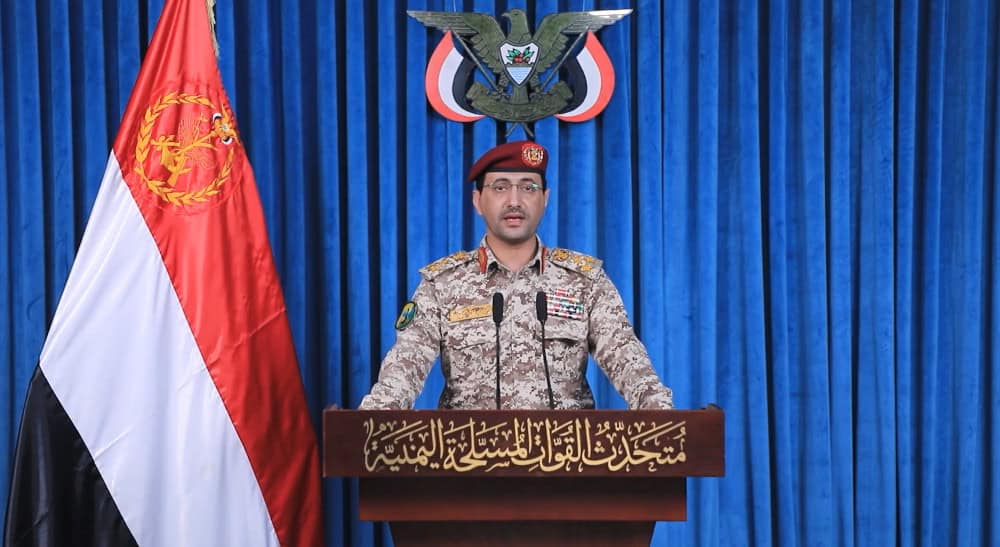
Houthis emphasize solidarity and coordination with Iran-led Axis of Resistance
The Houthis in Yemen reiterated support for their partners in the Iran-led Axis of Resistance, singling out Hezbollah in Lebanon and Hamas in Gaza. While leaving the door open to further involvement in the ongoing regional conflict, the group stopped short of saying it would join the fighting.

-
Generation Jihad | Gaza: Smoldering battlefield?
Despite multiple attempts by Israel to quell the fighting in Gaza and decapitate Hamas’s leadership, the group continues a guerilla-style resistance. The IDF now fights on three active fronts: Lebanon, Iran, and Gaza. But it’s perhaps the forgotten war in Gaza that could resume major hostilities if left unchecked. Bill Roggio speaks with FDD Research Analyst Samuel Ben-Ur about next steps in Gaza.
-
Generation Jihad | Everybody wants a McWar
Iran’s military has been shattered. The Strait of Hormuz remains contested. Three months in, Bill Roggio and FDD’s Jon Schanzer examine why quick victories are rare, patience is scarce, and this war is entering its most consequential phase yet.
-
Israel reportedly targets Imam Hossein Division missile commander in Beirut strike
On May 28, Israel conducted its first strike in weeks targeting Beirut. The Israelis have yet to confirm it, but reporting indicates that the intended target was Ali al Hussaini, a commander in the Islamic Revolutionary Guard Corps-Qods Forces’ Imam Hossein Division. This division, whose origins were in the Syrian Civil War, has been reinforcing Hezbollah throughout the conflict with Israel that began in October 2023.

-
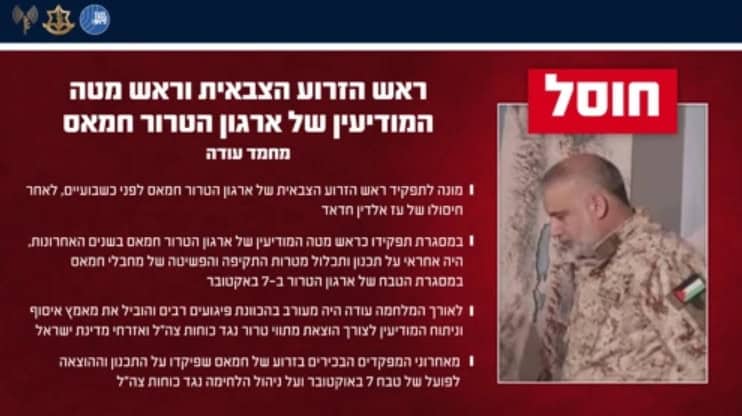
IDF kills new Hamas military leader, reports 10 ceasefire violations May 21–May 28
Less than two weeks after Hamas named Mohammed Odeh as its new military commander, Israel eliminated him. The IDF also targeted a number of other high-profile Hamas members as the terrorist group continues refusing to disarm.
-
Generation Jihad | POV: FPV (or: “The Anarchist Cookbook of war”)
Hezbollah’s missiles may be depleted, but cheap FPV drones are changing the battlefield — slipping past defenses, targeting Israeli troops, and exposing a dangerous new vulnerability. Bill Roggio and David Daoud unpack Hezbollah’s drone evolution, the psychological warfare behind the footage, and why Israel may be drifting back toward the failed security zone dynamics of the past.
-
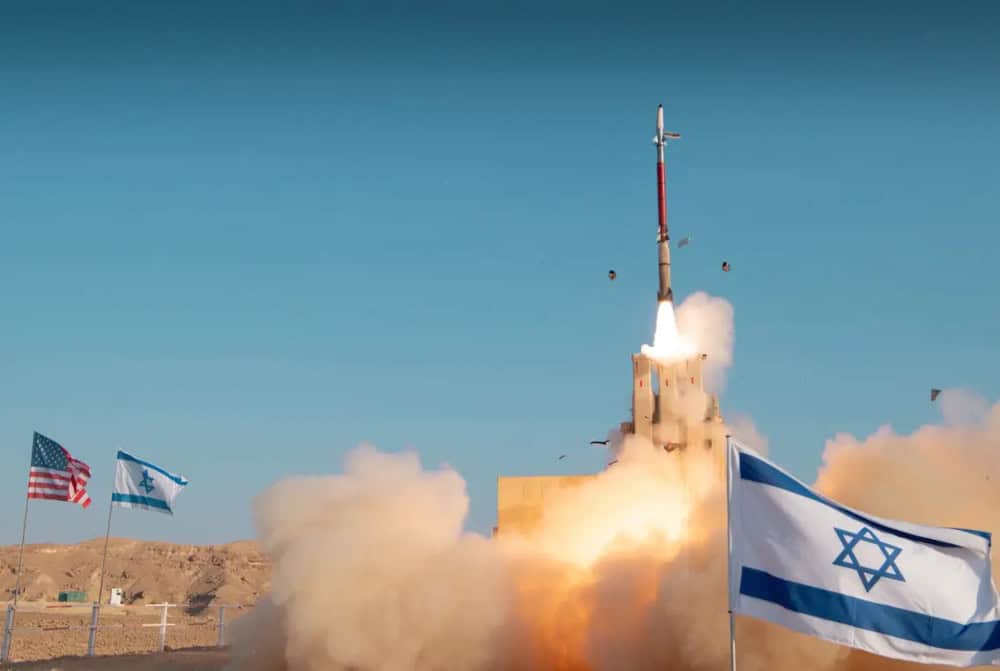
Analysis: Netanyahu pushes for US military aid drawdown
Israeli Prime Minister Benjamin Netanyahu continues to promote a plan to move his country away from American foreign military financing, but that comes at a time when Israel’s military requirements are increasing, and it is already spending an extraordinary percentage of gross domestic product on defense.
-
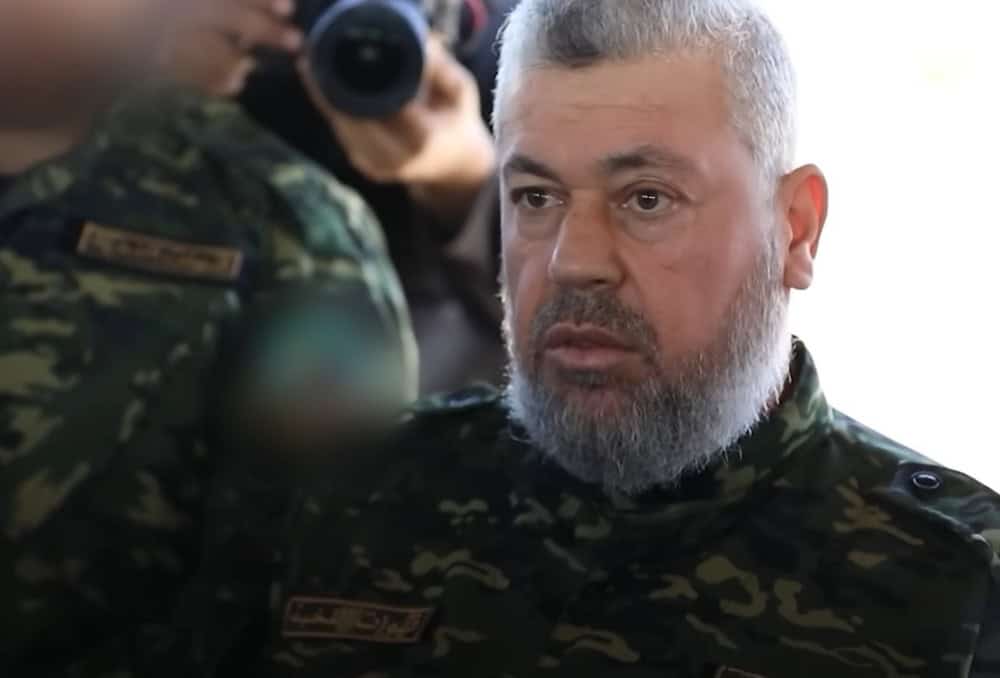
Hamas commander Izz al Din al Haddad targeted in Israeli airstrike
The Israeli military attacked an apartment in Gaza City, targeting Izz al Din al Haddad, Hamas’s leader in Gaza. Al Haddad is one of the last remaining senior members of Hamas who were responsible for the October 7 attack.
-
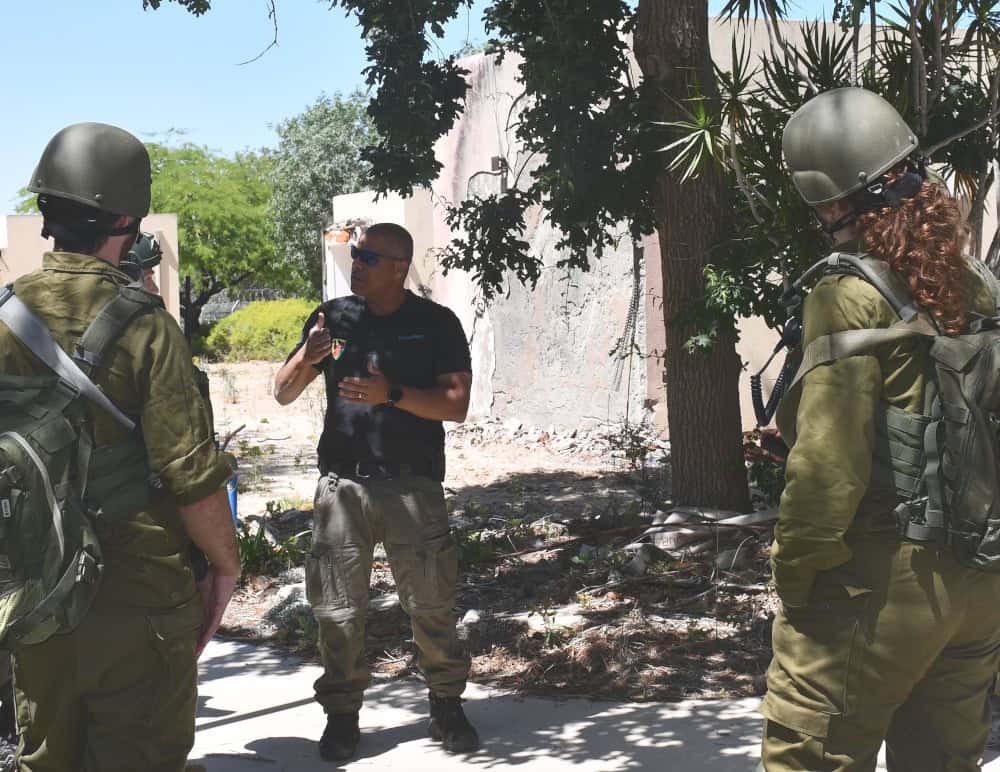
Israel trains new civilian security squads for 67 Gaza border communities
Israel is expanding civilian security preparedness in communities near the Gaza border through a new training program led by Magen 48, a non-profit civilian-led initiative, in cooperation with the Israel Defense Forces. The program, created after the October 7 Hamas attack, trains local volunteer armed response teams in tactics, medical support, and community defense.
-
Iraqi security forces and politicians react to reports of ‘secret’ Israeli base
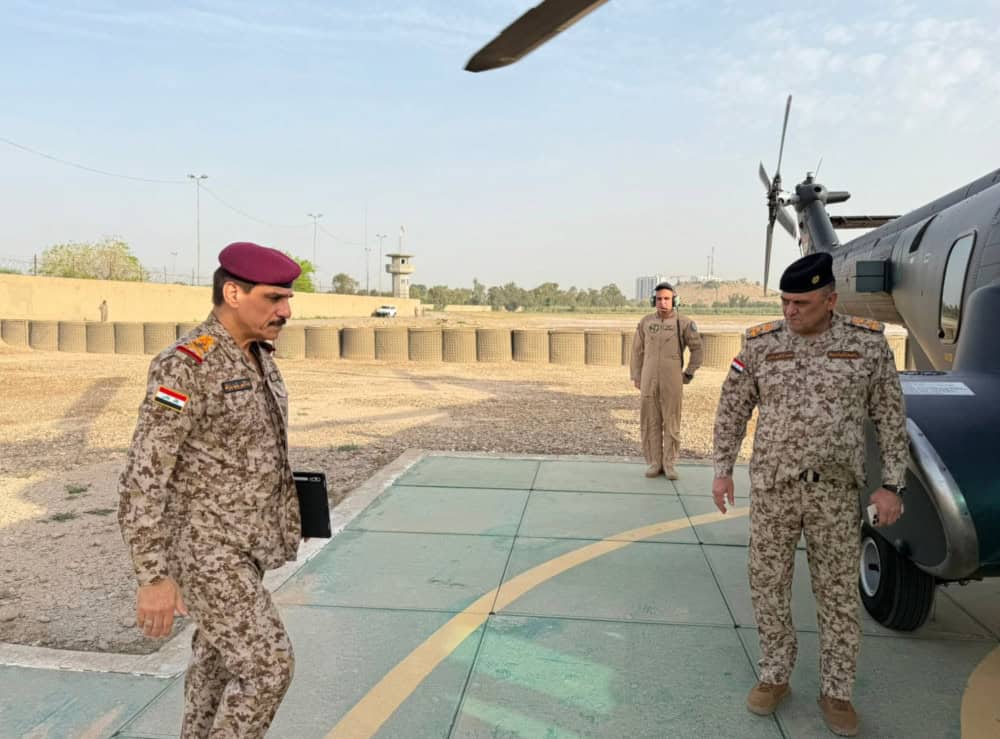
A report alleging that Israel operated a secret military base in Iraq’s Najaf desert has sparked controversy and conflicting statements among Iraqi politicians and security forces. The report emerged amid sensitive political negotiations in Baghdad and broader tensions involving Iran-backed militias, Israel, the United States, and Iran.
-
3 October 7 perpetrators identified with facial recognition software
Open-source information and commercially available facial recognition tools have identified three suspects— Amjad Qadoum, Yasir Samir, and Mustafa Shaheen—who were involved in the October 7 Hamas-led massacre in southern Israel. Facial recognition tools and social media exploitation can yield verifiable identity data from the extensive footage recorded by the terrorists’ own devices.

-
Israeli forces face challenges as Hezbollah ramps up use of FPV drones
During the renewed conflict with Israel, Hezbollah has increasingly relied on an arsenal of first-person view (FPV) drones that it amassed and developed over the 15 months of the Israel-Lebanon ceasefire. These drones, which are guided by fiber-optic cables instead of radio, are proving effective against Israeli forces because they are hard to intercept and detect, and the IDF was unprepared to deal with this threat.

-
Syria reports neutralizing Hezbollah plot to assassinate senior officials
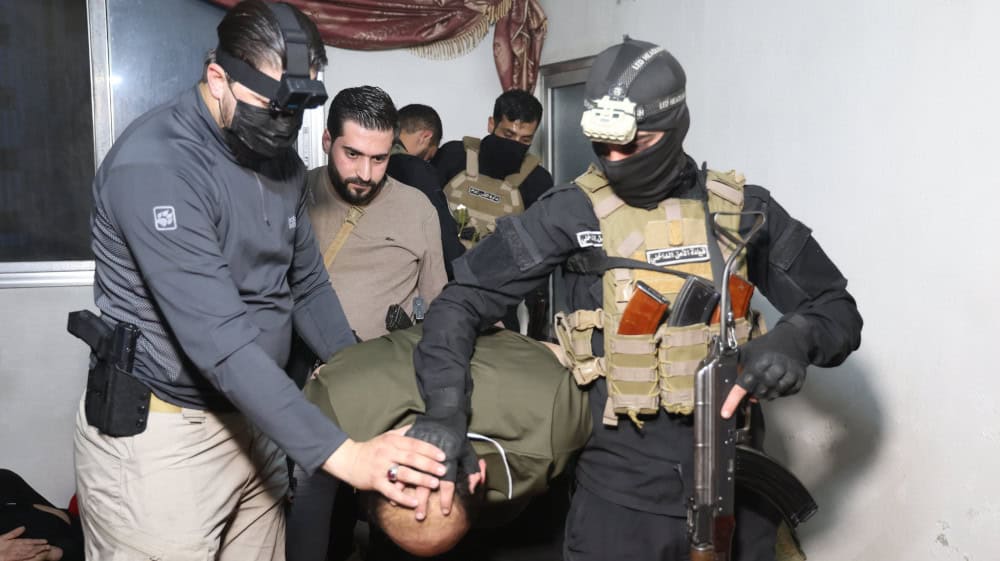
On May 5, Syrian authorities said that security forces dismantled a Hezbollah-linked militant network operating across multiple governorates, arresting 11 operatives, seizing weapons, and foiling planned assassinations.
-
Talks over Hamas disarmament stall, IDF reports 19 Gaza ceasefire violations April 21–May 5
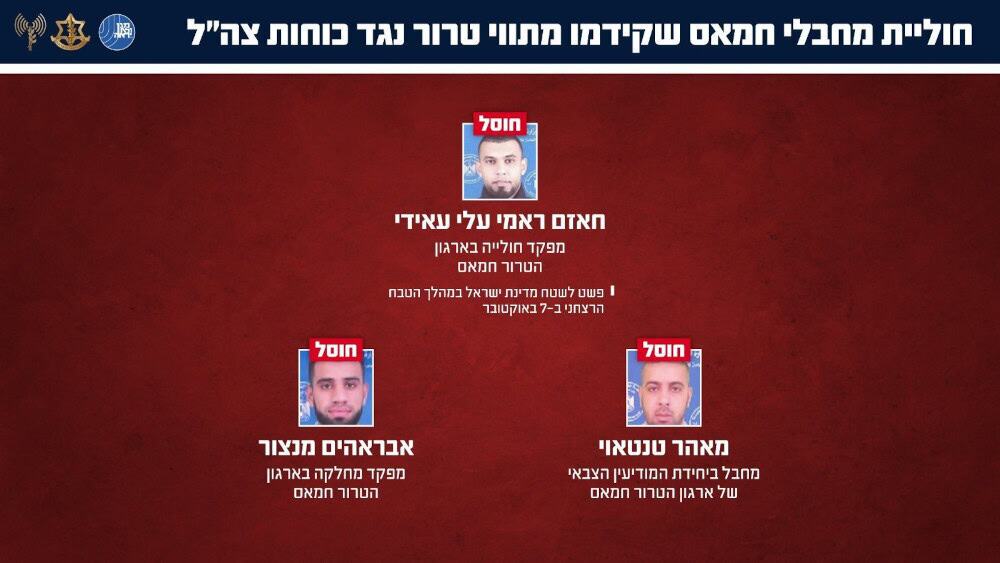
Hamas and other Palestinian terrorists continued to violate the Gaza ceasefire toward the end of April and beginning of May, according to Israeli military reports. Hamas remains adamant that it will not even begin to discuss disarmament before a complete IDF withdrawal from the territory.
-
2 Jewish men stabbed in London, Ashab al Yamin claims attack
The Iran-linked front group Ashab al Yamin claimed credit for a stabbing attack in London that wounded two Jewish men. The group has claimed more than a dozen attacks in Europe, most of them targeting Jewish institutions.

-
Charity founded by Hamas member raising funds on US-based platform
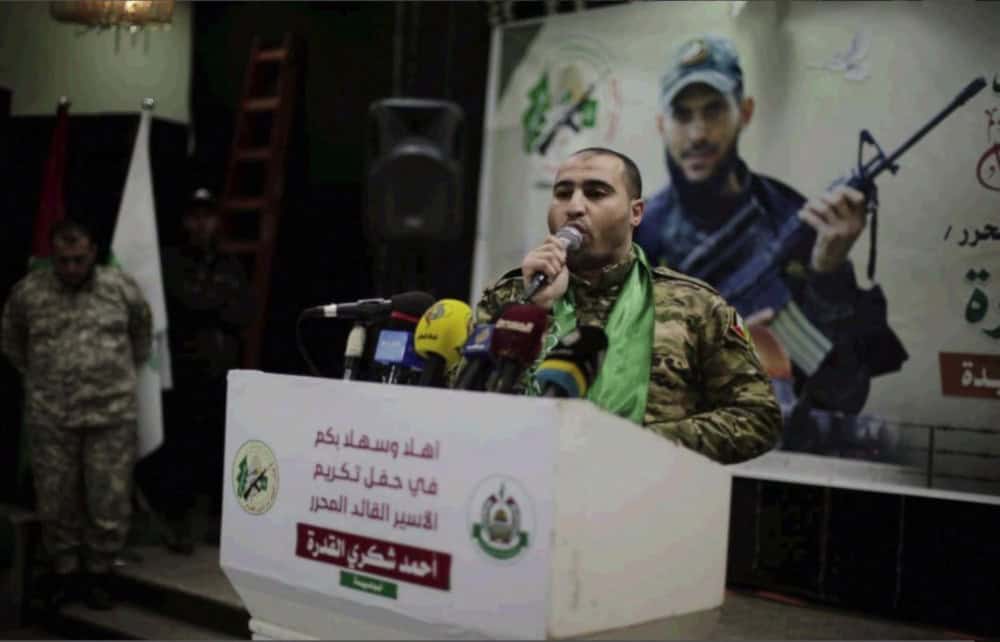
A Hamas operative who was killed during the recent war with Israel founded a Gaza-based charity that has raised hundreds of thousands of dollars online. The charity continues to solicit donations, including through a New York-headquartered platform.
-
Kosovo military team evaluates Gaza deployment amid continuing ceasefire violations
Kosovo has moved toward contributing forces for the International Stabilization Force (ISF) mission in Gaza, sending a military team to assess a future deployment area and coordinate with local and multinational officials. The security situation in Gaza remains tense despite a ceasefire, with uncertainty over Hamas’s disarmament.

-
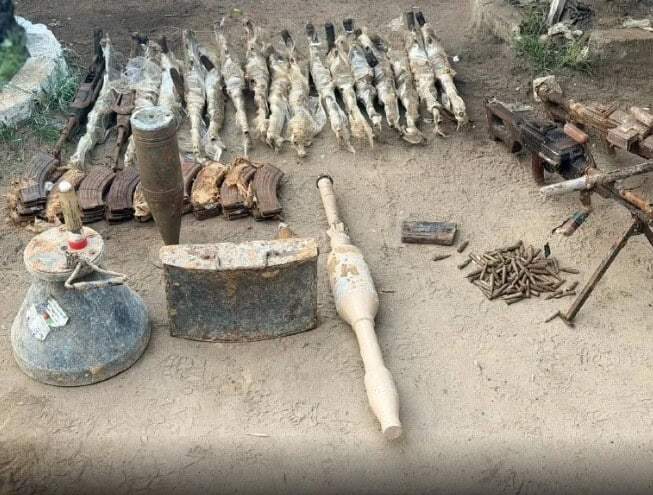
Hamas says it may give up some weapons, IDF reports 5 ceasefire violations April 17-21
Hamas has reportedly indicated a readiness to give up thousands of rifles belonging to its police and internal security forces. The weapons conceded would still fail to meet the total disarmament required by President Donald Trump’s 20-point Gaza peace plan. The Israel Defense Forces also tracked five ceasefire violations between April 17 and 21.
-
Analysis: The road to the latest Lebanon ceasefire
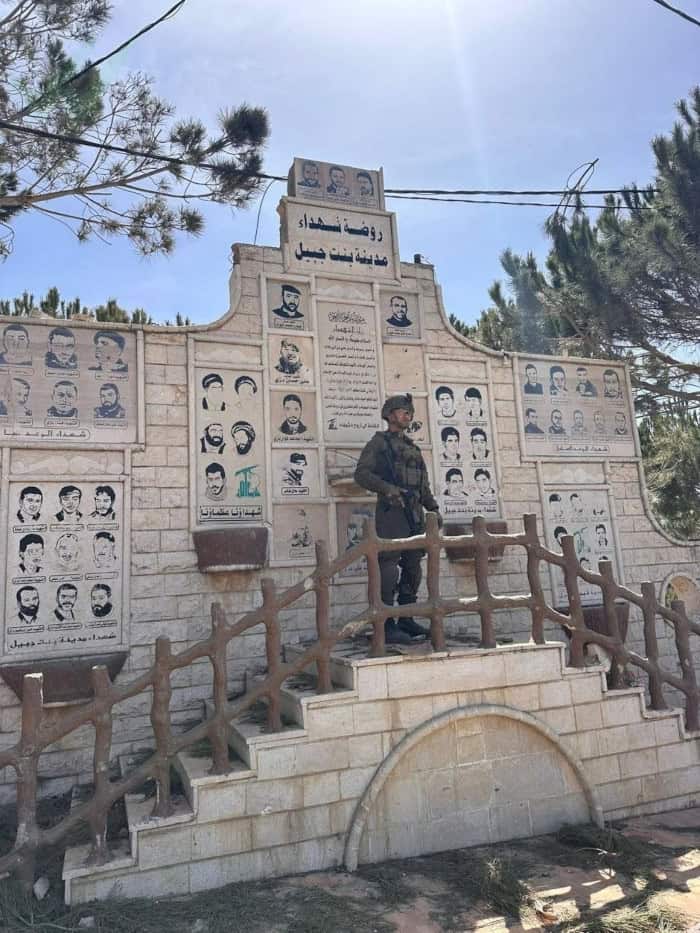
Iran has consistently sought to link its ceasefire with the United States to a concurrent cessation of hostilities in Lebanon. Tehran’s goal is to save Hezbollah, regardless of its stated aim of sparing Lebanon additional suffering. Iran, therefore, pressed the matter again as Hezbollah was on the cusp of losing the critical town of Bint Jbeil. A ceasefire in Lebanon went into effect on April 16.
-
Hamas rejects disarmament clause of Gaza peace plan, IDF reports 14 ceasefire violations April 8–16
Kinetic events and military actions continue in Gaza, including 14 violations of the fragile ceasefire by Palestinian terrorists, according to the Israeli military. The Israel Defense Forces has documented an uptick in planned attacks against Israeli soldiers in the enclave.

-
A breakdown of Israel’s heavy bombardment of Beirut on April 8
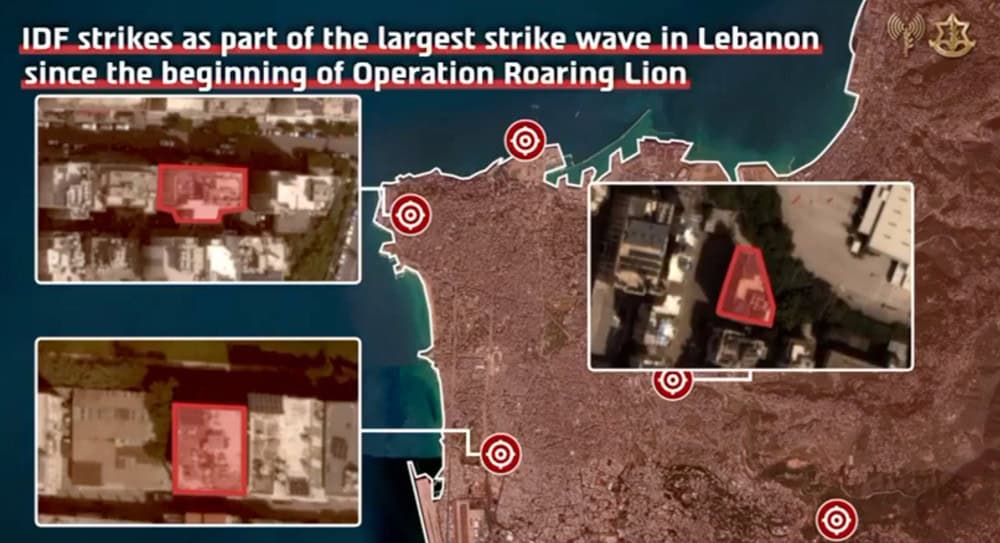
On April 8, Israel launched its most intense aerial blitz in Lebanon since the war with Hezbollah restarted. The strikes were particularly deadly in Beirut, where the Israeli military struck targets both in the suburb of Dahiyeh and, in a rare occurrence, the heart of the Lebanese capital. Israel alleges that Hezbollah operatives had moved northward out of the group’s Dahiyeh nerve center into the city.
-
Analysis: How to assess America’s 40 days of war against Iran
US and Israeli forces conducted an impressive campaign that significantly degraded Iran’s primary elements of military power. The operation did not, however, destroy these capabilities outright or eliminate Iran’s ability to project meaningful power outside of its borders.

-
Generation Jihad | Ceasefire or Long Game
FDD Senior Fellow David Daoud and Bill Roggio examine the recent and fragile ceasefire in the ongoing Iran war. Will the fighting in southern Lebanon between Israel and Hezbollah break the peace, and has the Iranian resistance movement missed a golden opportunity?
-
Gunmen fire at police outside of Israeli consulate in Istanbul
Three attackers opened fire on police officers outside the Israeli consulate in Istanbul, Turkey earlier today. Turkish police killed one shooter and captured two others. The affiliation of the attackers is currently unknown, but the incident comes almost a week after the Islamic State called for attacks on Jews during the Passover holiday.

-
Iranian ballistic missile cluster munitions strike dozens of sites in Israeli cities
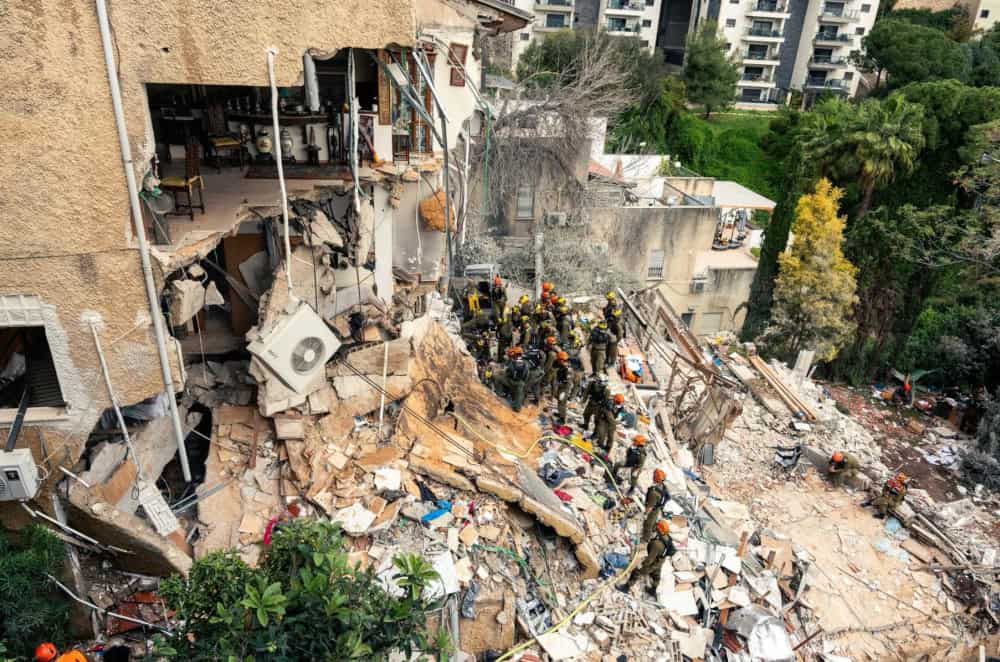
Iran’s increasing use of cluster munitions in ballistic missile attacks since late February has intensified damage across Israel, with dozens of impact sites reported in major cities in the first week of April. Four people were killed in Haifa in a missile attack on April 6. Meanwhile, Israel is escalating strikes on Iranian infrastructure targets and boosting production of Arrow interceptors as part of its multi-layered air defense.
-
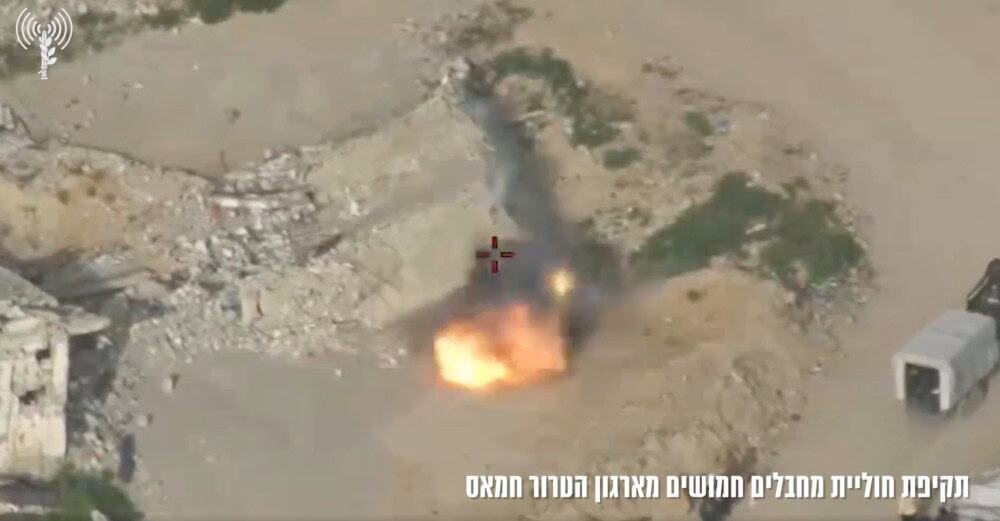
IDF: Palestinian terrorists violate Gaza ceasefire 22 times since start of Iran war
While the US-Israeli war with Iran has taken center stage, Israel’s Gaza front remained active, despite the US-brokered ceasefire that took effect on October 10 of last year. The Israeli military has documented 22 ceasefire violations by Hamas and other Palestinian terrorist groups since the war with Iran began on February 28.
-
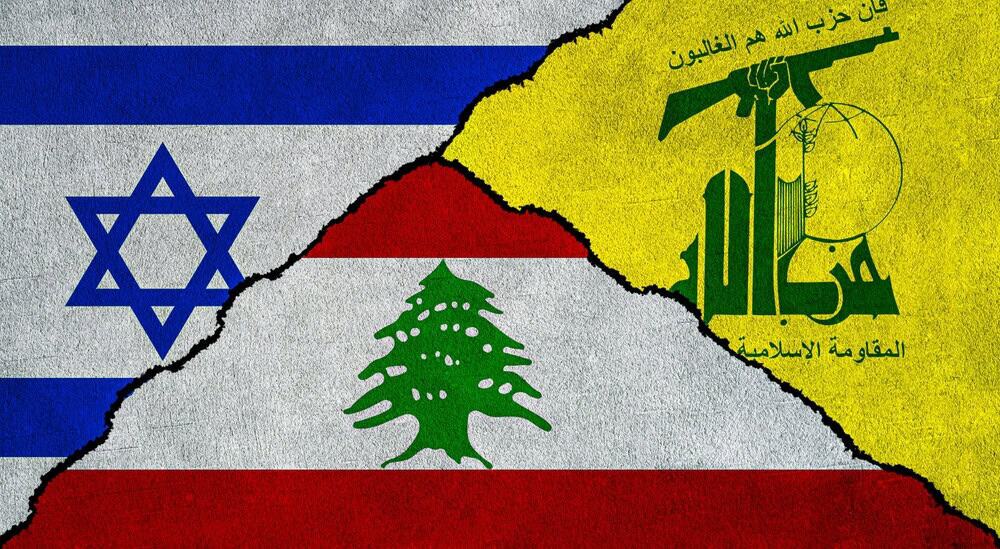
Analysis: Israeli goals in Lebanon war shift from imminently disarming Hezbollah to reestablishing South Lebanon Security Zone
The renewed conflict in Lebanon has settled into a static pattern, despite remaining intense. Israel has narrowed its immediate war aims, while Lebanon remains unable to restrain Hezbollah, which remains defiant. This dynamic of impasse has led the international community to effectively tolerate the situation in Lebanon.
-
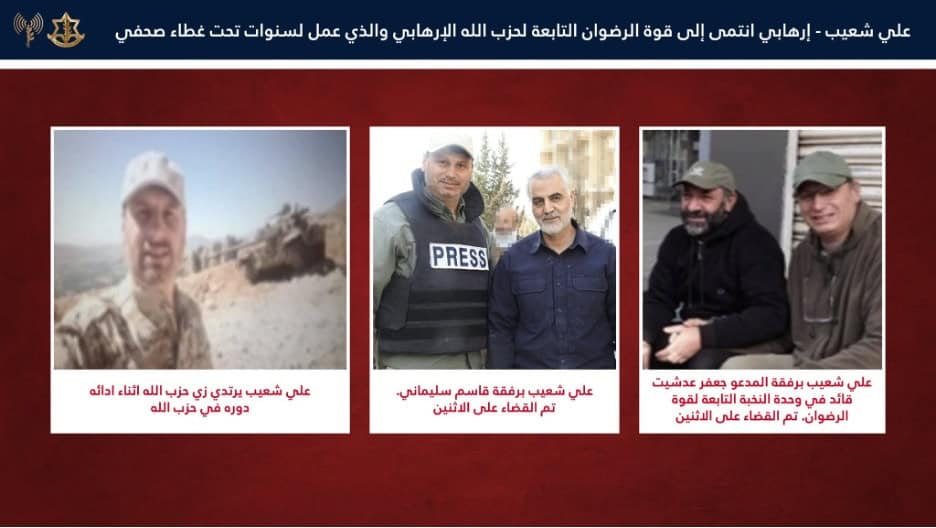
Israel kills Al Manar employee Ali Shuaib, says he was a Hezbollah military operative
Israel targeted and killed Ali Shuaib, an employee of the Hezbollah TV station Al Manar, and two others who worked for the pro-Hezbollah Al Mayadeen channel. The Israel Defense Forces claimed Shuaib was a Hezbollah Radwan Force operative using his journalistic credentials to monitor Israeli troop movements.
-
Yemen’s Houthis enter Iran war with drone and missile attacks on Israel
The Houthis launched missile and drone attacks against Israel, the first direct military action since the beginning of the US and Israeli campaign against Iran that began on February 28. The Iran-backed Yemeni terrorist group threatened to continue and expand attacks until a series of conditions it issued are met.