
-
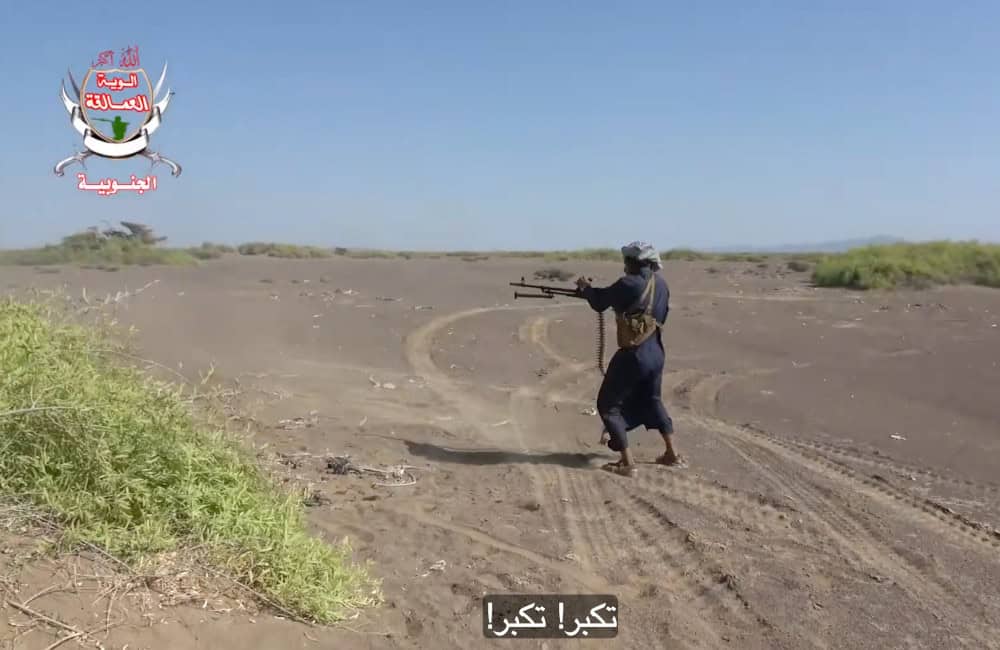
Yemeni government forces launch Saudi-backed counteroffensive against Houthis
The Yemeni government announced a counteroffensive against the Houthis, with Saudi support, to retake territory the group seized in September, stating that removing the Houthis from the Yemeni capital of Sanaa is a goal. Forces aligned with Yemen’s internationally recognized government retook territory along the Bab al Mandeb Strait on October 5.
-
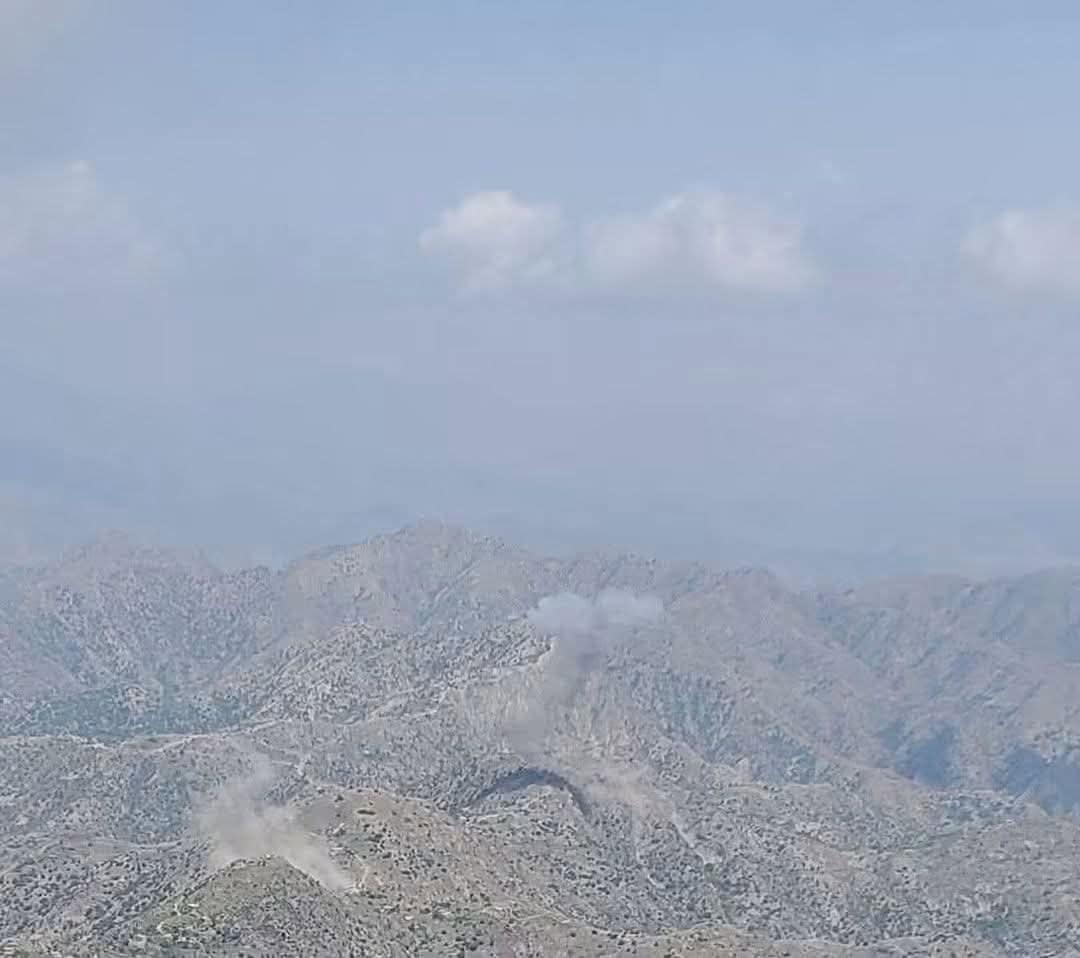
Houthis fight for key Yemeni highlands, continue striking Saudi Arabia
The Houthis and the Yemeni Armed Forces, along with allied militias, have continued fighting on multiple fronts across the country, with the Houthis particularly focused on the highlands inland from their recent coastal advance. The Houthis have also maintained their attacks on Saudi Arabia, prompting Riyadh to renew its request for US airstrikes, which President…
-
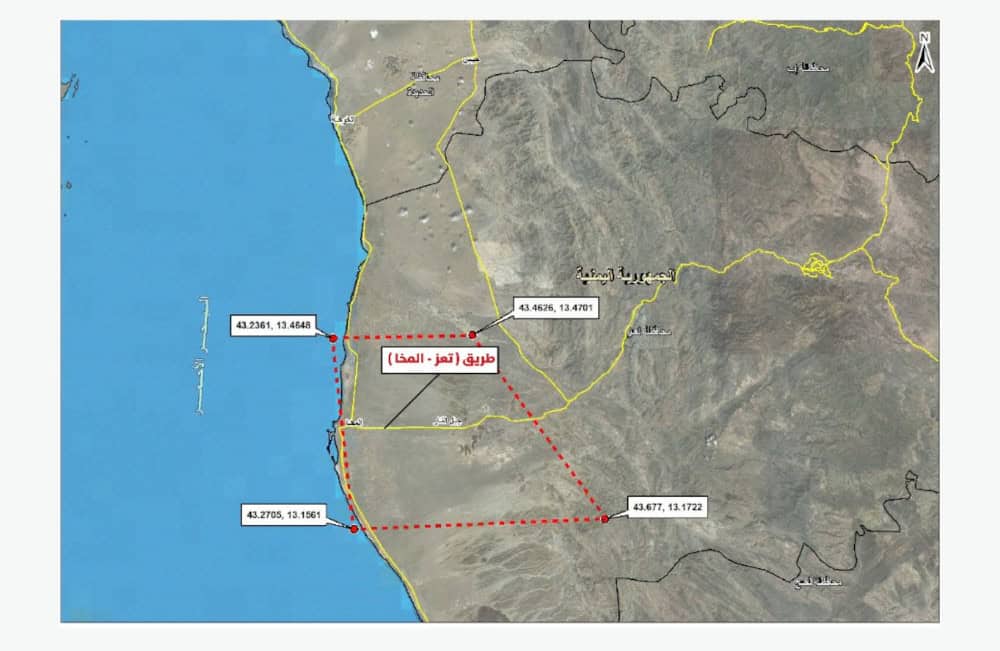
Houthis take Yemen’s Red Sea coast and key Bab al Mandeb islands
After launching a significant campaign against forces of the internationally recognized government of Yemen on August 6, the Houthis seized the entirety of Yemen’s Red Sea coast and a strategic island in the Bab al Mandeb Strait by September 11. A counteroperation by the Yemeni Armed Forces is contesting key territory along the strait.
-
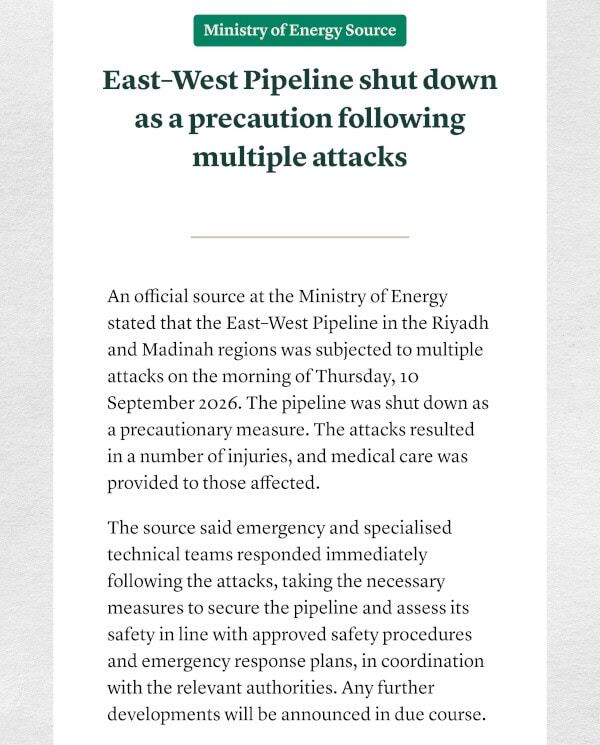
Saudi Arabia closes its East-West pipeline after attacks from Iraq
Riyadh announced the closure of its East-West Crude Oil Pipeline following drone attacks emanating from Iraq. The pipeline served as a critical oil export alternative to the Persian Gulf after the closure of the Strait of Hormuz.
-
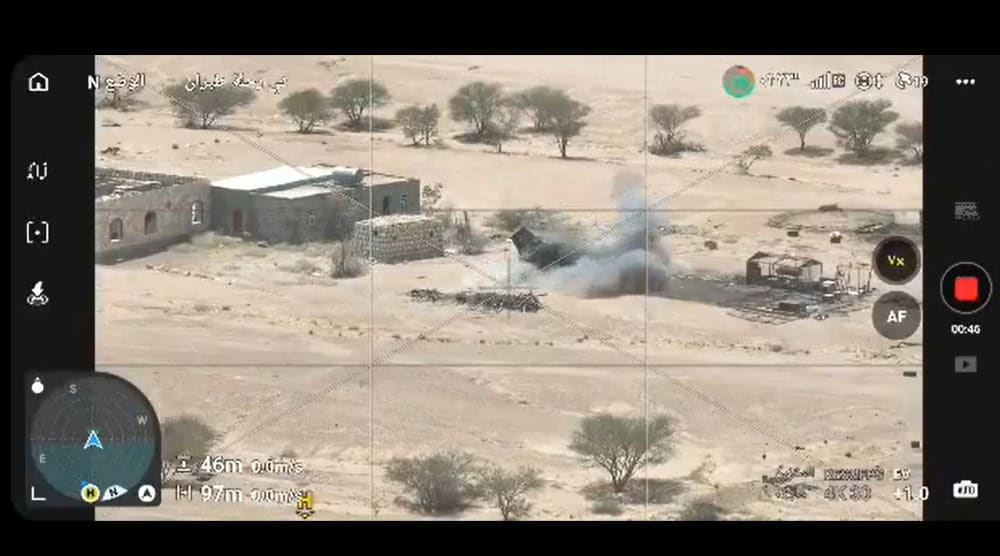
Fighting in Yemen escalates, raising concern of a return to civil war
The Houthis launched drone and missile attacks on Yemeni forces and civilian infrastructure across three of Yemen’s governorates on August 6. The attacks have escalated fighting in the country while the Iran-backed terror group is simultaneously targeting Saudi Arabia and ships in the Red Sea.
-
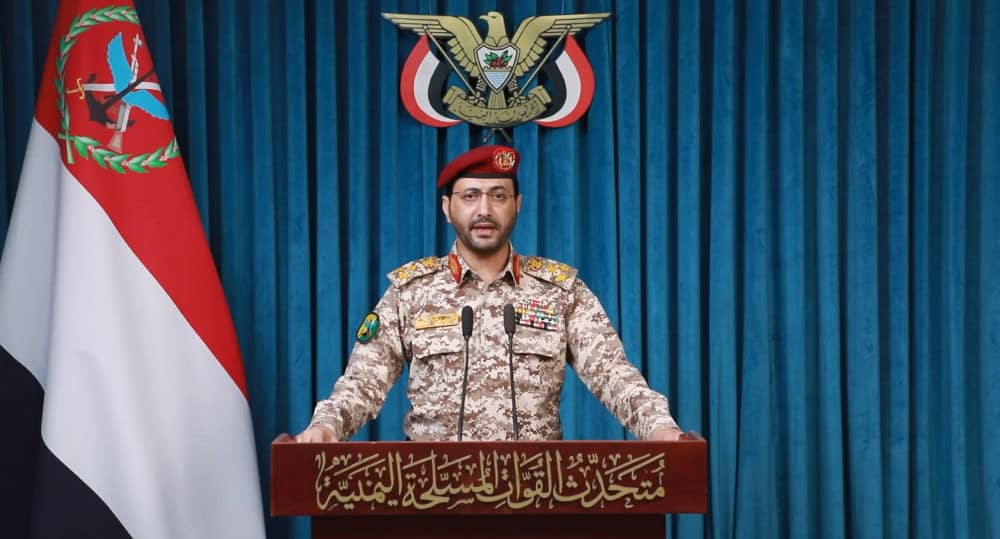
Houthis escalate attacks in Red Sea and on Saudi Arabia, Riyadh evaluates options
Yemen’s Houthis claimed attacks on eight Saudi-linked vessels as well as energy facilities and an airport to enforce its blockade of the kingdom. Saudi Arabia is reportedly pursuing a diplomatic path to de-escalate the conflict or military options if necessary.
-
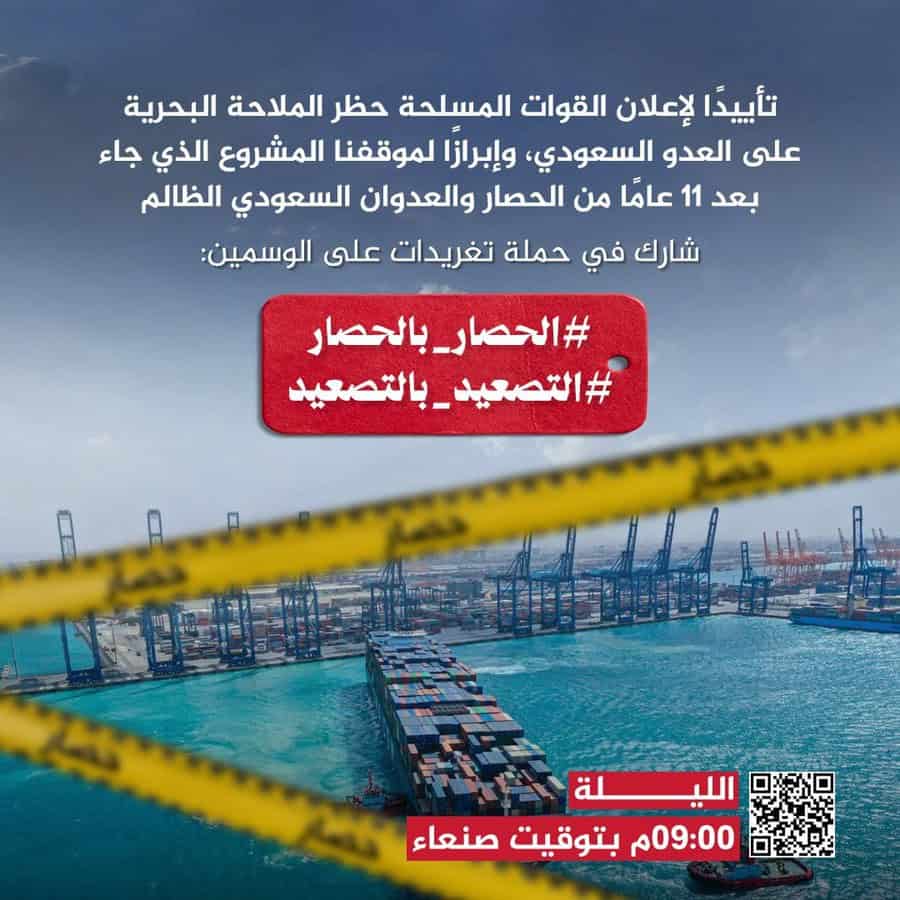
Houthis announce blockade of Saudi Arabia, ships reroute to avoid Bab al Mandeb Strait
The Houthis declared a complete maritime blockade of Saudi Arabia, claiming it is in response to blockades imposed by the Saudi-led coalition that supports Yemen’s internationally recognized government. Saudi Arabia denounced the blockade and said it will protect its ships, but multiple commercial vessels have rerouted to avoid the Bab al Mandeb Strait.
-

Iran reportedly tells Houthis to close Bab al Mandeb Strait if US strikes power grid
Reuters reported that Iran’s leaders instructed the Houthis in Yemen to close Bab al Mandeb Strait, the maritime chokepoint at the southern end of the Red Sea, if the United States strikes Iran’s power infrastructure. The Houthis are also focused on an escalatory cycle with Saudi Arabia that began after Iran and the Houthis attempted…
-
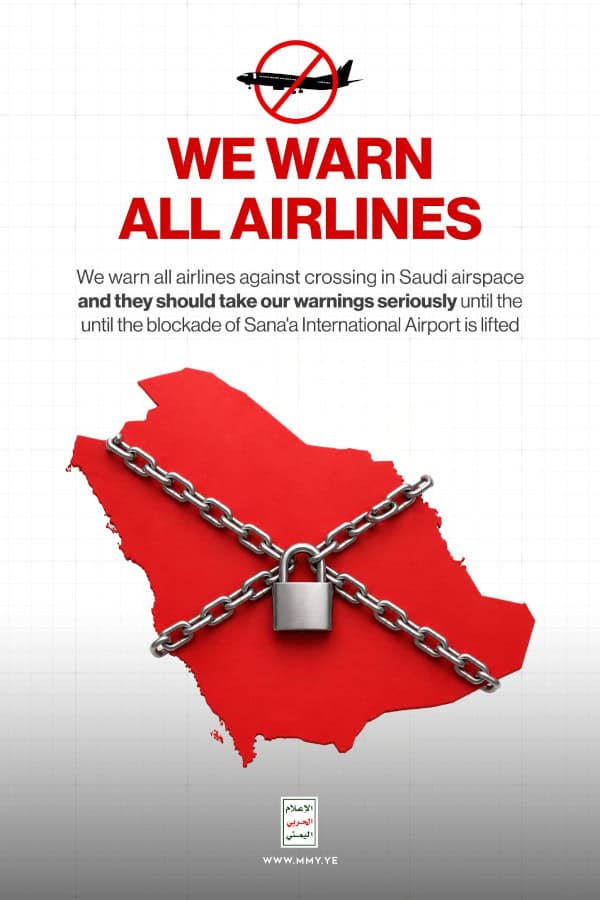
Saudi Arabia and Houthis trade attacks over restarting direct flights between Yemen and Iran
The Houthis and Iran attempted to resume direct flights between Tehran and Sanaa, the Houthi-controlled capital of Yemen, in early July. On July 14, Saudi Arabia struck Sanaa International Airport to prevent one such flight, prompting the Houthis to launch missiles at Saudi Arabia in response.
-
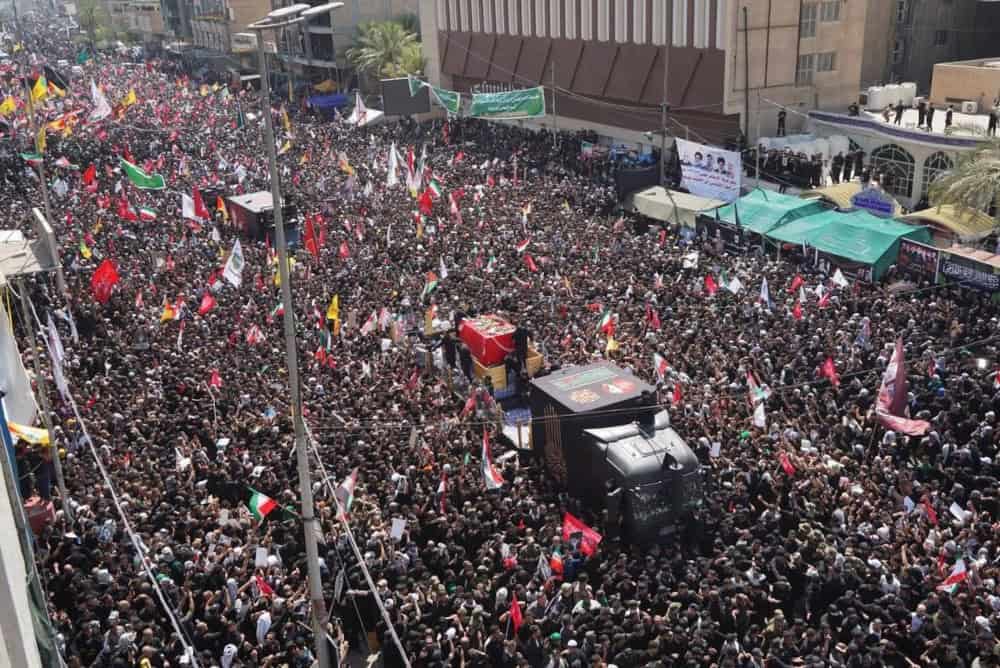
Body of slain Iranian leader Khamenei arrives in Iraq for Najaf and Karbala rites
Iraqi elites received the body of slain Iranian Supreme Leader Ali Khamenei as his funeral procession toured Iraq’s Shiite holy cities on July 8. Notably, Iraq’s top cleric did not say prayers or attend the ceremony due to stated health reasons.
-
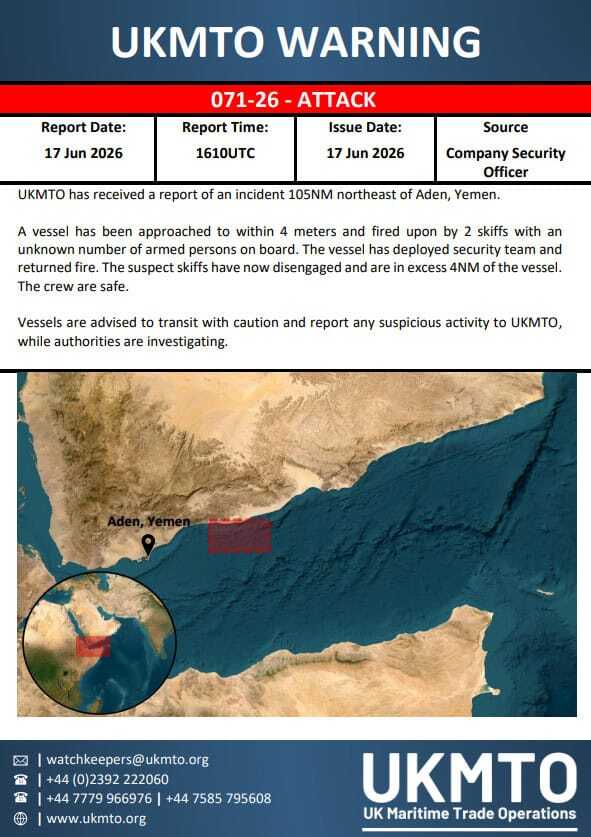
Pirate attacks on ships in the Gulf of Aden are on the rise
Since late April, armed attackers in small skiffs, using tactics consistent with pirates, have been attacking ships off Yemen’s southern coast and other waters around the Horn of Africa at a rate not seen since 2011, when piracy in the region was at its peak.
-

Houthis attack Israel and announce ban on Israeli vessels in the Red Sea
The Houthis in Yemen launched two missiles at Israel and declared a blockade of Israeli vessels in the Red Sea on Monday. The Iran-backed terror group conducted this attack during waves of Iran’s own missile attacks against Israel.
-

Houthis emphasize solidarity and coordination with Iran-led Axis of Resistance
The Houthis in Yemen reiterated support for their partners in the Iran-led Axis of Resistance, singling out Hezbollah in Lebanon and Hamas in Gaza. While leaving the door open to further involvement in the ongoing regional conflict, the group stopped short of saying it would join the fighting.
-
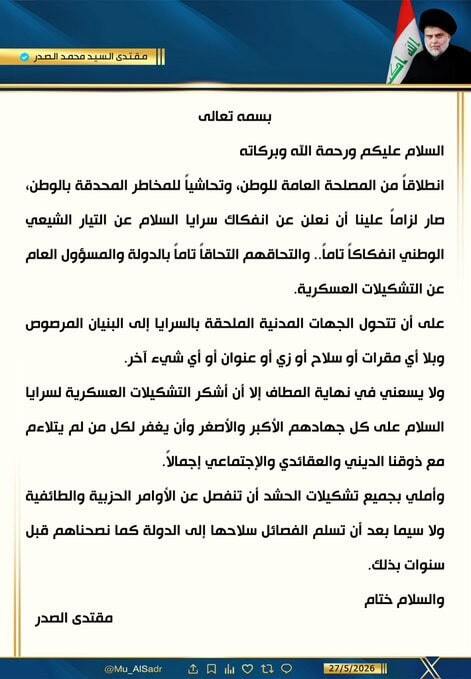
Muqtada al Sadr announces integration of his militia into the Iraqi state
Iraqi nationalist cleric Muqtada al Sadr announced that his militia, Saraya al Salam, will integrate into state security institutions. This development comes as Iraq’s new political leadership is navigating the issue of disarming Iran-backed militias.
-
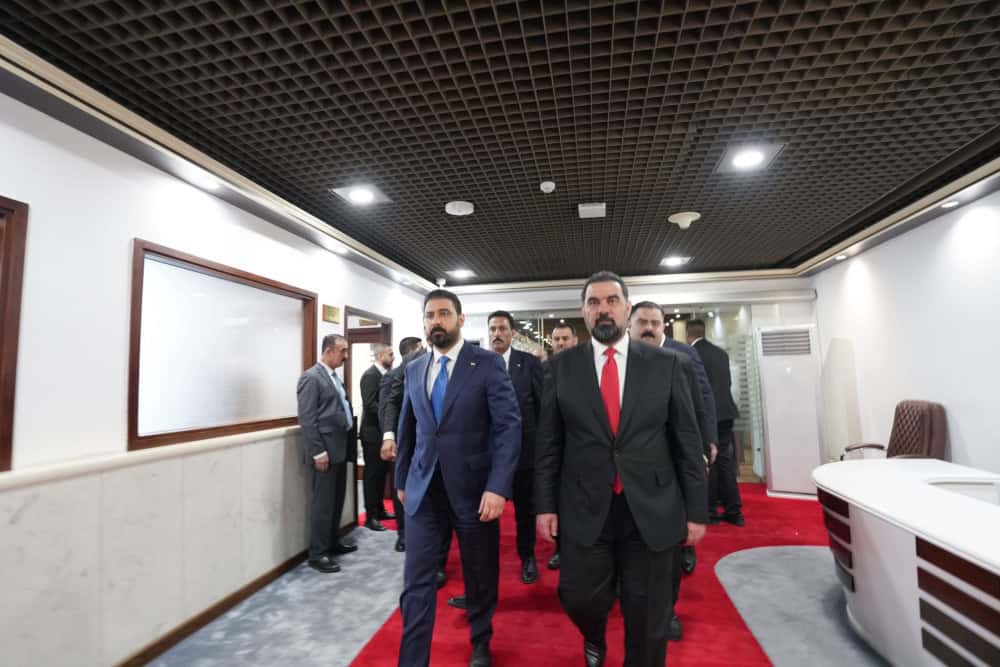
Iraq forms new government with only 14 of 23 ministers
Iraq’s parliament approved the new government six months after parliamentary elections in November 2025. Ali al Zaidi is now the prime minister, but key ministries remain unfilled amid disagreements between Tehran and Washington and their partners over the government’s formation.
-
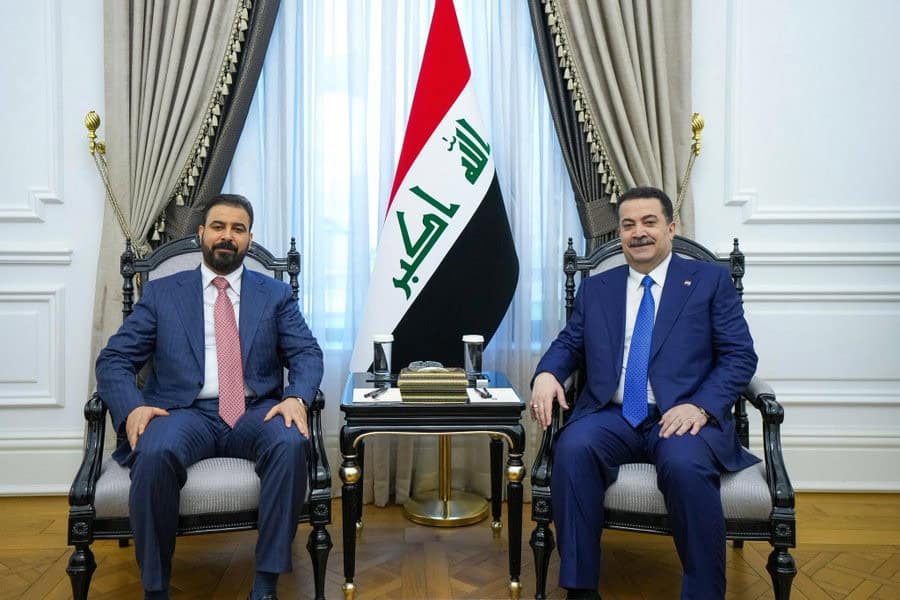
Iraq nominates little-known businessman to be next prime minister
After months of political deadlock, the Shiite parties that comprise Iraq’s largest parliamentary bloc named Ali al Zaidi as the country’s prime minister-designate. Zaidi, a businessman who has not previously held a government position or been publicly affiliated with a specific party, now has 30 days to form a government.
-

Houthis portray steadfast support for Iran, reportedly consider Red Sea toll
The Houthis have reiterated support for Iran despite their limited involvement in the Islamic Republic’s recent war with Israel and the United States. The Yemeni terrorist group is also reportedly weighing a toll for the safe transit of ships in the Red Sea, a move it has implemented before.
-

US Treasury designates 7 Iran-backed Iraqi militia commanders as terrorists
The US Treasury Department announced the designation of seven high-level members of Iran-backed Iraqi militias as Specially Designated Global Terrorists on April 17. Their organizations are previously US-designated terror groups that, operating under front groups, have conducted numerous attacks on the US presence in Iraq since the start of the war with Iran on February…
-

American journalist kidnapped in Baghdad by Iranian proxy
The Iran-backed terror group Kataib Hezbollah, an Iraqi Shiite militia, kidnapped American journalist Shelly Kittleson in downtown Baghdad on March 31. The US government had previously warned Kittleson of a threat against her and the group’s desire to kill or abduct journalists.
-
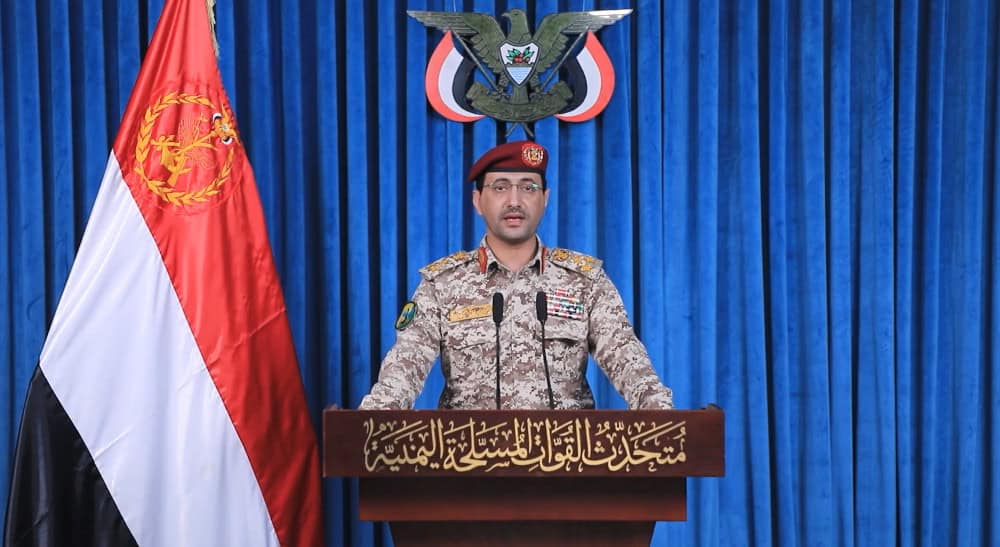
Yemen’s Houthis enter Iran war with drone and missile attacks on Israel
The Houthis launched missile and drone attacks against Israel, the first direct military action since the beginning of the US and Israeli campaign against Iran that began on February 28. The Iran-backed Yemeni terrorist group threatened to continue and expand attacks until a series of conditions it issued are met.
-
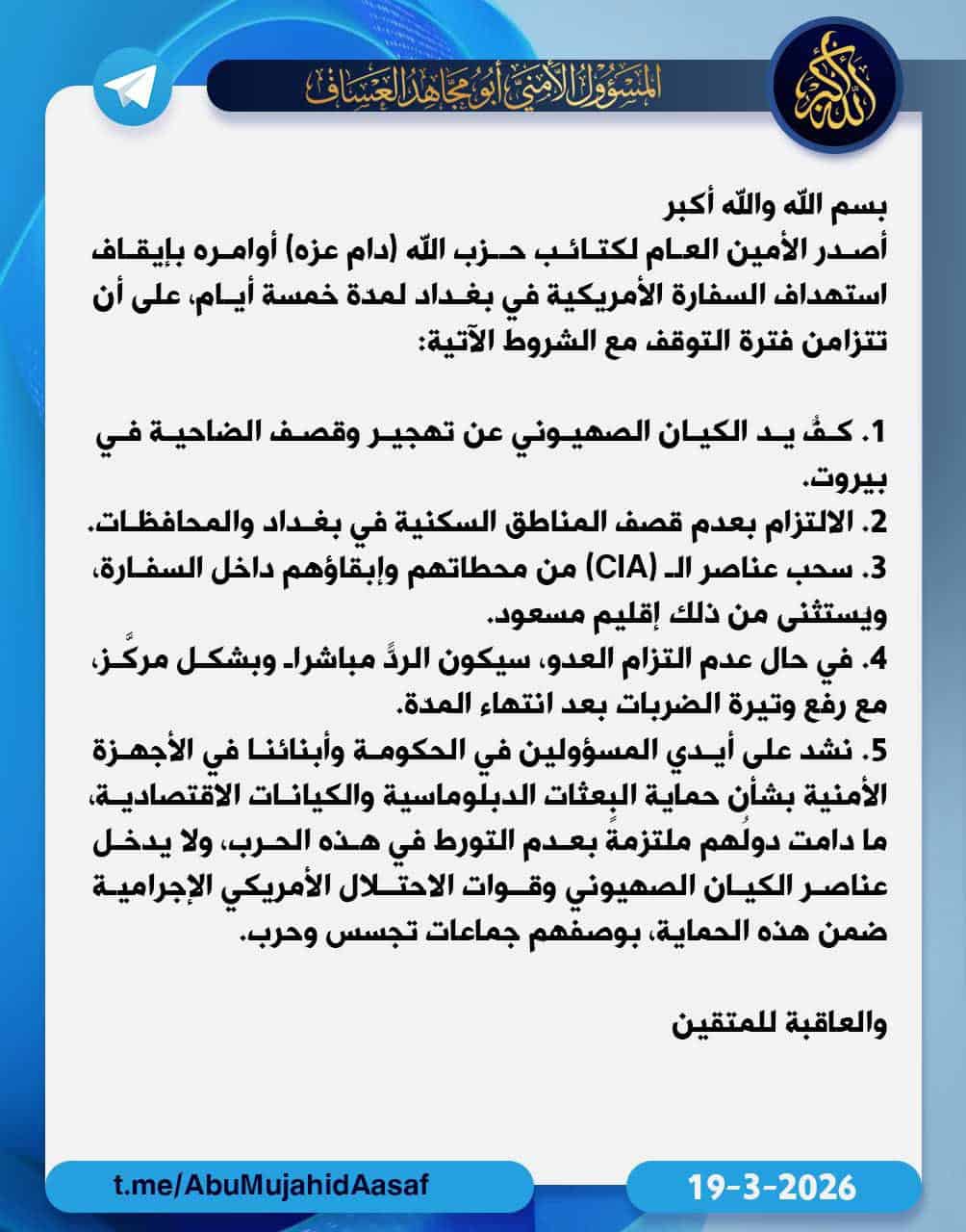
Strikes continue hitting Iran-backed Iraqi militias, Kataib Hezbollah declares temporary US embassy ceasefire
Unclaimed but likely American airstrikes have continued against Iran-backed Iraqi militias, with one strike reportedly killing a senior Kataib Hezbollah commander. The US and Kataib Hezbollah have subsequently agreed to a temporary, conditional pause in attacks on the US Embassy in Baghdad, though other hostilities in the country continue.
-
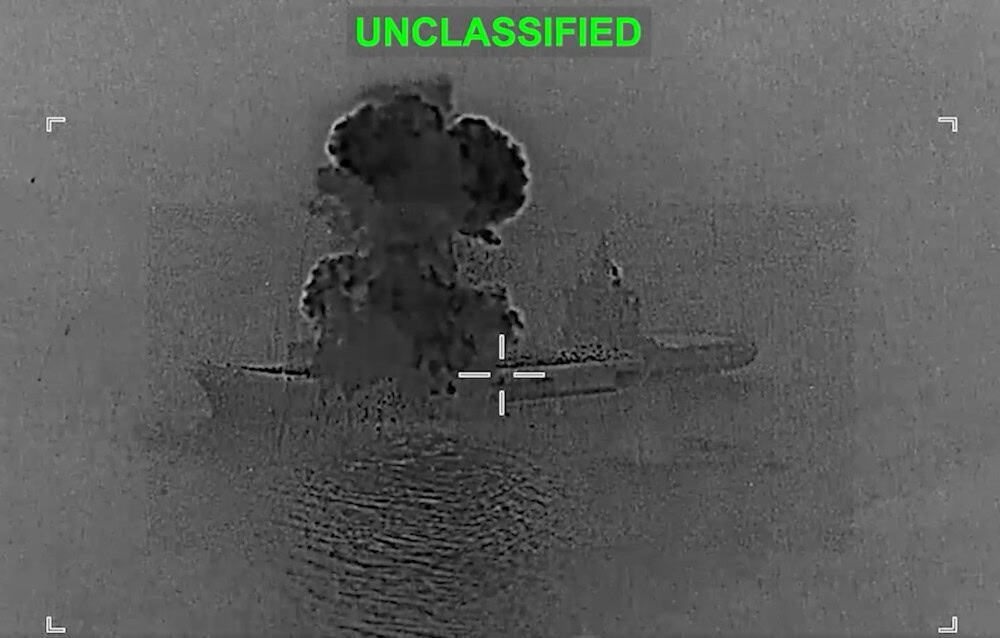
10 major Iranian naval targets struck in Operation Epic Fury
President Donald Trump has identified the Iranian navy as a major target in the US campaign against the Islamic Republic of Iran. US forces have struck a range of port infrastructure and key vessels to degrade its capability, destroying more than 100 vessels by March 16.
-

Dozens of airstrikes target Iran-backed militias across Iraq
The unclaimed airstrikes, likely conducted by the United States as part of US-Israeli operations against the Islamic Republic of Iran, have targeted several Tehran-allied militias in Iraq and reportedly caused significant casualties. The US has not commented on these operations, which include over 30 reported strikes on the groups, who continue to attack US forces…
-
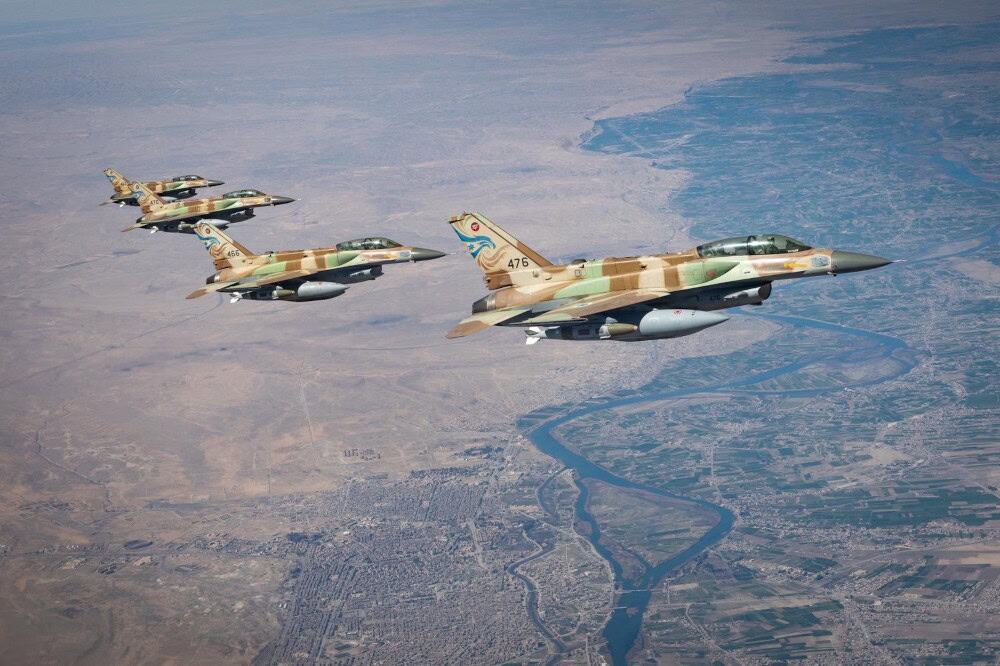
US and Israel establish air superiority, focus strikes on Iranian military sites and ‘regime pillars’ (March 4–5)
On March 4 and 5, the United States and Israel continued attacks against elements of the Islamic Republic’s military assets, including its missile and naval threat capacity, as well as its repression apparatus. The countries also declared air superiority over Iran and signaled the beginning of a new phase of the operation.
-
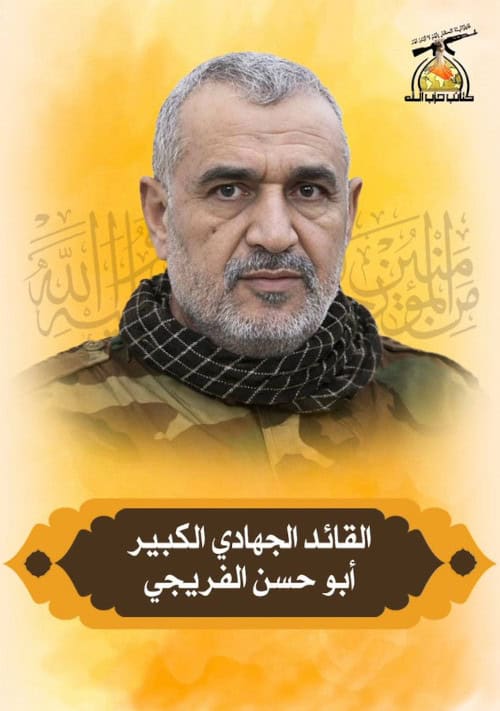
Iranian-backed militias continue attacks on US forces in Iraq
Iran-backed Iraqi militias claimed a series of drone and missile attacks against the “US presence” in the region on March 4 and 5, many targeting Iraqi Kurdistan, where significant American forces are located. US and Israeli forces are also likely operating against the Tehran-allied militias in Iraq, as both the militias and official government sources…
-
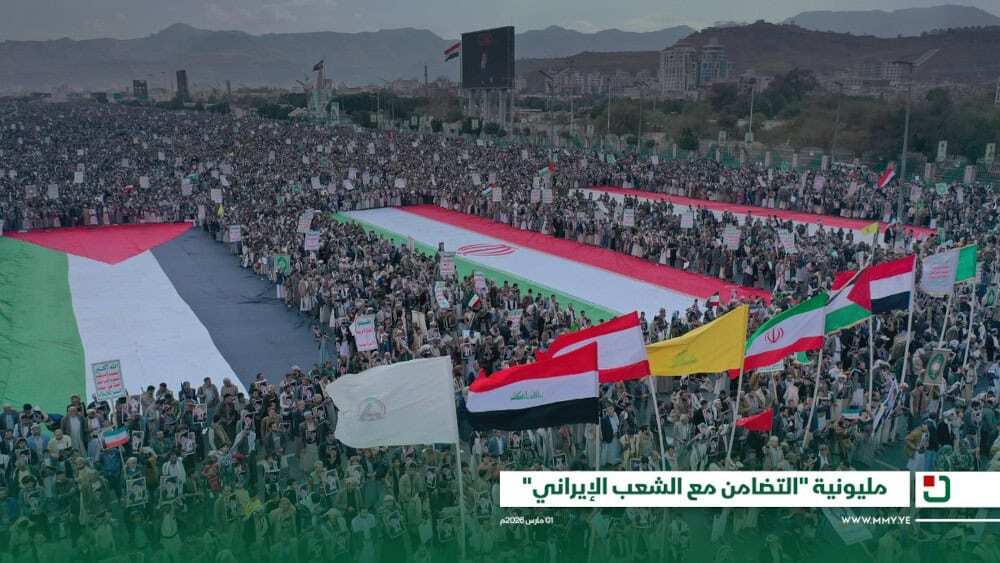
Iran’s regional partners spark protests across the Middle East and South Asia
Tehran’s partners and sympathizers have arranged protests across the region against the US-Israeli campaign against Iran, especially the killing of Iranian Supreme Leader Ali Khamenei. Some of the demonstrations have turned violent and present a danger to the local US diplomatic presence and civilians.
-
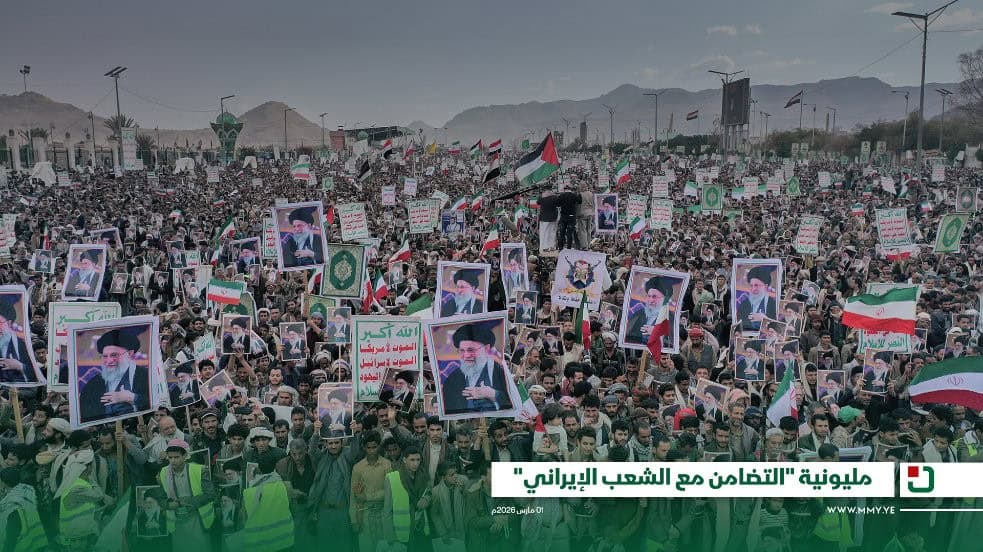
Houthis express solidarity with Iran but do not launch retaliatory attacks—yet
Houthi leader Abdulmalik al Houthi has delivered speeches in support of the Islamic Republic of Iran since the start of the US-Israeli military campaign, but he has not yet announced specific retaliatory military action. Instead, the Houthis have officially called for mass demonstrations and increased media activity in support of the regime. However, officials from…
-
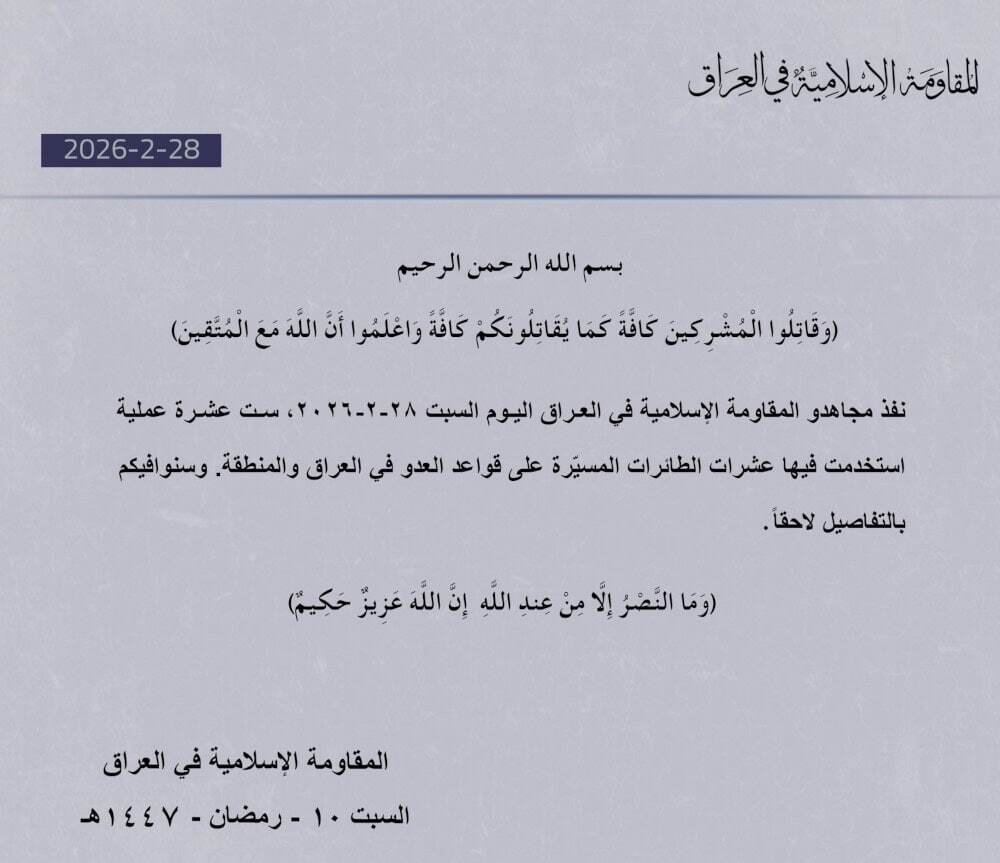
Iraqi Shiite militias join the war between Israel, the US, and Iran with drone attacks
The Islamic Resistance in Iraq (IRI), a coalition of Iran-backed Shiite militias, claimed over a dozen drone attacks against “enemy bases in Iraq and the region” and issued statements of support for the Tehran regime in retaliation for US and Israeli strikes on Iran. The groups are also responding to unclaimed airstrikes on Iraq that…
-
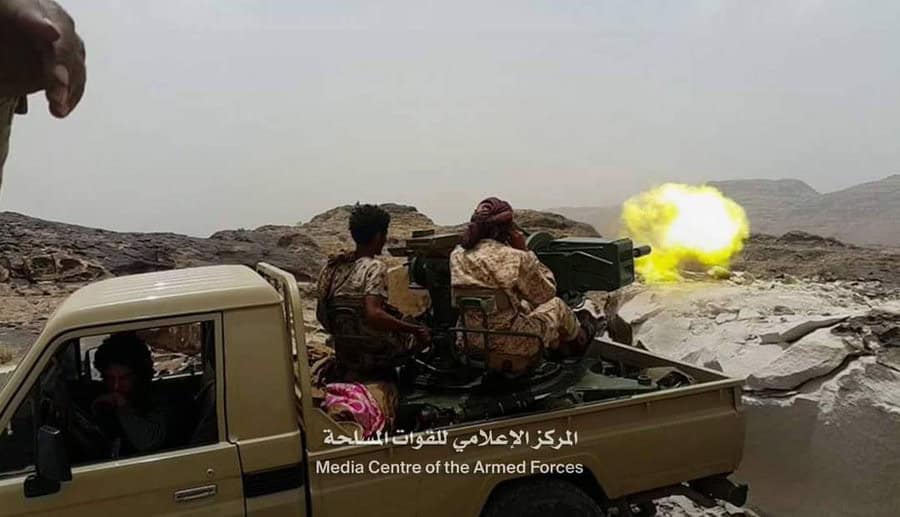
Houthis escalate attacks against Yemeni government-aligned forces
The Houthis have mobilized personnel and attacked opposition forces along important domestic frontlines in recent weeks. The Iran-backed terrorist group also appears to be preparing for an emergency, and it is uncertain if this effort is related to domestic activity or potential US strikes on Iran.
-
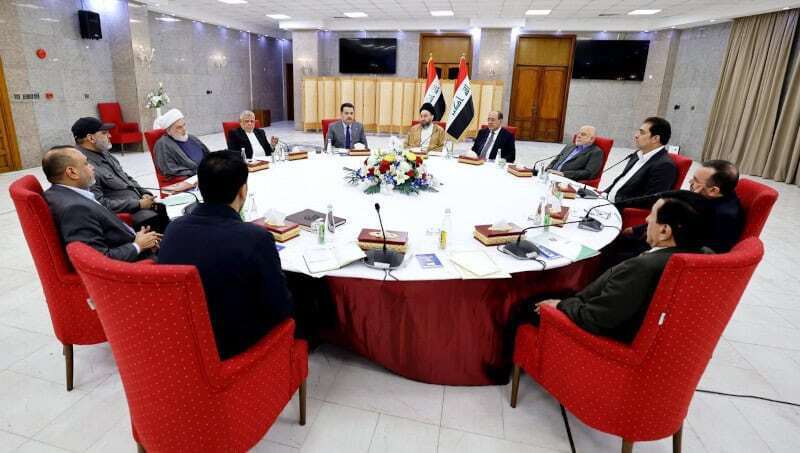
3 months after elections, Iraq still unable to form a government
Iraq’s Shiite leadership has chosen a candidate to lead the next government, but American objections have contributed to stalling the government-formation process. The country’s leaders may turn to creative solutions to navigate the impasse, including declaring the current government an extended caretaker government.
The Team
Meet the Team Behind the Vision
Our dedicated team combines diverse skills and shared passion to bring innovative solutions to life. Together, we collaborate, create, and strive to exceed expectations every day. Learn more about the people driving our mission forward.
Alex Johnson
Project Manager
Oversees project timelines and ensures seamless collaboration among team members to deliver results on schedule.
Alex Johnson
Project Manager
Oversees project timelines and ensures seamless collaboration among team members to deliver results on schedule.
Alex Johnson
Project Manager
Oversees project timelines and ensures seamless collaboration among team members to deliver results on schedule.