
-
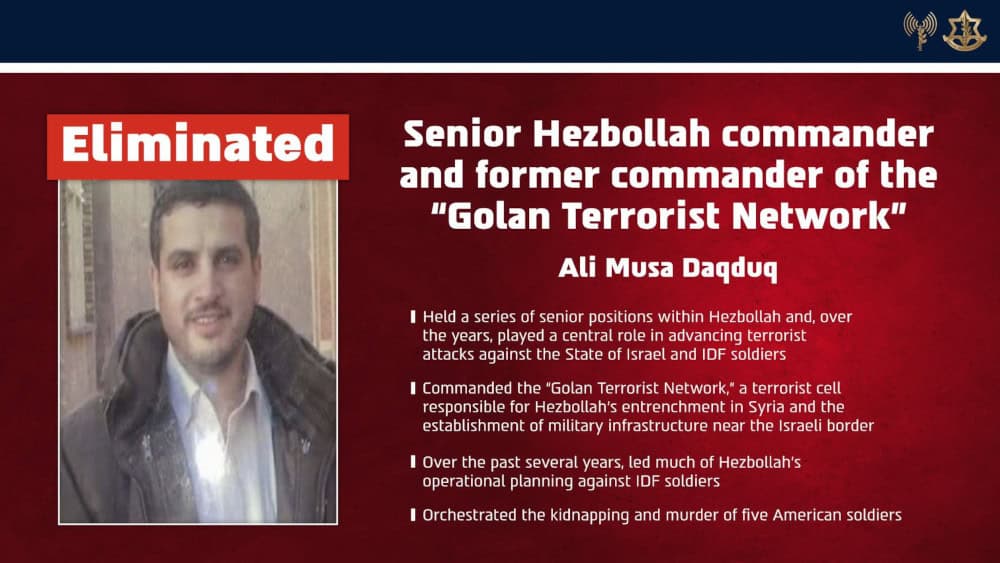
IDF confirms killing Hezbollah commander responsible for creating Iran-backed militias in Iraq
On June 14, the Israeli military confirmed that it killed Ali Mousa Daqduq, a wanted and dangerous Hezbollah military commander. Daqduq was a key architect of the Iranian-backed militias in Iraq and a top Hezbollah commander involved in leading attacks inside Israel. He was previously reported killed in the fall of 2024, but his death…
-
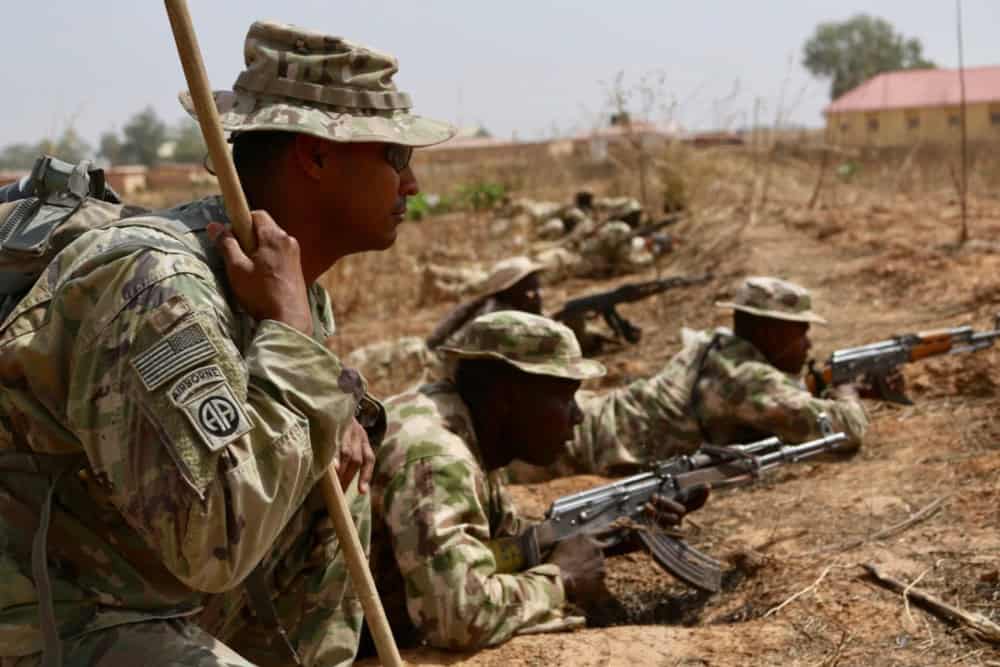
US, Nigerian forces kill senior Islamic State leader
The US military, “in coordination with the Armed Forces of Nigeria,” killed Abu Bilal al Minuki and several other senior Islamic State leaders in an operation in northeastern Nigeria. President Trump and US Africa Command described Minuki as the Islamic State’s second in command and director of global operations.
-
Generation Jihad | Iran’s nukes: Degraded but not dead
Iran’s nuclear program is in ruins, but the threat is far from dead. Deputy Director of FDD’s Non-Proliferation Program Andrea Stricker and Bill Roggio dive into the desperate gamble Tehran is making at the negotiating table with the US — and the terrifying chemical contingency they might be holding in reserve.
-
Generation Jihad | Gridlock at the Strait
The world’s most vital trade artery is under siege. As the US launches “Project Freedom” to break the Iranian blockade of the Strait of Hormuz, global shipping remains in a chokehold. This week, Bill Roggio sits down with shipping expert Sal Mercogliano to break down the stalemate, the dual blockade, and the massive economic ripple…
-
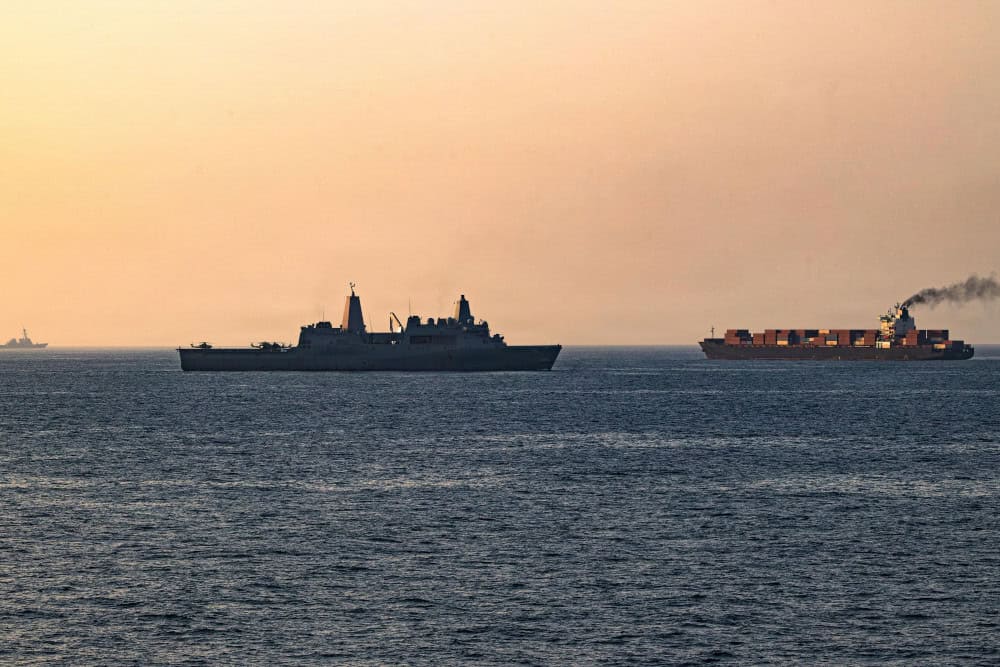
Iran claims strike on US warship as US attempts to reopen Strait of Hormuz
CENTCOM denied Iranian claims that a US warship was struck on the same day the US announced “Project Freedom,” an effort to “restore freedom of navigation for commercial shipping through the Strait of Hormuz.”
-
Generation Jihad | The Hormuz Shake(down)
Bill Roggio sits down with shipping expert Sal Mercogliano to break down Tehran’s latest act of war: turning the world’s most critical shipping chokepoint into leverage.
-
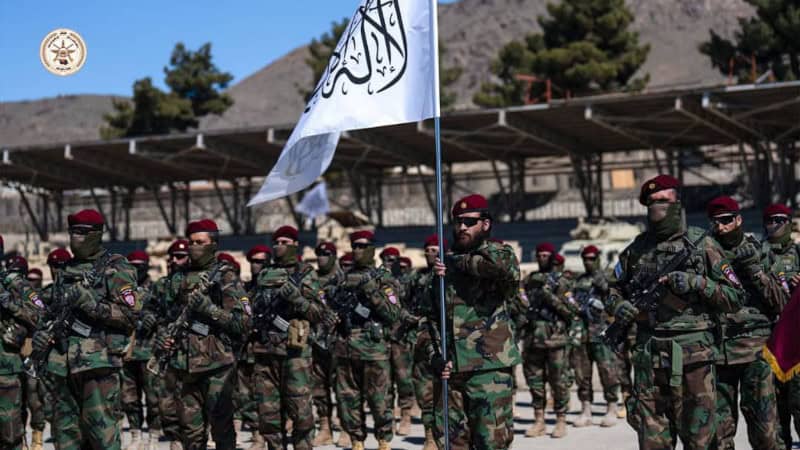
Pakistan, Afghan Taliban move toward ‘open war’ after fighting escalates
Last weekend, the Pakistani military targeted jihadi training camps in Afghanistan. After the Afghan Taliban, which shelters the terrorists, responded by attacking Pakistani military outposts, the Pakistani military launched Operation Righteous Fury on February 27, striking multiple targets throughout Afghanistan.
-
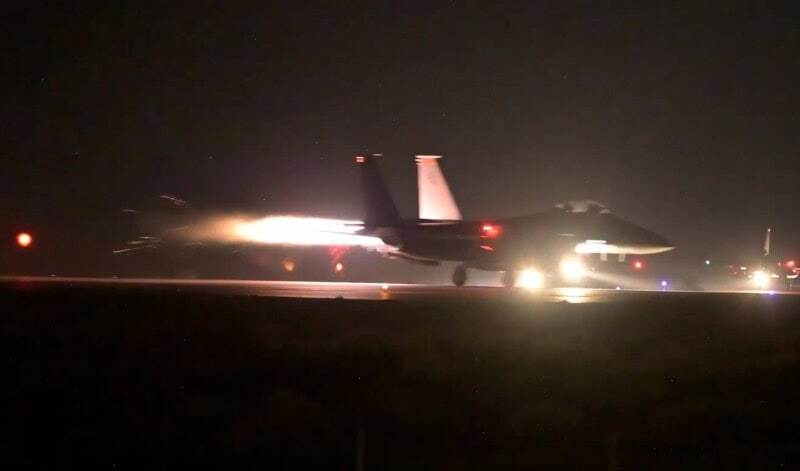
US airstrike kills Al Qaeda leader in Syria
The US military killed Al Qaeda leader Bilal Hasan al Jasim in an airstrike in Syria on January 16. US Central Command (CENTCOM) directly linked Jasim to the December 13, 2025, attack that killed two US soldiers and a civilian contractor in Syria. CENTCOM and the Al Qaeda-linked Syrian government have maintained that the December…
-
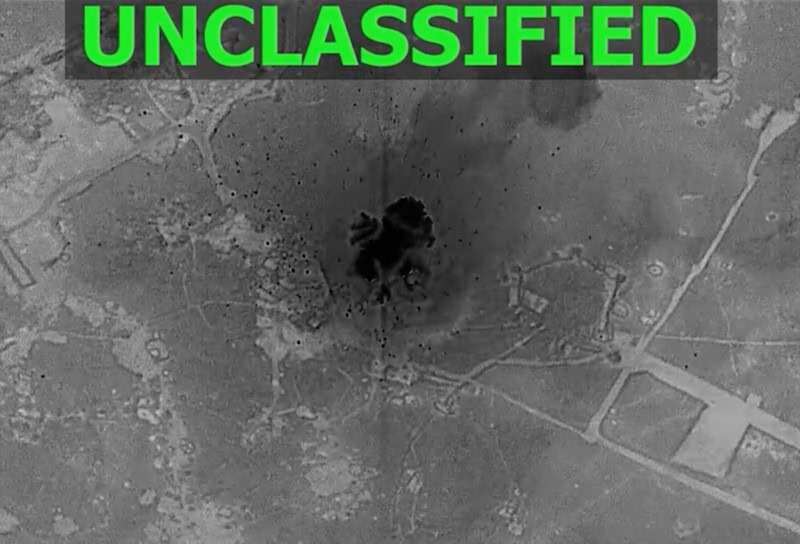
US military strikes Islamic State in Syria
US Central Command stated that the strikes were in “direct response to the deadly ISIS [Islamic State] attack on U.S. and Syrian forces in Palmyra, Syria, on Dec. 13, 2025.” However, the Islamic State has not claimed credit for that attack, which was carried out by a member of the Syrian security forces that are…
-
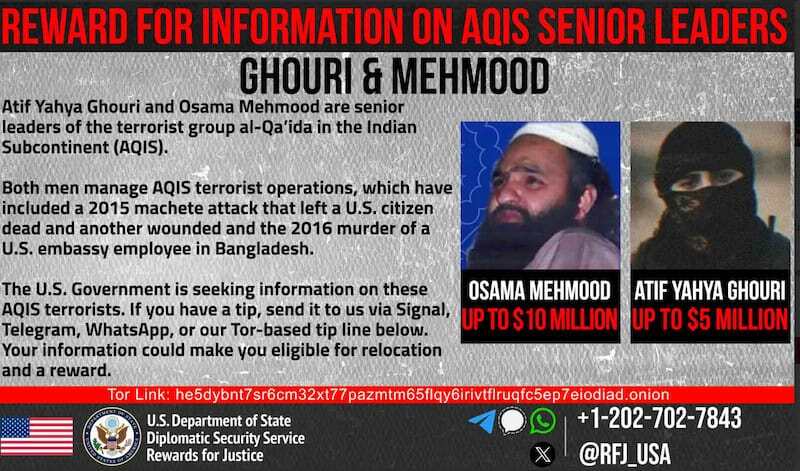
US offers $10 million reward for leader of Al Qaeda in the Indian Subcontinent
The Rewards for Justice program also offered a $5 million bounty for the deputy emir of AQIS. The two AQIS leaders are veterans of the jihad in South and Central Asia and have been instrumental in establishing Al Qaeda’s infrastructure in Afghanistan.
-
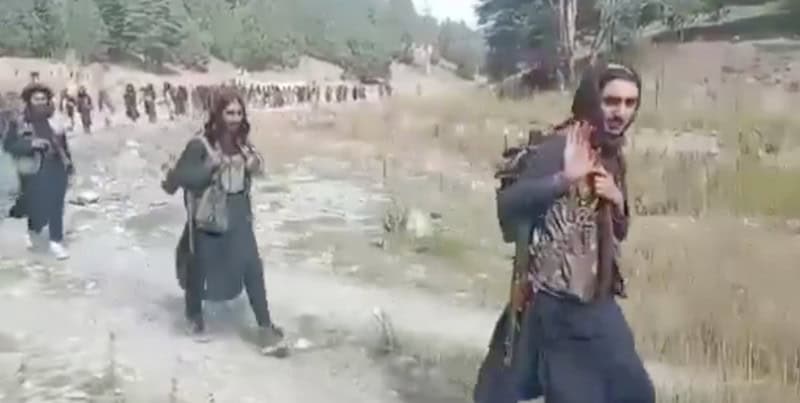
Terror attacks intensify in Pakistan as the TTP continues to operate from Afghanistan
The Movement of the Taliban in Pakistan (TTP) launched suicide operations outside of a courthouse in the Pakistani capital of Islamabad and at a military cadet college in South Waziristan. Pakistan continues to blame Fitna al Khwarij, an India-supported terror group that does not exist, for attacks that the TTP is carrying out.
-

Pakistan, Afghan Taliban agree to ceasefire after another clash along the border
Pakistan and the Afghan Taliban have entered into a ceasefire after accusing each other of another round of deadly fighting along their shared border, this time at the Afghan border crossing at Spin Boldak in Kandahar province. The Afghan Taliban’s support for the Movement of the Taliban in Pakistan (TTP) remains the main point of…
-
Afghan Taliban, Pakistani military clash along the border
The Afghan Taliban and the Pakistani military each heralded their operations as a success and claimed to have inflicted high casualties on the other’s forces. The Afghan Taliban’s support for the Movement of the Taliban in Pakistan (TTP) is creating fissures between the two allies.
-
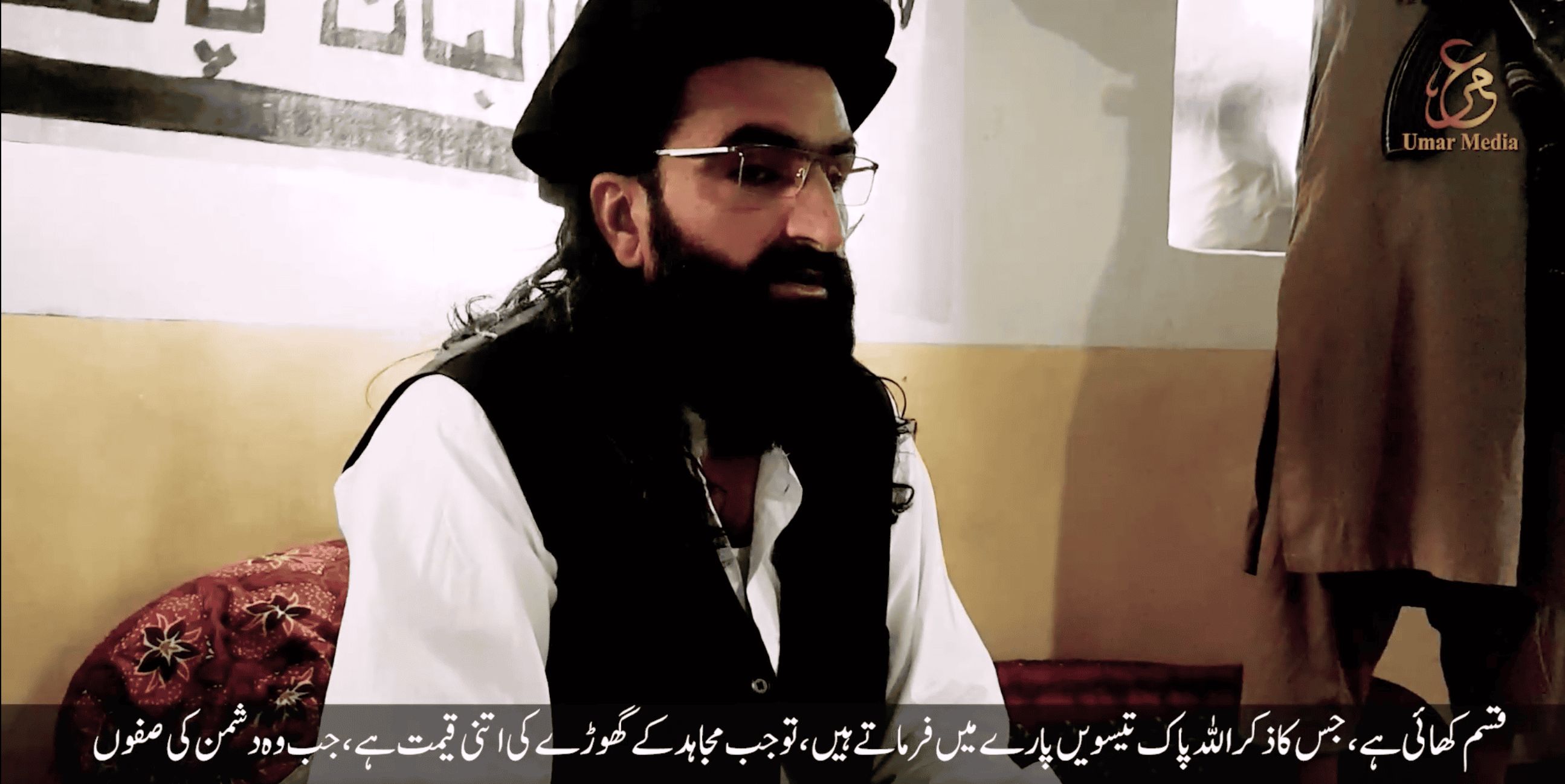
Pakistani Taliban leader thought to be targeted in airstrike on Afghan capital
Pakistan is thought to have carried out an airstrike in Kabul that targeted Movement of the Taliban in Pakistan (TTP) emir Noor Wali Mehsud. If Mehsud’s death is confirmed, he would be the second high-level foreign terrorist leader killed in Kabul since the US withdrawal from Afghanistan in August 2021. On July 31, 2022, the…
-
Analysis: Pakistan attempts to shift blame for TTP attacks toward India
Pakistani officials blamed an attack in the northwestern province of Khyber Pakhtunkhwa that killed 11 Pakistani soldiers on the “Indian Proxy, Fitna al Khwarij.” However, the accusation is an attempt to redirect the responsibility for violence toward India and mask Pakistan’s role in the formation of and support for the Afghan Taliban and its spinoff,…
-
US kills Al Qaeda-linked ‘attack planner’ in Syria
The US military killed Muhammad Abd al Wahhab al Ahmad, a “senior Al-Qaeda affiliated attack planner” who was a member of Ansar Islam. Ahmad was killed in Idlib province, the stronghold of the Syrian government, where Ansar Islam operates with the government’s approval.
-
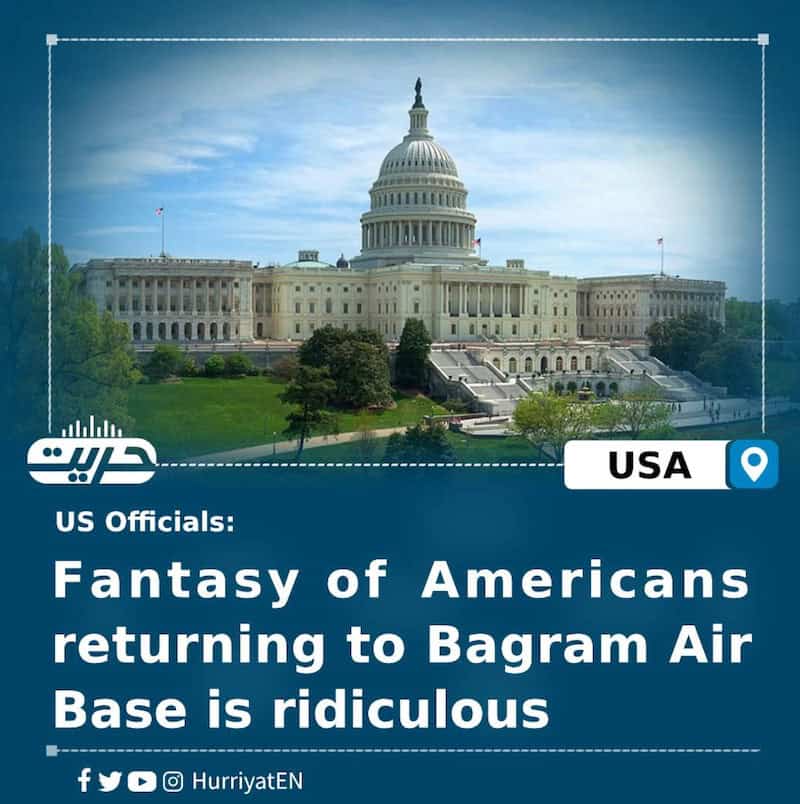
Taliban rejects US attempt to return to Afghanistan’s Bagram Air Base
After US President Donald Trump said that “we want that base back,” the Taliban quickly rejected US attempts to return to Bagram Air Base. The Taliban has been clear that it will not accept a return of US forces to Afghanistan.
-
US lists Pakistan-supported Resistance Front as Foreign Terrorist Organization
The US State Department added the Resistance Front to its list of Foreign Terrorist Organizations. The Resistance Front, a cover organization of the Pakistan-supported and Al Qaeda-allied Lashkar-e-Taiba terror group, claimed credit for the April 22 attack in the Indian union territory of Jammu and Kashmir that killed 26 tourists.
-
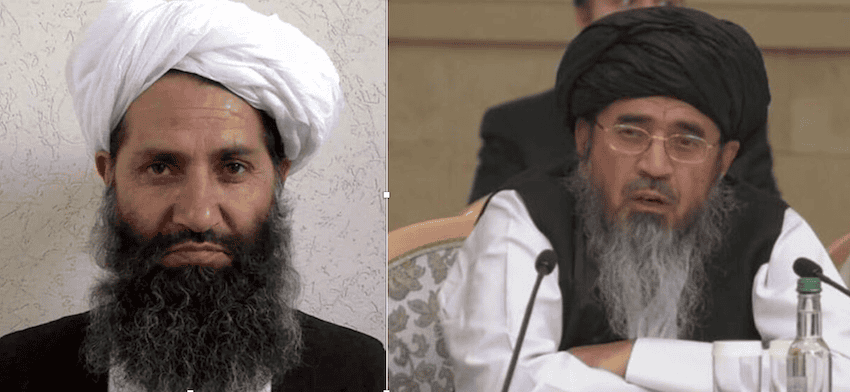
Taliban denounces International Criminal Court warrant for emir, chief justice
After the International Criminal Court issued arrest warrants for Taliban Emir Mullah Haibatullah Akhundzada and Chief Justice Abdul Hakim Haqqani for human rights abuses, the Taliban rejected the legitimacy of the court and described the action as an attack against Islam. Akhundzada and Haqqani have served in the Taliban’s harsh judicial system for four decades…
-
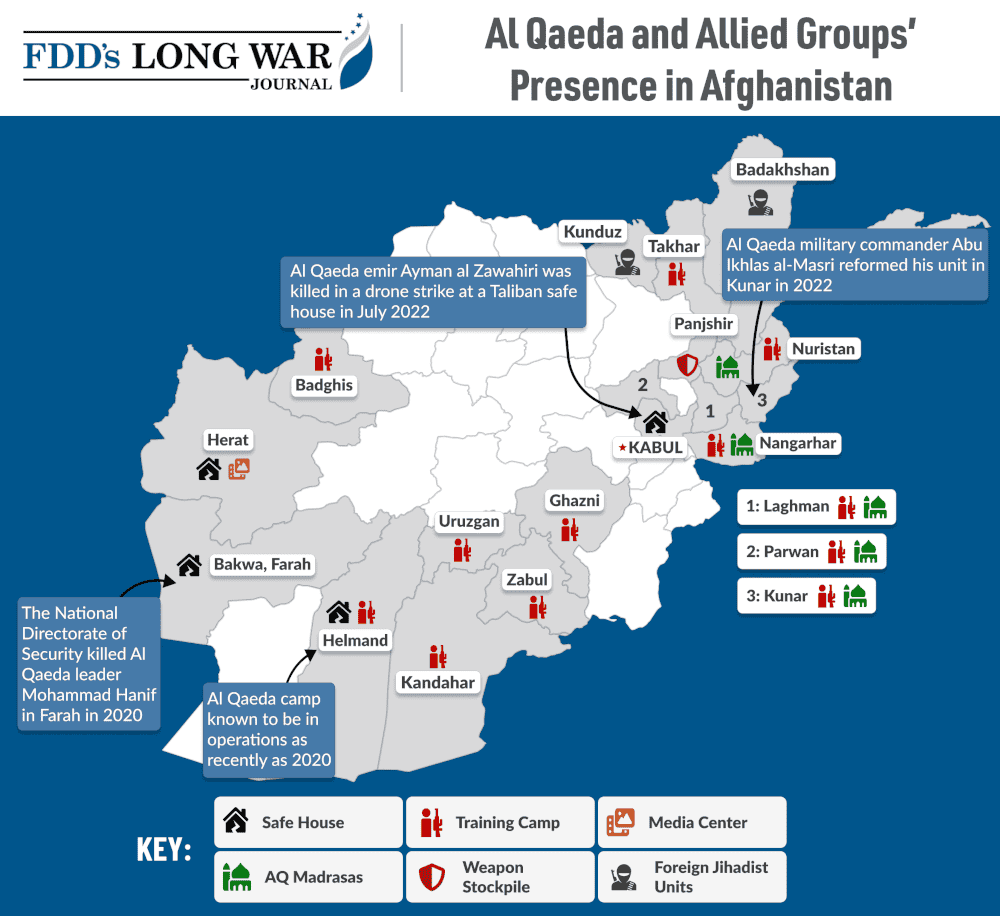
Taliban denies Afghanistan is a haven for terrorists
After US Congressman Bill Huizenga said, “Afghanistan has once again become a hotbed for terrorists looking for safe harbor,” the Taliban’s spokesman denied the presence of terrorist organizations despite evidence that Al Qaeda and other terror groups are operating in the country.
-
Generation Jihad | Damage Assessment: Iran’s Nuclear Program (featuring Andrea Stricker)
The US and Israel just hit Iran’s nuclear program hard — but how much damage did they really do? Bill is joined by his FDD colleague and nuclear expert Andrea Stricker to discuss what was destroyed, what might have survived, whether Tehran’s nuclear program is dead or just delayed — as well as the intelligence,…
-
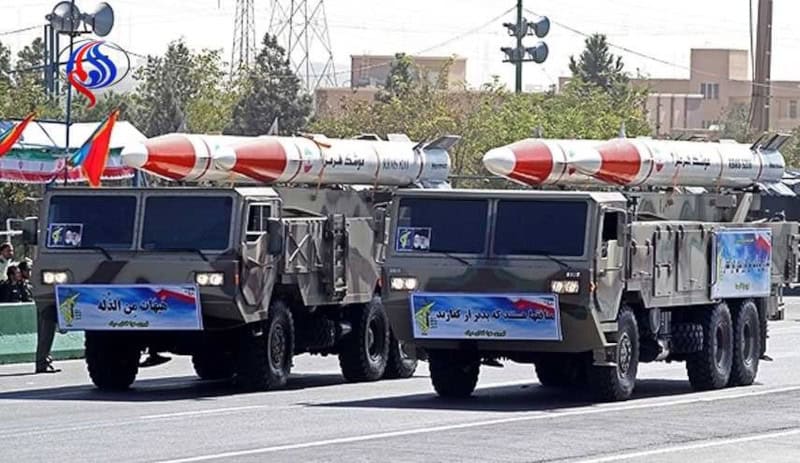
Analysis: Iran is severely weakened but remains a regional threat
In testimony to the Senate Armed Service Committee, incoming CENTCOM Commander Vice Admiral Charles B. Cooper II highlighted the nuclear, conventional, and asymmetrical threats posed by the Iranian regime. While Israel and the US focused their short campaign primarily on Iran’s nuclear program and ballistic missiles, large elements of Iran’s conventional assets survived unscathed.
-
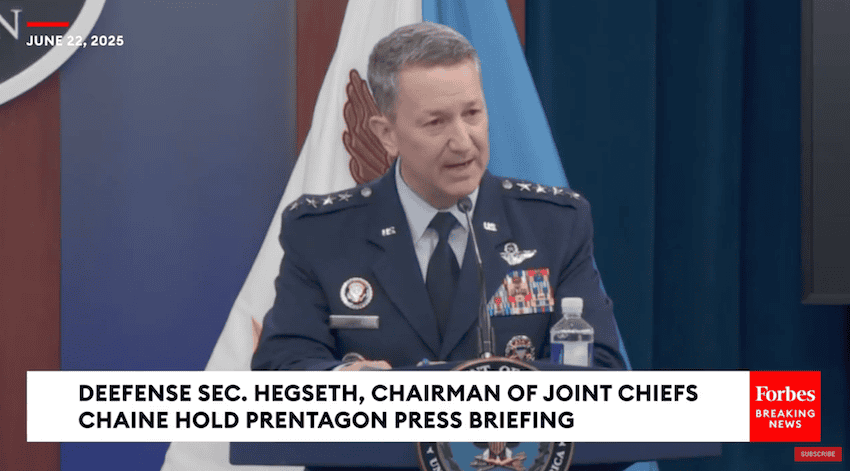
US strike inflicts “severe damage and destruction” on 3 Iranian nuclear facilities, CJCS Caine states
Operation Midnight Hammer, planned and practiced in near secrecy for several weeks, was “designed to severely degrade Iran’s nuclear weapons infrastructure,” Chairman of the Joint Chiefs of Staff General Dan Caine stated. The US Air Force hit the Iranian nuclear facilities at Fordow and Natanz with 14 Massive Ordnance Penetrators launched from B-2 bombers. Separately,…
-
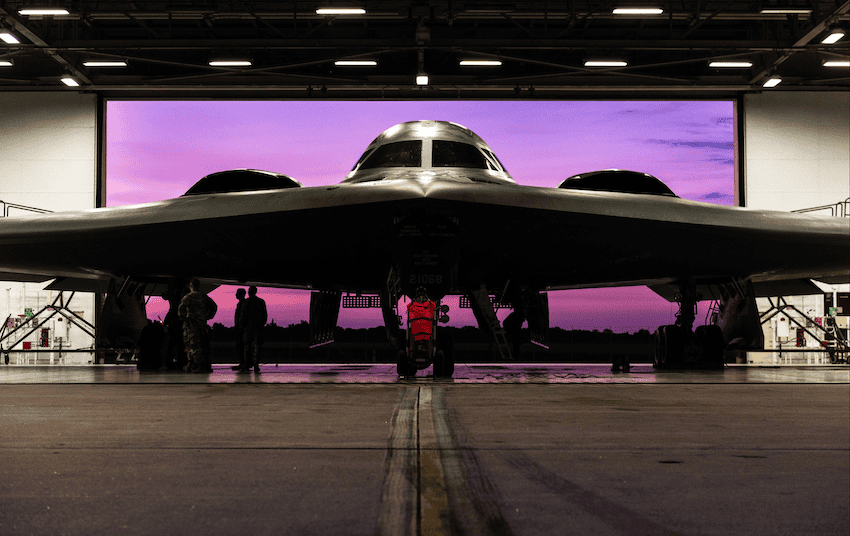
US strikes Iranian nuclear facilities
Just two days after US President Donald Trump said he would decide about striking Iran’s nuclear program within two weeks, US B-2 bombers hit Iranian nuclear facilities in Fordow, Natanz, and Esfahan. Attacking the hardened Fordow facility via air is a mission only the US Air Force could execute.
-
Taliban denounces Israeli strikes on Iran
The Taliban sided with Iran and condemned Israel’s attacks on Iran’s nuclear and military targets. Iran has a long history of supporting the Taliban since 9/11, and the Taliban appears to be returning the favor.
-
Iran-backed Shiite militias attack US forces based in Iraq
The Islamic Resistance of Iraq has carried out more than 180 such attacks against US forces in Iraq, Syria, and Jordan since October 7, 2023. The most recent attack risks drawing US forces into an offensive role in Israel’s war with Iran. Thus far, the US has attempted only to provide defensive support for Israel…
-
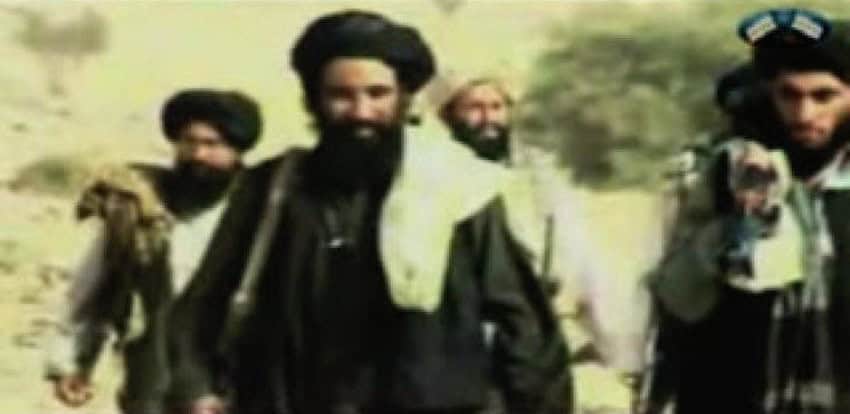
Taliban eulogize Mullah Mansour despite his role in hiding the death of Mullah Omar
The Taliban issued a glowing eulogy for Mullah Akhtar Mohammad Mansour, the group’s second emir, to mark the ninth anniversary of his death in a US airstrike. However, the group failed to address Mansour’s role in concealing the truth about the death of Mullah Omar, the group’s founder and first emir. This deception led to…
-

Taliban emir decries ‘Zionist assaults and acts of oppression’ in Gaza
Taliban Emir Mullah Haibatullah Akhundzada expressed his support for “the oppressed people of Palestine” while denouncing “Zionist assaults and acts of oppression.” In the past, the Taliban has praised Hamas’s fight against Israel and celebrated its brutal October 7, 2023 assault on the country.
-
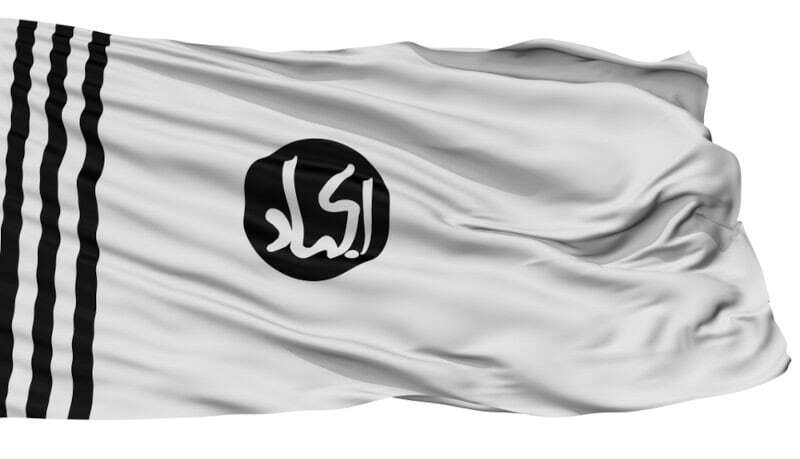
India claims Jaish-e-Mohammad leader killed during airstrikes in Pakistan
Abdul Rauf Azhar is said to have been killed in a strike on the Jaish-e-Mohammad compound in the Pakistani city of Bahawalpur. Azhar is listed by the US government as a Specially Designated Global Terrorist. Jaish-e-Mohammad has been implicated in numerous terror attacks in the region, including the kidnapping, murder, and beheading of Wall Street…
-
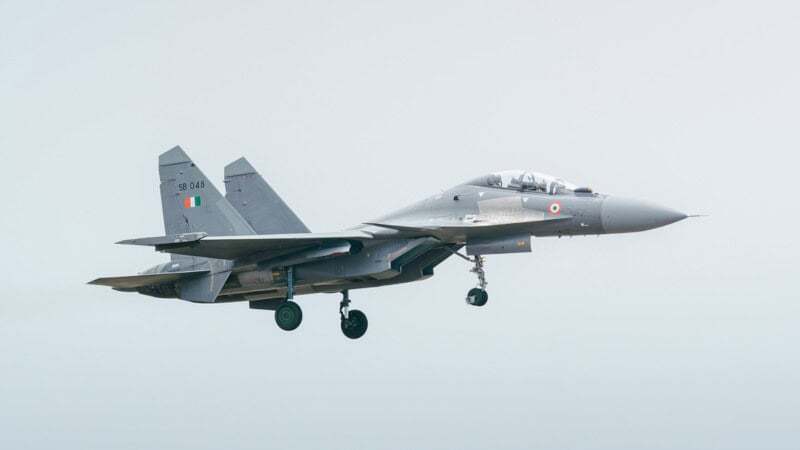
India and Pakistan exchange fire after Jammu and Kashmir terror attack
India targeted nine terrorist training camps at six different locations in Pakistan overnight. Afterward, the two countries exchanged artillery fire along the disputed Line of Control. While the risk of nuclear escalation is real, the two countries have stood down after similar incidents in the past.
The Team
Meet the Team Behind the Vision
Our dedicated team combines diverse skills and shared passion to bring innovative solutions to life. Together, we collaborate, create, and strive to exceed expectations every day. Learn more about the people driving our mission forward.
Alex Johnson
Project Manager
Oversees project timelines and ensures seamless collaboration among team members to deliver results on schedule.
Alex Johnson
Project Manager
Oversees project timelines and ensures seamless collaboration among team members to deliver results on schedule.
Alex Johnson
Project Manager
Oversees project timelines and ensures seamless collaboration among team members to deliver results on schedule.