
-
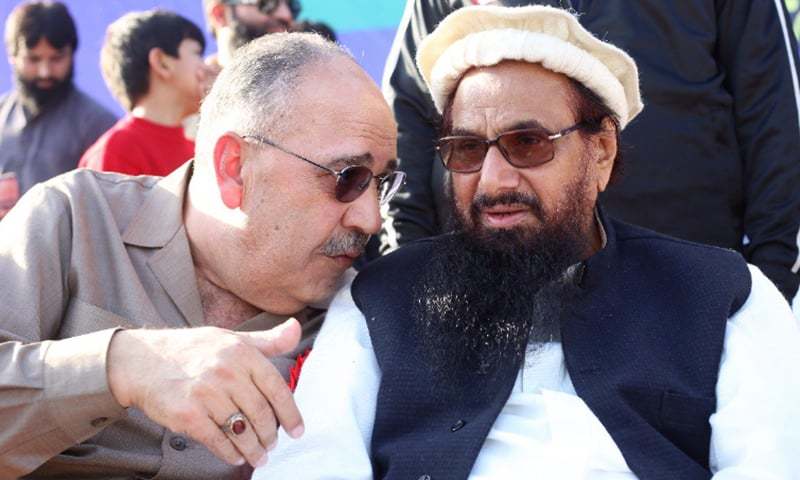
Lashkar-e Taiba front group claims responsibility for deadly terrorist attack in Jammu and Kashmir, India
The “Resistance Front” claimed credit for the April 22 attack in Jammu and Kashmir that killed 26 people. The group is a front for Lashkar-e-Taiba, the Al Qaeda-allied and Pakistani military- and government-supported terror organization that is entrenched inside Pakistan.
-
Generation Jihad | Trump’s Iran Gambit
Bill, Behnam, and Janatan dive into the high-stakes complexities of U.S.-Iran relations, unpacking President Trump’s dual-track approach of military readiness and diplomatic outreach to the Islamic Republic. They discuss Iran’s internal reactions to U.S. policy shifts, Saudi Arabia’s cautious recalibration toward Tehran, and intensifying military pressure on the Houthis.
-
Generation Jihad | No balance, much struggle: Power in the Middle East
Bill, David, and Ahmad deep dive into the volatile politics of the Middle East, from Jelani’s controversial role in Syria to sectarian tensions in Iraq and Hezbollah under pressure, the balance of power across the region is fragile.
-
Generation Jihad | Problems without peaceful solutions
Bill, David, and Joe break down the latest flashpoints across Lebanon, Israel, and Gaza—examining the fragile ceasefire in Lebanon, Israel’s evolving military operations and campaigns against Hezbollah and Hamas, the Lebanese government’s stalled efforts to disarm Hezbollah, and the growing discontent in Gaza as protests against Hamas intensify.
-

Conflict in Syria Continues
Ahmad Sharawi joins Bill for an update on Syria’s ongoing conflict, including: the recent Alawite insurgency against the government led by Abu Muhammad al-Jawlani, the role of jihadist groups and involvement of the Syrian National Army and Syrian Democratic Forces, Israel’s position on minority protection in Syria, and the feasibility of military action in the…
-
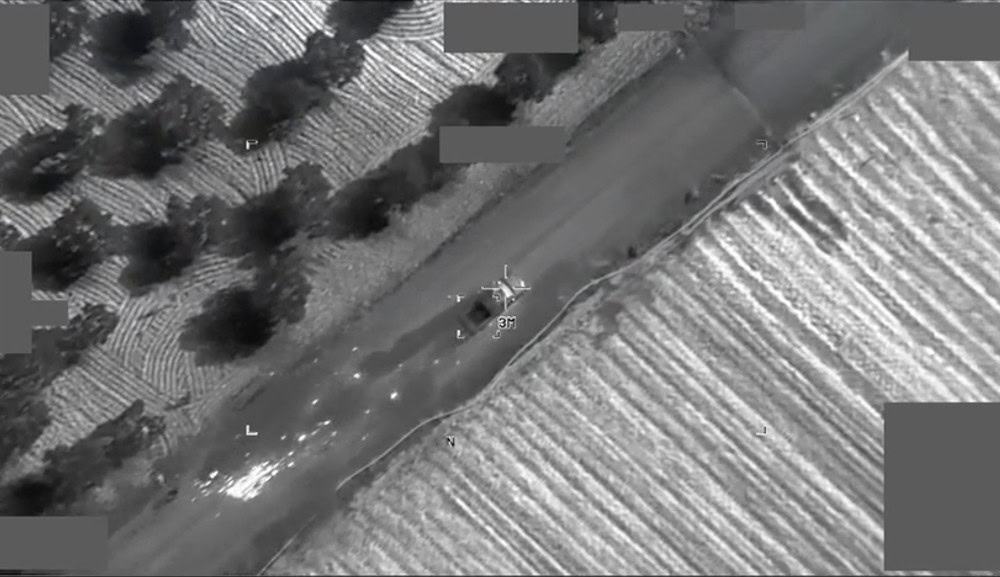
US kills Al Qaeda’s military commander for Syria
US Central Command killed the top military commander of Hurras al Din, Al Qaeda’s branch in Syria. The Trump administration has targeted Hurras al Din four times since taking office, indicating it is ramping up the pressure on the terror group and its allies.
-
US military kills Al Qaeda facilitator in Syria
A US airstrike killed Wasim Tahsin Bayraqdar, who US Central Command (CENTOM) identified as “a senior leadership facilitator” for Hurras al Din. The strike is the third against the Al Qaeda branch since President Donald Trump took office.
-
Status update on global jihad
Bill is joined by Caleb Weiss and Edmund Fitton-Brown to discuss the latest UN Sanctions Monitoring Team report on the Islamic State and Al-Qaeda that was released this week.
-
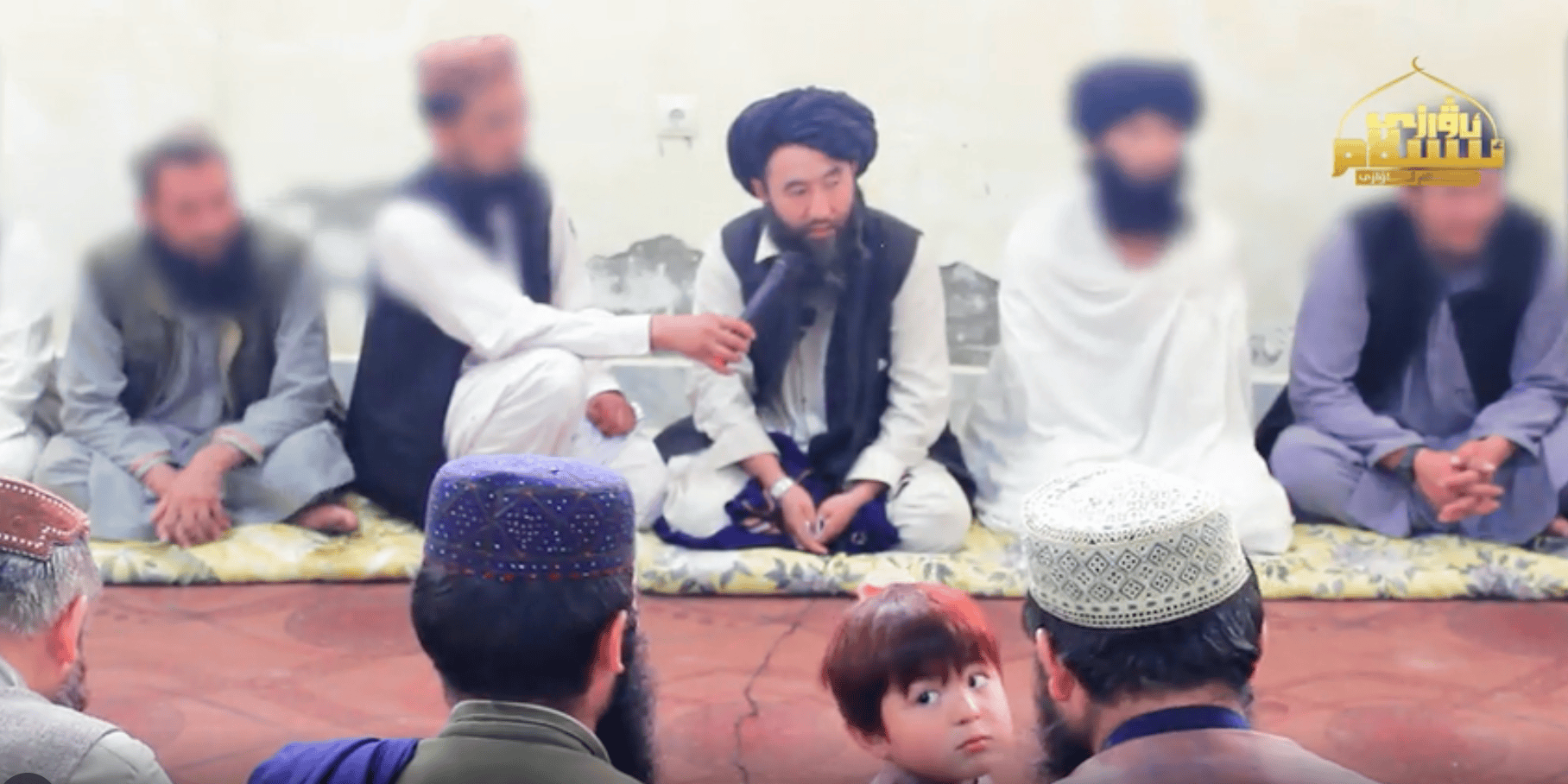
Turkistan Islamic Party leader directs Syrian fighters from Afghanistan
Abdul Haq al Turkistani currently operates from Kabul while directing his fighters in Syria. Haq’s presence in Afghanistan directly contradicts the Taliban’s claims that no foreign fighters operate or are based in the country and that Afghanistan isn’t a headquarters for terrorist groups.
-
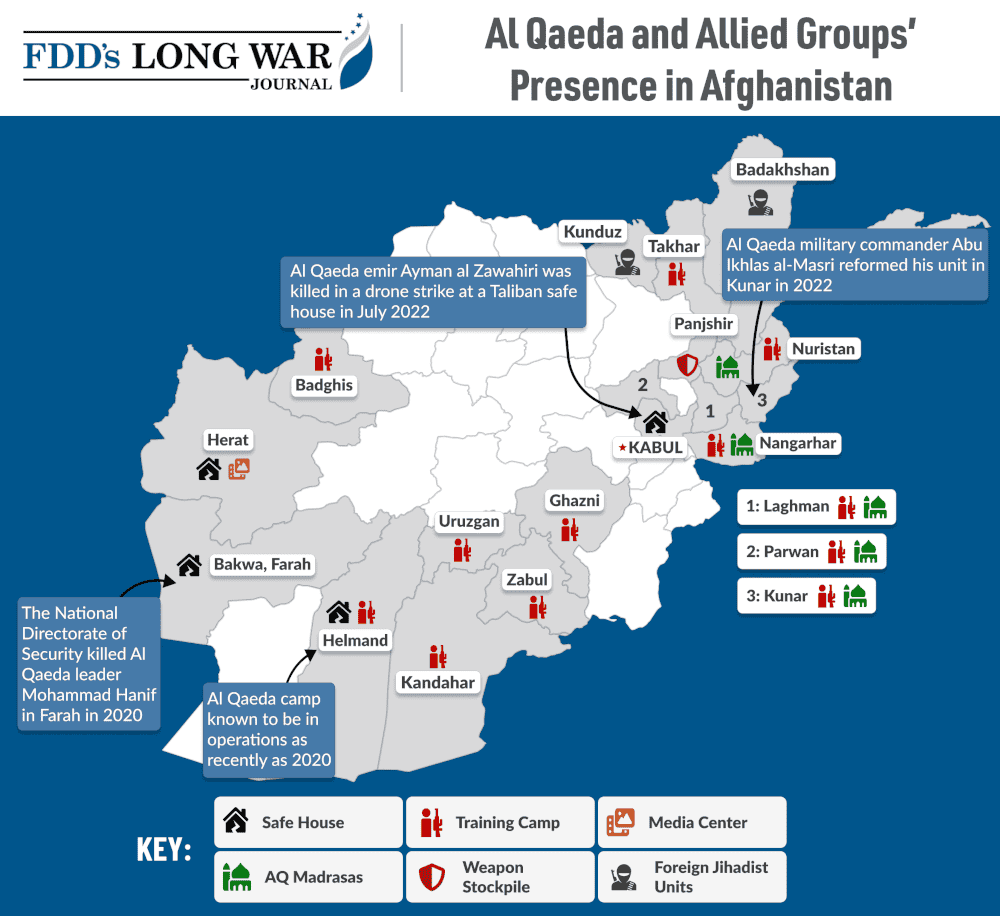
Pakistani and Tajik Taliban open training camps in Afghanistan
The Movement of the Taliban in Pakistan is operating training camps in four Afghan provinces, while Jamaat Ansarullah is operating camps in two more. Both groups continue to receive support from the Afghan Taliban and Al Qaeda.
-

US airstrike kills Al Qaeda operative in Syria
CENTCOM described Muhammad Salah al Zabir as “a senior operative in the terrorist organization Hurras al-Din.” The strike takes place less than two weeks after the Trump administration took office and may signal a change in policy toward Syria.
-

Trump administration re-designates Houthis as a Foreign Terrorist Organization
The Biden administration removed the Houthis from the list of Foreign Terrorist Organizations in 2021 and didn’t re-list the group despite over 15 months of missile and drone attacks on US naval forces, international shipping, and Israel. The Trump administration ordered re-listing the Houthis after two days in office.
-

Tehran’s pawns in Iraq
Bill is joined by show regular Edmund Fitton-Brown to discuss Edmund’s latest analysis for FDD’s Long War Journal: The role of Iraqi Shia militias as proxies in Iran’s Axis of Resistance.
-
Can Jon Schanzer make the hostage deal make sense?
Bill is joined by his FDD colleagues David Daoud and Jon Schanzer — who literally wrote the book on conflict in Gaza — to discuss the ceasefire and hostage deal that has just been reached between Israel and Hamas.
-
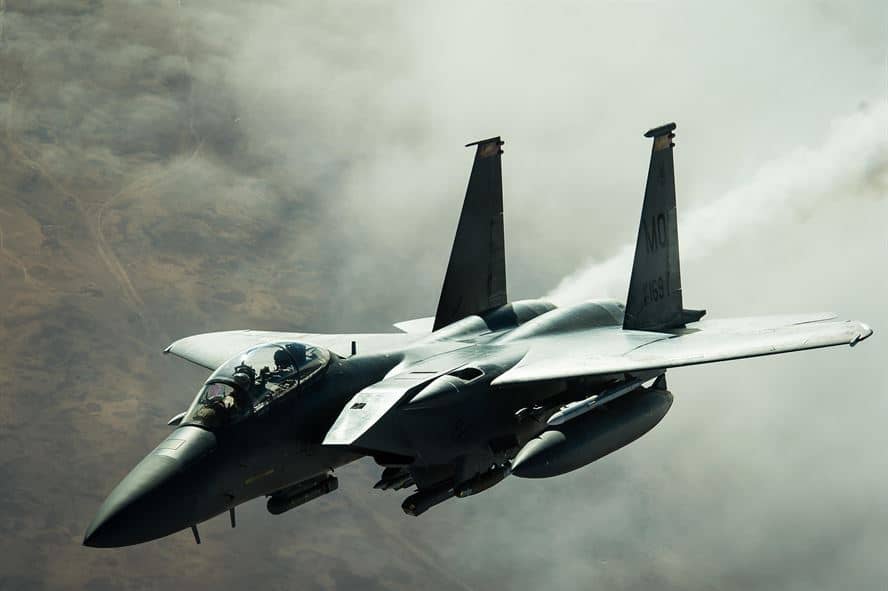
US continues to target the Islamic State in Iraq and Syria
The US military conducted a series of operations with “partner forces” in Iraq and Syria over the past week, part of a continuing effort to degrade the Islamic State and prevent it from filling the security vacuum left by the collapse of the Assad regime.
-
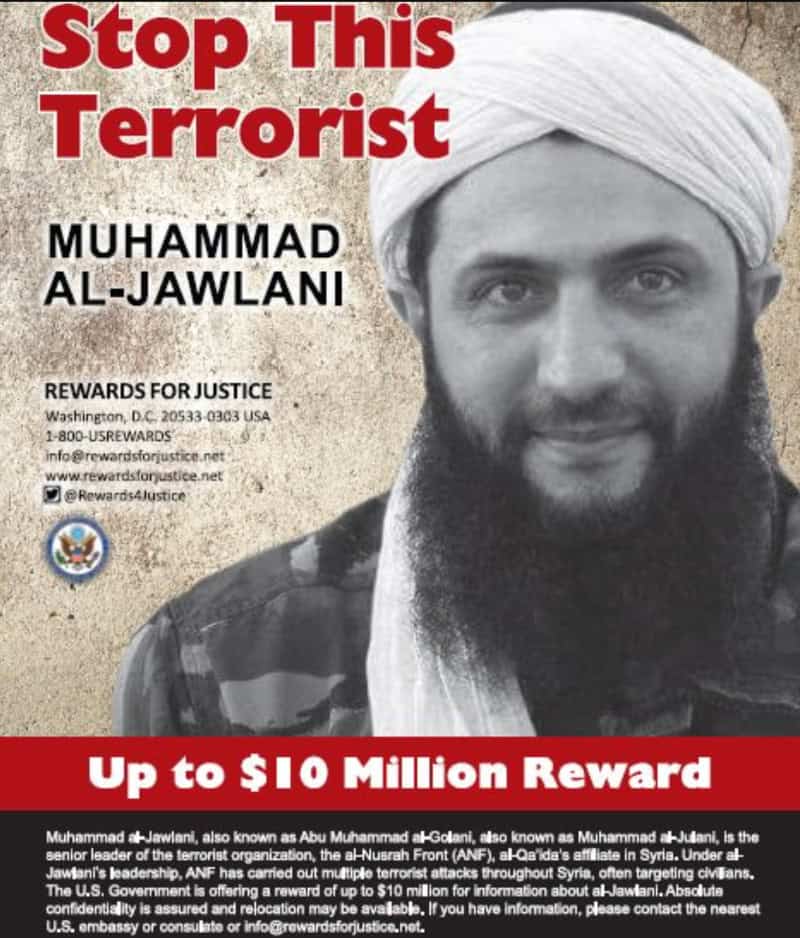
US removes $10 million reward for Hayat Tahrir al Sham leader
US Assistant Secretary of State for Near Eastern Affairs Barbara Leaf said the bounty was lifted on Abu Mohammad al Jolani because it would be “a little incoherent […] to have a bounty on the guy’s head” as she sat down to talk with him. The US government currently lists Jolani as a Specially Designated…
-
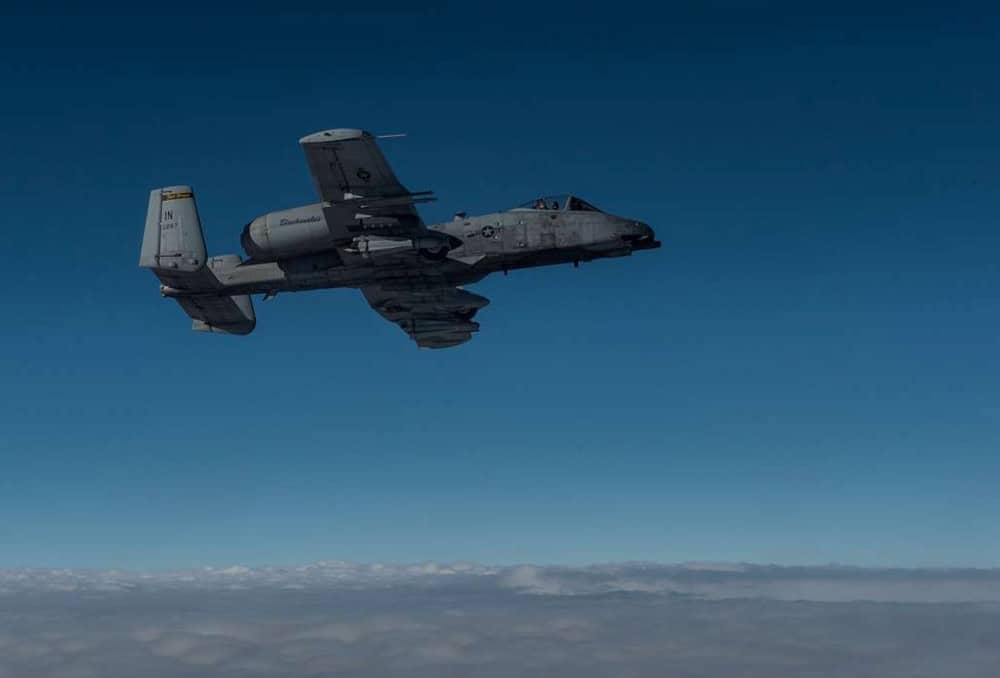
US military strikes Islamic State camps and personnel in central Syria
US Central Command continued to target the Islamic State’s network in Syria after the collapse of the Assad regime. Twelve Islamic State fighters were killed during an operation that also targeted terror camps.
-
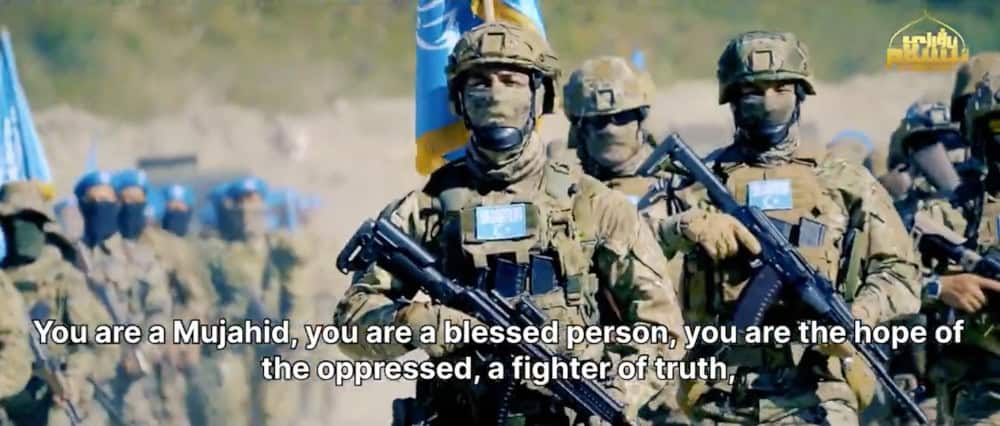
Turkistan Islamic Party uses video from Syria to encourage jihad in China
The Turkistan Islamic Party is an Al Qaeda branch that fights under the banner of Hayat Tahrir al Sham, the Salafist jihadist terror group that led the overthrow of the Assad regime and is forming a new Syrian government.
-
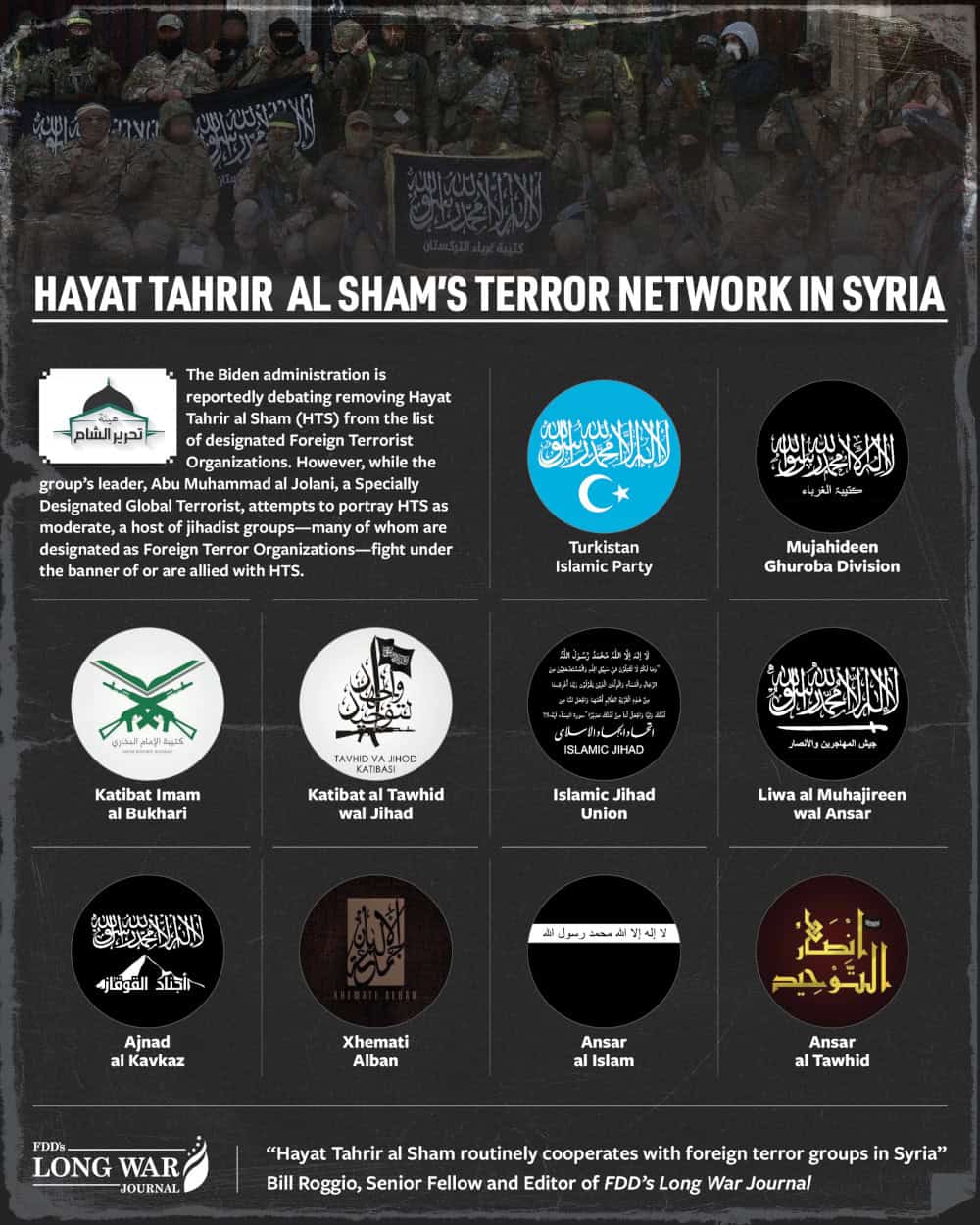
Hayat Tahrir al Sham’s terror network in Syria
The Biden administration is reportedly debating removing Hayat Tahrir al Sham (HTS) from the list of designated Foreign Terrorist Organizations. However, while the group’s leader, Abu Muhammad al Jolani, a Specially Designated Global Terrorist, attempts to portray HTS as moderate, a host of jihadist groups—many designated as Foreign Terror Organizations—fight under the banner of or…
-
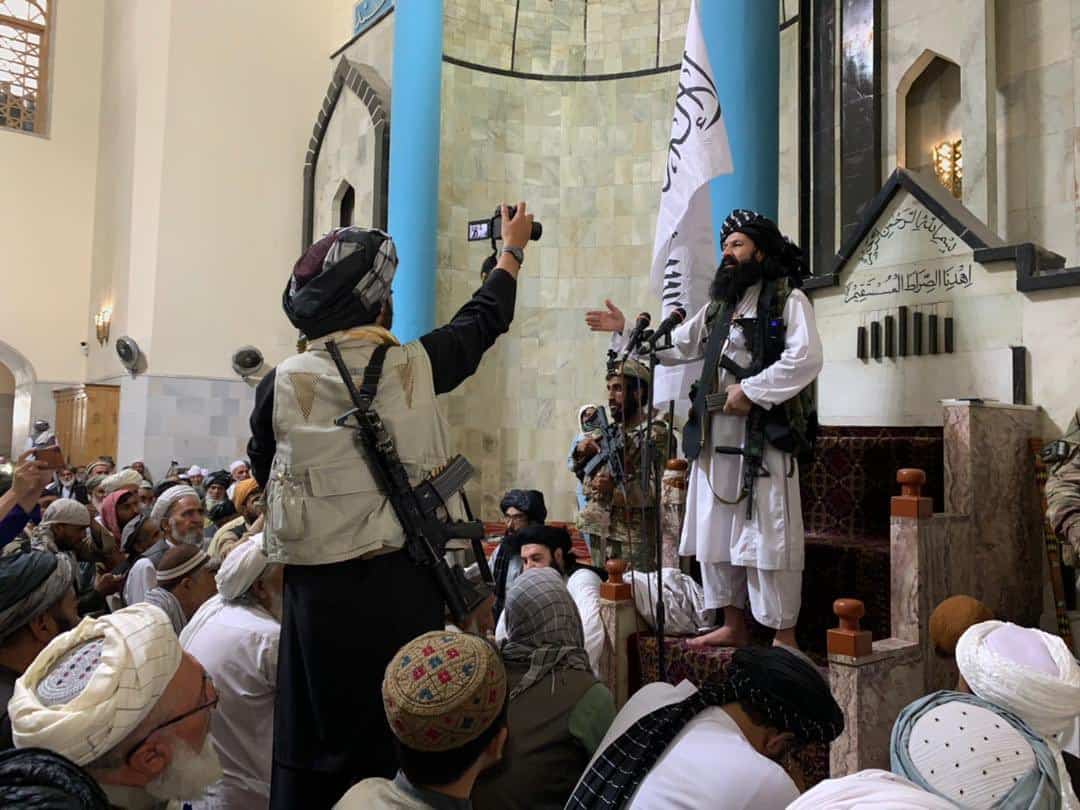
Taliban’s minister of refugees killed in suicide attack in Kabul
Khalil al Rahman Haqqani was the uncle of Sirajuddin Haqqani, the Taliban’s minister of interior and one of the group’s two deputy emirs, and a brother of the late Jalaluddin Haqqani, the founder of the Haqqani Network. Khalil was a US Specially Designated Global Terrorist who had “acted on behalf of” Al Qaeda’s military.
-
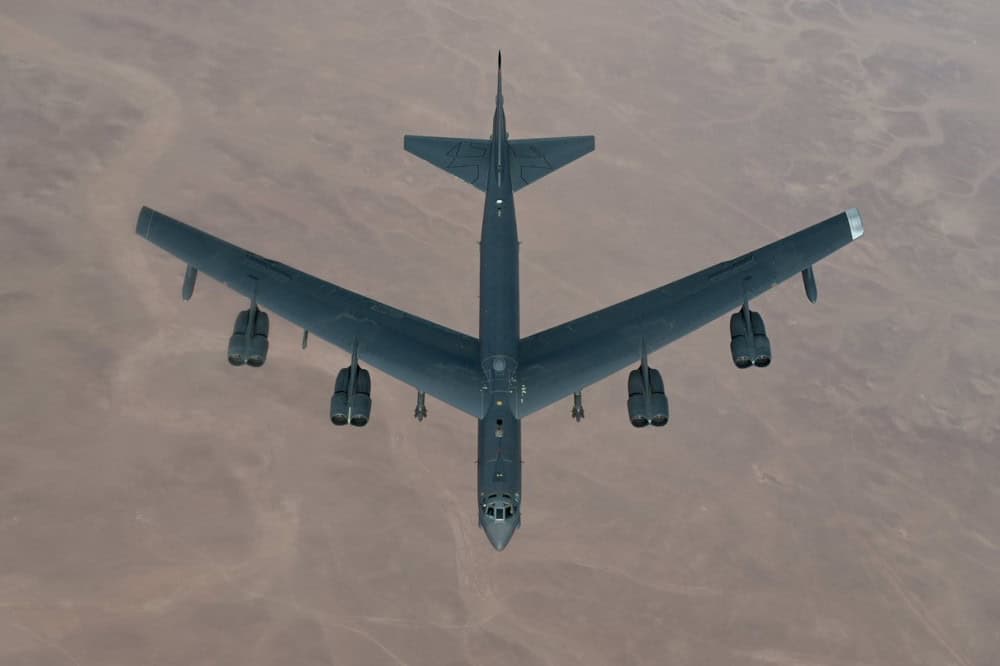
US launches massive strikes on Islamic State as Hayat Tahrir al-Sham deposes Assad regime
The significant US operation against the Islamic State is part of the effort to degrade the terror group and keep it from gaining ground in areas held by Syrian Democratic Forces (SDF) in the wake of the Assad regime’s collapse. The attacks may also serve as a warning to the Syrian National Army (SNA) and…
-
Generation Jihad Ep. 230 — Trump 2.0 and foreign policy
Bill and Will unpack the implications of Trump’s win on the foreign and national security policies, particularly as they related to Ukraine, Israel, and Iran. They also analyze the second Trump administration’s potential strategies for addressing burden sharing amongst NATO members, the ongoing jihadist threat, and the challenges posed by China and North Korea.
-
Generation Jihad Ep. 227 — Why Siraj Haqqani is not Afghanistan’s “Best Hope for Change” (CC: New York Times)
Last week, the New York Times ran an article(?) called “Is Afghanistan’s Most-Wanted Militant Now Its Best Hope for Change?” (spoiler: no) and with the subtitle: “Sirajuddin Haqqani has tried to remake himself from blood-soaked jihadist to pragmatic Taliban statesman. Western diplomats are shocked — and enticed.” Yes, really.
-
Generation Jihad Ep. 222 — Jihadist plots against the West
Bill and Will discuss plots to target Western assets both inside and outside of combat zones, from the foiled attack targeting a Taylor Swift concert in Europe to credible threats on President Trump’s life made by the Islamic Republic of Iran.
-
Generation Jihad Ep. 217 — Today’s global jihadi threat
Bill is joined by friend of the show Edmund Fitton-Brown to discuss Edmund’s recent report for the Combating Terrorism Center at West Point, Commentary: The Global Jihadi Terror Threat in September 2024.
-
Generation Jihad Ep. 213 — Now paging Hassan Nasrallah
Bill is joined by Joe and David to discuss yesterday and today’s explosions of devices belonging to Hezbollah terrorists across Lebanon.
-
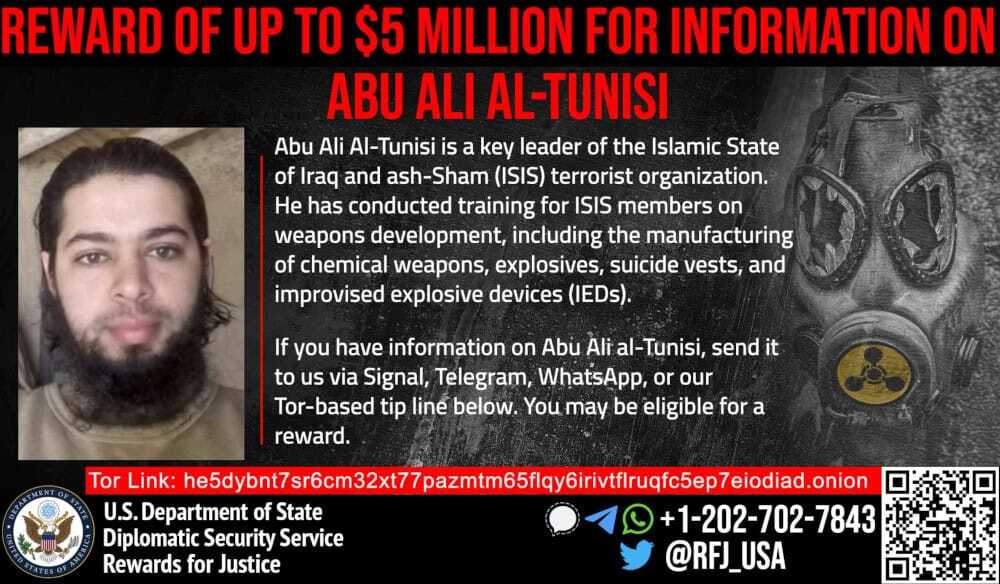
US and Iraqi forces kill Islamic State leaders
Abu-‘Ali al-Tunisi, one of the killed Islamic State (IS) leaders, had a $5 million bounty on his head. The raid against the IS cell took place one week before the news of the drawdown of US forces from Iraq.
-
Generation Jihad Ep. 210 — 23 years since 9/11
Bill and his Wednesday co-host Will Selber are joined by their friend and colleague Beth Bailey of the Afghanistan Project podcast — she also previously served in the intelligence community — on the twenty-third anniversary of the attacks of September 11, 2001. They reflect on where we were then and how we got to where…
-
Analysis: When did the US lose Afghanistan?
Three years after the fall of Afghanistan, American politicians, policymakers, generals, and foreign policy “experts” can’t admit we lost the war. If they did, they would have to own their role in that failure.
-
Generation Jihad Ep. 204 — Three years after the fall of Kabul
Bill and Will recently attended a conference organized by the Afghanistan United Front resistance group (and with help from Will). They unpack what was on the docket, including the repercussions of the fall of Afghanistan three years ago and looking ahead to consider Afghanistan’s future.
The Team
Meet the Team Behind the Vision
Our dedicated team combines diverse skills and shared passion to bring innovative solutions to life. Together, we collaborate, create, and strive to exceed expectations every day. Learn more about the people driving our mission forward.
Alex Johnson
Project Manager
Oversees project timelines and ensures seamless collaboration among team members to deliver results on schedule.
Alex Johnson
Project Manager
Oversees project timelines and ensures seamless collaboration among team members to deliver results on schedule.
Alex Johnson
Project Manager
Oversees project timelines and ensures seamless collaboration among team members to deliver results on schedule.