-
Analysis: The Israel-Lebanon framework agreement explained
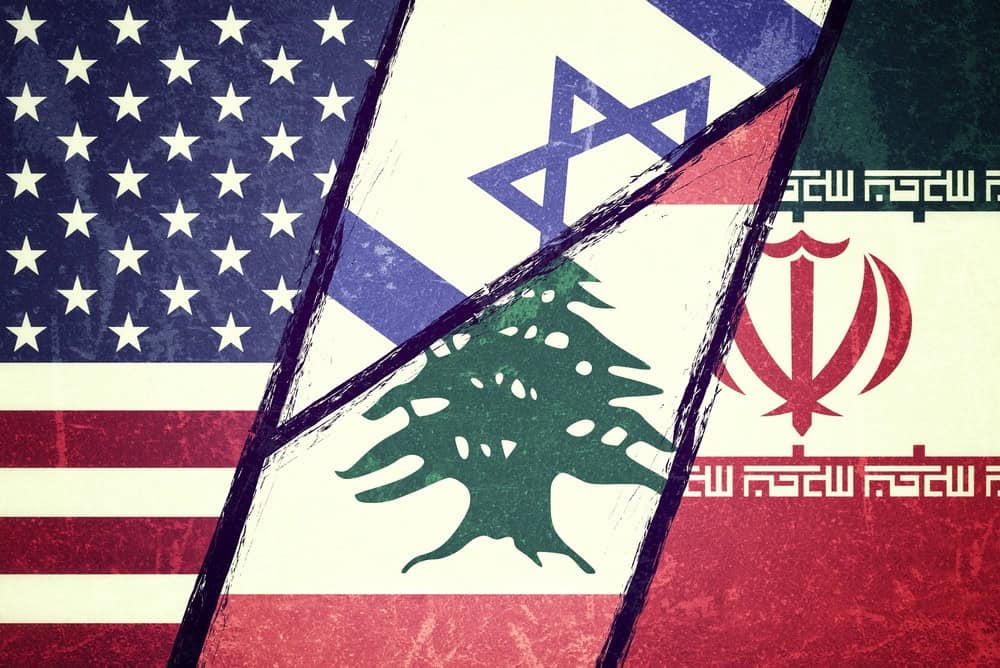
On June 26, Israel and Lebanon signed a framework agreement, mediated by the United States, to permanently end their state of conflict and address its root causes—primarily, Hezbollah’s arms. While the deal is promising on its face, significant parts of it may be difficult or impossible to implement under Lebanon’s current domestic conditions.
-
Analysis: Khamenei warily accepts US deal as Tehran eyes rebuilding Hezbollah
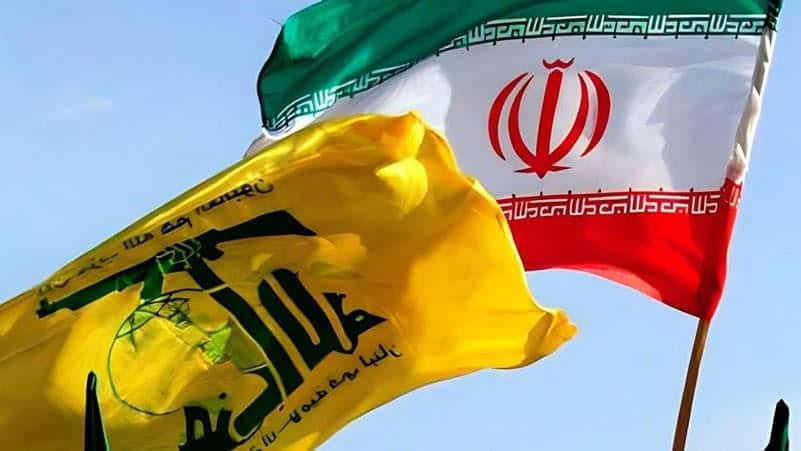
Days after Tehran and Washington reached a memorandum of understanding over ending the recent conflict, Iran’s new supreme leader is distancing himself from the agreement as hardliners clash over its implications. Meanwhile, reports that Iran is preparing to increase support for Hezbollah and statements from senior regime figures suggest that Tehran views any sanctions relief as an opportunity to rebuild proxy capabilities.
-
Houthis attack Israel and announce ban on Israeli vessels in the Red Sea
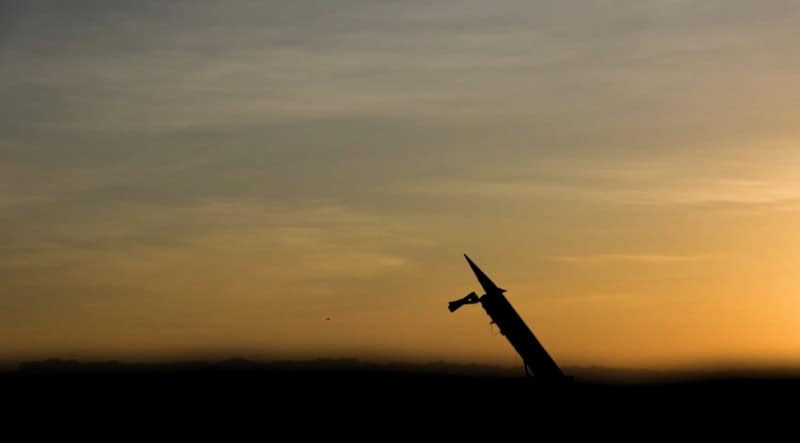
The Houthis in Yemen launched two missiles at Israel and declared a blockade of Israeli vessels in the Red Sea on Monday. The Iran-backed terror group conducted this attack during waves of Iran’s own missile attacks against Israel.
-
Generation Jihad | Everybody wants a McWar
Iran’s military has been shattered. The Strait of Hormuz remains contested. Three months in, Bill Roggio and FDD’s Jon Schanzer examine why quick victories are rare, patience is scarce, and this war is entering its most consequential phase yet.
-
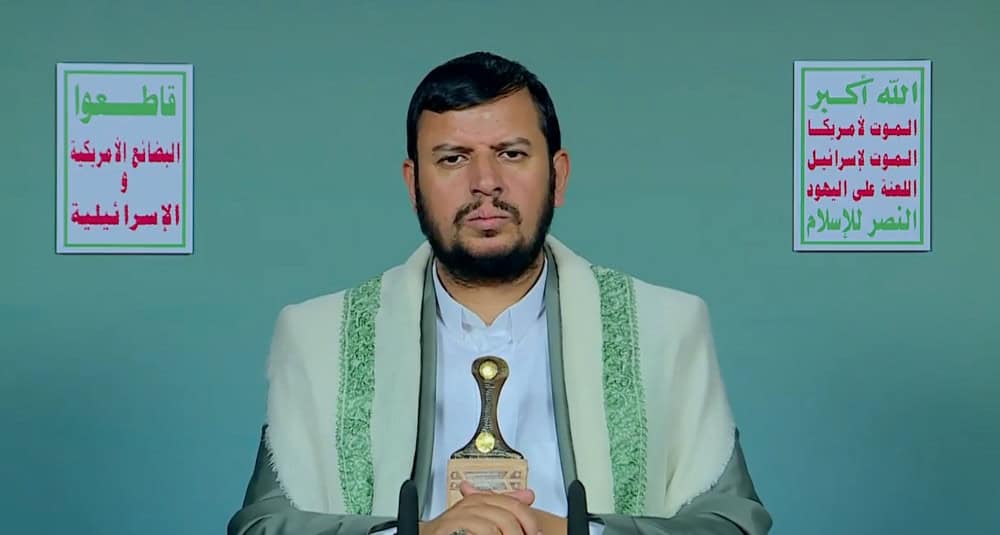
Houthis portray steadfast support for Iran, reportedly consider Red Sea toll
The Houthis have reiterated support for Iran despite their limited involvement in the Islamic Republic’s recent war with Israel and the United States. The Yemeni terrorist group is also reportedly weighing a toll for the safe transit of ships in the Red Sea, a move it has implemented before.
-
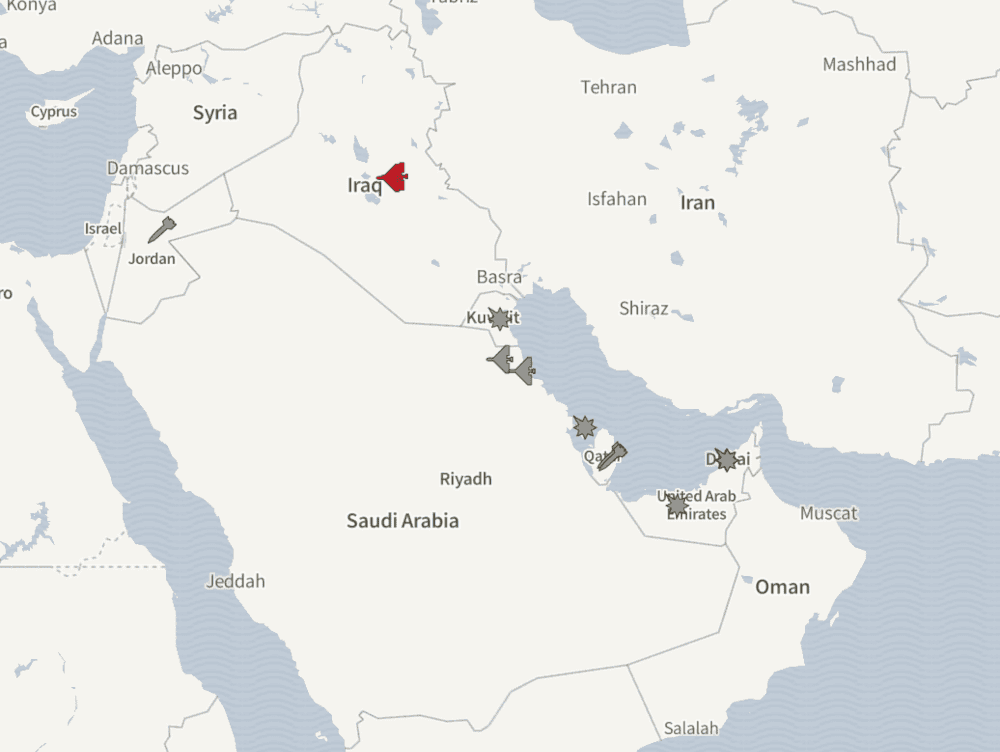
Despite ceasefire, Iran and its militias continue attacking regional states (April 2–8 updates)
Iran and its allied militias launched numerous drones and missiles against regional countries between April 2 and April 8, continuing attacks after a ceasefire between Iran and the United States was announced yesterday. Across this period, the attacks remained concentrated on the Gulf, Jordan, Iraq, and Iraqi Kurdistan, with repeated mass-interception events in the United Arab Emirates, Kuwait, Bahrain, Saudi Arabia, and Qatar.
-
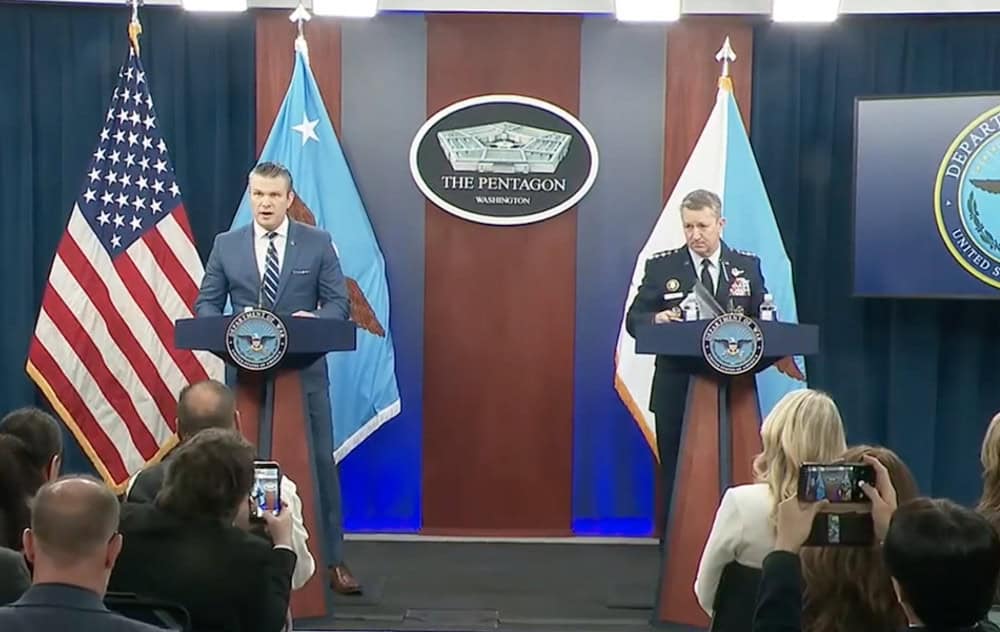
US, Iran agree to 2-week ceasefire in exchange for reopening of Strait of Hormuz
There are conflicting conditions demanded by the US and Iran for lasting peace, and Israeli and Iranian strikes continued after the ceasefire announcement. However, a cessation of hostilities and reopening of the Strait of Hormuz to international shipping appear to be agreed-upon items. Iranian leaders touted the ceasefire as a victory, while US officials said the objectives of destroying Iran’s military and nuclear capabilities were achieved.
-
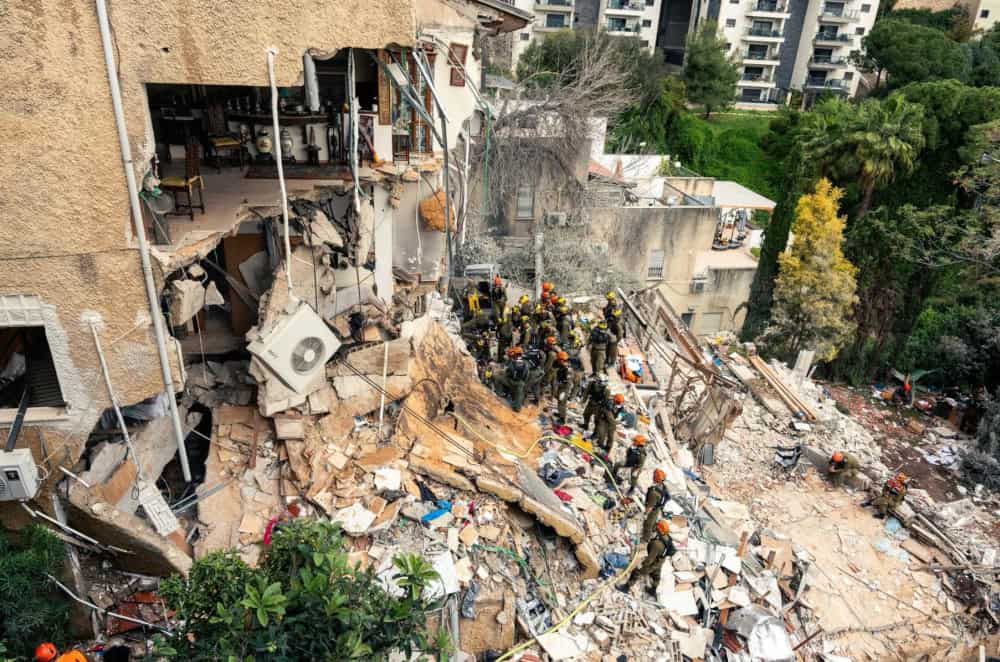
Iranian ballistic missile cluster munitions strike dozens of sites in Israeli cities
Iran’s increasing use of cluster munitions in ballistic missile attacks since late February has intensified damage across Israel, with dozens of impact sites reported in major cities in the first week of April. Four people were killed in Haifa in a missile attack on April 6. Meanwhile, Israel is escalating strikes on Iranian infrastructure targets and boosting production of Arrow interceptors as part of its multi-layered air defense.
-
Iran rejects US ceasefire proposal as US-Israeli operations escalate, regime suffers high-profile casualties
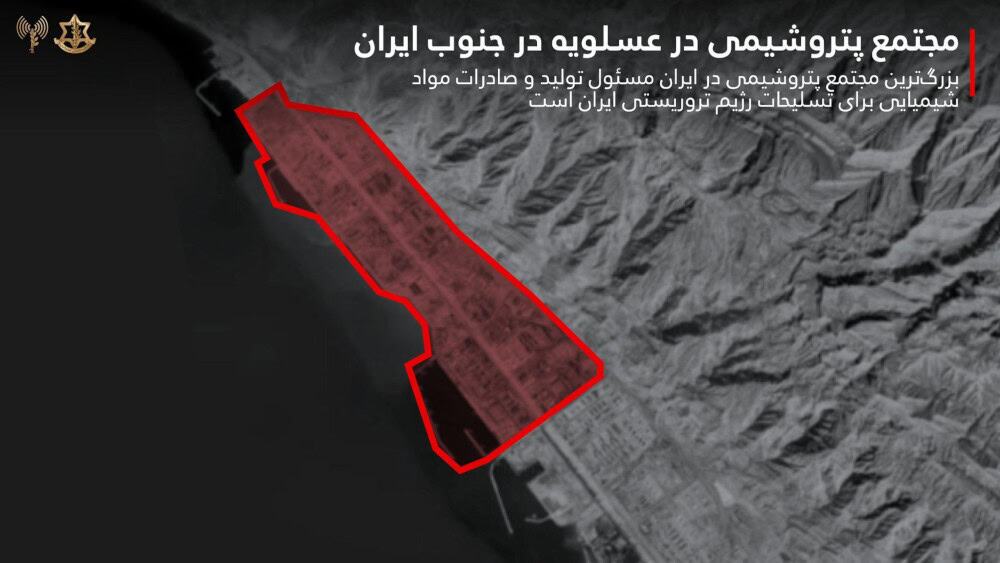
US and Israeli operations inside Iran escalated over the past week. Actions included strikes on Islamic Revolutionary Guard Corps missile and air defense sites, eliminations of senior military and intelligence officials, the recovery of a US F-15E crew downed over Iran, and attacks on Iranian infrastructure, ranging from petrochemical facilities to major industrial plants.
-
Generation Jihad | Timeline after Timeline
FDD’s Janatan Sayeh is back with Bill Roggio for an update on the Iran war, including: the potential for concrete regime change, last night’s address by President Trump, rumored US-Iran deliberations, the fragile balance of power on the ground, and the possibility of a popular uprising against the wounded Islamic Republic.
-
Iran intensifies recruitment, repression amid reports of thousands of security deaths, Washington weighs ground operations
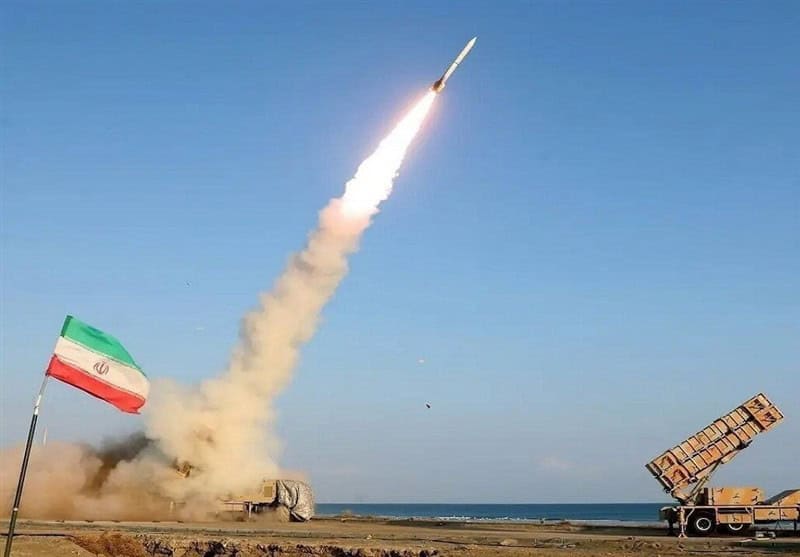
Washington is considering ground operations as joint US-Israeli strikes impact Iran’s military and internal security forces, reportedly causing thousands of casualties. Simultaneously, Tehran has increased security recruitment efforts, deployed foreign proxy militias, and escalated executions and arrests of Iranian citizens while issuing threats over “sharing images or footage with foreign actors.”
-
Russia reportedly sending Iran drones for use against the US and Israel
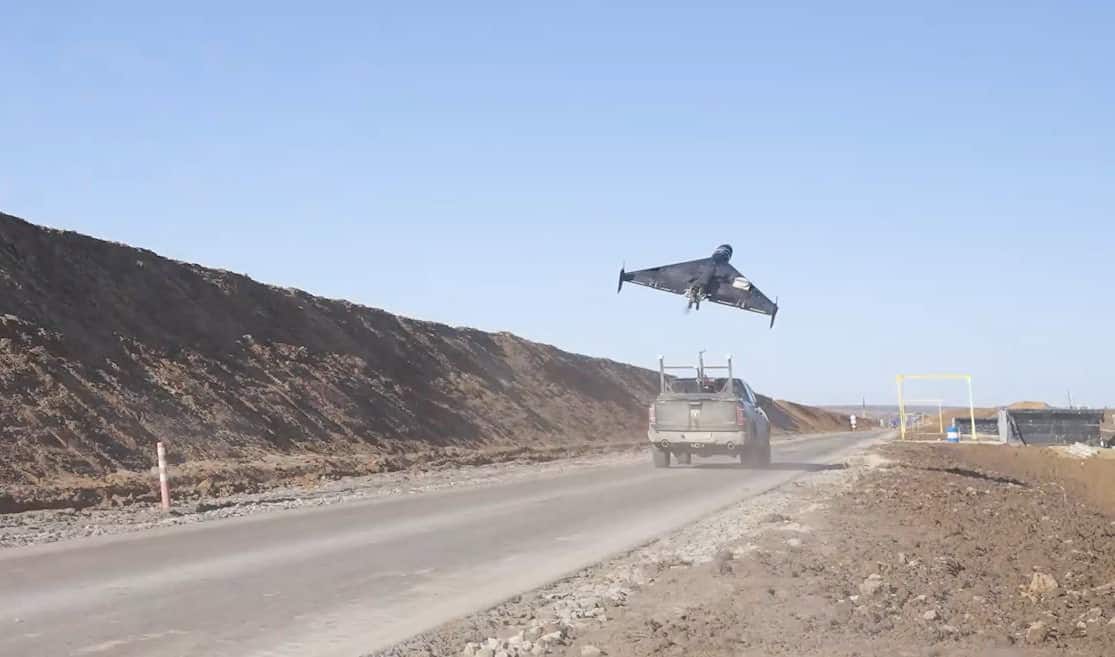
Reports citing Western officials suggest that Russia has started supplying Iran with complete drones after Russia was previously suspected of only providing components to improve Iranian systems. The unmanned aerial systems are likely modified, Russian-made versions of the same Shahed-136 one-way attack drones that Tehran previously supplied to Moscow.
-
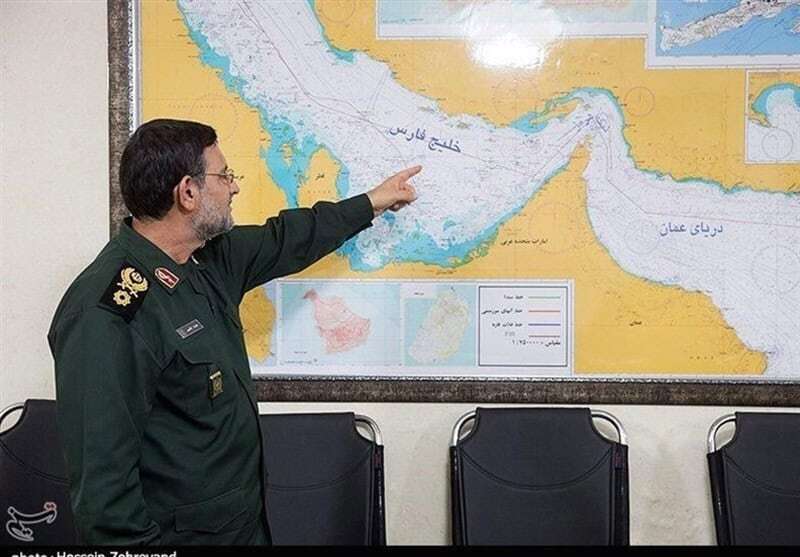
US-Israeli strikes continue as talks over Strait of Hormuz stall and Iran intensifies internal crackdown
The US and Israel continued airstrikes as negotiations over the passage of shipping through the Strait of Hormuz hit an impasse and Iran ramped up efforts to repress its populace. The regime has expanded internal security checkpoints into a dispersed network across various cities and increased arrests targeting alleged collaborators and dissenters.
-
Generation Jihad | The Hormuz Shake(down)
Bill Roggio sits down with shipping expert Sal Mercogliano to break down Tehran’s latest act of war: turning the world’s most critical shipping chokepoint into leverage.
-
Generation Jihad | The regime falls when the people rise
The bombs are falling. The Iranian regime is reeling. But revolutions aren’t won from 30,000 feet. As Washington and Jerusalem pummel toward a mission accomplished, Bill Roggio is joined by FDD’s Jon Schanzer to grapple with a harder question that looms: what happens if there’s no uprising when the bombing stops?
-
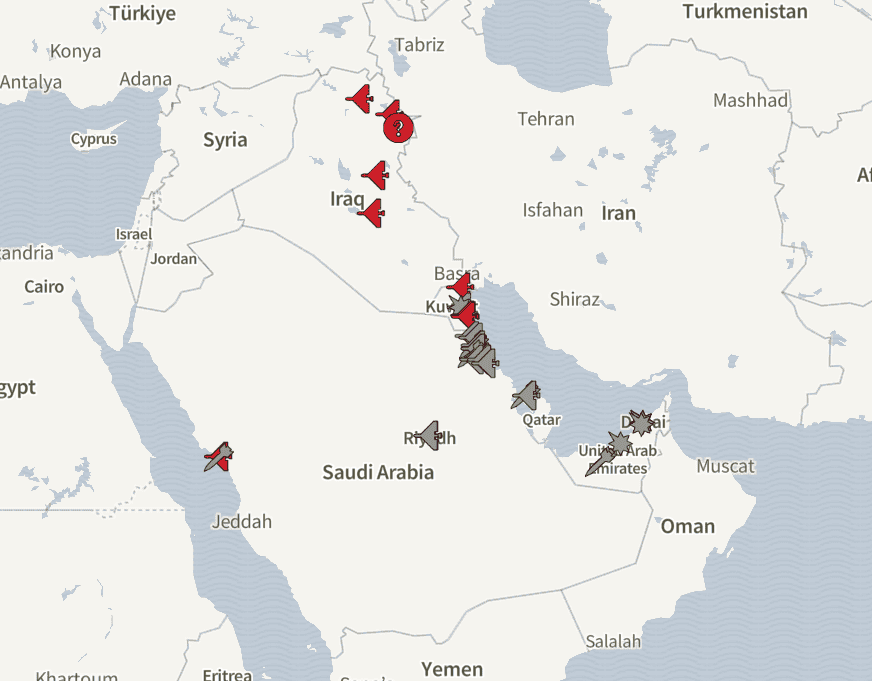
Iranian drones and missiles hit ports, oil and gas facilities, and US bases in the region (March 17-19 updates)
Between March 17 and March 19, Iran and its allied militias continued launching drones, missiles, and rockets across the Middle East. The attacks targeted energy infrastructure, airports, military bases, diplomatic facilities, and residential areas in Saudi Arabia, the United Arab Emirates, Qatar, Kuwait, Bahrain, and Iraq.
-
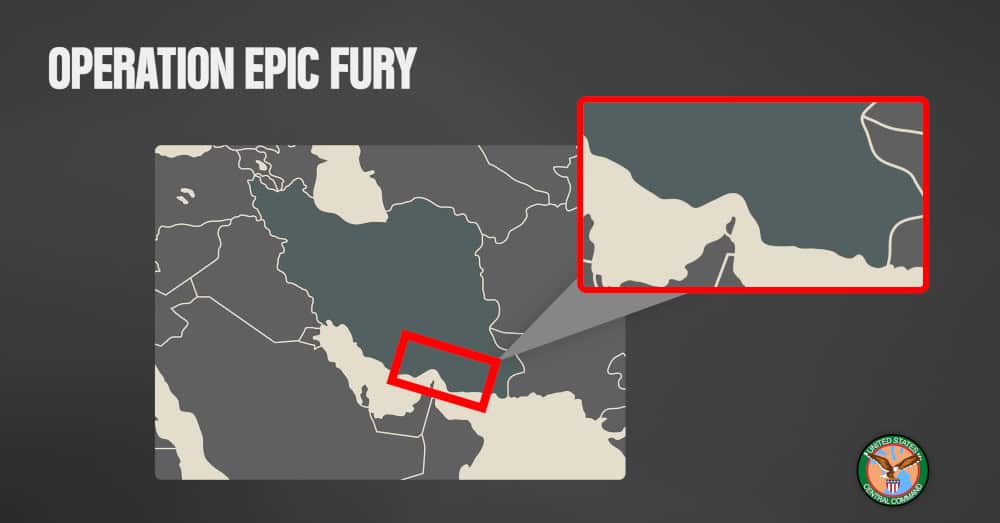
US and Israel strike more military targets, plus Iran’s leadership, repression units, and energy sites (March 17-18 updates)
US and Israeli operations have continued to degrade Iran’s military capabilities while increasingly targeting the regime’s internal security apparatus. Strikes on Basij internal security and police units, alongside assassinations and reported morale issues, may be beginning to affect the regime’s ability to sustain repression efforts as US and Israeli attacks also expanded to targeting energy infrastructure.
-
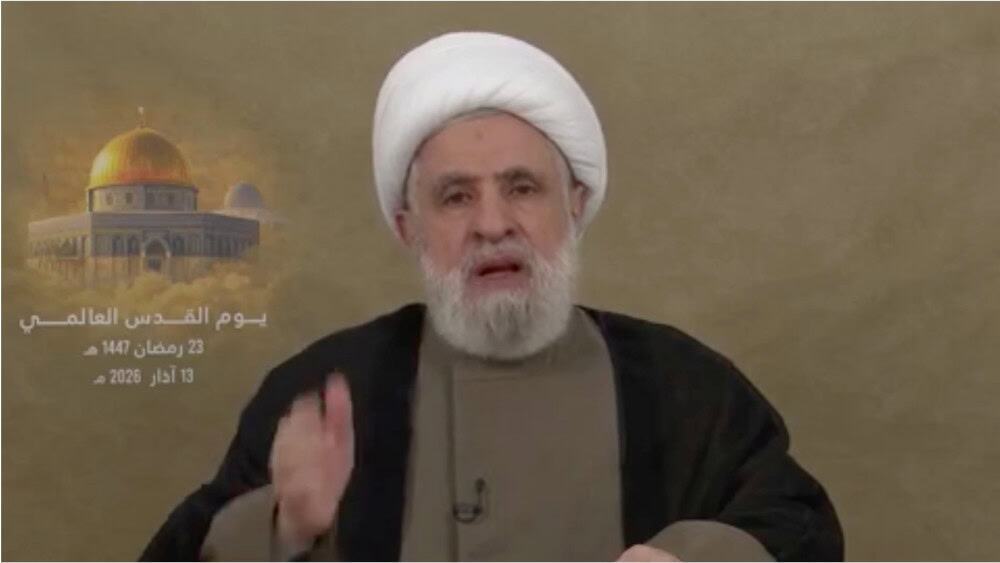
Analysis: Naim Qassem says Hezbollah will continue fighting Israel, frames war as defense of Lebanon
Hezbollah Secretary-General Naim Qassem gave his second speech regarding the renewed war with Israel, once again arguing that his group was the victim of aggression and not the aggressor. He said that Hezbollah is fighting a war of self-defense on behalf of Lebanon and stressed that it would continue fighting until it secures adequate concessions from Israel.
-
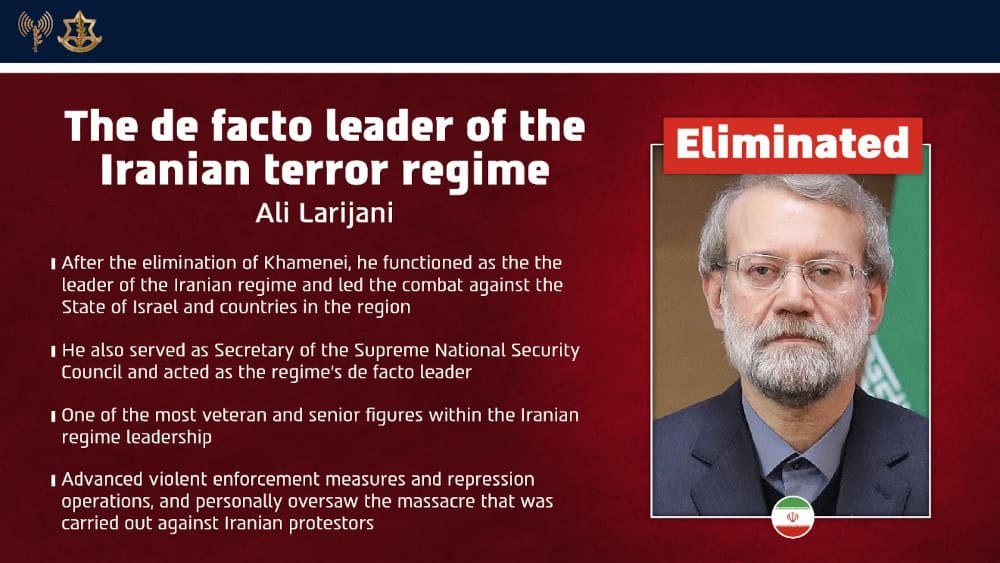
Israeli strikes eliminate Iranian security chief Larijani and Basij commander Soleimani
Overnight Israeli strikes in Iran killed Ali Larijani, the secretary of Iran’s Supreme National Security Council, and Basij commander Gholamreza Soleimani. The eliminations add to the growing list of top Iranian officials who have been killed by Israeli and American strikes since the conflict began on February 28.
-
Iran braces for internal unrest as US and Israeli attacks persist (March 14-16 updates)
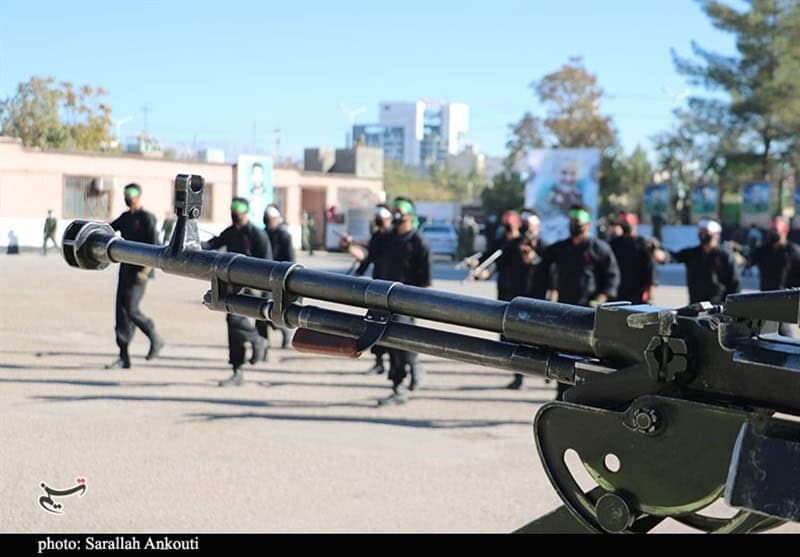
US and Israeli strikes against the Islamic Republic are expanding to include additional military infrastructure, command centers, and production facilities. At the same time, the Tehran regime is tightening security across Iranian cities amid reports of arrests, checkpoints, and growing economic pressure.
-
Israel conducts 7,600+ strikes on Iran in 13 days, Iran fires hundreds of missiles and drones at Israel
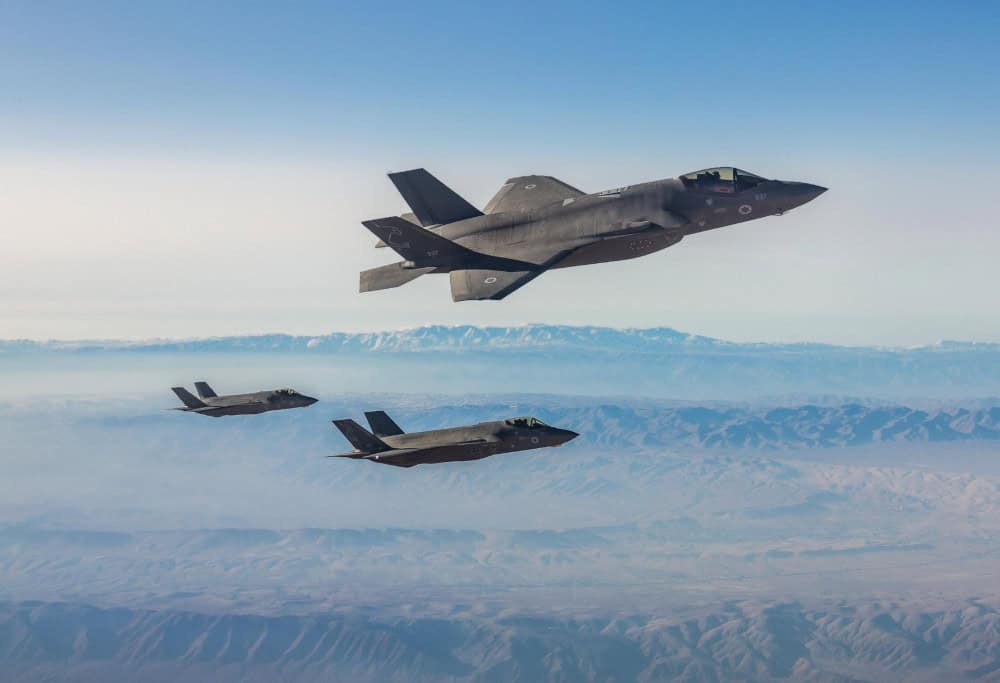
Israel executed more than 7,600 strikes on Iran by March 13, targeting nuclear-linked facilities, missile launchers, drone infrastructure, and military sites, according to the Israel Defense Forces. Israel continues conducting roughly 150–200 strikes per day as Iran continues launching ballistic missiles and drones toward Israel and the Gulf countries.
-
Israel shifts to hyperlocal targeting in Iran as regime military power degrades (March 11-13 updates)
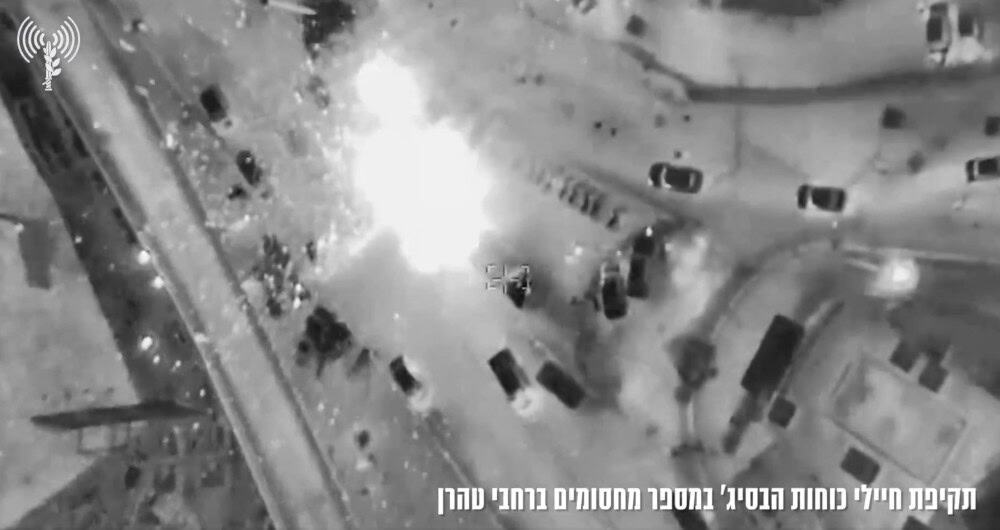
The Iran conflict has entered a new phase after US–Israeli strikes have destroyed key military infrastructure, killed thousands of regime personnel, and degraded Iran’s missile and drone launch rates. Israel has shifted toward hyperlocal targeting of repression units and regime figures inside Tehran, often aided by intelligence from Iranians on the ground. Simultaneously, the Tehran regime has publicly projected stability after Mojtaba Khamenei’s elevation to supreme leader, despite Khamenei’s continued absence from public view and some signs of internal strain.
-
Iranian drones and missile barrages hit energy infrastructure, airports, and residential buildings in the Arab World (March 11-12 updates)
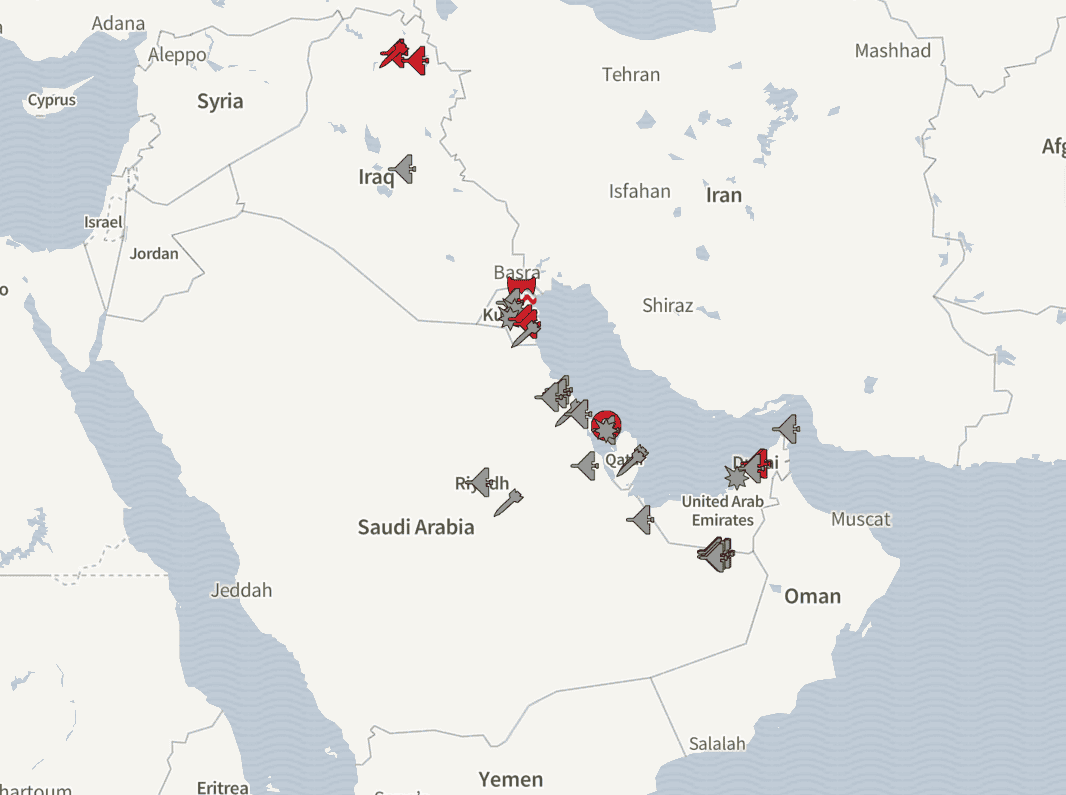
Between March 11 and March 12, Iran and its allied militias continued launching drones and missiles across the Middle East, targeting energy infrastructure, airports, military bases, residential areas, diplomatic facilities, and maritime targets in Iraq, Saudi Arabia, Kuwait, Bahrain, Qatar, the United Arab Emirates, Jordan, and Oman.
-
Generation Jihad | Day 12 of the Iran War
After 12 days of war—and the death of Iran’s supreme leader—the Islamic Republic is under unprecedented pressure. Bill Roggio and Janatan Sayeh assess this initial phase of the war, the gap between Washington and Jerusalem’s goals, and the decisive question still looming over Tehran: will the Iranian people finish the job?
-
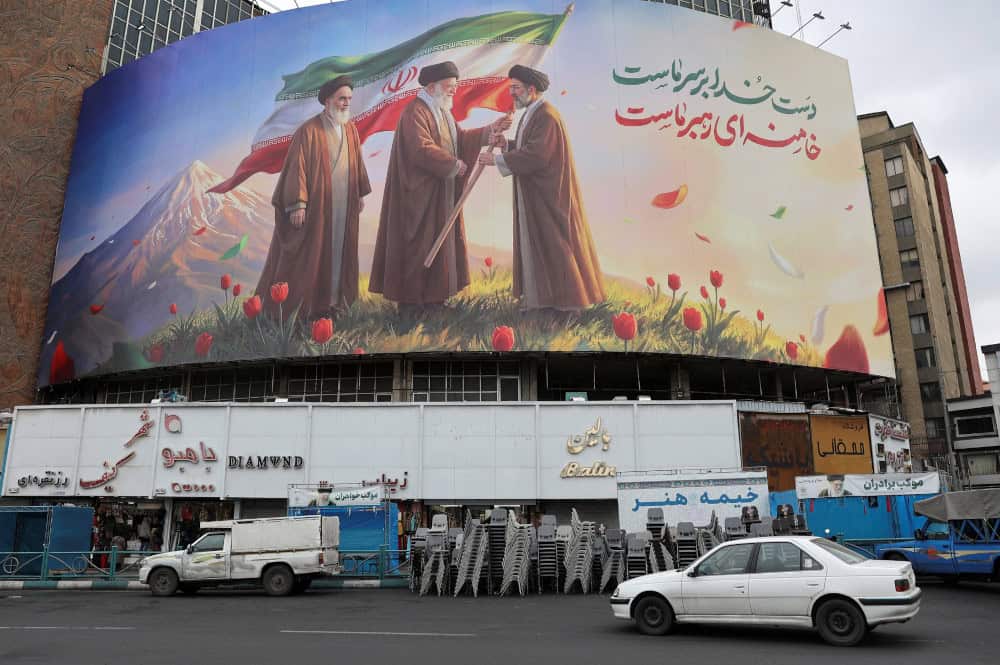
Israel intensifies strikes on repression sites, expands outreach to Iranians as regime repression deepens (March 8-10 updates)
The joint US–Israeli campaign is striking Iran’s military and internal security infrastructure across the country while continuing to eliminate senior regime figures. Amid the pressure, the regime installed a new supreme leader, expanded regional attacks while denying responsibility, and intensified repression, as Israel increased outreach to the Iranian public.
-
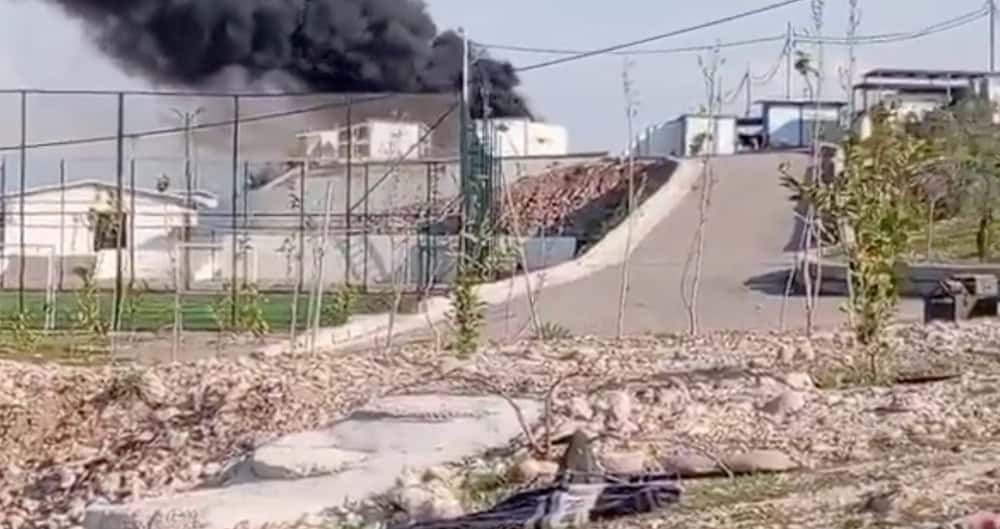
Iran escalates attacks on Kurdistan Region of Iraq
Iran and Iranian-backed militias have escalated drone and missile attacks on the Kurdistan Region of Iraq, striking sites in Erbil and Sulaimani Governorates and killing at least three people. Many of the attacks are targeting Kurdish Iranian opposition groups.
-
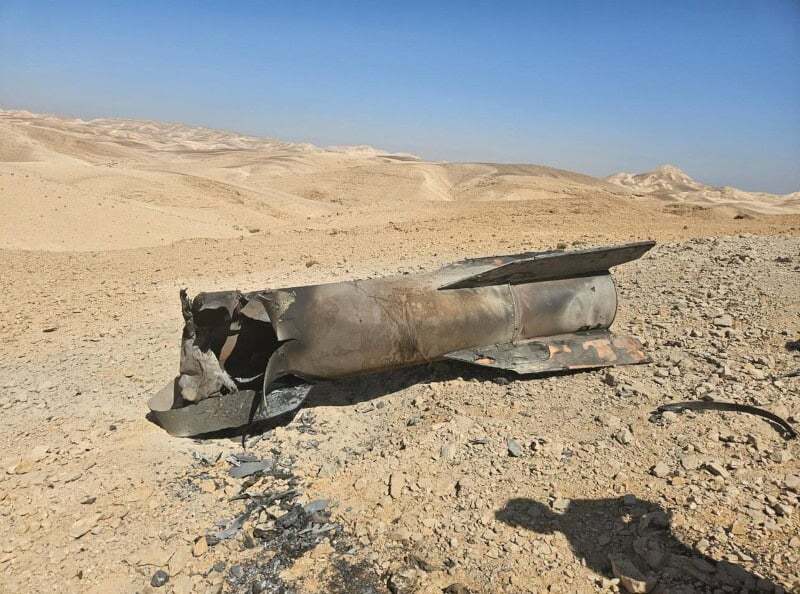
Report: Iran rebuilding its ballistic missile program
With the help of China, Tehran is importing a chemical precursor for its medium-range ballistic missiles despite recently imposed United Nations sanctions, CNN reported. The report assesses that Tehran “appears to be stepping up the rebuilding of its ballistic missile program” following the 12-day war with Israel in June.
-
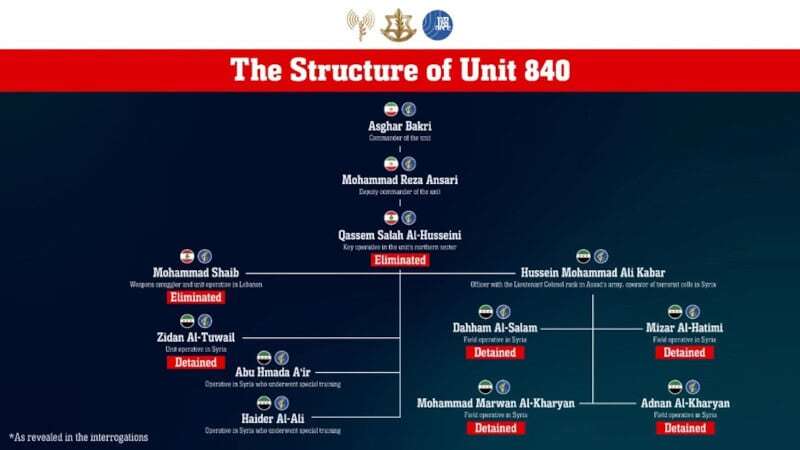
Israel strikes IRGC in Lebanon, reports Qods Force arrests in Syria
Israel killed Islamic Revolutionary Guard Corps (IRGC) and Hezbollah member Wissam Saeed Jubai in southern Lebanon and struck Hezbollah compounds in the Beqaa Valley as reports indicate Tehran is seeking new financial channels to sustain Hezbollah after Assad’s collapse. The IDF separately revealed the arrests of Qods Force Unit 840 operatives in Syria, part of Jerusalem’s renewed efforts against Tehran’s proxies in the Levant.
-
Israel intensifies outreach to Iranians as Tehran anticipates another war
As Tehran continues to ready for a potential conflict, Israel has ramped up direct appeals to the Iranian public, offering water technology, urging protests, and hinting at a regime collapse. The Israeli campaign has drawn sharp backlash from Iranian leaders, while both sides maintain a shadow war marked by likely sabotage and public military preparations.
-
Mysterious wave of explosions, sudden IRGC death disrupt post-ceasefire calm in Iran
Israel and Iran indirectly agreed to a ceasefire on June 24, yet a wave of explosions and the mysterious death of an IRGC general over the past week have disturbed the relative calm in Iran. The regime has attributed every explosive incident to “gas leaks,” despite contradictory evidence. Israel has remained silent on these events but likely maintains intelligence superiority and the capacity to conduct operations in Iran.