-
Israel Defense Forces raid Iran-linked terror cell in Syria
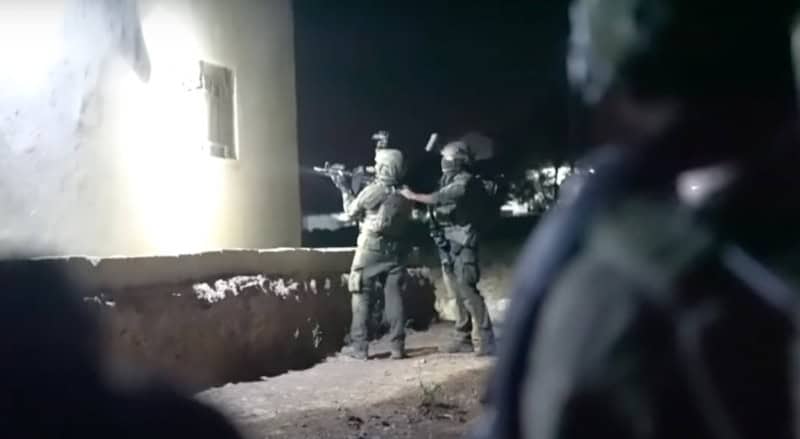
The Israel Defense Forces (IDF) apprehended suspects in Syria who are part of “a terrorist cell operated by Iran,” the Israeli military said on July 2, one of several recent raids it has conducted along the border to detain suspects. IDF Chief of Staff Eyal Zamir visited the Golan on July 1 and met with Israeli officers. “We must maintain a high level of alertness and keep our eyes open at all times,” he said.
-
Analysis: Iran is severely weakened but remains a regional threat
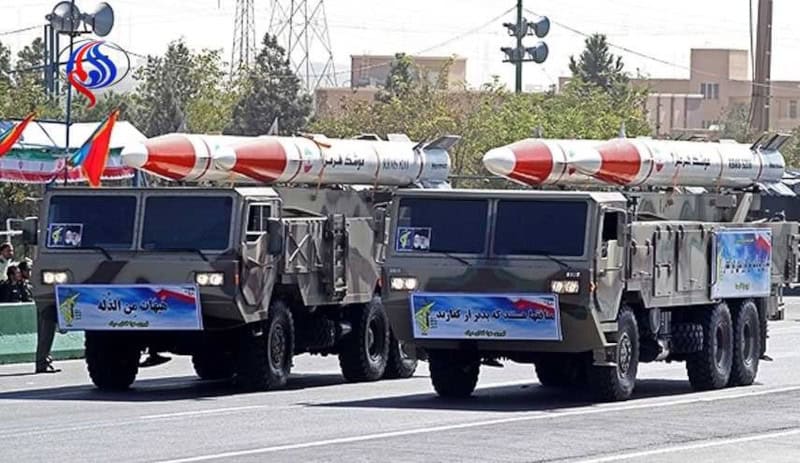
In testimony to the Senate Armed Service Committee, incoming CENTCOM Commander Vice Admiral Charles B. Cooper II highlighted the nuclear, conventional, and asymmetrical threats posed by the Iranian regime. While Israel and the US focused their short campaign primarily on Iran’s nuclear program and ballistic missiles, large elements of Iran’s conventional assets survived unscathed.
-
Iranian drone and missile attacks against Israel: June 24, 2025
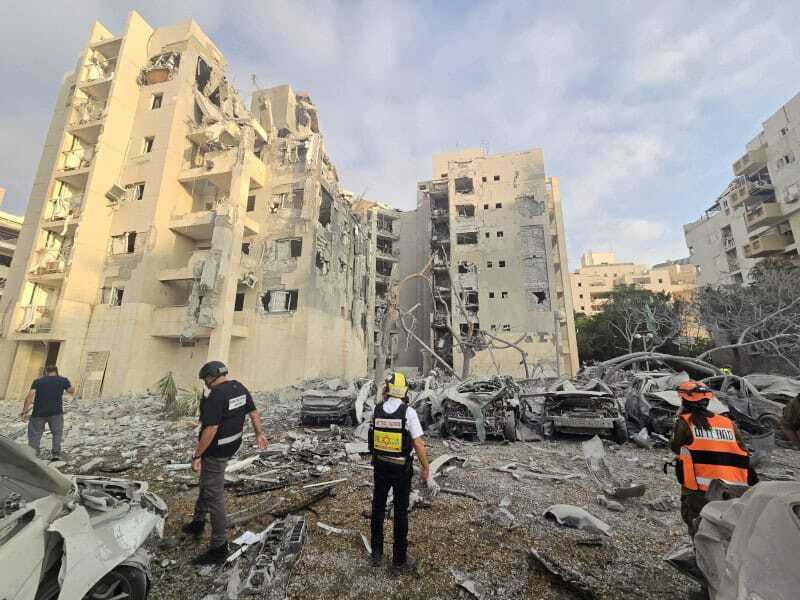
In the final hours before the ceasefire on June 24, Iran launched eight attacks on Israel, including a missile strike in Beersheva that killed four people. Since the war began, Iran has fired an estimated 591 missiles at Israel that killed 28 people and wounded 3,431.
-
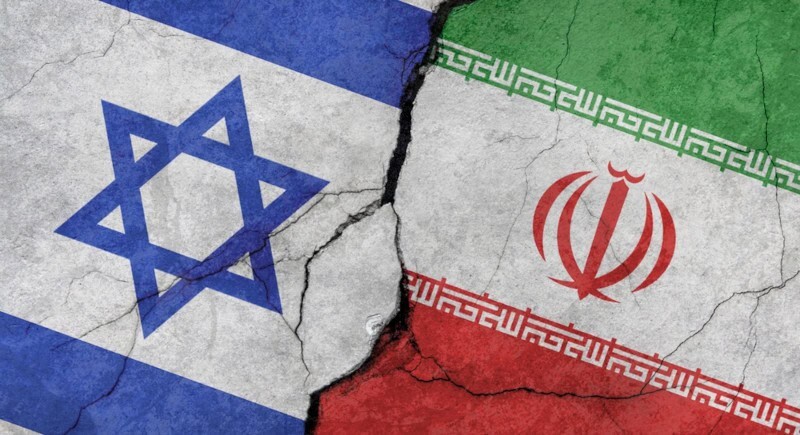
Israel and Iran trade strikes, ceasefire goes into effect (June 24 updates)
Israel and Iran traded strikes hours before and after a ceasefire brokered by the US went into effect. President Donald Trump castigated both sides for violating the agreement, and a tentative truce has held since the rebuke.
-
Iranian drone and missile attacks against Israel: June 23, 2025
Iran launched four attacks against Israel on June 23, 2025: one drone attack and three ballistic missile attacks, one of which occurred in three waves and consisted of 10–15 missiles. In total, Iran fired 11–16 ballistic missiles at Israel.
-
Trump announces ceasefire, Israel strikes Iranian regime’s repression apparatus (June 23 updates)
After nearly two weeks of high-intensity conflict, US President Donald Trump announced on June 23 that Israel and Iran had reached a ceasefire agreement. The announcement followed a flurry of kinetic activity: Iran launched missiles at the US Al Udeid Air Base in Qatar in response to American strikes on its nuclear infrastructure, while Israel escalated its air campaign against Iran, targeting missile systems and the regime’s core repression institutions.
-
Israel sees increasing success against Iranian drones, drone and missile attacks continue
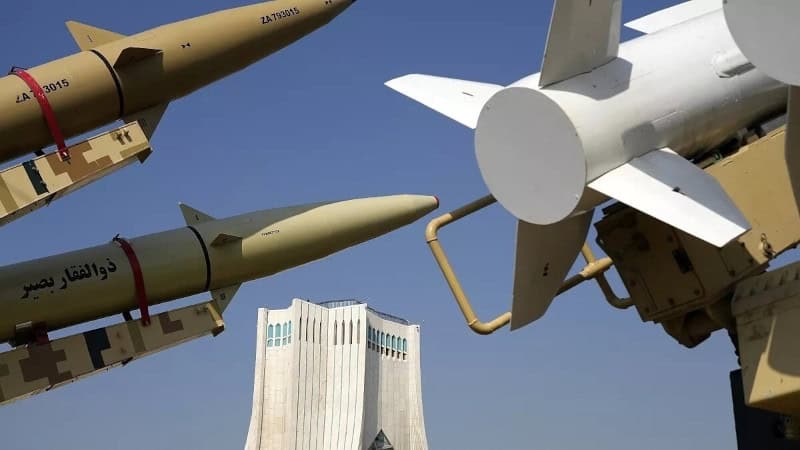
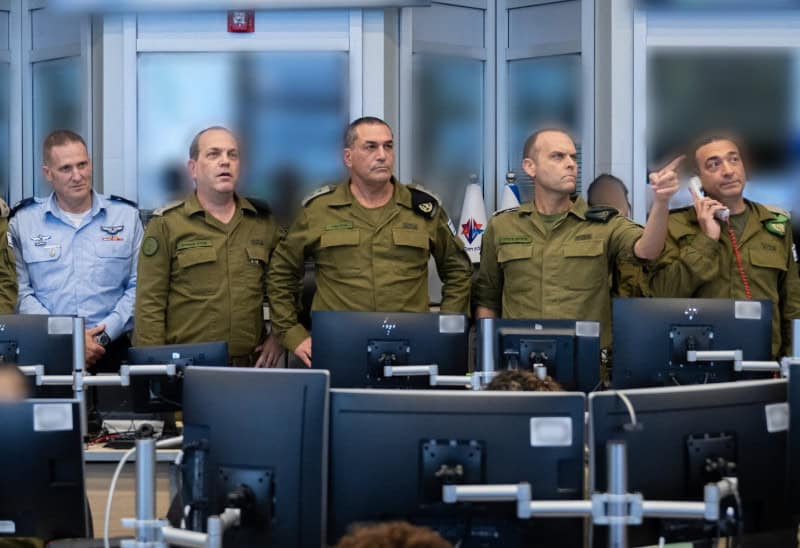
Iran has launched over 1,000 drones at Israel, but Israel has succeeded in blunting most of the drone threat in 10 days of conflict. In addition, Iran has launched more than 450 ballistic missiles at Israel. More than 50 have landed, leading to at least 24 deaths and more than 2,800 injuries. Israel has begun reopening its airspace to flights that are repatriating tens of thousands of Israelis stranded abroad due to the conflict.
-
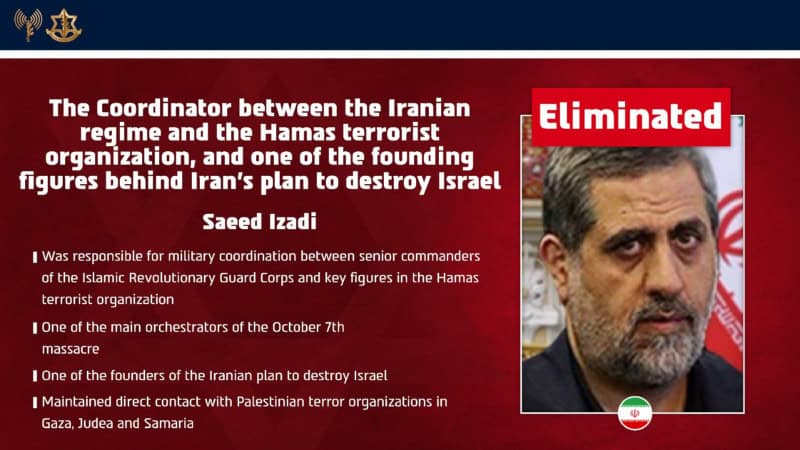
Israel eliminates a key link between Hamas and Iran
Israel killed a key Islamic Revolutionary Guard Corps-Qods Force (IRGC-QF) official who coordinated between Iran, Hamas, and other members of the Iran-led Axis of Resistance. The elimination is among the most notable high-ranking Iranian military officials killed in the current war.
-
Analysis: How might Iran retaliate against the US?
Following US strikes on three nuclear sites, Tehran has threatened to target American bases in the Middle East, continue missile attacks on Israel, and close the Strait of Hormuz. Iran’s Islamic Revolutionary Guard Corps claims the strikes were anticipated, uranium was moved from Fordow in advance, and Iran is preparing for a potential six-month war.
-
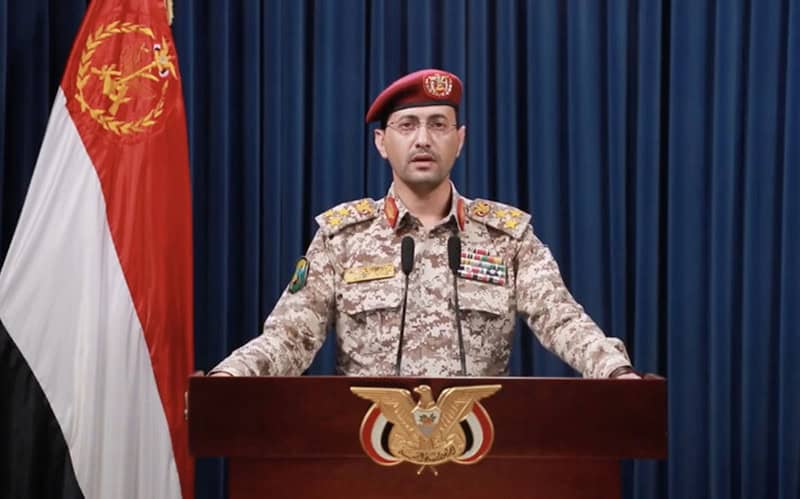
Houthis repeat threats against US over strikes against Iran
The Houthis threatened to attack US forces after American strikes against Iran. A ceasefire has been in place between the US and the Houthis since May 6, following a seven-week campaign by US Central Command (CENTCOM) against the Yemeni terrorist group.
-
Iranian drone and missile attacks against Israel: June 22, 2025
Iran conducted four attacks against Israel on June 22, including a mid-size missile barrage launched shortly after the United States targeted several Iranian nuclear installations. The attacks caused significant damage in Tel Aviv and Central Israel but no deaths.
-
Israel targets IRGC officials, nuclear scientist, and missile bases in Iran (June 22–21 updates)
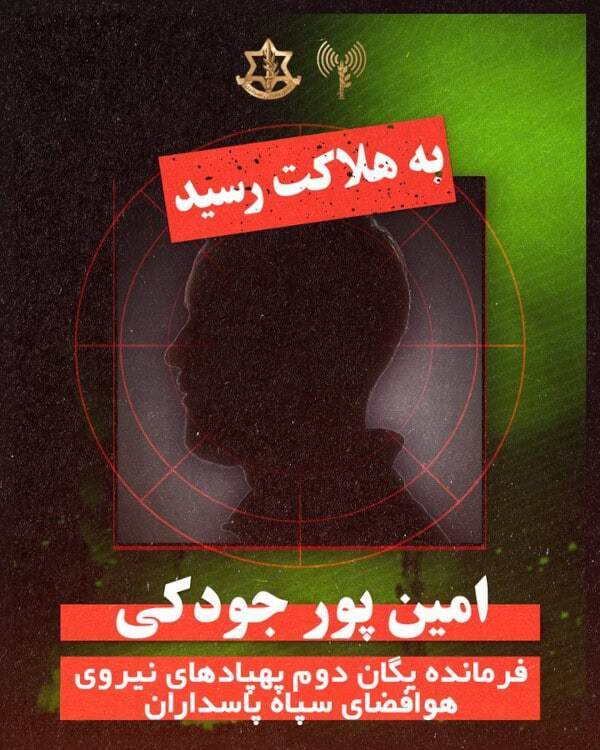
Over the past 72 hours, Israel has intensified its air campaign across Iran, striking missile and drone infrastructure in Esfahan, Bushehr, Ahvaz, Yazd, and Qom. Targets included the Imam Hossein missile base in Yazd, IRGC drone and air defense facilities, and the Shahid Mostafa Khomeini military base. Senior IRGC and IRGC-Qods Force commanders tied to weapons transfers, regional proxy coordination, and nuclear development were killed. Despite Tehran’s calls for retaliation, Hezbollah, Hamas, and other allied militias have mostly stayed out of the fight so far.
-
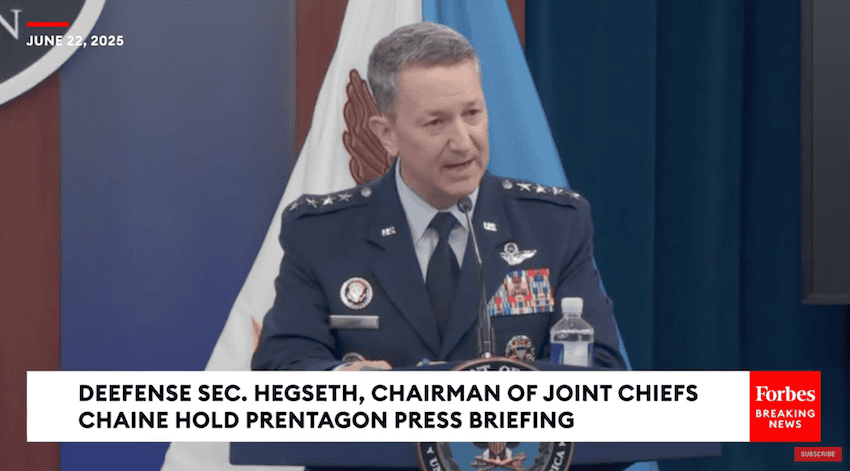
US strike inflicts “severe damage and destruction” on 3 Iranian nuclear facilities, CJCS Caine states
Operation Midnight Hammer, planned and practiced in near secrecy for several weeks, was “designed to severely degrade Iran’s nuclear weapons infrastructure,” Chairman of the Joint Chiefs of Staff General Dan Caine stated. The US Air Force hit the Iranian nuclear facilities at Fordow and Natanz with 14 Massive Ordnance Penetrators launched from B-2 bombers. Separately, a US Navy submarine struck the Esfahan site with “dozens” of cruise missiles.
-
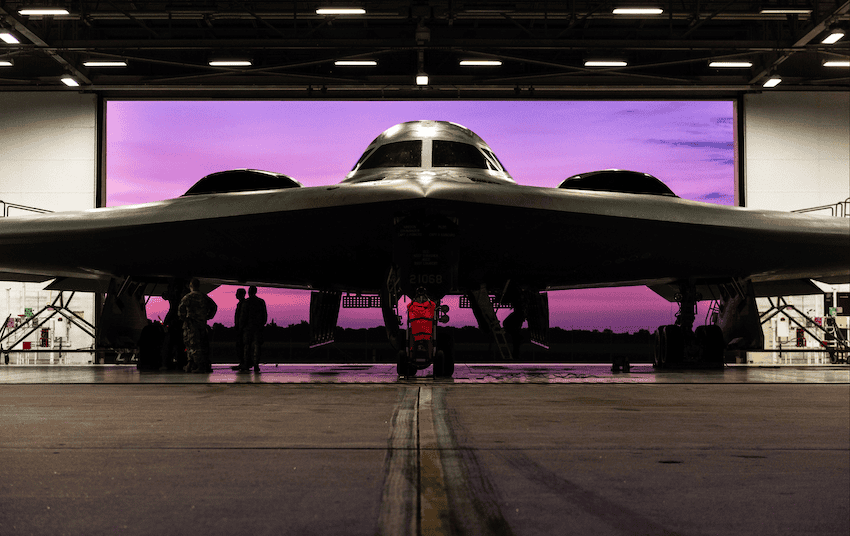
US strikes Iranian nuclear facilities
Just two days after US President Donald Trump said he would decide about striking Iran’s nuclear program within two weeks, US B-2 bombers hit Iranian nuclear facilities in Fordow, Natanz, and Esfahan. Attacking the hardened Fordow facility via air is a mission only the US Air Force could execute.
-
Iranian drone and missile attacks against Israel: June 21, 2025
Iran’s drone and missile attacks on Israel continued on June 21, 2025, targeting several parts of Israeli territory. There was only one missile barrage from Iran. No Israeli fatalities were reported for the fifth day in a row of the war.
-
Israel reportedly eliminates nuclear scientist, expands messaging campaign (June 20 updates)
Israel expanded its campaign against Iran with strikes on Islamic Revolutionary Guard Corps (IRGC) sites, missile infrastructure, and nuclear-linked facilities, reportedly killing a nuclear scientist in Tehran. The Israel Defense Forces (IDF) framed the attacks as targeting the Iranian regime’s repression and appealing to public discontent. Talks between Iran and EU officials on June 20 brought no breakthrough, as Tehran ruled out abandoning uranium enrichment.
-
Iranian drone and missile attacks against Israel: June 20, 2025
Iran continued drone and missile attacks against Israel on June 20, 2025. Several missile impacts were recorded during the day, including one due to an Israeli interceptor system malfunction. The IDF estimates that it has struck two-thirds of Iran’s ballistic missile launchers.
-
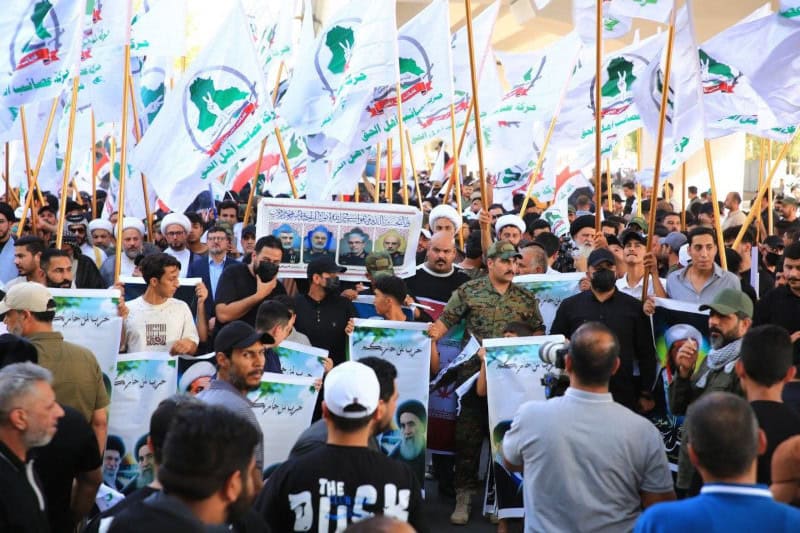
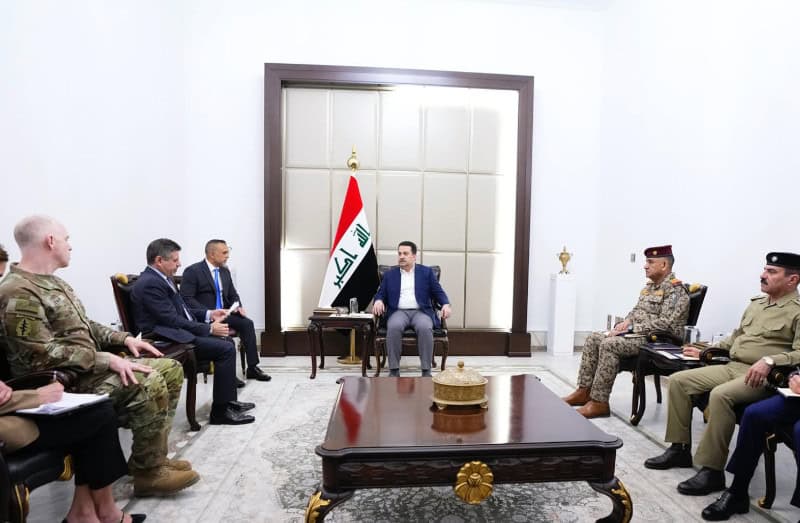
Iranian-backed militias threaten US amid rising tensions in Iraq over Iran-Israel conflict
Tensions in Iraq have grown in the wake of the Israeli attack on Iran on June 12. Pro-Iranian Iraqi militias have increased their threats against US forces and held rallies against the US presence in Iraq. The Iraqi government has sent security forces to Nineveh Governorate to prevent the area from being used by militias to launch rockets. In addition, several drones launched by Iran have crashed in Iraq.
-
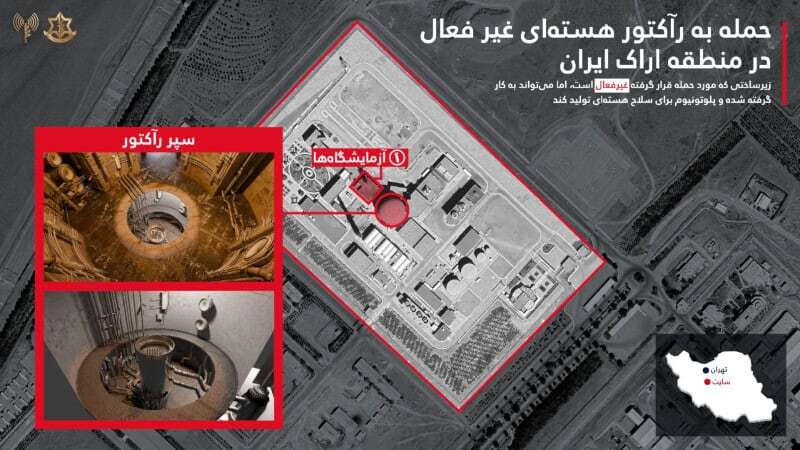
Israel targets nuclear sites, Iran appoints new officials (June 19 updates)
Israel has expanded its military campaign against Iran with targeted strikes on nuclear facilities, missile infrastructure, and security institutions. Leadership changes within Iran’s Islamic Revolutionary Guard Corps (IRGC) point to a tightening of internal control, while cyberattacks have disrupted Iran’s banking system and fueled public anxiety. Tehran’s threats toward US regional bases continue as Washington weighs possible military involvement.
-
Iranian drone and missile attacks against Israel: June 18, 2025
Iran’s drone and missile attacks against Israel continued on June 18, 2025, targeting several parts of Israeli territory. Missile barrages remained frequent but smaller in size. No fatalities were reported on June 18, though light injuries and property damage occurred.
-
Iranian drone and missile attacks against Israel: June 17, 2025
Iran’s drone and missile attacks on Israel continued on June 17, 2025, targeting several parts of Israeli territory. Missile barrages became more frequent but smaller in size. No fatalities were reported for the first 24-hour period of the war, though light injuries and property damage occurred.
-
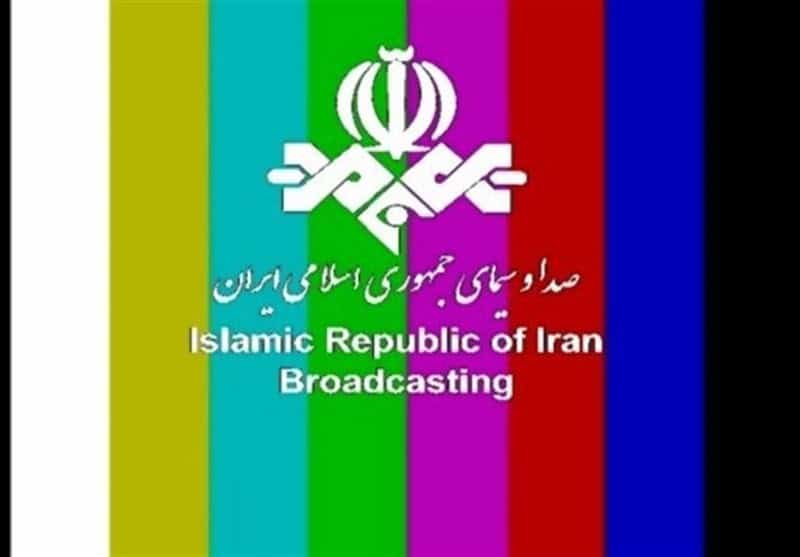
Israel strikes Tehran police HQ, hacks live broadcast (June 18 updates)
Israel struck key Iranian military sites across Tehran, Karaj, and Kermanshah, destroyed air defenses, and hacked state TV, urging protests. Iran responded with internet shutdowns and claims of foiling Israeli plots. Supreme Leader Ali Khamenei’s recent emergency video reflects rising tensions after Trump’s demands for Iran’s surrender.
-
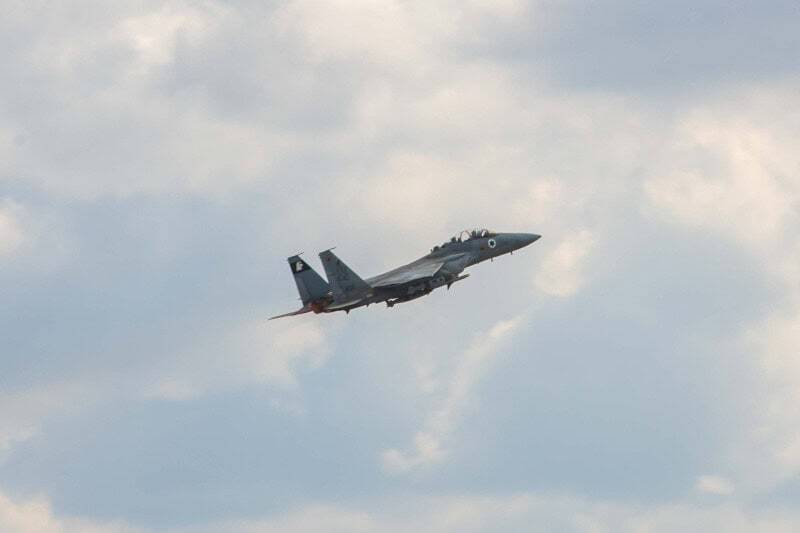
The Houthis join Iran’s attacks on Israel
Yemen’s Houthis have continued their campaign against Israel, but now in coordination with and support of Iran. Other Iranian proxies within the Tehran-led Axis of Resistance have chosen not to involve themselves in the conflict openly and directly, so far. Israel carried out a targeted strike in Yemen in response to Houthi attacks.
-
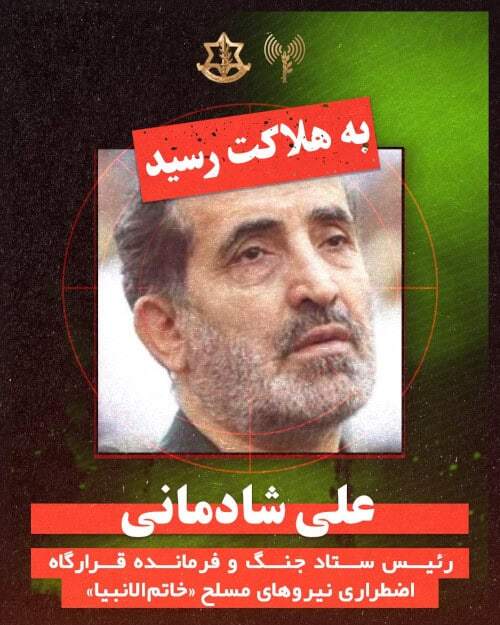
Israel targets IRGC general and disrupts Iranian banks (June 17 updates)
As new operations unfold, Tehran appears cornered—its highest military leadership decimated, banking networks disrupted, and supreme leader underground. With Western powers weighing escalation, the coming days could determine whether this conflict ends in negotiation or spreads further across the region.
-
Israel targets Iranian ballistic missile launchers and infrastructure
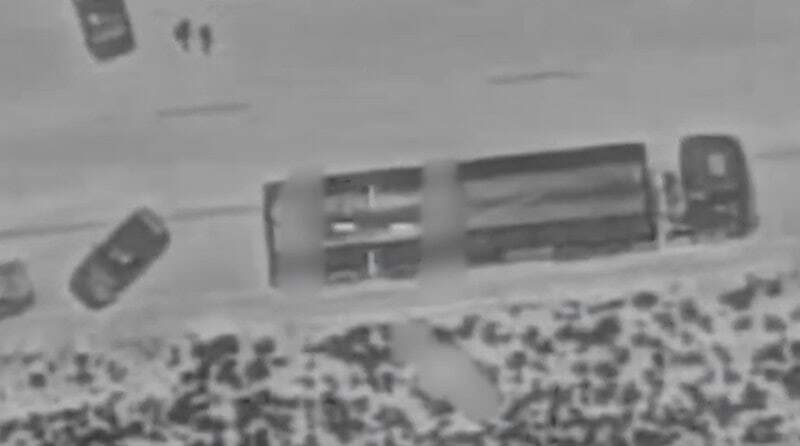
The Israel Defense Forces (IDF) focused on targeting Iranian ballistic missiles and their launchers since Israel’s military operation against Iran began on June 13. In the first days of the conflict, the IDF targeted missile production facilities as well as launch sites and underground storage sites. By June 16, the IDF estimated that it had destroyed a third of Iran’s ballistic missile launchers.
-
Israeli airstrikes eliminate senior Iranian military officials
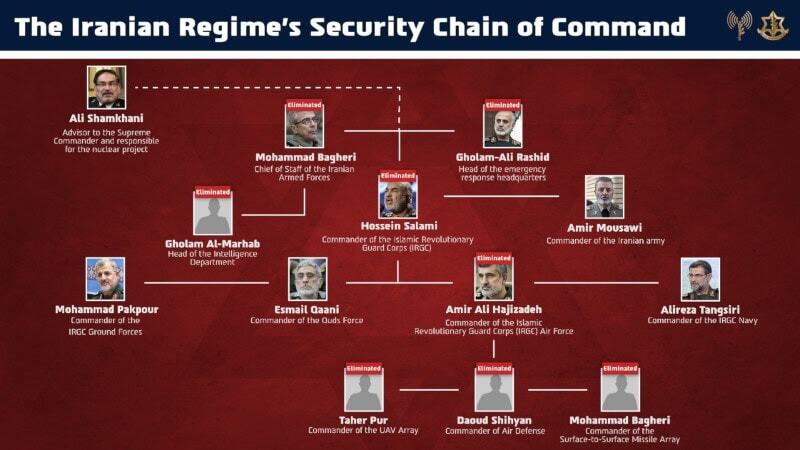
Since the launch of Operation Rising Lion, the Israeli military has successfully eliminated key members of the Islamic Republic of Iran’s military leadership. Top leaders such as Mohammad Bagheri, Hossein Salami, and others are among the central figures in the regime’s military apparatus who were targeted in the opening hours of the conflict.
-
Taliban denounces Israeli strikes on Iran
The Taliban sided with Iran and condemned Israel’s attacks on Iran’s nuclear and military targets. Iran has a long history of supporting the Taliban since 9/11, and the Taliban appears to be returning the favor.
-
Israel widens air campaign, hits Iran’s critical infrastructure, propaganda hubs (June 15–16 updates)
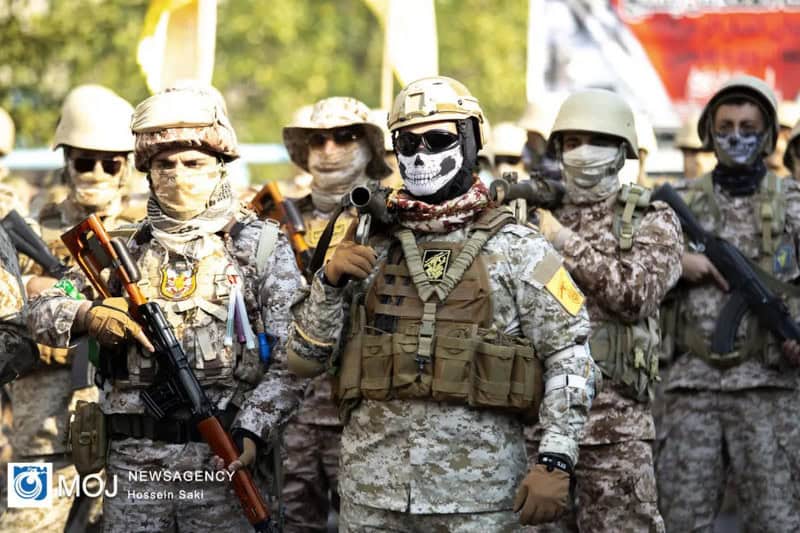
As Israel expands its precision strikes across Iran, the US has publicly denied involvement in Israel’s campaign while quietly ramping up military deployments. With Iran’s missile stockpile dwindling and its top regime officials either dead or in hiding, Israel’s campaign is now targeting critical infrastructure and propaganda hubs. Meanwhile, Tehran has intensified a domestic crackdown, even as public unrest grows louder.
-
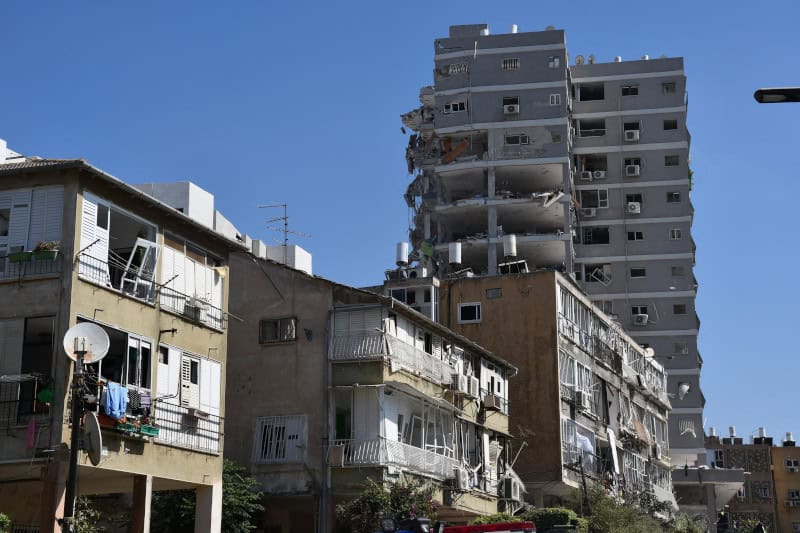
More than 30 Iranian ballistic missiles strike Israel in 4 days of war, over 370 launched
Iran has fired over 370 ballistic missiles at Israel in four days of war, with around 30 projectiles penetrating Israeli air defenses. As of June 16, 24 people have been killed and almost 600 wounded. Israel has improved its early warning systems to provide Israelis with up to 30 minutes of warning of potential missile attacks. Iran has vowed harsher attacks if the war does not end.
-
Iraqi militias largely rely on rhetoric in response to Israel-Iran conflict—for now
Iranian-backed militias in Iraq have refrained from attacking Israel directly since the start of the war between Israel and Iran on June 13. However, there have been two unclaimed attacks on US interests in Iraq since Operation Rising Lion began, and the Iraqi groups have ramped up anti-Israeli and anti-American rhetoric, threatening US interests and mobilizing supporters through propaganda channels.