-
Israel reportedly blocks Board of Peace base in Gaza, IDF reports 31 ceasefire violations October 1–15
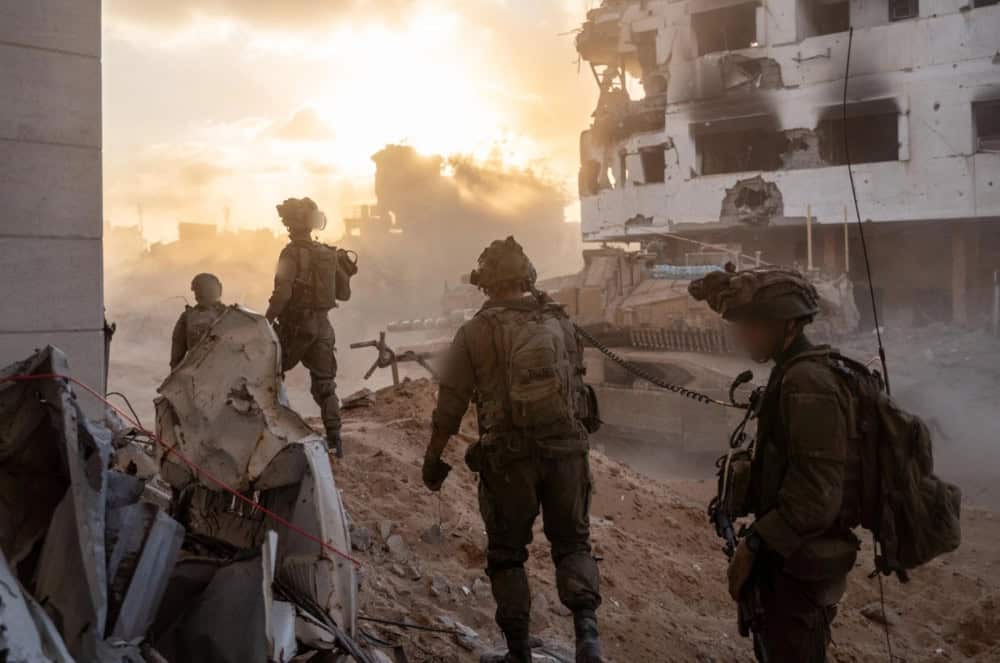
Efforts to implement the US-backed Board of Peace’s plans for Gaza remain stalled on the ground, with a first military facility still unbuilt, but preparations for Hamas’s disarmament and international reconstruction cooperation are moving forward. Meanwhile, Hamas maintains its grip on Gaza’s civilian administration and commercial activity, despite its July declaration that it was relinquishing governing authority.
-
Board of Peace unveils Gaza recovery plan, Israel reports 18 ceasefire violations Sept. 15–29
The US-backed Board of Peace announced a $2.45 billion plan to rebuild Gaza over six months, but disagreements over Hamas’s disarmament and an Israeli withdrawal continue to obstruct its implementation. A day later, Israeli Prime Minister Benjamin Netanyahu spoke before the United Nations General Assembly. Meanwhile, Israeli forces continued operations against Hamas members working to rebuild the terror group.

-
Board of Peace focuses on International Stabilization Force for Gaza
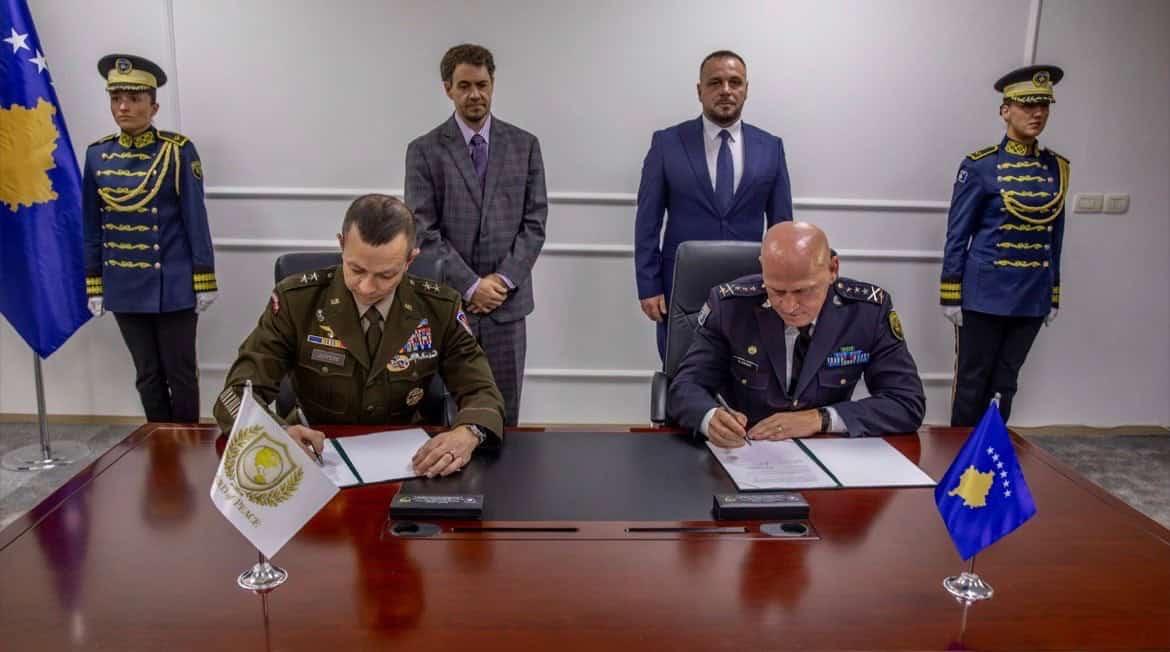
The Board of Peace continues efforts to assemble the International Stabilization Force for Gaza, securing commitments from Kosovo and Albania as preparations advance to implement the US-backed peace plan. While progress on the ground remains tied to Hamas’s disarmament and Israel’s political timetable, international planning for Gaza’s future governance and security continues to move forward.
-
IDF captures Hamas security chief, reports 29 Gaza ceasefire violations Aug. 19–Sept. 3
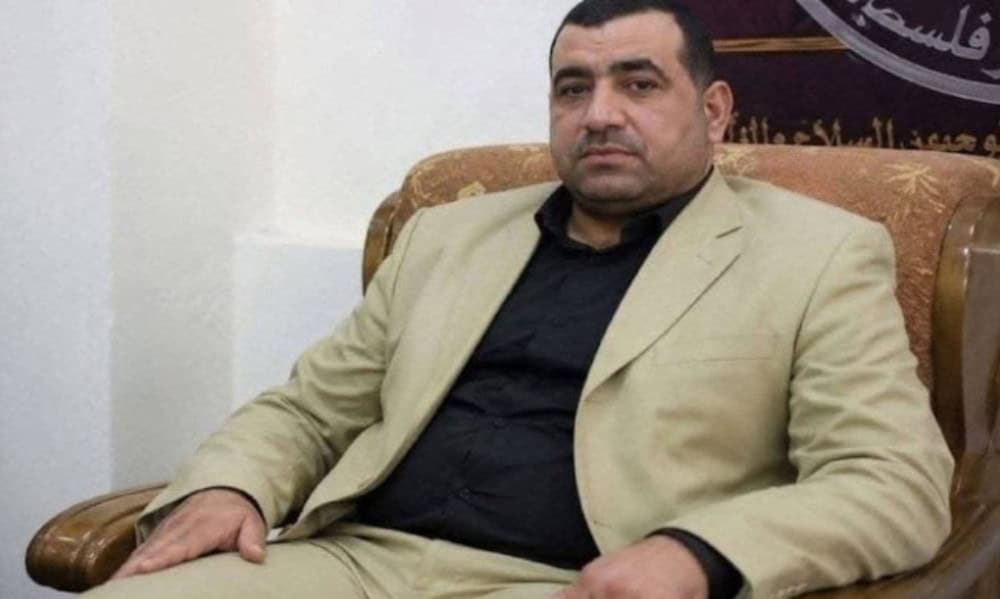
Israeli special operations forces captured a senior Hamas security official in a September 1 operation in the Katiba area of western Gaza City. The raid came as the US-backed Board of Peace’s stabilization plan and Hamas disarmament agreement, which had prompted Israel to scale back strikes in response to reported ceasefire violations, appeared to falter.
-
Board of Peace to establish ‘pilot zone’ for Gaza civilians, IDF claims 13 ceasefire violations June 30–July 9
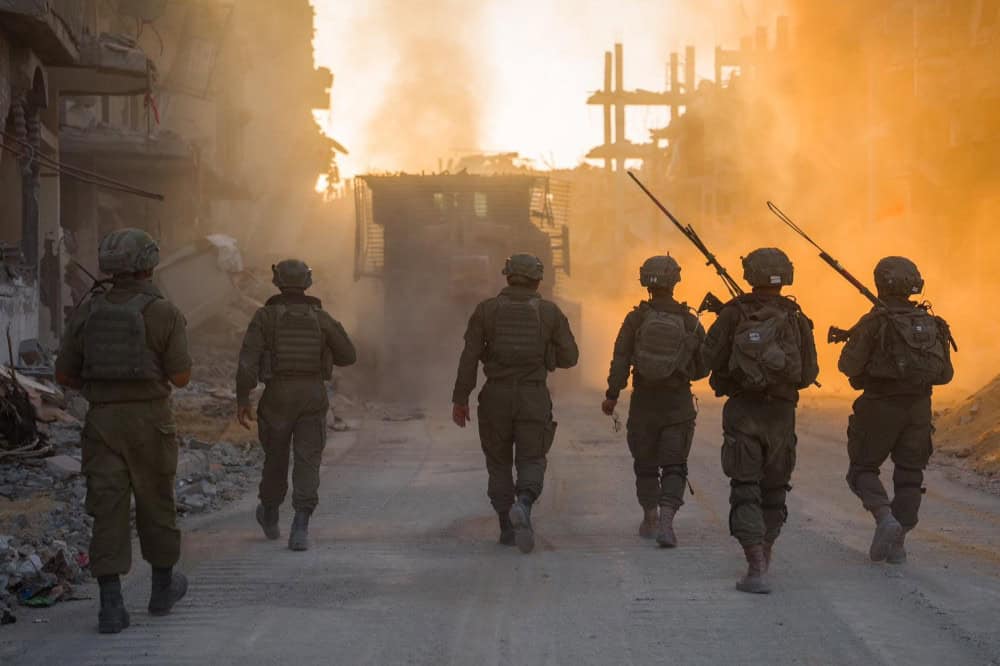
The US-led Board of Peace said on July 8 that it would soon begin setting up a “pilot zone” in Gaza that would bring unarmed civilians screened for Hamas links across the Yellow Line into the Israeli-controlled portion of the territory. Meanwhile, Hamas has escalated ceasefire violations in the areas it still controls as the group works to rebuild its forces.
-
Hamas announces intent to dissolve Gaza government as disarmament questions remain
Hamas said that it is prepared to dissolve its governing institutions in Gaza and transfer authority to the National Committee for the Administration of Gaza (NCAG), a key component of the US- and UN-backed ceasefire framework. As negotiations continue, Israeli officials argue that Hamas surrendering administrative control without relinquishing weapons would leave Hamas as the dominant force behind the scenes.

-
Hamas suppresses protests, IDF reports 17 strikes, ceasefire violations June 10–29
Anti-Hamas organizers in Gaza had hoped June 26 would bring a wave of large demonstrations against the terror group. However, Hamas worked to lower turnout with arrests, threats, and armed street deployments.

-
Gaza peace plan sees slow progress after Hamas meets in Cairo
Efforts to advance the US-backed peace plan for Gaza have continued amid difficult negotiations over Hamas’s disarmament and the future security structure of the enclave. Talks in Cairo involving Hamas, Egyptian officials, and representatives of the Board of Peace have focused on implementing key provisions related to weapons restrictions and the deployment of an International Stabilization Force.

-
Generation Jihad | Gaza: Smoldering battlefield?
Despite multiple attempts by Israel to quell the fighting in Gaza and decapitate Hamas’s leadership, the group continues a guerilla-style resistance. The IDF now fights on three active fronts: Lebanon, Iran, and Gaza. But it’s perhaps the forgotten war in Gaza that could resume major hostilities if left unchecked. Bill Roggio speaks with FDD Research Analyst Samuel Ben-Ur about next steps in Gaza.

-
IDF kills new Hamas military leader, reports 10 ceasefire violations May 21–May 28
Less than two weeks after Hamas named Mohammed Odeh as its new military commander, Israel eliminated him. The IDF also targeted a number of other high-profile Hamas members as the terrorist group continues refusing to disarm.

-
Hamas commander Izz al Din al Haddad targeted in Israeli airstrike
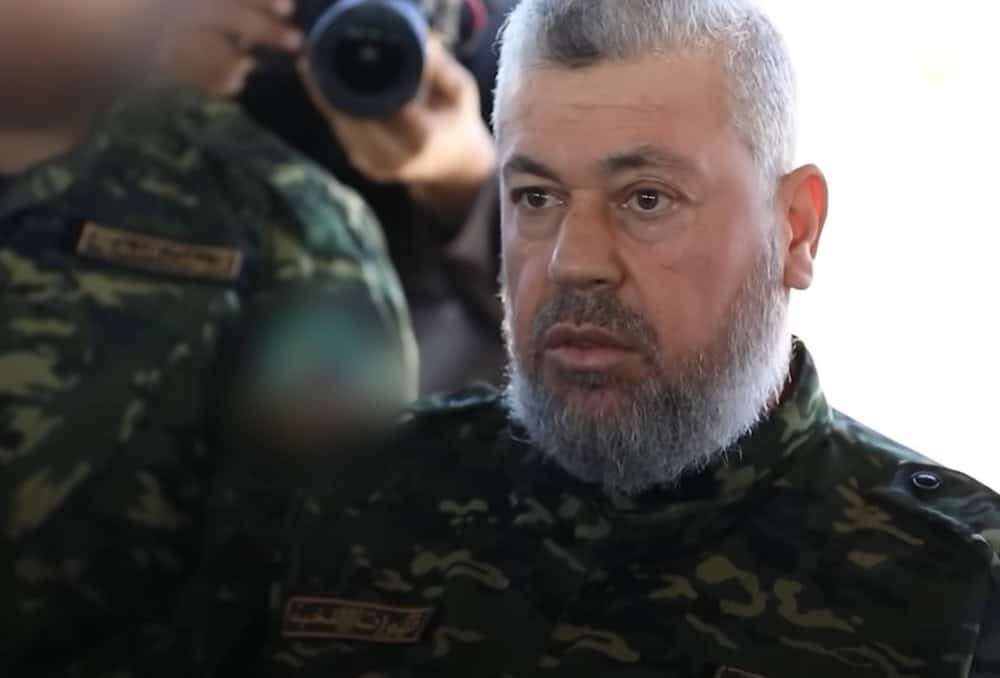
The Israeli military attacked an apartment in Gaza City, targeting Izz al Din al Haddad, Hamas’s leader in Gaza. Al Haddad is one of the last remaining senior members of Hamas who were responsible for the October 7 attack.
-
Talks over Hamas disarmament stall, IDF reports 19 Gaza ceasefire violations April 21–May 5
Hamas and other Palestinian terrorists continued to violate the Gaza ceasefire toward the end of April and beginning of May, according to Israeli military reports. Hamas remains adamant that it will not even begin to discuss disarmament before a complete IDF withdrawal from the territory.
-
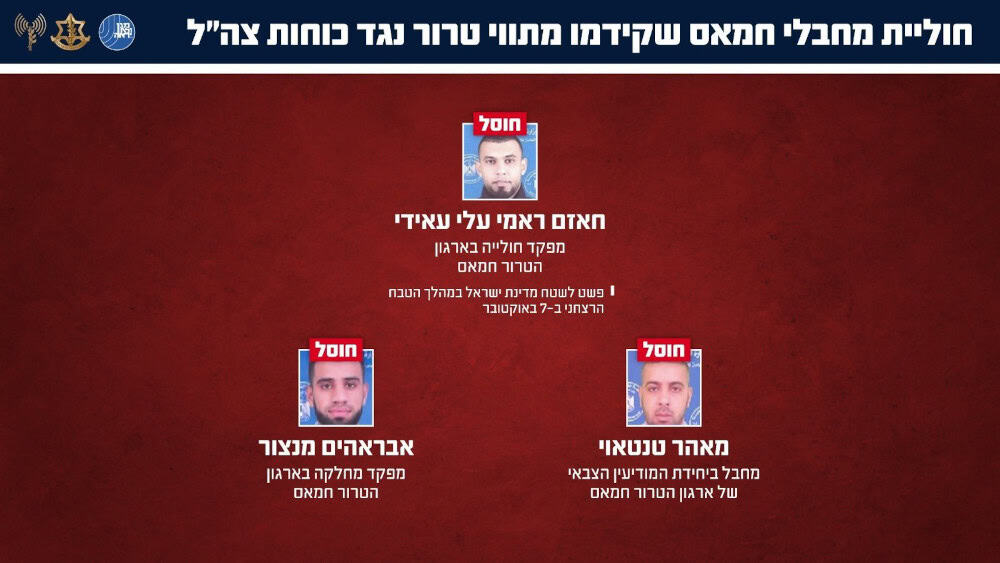
Charity founded by Hamas member raising funds on US-based platform
A Hamas operative who was killed during the recent war with Israel founded a Gaza-based charity that has raised hundreds of thousands of dollars online. The charity continues to solicit donations, including through a New York-headquartered platform.
-
Kosovo military team evaluates Gaza deployment amid continuing ceasefire violations
Kosovo has moved toward contributing forces for the International Stabilization Force (ISF) mission in Gaza, sending a military team to assess a future deployment area and coordinate with local and multinational officials. The security situation in Gaza remains tense despite a ceasefire, with uncertainty over Hamas’s disarmament.

-
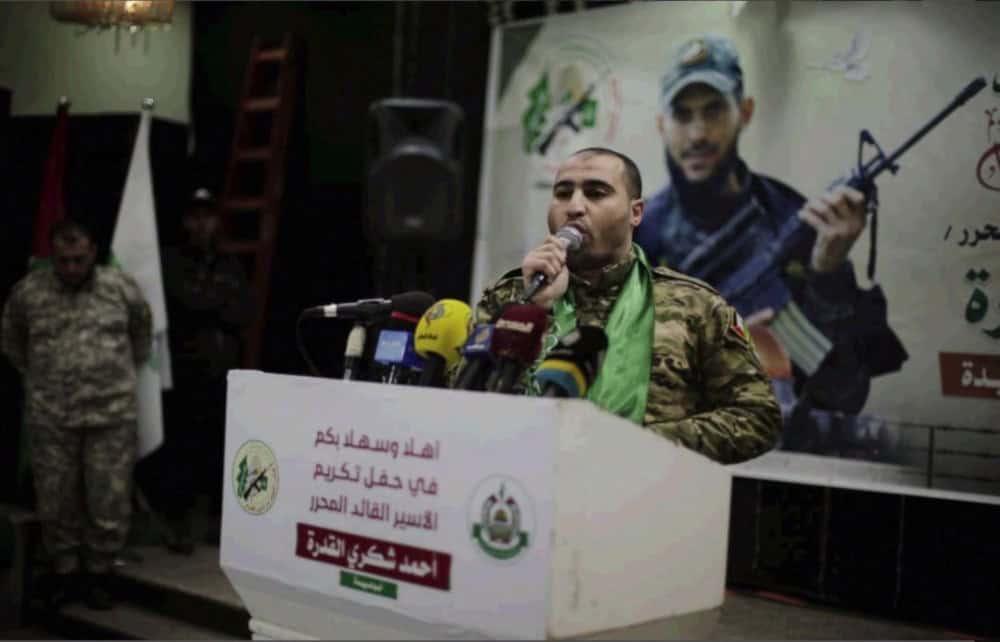
IDF: Palestinian terrorists violate Gaza ceasefire 22 times since start of Iran war
While the US-Israeli war with Iran has taken center stage, Israel’s Gaza front remained active, despite the US-brokered ceasefire that took effect on October 10 of last year. The Israeli military has documented 22 ceasefire violations by Hamas and other Palestinian terrorist groups since the war with Iran began on February 28.
-
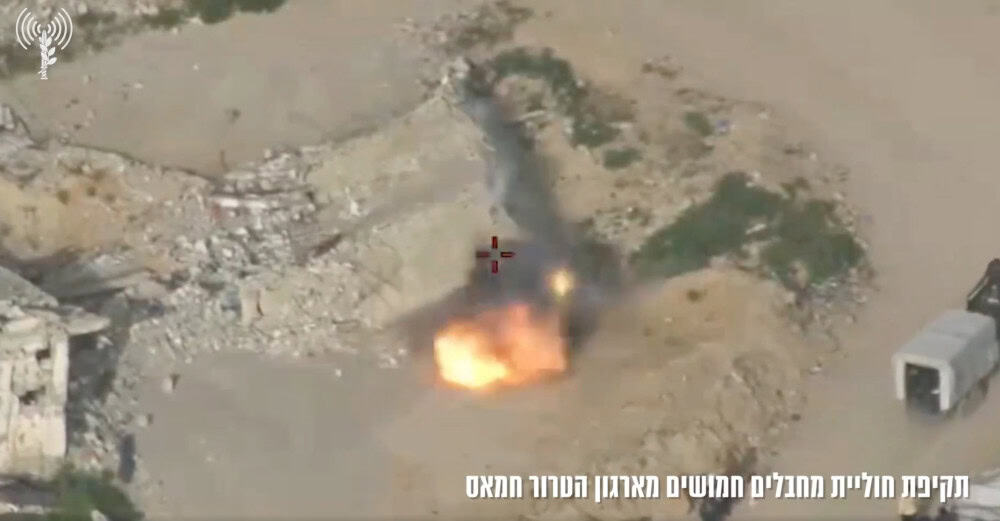
Israel eliminates 3 Hamas members operating in Lebanon
The Israeli military announced on March 22 that it killed Walid Dib, a Hamas money man, in Lebanon. In addition to Dib, two other Hamas members operating in Lebanon have also been eliminated in Israeli strikes in recent days.
-
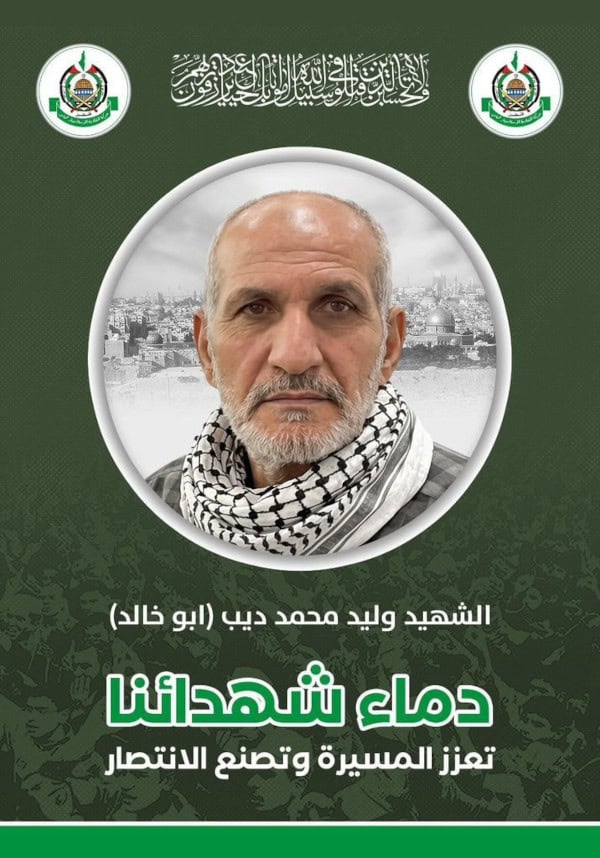
Israeli strike eliminates Hamas commander in Lebanon
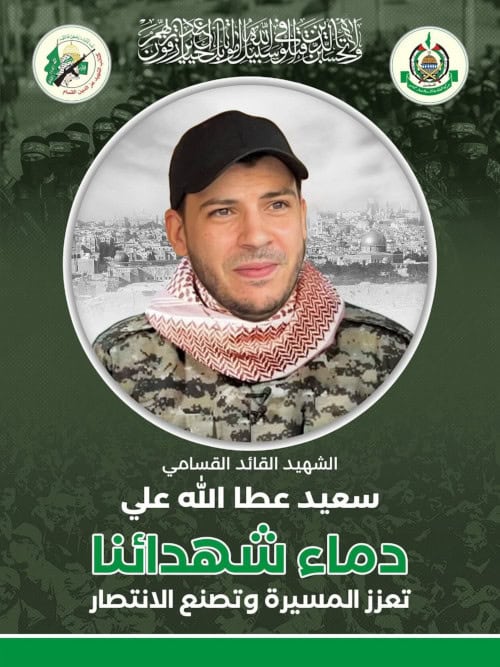
The Israeli military killed Hamas commander Wasim Atallah Ali in Tripoli on March 5. The IDF said that Ali was responsible for training the group’s branch in Lebanon. His elimination adds to the growing number of Hamas and Palestinian Islamic Jihad members who have been killed in Lebanon by the Israeli military.
-
Analysis: Israeli strikes against Hamas in Lebanon signal a sustained strategy
Following the Hamas-led attack on Israel on October 7, 2023, Israel has conducted a consistent military campaign against Palestinian terrorist groups in Lebanon. The Israeli military’s recent attack against a Hamas command center in the Palestinian camp of Ayin al Hilweh demonstrates that this approach continues to be Jerusalem’s preferred strategy against Palestinian armed groups that operate on Israel’s northern border.

-
Stabilization force and funding pledged for Gaza at Board of Peace meeting
At a February 19 meeting of the US-backed Board of Peace in Washington, DC, five countries pledged troops to an International Stabilization Force for Gaza, and representatives of 40 nations committed approximately $7 billion in funding. The initiative is part of the second phase of a ceasefire plan launched in October 2025. Clashes between the Israel Defense Forces and militants continue in Gaza, where Israeli forces report ongoing ceasefire violations and operations against Hamas infrastructure.

-
Hamas renews threats against rival Palestinian militias in Gaza
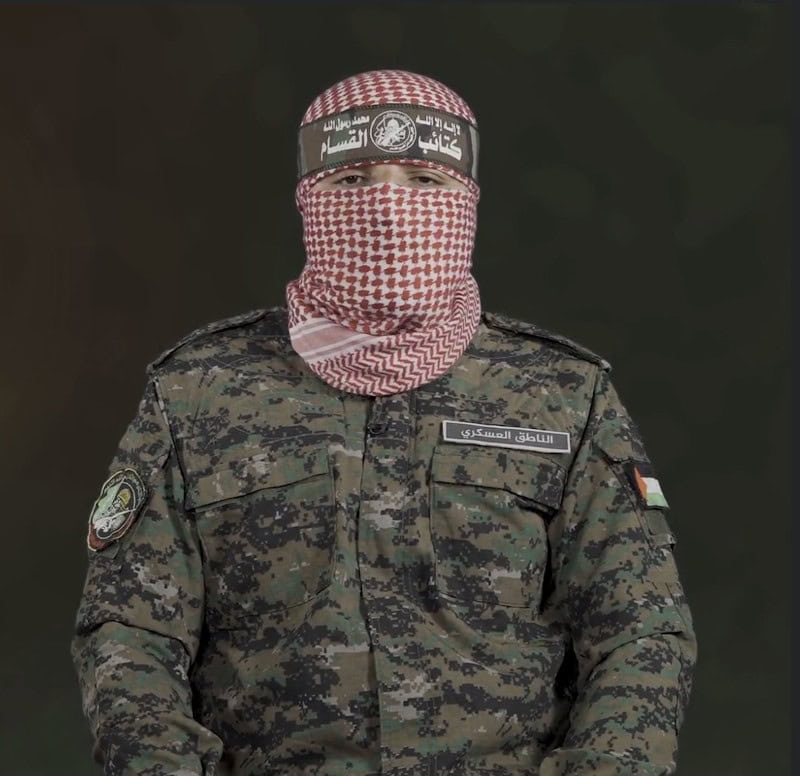
Hamas warned opposing militias that their days were numbered and that the Israeli military could not protect them. The threat came after some militias have carried out successful operations against Hamas in recent weeks and months.
-
Popular Forces Gaza militia captures senior Hamas member
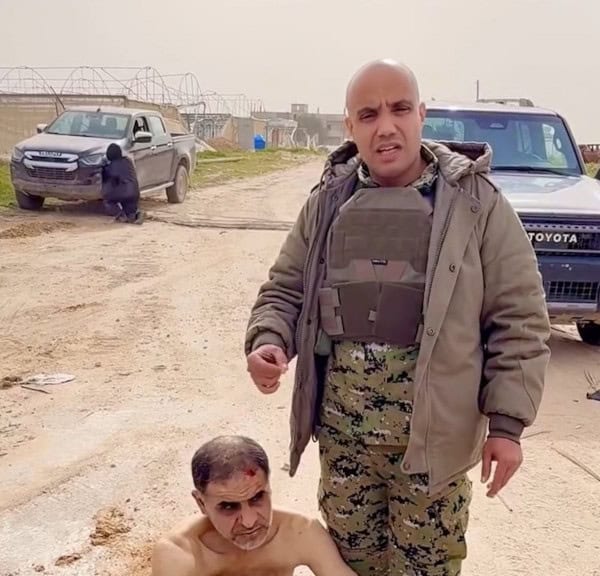
The Popular Forces captured Adham al Akar, a Hamas company commander in Rafah, and transferred him to Israeli custody. Akar’s capture underscores the growing role of local anti-Hamas militias in conducting offensive operations against the Islamist organization. However, with the ceasefire framework expected to bring further Israeli military withdrawals from Gaza, these groups may face mounting strategic risks.
-
US-backed Gaza plan moves to second phase as NCAG and Board of Peace unveiled
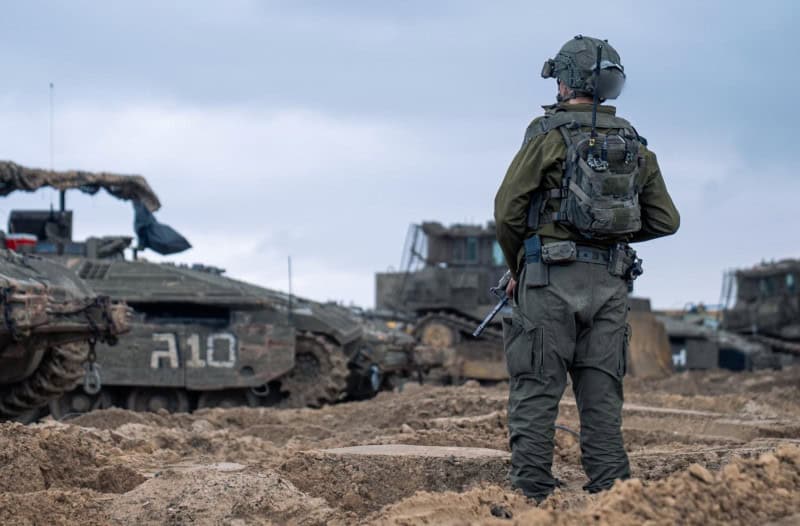
On January 16, the White House announced a number of appointments to the National Committee for the Administration of Gaza (NCAG) and the Board of Peace, which will support the stabilization and demilitarization of Gaza, after the Gaza ceasefire, which began in October, moved into its second phase on January 14. The Israel Defense Forces clashed with gunmen in the territory on January 14 and responded with airstrikes.
-
Hamas, Red Cross search for last Gaza hostage’s body, IDF reports 14 ceasefire violations from December 19 to January 8
The search resumed this week for the body of Ran Gvili, a police officer killed on October 7, 2023, during the Hamas invasion of southern Israel. Despite being given only 72 hours to return all hostages, both living and deceased, on October 10, Hamas has yet to do so.

-
Israel rotates military units in Gaza as new phase of ceasefire deal looms
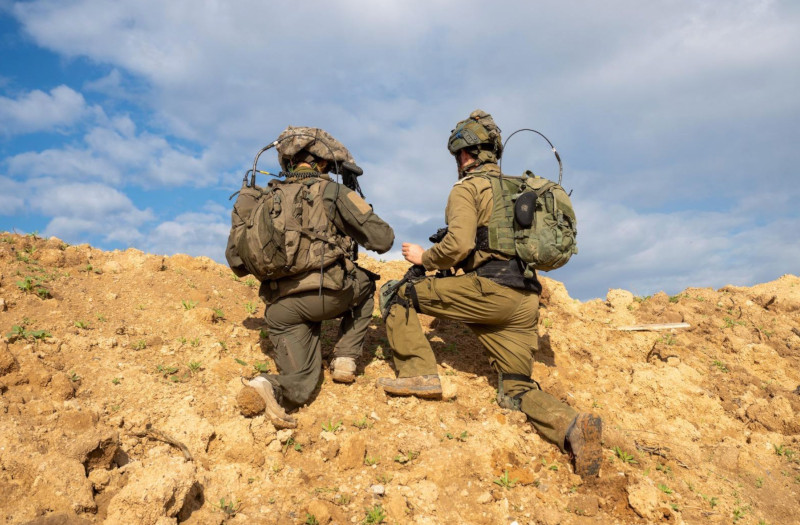
In late December, the Israel Defense Forces (IDF) replaced the 2nd Reserve Infantry Brigade and Kfir Brigade in Gaza with the 16th Reserve Infantry Brigade and 188th Armored Brigade, respectively. The IDF continues to deal with threats from terrorists along the Yellow Line in the territory, and an Israeli soldier was wounded on December 24 by an explosive device. Israeli Prime Minister Benjamin Netanyahu prepared for a trip to Miami to meet US President Donald Trump.
-
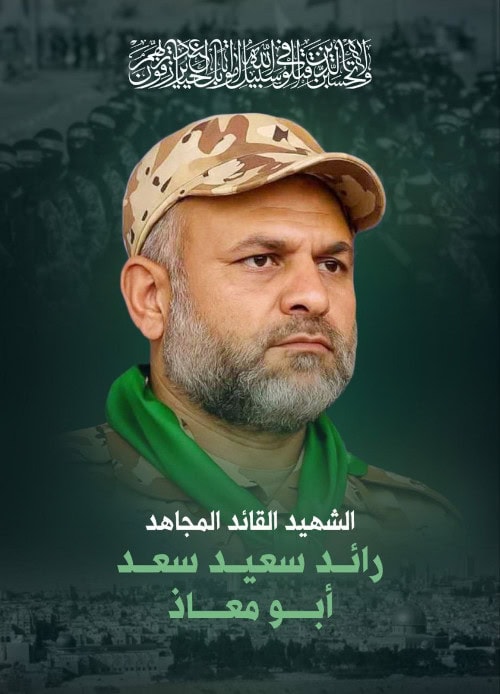
Hamas acknowledges the killing of senior commander Raed Saad
In contrast to its ambiguity about casualty announcements during the recent war with Israel, Hamas confirmed the killing of veteran senior leader Raed Saad and additional operatives. Israel said Saad held multiple senior positions within Hamas and was among the planners of the October 7 attack.
-
Israel awaits return of last hostage, next phase of Gaza ceasefire under discussion
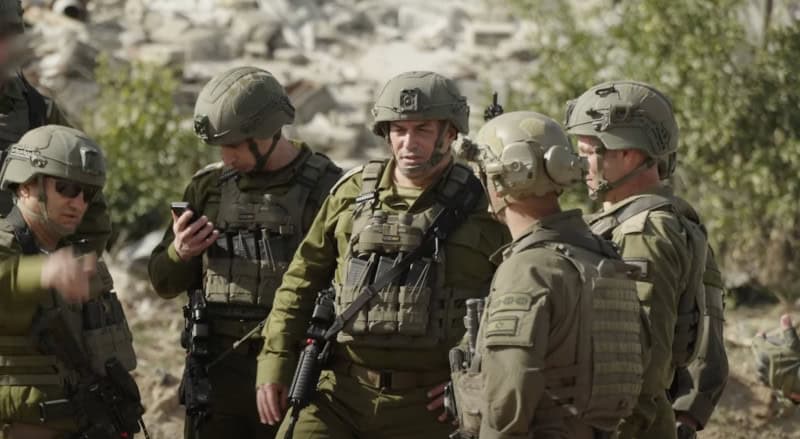
Israel continues to wait for the last deceased hostage, Israeli police officer Ran Gvili, to be returned from Gaza. Reports indicate that the US is expected to announce members of the Board of Peace in early 2026 and appoint a two-star general to command the International Stabilization Force (ISF). UN Ambassador Mike Waltz visited Israel and discussed the next steps in Gaza with Israeli President Isaac Herzog.
-
Palestinian terrorists ambush Israeli troops in Rafah; IDF reports 7 Gaza ceasefire violations from November 27 to December 3
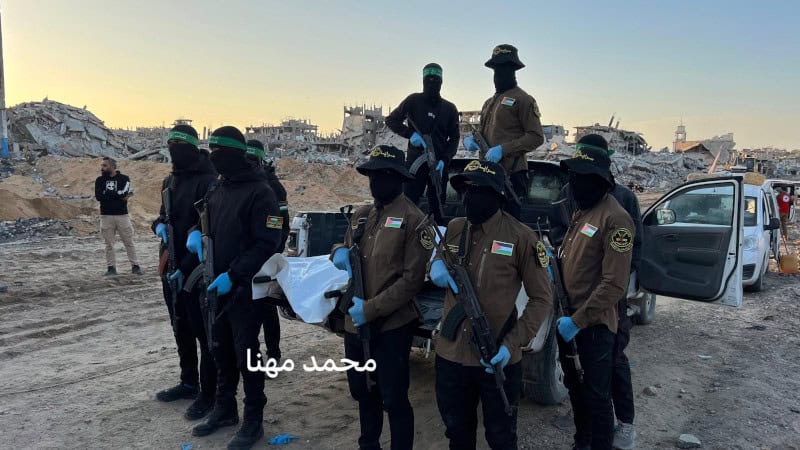
Palestinian terrorists again ambushed Israeli troops in the southern Gaza hotspot of Rafah, injuring five soldiers, one seriously, and marking the first instance of the Israeli military taking casualties in over a month. Palestinians have violated the truce in the territory at least seven times in the past week, according to Israel Defense Forces reports.
-
Terrorist uses aid route to fire at Israeli troops; IDF reports 14 Gaza ceasefire violations from November 22 to 26
Palestinian terrorists violated the ceasefire 14 times between November 22 and 26, according to Israel Defense Forces (IDF) reports. Among these incidents were an attacker using a humanitarian aid route to shoot at Israeli troops and at least three instances of terrorists emerging from tunnels in Rafah on the Israeli-controlled side of the Yellow Line. Palestinian Islamic Jihad also returned the body of a hostage after Israeli Prime Minister Benjamin Netanyahu accused the group of violating the ceasefire by delaying the transfer.

-
Hamas hands over body of hostage as IDF fights terror cells in Rafah
On November 25, Hamas transferred the body of Dror Or, an Israeli hostage whose body had been held in Gaza for more than two years. Israeli troops continued to clash with Hamas terrorist cells in the southern Gaza city of Rafah, as the Israeli military continues reporting ceasefire violations along its Yellow Line of control. The Gaza Humanitarian Foundation ended its work in the territory, noting that it had distributed 187 million meals since May.

-
Generation Jihad | Don’t Call It a Peace Deal
Ceasefire on paper. Chaos on the ground. Trump’s 20-point plan promises “peace” in Gaza — but Hamas is already violating the ceasefire, gaming hostage returns, killing rivals, and rearming in tunnels. Bill Roggio is joined by his FDD colleagues Samuel Ben-Ur and Aaron Goren to discuss why disarming Hamas is a fantasy, why an international force risks becoming UNIFIL 2.0, and why Israel may be forced to finish the war.