The US-backed ceasefire plan in Gaza entered a new phase on January 14. On January 16, the White House announced the establishment of a National Committee for the Administration of Gaza (NCAG) and a Board of Peace for the enclave. The announcements included a series of appointments of officials to positions involved in the territory’s governance and in the execution of the peace plan formulated in September 2025.
The announcement of commencing a second phase of the ceasefire in Gaza came three months after the truce began on October 13. During the first phase, US Central Command set up a coordination center in southern Israel to facilitate aid delivery to Gaza. The UN Security Council also adopted a resolution in November backing the plan.
Meanwhile, the Israel Defense Forces (IDF) accused Hamas of numerous ceasefire violations in the territory, resulting in several rounds of airstrikes and numerous clashes between Israeli forces and gunmen. One deceased Israeli hostage is still held in Gaza, despite the immediate release of all remaining hostages being a condition of the initial ceasefire.
US Special Envoy for Peace Missions Steve Witkoff announced the new phase in Gaza on January 14. He wrote in a post on X that this phase will move from a ceasefire to “demilitarization, technocratic governance, and reconstruction.” Witkoff noted that a technocratic Palestinian administration called the National Committee for the Administration of Gaza (NCAG) will be responsible for demilitarization and reconstruction in Gaza. “The US expects Hamas to comply fully with its obligations, including the immediate return of the final deceased hostage. Failure to do so will bring serious consequences,” Witkoff added.
The NCAG is led by Doctor Ali Shaath, who the White House described as “a widely respected technocratic leader who will oversee the restoration of core public services, the rebuilding of civil institutions, and the stabilization of daily life in Gaza.” Shaath was born in Gaza and has worked with the Palestinian Authority in the past.
The NCAG met for the first time in Cairo on January 15. A video of the meeting posted by Palestinian political activist Samer Sinijlawi showed 10 men and one woman in attendance. TheTimes of Israel reported that the initial committee has 15 members, and Sinijlawi named 13 of them in a separate post on X. The members are expected to handle various government functions, including agriculture, trade, health, education, police, and security.
The White House also named several members to the Board of Peace. “The Board of Peace will play an essential role in fulfilling all 20 points of the President’s plan, providing strategic oversight, mobilizing international resources, and ensuring accountability as Gaza transitions from conflict to peace and development,” the White House said on January 16.
Chaired by US President Donald Trump, the Board’s initial eight members include US Secretary of State Marco Rubio, Witkoff, former UK Prime Minister Tony Blair, and former UN envoy to the Middle East Nickolay Mladenov. Jared Kushner, Trump’s son-in-law, who played a role in the ceasefire deal and has been central to Trump’s Middle East policy in the past, is also on the Board. The White House said in its January 16 statement that more members will be announced. A report at Canada’s CBC said that Canada’s Prime Minister Mark Carney has also been invited to join the Board, along with the leaders of Egypt and Turkey. Board members are expected to oversee various aspects of Gaza’s stabilization, including reconstruction and investment.
In addition to being on the Board, Mladenov has been tapped to head the Office of the High Representative in Gaza, working with the Board of Peace and the NCAG. “He will support the Board’s oversight of all aspects of Gaza’s governance, reconstruction, and development, while ensuring coordination across civilian and security pillars,” the White House said.
Another entity, the Gaza Executive Board (GEB), which has an initial 11 members, will “support effective governance and the delivery of best-in-class services that advance peace, stability, and prosperity for the people of Gaza.” The GEB has more international representatives, including Turkey’s Foreign Minister Hakan Fidan and Egyptian General Hassan Rashad, along with members from the UAE and Qatar.
The White House also said that Major General Jasper Jeffers has been appointed to lead the International Stabilization Force (ISF) in Gaza. It is not yet clear which countries will contribute forces to the ISF. Jeffers was previously commander of US Special Operations Command Central and played a role in implementing the Israel-Lebanon ceasefire.
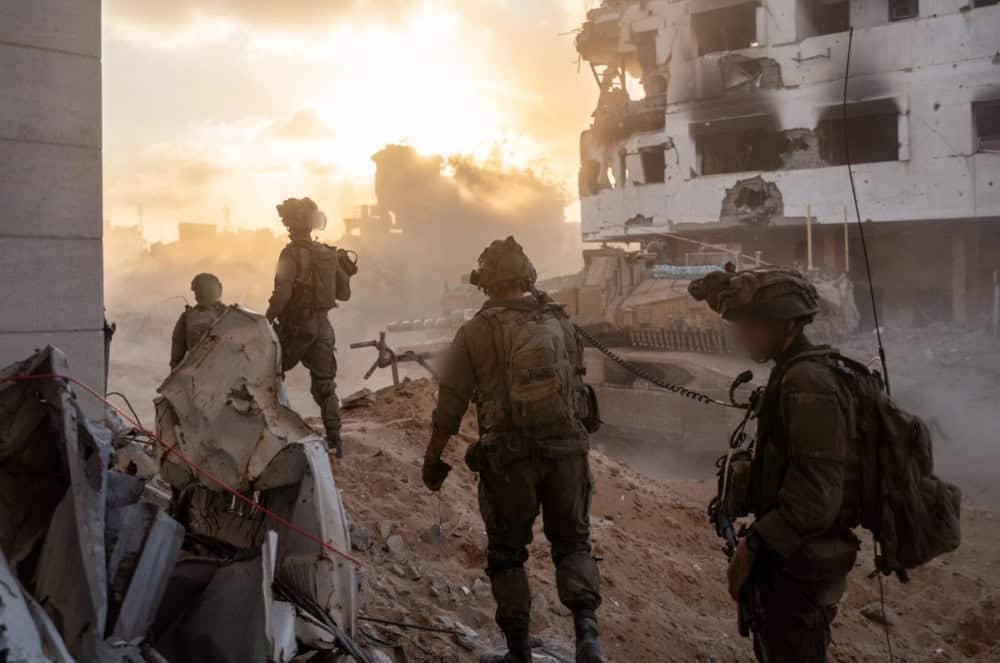
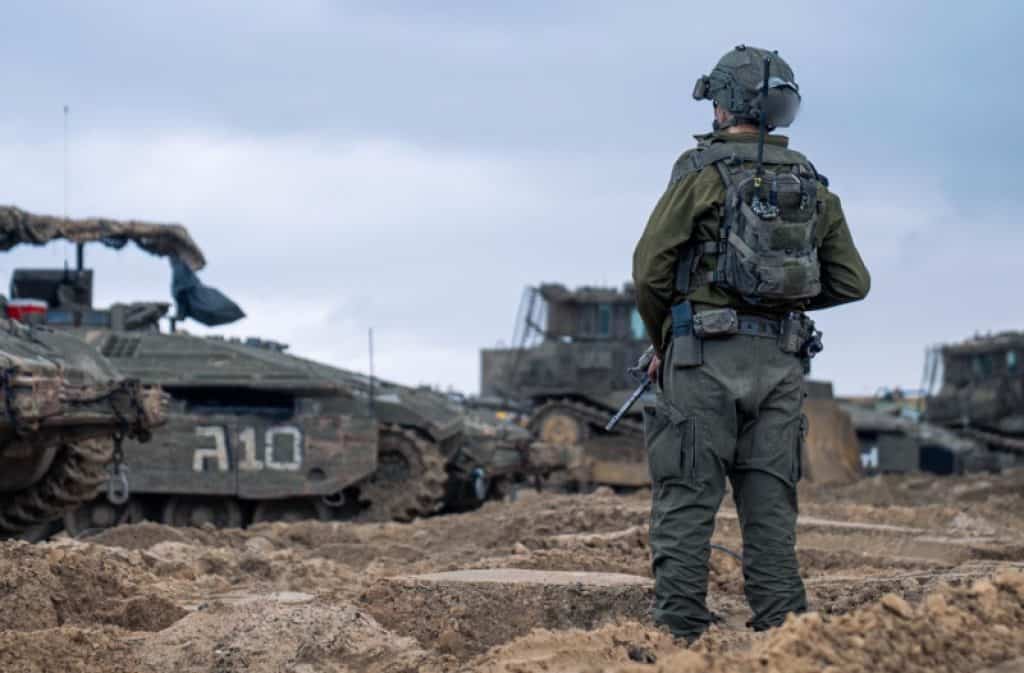
During the first phase of the ceasefire, the IDF controlled around half of Gaza, and Hamas continued to control most of the other half. However, there are several small Palestinian anti-Hamas militias that are also active in the territory.
Large parts of Gaza have been damaged by two years of war. The UN estimates that it could take seven years to clear the rubble, The Jerusalem Post reported on January 16. As the new phase in Gaza takes shape, tensions between the IDF and Hamas remain high. Six gunmen were killed during a firefight with Israeli troops in southern Gaza on January 14. The IDF carried out additional strikes in the territory targeting Hamas and Palestinian Islamic Jihad in response to the clash.