-
Protests break out in Syria against ‘Israeli incursions and attacks’ as tensions rise
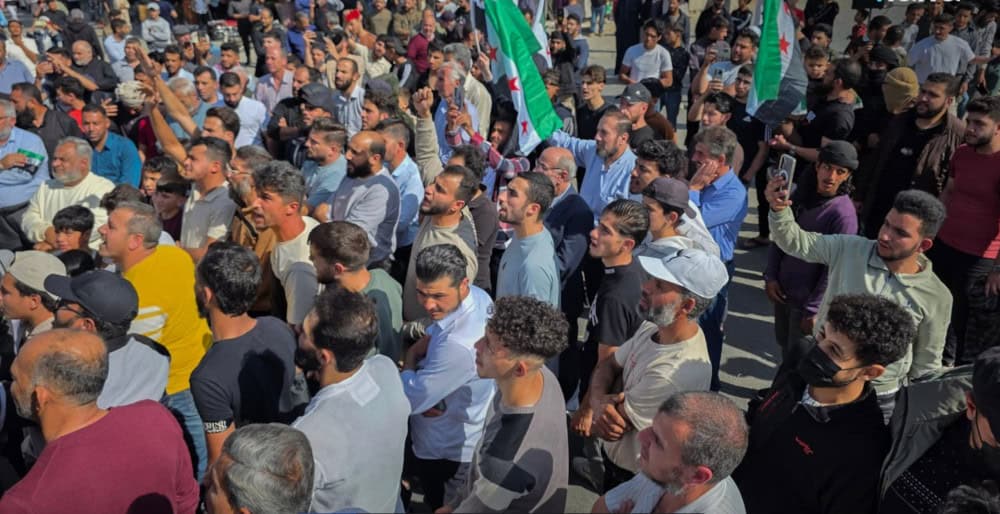
Protests erupted across southern Syria and Damascus on October 23 against Israeli military operations in the buffer zone along the Golan border, following reports that a Syrian man with disabilities was killed during an IDF raid. The protests come amid growing Syrian condemnation of Israeli incursions, as well as diplomatic efforts by Syrian officials to address regional tensions.
-
Syria increases criticism of Israeli actions, continues diplomatic outreach
Syria has stepped up its criticism of Israeli military operations in Syria, drawing support from several regional countries. Damascus continues diplomatic outreach, strengthening ties with Turkey, Saudi Arabia, the UAE, and the US as it seeks to consolidate its regional position following the fall of the Assad regime.

-
IDF shifts southern Lebanon forces toward ‘forward-defense’ posture as troops prepare for winter
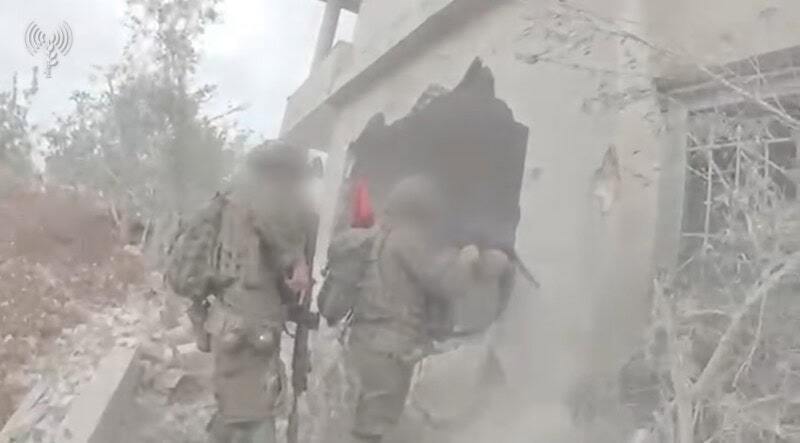
The Israeli military is shifting toward a deeper “forward defense” posture in southern Lebanon, rotating formations and preparing positions for winter while continuing to clear Hezbollah infrastructure. The evolving deployment comes as Hezbollah maintains that Israeli forces’ continued presence in Lebanon justifies continued “resistance.”
-
Board of Peace unveils Gaza recovery plan, Israel reports 18 ceasefire violations Sept. 15–29
The US-backed Board of Peace announced a $2.45 billion plan to rebuild Gaza over six months, but disagreements over Hamas’s disarmament and an Israeli withdrawal continue to obstruct its implementation. A day later, Israeli Prime Minister Benjamin Netanyahu spoke before the United Nations General Assembly. Meanwhile, Israeli forces continued operations against Hamas members working to rebuild the terror group.

-
How Hezbollah reframed the battle for Ali al Taher as Israel advanced
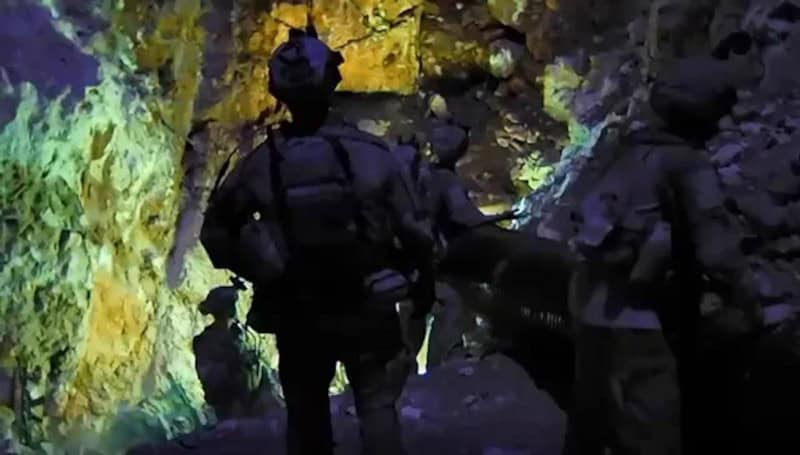
As Israeli forces pushed from the outskirts of Ali al Taher Ridge into its underground network, Hezbollah repeatedly revised what counted as a success for the group—from denying Israeli entry to portraying the loss of the position as an attritional achievement.
-
LAF-Hezbollah coordination and the limits of Lebanon’s disarmament effort
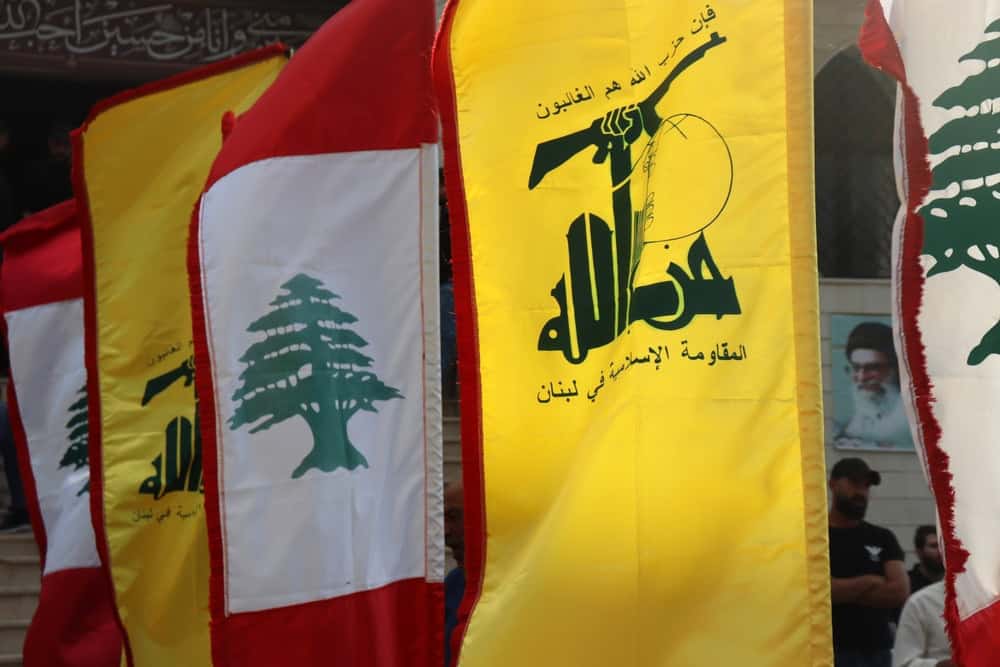
Israel reportedly assesses that the Lebanese military is coordinating with Hezbollah in pilot zones intended to disarm non-state groups. The broader claim is supported by years of evidence, and the record since 2024 shows what coordination has produced: negotiated access, handovers, and seizures without Hezbollah’s genuine disarmament.
-
Israeli elections stall Board of Peace plans, IDF reports 14 Gaza ceasefire violations Sept. 4–15
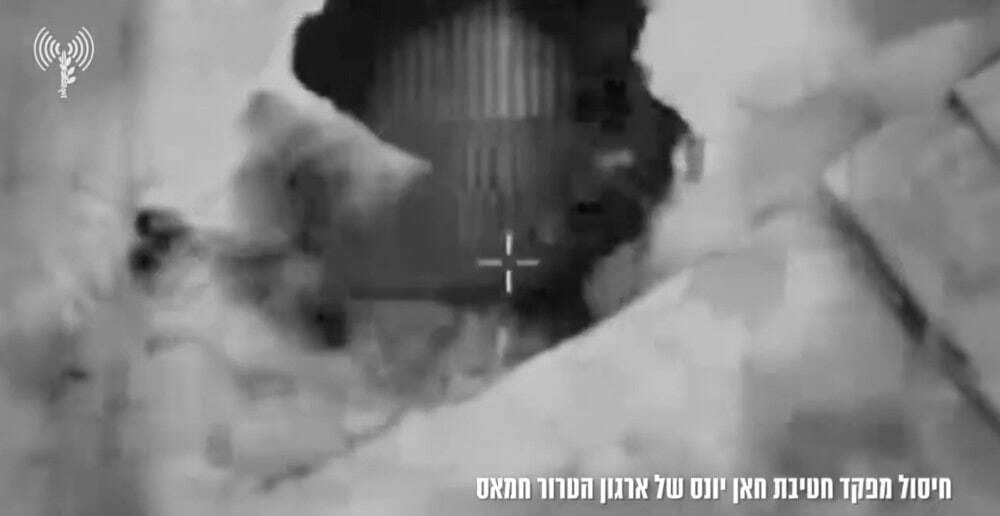
United States officials have expressed frustration with Israeli Prime Minister Benjamin Netanyahu for resisting parts of their Gaza strategy. The US-backed Board of Peace, tasked with overseeing Gaza’s political transition, has seen Netanyahu stall several initiatives as he campaigns in a closely contested election. Meanwhile, the Israel Defense Forces (IDF) reported 14 ceasefire violations in Gaza between September 4 and 15.
-
IDF destroys Hezbollah underground command complex at Ali al Taher, withdraws from ridge
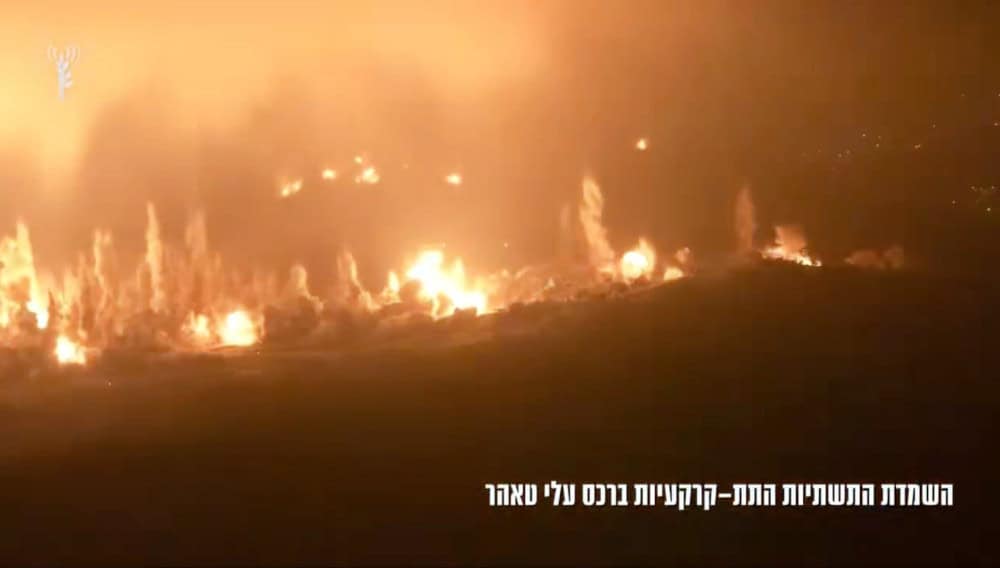
The IDF says it destroyed more than two kilometers of Hezbollah underground infrastructure beneath Ali al Taher Ridge in southern Lebanon and identified the facility as a central command complex for Hezbollah’s Badr Unit. Israeli Army Radio reported that troops subsequently withdrew from the ridge and redeployed toward Beaufort, and Israel says it will retain control of Ali al Taher through surveillance and firepower.
-
Board of Peace focuses on International Stabilization Force for Gaza
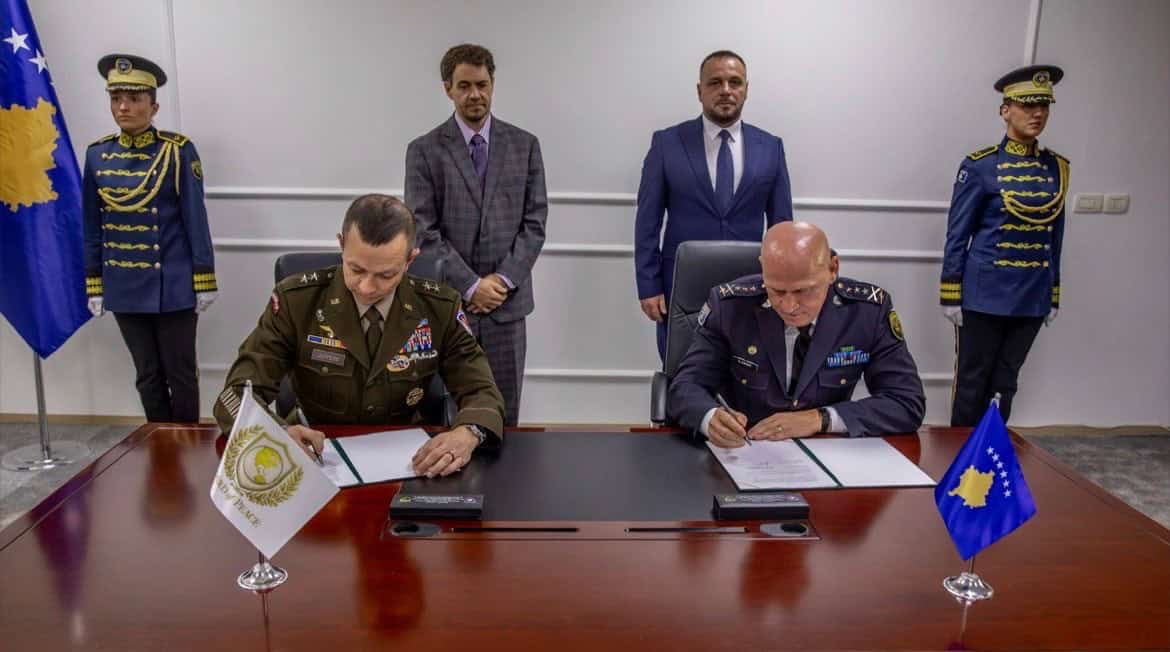
The Board of Peace continues efforts to assemble the International Stabilization Force for Gaza, securing commitments from Kosovo and Albania as preparations advance to implement the US-backed peace plan. While progress on the ground remains tied to Hamas’s disarmament and Israel’s political timetable, international planning for Gaza’s future governance and security continues to move forward.
-
Lebanese Army details pilot zone arms seizures, claims operational control
The Lebanese Armed Forces said its operations in three southern Lebanon pilot areas have produced “operational control.” The military’s first detailed official accounting of arms seizures there shows that roughly 86 percent of its 1,818-item weapons-and-ammunition tally consists of “light ammunition.”

-
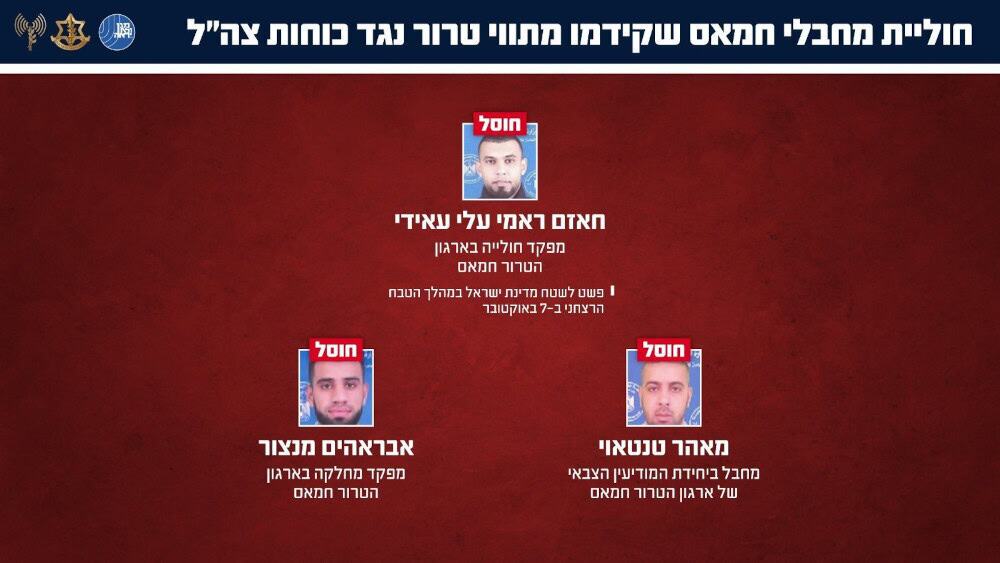
IDF captures Hamas security chief, reports 29 Gaza ceasefire violations Aug. 19–Sept. 3
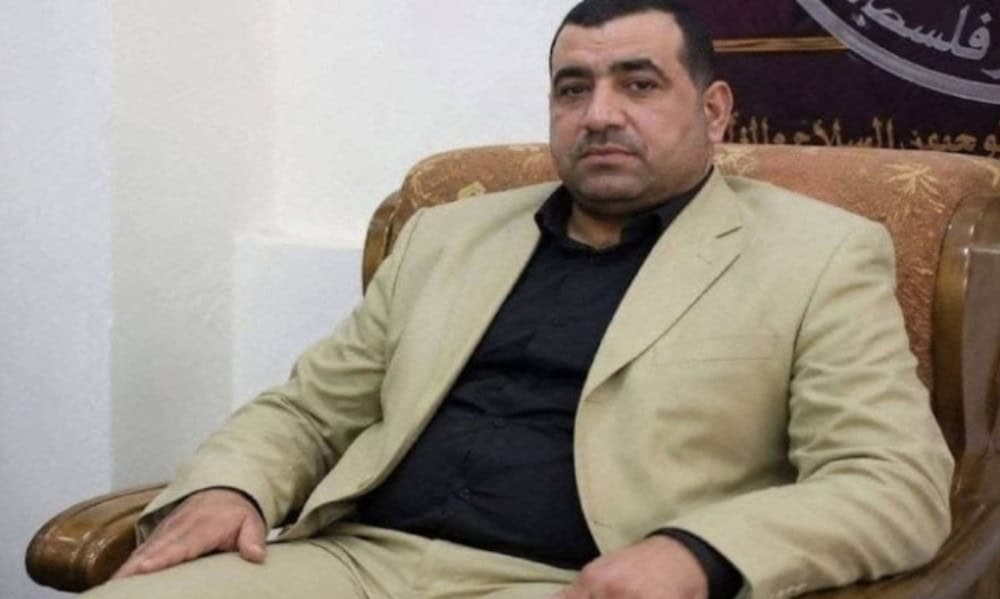
Israeli special operations forces captured a senior Hamas security official in a September 1 operation in the Katiba area of western Gaza City. The raid came as the US-backed Board of Peace’s stabilization plan and Hamas disarmament agreement, which had prompted Israel to scale back strikes in response to reported ceasefire violations, appeared to falter.
-
Israel says Hezbollah drone attack wounded 3 soldiers at Ali al Taher; IDF kills Hezbollah commanders in response
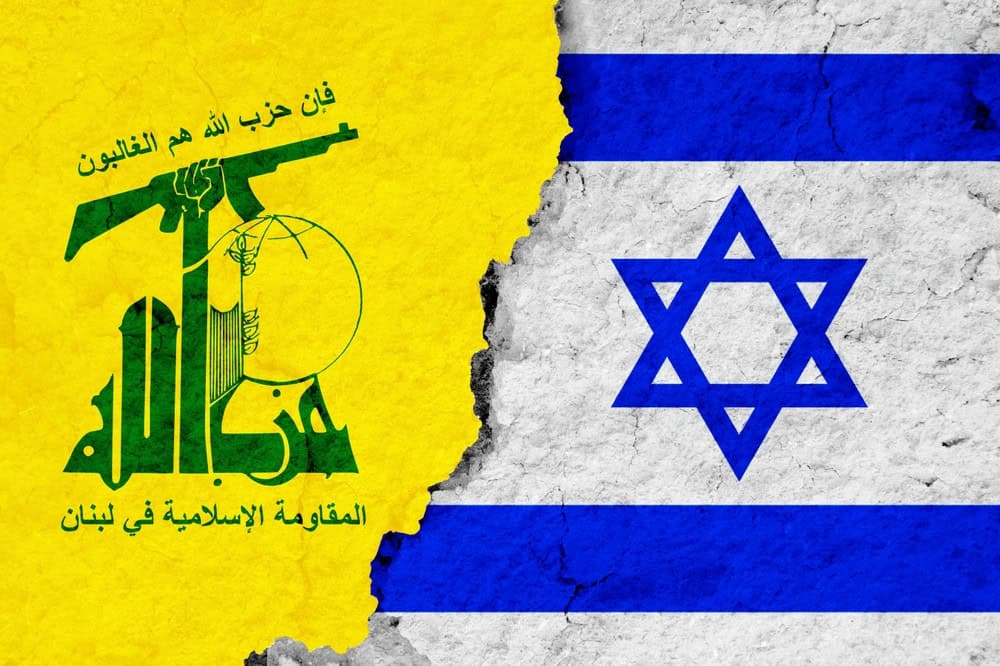
The Israel Defense Forces (IDF) said that a Hezbollah explosive drone seriously wounded three Israeli troops on the Ali al Taher Ridge on August 15. Israel responded with strikes that killed senior Radwan and Badr commanders. Hezbollah has not claimed the attack, and Lebanese reports allege Israel is considering a broader operation around the contested ridge.
-
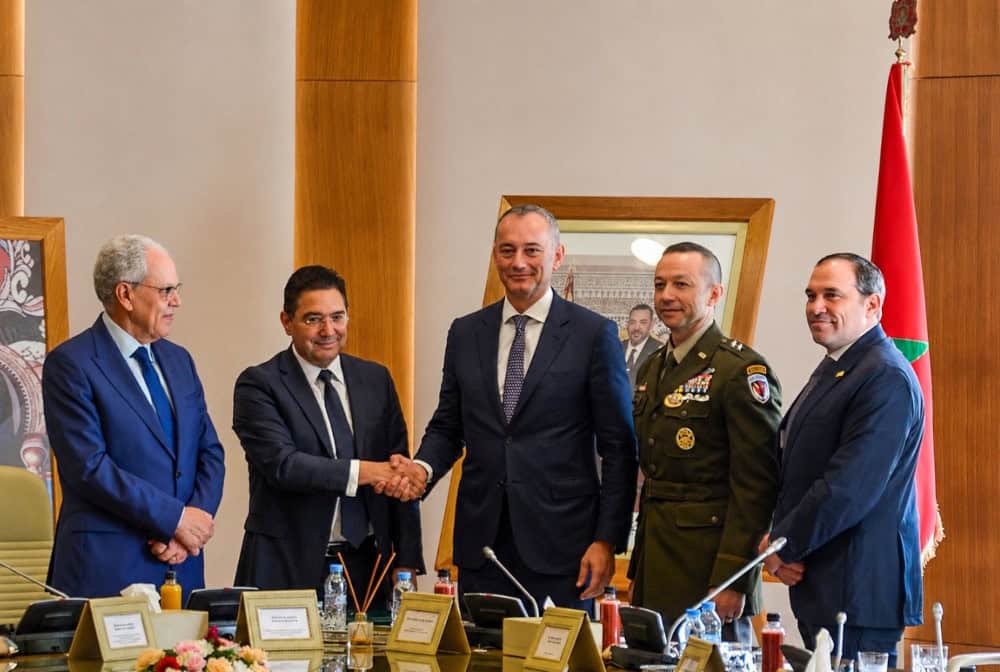
Board of Peace announces Hamas disarmament agreement, IDF reports 32 Gaza ceasefire violations July 10–31
US President Donald Trump announced a 15-point Board of Peace roadmap transferring Gaza’s governance and security responsibilities. The plan links verified Hamas disarmament to phased Israeli withdrawal, but sequencing remains disputed.
-
Israel says Hezbollah launched drone attack on strategic ridge amid ceasefire
Israel accused Hezbollah of launching an explosive-laden drone at its positions in the Ali Al Taher Ridge on July 29, despite a ceasefire that went into effect on June 19. Hezbollah has not claimed the attack or issued a denial of the Israeli claims.
-
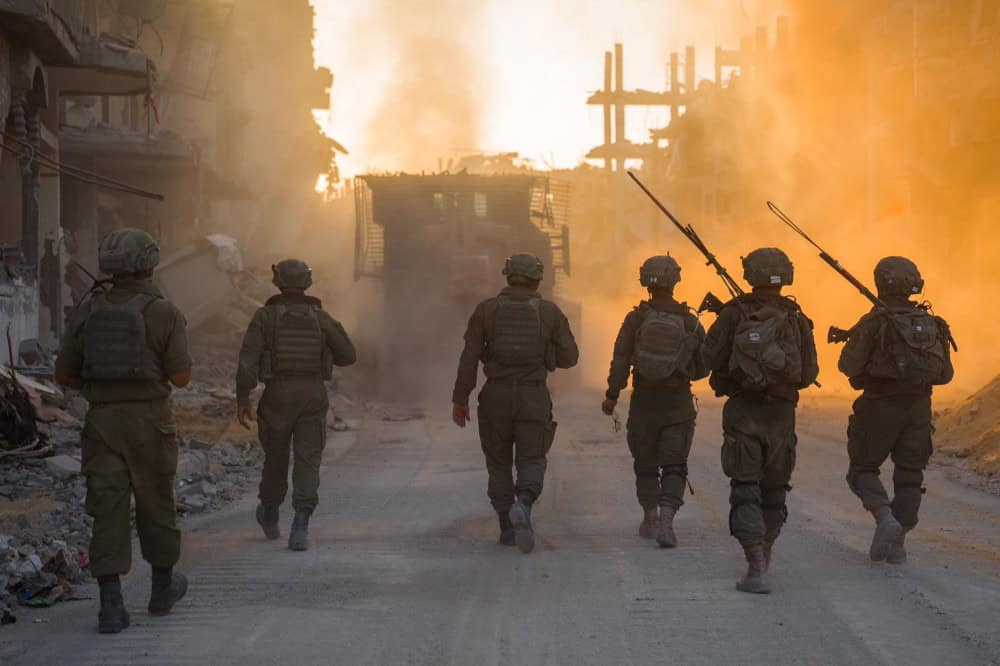
Board of Peace to establish ‘pilot zone’ for Gaza civilians, IDF claims 13 ceasefire violations June 30–July 9
The US-led Board of Peace said on July 8 that it would soon begin setting up a “pilot zone” in Gaza that would bring unarmed civilians screened for Hamas links across the Yellow Line into the Israeli-controlled portion of the territory. Meanwhile, Hamas has escalated ceasefire violations in the areas it still controls as the group works to rebuild its forces.
-
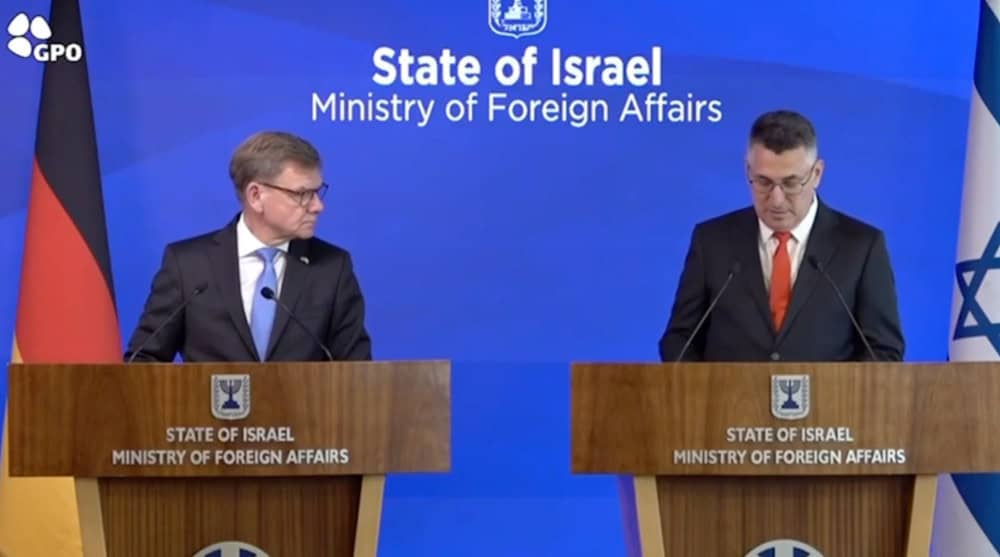
Hamas announces intent to dissolve Gaza government as disarmament questions remain
Hamas said that it is prepared to dissolve its governing institutions in Gaza and transfer authority to the National Committee for the Administration of Gaza (NCAG), a key component of the US- and UN-backed ceasefire framework. As negotiations continue, Israeli officials argue that Hamas surrendering administrative control without relinquishing weapons would leave Hamas as the dominant force behind the scenes.
-
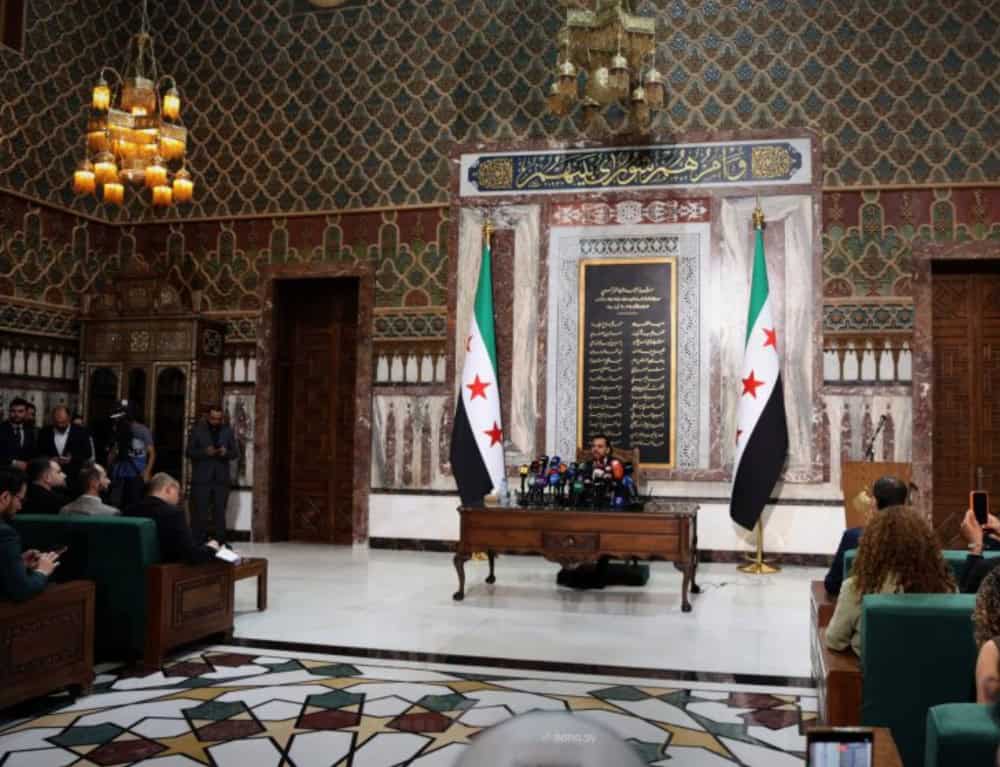
Syria appoints new parliament as Israel tensions continue
Syria has completed the formation of its new People’s Assembly, appointing the final 70 members of parliament as part of the country’s political transition following the fall of the Assad regime. Meanwhile, security tensions persist along the Israeli border, where recent clashes and Israeli military operations underscore the complex security environment.
-
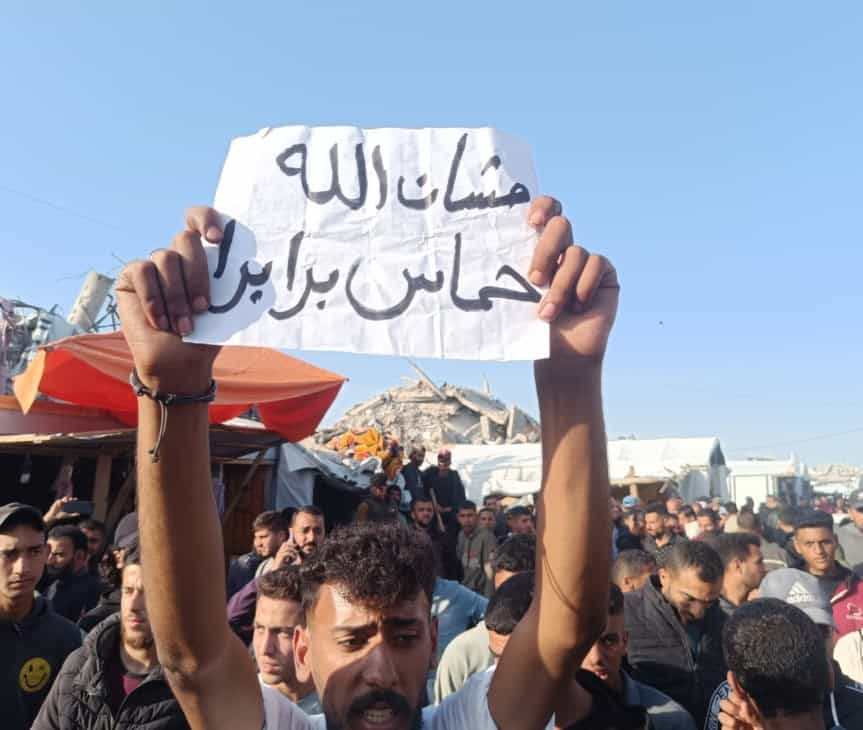
Hamas suppresses protests, IDF reports 17 strikes, ceasefire violations June 10–29
Anti-Hamas organizers in Gaza had hoped June 26 would bring a wave of large demonstrations against the terror group. However, Hamas worked to lower turnout with arrests, threats, and armed street deployments.
-
Gaza peace plan sees slow progress after Hamas meets in Cairo
Efforts to advance the US-backed peace plan for Gaza have continued amid difficult negotiations over Hamas’s disarmament and the future security structure of the enclave. Talks in Cairo involving Hamas, Egyptian officials, and representatives of the Board of Peace have focused on implementing key provisions related to weapons restrictions and the deployment of an International Stabilization Force.

-
IDF confirms killing Hezbollah commander responsible for creating Iran-backed militias in Iraq
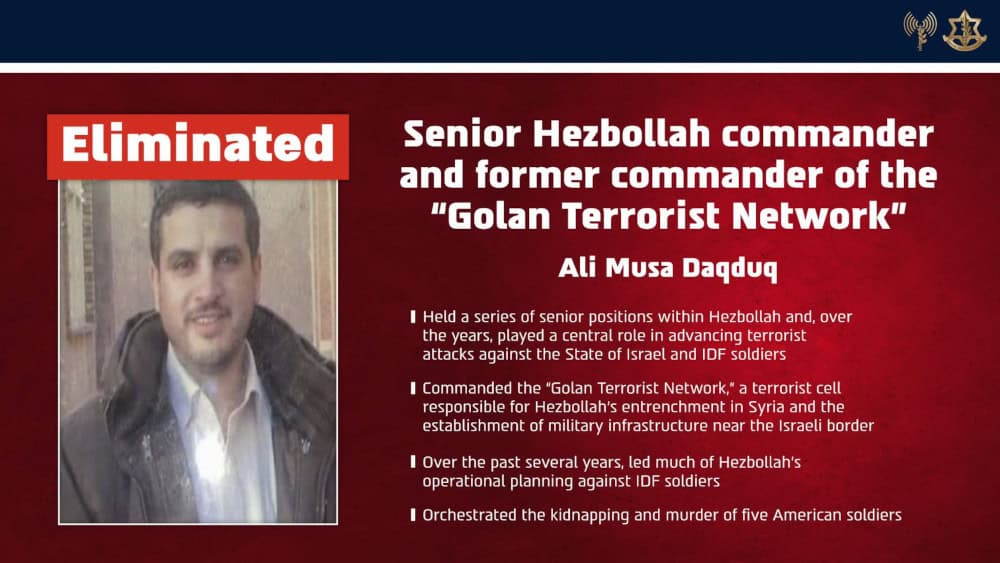
On June 14, the Israeli military confirmed that it killed Ali Mousa Daqduq, a wanted and dangerous Hezbollah military commander. Daqduq was a key architect of the Iranian-backed militias in Iraq and a top Hezbollah commander involved in leading attacks inside Israel. He was previously reported killed in the fall of 2024, but his death was never confirmed.
-
Generation Jihad | Gaza: Smoldering battlefield?
Despite multiple attempts by Israel to quell the fighting in Gaza and decapitate Hamas’s leadership, the group continues a guerilla-style resistance. The IDF now fights on three active fronts: Lebanon, Iran, and Gaza. But it’s perhaps the forgotten war in Gaza that could resume major hostilities if left unchecked. Bill Roggio speaks with FDD Research Analyst Samuel Ben-Ur about next steps in Gaza.
-
Israel reportedly targets Imam Hossein Division missile commander in Beirut strike
On May 28, Israel conducted its first strike in weeks targeting Beirut. The Israelis have yet to confirm it, but reporting indicates that the intended target was Ali al Hussaini, a commander in the Islamic Revolutionary Guard Corps-Qods Forces’ Imam Hossein Division. This division, whose origins were in the Syrian Civil War, has been reinforcing Hezbollah throughout the conflict with Israel that began in October 2023.

-
IDF kills new Hamas military leader, reports 10 ceasefire violations May 21–May 28
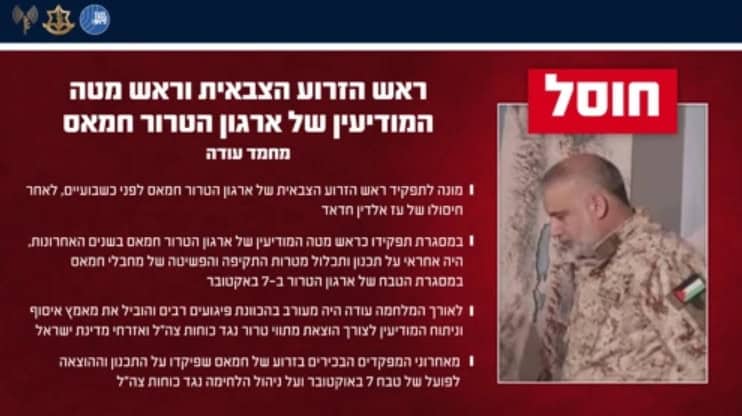
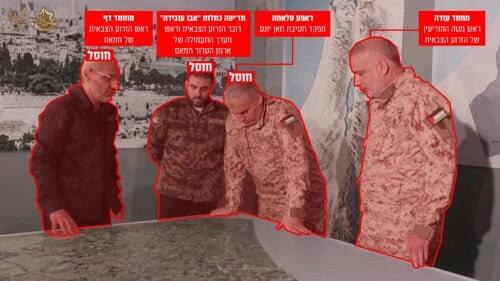
Less than two weeks after Hamas named Mohammed Odeh as its new military commander, Israel eliminated him. The IDF also targeted a number of other high-profile Hamas members as the terrorist group continues refusing to disarm.
-
Hamas replaces military wing leader, IDF reports 19 Gaza ceasefire violations May 6–20
After the elimination of Al Qassam Brigades leader Izz al Din al Haddad on May 15, Hamas has reportedly turned to longtime senior member Mohammed Odeh to take the reins of the group’s military wing. As Hamas reportedly rearms and reconstitutes its strength, the IDF reports that its members and other Palestinian terrorists have continued to violate the ceasefire in Gaza.
-
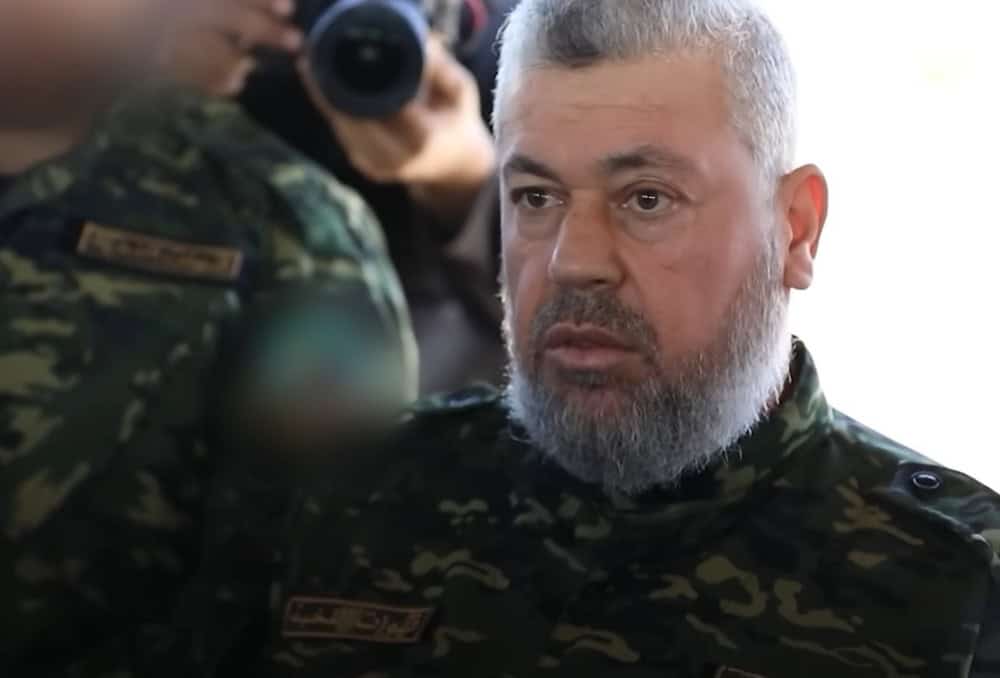
Hamas commander Izz al Din al Haddad targeted in Israeli airstrike
The Israeli military attacked an apartment in Gaza City, targeting Izz al Din al Haddad, Hamas’s leader in Gaza. Al Haddad is one of the last remaining senior members of Hamas who were responsible for the October 7 attack.
-
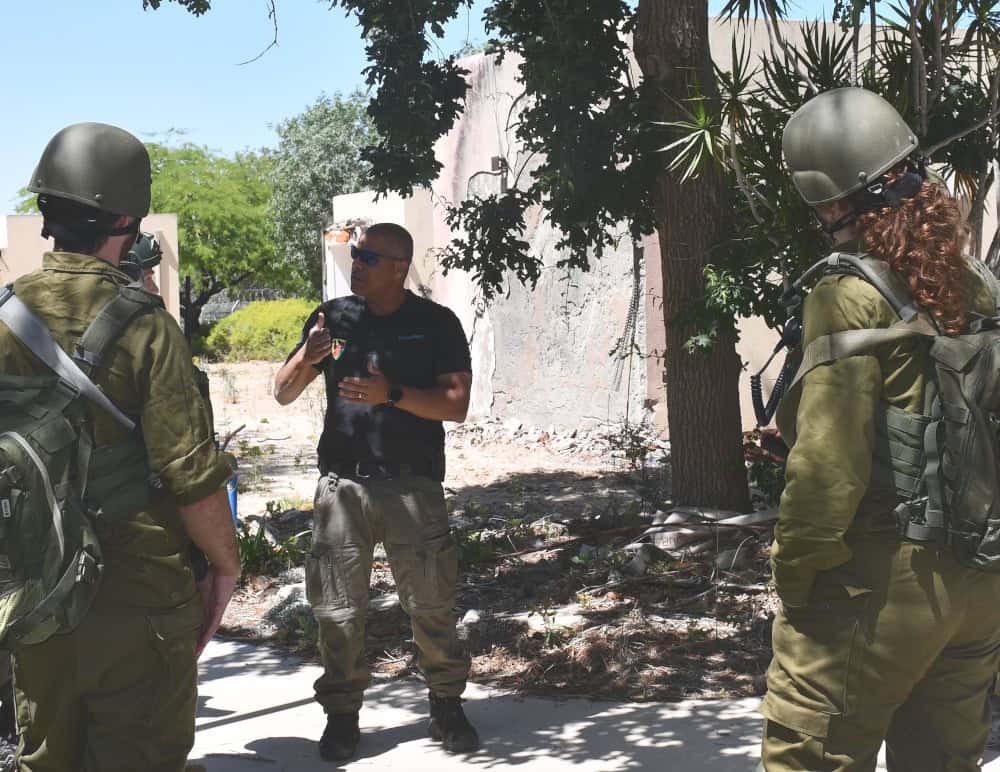
Israel trains new civilian security squads for 67 Gaza border communities
Israel is expanding civilian security preparedness in communities near the Gaza border through a new training program led by Magen 48, a non-profit civilian-led initiative, in cooperation with the Israel Defense Forces. The program, created after the October 7 Hamas attack, trains local volunteer armed response teams in tactics, medical support, and community defense.
-
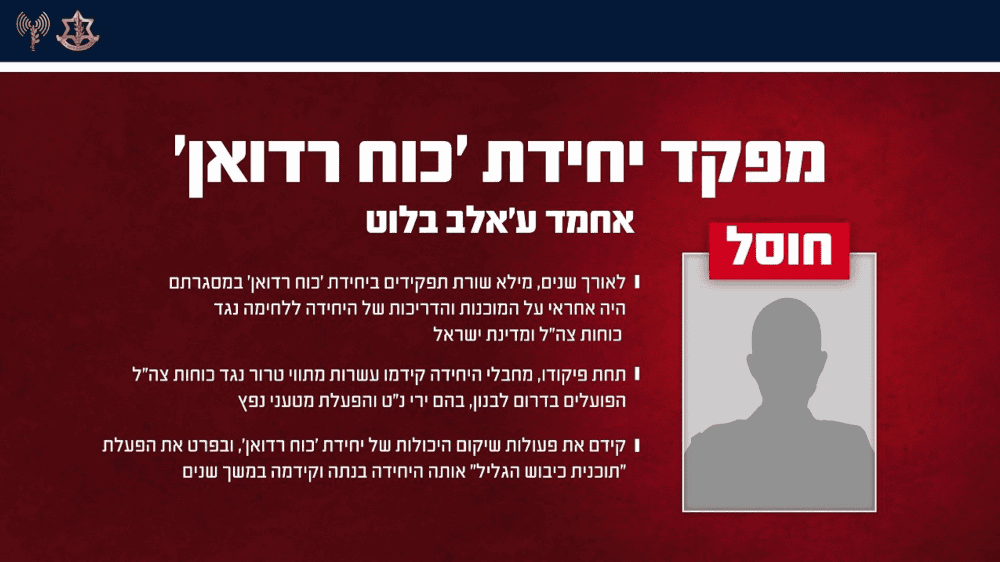
Israel assassinates commander of Hezbollah Radwan Force
On May 6, Israel conducted its first strike in the greater Beirut metropolitan area since the onset of a ceasefire on April 16. The strike targeted an apartment building in Dahiyeh, and one of the alleged fatalities was Ahmad Ghaleb Ballout, whom Israel claimed was the newest leader of Hezbollah’s Radwan Force commando unit.
-
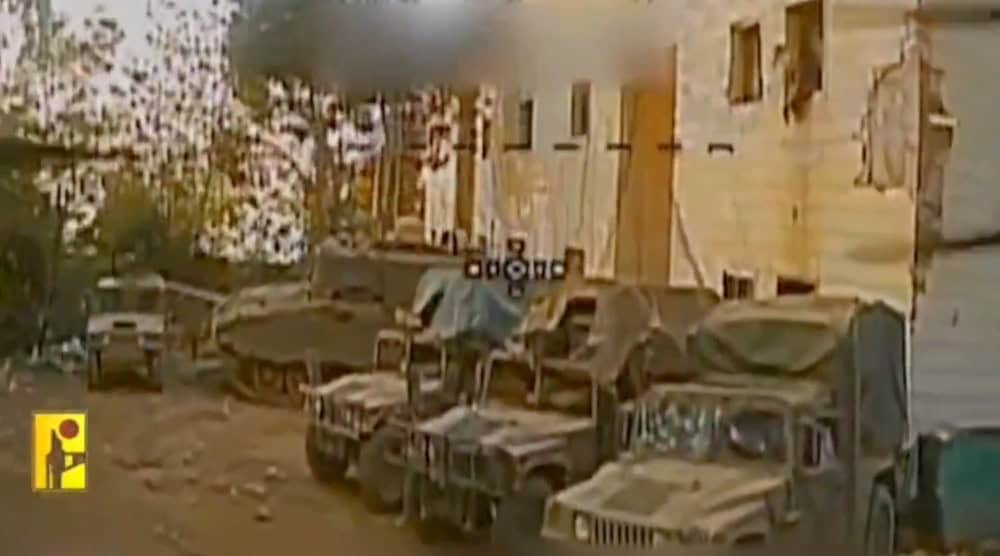
Israeli forces face challenges as Hezbollah ramps up use of FPV drones
During the renewed conflict with Israel, Hezbollah has increasingly relied on an arsenal of first-person view (FPV) drones that it amassed and developed over the 15 months of the Israel-Lebanon ceasefire. These drones, which are guided by fiber-optic cables instead of radio, are proving effective against Israeli forces because they are hard to intercept and detect, and the IDF was unprepared to deal with this threat.
-
Talks over Hamas disarmament stall, IDF reports 19 Gaza ceasefire violations April 21–May 5
Hamas and other Palestinian terrorists continued to violate the Gaza ceasefire toward the end of April and beginning of May, according to Israeli military reports. Hamas remains adamant that it will not even begin to discuss disarmament before a complete IDF withdrawal from the territory.
-
2 Jewish men stabbed in London, Ashab al Yamin claims attack
The Iran-linked front group Ashab al Yamin claimed credit for a stabbing attack in London that wounded two Jewish men. The group has claimed more than a dozen attacks in Europe, most of them targeting Jewish institutions.