-
Talks over Hamas disarmament stall, IDF reports 19 Gaza ceasefire violations April 21–May 5
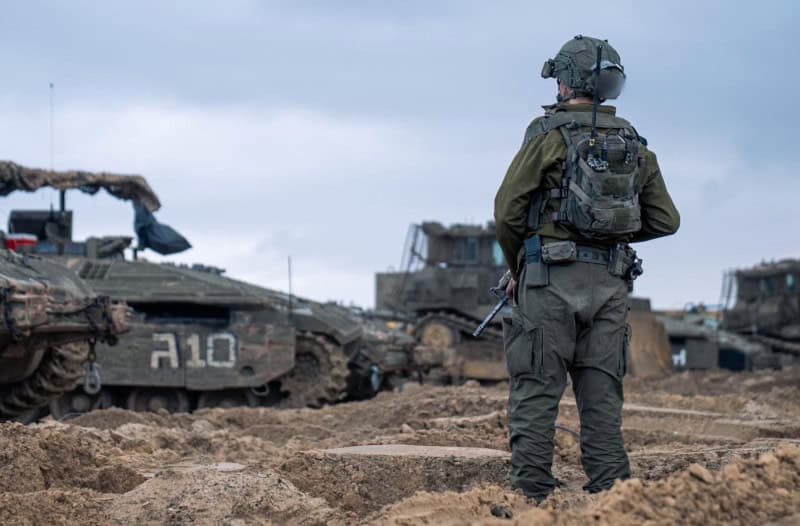
Hamas and other Palestinian terrorists continued to violate the Gaza ceasefire toward the end of April and beginning of May, according to Israeli military reports. Hamas remains adamant that it will not even begin to discuss disarmament before a complete IDF withdrawal from the territory.
-
2 Jewish men stabbed in London, Ashab al Yamin claims attack
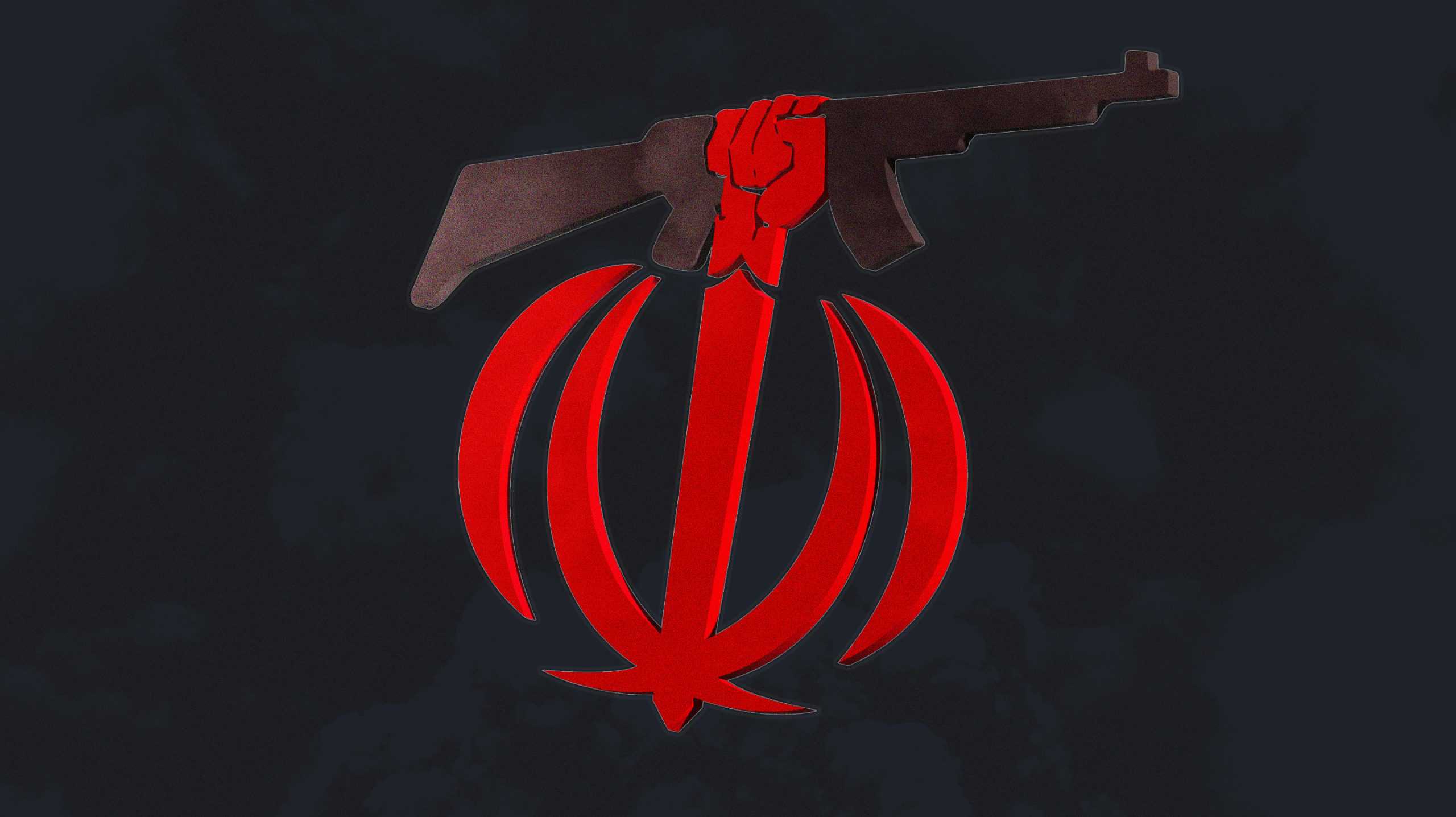
The Iran-linked front group Ashab al Yamin claimed credit for a stabbing attack in London that wounded two Jewish men. The group has claimed more than a dozen attacks in Europe, most of them targeting Jewish institutions.

-
Charity founded by Hamas member raising funds on US-based platform
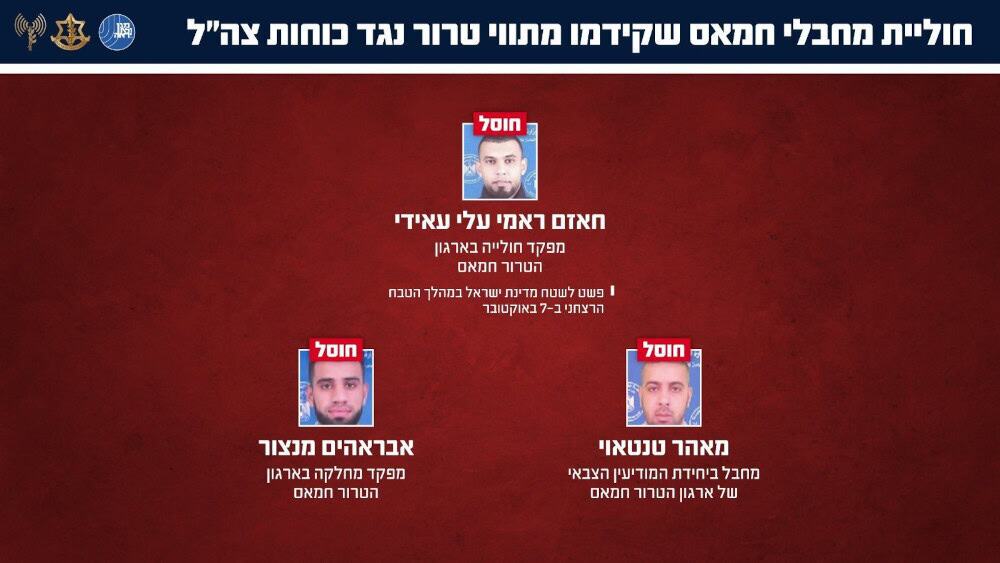
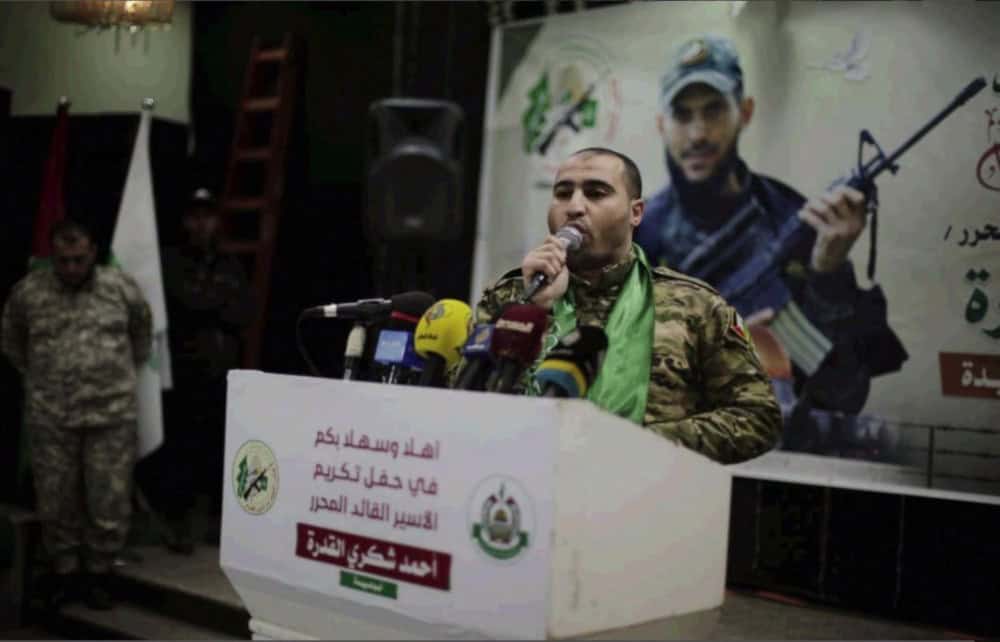
A Hamas operative who was killed during the recent war with Israel founded a Gaza-based charity that has raised hundreds of thousands of dollars online. The charity continues to solicit donations, including through a New York-headquartered platform.
-
Kosovo military team evaluates Gaza deployment amid continuing ceasefire violations
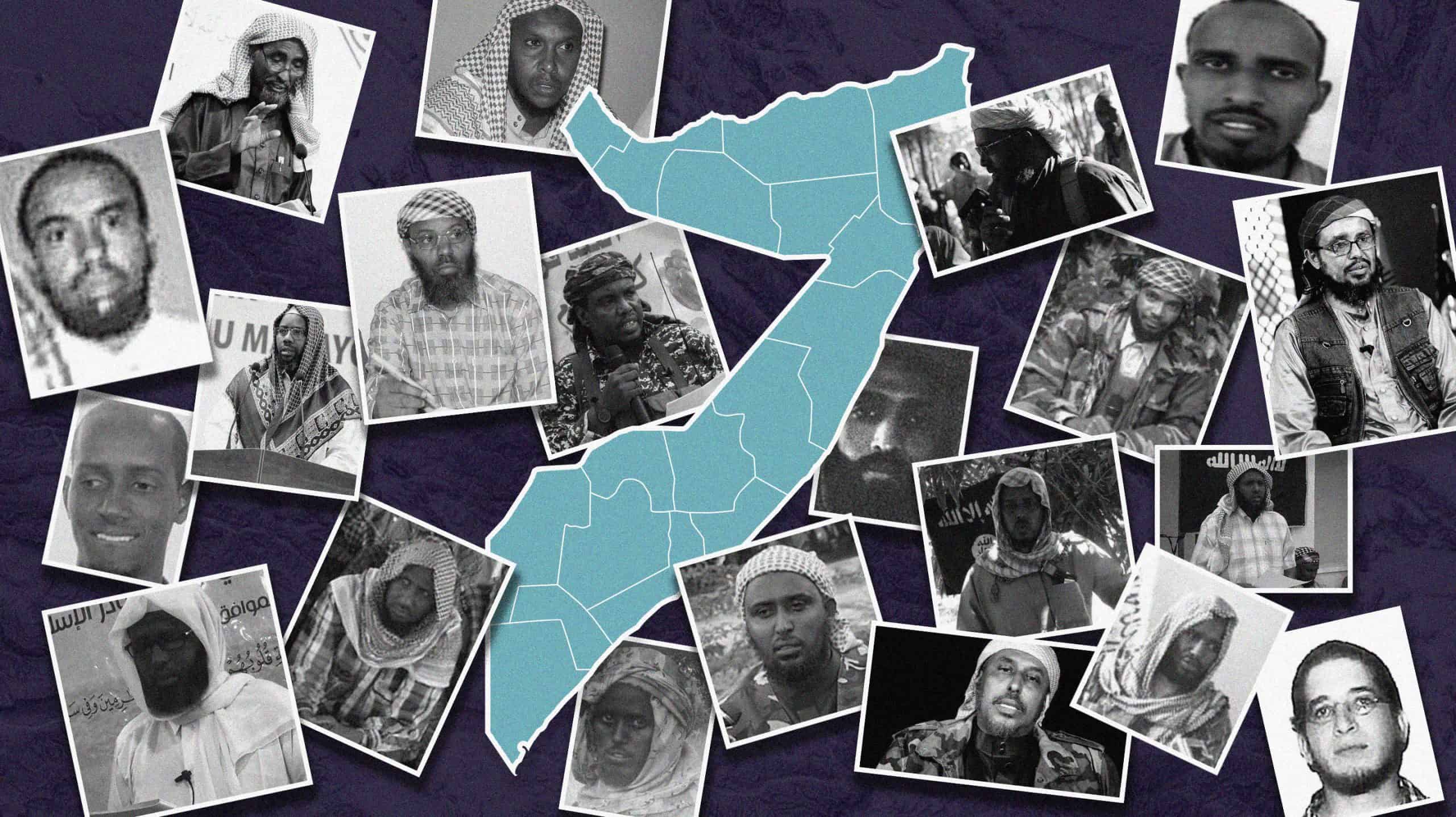
Kosovo has moved toward contributing forces for the International Stabilization Force (ISF) mission in Gaza, sending a military team to assess a future deployment area and coordinate with local and multinational officials. The security situation in Gaza remains tense despite a ceasefire, with uncertainty over Hamas’s disarmament.

-
Hamas says it may give up some weapons, IDF reports 5 ceasefire violations April 17-21
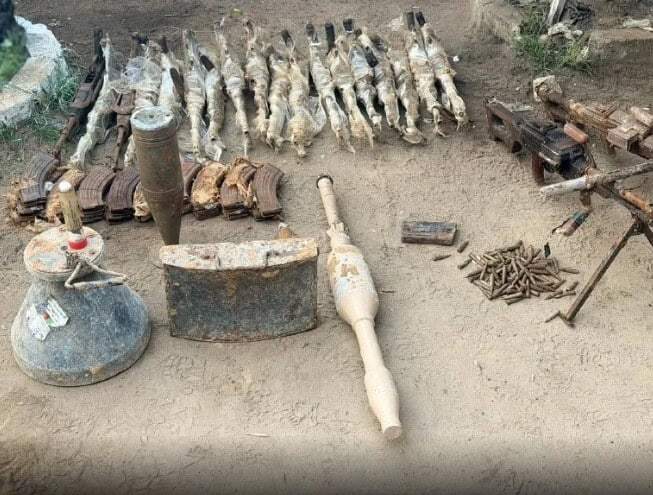
Hamas has reportedly indicated a readiness to give up thousands of rifles belonging to its police and internal security forces. The weapons conceded would still fail to meet the total disarmament required by President Donald Trump’s 20-point Gaza peace plan. The Israel Defense Forces also tracked five ceasefire violations between April 17 and 21.
-
Analysis: The road to the latest Lebanon ceasefire
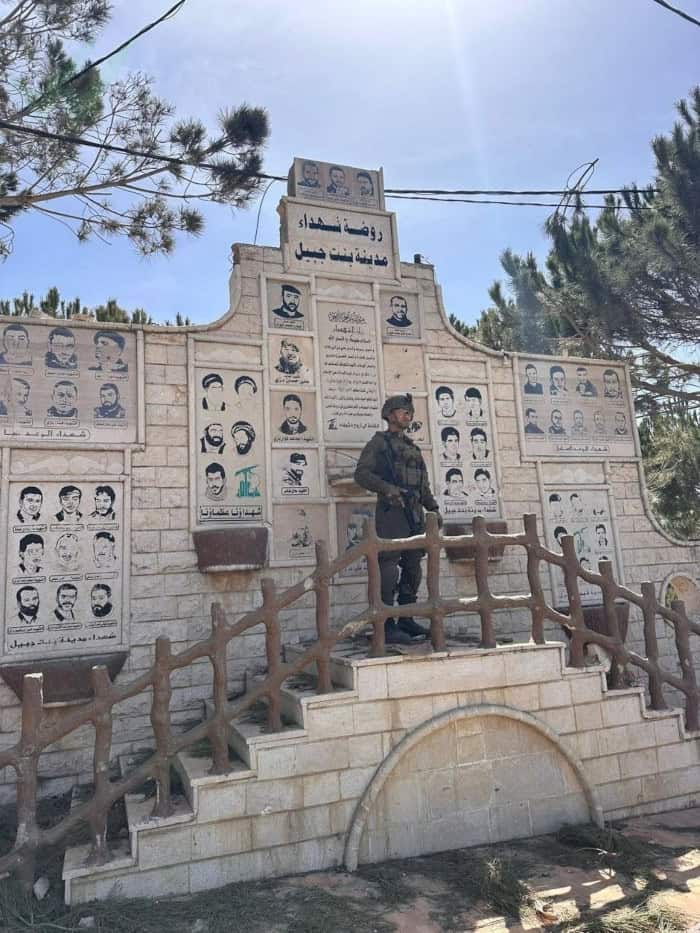
Iran has consistently sought to link its ceasefire with the United States to a concurrent cessation of hostilities in Lebanon. Tehran’s goal is to save Hezbollah, regardless of its stated aim of sparing Lebanon additional suffering. Iran, therefore, pressed the matter again as Hezbollah was on the cusp of losing the critical town of Bint Jbeil. A ceasefire in Lebanon went into effect on April 16.
-
Iran rejects US ceasefire proposal as US-Israeli operations escalate, regime suffers high-profile casualties
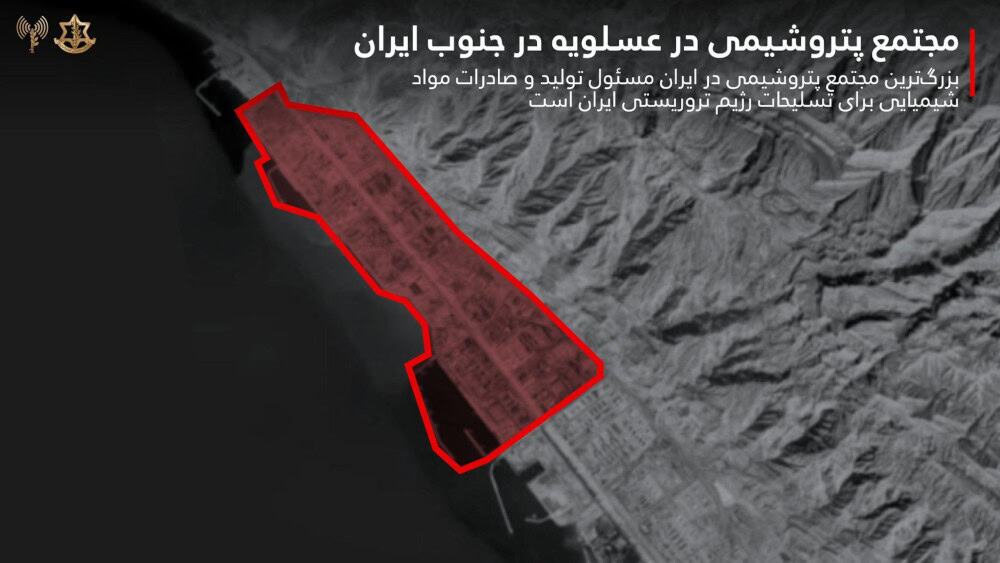
US and Israeli operations inside Iran escalated over the past week. Actions included strikes on Islamic Revolutionary Guard Corps missile and air defense sites, eliminations of senior military and intelligence officials, the recovery of a US F-15E crew downed over Iran, and attacks on Iranian infrastructure, ranging from petrochemical facilities to major industrial plants.
-
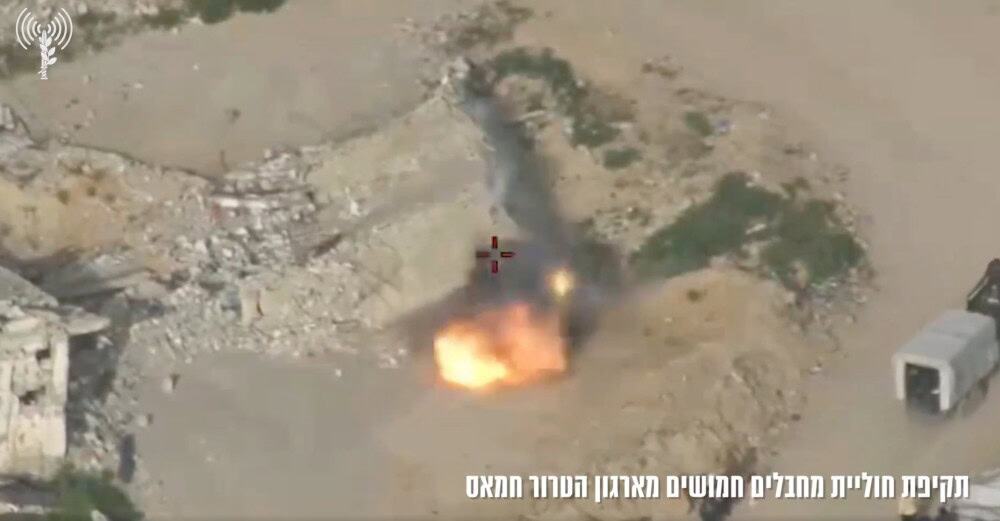
IDF: Palestinian terrorists violate Gaza ceasefire 22 times since start of Iran war
While the US-Israeli war with Iran has taken center stage, Israel’s Gaza front remained active, despite the US-brokered ceasefire that took effect on October 10 of last year. The Israeli military has documented 22 ceasefire violations by Hamas and other Palestinian terrorist groups since the war with Iran began on February 28.
-
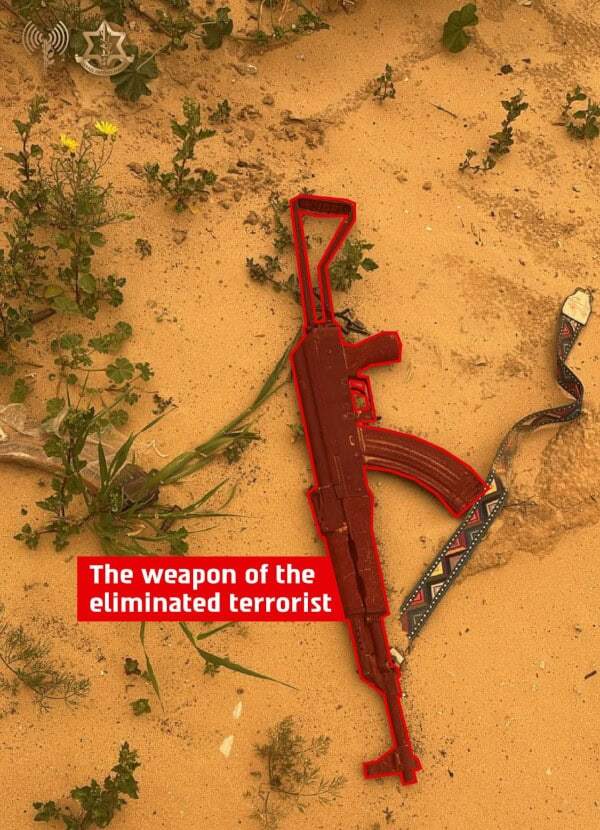
Israel continues operations against Hamas in Gaza, diplomats push for disarmament as shaky ceasefire continues
While attention has shifted to the conflicts in Iran and Lebanon, Gaza remains under a fragile ceasefire, with ongoing low-level clashes. High Representative for Gaza Nickolay Mladenov highlighted progress toward a disarmament framework tied to UN-backed plans. Despite this, Hamas continues to consolidate control in parts of the territory as Israel targets militants and terrorist infrastructure.
-
Israel eliminates 3 Hamas members operating in Lebanon
The Israeli military announced on March 22 that it killed Walid Dib, a Hamas money man, in Lebanon. In addition to Dib, two other Hamas members operating in Lebanon have also been eliminated in Israeli strikes in recent days.

-
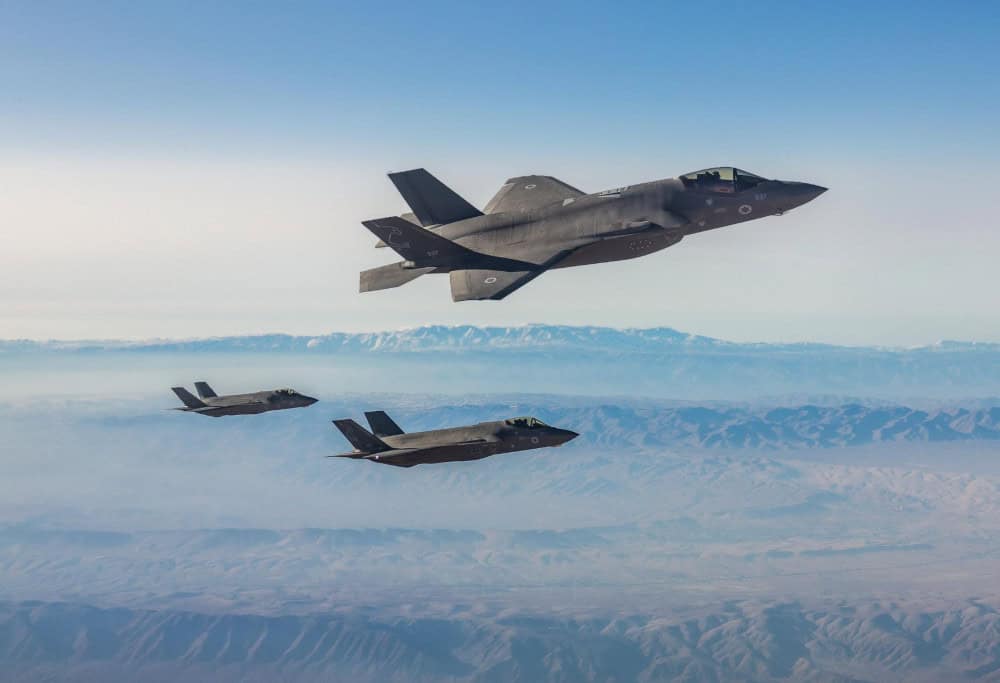
Israel conducts 7,600+ strikes on Iran in 13 days, Iran fires hundreds of missiles and drones at Israel
Israel executed more than 7,600 strikes on Iran by March 13, targeting nuclear-linked facilities, missile launchers, drone infrastructure, and military sites, according to the Israel Defense Forces. Israel continues conducting roughly 150–200 strikes per day as Iran continues launching ballistic missiles and drones toward Israel and the Gulf countries.
-
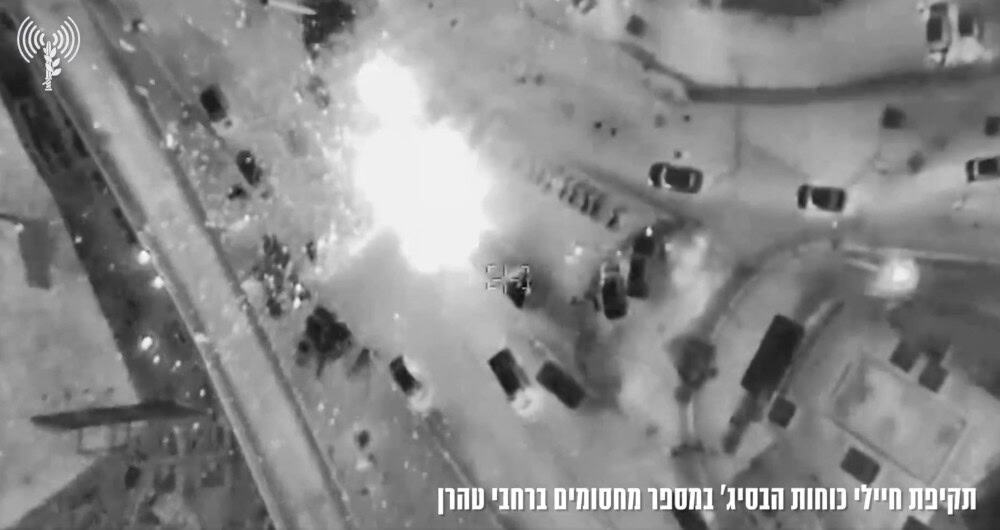
Israel shifts to hyperlocal targeting in Iran as regime military power degrades (March 11-13 updates)
The Iran conflict has entered a new phase after US–Israeli strikes have destroyed key military infrastructure, killed thousands of regime personnel, and degraded Iran’s missile and drone launch rates. Israel has shifted toward hyperlocal targeting of repression units and regime figures inside Tehran, often aided by intelligence from Iranians on the ground. Simultaneously, the Tehran regime has publicly projected stability after Mojtaba Khamenei’s elevation to supreme leader, despite Khamenei’s continued absence from public view and some signs of internal strain.
-
Analysis: Israel strikes over 500 targets in Lebanon, issues evac orders in renewed war with Hezbollah (March 2–6)
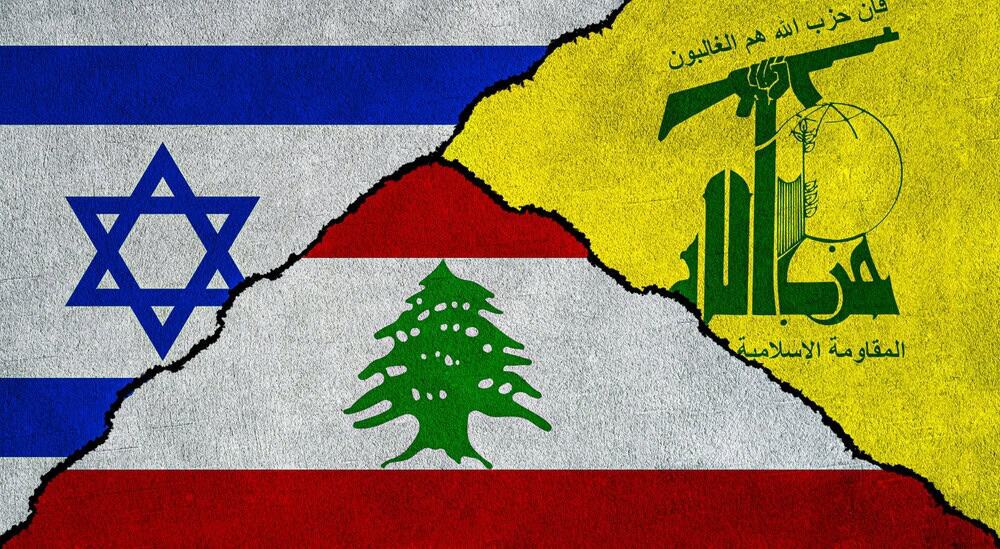
The November 27, 2024, ceasefire agreement in Lebanon has officially ended. Israel and Hezbollah are now reengaged in a full conflict after the group attacked Israeli territory on March 2. The Israelis have responded ferociously, targeting large swathes of Lebanon and promising that their campaign will continue until Hezbollah’s destruction.
-
Israeli strike eliminates Hamas commander in Lebanon
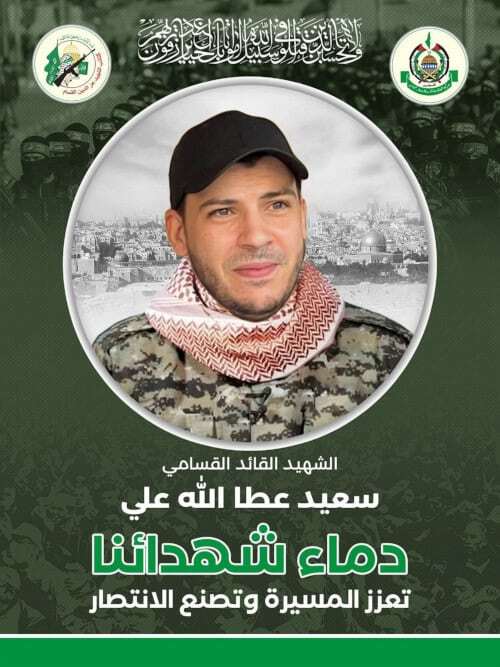
The Israeli military killed Hamas commander Wasim Atallah Ali in Tripoli on March 5. The IDF said that Ali was responsible for training the group’s branch in Lebanon. His elimination adds to the growing number of Hamas and Palestinian Islamic Jihad members who have been killed in Lebanon by the Israeli military.
-
US and Israel establish air superiority, focus strikes on Iranian military sites and ‘regime pillars’ (March 4–5)
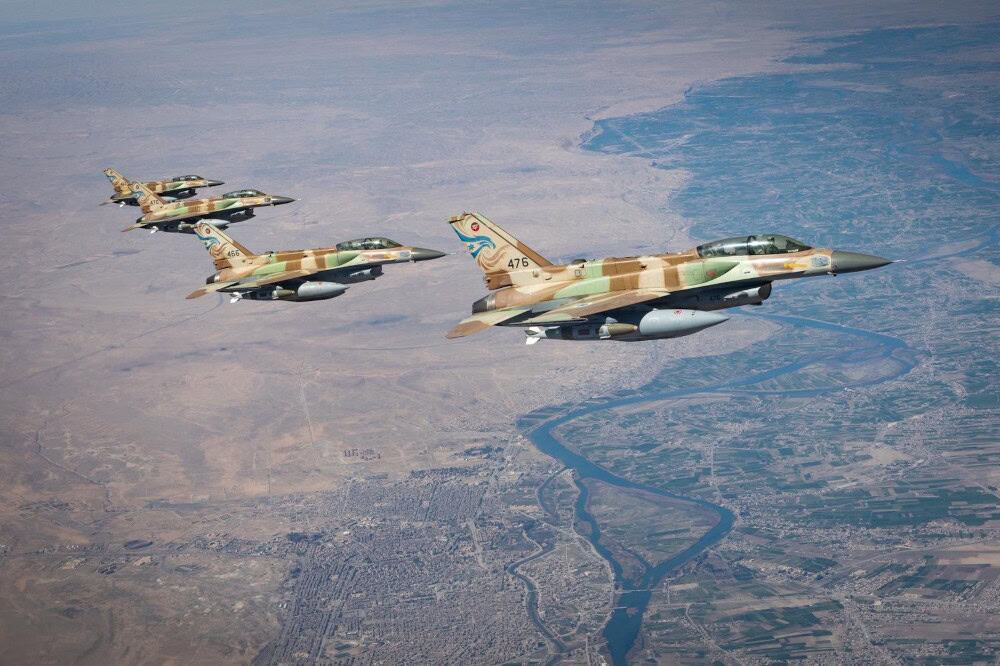
On March 4 and 5, the United States and Israel continued attacks against elements of the Islamic Republic’s military assets, including its missile and naval threat capacity, as well as its repression apparatus. The countries also declared air superiority over Iran and signaled the beginning of a new phase of the operation.
-
Analysis: Hezbollah leader vows to fight until the end in renewed war with Israel
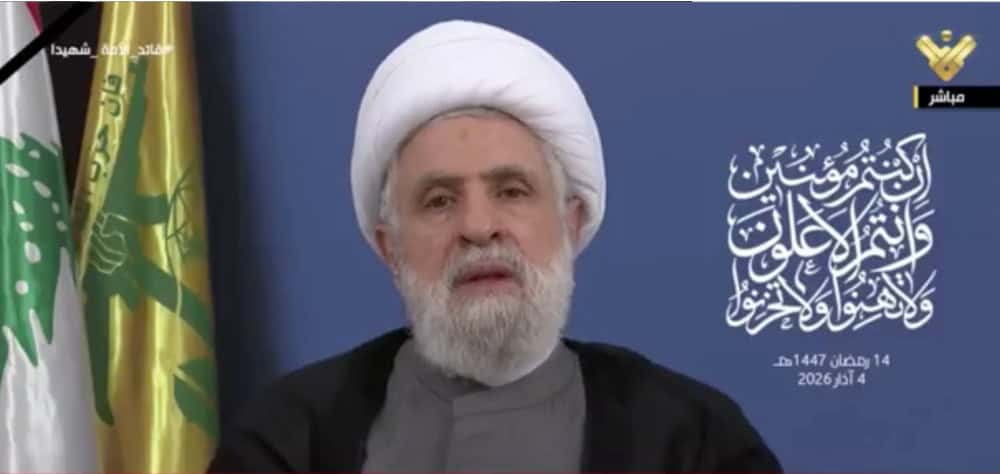
Hezbollah Secretary-General Naim Qassem addressed Hezbollah’s latest war with Israel on Monday night, insisting that his group had fire rockets at Israel in defense of Lebanon, preempting a premeditated “war of extermination.” Qassem insisted that Hezbollah would not surrender its arms and vowed to continue fighting until achieving either victory in battle or martyrdom.
-
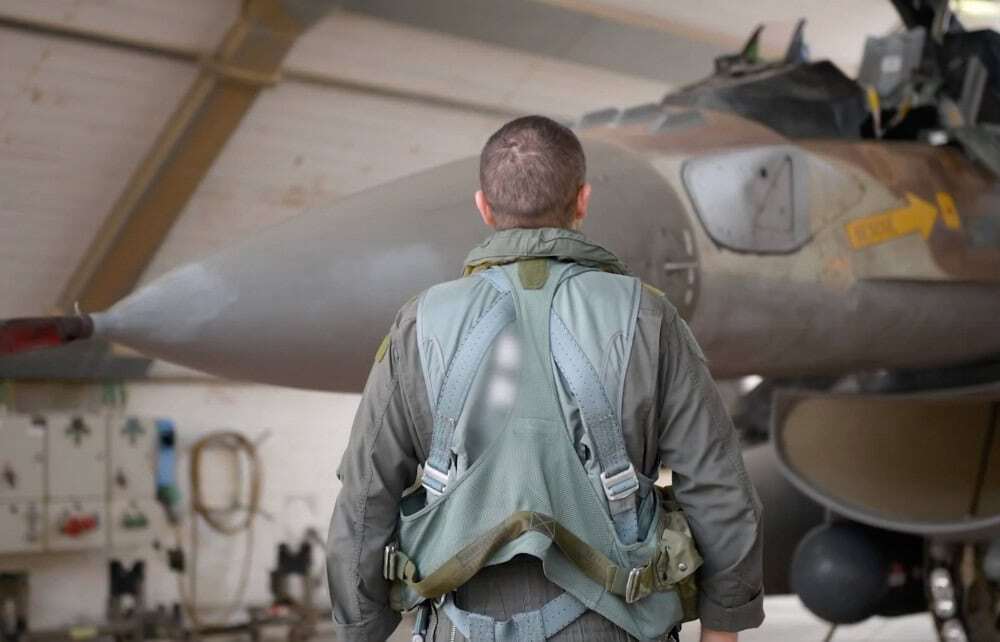
Israel conducts 1,600 strikes on Iran in 4 days of war, weathers Iranian missile and drones
Israel has carried out more than 1,600 strike sorties against Iran in the first four days of the war, targeting Iranian leaders, nuclear facilities, missile launchers, and other military infrastructure, according to the IDF. Iran has responded with repeated ballistic missile and drone salvos that have killed at least 10 people in Israel and wounded dozens. The Israeli Air Force said that one of its F-35s downed an Iranian Yak-130 aircraft. The fighting has closed Israeli airports and forced widespread civilian alerts as missile barrages continue across the country.
-
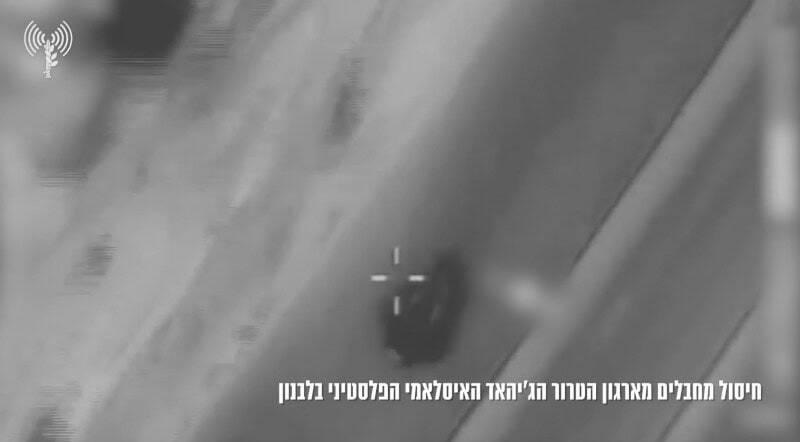
Analysis: Israeli strikes against Hamas in Lebanon signal a sustained strategy
Following the Hamas-led attack on Israel on October 7, 2023, Israel has conducted a consistent military campaign against Palestinian terrorist groups in Lebanon. The Israeli military’s recent attack against a Hamas command center in the Palestinian camp of Ayin al Hilweh demonstrates that this approach continues to be Jerusalem’s preferred strategy against Palestinian armed groups that operate on Israel’s northern border.
-
Israeli operations in Lebanon against Hezbollah: February 16–22, 2026
Israel continued military operations in Lebanon between February 16 and February 22, 2026. Israeli activities last week were relatively more intense than in preceding weeks and included attacks on Hezbollah assets deep inside Lebanon, some of which the group reportedly intended to use against Israel in the event of a US conflict with Iran.
-
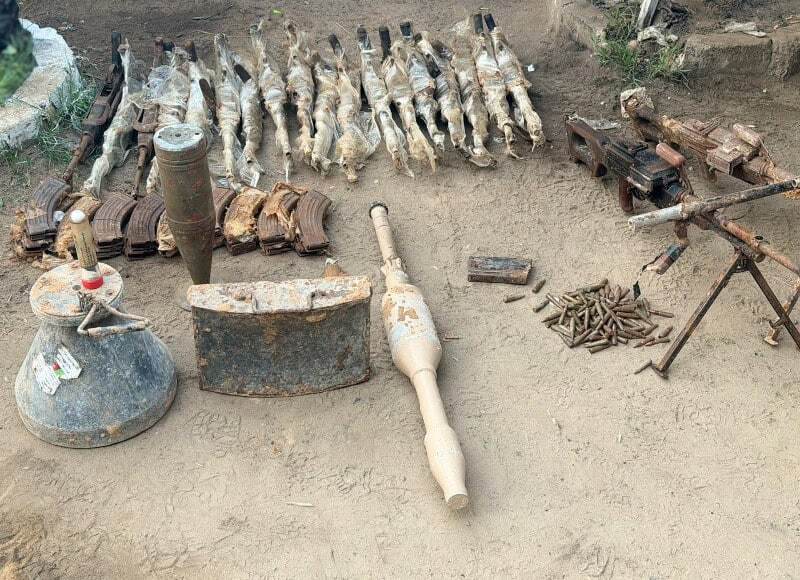
Israel strikes Hamas in Lebanon, Palestinian terrorists violate Gaza ceasefire 14 times from February 5 to 20, IDF says
As US President Donald Trump convened the Gaza Board of Peace for its inaugural meeting in Washington, DC, the IDF continued to report numerous ceasefire violations in the territory. Israel also struck the Ain al Hilweh Palestinian refugee camp near Sidon, Lebanon, stating that the target was used for the “preparation of terrorist activities against IDF forces in Lebanese territory.”
-
Israeli operations in Lebanon against Hezbollah: February 9–15, 2026
Israel continued military operations in Lebanon between February 9 and February 15, 2026. Israeli activities last week were concentrated in south Lebanon and consisted largely of policing activity, maintaining the reduced intensity of previous weeks.
-
Israeli operations in Lebanon against Hezbollah: February 2–8, 2026
Israel continued military operations in Lebanon between February 2 and February 8, 2026. Israeli activities last week were concentrated in south Lebanon and significantly less intense and numerous than in preceding weeks.
-
Hamas injures IDF soldier, Palestinian terrorists violate Gaza ceasefire 10 times between January 22 and February 4
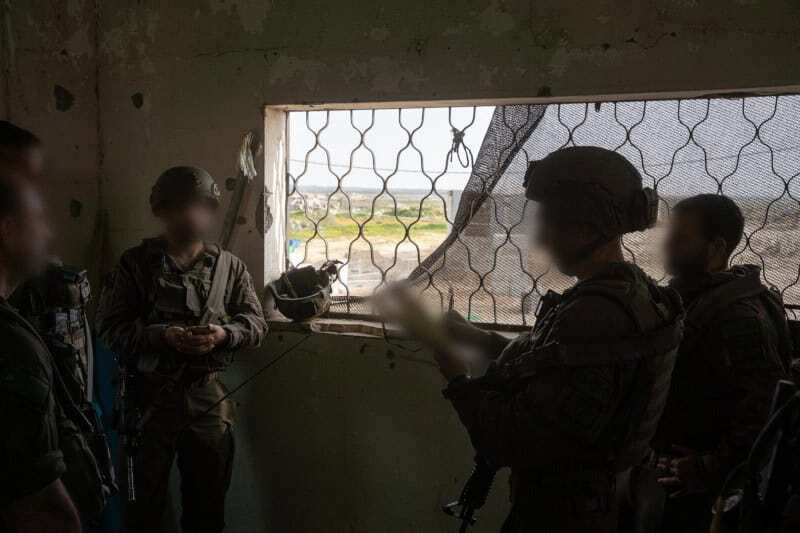
The US-brokered truce in Gaza is still holding but faces challenges as Hamas and other Palestinian terrorists continue to violate the terms almost daily, and the IDF responds with airstrikes. Despite the Rafah Crossing opening to pedestrian traffic, challenges are emerging surrounding procuring reconstruction funding, part of US President Donald Trump’s 20-point plan for Gaza.
-
Israeli operations in Lebanon against Hezbollah: January 26–February 1, 2026
Israel continued military operations in Lebanon between January 26 and February 1, 2026. Israeli activities were concentrated in south Lebanon and continued to target Hezbollah assets and personnel, despite the Lebanese Armed Forces claiming to have taken operational control of the South Litani Area earlier this month.
-
Rafah crossing opens days after IDF says Hamas violated ceasefire, conducts strikes
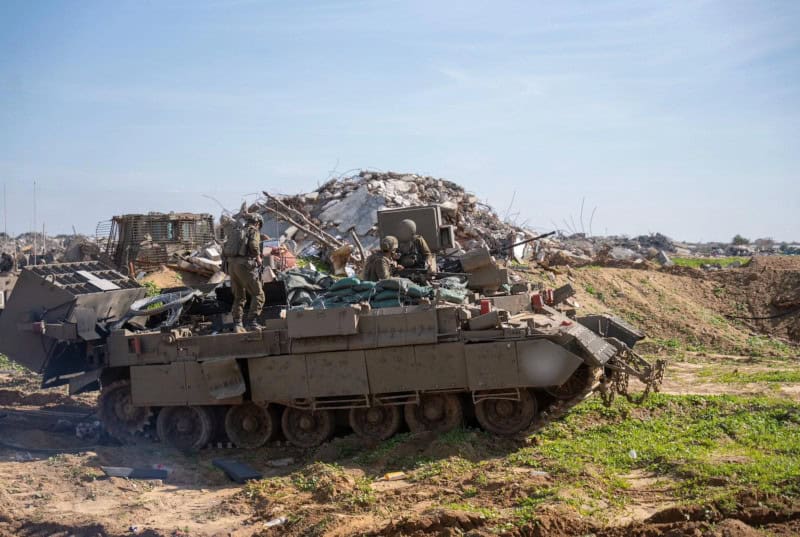
The Rafah crossing between Gaza and Egypt reopened on February 2 for limited pedestrian traffic, marking a key step in the US-backed ceasefire plan that began in October. The move followed significant Israeli airstrikes after the Israel Defense Forces (IDF) said that terrorists had emerged from a tunnel in Rafah, violating the ceasefire. The IDF continued operations in Gaza, reporting additional clashes with suspected terrorists and the discovery of weapons and tunnels near Khan Younis along the Yellow Line.
-
Popular Forces Gaza militia captures senior Hamas member
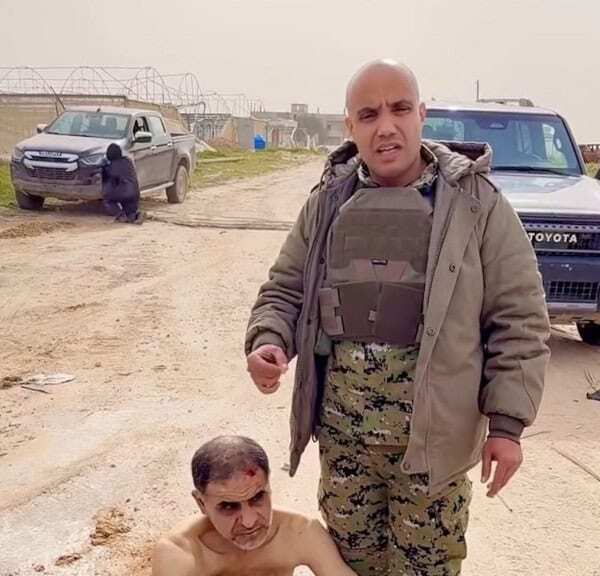
The Popular Forces captured Adham al Akar, a Hamas company commander in Rafah, and transferred him to Israeli custody. Akar’s capture underscores the growing role of local anti-Hamas militias in conducting offensive operations against the Islamist organization. However, with the ceasefire framework expected to bring further Israeli military withdrawals from Gaza, these groups may face mounting strategic risks.
-
IDF details role and methods of Hezbollah’s local liaison operatives
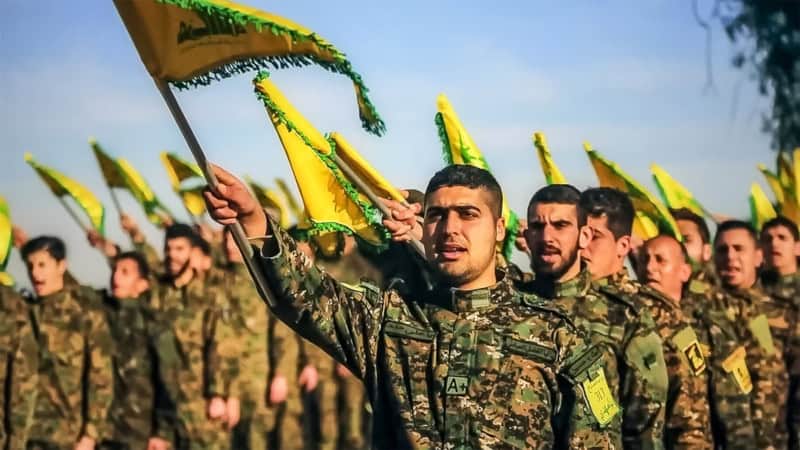
The Israel Defense Forces (IDF) recently assassinated a Hezbollah local liaison officer in south Lebanon and has now explained the alleged function of these operatives during the group’s regeneration efforts, including how they cultivate relationships with Lebanese civilians.
-
Israeli operations in Lebanon against Hezbollah: January 12–18, 2026
Israel continued military operations in Lebanon between January 12 and January 18, 2026. Israeli activities were largely concentrated north of the Litani River, with mainly policing activities occurring south of the waterway.
-
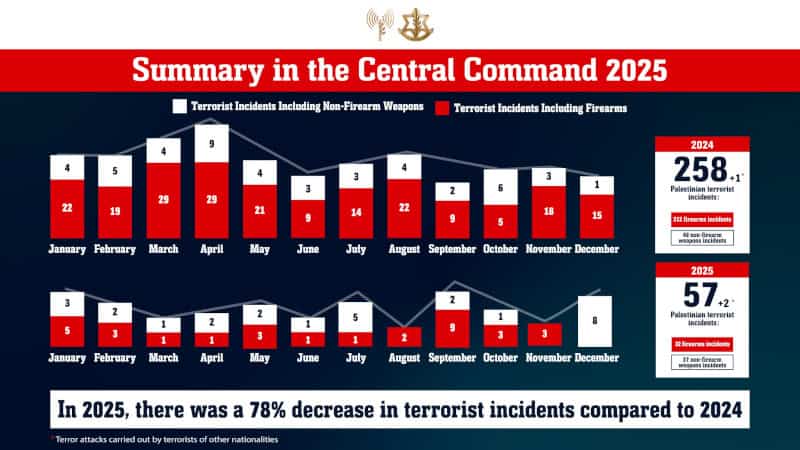
IDF reports significant drop in West Bank terrorism in 2025
An assessment published by the Israel Defense Forces (IDF) this week points to a sharp reduction in Palestinian-perpetrated terrorist activity across the West Bank in 2025. The IDF attributed the decline to sustained counterterrorism operations in the territory throughout last year. However, despite the figures, there are signs that West Bank terrorist organizations are attempting to renew their efforts.
-
US-backed Gaza plan moves to second phase as NCAG and Board of Peace unveiled
On January 16, the White House announced a number of appointments to the National Committee for the Administration of Gaza (NCAG) and the Board of Peace, which will support the stabilization and demilitarization of Gaza, after the Gaza ceasefire, which began in October, moved into its second phase on January 14. The Israel Defense Forces clashed with gunmen in the territory on January 14 and responded with airstrikes.