-
Israeli elections stall Board of Peace plans, IDF reports 14 Gaza ceasefire violations Sept. 4–15
United States officials have expressed frustration with Israeli Prime Minister Benjamin Netanyahu for resisting parts of their Gaza strategy. The US-backed Board of Peace, tasked with overseeing Gaza’s political transition, has seen Netanyahu stall several initiatives as he campaigns in a closely contested election. Meanwhile, the Israel Defense Forces (IDF) reported 14 ceasefire violations in Gaza between September 4 and 15.
-
Board of Peace focuses on International Stabilization Force for Gaza
The Board of Peace continues efforts to assemble the International Stabilization Force for Gaza, securing commitments from Kosovo and Albania as preparations advance to implement the US-backed peace plan. While progress on the ground remains tied to Hamas’s disarmament and Israel’s political timetable, international planning for Gaza’s future governance and security continues to move forward.

-
IDF captures Hamas security chief, reports 29 Gaza ceasefire violations Aug. 19–Sept. 3
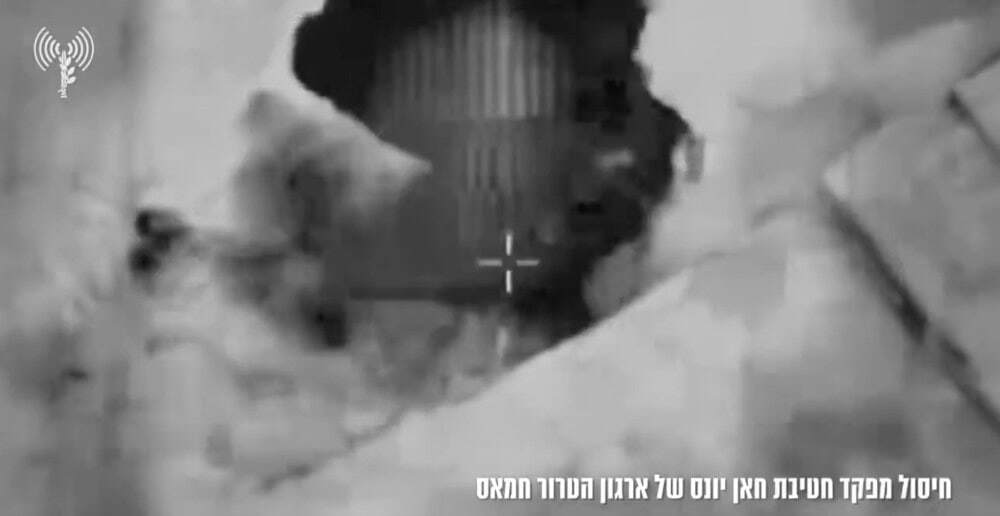
Israeli special operations forces captured a senior Hamas security official in a September 1 operation in the Katiba area of western Gaza City. The raid came as the US-backed Board of Peace’s stabilization plan and Hamas disarmament agreement, which had prompted Israel to scale back strikes in response to reported ceasefire violations, appeared to falter.
-
Israel lessens strikes after US-backed disarmament plan, rejects initial withdrawal; IDF reports 16 Gaza ceasefire violations July 31-August 18
After Israel’s rejection of the Board of Peace’s (BoP) initial disarmament plan, US Special Envoy Jared Kushner and BoP officials held talks with Hamas and Israel, followed by Washington adjusting its position to prioritize Hamas’s disarmament. Meanwhile, Hamas and other Palestinian terrorist groups continued violating the first phase of the ceasefire, according to Israel.

-
Board of Peace announces Hamas disarmament agreement, IDF reports 32 Gaza ceasefire violations July 10–31
US President Donald Trump announced a 15-point Board of Peace roadmap transferring Gaza’s governance and security responsibilities. The plan links verified Hamas disarmament to phased Israeli withdrawal, but sequencing remains disputed.

-
Former Israeli prime minister says Qatar funded Iran’s IRGC
Former Israeli Prime Minister Naftali Bennett vowed to declare Qatar an “enemy state” if reelected to lead the government. Among the reasons he cited was Qatar’s alleged funding of Iran’s Islamic Revolutionary Guard Corps.

-
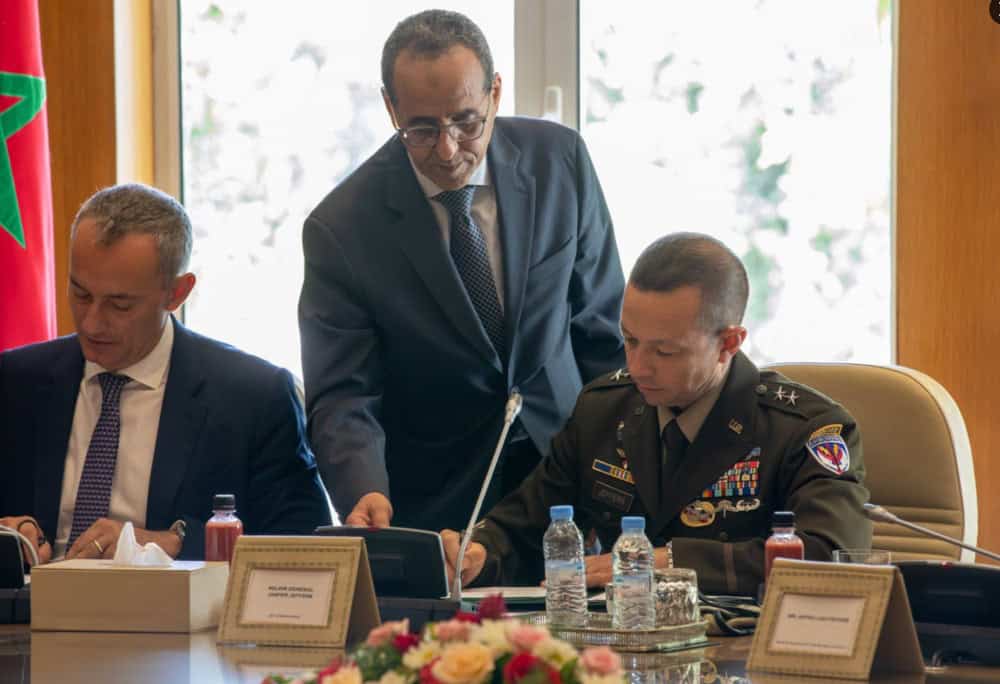
Israel approves entry of International Stabilization Force into Gaza
Israel has approved the future deployment of the International Stabilization Force (ISF) in Gaza, a significant step in implementing the US-backed peace plan. The planned multinational force is expected to support humanitarian efforts, stabilization, and a transition toward new Palestinian governance as Israel continues operations against terrorist groups in Gaza.
-
Analysis: US Treasury sanctions Turkish Hamas financiers as Erdogan presses for F-35s
On July 23, the US Treasury Department’s Office of Foreign Assets Control (OFAC) designated a Turkey-based Hamas money exchange and a senior Muslim Brotherhood official, the third round of sanctions against Hamas’s Turkish financial network in less than two years. US lawmakers have introduced measures that would condition future F-35 sales to Turkey on certification that Turkey has severed its ties to Hamas.

-
Board of Peace to establish ‘pilot zone’ for Gaza civilians, IDF claims 13 ceasefire violations June 30–July 9
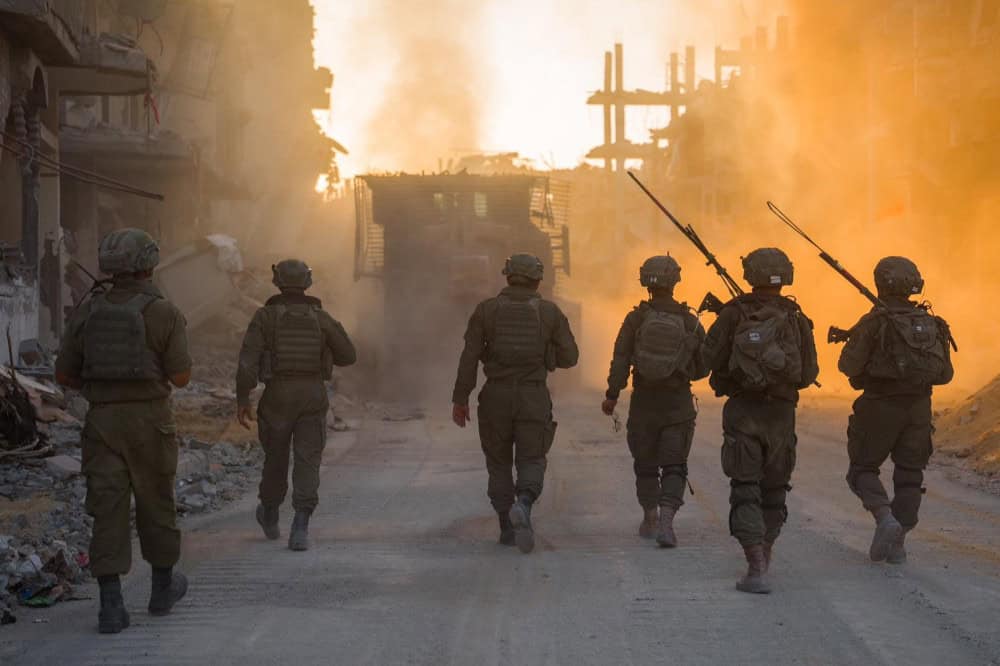
The US-led Board of Peace said on July 8 that it would soon begin setting up a “pilot zone” in Gaza that would bring unarmed civilians screened for Hamas links across the Yellow Line into the Israeli-controlled portion of the territory. Meanwhile, Hamas has escalated ceasefire violations in the areas it still controls as the group works to rebuild its forces.
-
Hamas announces intent to dissolve Gaza government as disarmament questions remain
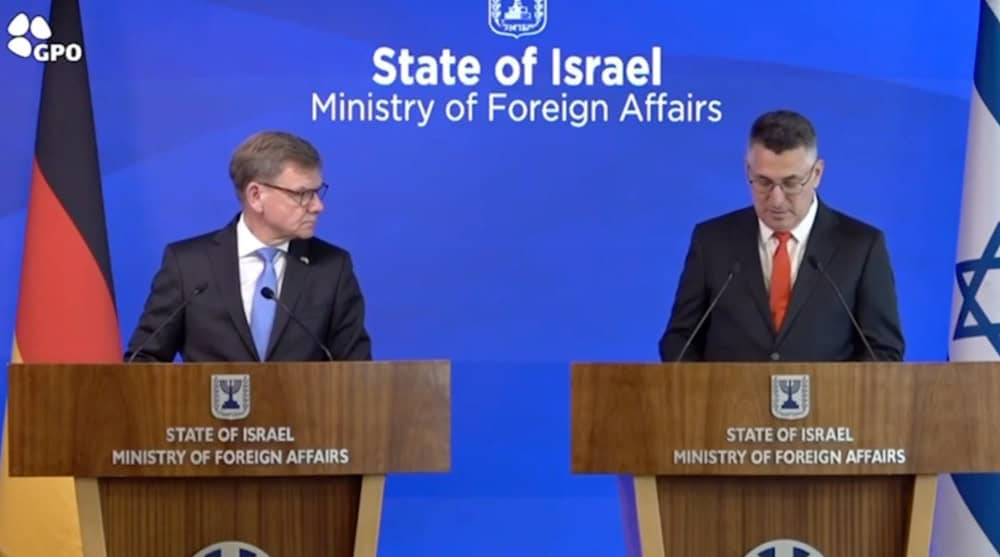
Hamas said that it is prepared to dissolve its governing institutions in Gaza and transfer authority to the National Committee for the Administration of Gaza (NCAG), a key component of the US- and UN-backed ceasefire framework. As negotiations continue, Israeli officials argue that Hamas surrendering administrative control without relinquishing weapons would leave Hamas as the dominant force behind the scenes.
-
Hamas suppresses protests, IDF reports 17 strikes, ceasefire violations June 10–29
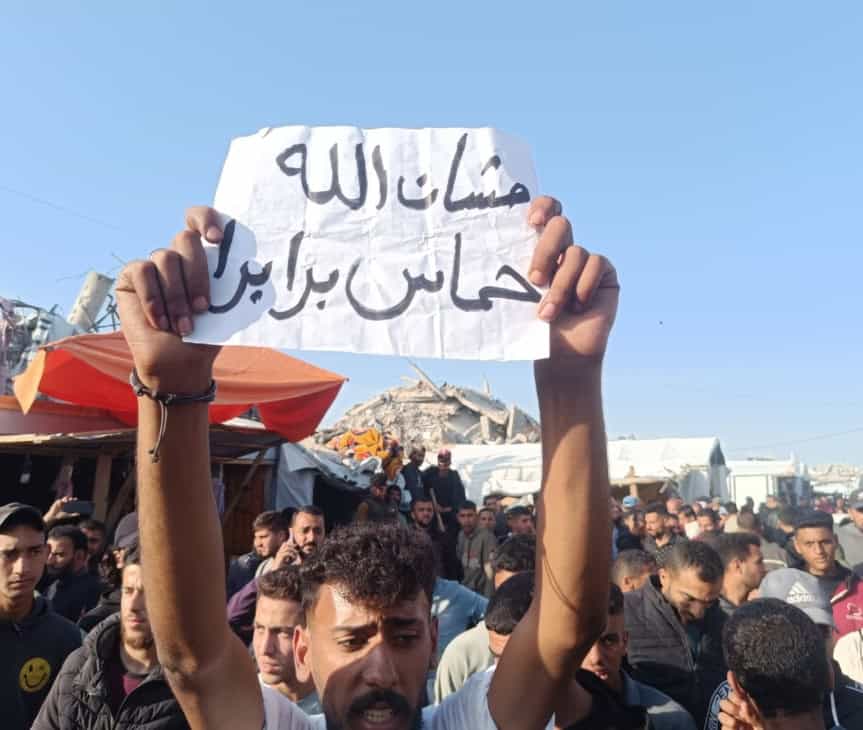
Anti-Hamas organizers in Gaza had hoped June 26 would bring a wave of large demonstrations against the terror group. However, Hamas worked to lower turnout with arrests, threats, and armed street deployments.
-
Gaza peace plan sees slow progress after Hamas meets in Cairo
Efforts to advance the US-backed peace plan for Gaza have continued amid difficult negotiations over Hamas’s disarmament and the future security structure of the enclave. Talks in Cairo involving Hamas, Egyptian officials, and representatives of the Board of Peace have focused on implementing key provisions related to weapons restrictions and the deployment of an International Stabilization Force.

-
IDF targets Hamas middle managers, reports 15 strikes and ceasefire violations May 29–June 10
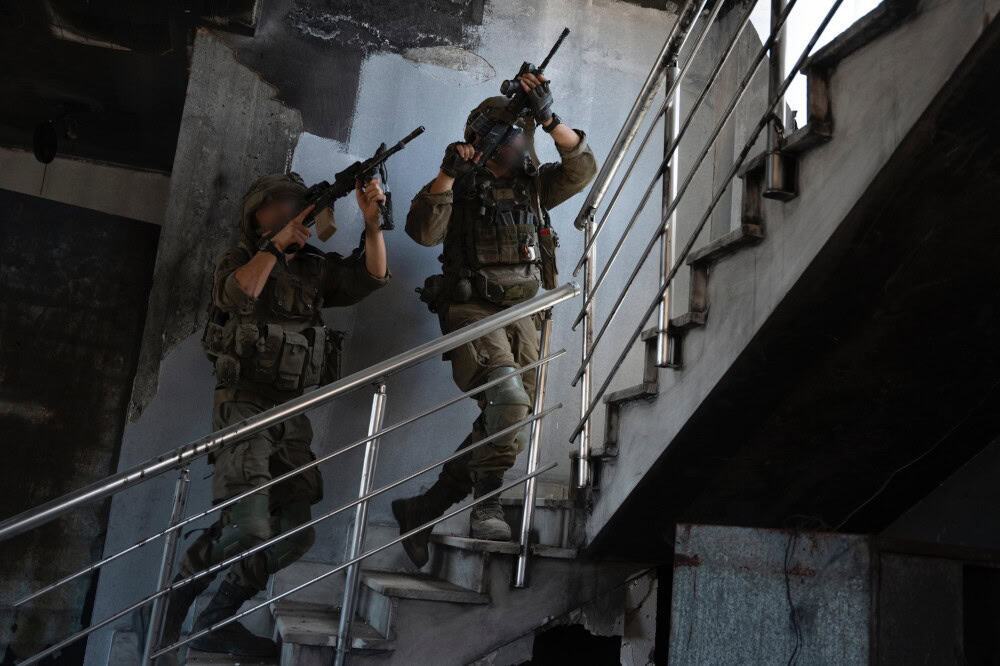
Following the high-profile eliminations of two Hamas military wing leaders, the Israeli military turned to targeting lower-level officials in the group who are leading its rearmament push, as well as members of other Gaza terrorist organizations.
-
Houthis emphasize solidarity and coordination with Iran-led Axis of Resistance
The Houthis in Yemen reiterated support for their partners in the Iran-led Axis of Resistance, singling out Hezbollah in Lebanon and Hamas in Gaza. While leaving the door open to further involvement in the ongoing regional conflict, the group stopped short of saying it would join the fighting.

-
Generation Jihad | Gaza: Smoldering battlefield?
Despite multiple attempts by Israel to quell the fighting in Gaza and decapitate Hamas’s leadership, the group continues a guerilla-style resistance. The IDF now fights on three active fronts: Lebanon, Iran, and Gaza. But it’s perhaps the forgotten war in Gaza that could resume major hostilities if left unchecked. Bill Roggio speaks with FDD Research Analyst Samuel Ben-Ur about next steps in Gaza.
-
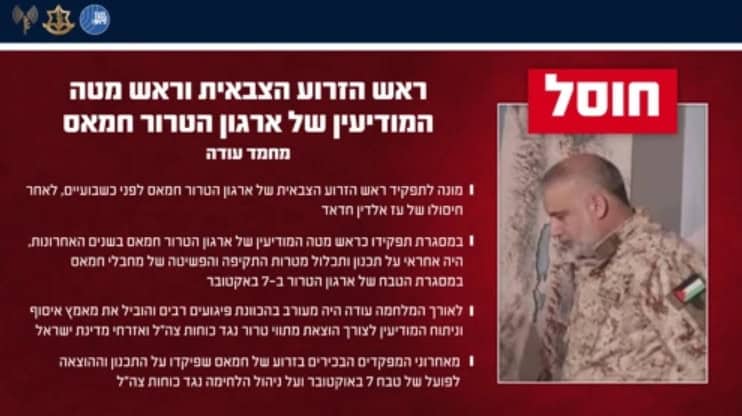
IDF kills new Hamas military leader, reports 10 ceasefire violations May 21–May 28
Less than two weeks after Hamas named Mohammed Odeh as its new military commander, Israel eliminated him. The IDF also targeted a number of other high-profile Hamas members as the terrorist group continues refusing to disarm.
-
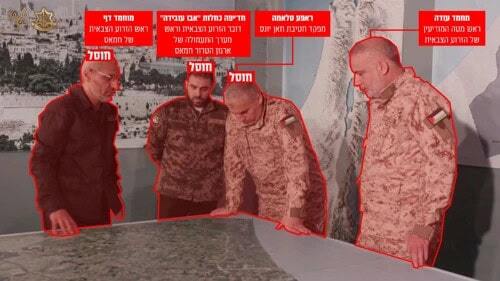
Hamas replaces military wing leader, IDF reports 19 Gaza ceasefire violations May 6–20
After the elimination of Al Qassam Brigades leader Izz al Din al Haddad on May 15, Hamas has reportedly turned to longtime senior member Mohammed Odeh to take the reins of the group’s military wing. As Hamas reportedly rearms and reconstitutes its strength, the IDF reports that its members and other Palestinian terrorists have continued to violate the ceasefire in Gaza.
-
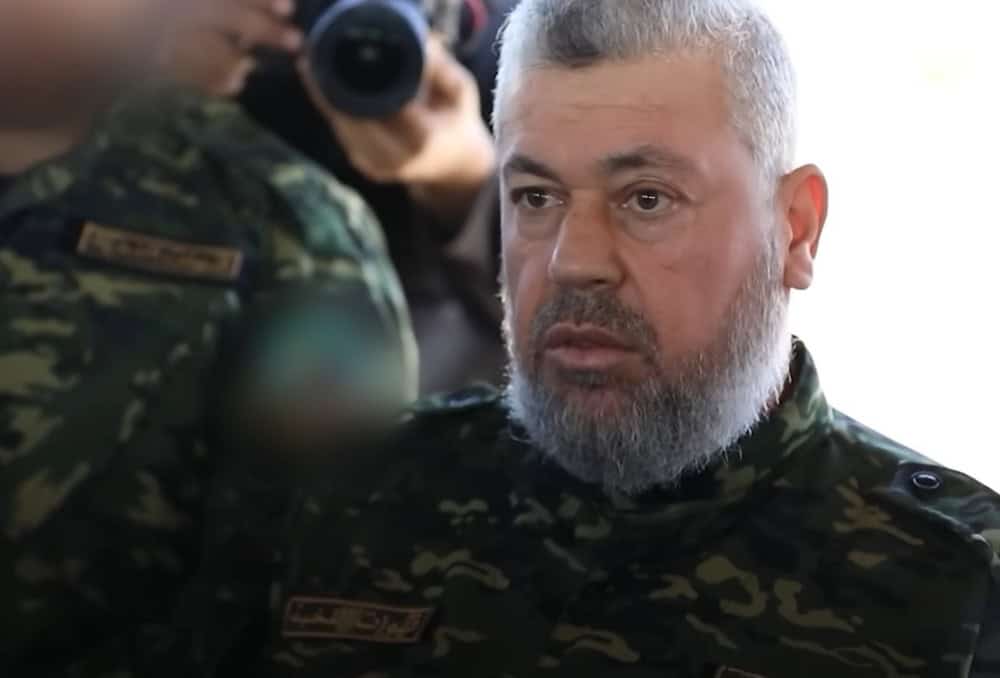
Hamas commander Izz al Din al Haddad targeted in Israeli airstrike
The Israeli military attacked an apartment in Gaza City, targeting Izz al Din al Haddad, Hamas’s leader in Gaza. Al Haddad is one of the last remaining senior members of Hamas who were responsible for the October 7 attack.
-
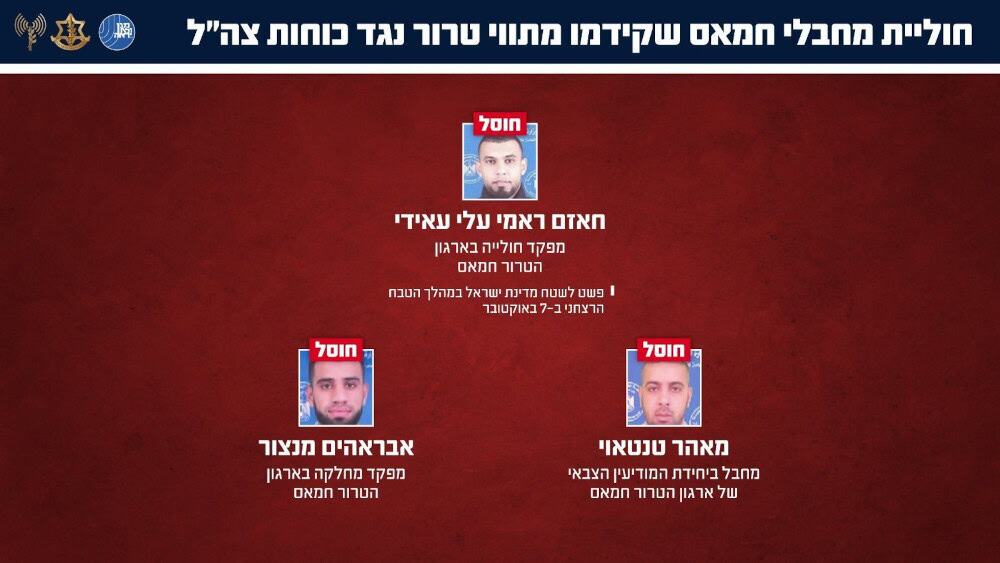
Talks over Hamas disarmament stall, IDF reports 19 Gaza ceasefire violations April 21–May 5
Hamas and other Palestinian terrorists continued to violate the Gaza ceasefire toward the end of April and beginning of May, according to Israeli military reports. Hamas remains adamant that it will not even begin to discuss disarmament before a complete IDF withdrawal from the territory.
-
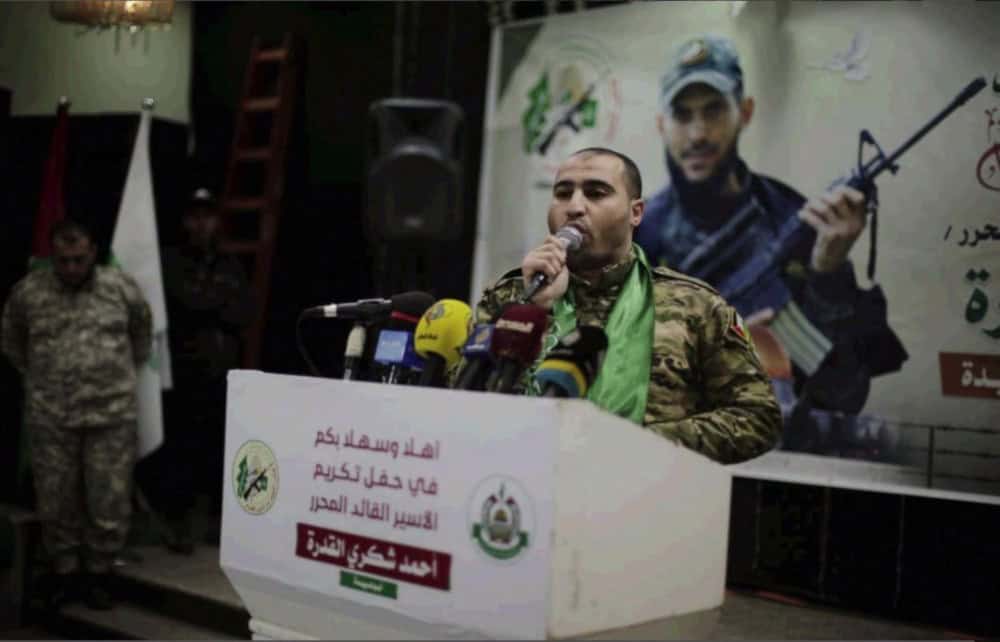
Charity founded by Hamas member raising funds on US-based platform
A Hamas operative who was killed during the recent war with Israel founded a Gaza-based charity that has raised hundreds of thousands of dollars online. The charity continues to solicit donations, including through a New York-headquartered platform.
-
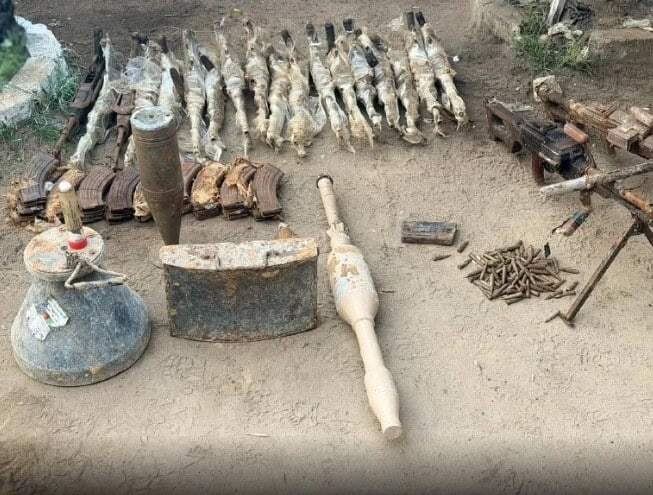
Hamas says it may give up some weapons, IDF reports 5 ceasefire violations April 17-21
Hamas has reportedly indicated a readiness to give up thousands of rifles belonging to its police and internal security forces. The weapons conceded would still fail to meet the total disarmament required by President Donald Trump’s 20-point Gaza peace plan. The Israel Defense Forces also tracked five ceasefire violations between April 17 and 21.
-
Hamas rejects disarmament clause of Gaza peace plan, IDF reports 14 ceasefire violations April 8–16
Kinetic events and military actions continue in Gaza, including 14 violations of the fragile ceasefire by Palestinian terrorists, according to the Israeli military. The Israel Defense Forces has documented an uptick in planned attacks against Israeli soldiers in the enclave.

-
IDF: Palestinian terrorists violate Gaza ceasefire 22 times since start of Iran war
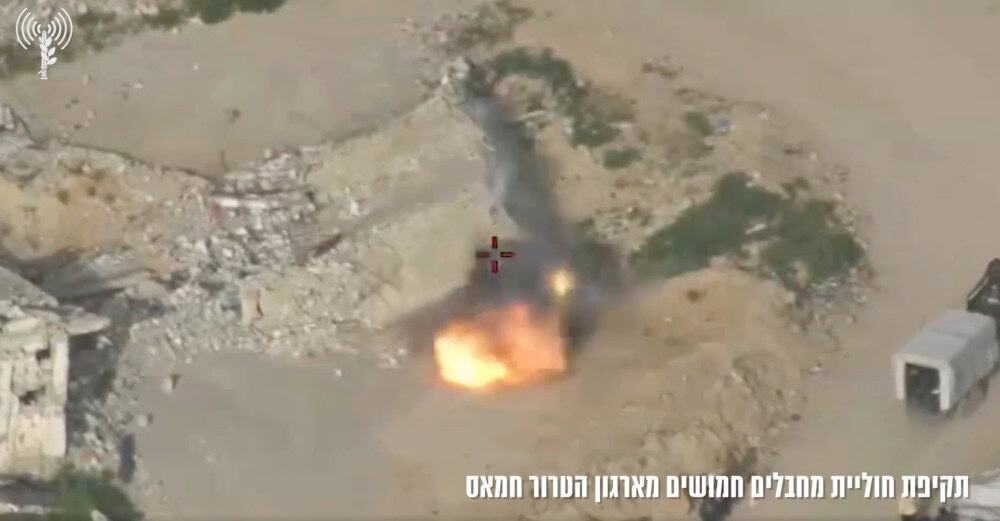
While the US-Israeli war with Iran has taken center stage, Israel’s Gaza front remained active, despite the US-brokered ceasefire that took effect on October 10 of last year. The Israeli military has documented 22 ceasefire violations by Hamas and other Palestinian terrorist groups since the war with Iran began on February 28.
-
Israel continues operations against Hamas in Gaza, diplomats push for disarmament as shaky ceasefire continues
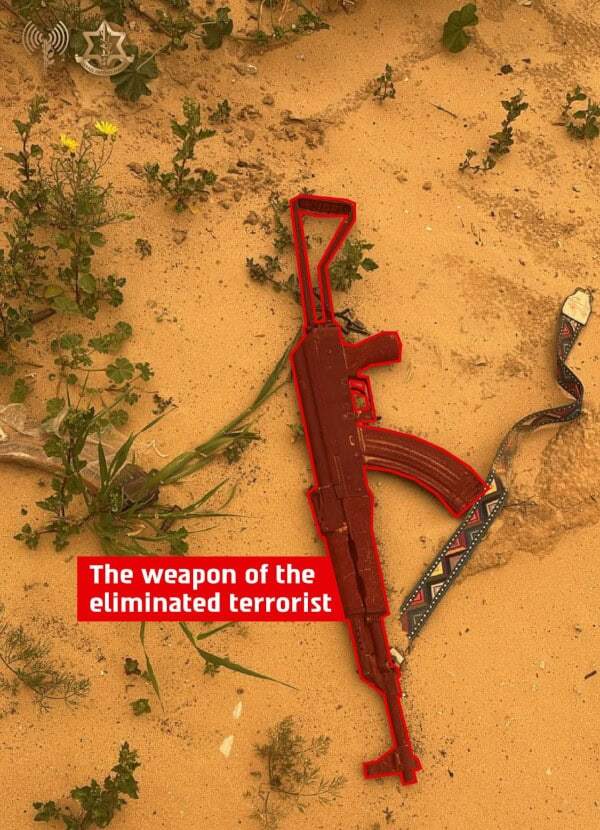
While attention has shifted to the conflicts in Iran and Lebanon, Gaza remains under a fragile ceasefire, with ongoing low-level clashes. High Representative for Gaza Nickolay Mladenov highlighted progress toward a disarmament framework tied to UN-backed plans. Despite this, Hamas continues to consolidate control in parts of the territory as Israel targets militants and terrorist infrastructure.
-
Turkish intelligence chief hosts Hamas leaders in Istanbul
Turkish spy chief Ibrahim Kalin’s March 22 meeting with senior Hamas leaders in Istanbul highlights Turkey’s continued high-level engagement with the group, reinforcing Ankara’s role as a mediator in Gaza ceasefire negotiations while omitting any discussion of Hamas’s disarmament. The meeting reflects a broader pattern of Turkish support for the group, evidenced by recent US Treasury sanctions on Turkish charities linked to Hamas.

-
Israel eliminates 3 Hamas members operating in Lebanon
The Israeli military announced on March 22 that it killed Walid Dib, a Hamas money man, in Lebanon. In addition to Dib, two other Hamas members operating in Lebanon have also been eliminated in Israeli strikes in recent days.

-
Israeli strike eliminates Hamas commander in Lebanon
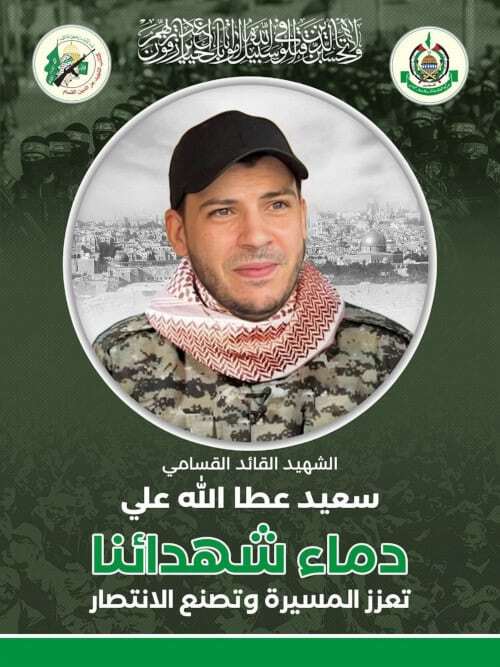
The Israeli military killed Hamas commander Wasim Atallah Ali in Tripoli on March 5. The IDF said that Ali was responsible for training the group’s branch in Lebanon. His elimination adds to the growing number of Hamas and Palestinian Islamic Jihad members who have been killed in Lebanon by the Israeli military.
-
Palestinian factions mourn death of Iran’s leader, stop short of threatening retaliation
Hamas, Palestinian Islamic Jihad, and other Palestinian terrorist organizations issued statements mourning the deaths of Iranian Supreme Leader Ali Khamenei and the Tehran regime’s other senior officials. While some groups made vague mentions of a response to the killings, none explicitly said they would retaliate against Israel or the United States.

-
Analysis: Israeli strikes against Hamas in Lebanon signal a sustained strategy
Following the Hamas-led attack on Israel on October 7, 2023, Israel has conducted a consistent military campaign against Palestinian terrorist groups in Lebanon. The Israeli military’s recent attack against a Hamas command center in the Palestinian camp of Ayin al Hilweh demonstrates that this approach continues to be Jerusalem’s preferred strategy against Palestinian armed groups that operate on Israel’s northern border.

-
Israel strikes Hamas in Lebanon, Palestinian terrorists violate Gaza ceasefire 14 times from February 5 to 20, IDF says
As US President Donald Trump convened the Gaza Board of Peace for its inaugural meeting in Washington, DC, the IDF continued to report numerous ceasefire violations in the territory. Israel also struck the Ain al Hilweh Palestinian refugee camp near Sidon, Lebanon, stating that the target was used for the “preparation of terrorist activities against IDF forces in Lebanese territory.”