-
Stabilization force and funding pledged for Gaza at Board of Peace meeting
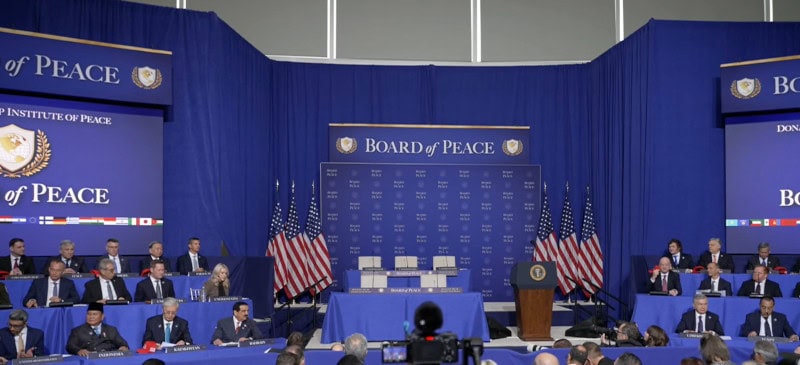
At a February 19 meeting of the US-backed Board of Peace in Washington, DC, five countries pledged troops to an International Stabilization Force for Gaza, and representatives of 40 nations committed approximately $7 billion in funding. The initiative is part of the second phase of a ceasefire plan launched in October 2025. Clashes between the Israel Defense Forces and militants continue in Gaza, where Israeli forces report ongoing ceasefire violations and operations against Hamas infrastructure.
-
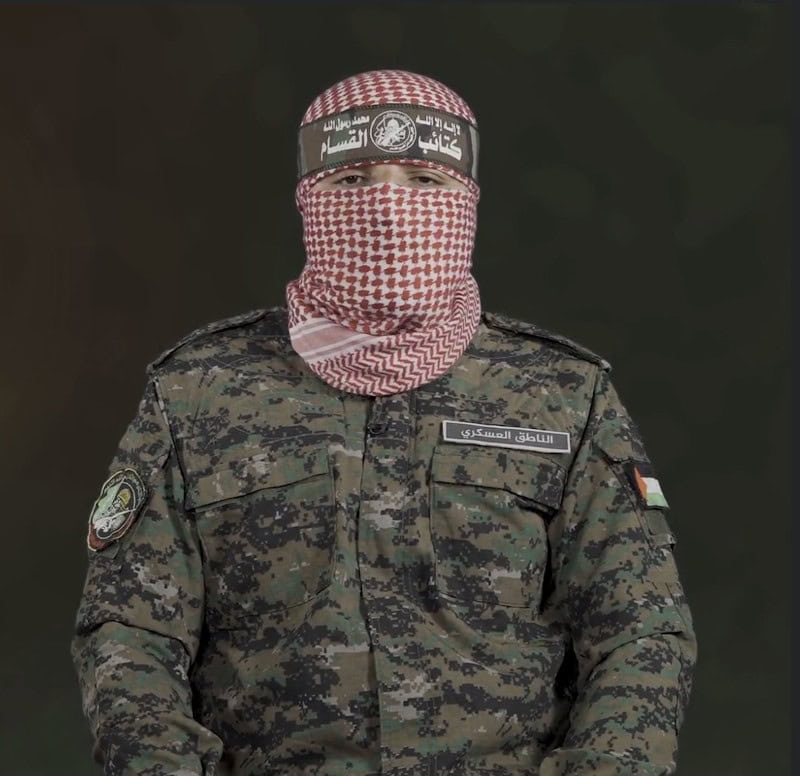
Hamas renews threats against rival Palestinian militias in Gaza
Hamas warned opposing militias that their days were numbered and that the Israeli military could not protect them. The threat came after some militias have carried out successful operations against Hamas in recent weeks and months.
-
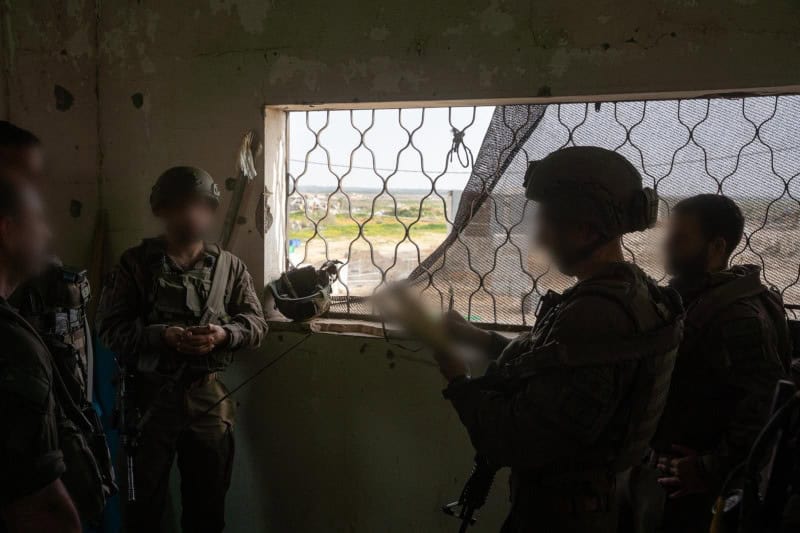
Hamas injures IDF soldier, Palestinian terrorists violate Gaza ceasefire 10 times between January 22 and February 4
The US-brokered truce in Gaza is still holding but faces challenges as Hamas and other Palestinian terrorists continue to violate the terms almost daily, and the IDF responds with airstrikes. Despite the Rafah Crossing opening to pedestrian traffic, challenges are emerging surrounding procuring reconstruction funding, part of US President Donald Trump’s 20-point plan for Gaza.
-
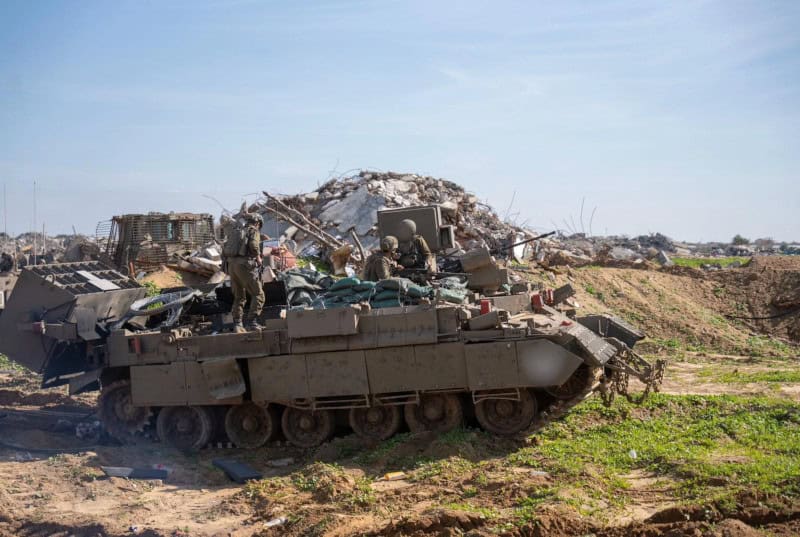
Rafah crossing opens days after IDF says Hamas violated ceasefire, conducts strikes
The Rafah crossing between Gaza and Egypt reopened on February 2 for limited pedestrian traffic, marking a key step in the US-backed ceasefire plan that began in October. The move followed significant Israeli airstrikes after the Israel Defense Forces (IDF) said that terrorists had emerged from a tunnel in Rafah, violating the ceasefire. The IDF continued operations in Gaza, reporting additional clashes with suspected terrorists and the discovery of weapons and tunnels near Khan Younis along the Yellow Line.
-
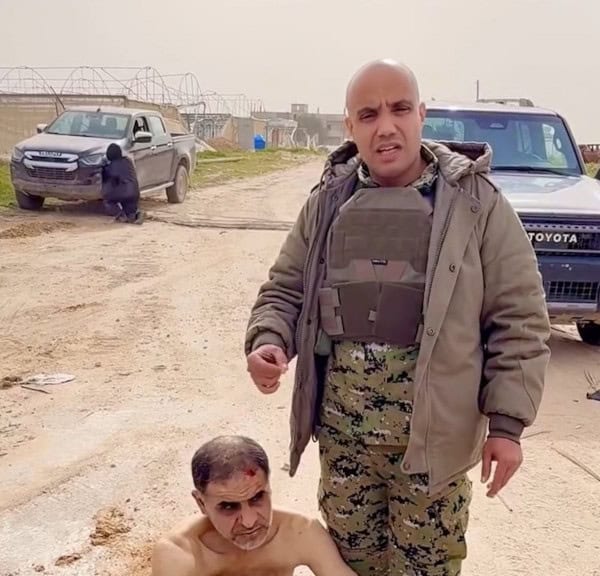
Popular Forces Gaza militia captures senior Hamas member
The Popular Forces captured Adham al Akar, a Hamas company commander in Rafah, and transferred him to Israeli custody. Akar’s capture underscores the growing role of local anti-Hamas militias in conducting offensive operations against the Islamist organization. However, with the ceasefire framework expected to bring further Israeli military withdrawals from Gaza, these groups may face mounting strategic risks.
-
Israeli forces recover body of last hostage held in Gaza
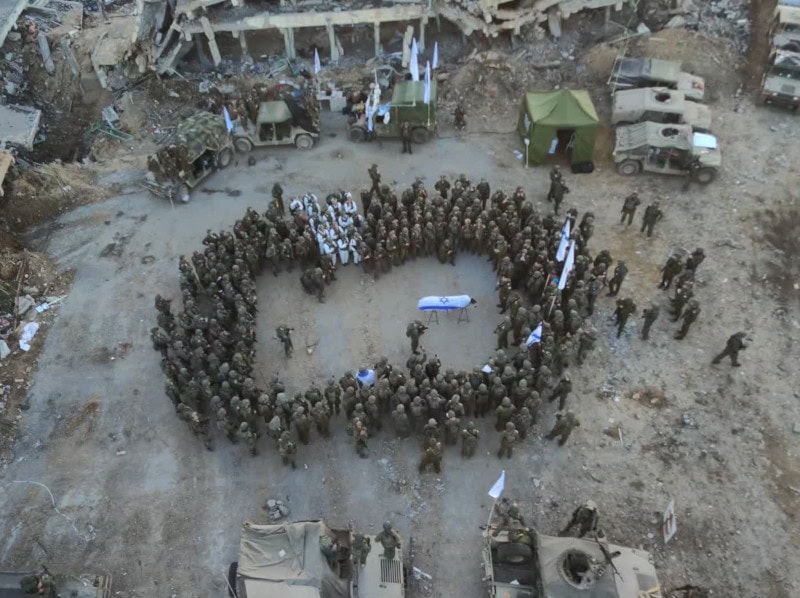
The body of the last Israeli hostage held in Gaza was returned to Israel by the Israel Defense Forces (IDF) on January 26. Ran Gvili, an Israeli police sergeant who was killed in the Hamas-led attack on October 7, 2023, had been held in Gaza since the day of the attack. The second phase of the US-backed Gaza peace plan is expected to proceed with the limited opening of the Rafah crossing between Gaza and Egypt. On January 24, US envoys Jared Kushner and Steve Witkoff arrived in Israel to discuss the next phase of the ceasefire and Kushner’s Gaza…
-
As Gaza ceasefire plan progresses, IDF reports Palestinian terrorists violate first phase 11 times from January 9 to 22
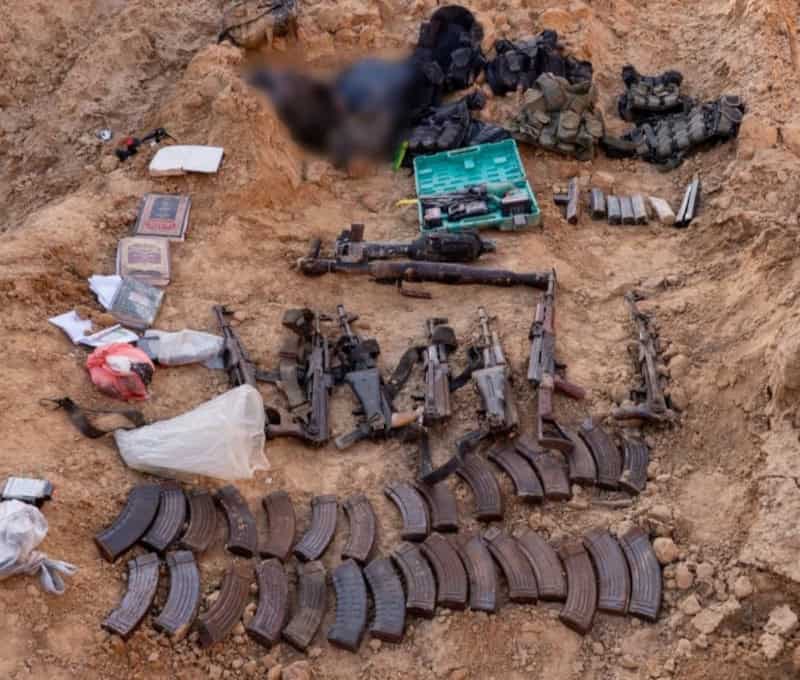
The US-brokered Gaza ceasefire plan is entering its second phase, with the new National Committee for the Administration of Gaza and the Board of Peace set to play key roles. Twenty-five countries have accepted US President Donald Trump’s invitation to join the Board of Peace, while five have declined. Palestinian terrorists reportedly violated the ceasefire’s first phase 11 additional times between January 9 and January 22.
-
US Treasury sanctions entities for supporting Hamas
The United States Treasury’s Office of Foreign Assets Control (OFAC) sanctioned seven entities linked to Hamas’s covert support network. The sanctions add to a lengthy history of the group leveraging nongovernmental organizations and sham charities to raise funds for terrorism.

-
IDF reports significant drop in West Bank terrorism in 2025
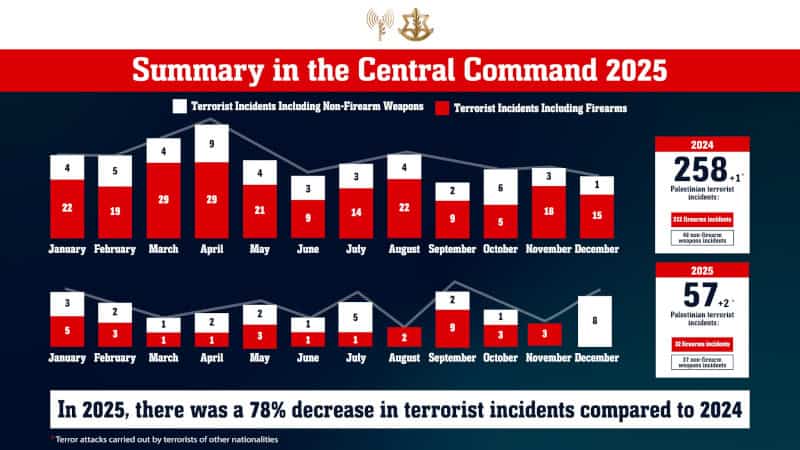
An assessment published by the Israel Defense Forces (IDF) this week points to a sharp reduction in Palestinian-perpetrated terrorist activity across the West Bank in 2025. The IDF attributed the decline to sustained counterterrorism operations in the territory throughout last year. However, despite the figures, there are signs that West Bank terrorist organizations are attempting to renew their efforts.
-
US-backed Gaza plan moves to second phase as NCAG and Board of Peace unveiled
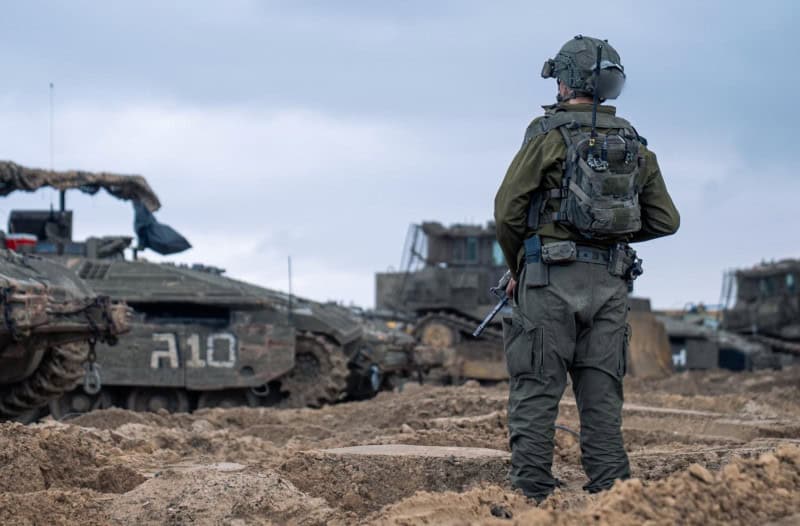
On January 16, the White House announced a number of appointments to the National Committee for the Administration of Gaza (NCAG) and the Board of Peace, which will support the stabilization and demilitarization of Gaza, after the Gaza ceasefire, which began in October, moved into its second phase on January 14. The Israel Defense Forces clashed with gunmen in the territory on January 14 and responded with airstrikes.
-
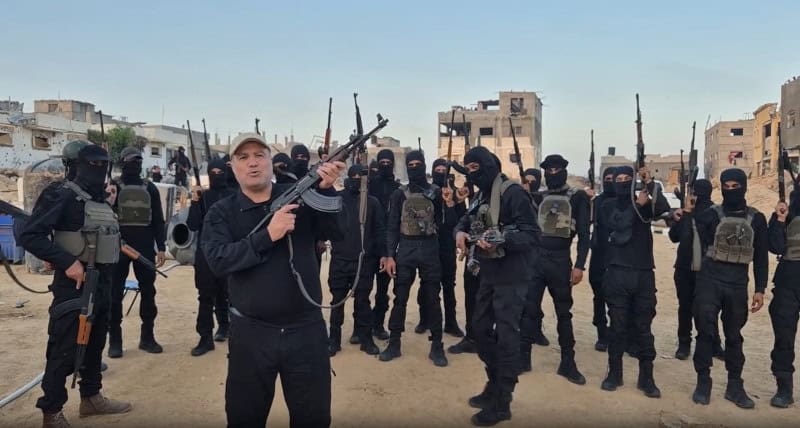
Gaza militia claims to have killed 2 members of Hamas
The Popular Forces militia claimed that it eliminated two members of Hamas. The group and its anti-Hamas allies continue to operate in Gaza despite threats by Hamas and other Palestinian terrorist factions to dismantle the organizations.
-
Hamas, Red Cross search for last Gaza hostage’s body, IDF reports 14 ceasefire violations from December 19 to January 8
The search resumed this week for the body of Ran Gvili, a police officer killed on October 7, 2023, during the Hamas invasion of southern Israel. Despite being given only 72 hours to return all hostages, both living and deceased, on October 10, Hamas has yet to do so.

-
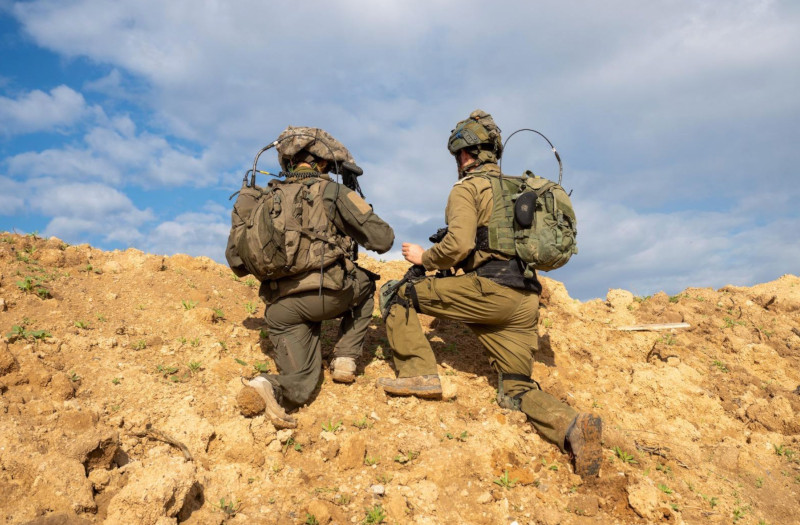
Israel rotates military units in Gaza as new phase of ceasefire deal looms
In late December, the Israel Defense Forces (IDF) replaced the 2nd Reserve Infantry Brigade and Kfir Brigade in Gaza with the 16th Reserve Infantry Brigade and 188th Armored Brigade, respectively. The IDF continues to deal with threats from terrorists along the Yellow Line in the territory, and an Israeli soldier was wounded on December 24 by an explosive device. Israeli Prime Minister Benjamin Netanyahu prepared for a trip to Miami to meet US President Donald Trump.
-
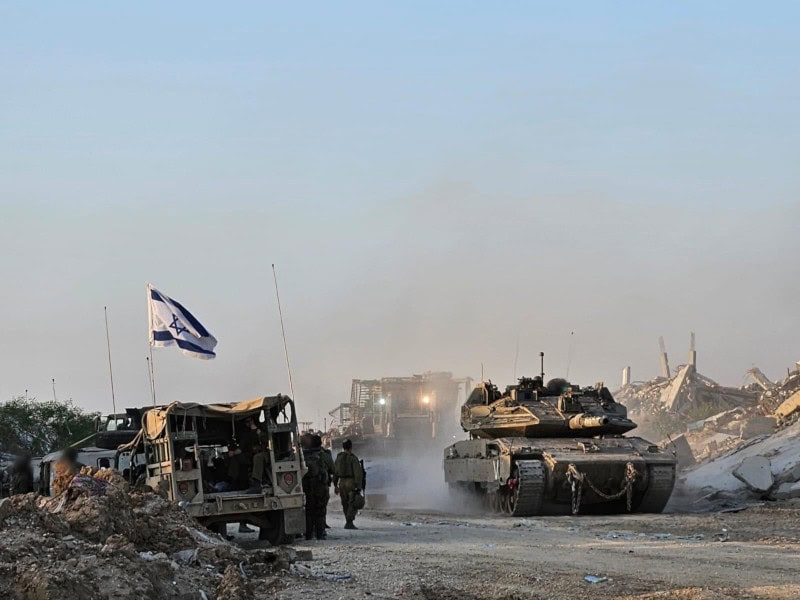
US-led meeting on Gaza International Stabilization Force inconclusive, IDF reports 12 Gaza ceasefire violations from December 4 to 18
As Israel awaits the return of the remains of the final hostage in Gaza, Hamas and Palestinian terror groups violated phase one of US President Donald Trump’s 20-point ceasefire plan 12 times between December 4 and 18, according to the Israel Defense Forces (IDF). Dozens of countries attended a United States Central Command conference in Doha to discuss the deployment of an International Stabilization Force in Gaza, but no nations have committed to sending troops. Meanwhile, Hamas leadership reiterated the terror group’s unwillingness to disarm.
-
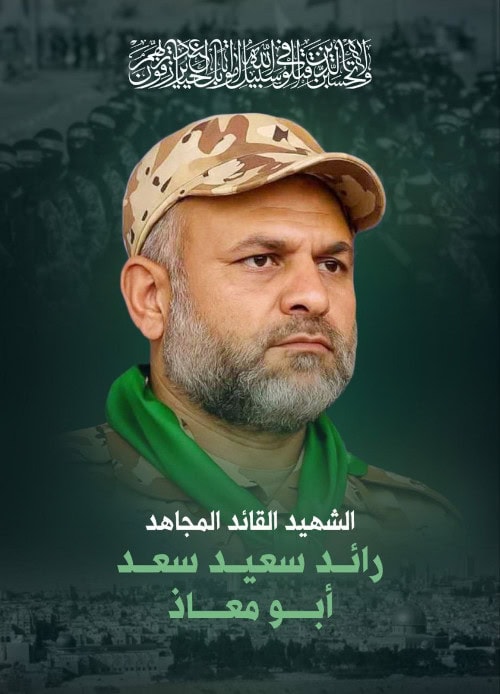
Hamas acknowledges the killing of senior commander Raed Saad
In contrast to its ambiguity about casualty announcements during the recent war with Israel, Hamas confirmed the killing of veteran senior leader Raed Saad and additional operatives. Israel said Saad held multiple senior positions within Hamas and was among the planners of the October 7 attack.
-
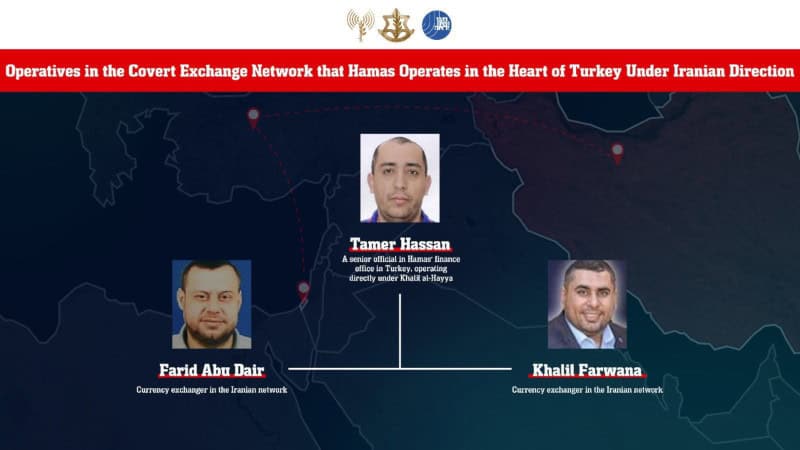
IDF reveals Hamas financial network operating in Turkey
The Israeli military and Shin Bet reported on a Hamas financial network operating in Turkey under direct Iranian supervision and moving hundreds of millions of dollars through Turkish-based money changers to fund terrorism. Three key operatives based in Turkey were identified as managing large-scale financial activity for Hamas. Israeli officials warned that any entity linked to this network will face consequences and criticized the concept of a NATO member enabling Iran-backed terror financing.
-
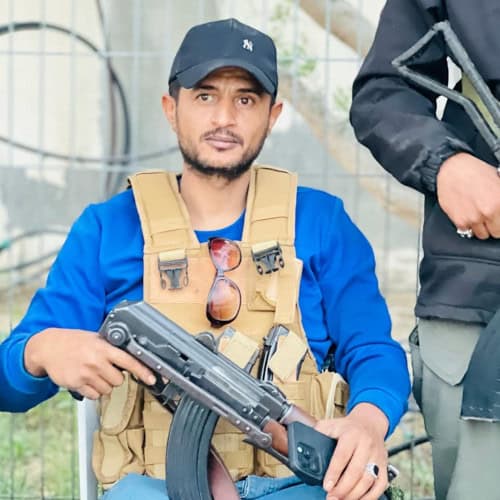
Anti-Hamas Popular Forces militia leader killed in Gaza
Yasser Abu Shabab, the head of the Popular Forces, was killed in Gaza on December 4. Shabab was a polarizing figure who led the first armed group to emerge during the Gaza war that actively opposed Hamas and its allies’ rule in the territory.
-
Palestinian terrorists ambush Israeli troops in Rafah; IDF reports 7 Gaza ceasefire violations from November 27 to December 3
Palestinian terrorists again ambushed Israeli troops in the southern Gaza hotspot of Rafah, injuring five soldiers, one seriously, and marking the first instance of the Israeli military taking casualties in over a month. Palestinians have violated the truce in the territory at least seven times in the past week, according to Israel Defense Forces reports.
-
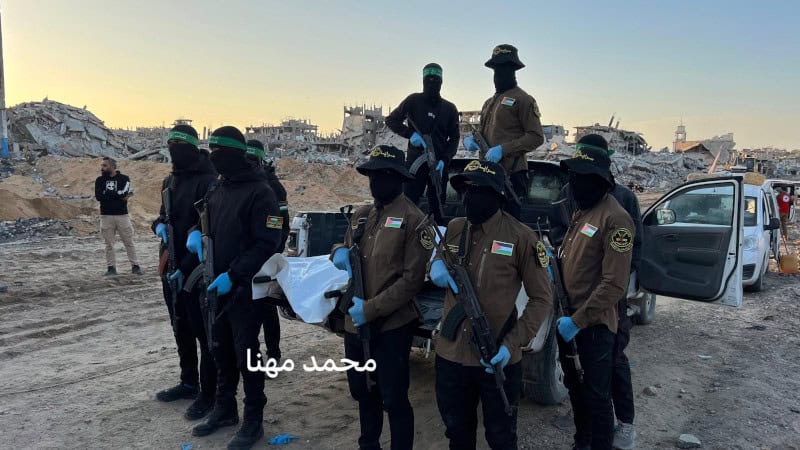
Israel awaits return of last 2 remains of hostages from Gaza
Israel continues to await the return of the remains of two hostages, a month and a half after a ceasefire began in Gaza. On December 2, the Israel Defense Forces (IDF) received “findings” that Hamas had handed over to the Red Cross; Israeli authorities have not yet confirmed receiving the remains of a hostage. Separately, the IDF says it has eliminated suspected terrorists in daily incidents in Gaza, and Qatar urged the ceasefire to move to a new stage.
-
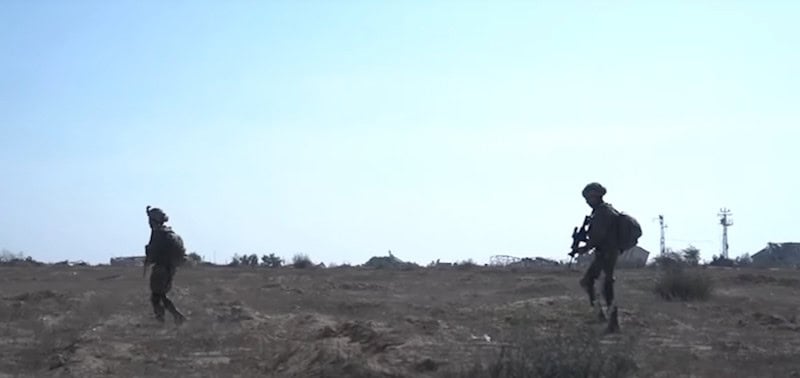
Terrorist uses aid route to fire at Israeli troops; IDF reports 14 Gaza ceasefire violations from November 22 to 26
Palestinian terrorists violated the ceasefire 14 times between November 22 and 26, according to Israel Defense Forces (IDF) reports. Among these incidents were an attacker using a humanitarian aid route to shoot at Israeli troops and at least three instances of terrorists emerging from tunnels in Rafah on the Israeli-controlled side of the Yellow Line. Palestinian Islamic Jihad also returned the body of a hostage after Israeli Prime Minister Benjamin Netanyahu accused the group of violating the ceasefire by delaying the transfer.

-
Generation Jihad | Don’t Call It a Peace Deal
Ceasefire on paper. Chaos on the ground. Trump’s 20-point plan promises “peace” in Gaza — but Hamas is already violating the ceasefire, gaming hostage returns, killing rivals, and rearming in tunnels. Bill Roggio is joined by his FDD colleagues Samuel Ben-Ur and Aaron Goren to discuss why disarming Hamas is a fantasy, why an international force risks becoming UNIFIL 2.0, and why Israel may be forced to finish the war.

-
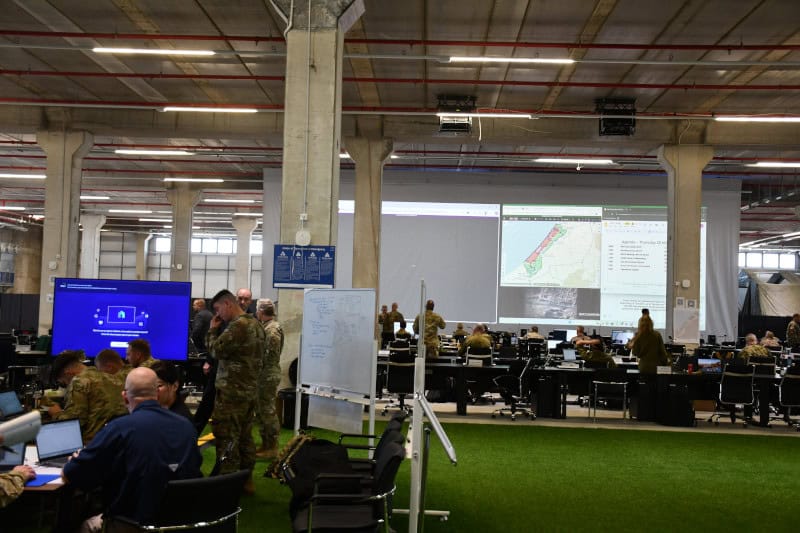
An inside look at the US-backed Civil-Military Coordination Center for Gaza stabilization
The US-backed Civil-Military Coordination Center (CMCC) in southern Israel primarily coordinates humanitarian aid entering Gaza and monitors the ceasefire between Israel and Hamas. A visit by FDD’s Long War Journal to the site on November 20 showed that US Central Command (CENTCOM) has committed significant resources to this effort, which now involves nearly 50 countries and organizations.
-
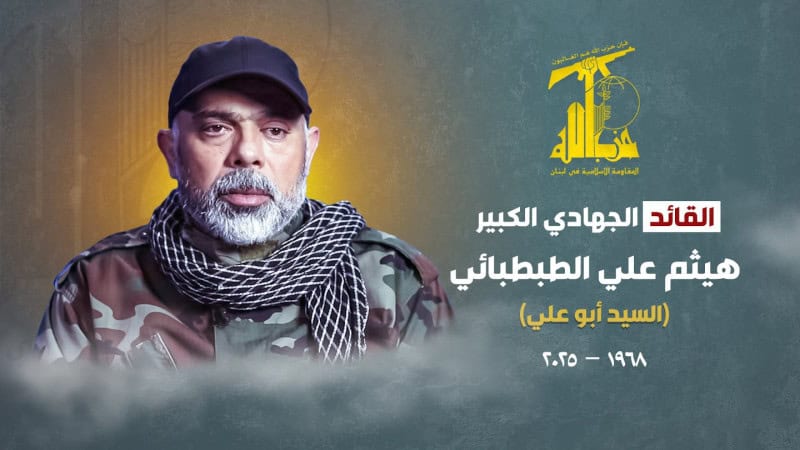
Israeli airstrike kills Hezbollah Chief of Staff Haytham Ali Tabatabai
An Israeli airstrike on an apartment building in Beirut’s southern suburbs killed senior Hezbollah figure Haytham Ali Tabatabai, along with four other members of the group. The strike is the most high-profile action taken against Hezbollah since the ceasefire between Lebanon and Israel began last November.
-
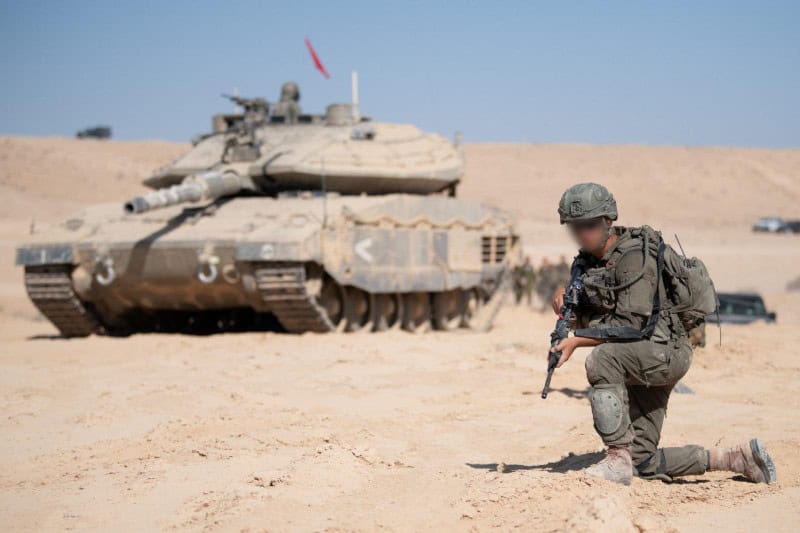
Palestinian terrorists fire on Israeli soldiers, break ceasefire 8 times from November 13 to 21, IDF says
As phase one of the ceasefire in Gaza continued to bend but not break, Israel reported that Hamas and other Palestinian terrorist organizations continue to violate the terms. Notably, another shooting attack on Israeli troops this week led to retaliatory airstrikes across the enclave. Separately, the situation surrounding 200 holed-up Hamas operatives in Rafah remains unresolved.
-
Hamas rejects UNSC vote endorsing key aspects of 20-point plan for Gaza
Hamas rejected UN Security Council Resolution 2803, which endorses US President Donald Trump’s 20-point peace plan, immediately after its passage. The resolution also called for the establishment of the Board of Peace that would temporarily govern Gaza and oversee the creation of an International Stabilization Force (ISF). Continued challenges to the establishment of an ISF and Hamas’s rejection of the resolution and refusal to disarm place the future of the peace plan in question.

-
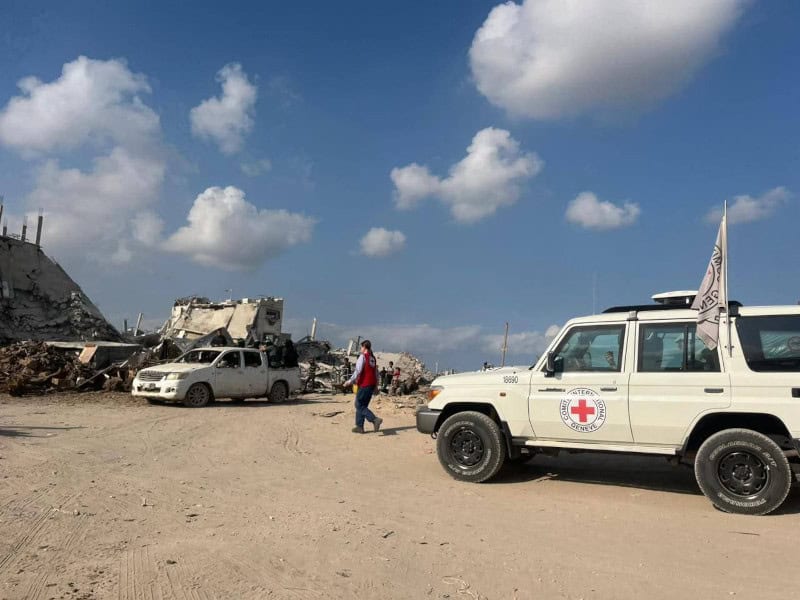
Palestinian terrorists broke Gaza ceasefire 6 times from November 7 to 12, IDF says
According to the IDF, Palestinian terrorists have violated the Gaza ceasefire on at least six occasions since November 7. The incidents over the past week have been nearly identical, with terrorist operatives testing the boundaries of the “Yellow Line” marking Israeli-controlled territory almost daily. These issues have been compounded by 200 Hamas members trapped in tunnels under Rafah in Israeli-controlled territory.
-
Hamas returns body of IDF soldier held since 2014 amid Rafah tensions
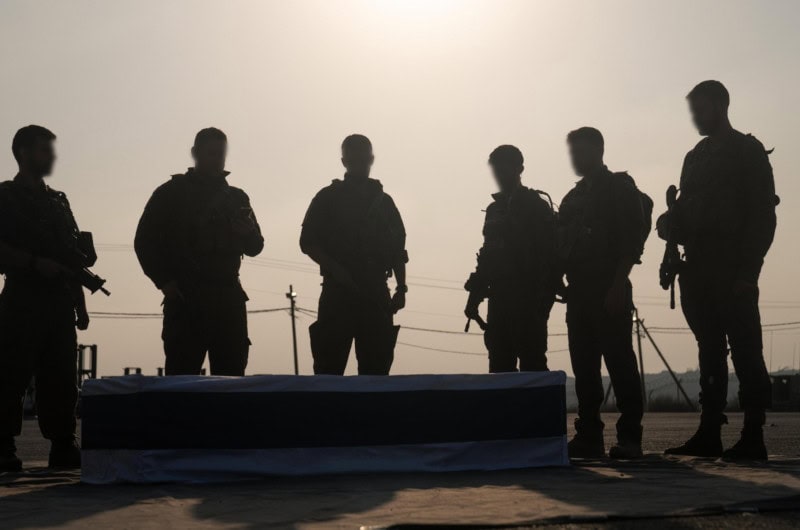
Hamas transferred the body of Israel Defense Forces (IDF) Lieutenant Hadar Goldin to Israel on November 9. Goldin was one of two IDF soldiers who were killed in 2014 and whose bodies had been held in Gaza. The other soldier had been located in January 2025. The return of Goldin’s body came as tensions remain over 200 Hamas terrorists reported to be trapped in a tunnel network in Rafah. In southern Gaza, Israeli troops dismantled “dozens” of terrorist infrastructure sites.
-
Palestinian terror groups have violated Gaza ceasefire at least 18 times since implementation, IDF claims
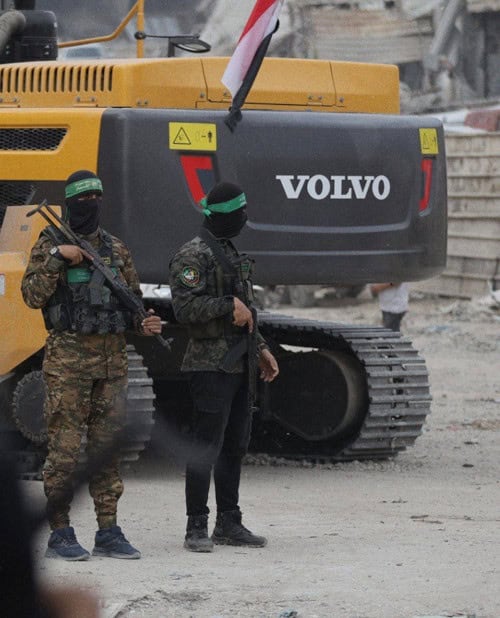
Since phase one of the Trump administration’s 20-point ceasefire plan for Gaza went into effect on October 10, Israel reports that Hamas and other groups have repeatedly violated the agreement. Violations include violence against Gazans accused of working for Israel, attacks on Israeli forces, delaying the return of the bodies of slain hostages, and Hamas’s refusal to withdraw its fighters from Israeli-controlled territory.
-
Hamas continues to return hostage remains as Gaza ceasefire holds
Hamas continued to hand over the remains of Israeli hostages between November 1 and November 5 as part of the ceasefire agreement that has largely held for almost a month. The remains of the last two American hostages held captive in Gaza were returned and identified. As of November 5, seven deceased hostages remained in the territory. The transfers took place as negotiations are reportedly underway regarding Hamas members who are trapped in tunnels in Rafah.

-
Israeli soldier killed in Gaza attack, IDF responds with airstrikes
An Israeli soldier was killed in Gaza in an attack on October 28, and the Israel Defense Forces (IDF) carried out strikes across the territory in response. “The targets struck included key terrorists, observation posts, weapons production warehouses, launch posts, underground tunnels, and mortar shell firing posts,” the IDF said. In addition, Israel released drone footage that appeared to show Hamas staging the discovery of the remains of hostage Ofir Tzarfati. Israel has accused Hamas of violating the ceasefire agreement through the slow return of the remains of hostages and continued attacks.