-
Israel reportedly blocks Board of Peace base in Gaza, IDF reports 31 ceasefire violations October 1–15
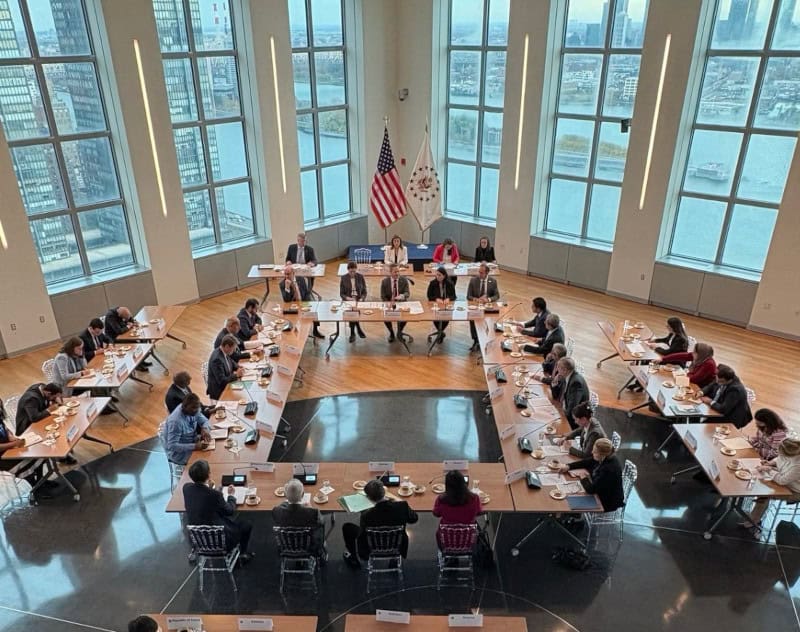
Efforts to implement the US-backed Board of Peace’s plans for Gaza remain stalled on the ground, with a first military facility still unbuilt, but preparations for Hamas’s disarmament and international reconstruction cooperation are moving forward. Meanwhile, Hamas maintains its grip on Gaza’s civilian administration and commercial activity, despite its July declaration that it was relinquishing governing authority.
-
Board of Peace unveils Gaza recovery plan, Israel reports 18 ceasefire violations Sept. 15–29
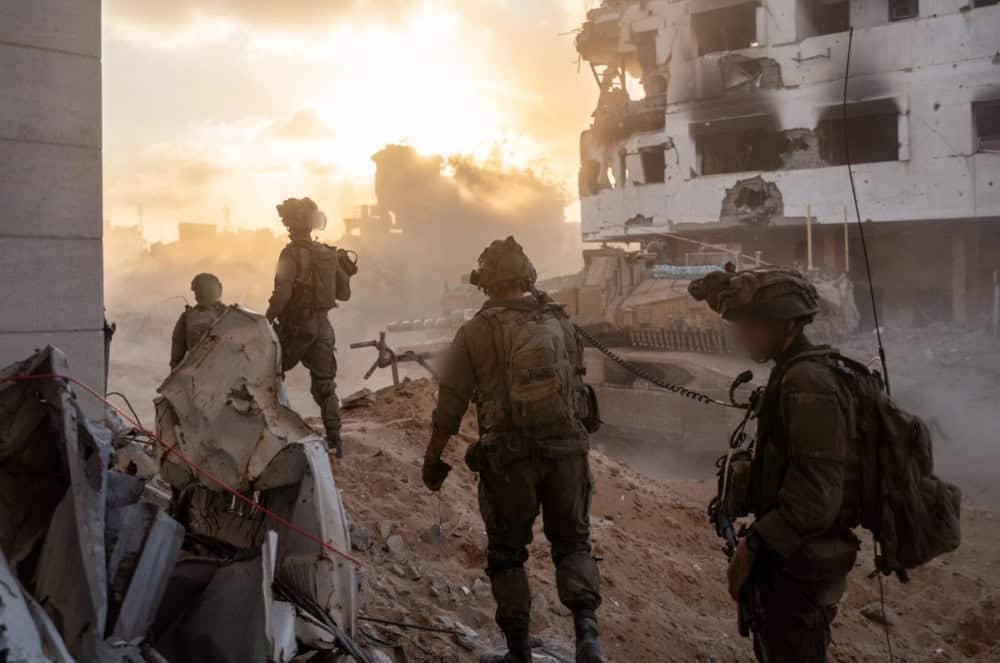
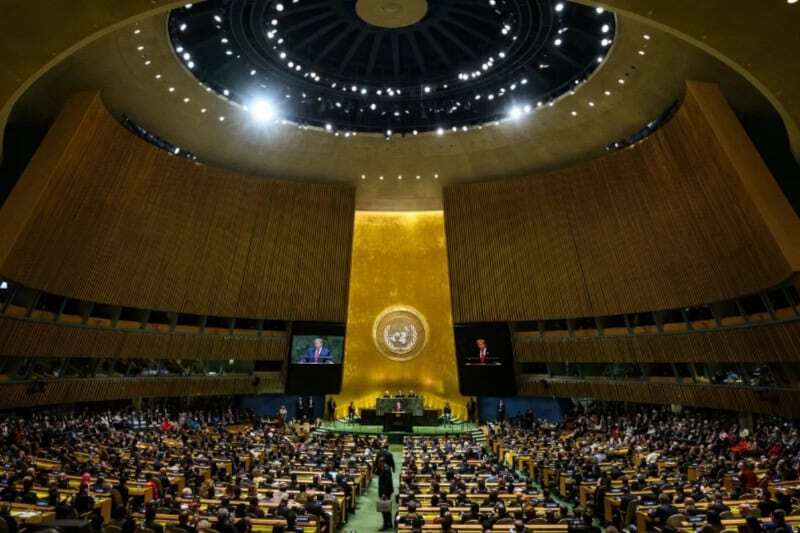
The US-backed Board of Peace announced a $2.45 billion plan to rebuild Gaza over six months, but disagreements over Hamas’s disarmament and an Israeli withdrawal continue to obstruct its implementation. A day later, Israeli Prime Minister Benjamin Netanyahu spoke before the United Nations General Assembly. Meanwhile, Israeli forces continued operations against Hamas members working to rebuild the terror group.
-
Israeli elections stall Board of Peace plans, IDF reports 14 Gaza ceasefire violations Sept. 4–15
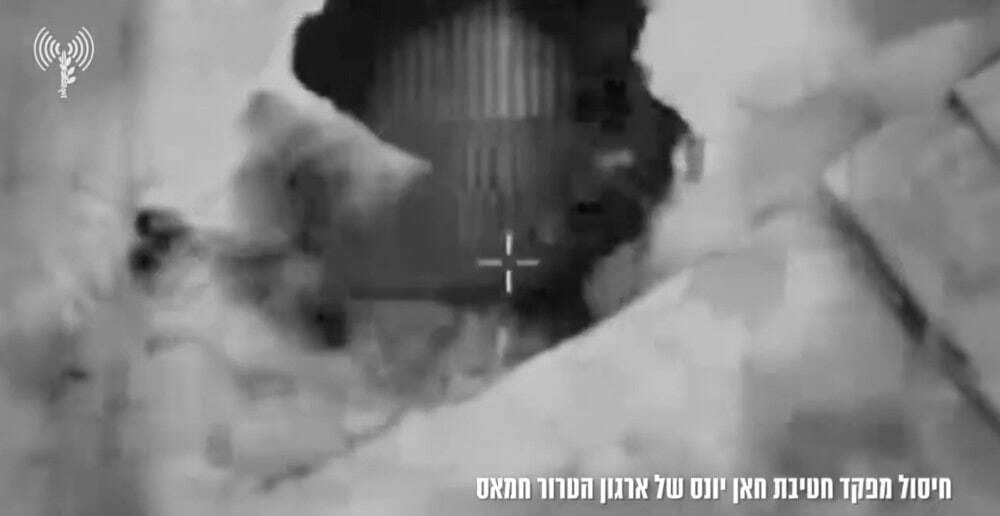
United States officials have expressed frustration with Israeli Prime Minister Benjamin Netanyahu for resisting parts of their Gaza strategy. The US-backed Board of Peace, tasked with overseeing Gaza’s political transition, has seen Netanyahu stall several initiatives as he campaigns in a closely contested election. Meanwhile, the Israel Defense Forces (IDF) reported 14 ceasefire violations in Gaza between September 4 and 15.
-
Board of Peace focuses on International Stabilization Force for Gaza
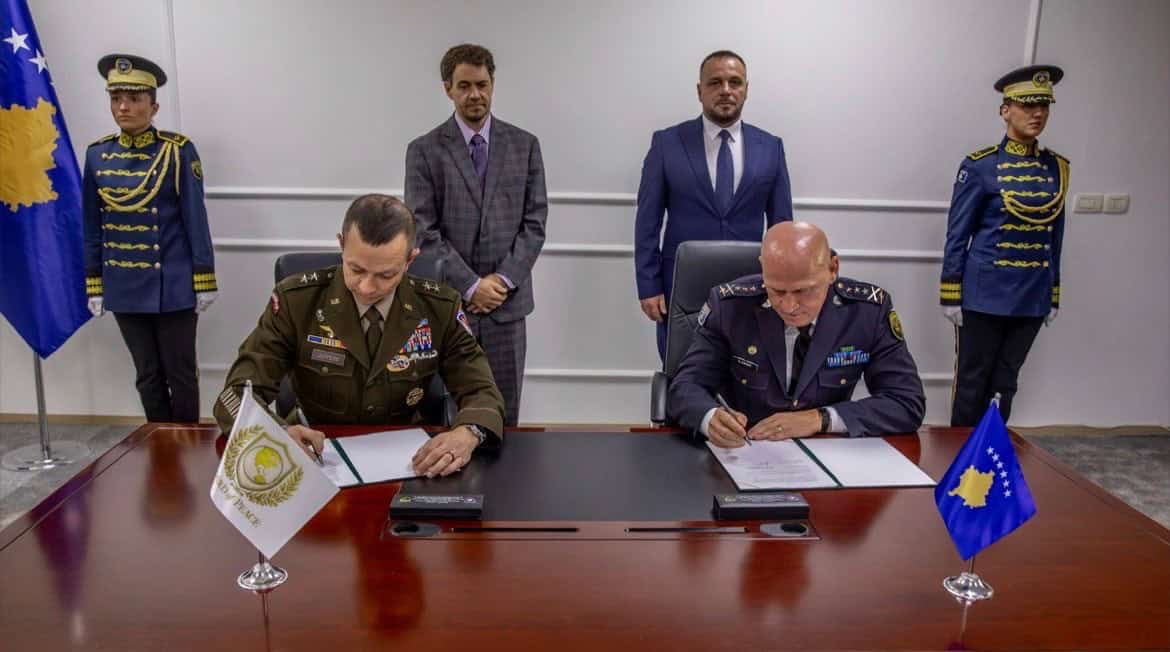
The Board of Peace continues efforts to assemble the International Stabilization Force for Gaza, securing commitments from Kosovo and Albania as preparations advance to implement the US-backed peace plan. While progress on the ground remains tied to Hamas’s disarmament and Israel’s political timetable, international planning for Gaza’s future governance and security continues to move forward.
-
IDF captures Hamas security chief, reports 29 Gaza ceasefire violations Aug. 19–Sept. 3
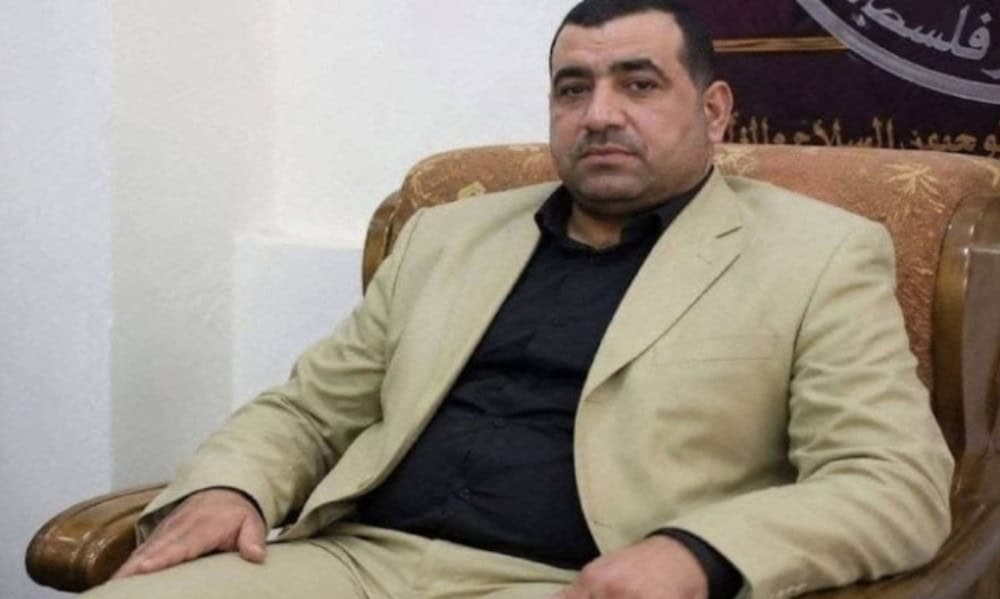
Israeli special operations forces captured a senior Hamas security official in a September 1 operation in the Katiba area of western Gaza City. The raid came as the US-backed Board of Peace’s stabilization plan and Hamas disarmament agreement, which had prompted Israel to scale back strikes in response to reported ceasefire violations, appeared to falter.
-
Israel lessens strikes after US-backed disarmament plan, rejects initial withdrawal; IDF reports 16 Gaza ceasefire violations July 31-August 18
After Israel’s rejection of the Board of Peace’s (BoP) initial disarmament plan, US Special Envoy Jared Kushner and BoP officials held talks with Hamas and Israel, followed by Washington adjusting its position to prioritize Hamas’s disarmament. Meanwhile, Hamas and other Palestinian terrorist groups continued violating the first phase of the ceasefire, according to Israel.

-
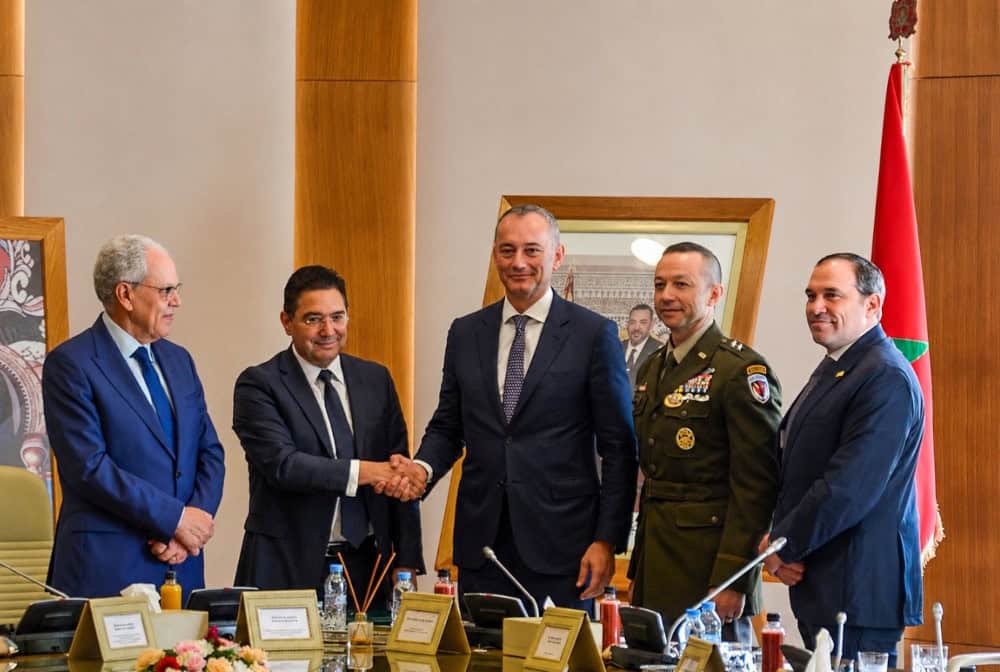
Board of Peace announces Hamas disarmament agreement, IDF reports 32 Gaza ceasefire violations July 10–31
US President Donald Trump announced a 15-point Board of Peace roadmap transferring Gaza’s governance and security responsibilities. The plan links verified Hamas disarmament to phased Israeli withdrawal, but sequencing remains disputed.
-
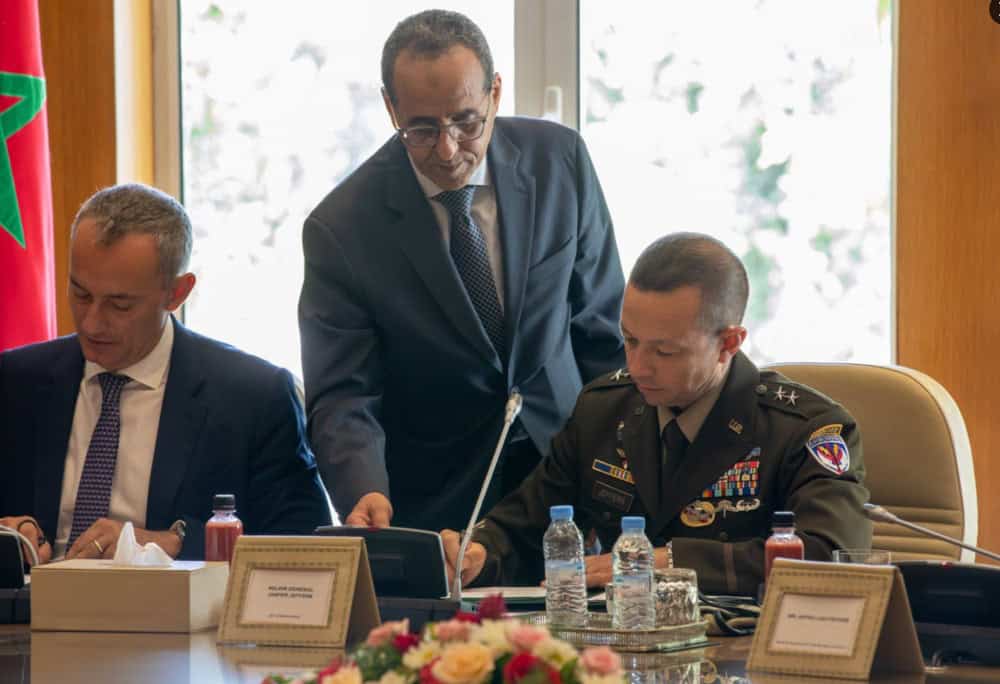
Israel approves entry of International Stabilization Force into Gaza
Israel has approved the future deployment of the International Stabilization Force (ISF) in Gaza, a significant step in implementing the US-backed peace plan. The planned multinational force is expected to support humanitarian efforts, stabilization, and a transition toward new Palestinian governance as Israel continues operations against terrorist groups in Gaza.
-
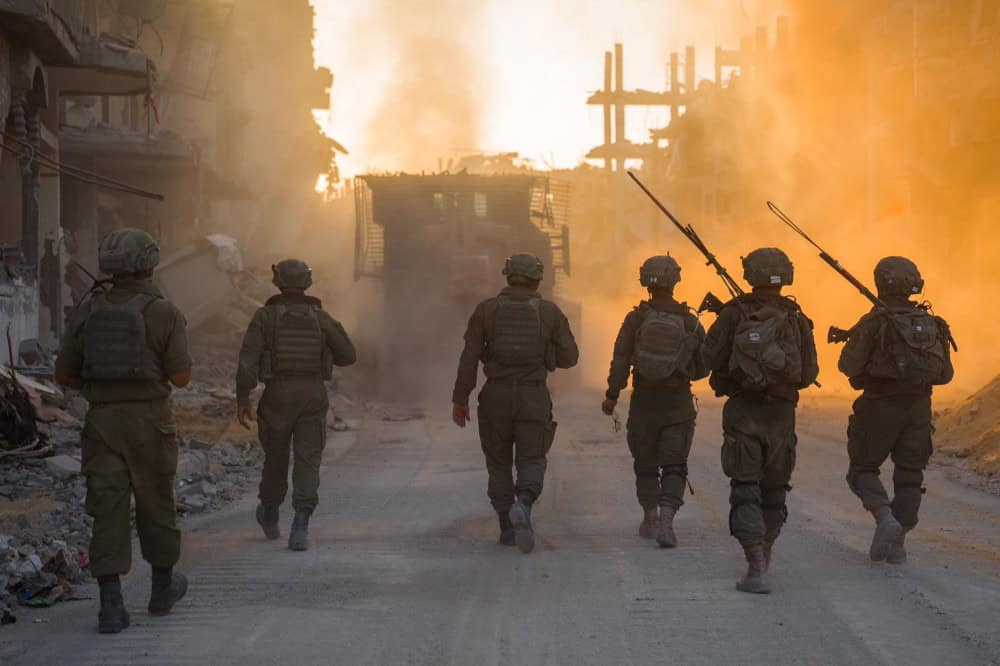
Board of Peace to establish ‘pilot zone’ for Gaza civilians, IDF claims 13 ceasefire violations June 30–July 9
The US-led Board of Peace said on July 8 that it would soon begin setting up a “pilot zone” in Gaza that would bring unarmed civilians screened for Hamas links across the Yellow Line into the Israeli-controlled portion of the territory. Meanwhile, Hamas has escalated ceasefire violations in the areas it still controls as the group works to rebuild its forces.
-
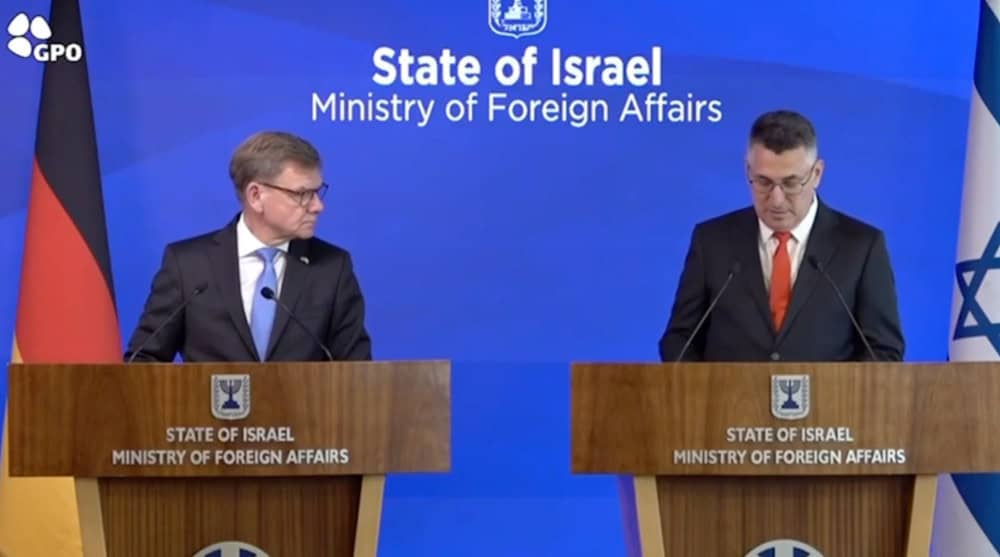
Hamas announces intent to dissolve Gaza government as disarmament questions remain
Hamas said that it is prepared to dissolve its governing institutions in Gaza and transfer authority to the National Committee for the Administration of Gaza (NCAG), a key component of the US- and UN-backed ceasefire framework. As negotiations continue, Israeli officials argue that Hamas surrendering administrative control without relinquishing weapons would leave Hamas as the dominant force behind the scenes.
-
Gaza peace plan sees slow progress after Hamas meets in Cairo
Efforts to advance the US-backed peace plan for Gaza have continued amid difficult negotiations over Hamas’s disarmament and the future security structure of the enclave. Talks in Cairo involving Hamas, Egyptian officials, and representatives of the Board of Peace have focused on implementing key provisions related to weapons restrictions and the deployment of an International Stabilization Force.

-
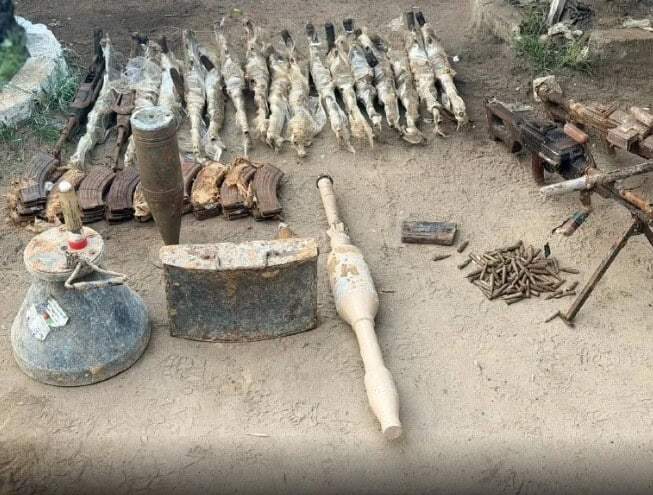
Hamas says it may give up some weapons, IDF reports 5 ceasefire violations April 17-21
Hamas has reportedly indicated a readiness to give up thousands of rifles belonging to its police and internal security forces. The weapons conceded would still fail to meet the total disarmament required by President Donald Trump’s 20-point Gaza peace plan. The Israel Defense Forces also tracked five ceasefire violations between April 17 and 21.
-
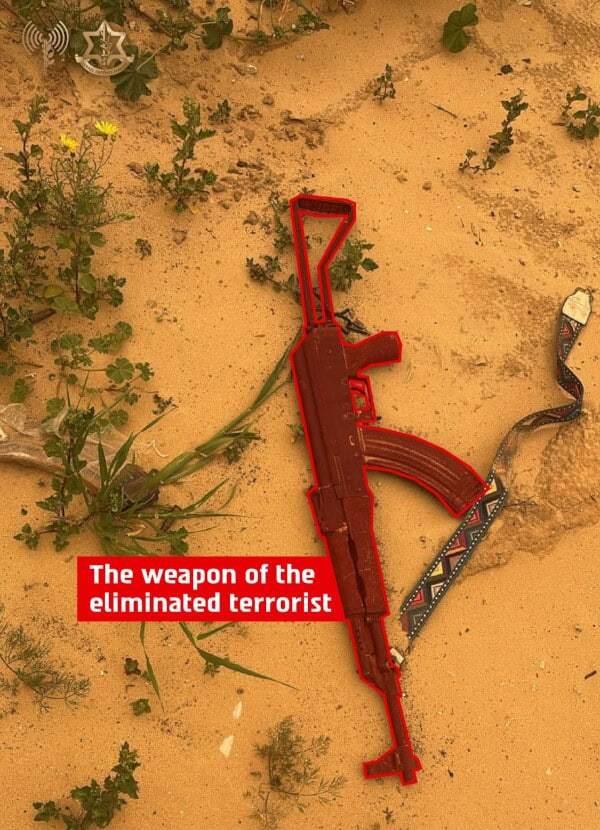
Israel continues operations against Hamas in Gaza, diplomats push for disarmament as shaky ceasefire continues
While attention has shifted to the conflicts in Iran and Lebanon, Gaza remains under a fragile ceasefire, with ongoing low-level clashes. High Representative for Gaza Nickolay Mladenov highlighted progress toward a disarmament framework tied to UN-backed plans. Despite this, Hamas continues to consolidate control in parts of the territory as Israel targets militants and terrorist infrastructure.
-
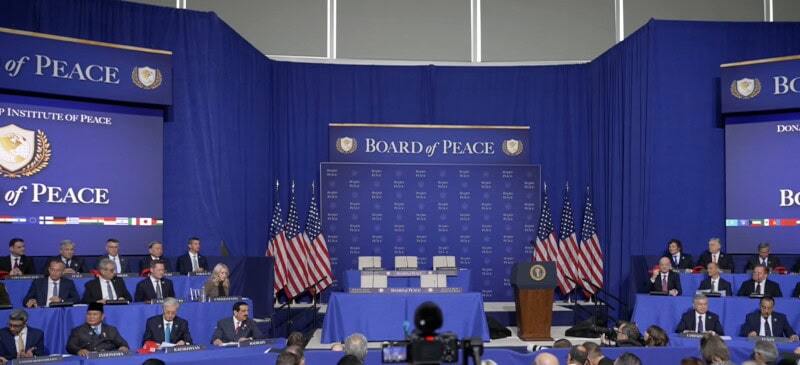
Stabilization force and funding pledged for Gaza at Board of Peace meeting
At a February 19 meeting of the US-backed Board of Peace in Washington, DC, five countries pledged troops to an International Stabilization Force for Gaza, and representatives of 40 nations committed approximately $7 billion in funding. The initiative is part of the second phase of a ceasefire plan launched in October 2025. Clashes between the Israel Defense Forces and militants continue in Gaza, where Israeli forces report ongoing ceasefire violations and operations against Hamas infrastructure.
-
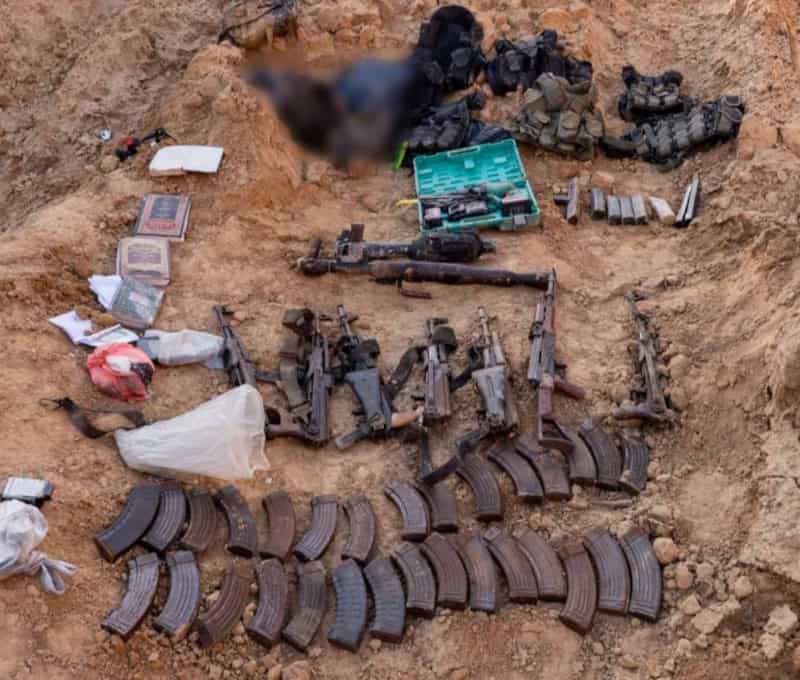
As Gaza ceasefire plan progresses, IDF reports Palestinian terrorists violate first phase 11 times from January 9 to 22
The US-brokered Gaza ceasefire plan is entering its second phase, with the new National Committee for the Administration of Gaza and the Board of Peace set to play key roles. Twenty-five countries have accepted US President Donald Trump’s invitation to join the Board of Peace, while five have declined. Palestinian terrorists reportedly violated the ceasefire’s first phase 11 additional times between January 9 and January 22.
-
US-backed Gaza plan moves to second phase as NCAG and Board of Peace unveiled
On January 16, the White House announced a number of appointments to the National Committee for the Administration of Gaza (NCAG) and the Board of Peace, which will support the stabilization and demilitarization of Gaza, after the Gaza ceasefire, which began in October, moved into its second phase on January 14. The Israel Defense Forces clashed with gunmen in the territory on January 14 and responded with airstrikes.
-
US pushes for UN resolution on Gaza to support peace plan
The US is seeking a UN Security Council (UNSC) resolution on Gaza to bolster President Donald Trump’s peace plan. US Ambassador to the UN Mike Waltz convened a meeting on November 5 with 15 countries, 10 of which are elected members of the UNSC, noting that the effort was aimed at creating “real peace in the Middle East.” The resolution seeks to support the establishment of an international security force for Gaza, which will operate in conjunction with the Board of Peace envisioned by the ceasefire agreement reached in Egypt in October.