Authorities in Kuwait, Israel, Turkey, and France disrupted suspected Islamic State plots or arrested the organization’s sympathizers over the past month. The incidents demonstrate the jihadist group’s continued ability to recruit and radicalize individuals despite more than a decade of sustained counterterrorism pressure.

Generation Jihad guest host Edmund Fitton-Brown, FDD senior fellow and former coordinator of the UN Monitoring Team, talks with Colin Smith, the Monitoring Team’s current coordinator, about what the latest 1267 report shows about Al Qaeda, the Islamic State, and their affiliates, plus how the report is built and the challenges of keeping the spotlight on jihadist groups.

Abu Hudhayfah al Ansari, who has been the official Islamic State spokesman for three years, was reported killed in a joint Saudi-Yemeni special forces raid in Hadhramaut Governorate. The Islamic State has yet to comment on Ansari’s status.

Jessica Bowie was arrested on August 19 and is accused of plotting to bomb the New York State Capitol. Her arrest marks the fifth Islamic State-linked terrorism case or incident in the United States this year.

Generation Jihad’s Bill Roggio and Edmund Fitton-Brown, FDD senior fellow and former coordinator of the UN Monitoring Team, unpack the new UN 1267 report on the global state of the Islamic State, Al Qaeda, and their affiliated groups.

A 21-year-old German who had reportedly previously attempted to join the Islamic State allegedly carried out the deadly vehicle-ramming attack at Berlin’s Pride festival, killing one person and injuring 29 others.

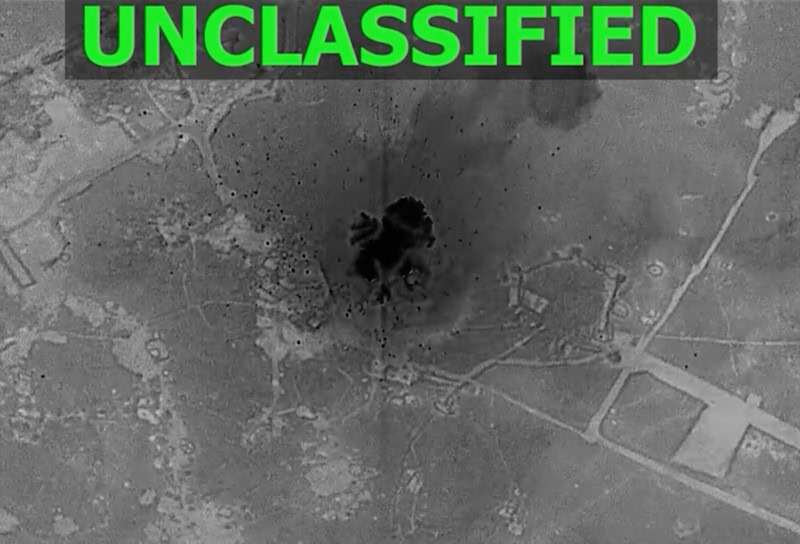
A recent precision strike against a senior Islamic State leader underscored Washington’s continued counterterrorism mission in Syria. Separately, US President Donald Trump urged Syria’s new government to consider intervening against Hezbollah in neighboring Lebanon, but Syrian President Ahmed al Sharaa stated his country will not send forces, preferring diplomacy over military action.

While attention remains fixed elsewhere, jihadist groups are expanding across Africa. Bill Roggio and Caleb Weiss revisit the growing threats in Mali, Nigeria, and Somalia—and why the continent remains one of the most consequential battlegrounds in the war against Al Qaeda and the Islamic State.
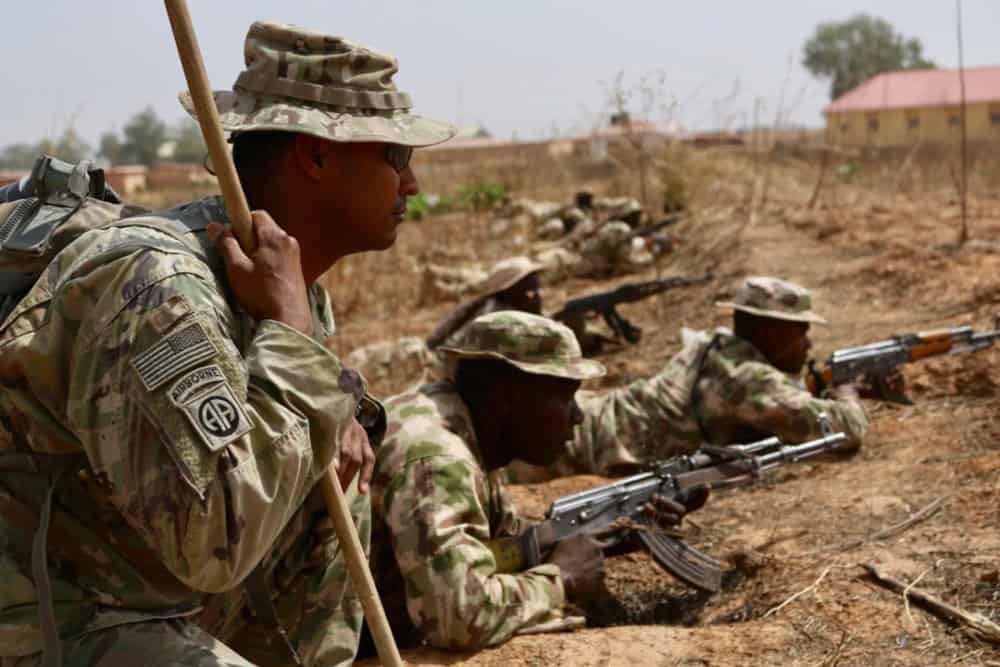
The US military, “in coordination with the Armed Forces of Nigeria,” killed Abu Bilal al Minuki and several other senior Islamic State leaders in an operation in northeastern Nigeria. President Trump and US Africa Command described Minuki as the Islamic State’s second in command and director of global operations.

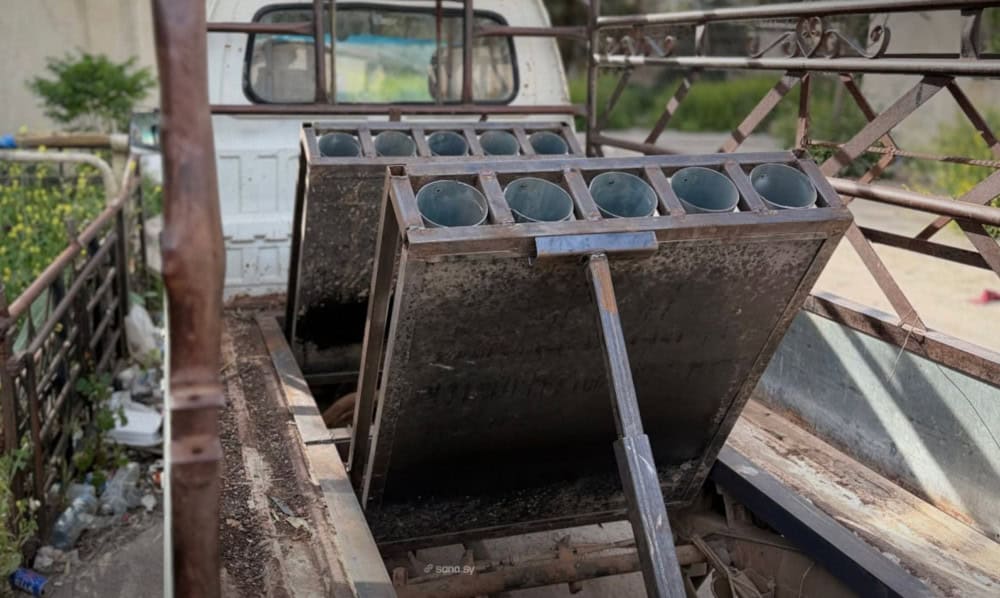
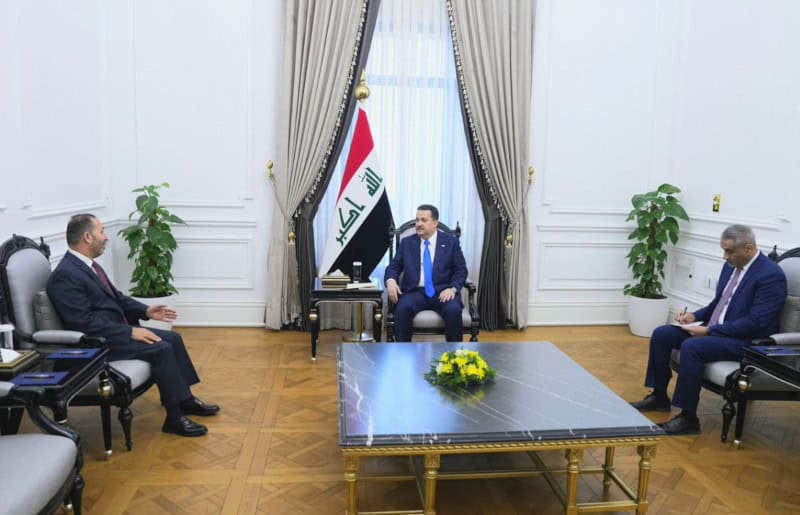
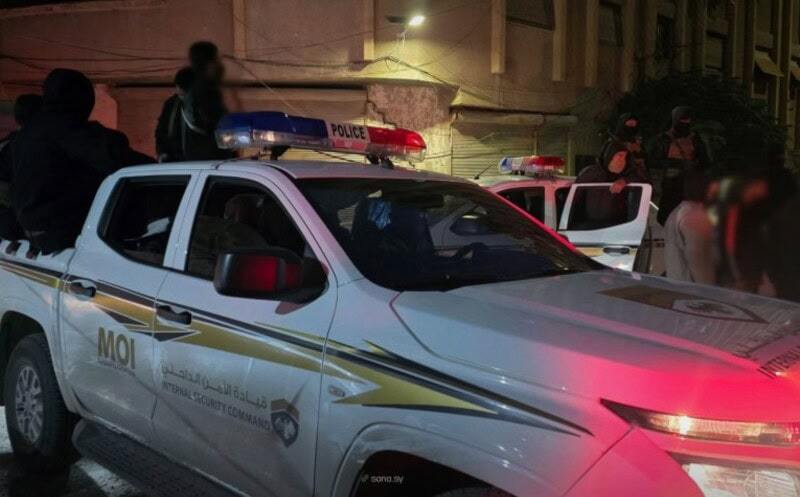
Syria says it disrupted a Hezbollah-linked plot and uncovered rockets near the Quneitra area of the Golan Heights. Officials also reported arrests tied to another terrorist cell, plus the seizure of 500,000 Captagon pills in a joint anti-smuggling operation with Iraq. At the United Nations, Syria pledged to continue counterterrorism operations, while criticizing Israeli actions in southern Syria.

The Islamic State intensified attacks against Syrian government forces in February. The uptick followed a voice recording released by the group’s spokesman, Abu Hudhayfah al Ansari, that announced “a new phase of operations” in Syria.

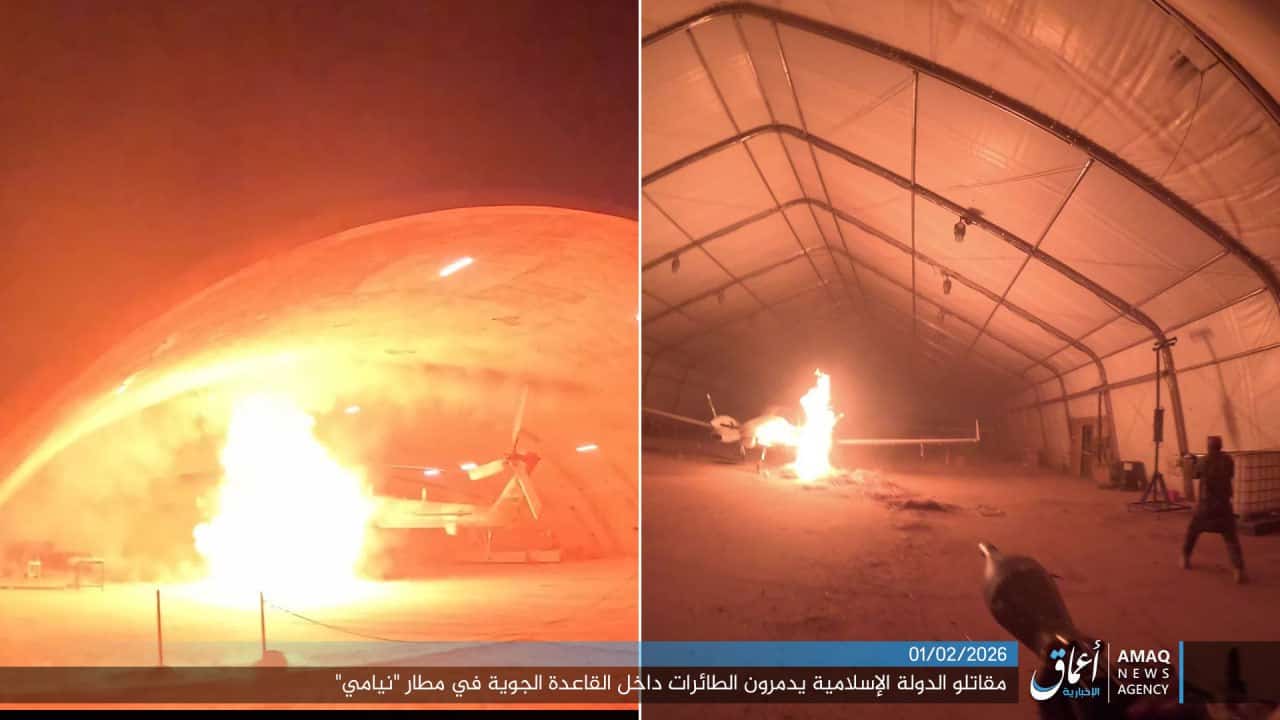
A new video released by the Islamic State details the jihadist group’s brazen attack on Niger’s international airport and military airbase in the capital of Niamey. The footage undercuts statements made by Nigerien officials, indicating the attack was much worse than initially reported.

The Islamic State has officially claimed last week’s assault on Niger’s Diori Hamani International Airport in the capital of Niamey, which also hosts the military Air Base 101. Niger claims the assault was repelled, with Russia’s Africa Corps mercenary group also taking credit for the defense.

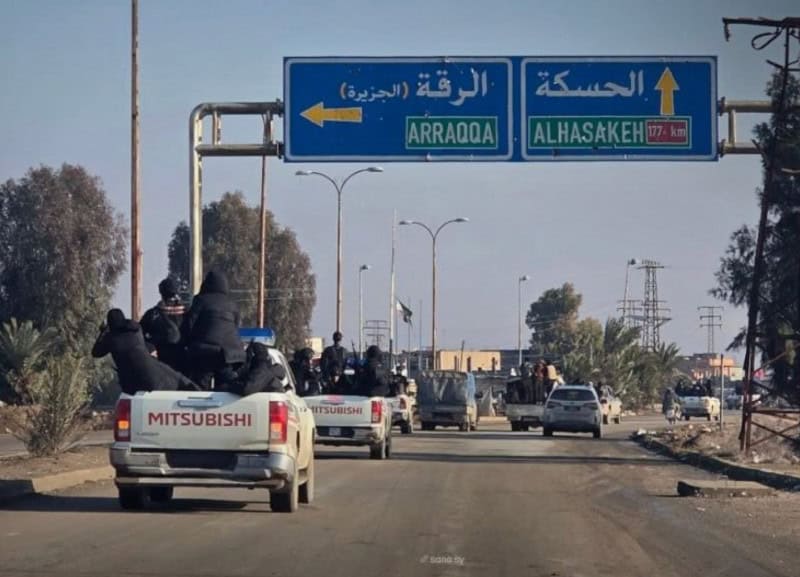
Syrian government forces advancing into eastern Syria are increasingly taking over areas where Islamic State members have been held in prisons and detention facilities by the Syrian Democratic Forces (SDF). The SDF said it lost control of Al Shaddadi prison, and the Syrian government asserted that it would secure the facility and round up prisoners who may have fled. Clashes also occurred near Aqtan prison north of Raqqa.

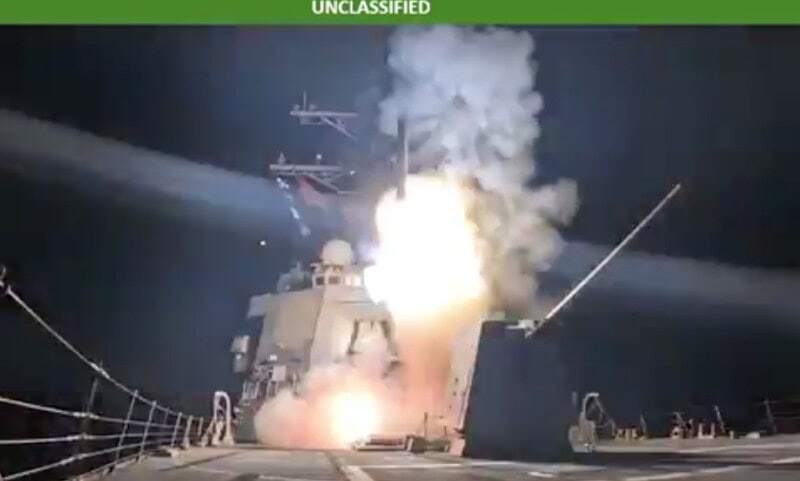
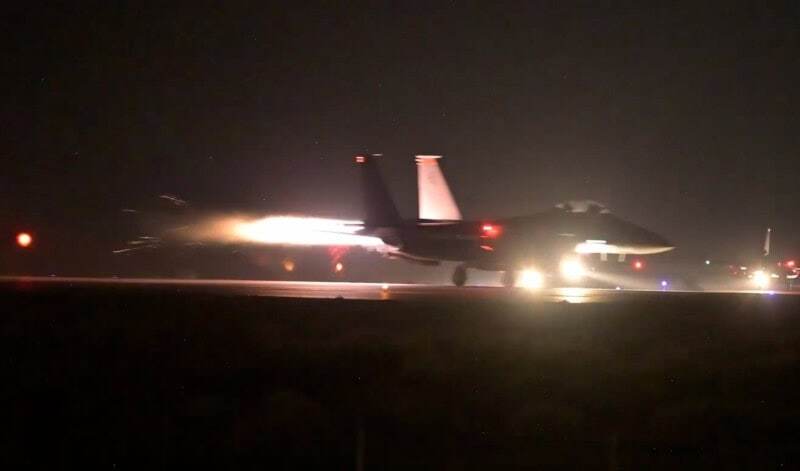
On December 19, US Central Command announced that US forces conducted “a large-scale strike against ISIS infrastructure and weapons sites in Syria.” Al Arabiya reported that the United States hit “70 ISIS targets in sites in central Syria.”

US Central Command (CENTCOM) published new data in the wake of the killing of two American soldiers and an interpreter in Syria on December 13, showing that US and partner forces have carried out 80 operations in the country since July 2025. “We will continue to work closely with our Syrian partners to hunt down ISIS networks and prevent their resurgence,” Admiral Brad Cooper, the head of CENTCOM, said. There have also been several security operations in Syria and Iraq conducted by Syrian and Iraqi security forces in the wake of the attack.

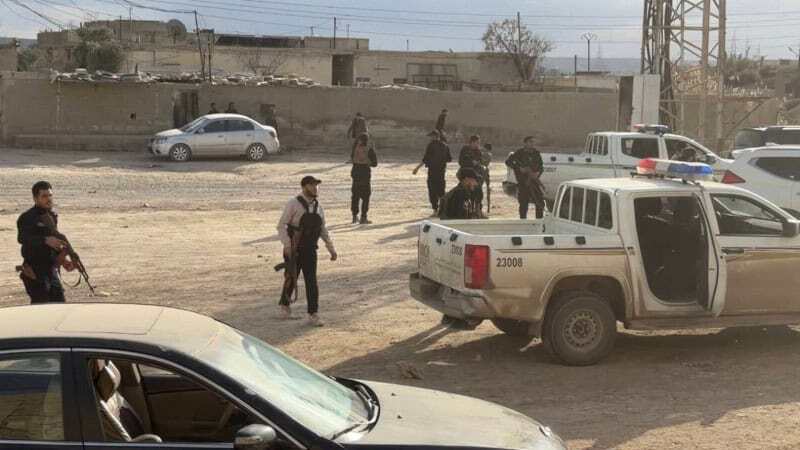
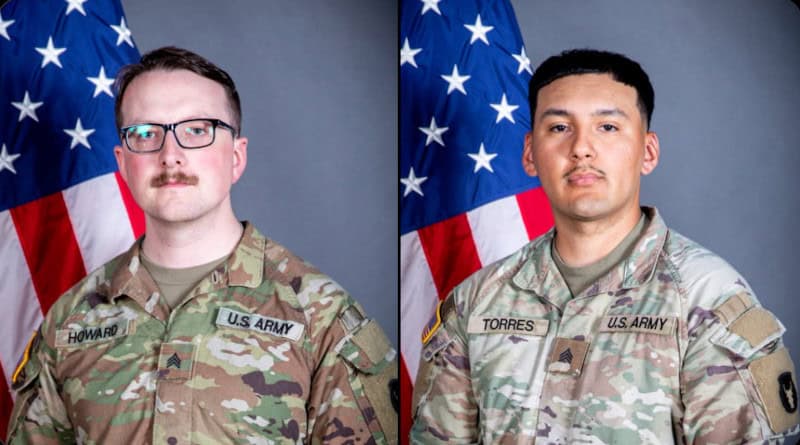
The Iowa National Guard released the names of two US soldiers who were killed by an Islamic State member in Syria on December 13. In the aftermath of the attack, Syrian Foreign Minister Assad al Shaibani spoke with US Secretary of State Marco Rubio on December 14 and said the Syrian government would work with the US to degrade and destroy the Islamic State (IS). Syria’s Interior Ministry also conducted an anti-IS operation and detained five people. In northern Syria, an armed group killed four Syrian Interior Ministry personnel.

US Central Command announced that “two U.S. service members and one U.S. civilian were killed, and three service members were injured, as a result of an ambush by a lone [Islamic State] gunman in Syria.” A Syrian government official confirmed reports that the attacker was a member of the government’s security forces, stating that he had been under investigation and may have had “extremist ideas.”

The Islamic State Central Africa Province (ISCAP), locally known as the Allied Democratic Forces (ADF), has killed almost 1,000 civilians this year, with the vast majority of its victims being Christian villagers. ISCAP has explicitly framed its attacks as a war against Congo’s Christians. However, the group’s rhetoric has changed in recent months to also focus on trying to convert Christians to Islam.

For the second time this year, the Islamic State explicitly called for its supporters and other Muslims to take up arms in Sudan under its name. Simultaneously, it urged foreign fighters, particularly from North Africa, to travel to the country to partake in this jihad.