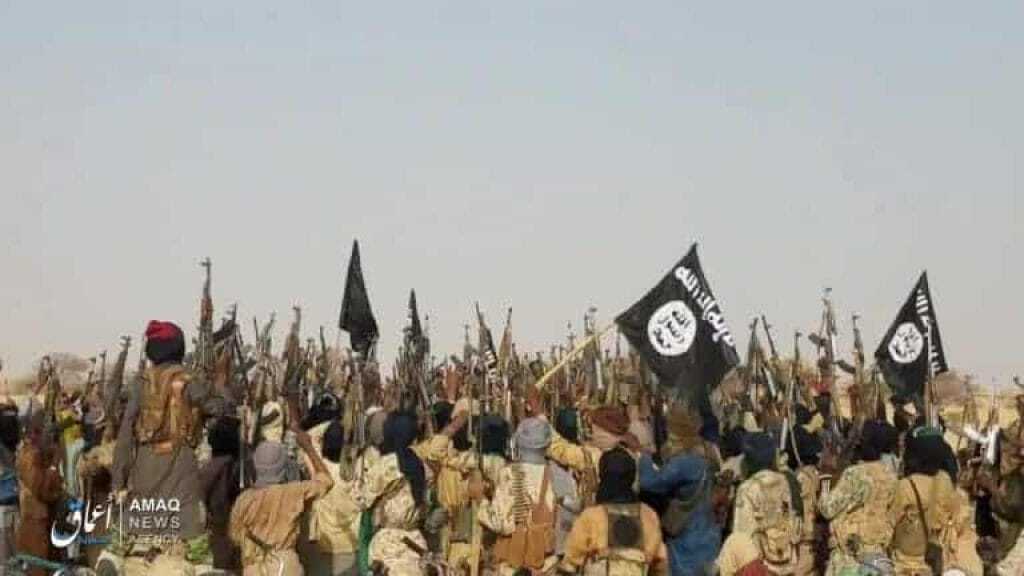
In a short statement released online via its Amaq News Agency propaganda outlet, the Islamic State took credit for last week’s assault on Niger’s Diori Hamani International Airport and Air Base 101 in the capital Niamey. The attack marks one of the most high-profile attacks of the Islamic State’s so-called Sahel Province.
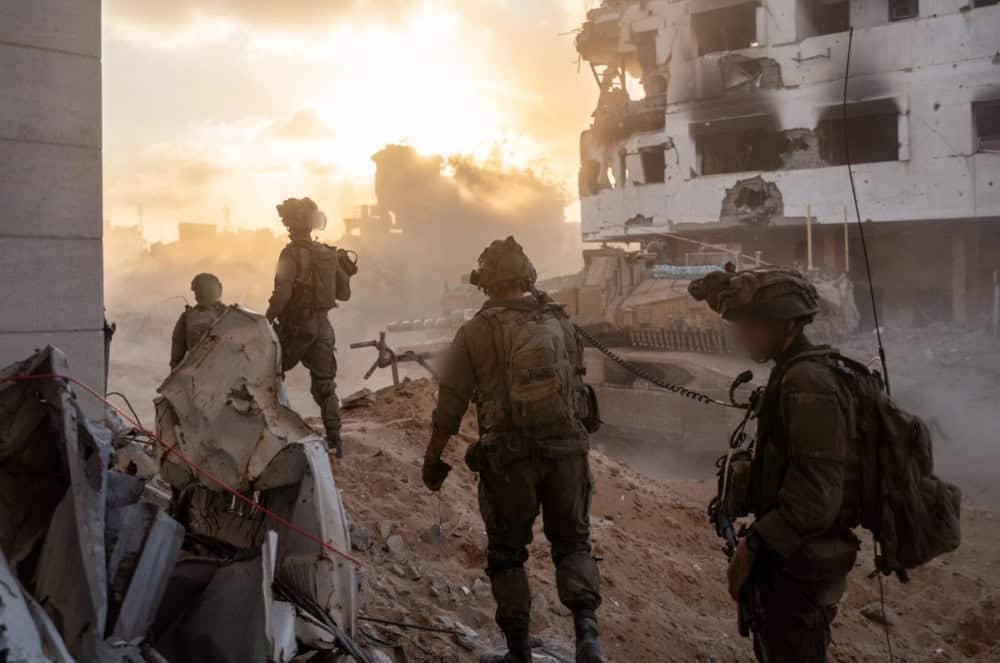
On January 29, over 30 gunmen using small arms, explosives, and armed drones targeted both the civilian side of Niamey’s international airport and its attached Air Base 101, a military base used by Niger and its Russian allies. Air Base 101 was also host to US drones before the withdrawal of American forces in 2024.
The Islamic State’s short statement simply claimed that its forces launched a “surprising and coordinated” assault on the airbase. No other details were given in the group’s release.
However, reporting from the scene noted that several civilian aircraft were hit and a Nigerien ammunition depot was destroyed during the attack. While videos from the attack depict a fierce firefight, little other damage was reported, and Niger has only officially stated that only four of its troops were wounded.
Both Nigerien authorities and Russia’s Africa Corps mercenary group were quick to claim credit for repelling the assault. Nigerien officials noted that at least 20 attackers were killed, while another 11 were captured. At least one of the attackers, according to the Nigerien officials, was a French national.
As a result, Niger has blamed France, as well as the Economic Community of West African States (ECOWAS), for the assault. This claim is likely baseless and related to the strong tensions between Niger’s military regime and its former allies. The Alliance of Sahelian States (AES), the coalition of military regimes in Mali, Niger, and Burkina Faso, has reiterated these accusations. Mali, Burkina Faso, and Niger are all under military rule after their respective governments were overthrown by their militaries in 2021, 2022, and 2023, respectively. Since then, all three ruling factions have turned against both their longtime Western security partners, notably France and the United States, and local collectives, like ECOWAS, in favor of Russia and its Wagner/Africa Corps paramilitary groups.
The Islamic State, like its rival in Al Qaeda’s Group for Support of Islam and Muslims (JNIM), maintains a significant presence in all three countries. However, it is strongest within Niger and Mali’s extreme northern region of Menaka. The Islamic State also claimed an attack on Malian and Russian forces in Menaka yesterday.
Inside Niger, the jihadist group has been responsible for numerous recent attacks, leaving dozens killed and wounded. While the Islamic State has not officially claimed this incident, it is also suspected of kidnapping American pilot Kevin Rideout in October 2025.
The recent assault on Niamey’s airport is one of the Islamic State’s most daring assaults to date. Though the attack was repelled, it highlights the growing insecurity inside Niamey and Niger. It is clear that the Islamic State maintains a degree of freedom of movement inside the capital while its men are attacking Nigerien positions elsewhere across the country.
This story in Niger is becoming common across the Sahel as a whole. All three regional capitals between Mali, Burkina Faso, and Niger are increasingly threatened by jihadist forces, particularly by Al Qaeda in Mali and Burkina Faso. In addition, violence emanating from these countries has penetrated coastal states like the Ivory Coast, Benin, and Togo, with Sahelian groups also moving into northwestern Nigeria.
This situation has resulted in the Americans moving closer to particular Sahelian regimes, particularly Mali, with representatives from the US State Department recently meeting with Malian officials in Bamako and the resumption of intelligence sharing with the junta. The Niamey assault underscores concerns about insecurity in the Sahel and beyond.