-
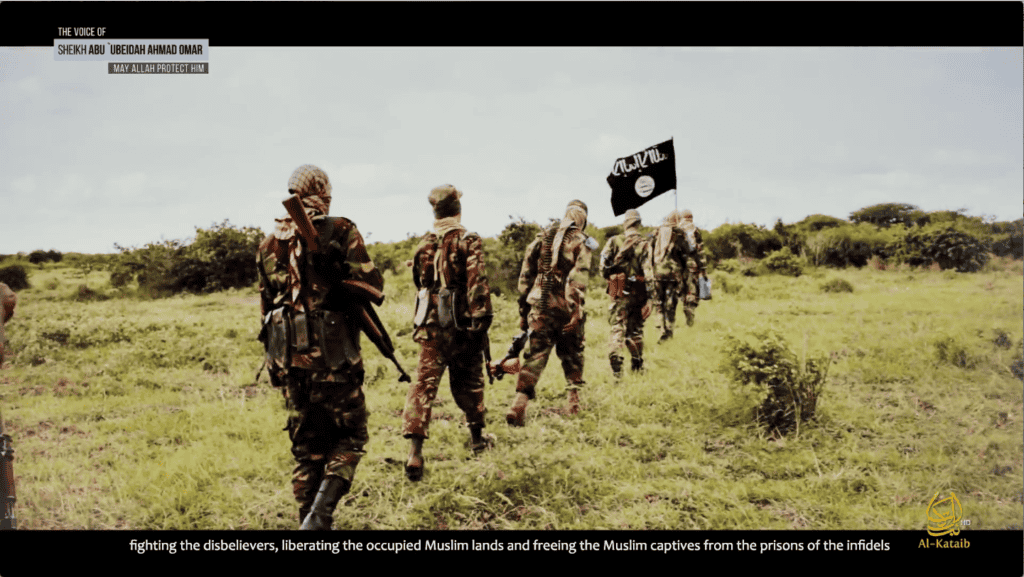
Somalia claims to have killed another senior Shabaab leader
Somalia’s National Intelligence and Security Agency said that Bashir Ahmed Haji Nunow, the former head of Shabaab’s Amniyat wing and ringleader behind the worst terrorist attack in Somalia’s history, is dead. Shabaab has neither confirmed nor denied his death.
-
Operation Enduring Failure: 25 years after the US invasion of Afghanistan
Was the US invasion of Afghanistan launched in October 2001 to kill or capture Al Qaeda’s leaders and oust the Taliban from power a success or a failure? Generation Jihad host Bill Roggio talks with terrorism expert Thomas Joscelyn about the failures of Operation Enduring Freedom and how they cascaded into the terrorism threats we now face from Al Qaeda, the Islamic State, and other jihadist groups.
-
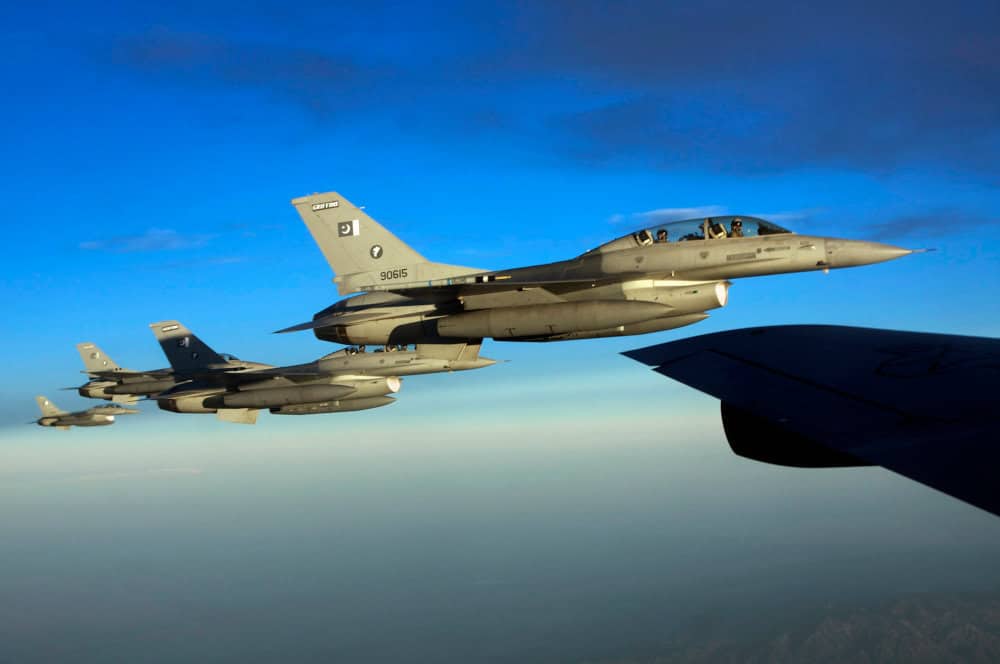
Pakistan conducts airstrikes in eastern Afghanistan in retaliation for terrorist attacks
The Pakistani Air Force conducted airstrikes in eastern Afghanistan reportedly targeting terrorist training centers in response to a recent complex suicide attack in western Pakistan. The Taliban denied involvement in the attack and promised an “appropriate response” to Pakistan’s airstrikes.
-
The UN Monitoring Team’s latest report: Where the global jihad stands now
Generation Jihad guest host Edmund Fitton-Brown, FDD senior fellow and former coordinator of the UN Monitoring Team, talks with Colin Smith, the Monitoring Team’s current coordinator, about what the latest 1267 report shows about Al Qaeda, the Islamic State, and their affiliates, plus how the report is built and the challenges of keeping the spotlight on jihadist groups.
-
25 years later: The state of Al Qaeda
Twenty-five years after 9/11, analysts still can’t agree on whether Al Qaeda is a spent force or a resurgent threat. Generation Jihad’s Bill Roggio and co-host Will Selber speak with guest Graeme Wood, staff writer at The Atlantic, and unpack his new article on the group’s uncertain legacy.
-
UN report: The jihad’s new center of gravity
Generation Jihad’s Bill Roggio and Edmund Fitton-Brown, FDD senior fellow and former coordinator of the UN Monitoring Team, unpack the new UN 1267 report on the global state of the Islamic State, Al Qaeda, and their affiliated groups.
-
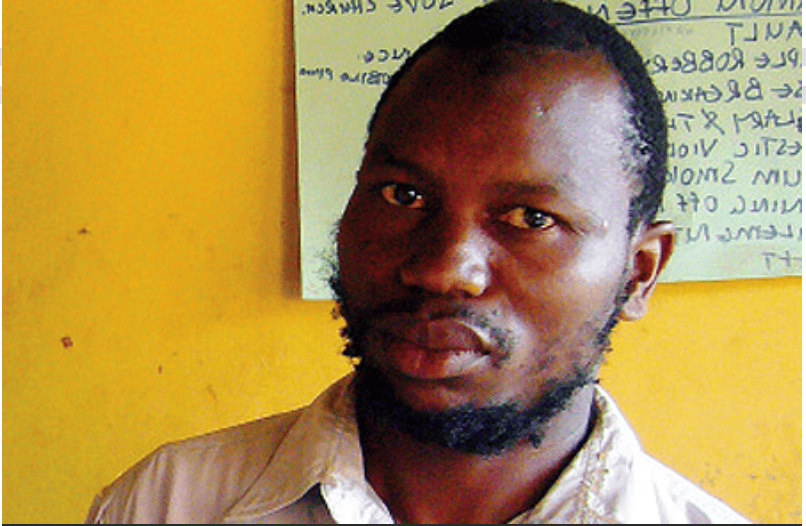
From Guantanamo Bay to ISCAP: The case of Jamal Kiyemba
In 2002, Jamal Kiyemba, a Ugandan national living in the United Kingdom, was arrested in northwest Pakistan after allegedly attempting to join Al Qaeda in Afghanistan and was sent to the US prison facility at Guantanamo Bay, Cuba. Released in 2006 and sent to Uganda, Kiyemba has since been in and out of prison, most recently over his support of the Islamic State’s Central Africa Province (ISCAP).
-
Generation Jihad | The next caliphate battleground
While attention remains fixed elsewhere, jihadist groups are expanding across Africa. Bill Roggio and Caleb Weiss revisit the growing threats in Mali, Nigeria, and Somalia—and why the continent remains one of the most consequential battlegrounds in the war against Al Qaeda and the Islamic State.
-
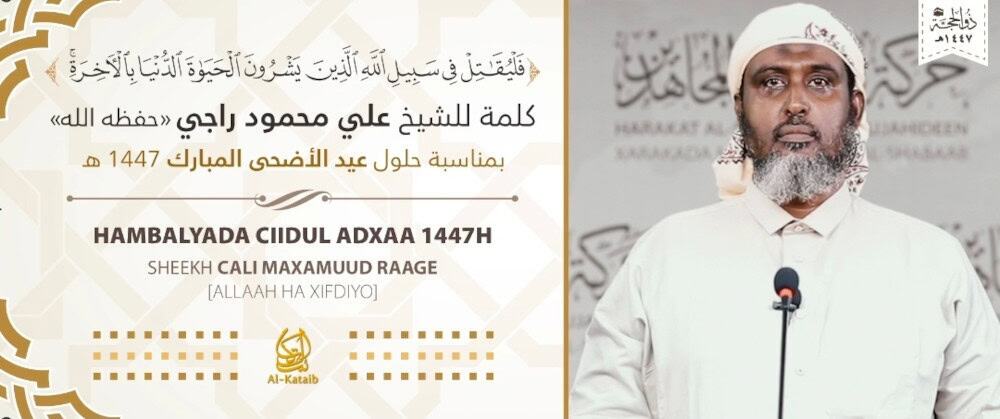
Shabaab spokesman congratulates JNIM, denounces Western powers in Eid message
During his message for Eid al Adha, Ali Mohamad Rage, Shabaab’s top spokesman, congratulated the Group for Support of Islam and Muslims (JNIM), Al Qaeda’s branch in West Africa, for its recent victories in Mali. Rage also praised Al Qaeda in the Arabian Peninsula and denounced American and Turkish activities in Somalia.
-
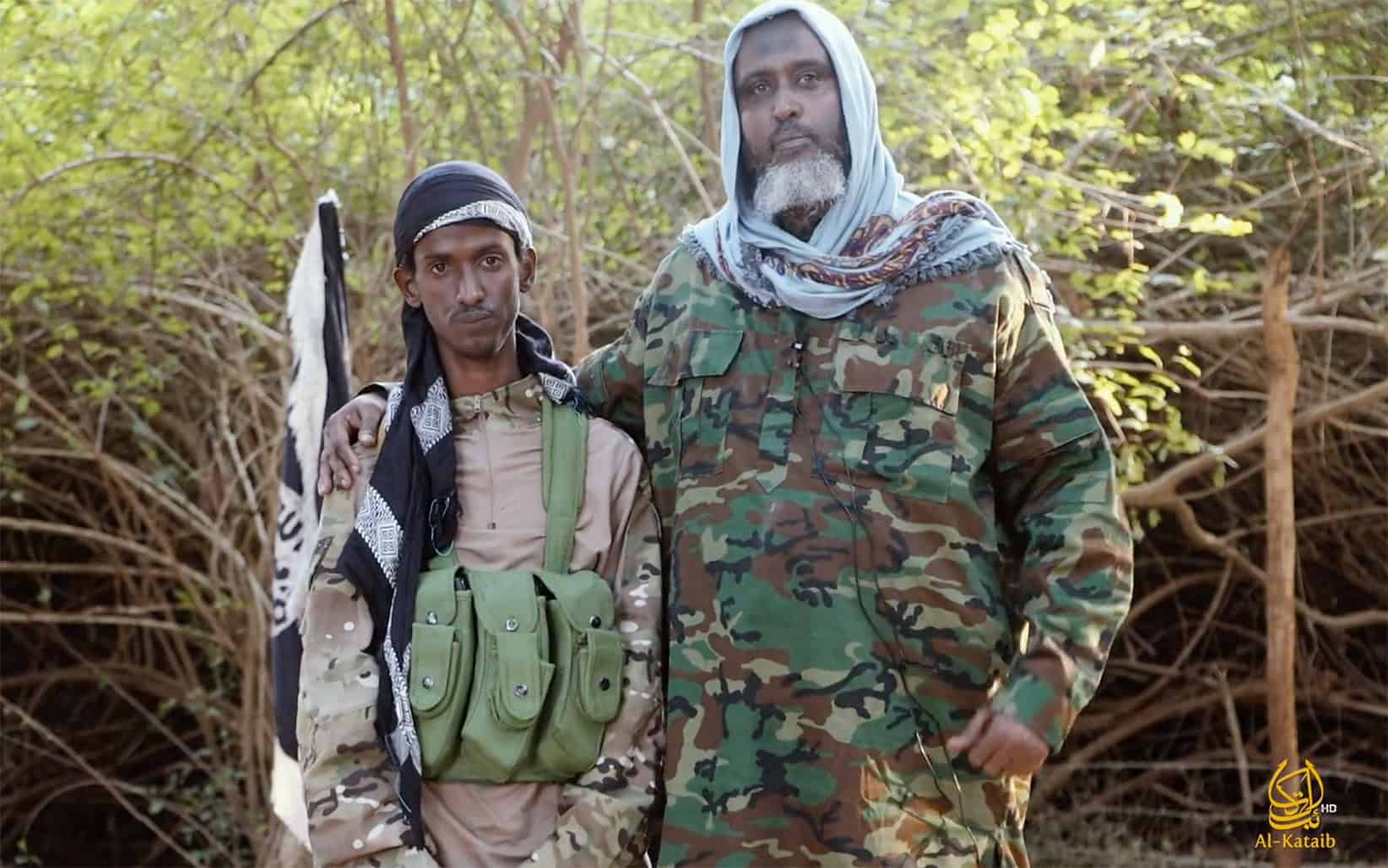
Shabaab celebrates October attack on Mogadishu prison in new video
Shabaab, Al Qaeda’s branch in East Africa, highlighted last year’s brazen assault on Mogadishu’s Godka Jilacow prison, operated by Somalia’s National Intelligence and Security Agency. In the video, one of the attackers was identified as the son of Ali Mohamed Rage, the group’s top spokesman.
-
Generation Jihad | The West’s greatest threat is still Al Qaeda
In its latest report on the state of global jihad, the UN reveals that Al Qaeda is expanding but doesn’t mention one critical fact: the jihadist group’s leader is based in Iran. Bill Roggio is joined by his FDD colleague Edmund Fitton-Brown—who previously oversaw the UN’s sanctions and monitoring team that produces these assessments—to unpack what the report gets right, what it misses, and why Al Qaeda—not the Islamic State—remains the most dangerous long-term jihadist threat facing the West.
-
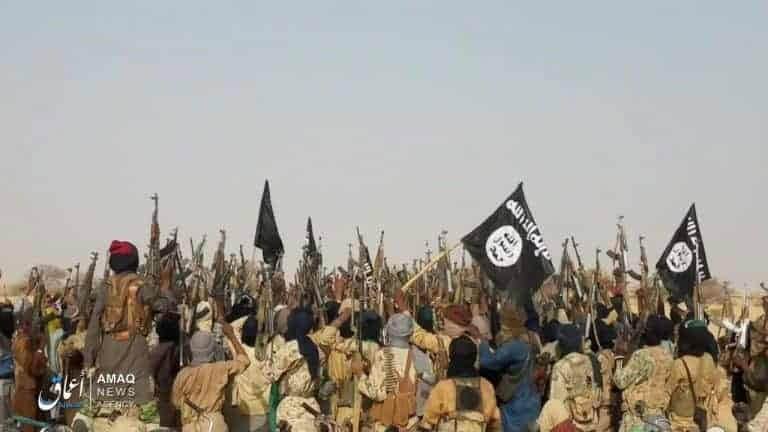
Islamic State claims assault on airport in Niger’s capital
The Islamic State has officially claimed last week’s assault on Niger’s Diori Hamani International Airport in the capital of Niamey, which also hosts the military Air Base 101. Niger claims the assault was repelled, with Russia’s Africa Corps mercenary group also taking credit for the defense.
-
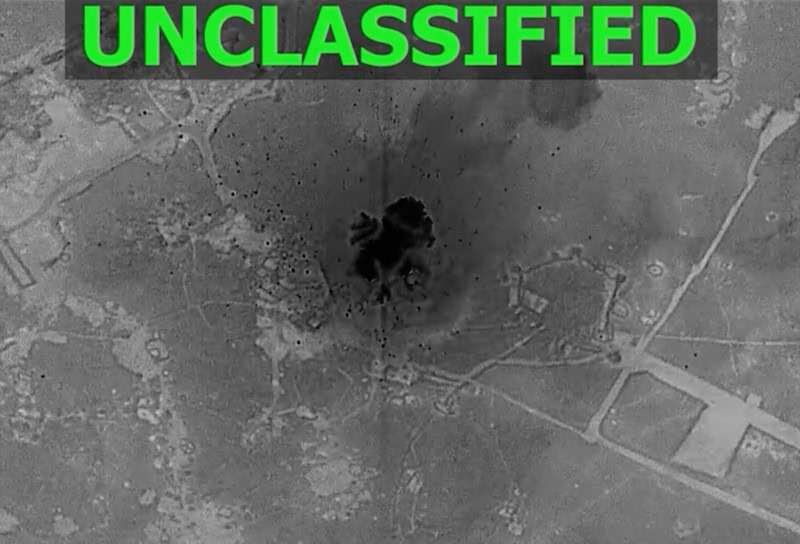
US military strikes Islamic State in Syria
US Central Command stated that the strikes were in “direct response to the deadly ISIS [Islamic State] attack on U.S. and Syrian forces in Palmyra, Syria, on Dec. 13, 2025.” However, the Islamic State has not claimed credit for that attack, which was carried out by a member of the Syrian security forces that are largely comprised of Al Qaeda’s former branch in Syria and Al Qaeda-allied groups.
-
US strikes Islamic State in Nigeria
President Donald Trump announced that US forces struck Islamic State targets in northwestern Nigeria on December 25 after the Nigerian government reportedly requested military action from the United States. The strikes took place in Sokoto State, which borders Niger and has been one of the scenes of jihadist expansion from the Sahel into Nigeria.

-
Generation Jihad | Fighting terror with terror
According to the Taliban’s self-assessment (what could go wrong), Afghanistan is “stable” — but according to reality, it’s not. Terrorist groups still operate openly, Al Qaeda remains embedded, and the same extremists are now being trusted to “fight” other extremists. Bill Roggio and Edmund Fitton-Brown break down why outsourcing counterterrorism to jihadists is a fatal mistake — and why the so-called “peace of the Taliban” comes at an unbearable price: the erasure of half the country’s population and the return of Afghanistan as a global terror hub.
-
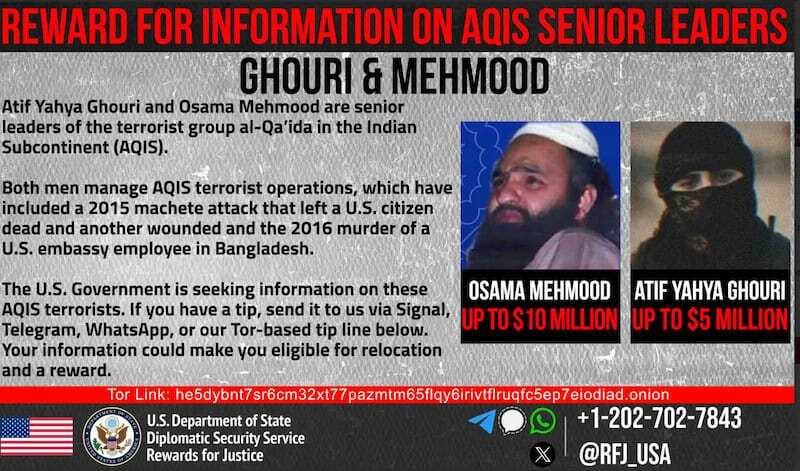
US offers $10 million reward for leader of Al Qaeda in the Indian Subcontinent
The Rewards for Justice program also offered a $5 million bounty for the deputy emir of AQIS. The two AQIS leaders are veterans of the jihad in South and Central Asia and have been instrumental in establishing Al Qaeda’s infrastructure in Afghanistan.
-
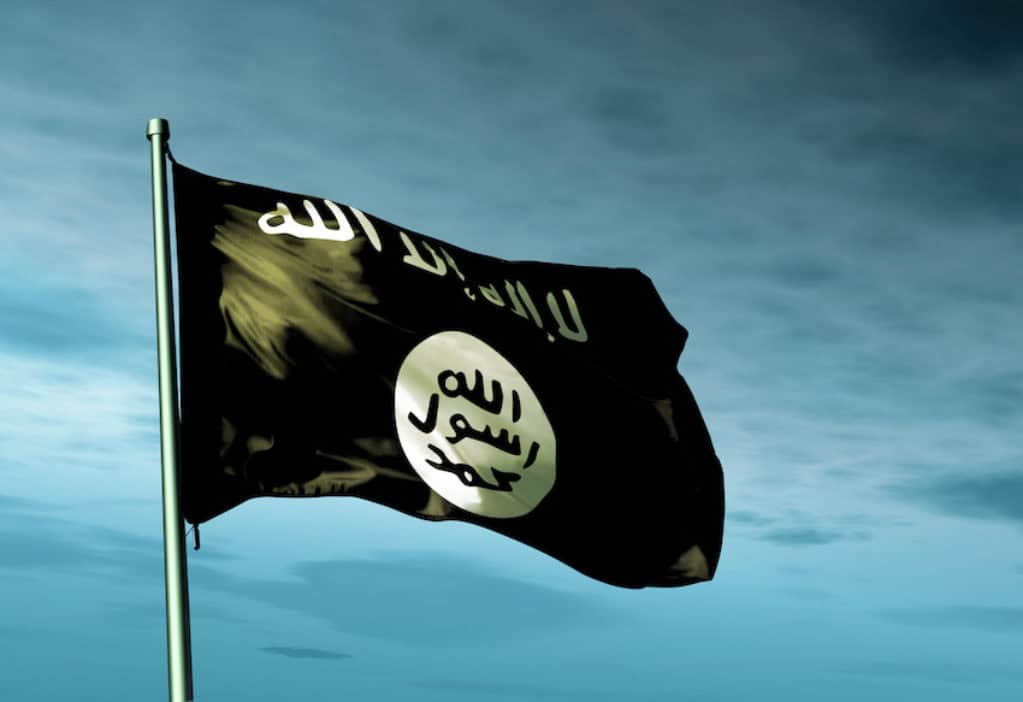
Analysis: Islamic State redoubles call for jihad in Sudan, urges foreign fighters to migrate
For the second time this year, the Islamic State explicitly called for its supporters and other Muslims to take up arms in Sudan under its name. Simultaneously, it urged foreign fighters, particularly from North Africa, to travel to the country to partake in this jihad.
-
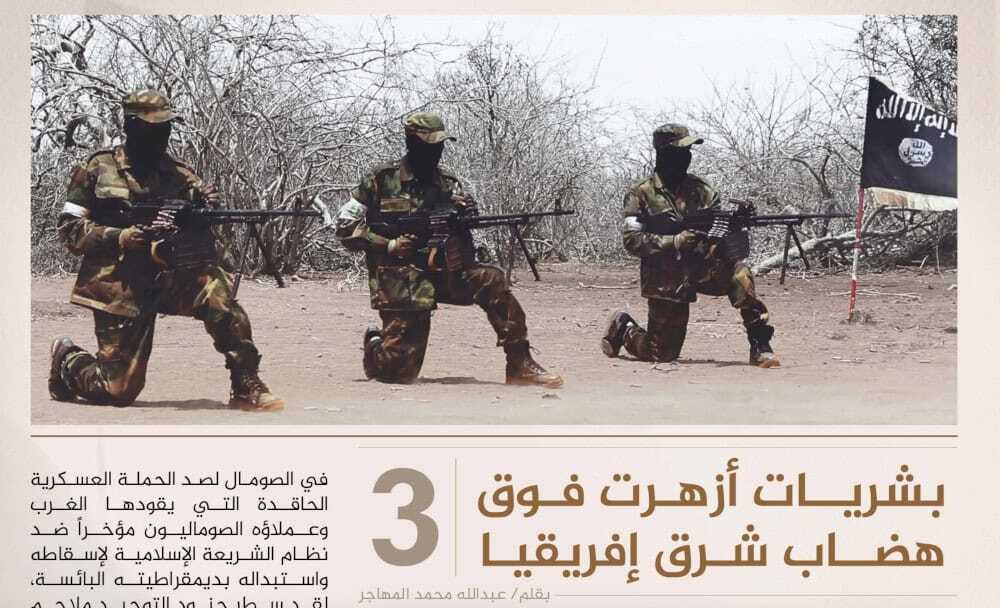
Al Qaeda in the Arabian Peninsula kills 4 Yemeni soldiers in complex suicide assault
The attack targeted the headquarters of the 1st Support and Reinforcement Brigade, which is part of the alliance of pro-government forces in southern Yemen. Al Qaeda in the Arabian Peninsula remains active in the south, despite setbacks.
-
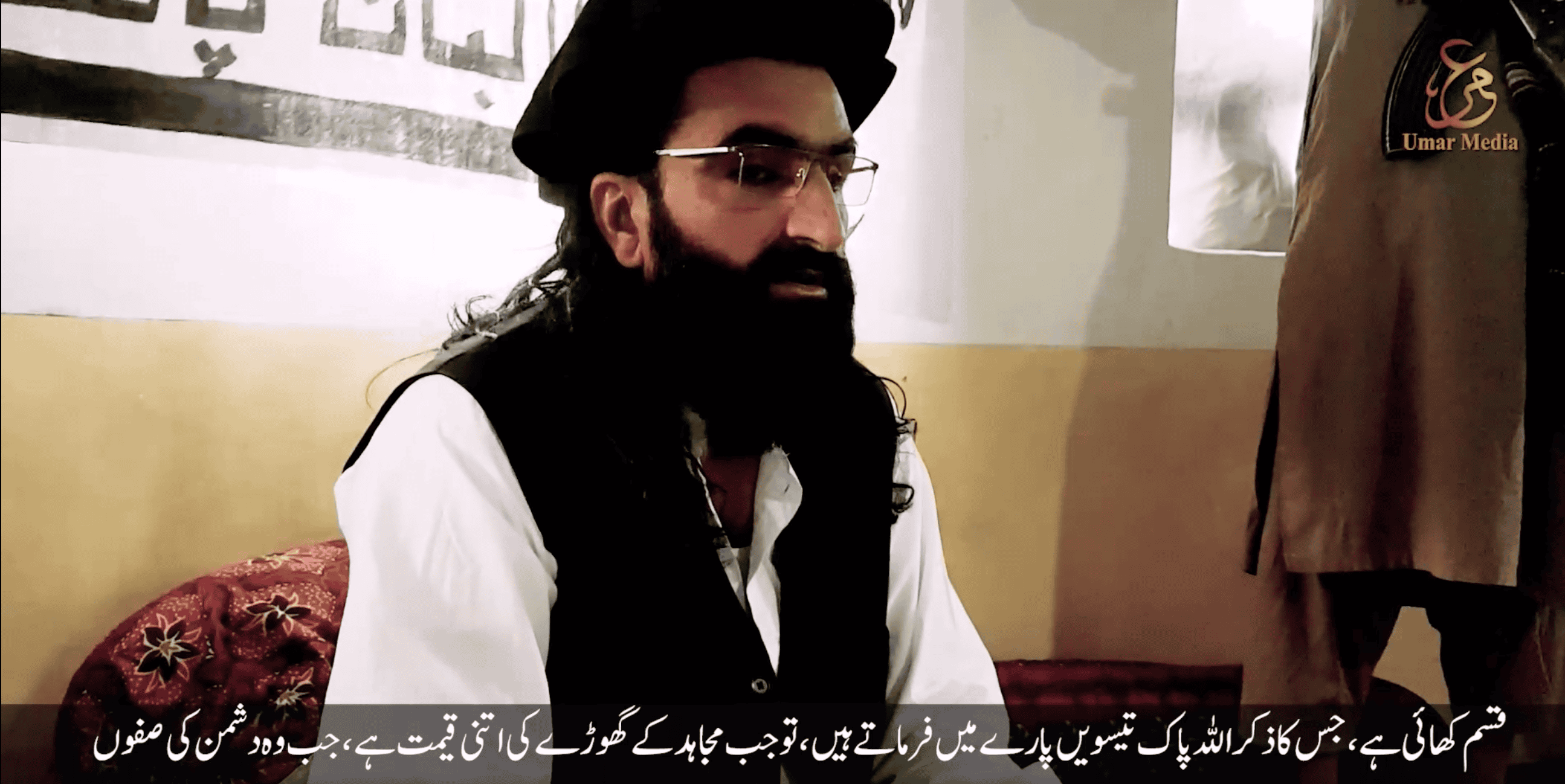
Analysis: Pakistan attempts to shift blame for TTP attacks toward India
Pakistani officials blamed an attack in the northwestern province of Khyber Pakhtunkhwa that killed 11 Pakistani soldiers on the “Indian Proxy, Fitna al Khwarij.” However, the accusation is an attempt to redirect the responsibility for violence toward India and mask Pakistan’s role in the formation of and support for the Afghan Taliban and its spinoff, TTP.
-
US kills Al Qaeda-linked ‘attack planner’ in Syria
The US military killed Muhammad Abd al Wahhab al Ahmad, a “senior Al-Qaeda affiliated attack planner” who was a member of Ansar Islam. Ahmad was killed in Idlib province, the stronghold of the Syrian government, where Ansar Islam operates with the government’s approval.
-
Shabaab claims prison assault in Mogadishu
Shabaab, Al Qaeda’s branch for East Africa, claimed yesterday’s assault on Somalia’s Godka Jilacow prison in Mogadishu. The facility is operated by Somalia’s national intelligence service, representing a major intelligence failure.
-
Generation Jihad | Shilling for Sharaa
Ahmad Sharawi is back with Bill Roggio to discuss the ongoing spectacle of Syrian interim President and former Al Qaeda member Ahmed al Sharaa, from massacres whitewashed and sanctions lifted with no conditions to foreign fighters handed Syrian citizenship — in its rush to embrace him, is the West willfully ignoring Sharaa’s blood-soaked past?
-
Generation Jihad | SATC: Sharaa and the City
Syrian President Ahmed al Sharaa is in New York City this week, headlining the UN General Assembly (UNGA), fraternizing with world leaders, and meeting with senior Trump administration officials like Secretary of State Marco Rubio. He was even hosted by a prominent think tank for a fireside chat with General David Petraeus, a self-described “fan.” Why is everyone so eager to embrace someone with a record of terror? Tom Joscelyn is back with Bill Roggio to unpack Washington’s stunning, but not surprising, amnesia.
-
Taliban rejects US attempt to return to Afghanistan’s Bagram Air Base
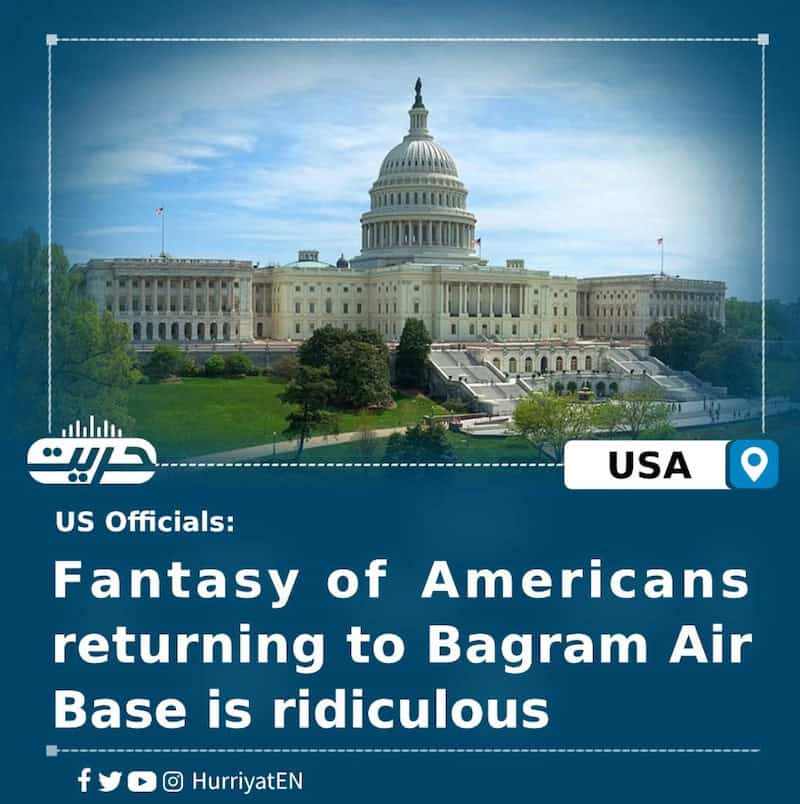
After US President Donald Trump said that “we want that base back,” the Taliban quickly rejected US attempts to return to Bagram Air Base. The Taliban has been clear that it will not accept a return of US forces to Afghanistan.
-
Al Qaeda in the Arabian Peninsula donates aid to Gaza residents
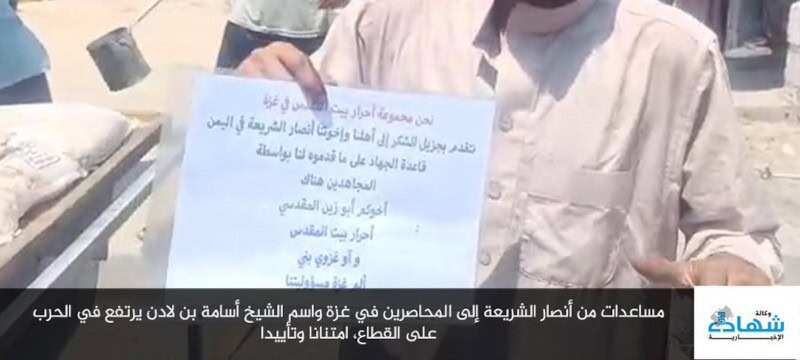
Al Qaeda in the Arabian Peninsula (AQAP) donated aid to Palestinians in Gaza who have been affected by the war. A spokesperson for Ahrar Beit al Maqdis thanked AQAP for the donations and praised former Al Qaeda emir Osama Bin Laden.
-
UN report shows Islamic State and Al Qaeda exploiting post-Assad chaos in Syria
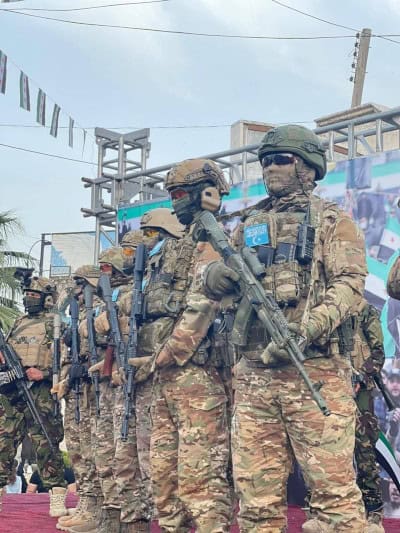
On July 29, the United Nations Security Council Analytical Support and Sanctions Monitoring Team released its latest report detailing terrorist group activities around the world. The section on Syria discussed the most recent developments related to the resurgence of the Islamic State and Al Qaeda, in addition to the difficulties of integrating various groups into the country’s military.
-
Generation Jihad | New UN report on state of global jihad
Bill is joined by Caleb Weiss and Edmund Fitton-Brown to analyze the UN’s latest Analytical Support and Sanctions Monitoring Team report on the evolving threats posed by Al Qaeda and the Islamic State — from their current state and leadership to the geopolitical influences at play and strategic significance of areas like Syria, Iraq, and Somalia
-
US lists Pakistan-supported Resistance Front as Foreign Terrorist Organization
The US State Department added the Resistance Front to its list of Foreign Terrorist Organizations. The Resistance Front, a cover organization of the Pakistan-supported and Al Qaeda-allied Lashkar-e-Taiba terror group, claimed credit for the April 22 attack in the Indian union territory of Jammu and Kashmir that killed 26 tourists.
-
Taliban denies Afghanistan is a haven for terrorists
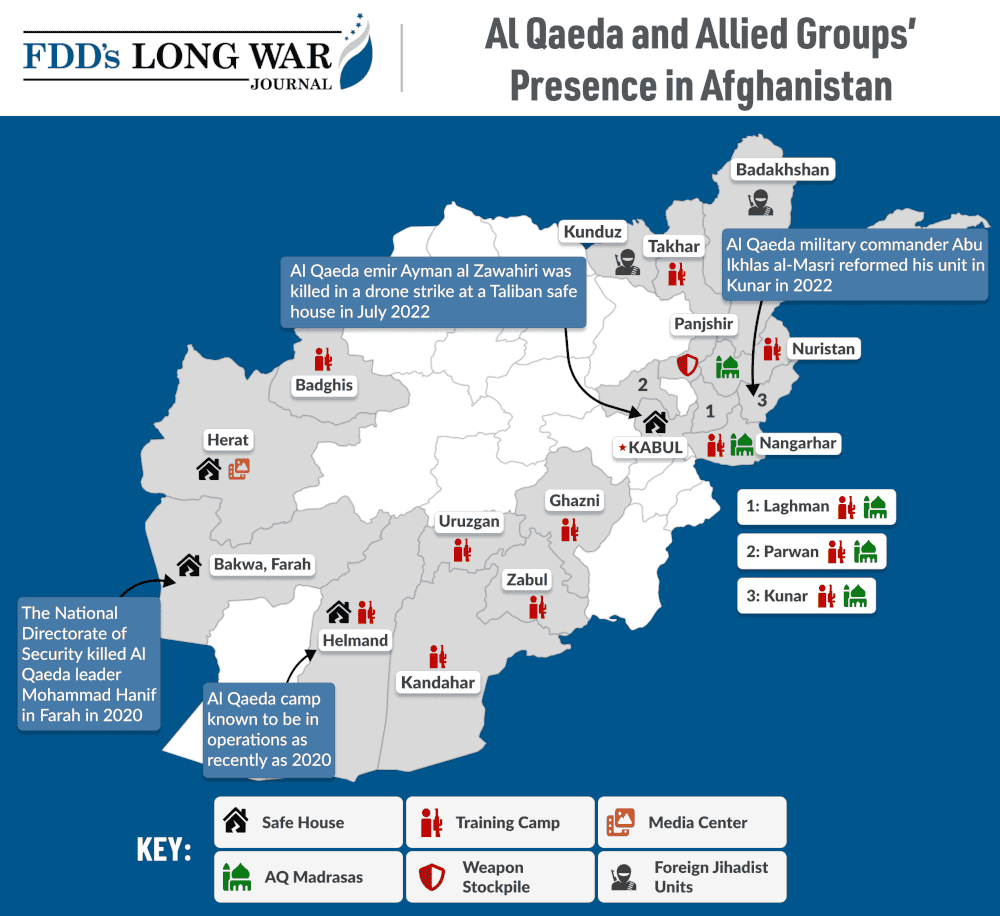
After US Congressman Bill Huizenga said, “Afghanistan has once again become a hotbed for terrorists looking for safe harbor,” the Taliban’s spokesman denied the presence of terrorist organizations despite evidence that Al Qaeda and other terror groups are operating in the country.
-
Syrian military integrates Al Qaeda-linked terror group into its ranks
The Turkistan Islamic Party’s branch in Syria, an Al Qaeda ally, is being integrated into the new Syrian military as the 84th Division. The group’s leader, Abdul Haq al Turkistani, sits on Al Qaeda’s central governing council and directs the group’s operations in Syria. Despite this, the Trump administration is poised to lift sanctions on Syria.