-
Trump presses Sharaa on foreign fighters as jihadists rise in Syria’s new army
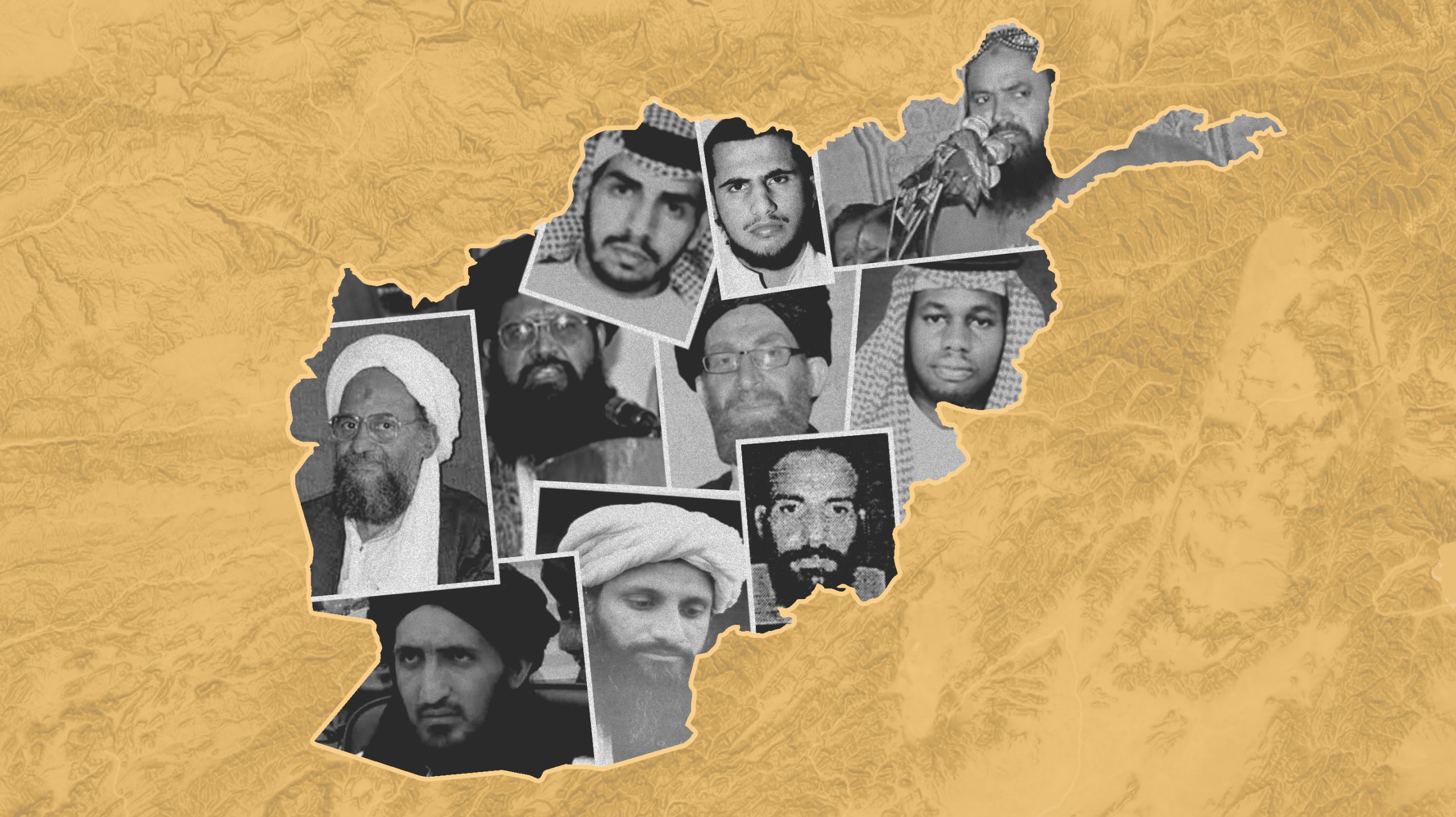
President Donald Trump met with Syrian interim President Ahmad al Sharaa, a former Al Qaeda leader, and urged him to expel foreign jihadists from Syria. However, Sharaa has instead promoted several of these fighters to top military positions, including figures tied to Hayat Tahrir al Sham and Al Qaeda. While Damascus has taken limited, symbolic actions, such as suspending promotions and arresting select fighters, it continues to delay meaningful compliance with US conditions for sanctions relief.

-
President Trump meets with a Specially Designated Global Terrorist, lifts sanctions on Syria
US President Donald Trump met with Syrian interim president Ahmad al Sharaa, a US and UN-designated terrorist and the former leader of Al Qaeda’s branch in Syria, and committed to removing US sanctions on Syria.

-
Pro-Iranian Iraqi politicians, militia leaders object to Syrian president visiting Iraq
Pro-Iranian militia leaders and politicians in Iraq have objected to a possible visit by Syria’s new transitional President Ahmad al Sharaa. The latest statements, including accusations the Syrian leader committed crimes in Iraq in the early 2000s, came after Sharaa met with Iraqi Prime Minister Mohammed Shia al Sudani in Doha, Qatar, on April 17.

-
Pro-Iranian Iraqi network releases documents on Ahmad al Sharaa’s identity
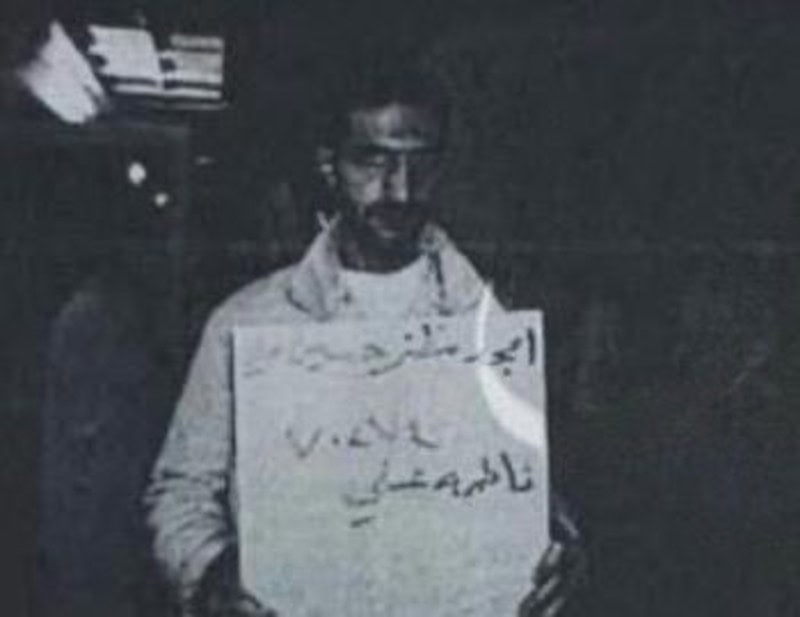
Sabereen News, a media outlet affiliated with Iran-backed militias in Iraq, released an exposé on Syrian interim President Ahmad al Sharaa that includes documents revealing his identity during his time as a prisoner in US and Iraqi custody.
-
Shabaab mounts coordinated assault north of Mogadishu
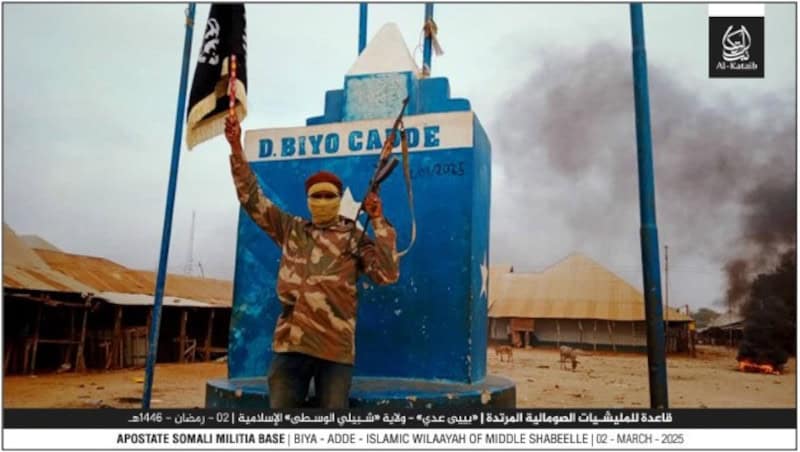
Shabaab, al Qaeda’s branch for East Africa, has mounted considerable attacks over the last few weeks in Somalia’s Middle Shabelle and Hiraan regions just north of Mogadishu. The group’s offensive is attempting to reverse much of the federal government’s gains during the government’s counter-Shabaab offensive between 2022 and 2023.
-
US kills Al Qaeda’s military commander for Syria
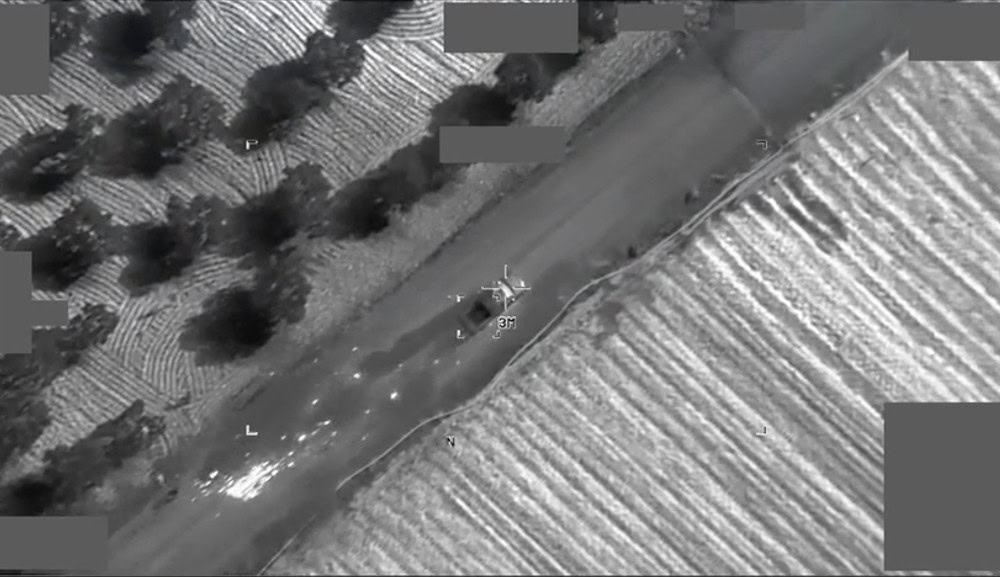
US Central Command killed the top military commander of Hurras al Din, Al Qaeda’s branch in Syria. The Trump administration has targeted Hurras al Din four times since taking office, indicating it is ramping up the pressure on the terror group and its allies.
-
US military kills Al Qaeda facilitator in Syria
A US airstrike killed Wasim Tahsin Bayraqdar, who US Central Command (CENTOM) identified as “a senior leadership facilitator” for Hurras al Din. The strike is the third against the Al Qaeda branch since President Donald Trump took office.
-
Turkistan Islamic Party leader directs Syrian fighters from Afghanistan
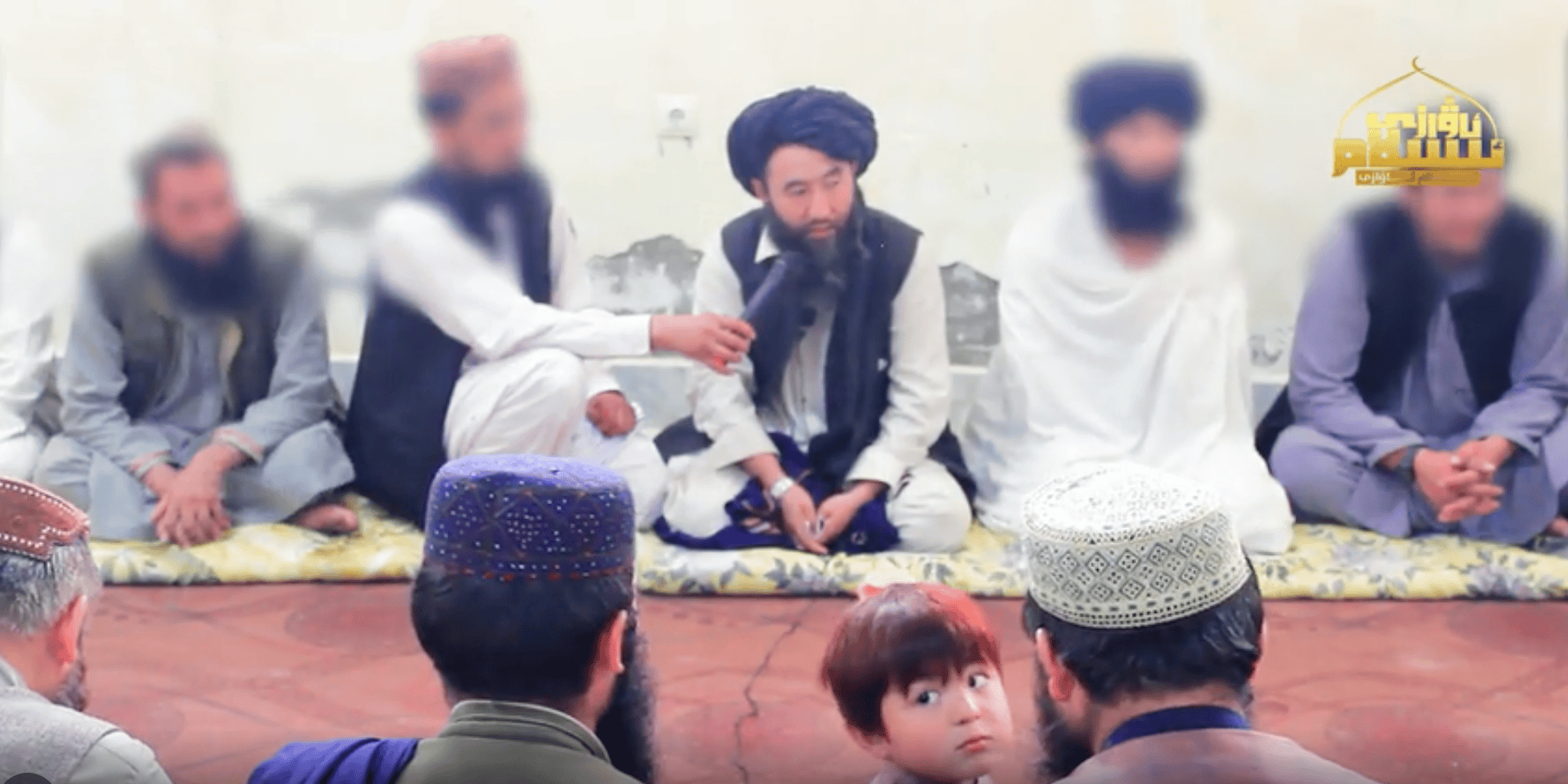
Abdul Haq al Turkistani currently operates from Kabul while directing his fighters in Syria. Haq’s presence in Afghanistan directly contradicts the Taliban’s claims that no foreign fighters operate or are based in the country and that Afghanistan isn’t a headquarters for terrorist groups.
-
Pakistani and Tajik Taliban open training camps in Afghanistan
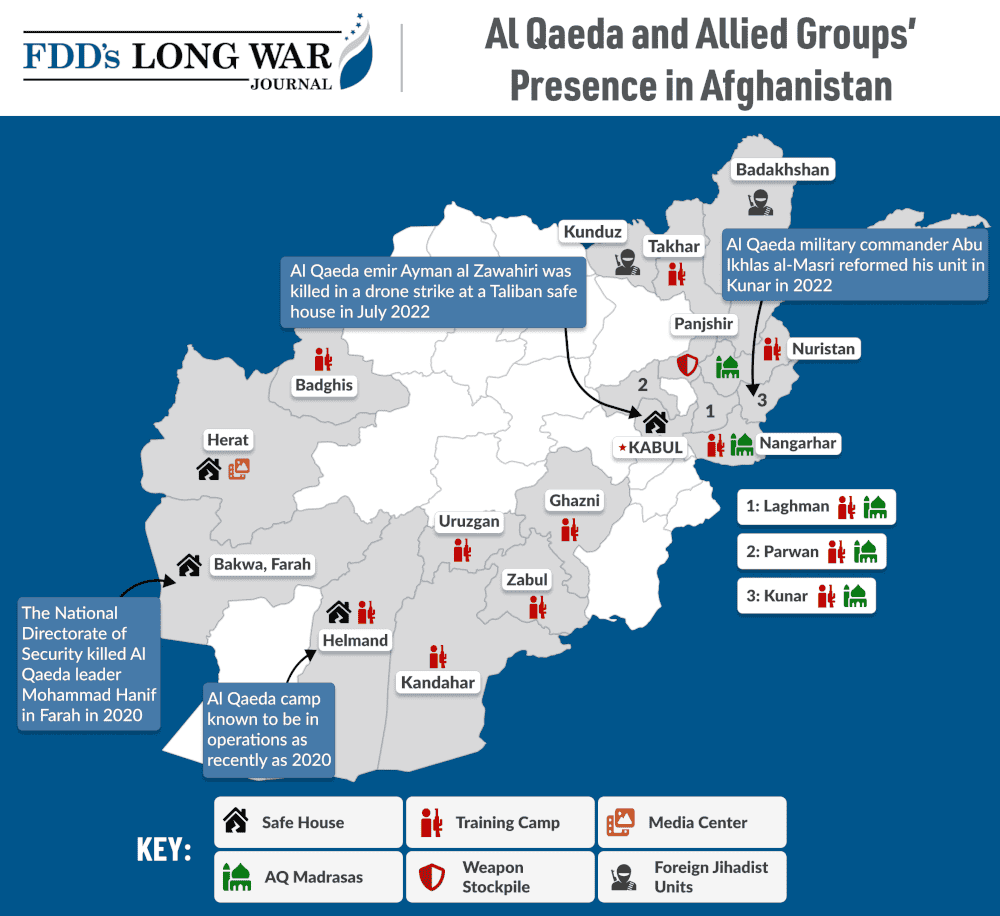
The Movement of the Taliban in Pakistan is operating training camps in four Afghan provinces, while Jamaat Ansarullah is operating camps in two more. Both groups continue to receive support from the Afghan Taliban and Al Qaeda.
-
US, UAE conducting airstrikes in northern Somalia
The United States and the United Arab Emirates are conducting airstrikes in northern Somalia in support of Puntland’s military offensive against the local Islamic State branch. Tracking UAE’s strikes in particular, however, is difficult.
-
US airstrike kills Al Qaeda operative in Syria
CENTCOM described Muhammad Salah al Zabir as “a senior operative in the terrorist organization Hurras al-Din.” The strike takes place less than two weeks after the Trump administration took office and may signal a change in policy toward Syria.

-
Analysis: Islamic State calls for jihad in Sudan
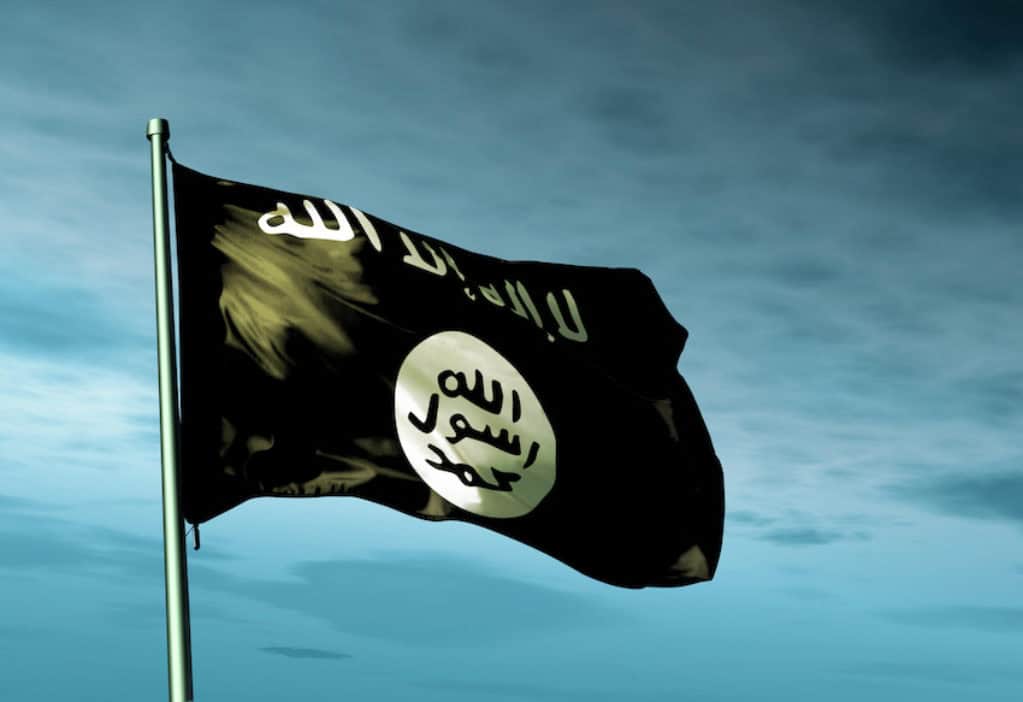
In its weekly Al Naba newsletter, the Islamic State made its most explicit call for jihad inside Sudan, referring to opposing sides of the country’s brutal civil war as infidels. Both the Islamic State and Al Qaeda have now called on Muslims in Sudan to take up arms for their respective organizations.
-
Analysis: Turkey and JNIM: Jihadist messaging signals possible conflict between 2 ascending forces in central Sahel
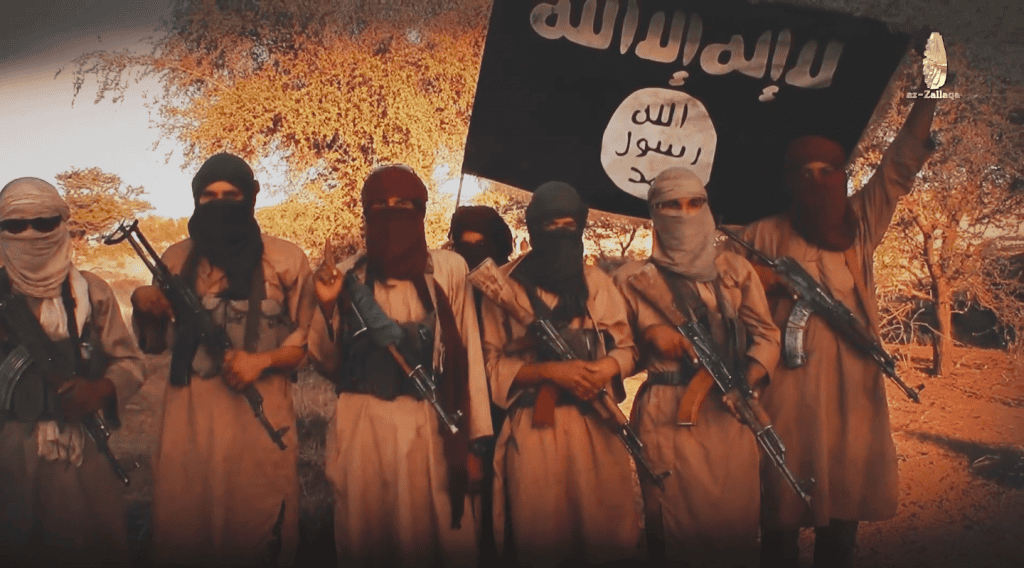
Turkey has steadily increased its foothold in the central Sahel by providing arms, security assistance, and more to regional juntas. Similarly, The Group for Support of Islam and Muslims (JNIM), Al Qaeda’s branch for the Sahel and West Africa, is on its own upward trajectory, standing as one of the region’s most dominant violent actors. The jihadist group’s external messaging suggests it perceives Turkey to be an obstacle as it seeks to expand its territorial control and influence.
-
US removes $10 million reward for Hayat Tahrir al Sham leader
US Assistant Secretary of State for Near Eastern Affairs Barbara Leaf said the bounty was lifted on Abu Mohammad al Jolani because it would be “a little incoherent […] to have a bounty on the guy’s head” as she sat down to talk with him. The US government currently lists Jolani as a Specially Designated Global Terrorist for his ties to Al Qaeda and Hayat Tahrir al Sham as a Foreign Terrorist Organization.

-
Jihadi history: Kenyan detainee transferred out of Guantanamo shows the extent of Al Qaeda’s jihad in East Africa
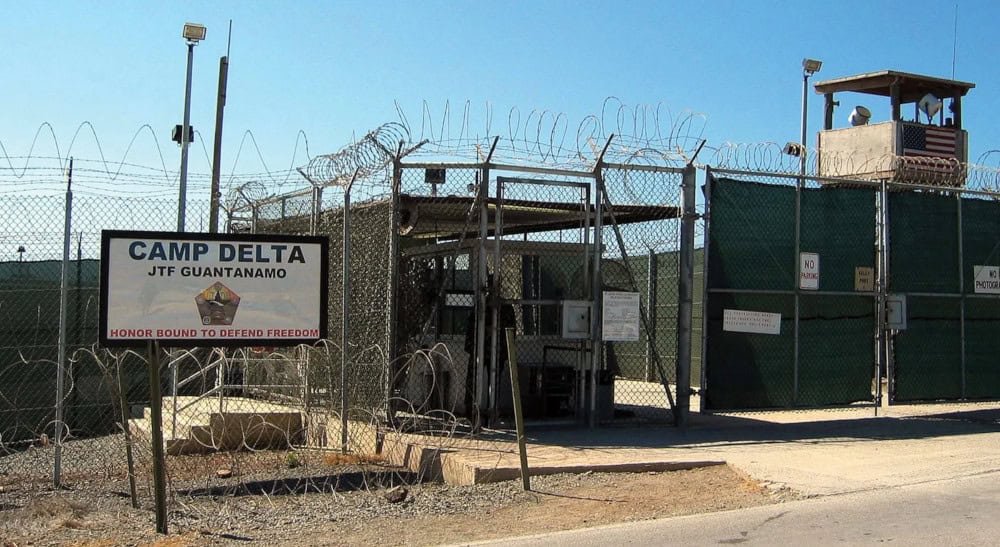
The US Department of Defense (DoD) announced yesterday that longtime Guantanamo Bay detainee Mohammed Abdul Malik Bajabu was transferred to his native Kenya. Bajabu’s history presents an interesting historical look into Al Qaeda’s early activities in East Africa, acting as a reminder that the African Jihad, currently the global hotspot of jihadist activity, has been decades in the making.
-
Turkistan Islamic Party uses video from Syria to encourage jihad in China
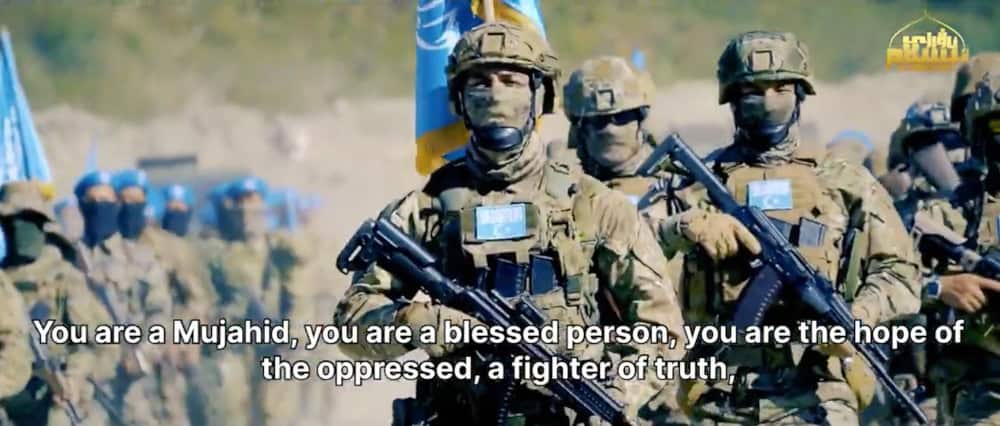
The Turkistan Islamic Party is an Al Qaeda branch that fights under the banner of Hayat Tahrir al Sham, the Salafist jihadist terror group that led the overthrow of the Assad regime and is forming a new Syrian government.
-
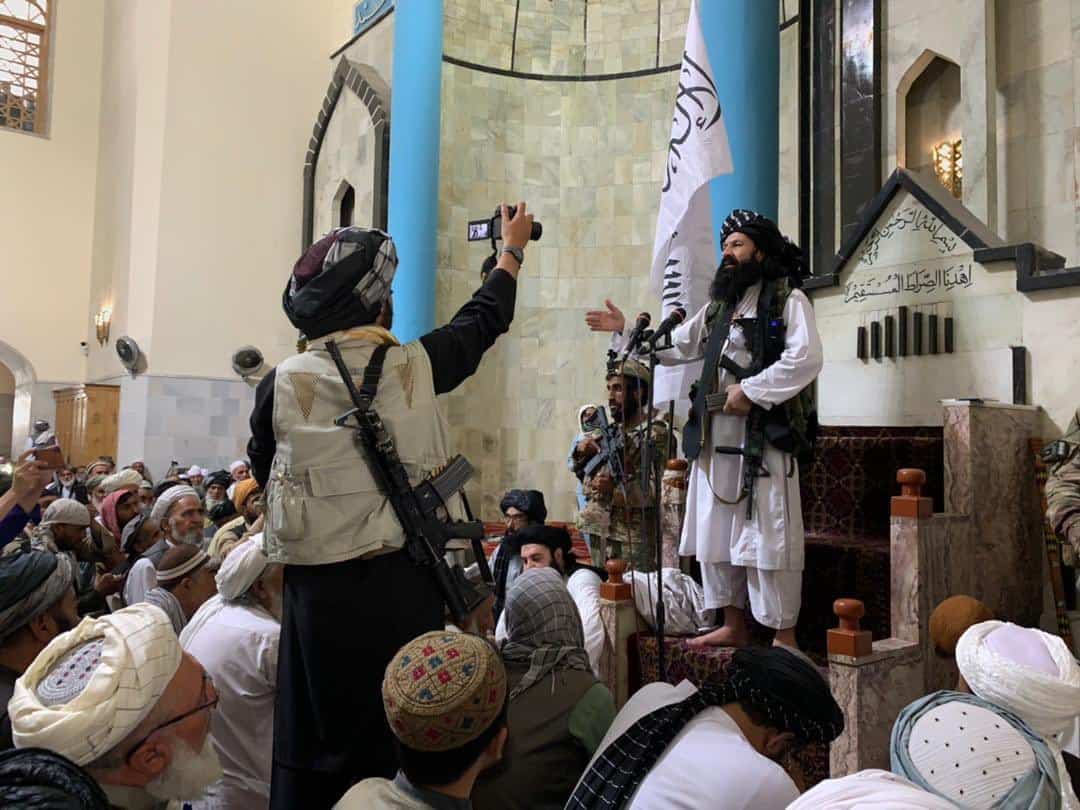
Taliban’s minister of refugees killed in suicide attack in Kabul
Khalil al Rahman Haqqani was the uncle of Sirajuddin Haqqani, the Taliban’s minister of interior and one of the group’s two deputy emirs, and a brother of the late Jalaluddin Haqqani, the founder of the Haqqani Network. Khalil was a US Specially Designated Global Terrorist who had “acted on behalf of” Al Qaeda’s military.
-
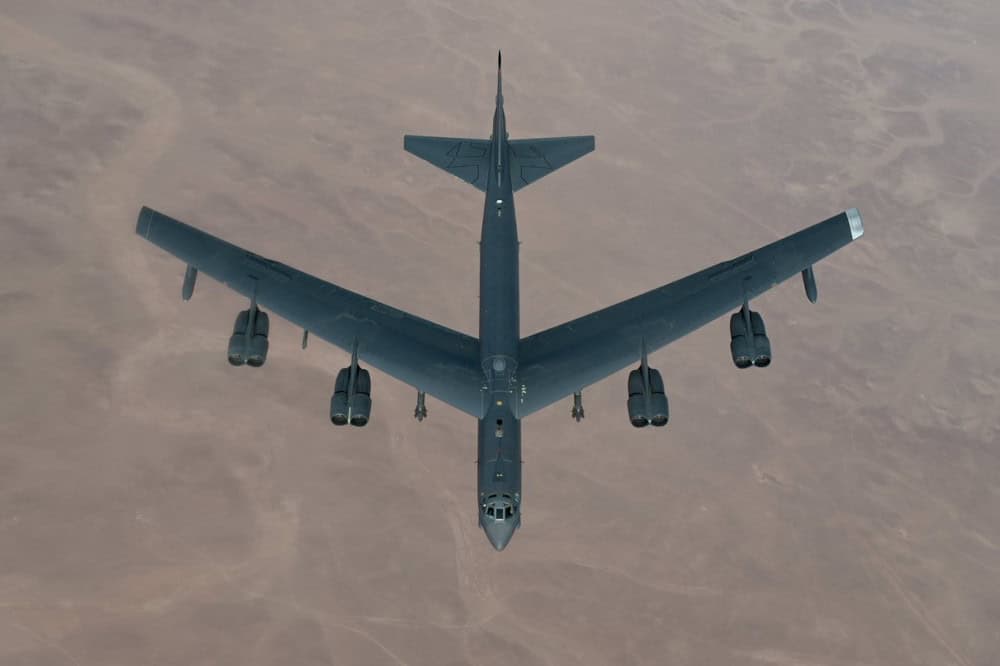
US launches massive strikes on Islamic State as Hayat Tahrir al-Sham deposes Assad regime
The significant US operation against the Islamic State is part of the effort to degrade the terror group and keep it from gaining ground in areas held by Syrian Democratic Forces (SDF) in the wake of the Assad regime’s collapse. The attacks may also serve as a warning to the Syrian National Army (SNA) and Hayat Tahrir al-Sham (HTS) not to push too hard against the SDF, America’s flawed ally in Syria.
-
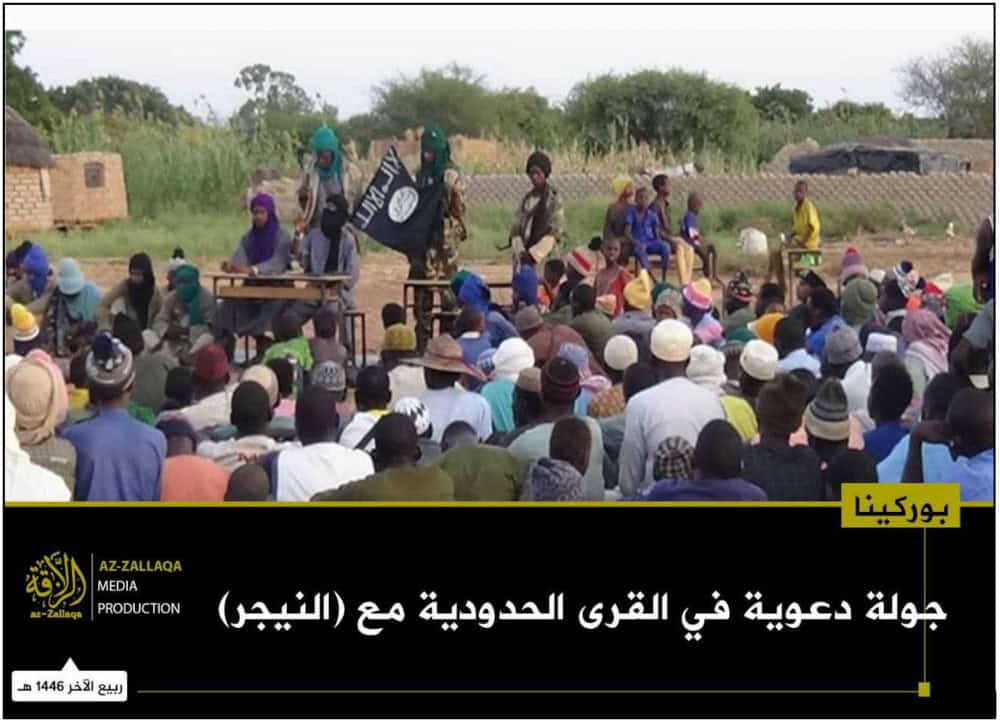
Analysis: Al Qaeda’s da’wah campaign in West Africa
The Group for Support of Islam and Muslims (JNIM), al Qaeda’s branch for West Africa, has publicized its da’wah (proselytizing) activities in local communities in Mali and Burkina Faso. Photos released by the group document its men delivering religious lectures to locals in the southern Mali region of Kayes and Burkina Faso along the border with Niger.
-
Analysis: When did the US lose Afghanistan?
Three years after the fall of Afghanistan, American politicians, policymakers, generals, and foreign policy “experts” can’t admit we lost the war. If they did, they would have to own their role in that failure.

-
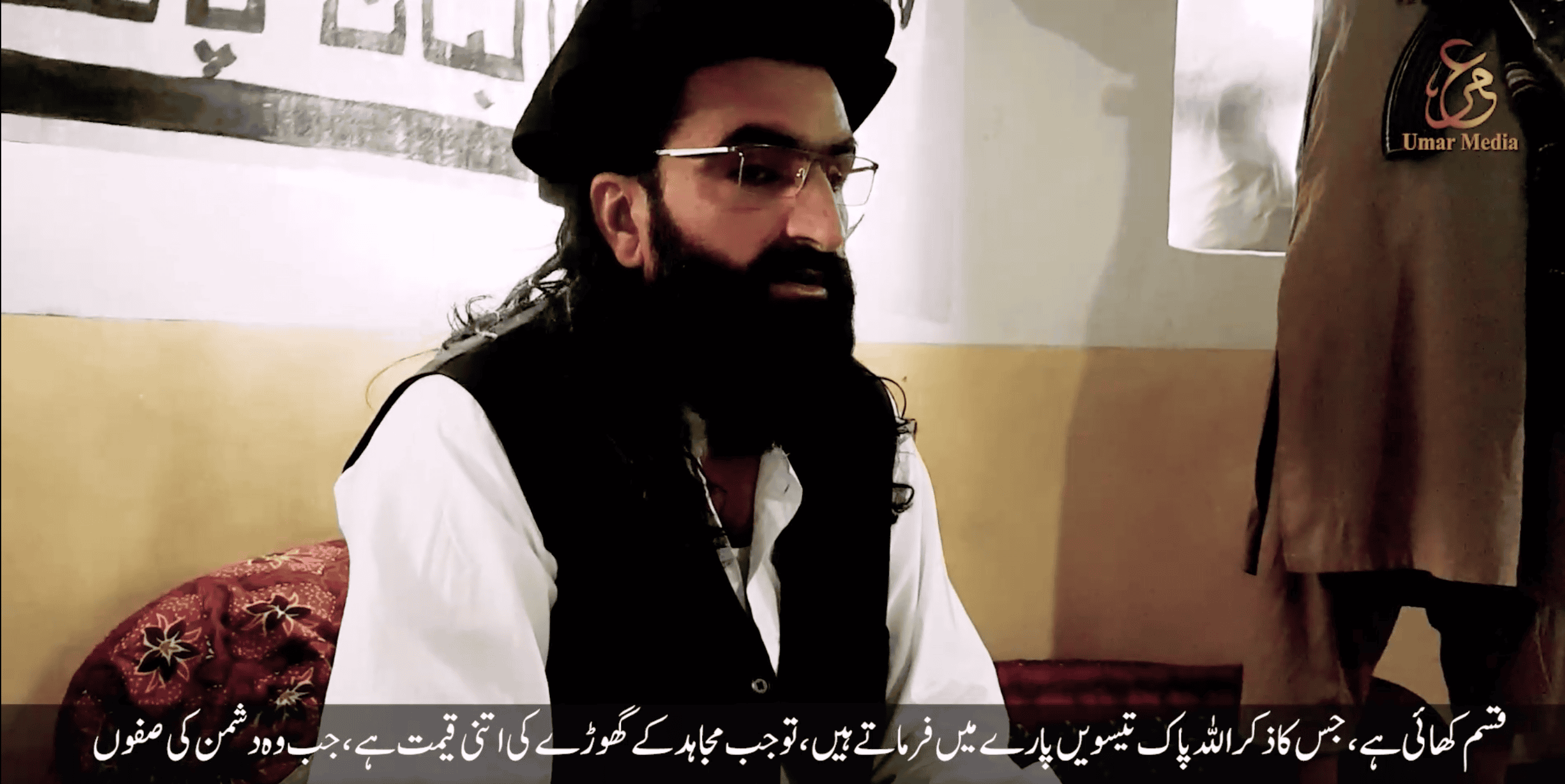
Analysis: The “bonds are close” as the Pakistani Taliban benefits from its Afghan safe haven
The United Nations Analytical Support and Sanctions Monitoring Team reports that “the bonds are close” between the Afghan Taliban and the Movement of the Taliban in Pakistan. The Pakistani Taliban trains at Al Qaeda camps and has received high-tech weapons systems from the Afghan Taliban
-
Jihadis mount prison mutinies across Africa
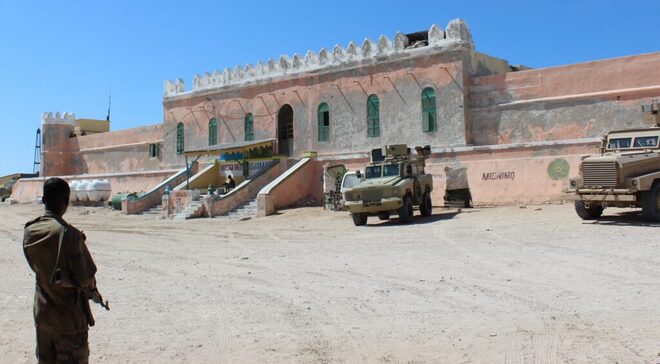
Over the last few days, jihadis have mounted two attacks inside prisons in Somalia and Niger. While the mutiny inside the Nigerien prison was successful, the Somali prison assault appears to have been thwarted. Nonetheless, both incidents highlight the lingering threat of jihadi prison breaks on the continent and the importance jihadist groups put on such operations.
-
Analysis: Al Qaeda expands its network of training camps in Afghanistan
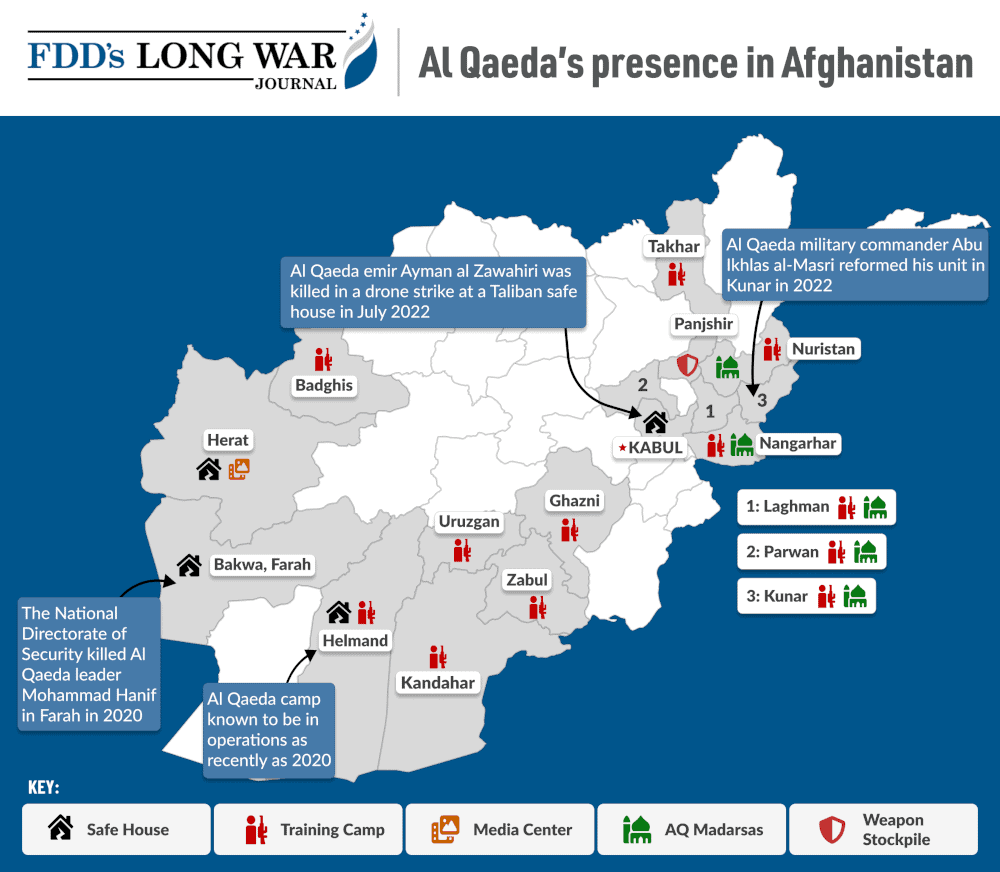
The United Nations Analytical Support and Sanctions Monitoring Team reports that Al Qaeda is operating training camps in two new Afghan provinces: Kandahar and Takhar. The terrorist group now operates training camps in 12 of Afghanistan’s 34 provinces. Additionally, the Monitoring Team notes that Al Qaeda “still uses Afghanistan as a permissive haven under the Taliban.”
-
Shabaab advertises creation of “special forces” unit
Shabaab’s video, which demonstrates its new so-called ‘special forces’ training center, is eerily similar to productions put out by the Afghan Taliban before it took over Afghanistan.

-
U.S. offers $5 million reward for member of Al Qaeda’s top leadership council
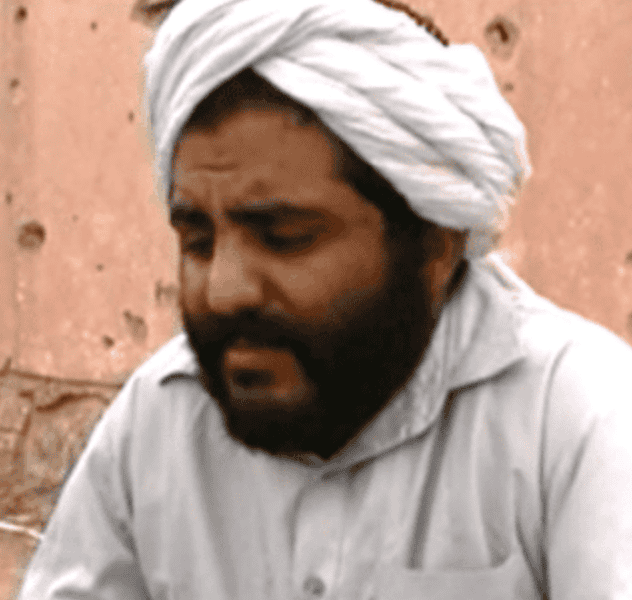
Hamza al Ghamdi is a legacy Al Qaeda leader who fought alongside Osama bin Laden against the Soviets, led bin Laden’s bodyguard, organized terror attacks in Tajikistan in the 1990s, and fought at the battle of Tora Bora. He is currently a member of Al Qaeda’s shura, or executive leadership council. Ghamdi is likely based in Afghanistan or Iran.
-
Al Qaeda leader calls foreign fighters to Afghanistan
Sayf al-Adl, who is thought to be al Qaeda’s current leader, calls on supporters around the world to migrate to Afghanistan to gain training, experience, and knowledge before undertaking attacks against so-called “Zionist” and Western targets around the world.

-
Architect of Doha agreement wrongly claims: ‘Al Qaeda in the Indian Subcontinent has been dismantled’
Zalmay Khalilzad, the former Special Repressive for Afghanistan Reconciliation and the key architect of the Doha Agreement, continues to maintain that the Taliban “dismantled” Al Qaeda, despite evidence to the contrary from the UN and CENTCOM.

-
Shabaab retakes territory as the U.S. sanctions one of its money laundering networks
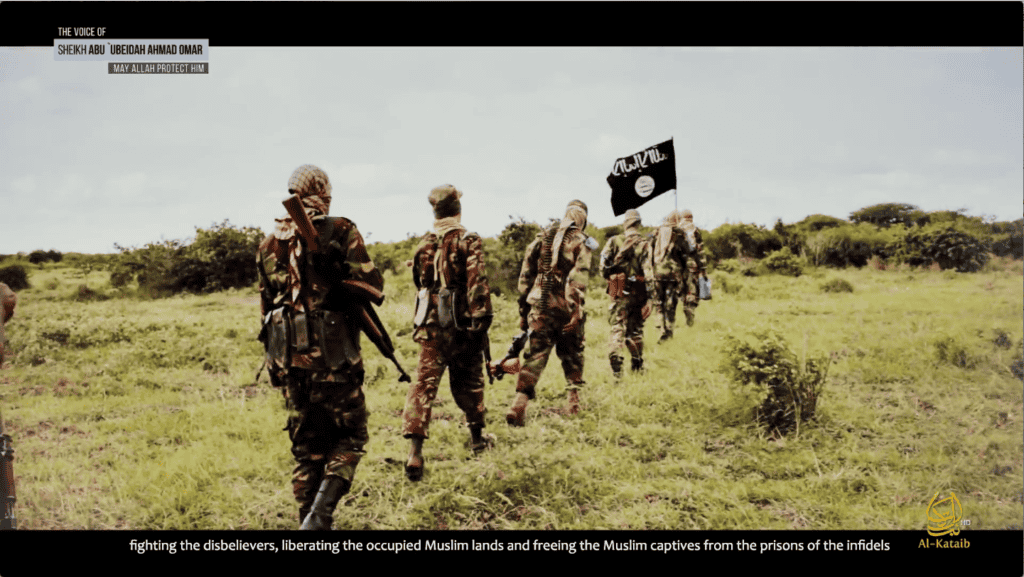
Shabaab continues to undo progress made against it in central Somalia; the United States continues to go after its financials and conducting periodic drone strikes against its forces.
-
Al Qaeda opens 8 new training camps, 5 madrasas, and a facilitation network to Iran in Afghanistan
Al Qaeda continues to build its network and infrastructure in Afghanistan after the fall of the Afghan government. Al Qaeda opened eight new training camps, five madrasas, a weapons depot and safe houses in Afghanistan that are used to facilitate the movement of its members to and from Iran.
-
US launches first drone strike of the year in Somalia
Three Shabaab members were killed in what U.S. Africa Command described as a “collective self-defense airstrike” in the Lower Juba region. Shabaab, Al Qaeda’s branch in East Africa, remains a dangerous threat.