-
Israel says Hezbollah drone attack wounded 3 soldiers at Ali al Taher; IDF kills Hezbollah commanders in response
The Israel Defense Forces (IDF) said that a Hezbollah explosive drone seriously wounded three Israeli troops on the Ali al Taher Ridge on August 15. Israel responded with strikes that killed senior Radwan and Badr commanders. Hezbollah has not claimed the attack, and Lebanese reports allege Israel is considering a broader operation around the contested ridge.
-
Analysis: The Israel-Lebanon framework agreement explained
On June 26, Israel and Lebanon signed a framework agreement, mediated by the United States, to permanently end their state of conflict and address its root causes—primarily, Hezbollah’s arms. While the deal is promising on its face, significant parts of it may be difficult or impossible to implement under Lebanon’s current domestic conditions.
-
Generation Jihad | Hezbollah’s moment of truth
A new 14-point trilateral framework toward ending hostilities in Lebanon puts Hezbollah, Iran’s strongest terror proxy, at a crossroads. Disarm and let Lebanon reclaim its southern border—or keep threatening Israel and risk blowing up the fragile US-Iran peace deal. FDD Senior Fellow David Daoud joins Bill Roggio to break down what’s really at stake in these negotiations.
-
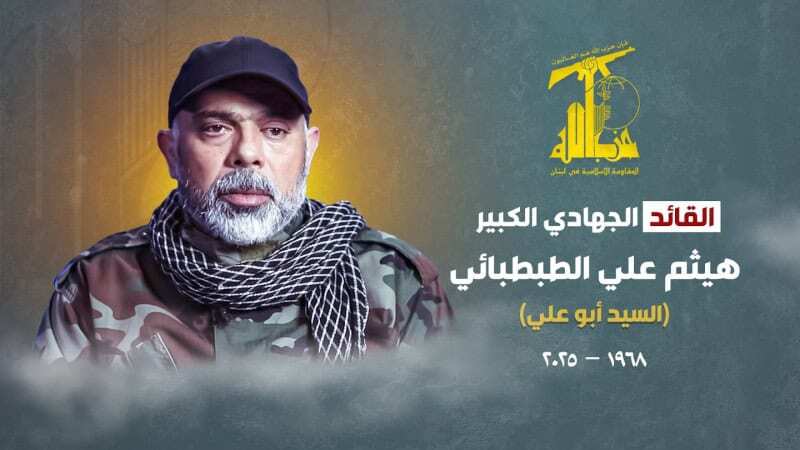
Israeli airstrike kills Hezbollah Chief of Staff Haytham Ali Tabatabai
An Israeli airstrike on an apartment building in Beirut’s southern suburbs killed senior Hezbollah figure Haytham Ali Tabatabai, along with four other members of the group. The strike is the most high-profile action taken against Hezbollah since the ceasefire between Lebanon and Israel began last November.
-
Israeli operations in Lebanon against Hezbollah: August 18–24, 2025
Israel continued operations in Lebanon between August 18 and August 24, 2025. These activities included targeted assassinations of Hezbollah operatives involved in the group’s regeneration efforts and strikes on Hezbollah assets.
-
Israeli operations in Lebanon against Hezbollah: June 23–29, 2025
Israel continued operations in Lebanon between June 23 and June 29, 2025, including targeted killings of Hezbollah operatives and a wide-scale attack on Hezbollah assets in the Ali Taher Ridge.
-
Analysis: Lebanon’s new government, the absent “resistance” Clause, and Hezbollah’s fate
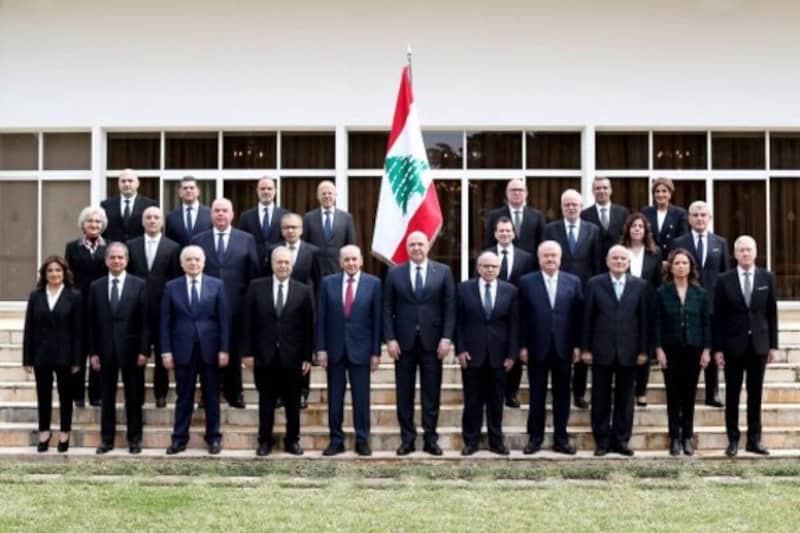
A review of the new Lebanese government’s policy statement reveals some positive changes from the positions of previous governments regarding the official posture on Hezbollah and its arms. Nevertheless, the statement contains subtle but significant loopholes that Hezbollah can exploit to ensure its survival and eventual regeneration.
-
Analysis: ‘Axis of Resistance’ or ‘Axis of Espionage?’ Iran’s struggles to staff leadership
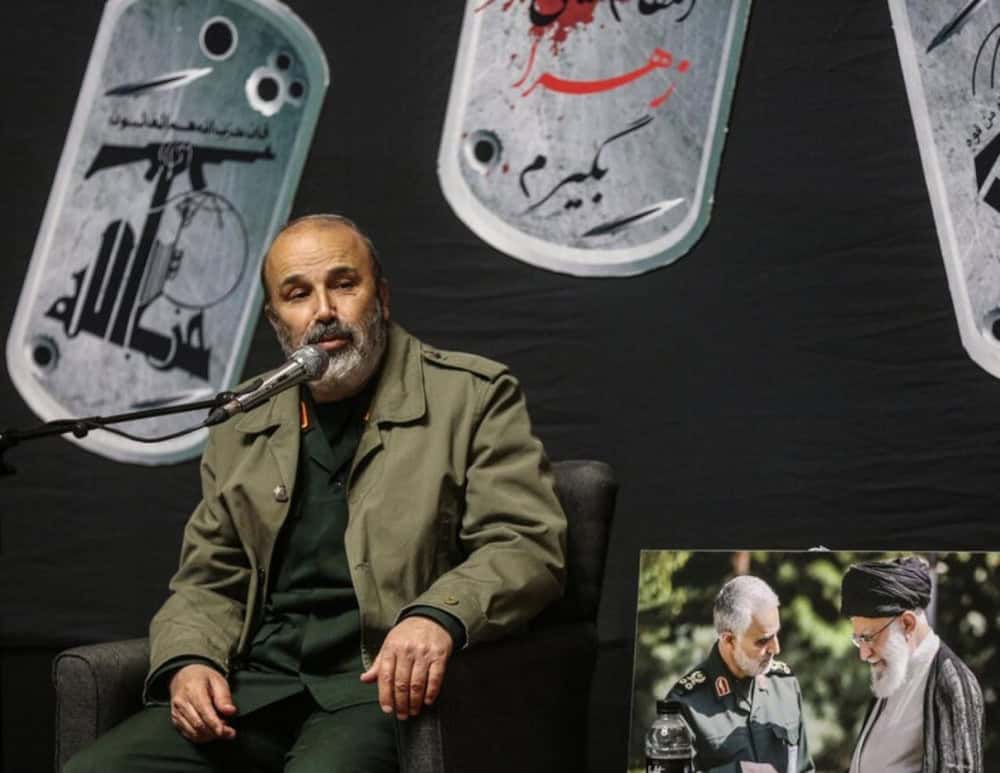
The appointment of Brigadier General Mohammad Reza Fallahzadeh as Hezbollah’s “supervisor” underscores the growing challenges faced by Iran and its proxies amid Israel’s military and intelligence operations. The inability to establish stable leadership within Hezbollah not only reflects Israel’s tactical successes but also reveals deep fractures within the Axis of Resistance. The heightened paranoia among Iranian leaders suggests a precarious future for the Islamic Republic’s efforts to maintain control over its oldest proxy.
-
Israel intercepts Hezbollah drones as Israel’s defense minister continues meetings in Washington
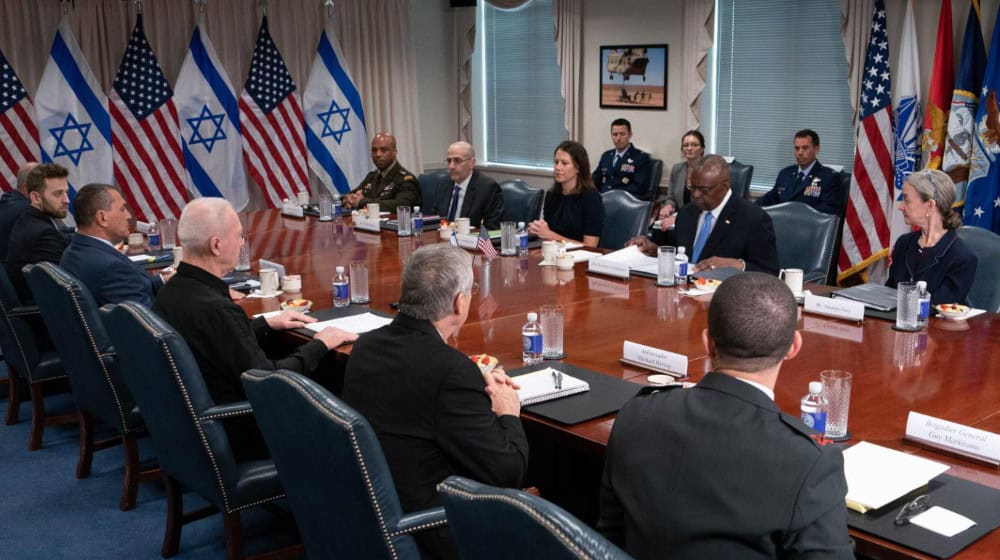
Israel faced drone attacks by Hezbollah between June 23 and June 25 while Israeli Defense Minister Yoav Gallant was in Washington, DC. Gallant met with US Secretary of Defense Lloyd Austin, discussing the need to return security to northern Israel. Austin expressed concern about the chances of war between Israel and Hezbollah.
-
Israeli Air Force kills notorious Hezbollah commander in Syria
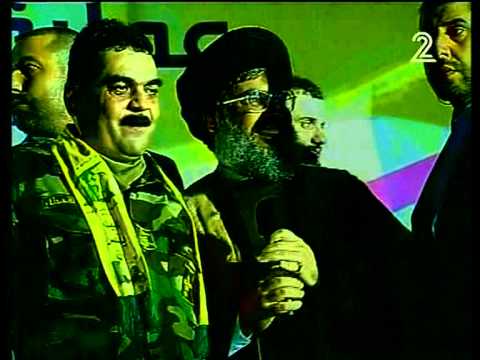
Israel carried out the assassination of Samir Quntar, a man who had become a symbol in Hezbollah for killing Israelis and was acting as one of its commanders in Syria.