-
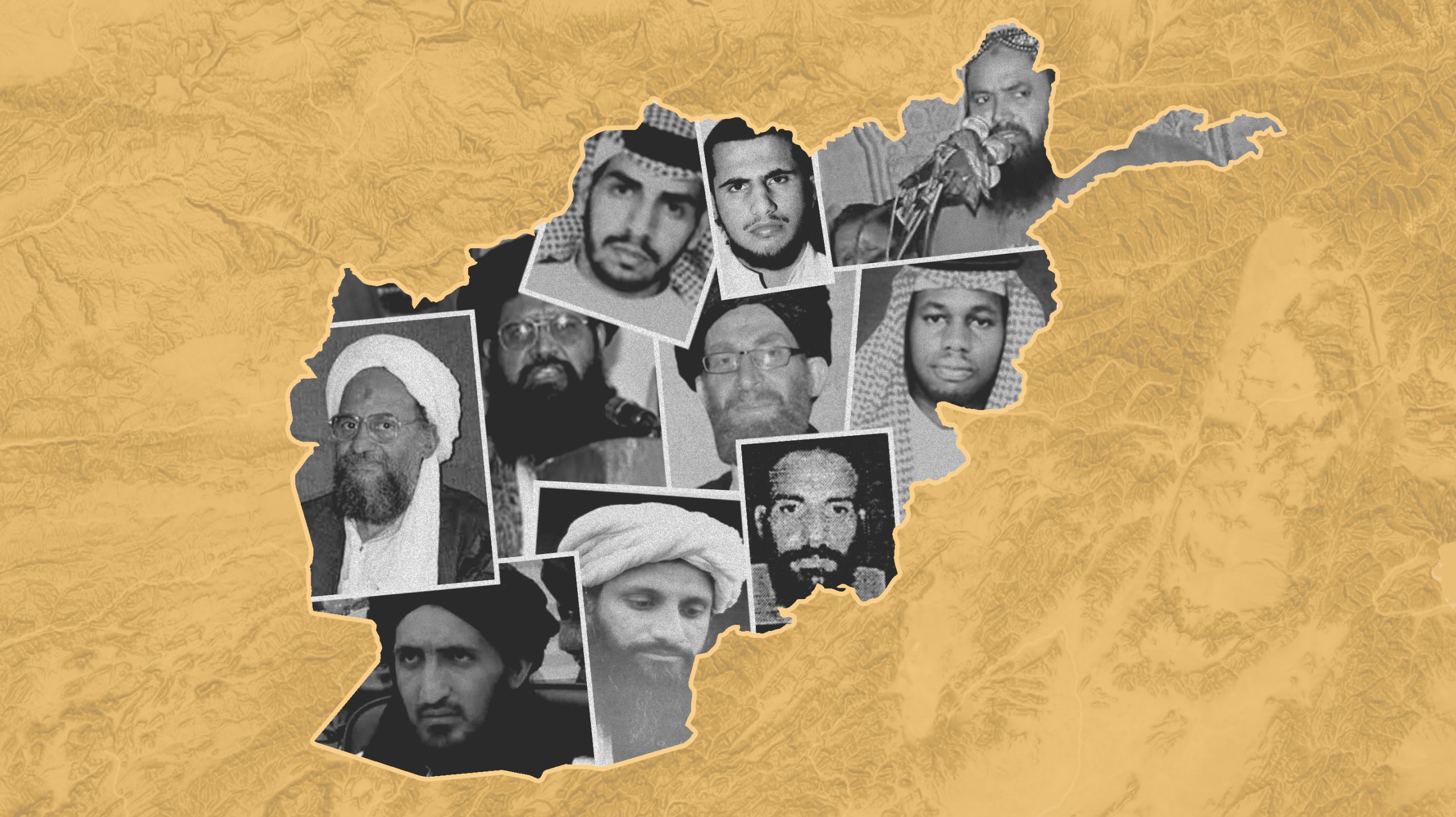
Lebanese security forces seize explosives shipment reportedly bound for Hezbollah in Beirut
Lebanese security forces intercepted a shipment containing nearly 800 kilograms of explosives reportedly destined for Hezbollah in Beirut. Authorities arrested two men and are investigating the shipment’s origins and intended use. Hezbollah has reportedly demanded the explosives’ return, testing the government’s prohibition on the group’s military activities.

-
IDF shifts southern Lebanon forces toward ‘forward-defense’ posture as troops prepare for winter
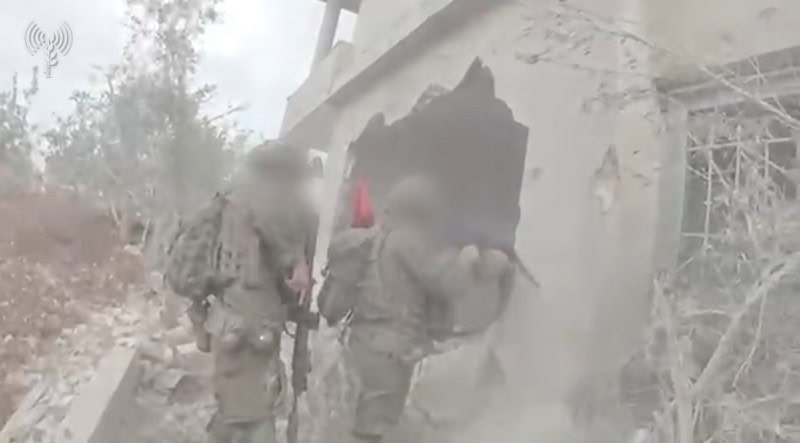
The Israeli military is shifting toward a deeper “forward defense” posture in southern Lebanon, rotating formations and preparing positions for winter while continuing to clear Hezbollah infrastructure. The evolving deployment comes as Hezbollah maintains that Israeli forces’ continued presence in Lebanon justifies continued “resistance.”
-
Islamic State suspects extradited or arrested in Lebanon, Canada, Australia, and the US
Over the past 72 hours, authorities in four countries announced arrests, charges, and an extradition involving alleged Islamic State activity, including an assassination plot, a chemical attack, propaganda distribution, and financing travel to Syria.

-
Is Hezbollah finished, or just adapting?
Generation Jihad guest host David Daoud, an FDD senior fellow focused on Lebanon and Hezbollah, talks with Lina Khatib, an associate fellow in Chatham House’s Middle East and North Africa Programme, about her July trip in southern Lebanon, why the 2006 war never put the LAF in charge of the border, and whether Beirut can take Hezbollah’s weapons now that the group is weaker and Assad is gone.

-
How Hezbollah reframed the battle for Ali al Taher as Israel advanced
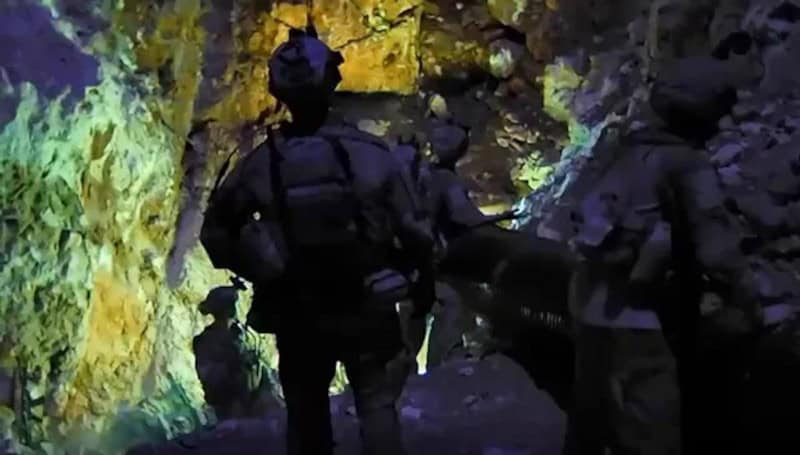
As Israeli forces pushed from the outskirts of Ali al Taher Ridge into its underground network, Hezbollah repeatedly revised what counted as a success for the group—from denying Israeli entry to portraying the loss of the position as an attritional achievement.
-
LAF-Hezbollah coordination and the limits of Lebanon’s disarmament effort
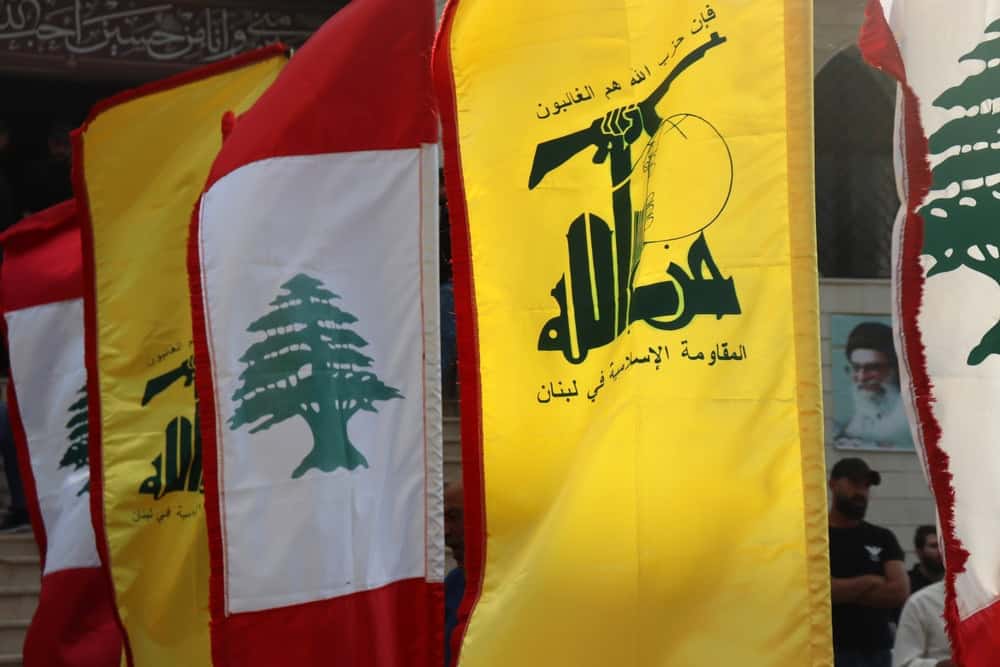
Israel reportedly assesses that the Lebanese military is coordinating with Hezbollah in pilot zones intended to disarm non-state groups. The broader claim is supported by years of evidence, and the record since 2024 shows what coordination has produced: negotiated access, handovers, and seizures without Hezbollah’s genuine disarmament.
-
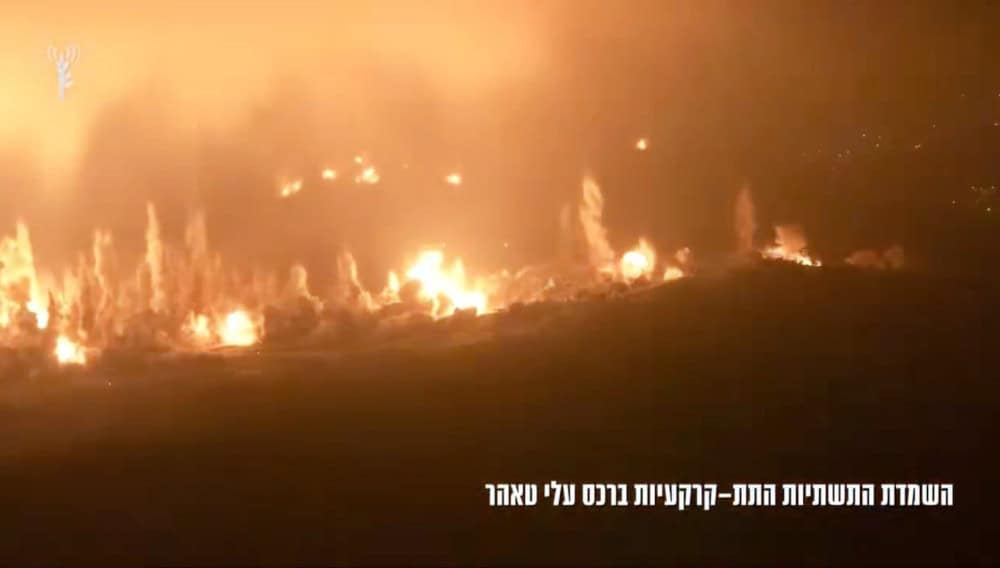
IDF destroys Hezbollah underground command complex at Ali al Taher, withdraws from ridge
The IDF says it destroyed more than two kilometers of Hezbollah underground infrastructure beneath Ali al Taher Ridge in southern Lebanon and identified the facility as a central command complex for Hezbollah’s Badr Unit. Israeli Army Radio reported that troops subsequently withdrew from the ridge and redeployed toward Beaufort, and Israel says it will retain control of Ali al Taher through surveillance and firepower.
-
Lebanese Army details pilot zone arms seizures, claims operational control
The Lebanese Armed Forces said its operations in three southern Lebanon pilot areas have produced “operational control.” The military’s first detailed official accounting of arms seizures there shows that roughly 86 percent of its 1,818-item weapons-and-ammunition tally consists of “light ammunition.”

-
Lebanese Army intensifies Nabatieh deployment as report says mission excludes Hezbollah disarmament
The Lebanese Armed Forces (LAF) is intensifying its presence in Nabatieh in southern Lebanon while reinforcing nearby Zawtar al Gharbiyeh, one of the pilot zones of the June 26 Trilateral Framework Between the United States of America, the State of Israel, and the Republic of Lebanon. Lebanese reporting says the Nabatieh mission is intended to contain escalation rather than disarm Hezbollah, even though the framework makes the LAF responsible for implementing a process centered on the verified disarmament and dismantlement of non-state military infrastructure.
-
Israel claims control of Ali al Taher after weeks of Hezbollah attacks and failed handover efforts
The IDF says it cleared Hezbollah fighters from underground infrastructure in south Lebanon’s Ali al Taher Ridge and achieved operational control above and below ground. Hezbollah denied losing the strategic position. The battle exposed the limits of Lebanese government efforts to secure the site through negotiation and prompted an Iranian threat of direct retaliation.
-
Israel says Hezbollah drone attack wounded 3 soldiers at Ali al Taher; IDF kills Hezbollah commanders in response
The Israel Defense Forces (IDF) said that a Hezbollah explosive drone seriously wounded three Israeli troops on the Ali al Taher Ridge on August 15. Israel responded with strikes that killed senior Radwan and Badr commanders. Hezbollah has not claimed the attack, and Lebanese reports allege Israel is considering a broader operation around the contested ridge.
-
Israel says Hezbollah launched drone attack on strategic ridge amid ceasefire
Israel accused Hezbollah of launching an explosive-laden drone at its positions in the Ali Al Taher Ridge on July 29, despite a ceasefire that went into effect on June 19. Hezbollah has not claimed the attack or issued a denial of the Israeli claims.
-
Lebanese security forces incidentally discover Hezbollah weapons cache during raid
Lebanese security forces conducted a raid on a home in Beirut over a family dispute. During the operation, they reportedly discovered a large weapons cache, and subsequent interrogation allegedly uncovered that the cache’s owner was a “member of Hezbollah.”
-
Suspect in deadly Berlin Pride attack pledged allegiance to Islamic State, prosecutors say
A 21-year-old German who had reportedly previously attempted to join the Islamic State allegedly carried out the deadly vehicle-ramming attack at Berlin’s Pride festival, killing one person and injuring 29 others.

-
Iraq sanctions individuals and entities tied to Lebanese Hezbollah
Iraq’s Ministry of Finance issued an order imposing sanctions on Hezbollah-linked individuals and entities that mirrors US designations from March and June. Iraqi Prime Minister Ali al Zaidi is currently visiting the United States, where he hopes to garner support for an expanded economic partnership and prove his government’s commitment to countering Iranian influence.

-
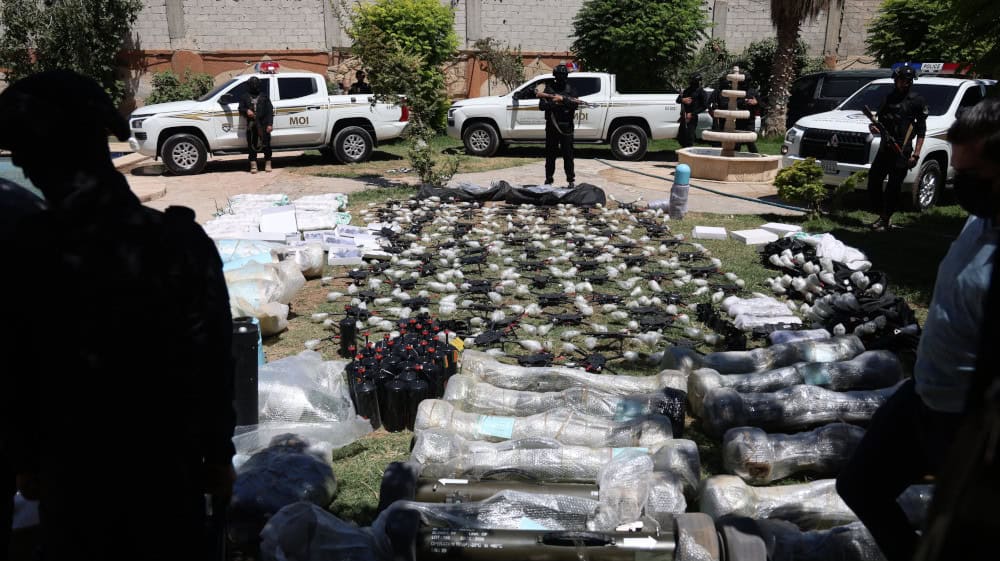
Syria intercepts advanced weapons bound for Hezbollah from Iraq
On July 16, Syrian authorities intercepted a weapons shipment concealed in an Iraqi oil tanker and bound for Hezbollah in Lebanon. The tanker contained a wide range of sophisticated weapons and components, including first-person-view drones, fiber-optic spools, drone warheads, anti-tank missiles, and cruise-missile components.
-
Analysis: The Israel-Lebanon framework agreement explained
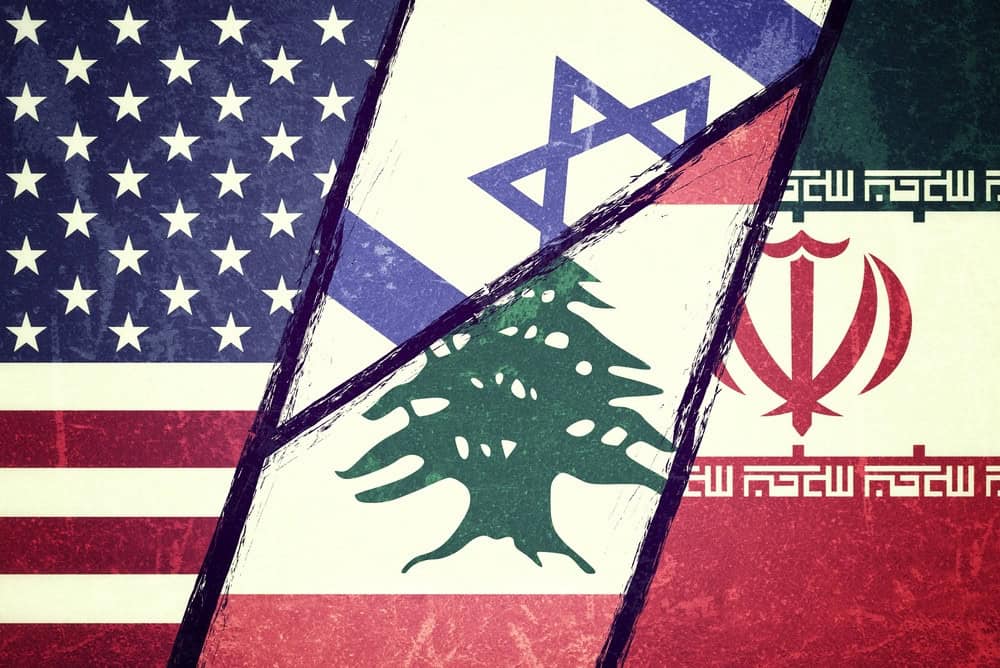
On June 26, Israel and Lebanon signed a framework agreement, mediated by the United States, to permanently end their state of conflict and address its root causes—primarily, Hezbollah’s arms. While the deal is promising on its face, significant parts of it may be difficult or impossible to implement under Lebanon’s current domestic conditions.
-
Generation Jihad | Hezbollah’s moment of truth
A new 14-point trilateral framework toward ending hostilities in Lebanon puts Hezbollah, Iran’s strongest terror proxy, at a crossroads. Disarm and let Lebanon reclaim its southern border—or keep threatening Israel and risk blowing up the fragile US-Iran peace deal. FDD Senior Fellow David Daoud joins Bill Roggio to break down what’s really at stake in these negotiations.
-
Houthis attack Israel and announce ban on Israeli vessels in the Red Sea
The Houthis in Yemen launched two missiles at Israel and declared a blockade of Israeli vessels in the Red Sea on Monday. The Iran-backed terror group conducted this attack during waves of Iran’s own missile attacks against Israel.

-
Israel reportedly targets Imam Hossein Division missile commander in Beirut strike
On May 28, Israel conducted its first strike in weeks targeting Beirut. The Israelis have yet to confirm it, but reporting indicates that the intended target was Ali al Hussaini, a commander in the Islamic Revolutionary Guard Corps-Qods Forces’ Imam Hossein Division. This division, whose origins were in the Syrian Civil War, has been reinforcing Hezbollah throughout the conflict with Israel that began in October 2023.
-
Generation Jihad | POV: FPV (or: “The Anarchist Cookbook of war”)
Hezbollah’s missiles may be depleted, but cheap FPV drones are changing the battlefield — slipping past defenses, targeting Israeli troops, and exposing a dangerous new vulnerability. Bill Roggio and David Daoud unpack Hezbollah’s drone evolution, the psychological warfare behind the footage, and why Israel may be drifting back toward the failed security zone dynamics of the past.
-
Israel assassinates commander of Hezbollah Radwan Force
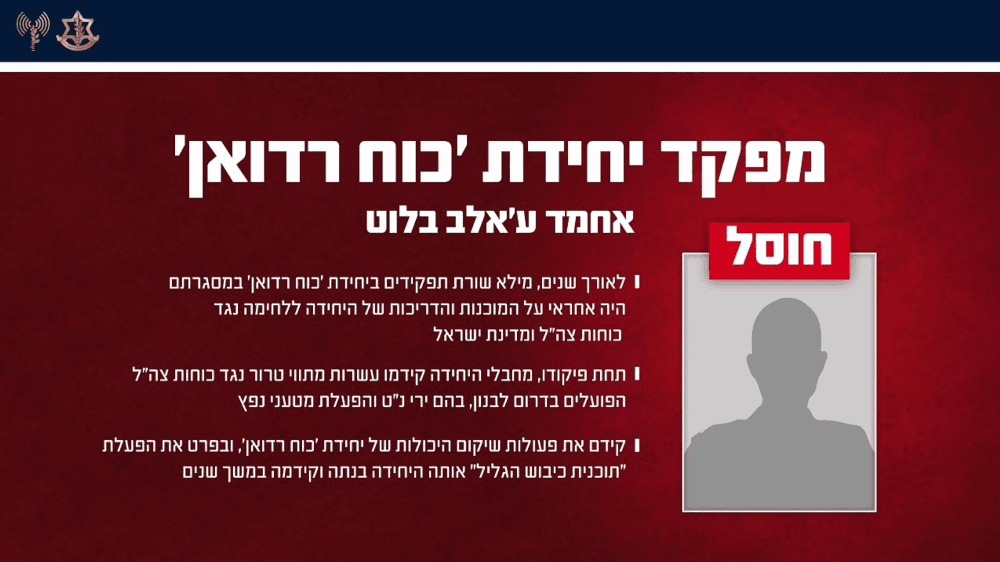
On May 6, Israel conducted its first strike in the greater Beirut metropolitan area since the onset of a ceasefire on April 16. The strike targeted an apartment building in Dahiyeh, and one of the alleged fatalities was Ahmad Ghaleb Ballout, whom Israel claimed was the newest leader of Hezbollah’s Radwan Force commando unit.
-
Israeli forces face challenges as Hezbollah ramps up use of FPV drones
During the renewed conflict with Israel, Hezbollah has increasingly relied on an arsenal of first-person view (FPV) drones that it amassed and developed over the 15 months of the Israel-Lebanon ceasefire. These drones, which are guided by fiber-optic cables instead of radio, are proving effective against Israeli forces because they are hard to intercept and detect, and the IDF was unprepared to deal with this threat.

-
Iraqi fundraising drives linked to militias channel support to Iran and Hezbollah
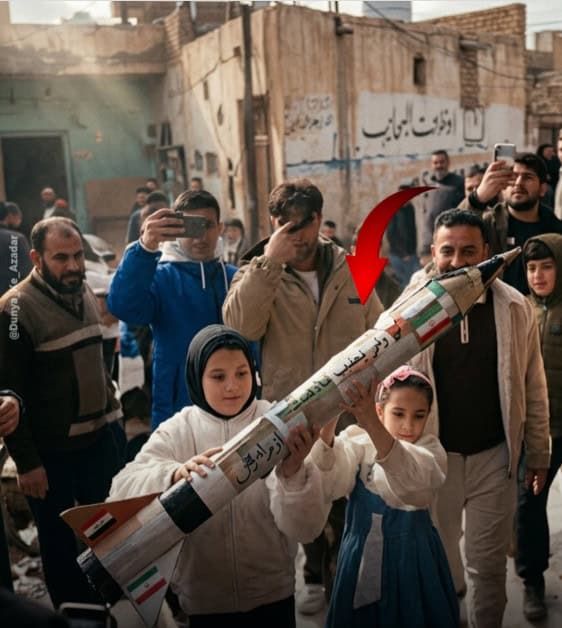
Efforts described by Iran-backed Iraqi militias as humanitarian campaigns increasingly show signs of serving as a parallel financial pipeline that also fuels Iran’s current war effort and regional proxy network. Across Iraq, groups aligned with Tehran are mobilizing donation drives framed as a religious obligation and in wartime solidarity.
-
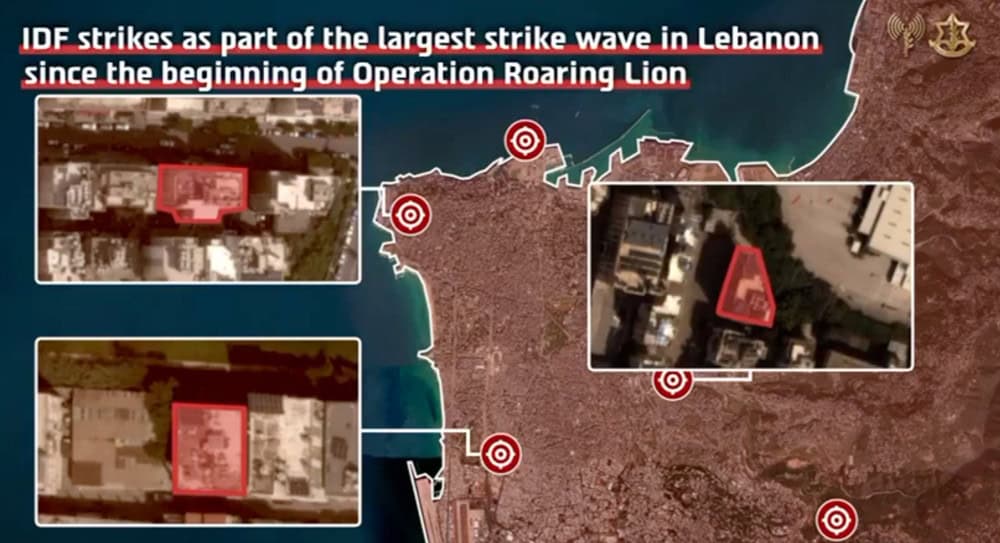
A breakdown of Israel’s heavy bombardment of Beirut on April 8
On April 8, Israel launched its most intense aerial blitz in Lebanon since the war with Hezbollah restarted. The strikes were particularly deadly in Beirut, where the Israeli military struck targets both in the suburb of Dahiyeh and, in a rare occurrence, the heart of the Lebanese capital. Israel alleges that Hezbollah operatives had moved northward out of the group’s Dahiyeh nerve center into the city.
-
Generation Jihad | Ceasefire or Long Game
FDD Senior Fellow David Daoud and Bill Roggio examine the recent and fragile ceasefire in the ongoing Iran war. Will the fighting in southern Lebanon between Israel and Hezbollah break the peace, and has the Iranian resistance movement missed a golden opportunity?
-
Analysis: Israeli goals in Lebanon war shift from imminently disarming Hezbollah to reestablishing South Lebanon Security Zone
The renewed conflict in Lebanon has settled into a static pattern, despite remaining intense. Israel has narrowed its immediate war aims, while Lebanon remains unable to restrain Hezbollah, which remains defiant. This dynamic of impasse has led the international community to effectively tolerate the situation in Lebanon.
-
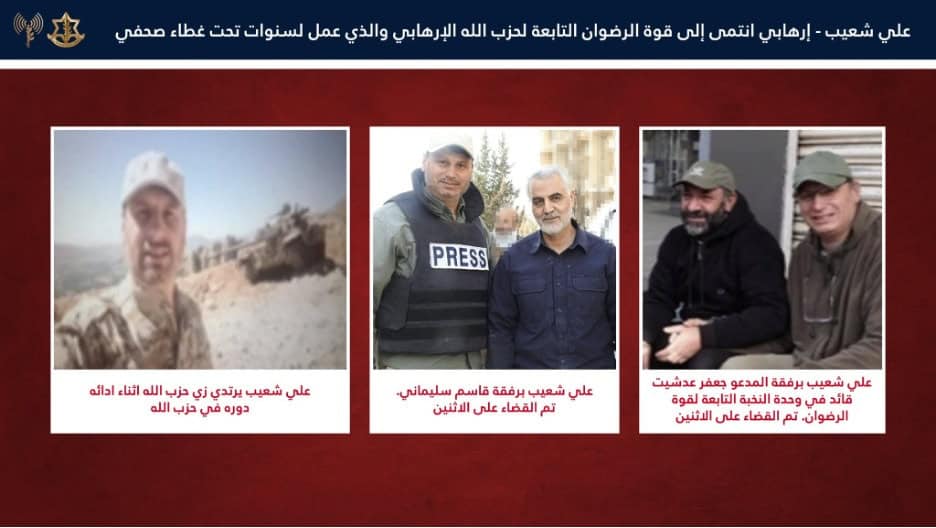
Israel kills Al Manar employee Ali Shuaib, says he was a Hezbollah military operative
Israel targeted and killed Ali Shuaib, an employee of the Hezbollah TV station Al Manar, and two others who worked for the pro-Hezbollah Al Mayadeen channel. The Israel Defense Forces claimed Shuaib was a Hezbollah Radwan Force operative using his journalistic credentials to monitor Israeli troop movements.
-
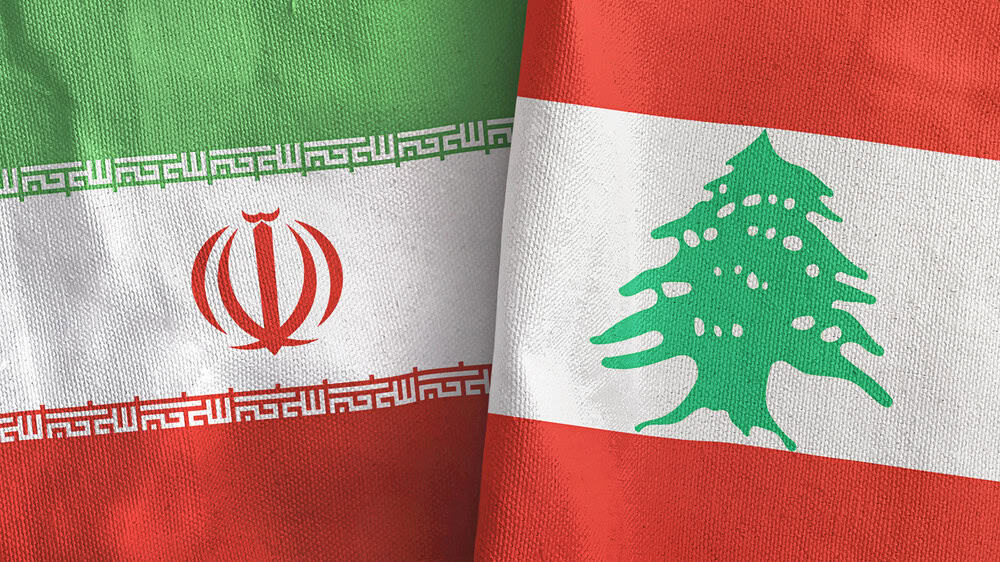
Lebanon declares Iranian ambassador-designate ‘persona non grata’ before Iranian missile explodes over Lebanese airspace
An Iranian ballistic missile exploded in Lebanese airspace shortly after Lebanese Foreign Minister Youssef Raggi declared Tehran’s ambassador-designate in the country “persona non grata.” Official silence, coupled with Lebanese reporting that the missile was targeting an American asset in Lebanon, led to speculation that Iran considered Raggi’s move significant and was retaliating for it. However, subsequent reporting and a Lebanese Armed Forces investigation revealed that the missile’s target was outside Lebanon.
-
Analysis: West Bloomfield terror attack highlights Hezbollah connections within Shiite Lebanese community in US
Last week, Ayman Mohamad Ghazali, a Lebanese-US dual national, rammed his car into the entrance of Temple Israel, a synagogue in West Bloomfield, Indiana. Ghazali had familial connections to Hezbollah, and evidence shows multiple connections to the US-designated terrorist group among Shiite Lebanese expatriates, including open support for Hezbollah by some individuals within these communities.