
-
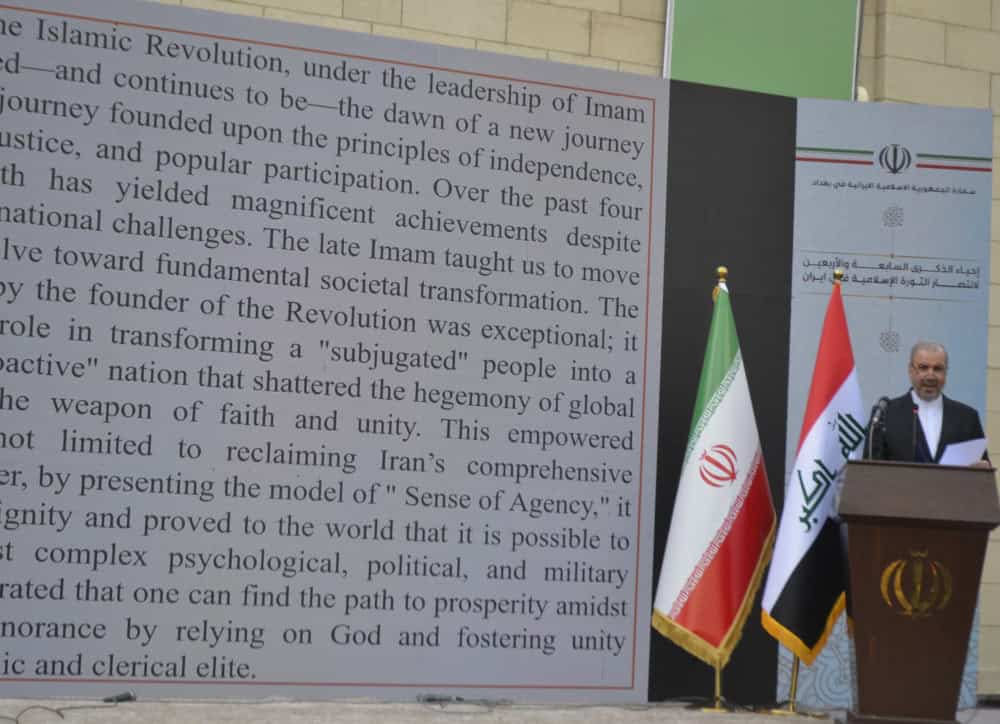
Iran says it has agreement with Iraq to expel Kurdish Iranian opposition groups
Iran’s ambassador to Iraq claimed on October 20 that Iraq has agreed to expel Iranian Kurdish opposition groups based in the Kurdistan Region. The announcement came amid increased Iranian attacks on these groups and as the Kurdistan Workers’ Party withdraws from positions in northern Iraq as part of a peace process with Turkey. An Iraqi source disputes Tehran’s claim that an expulsion agreement has been reached.
-
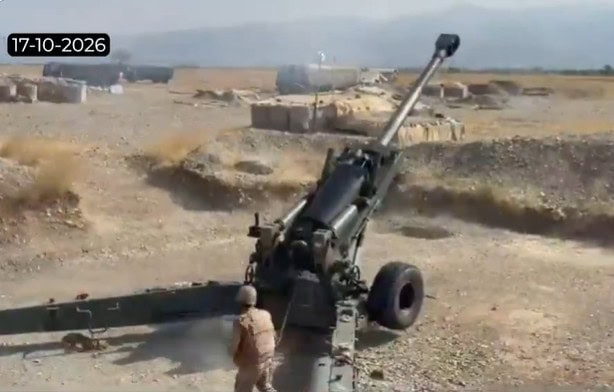
Pakistan-Taliban border clashes continue amid diplomatic efforts
Pakistani forces and the Taliban exchanged heavy fire along the border as Russia, the European, and China pressed for dialogue and action against terrorist groups operating from Afghanistan.
-
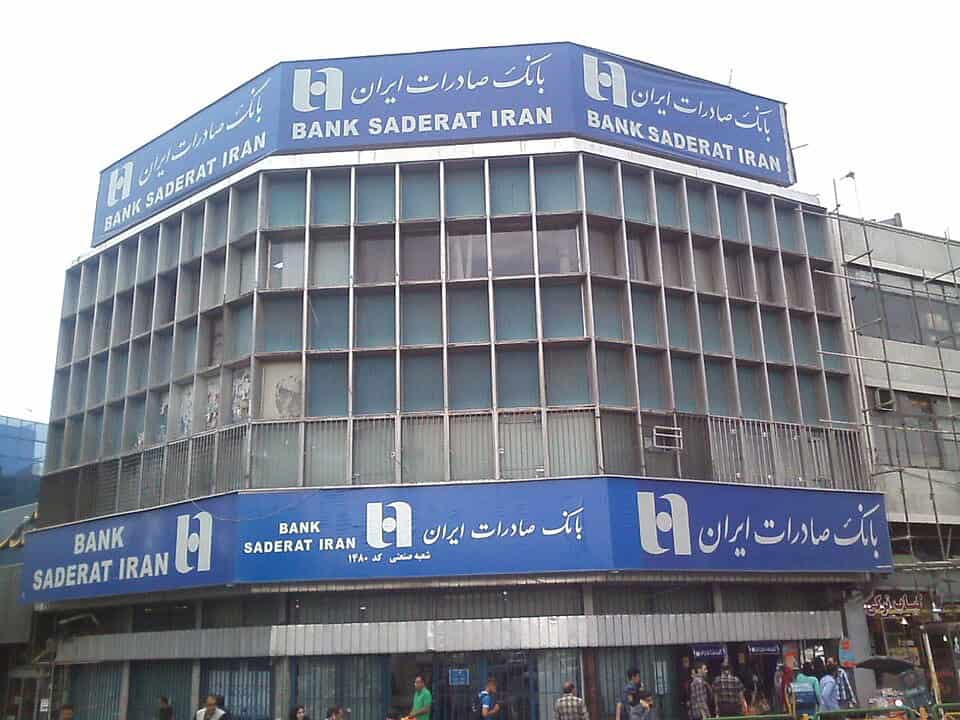
Lebanon revokes Iranian bank’s license amid US pressure over Hezbollah financing
Lebanon has revoked Bank Saderat Iran’s operating license amid US pressure to disrupt Hezbollah’s financial networks. The bank has a documented history of channeling Iranian funds to Hezbollah, but whether Lebanese authorities have closed its branches or initiated liquidation proceedings remains unclear.
-

Hezbollah accuses Lebanese police of violating security coordination procedure after supporters reportedly obstruct raid
Armed men identifying themselves as Hezbollah supporters reportedly surrounded Lebanese security personnel conducting an October 16 raid on a pharmaceutical warehouse near Beirut’s southern suburbs. Hezbollah subsequently claimed the officers had violated an agreed security coordination procedure with the group.
-

Profile: Hezbollah’s new liaison to the Lebanese state and society
Hussain al Abdallah, the new chief of Hezbollah’s Liaison and Coordination Unit who succeeded Wafiq Safa, reportedly sought the return of explosives seized by Lebanese security forces in early October. Abdallah’s career spans more than two decades in Hezbollah’s southern security apparatus.
-
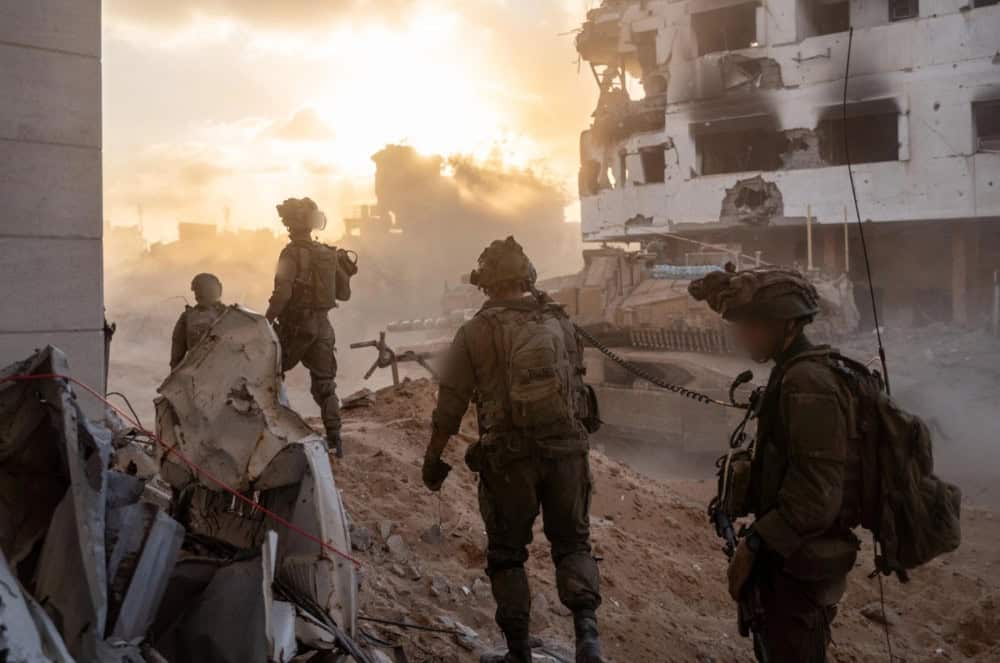
Israel reportedly blocks Board of Peace base in Gaza, IDF reports 31 ceasefire violations October 1–15
Efforts to implement the US-backed Board of Peace’s plans for Gaza remain stalled on the ground, with a first military facility still unbuilt, but preparations for Hamas’s disarmament and international reconstruction cooperation are moving forward. Meanwhile, Hamas maintains its grip on Gaza’s civilian administration and commercial activity, despite its July declaration that it was relinquishing…
-

Iraqi commander killed by Islamic State following Iraqi airstrikes against the group
An Iraqi brigadier general and two other military personnel were killed by an explosive device linked to the Islamic State near Kirkuk on October 14, a day after Iraqi F-16s carried out airstrikes against Islamic State positions in the area. The incident underscores the continued threat posed by the remnants of the jihadist group in…
-
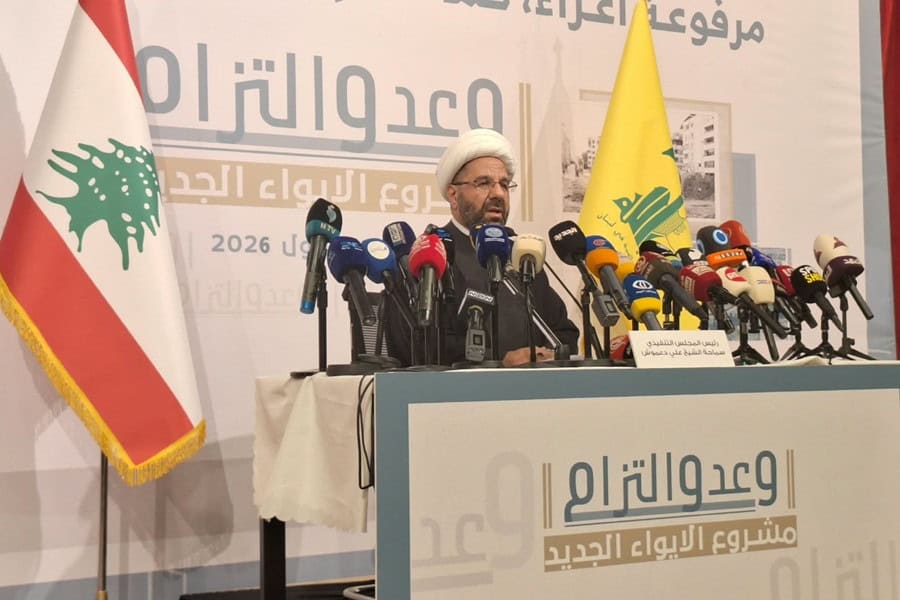
Hezbollah announces ‘Promise and Commitment’ housing and reconstruction program
Hezbollah announced a new housing-assistance program for Lebanese families displaced by the wars with Israel, even as earlier compensation payments remain outstanding and questions persist over the group’s financing. Separately, Lebanese Prime Minister Nawaf Salam met with Hezbollah and Amal lawmakers to discuss government-funded reconstruction projects in southern Lebanon and Beirut’s southern suburbs.
-

Shipshow: The world’s waterways are at war
The world’s most critical shipping lanes are becoming battlegrounds as Iran targets commercial vessels in the Strait of Hormuz, the Houthis threaten shipping through the Bab al Mandab, and Russia and Ukraine wage an escalating maritime war in the Black Sea. Bill Roggio is joined by Dr. Sal Mercogliano to discuss how these conflicts are…
-
Lebanese security forces seize explosives shipment reportedly bound for Hezbollah in Beirut
Lebanese security forces intercepted a shipment containing nearly 800 kilograms of explosives reportedly destined for Hezbollah in Beirut. Authorities arrested two men and are investigating the shipment’s origins and intended use. Hezbollah has reportedly demanded the explosives’ return, testing the government’s prohibition on the group’s military activities.
-
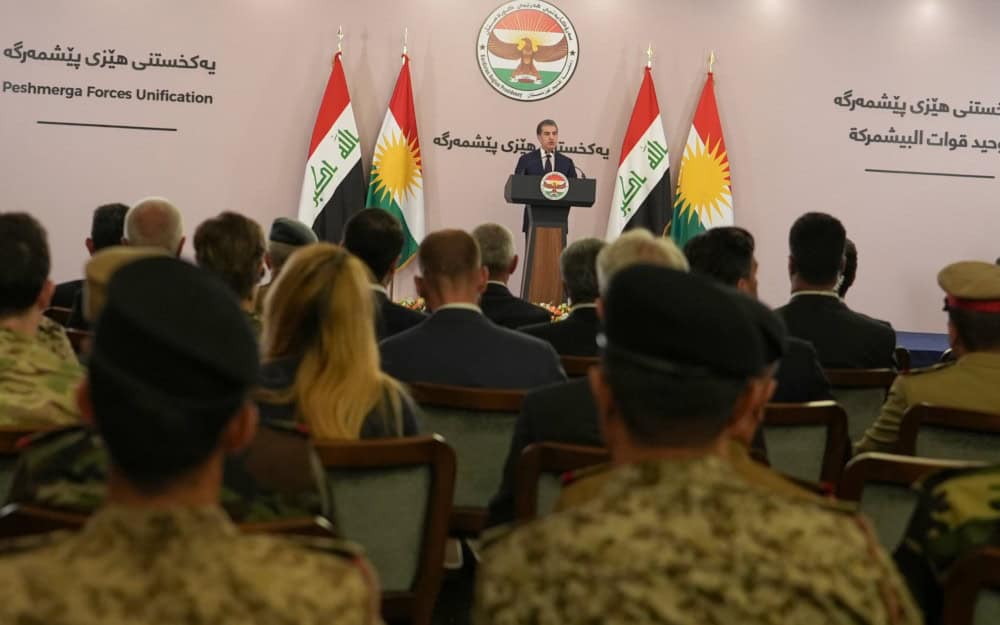
Iran targets Kurdish opposition groups in Iraq with new round of drone attacks
Iran launched a new round of drone attacks against Iranian Kurdish opposition groups in northern Iraq, including a strike on a Democratic Party of Iranian Kurdistan camp near Koya on October 12. As Iranian pressure mounts and concerns grow following the US military’s withdrawal from Iraq, Kurdish opposition groups have pledged not to use Iraqi…
All Articles
-
Suspect in deadly Berlin Pride attack pledged allegiance to Islamic State, prosecutors say
A 21-year-old German who had reportedly previously attempted to join the Islamic State allegedly carried out the deadly vehicle-ramming attack at Berlin’s Pride festival, killing one person and injuring 29 others.

-
Generation Jihad | Seeking forgiveness from the Taliban
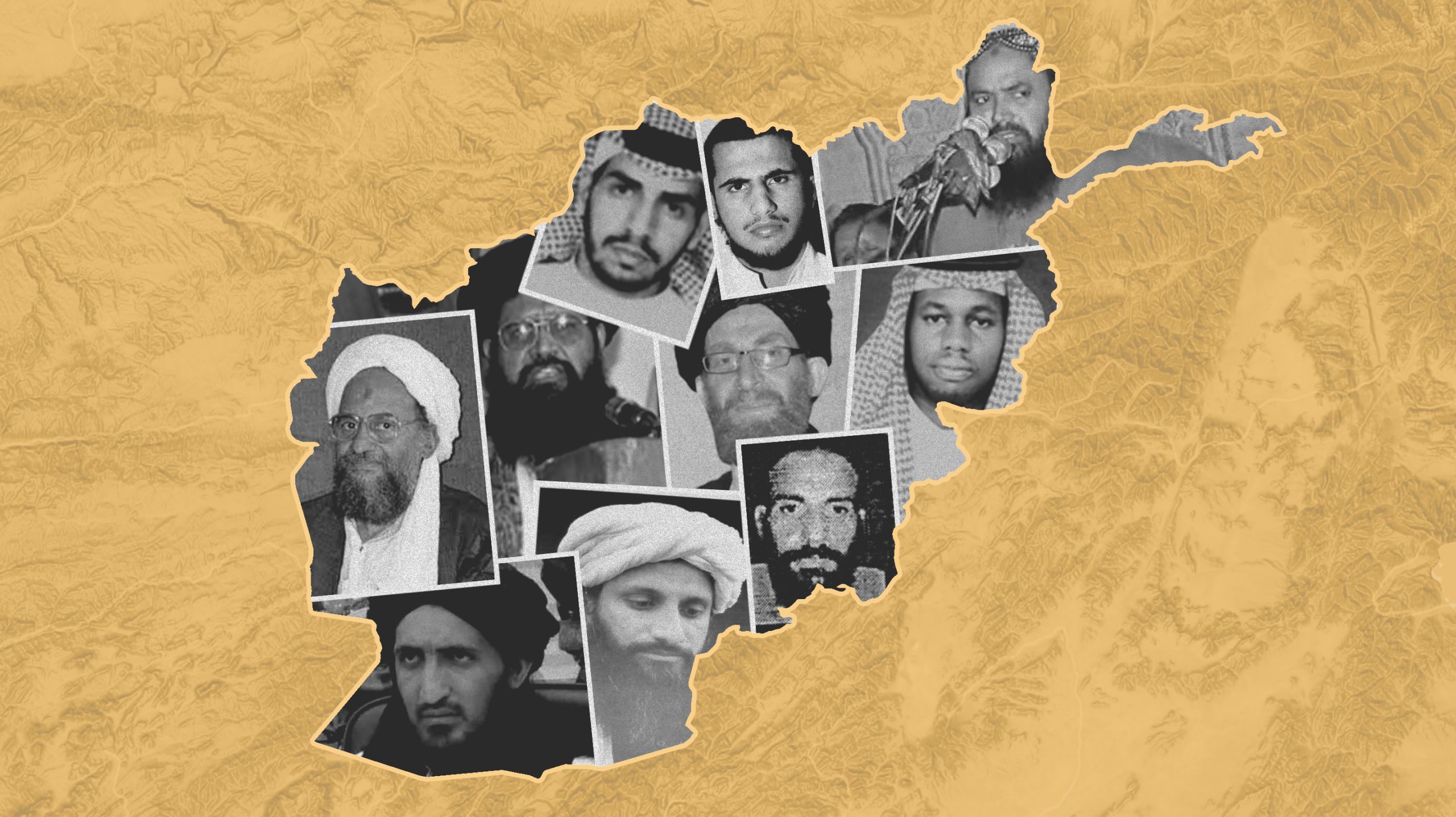
Former Marine and New York Times journalist Thomas Gibbons-Neff recently returned to Afghanistan to find accountability and closure, specifically seeking out a Taliban commander he had battled in 2010. Bill Roggio and Will Selber break down the merits of Gibbons-Neff’s recent tour in country and whether this type of article will skew a full understanding of the Afghan War as the 25th anniversary of 9/11 nears.
-
US, Saudi Arabia strike Iranian-backed militias in Iraq after militia attacks
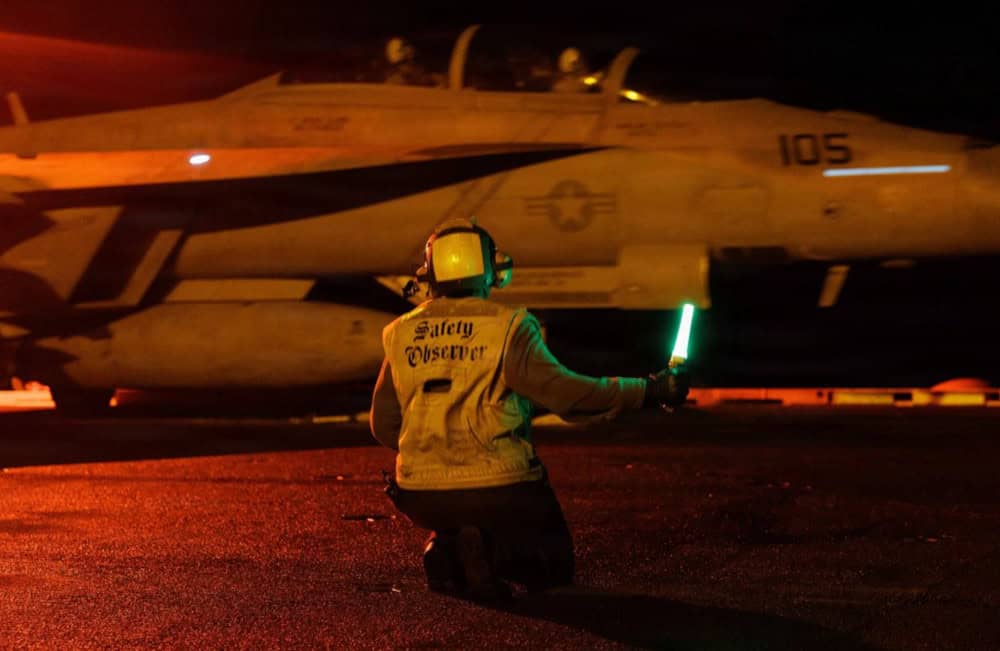
Iranian-backed militias in Iraq escalated attacks on Saudi Arabia and the Kurdistan Region in late July, prompting US and Saudi airstrikes against militia logistics and weapons sites across Iraq. The escalation comes as Washington pressures Iraqi Prime Minister Ali al Zaidi to disarm Iran-aligned militias and bring their weapons under state control.
-
Israel approves entry of International Stabilization Force into Gaza
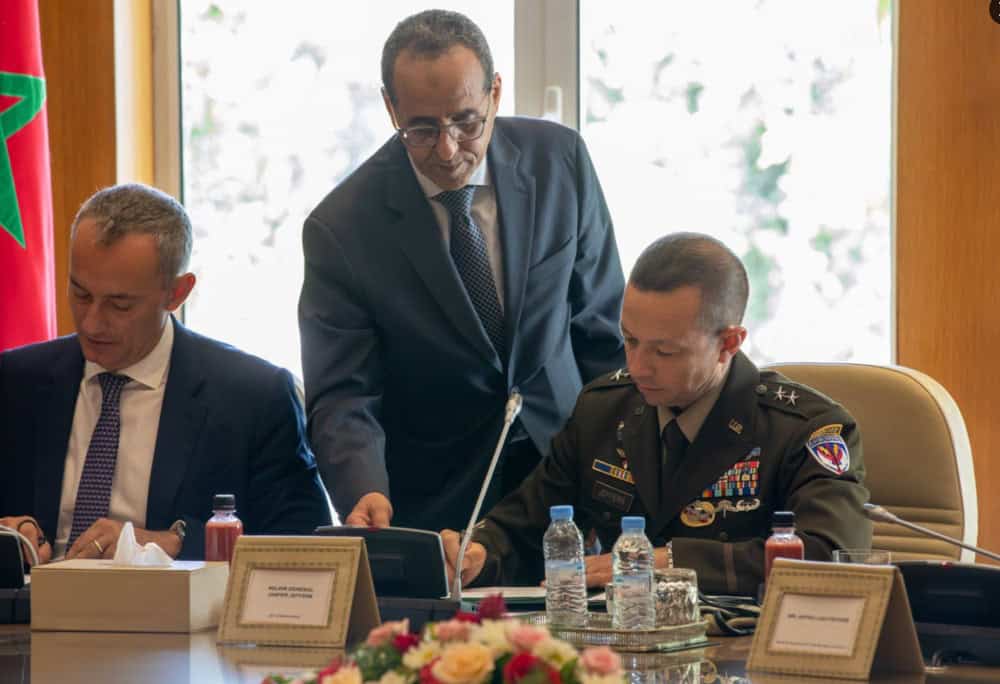
Israel has approved the future deployment of the International Stabilization Force (ISF) in Gaza, a significant step in implementing the US-backed peace plan. The planned multinational force is expected to support humanitarian efforts, stabilization, and a transition toward new Palestinian governance as Israel continues operations against terrorist groups in Gaza.
-
Russia continues to aid Iran in war with US, Ukraine says
Russia continues to provide intelligence to help Iran strike American forces, Kyiv alleged over the weekend. Ukraine is also attempting to interdict the transportation of military goods between the two authoritarian powers.

-
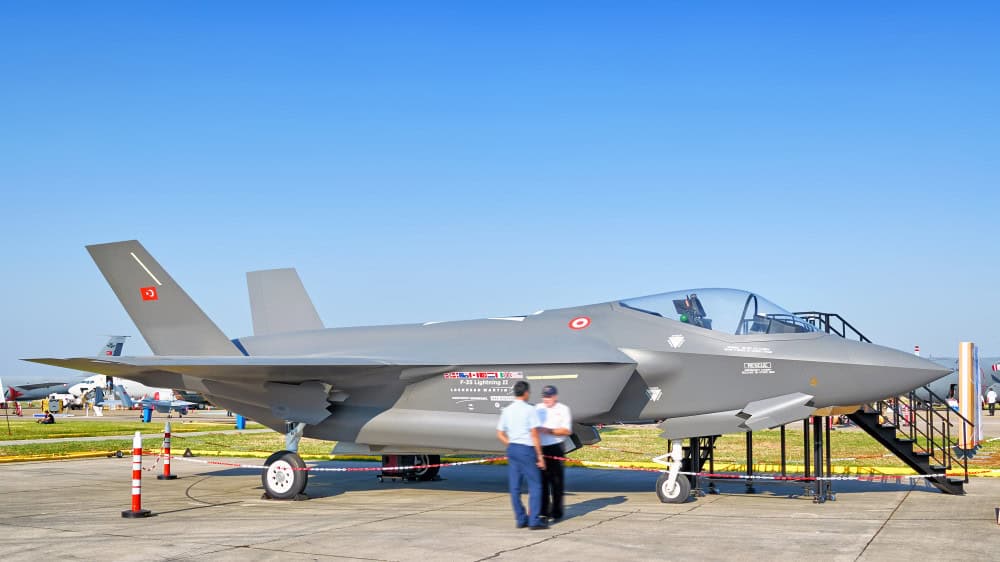
Analysis: US Treasury sanctions Turkish Hamas financiers as Erdogan presses for F-35s
On July 23, the US Treasury Department’s Office of Foreign Assets Control (OFAC) designated a Turkey-based Hamas money exchange and a senior Muslim Brotherhood official, the third round of sanctions against Hamas’s Turkish financial network in less than two years. US lawmakers have introduced measures that would condition future F-35 sales to Turkey on certification that Turkey has severed its ties to Hamas.
-
Generation Jihad | What is Iran’s breaking point? Part 2
In part two of their conversation, Generation Jihad’s Bill Roggio, FDD CMPP Senior Director Bradley Bowman, and FDD Senior Analyst Cameron McMillan ask a tough question following months of kinetic warfare with Iran: What’s the Pentagon’s readiness for the next battle?
-
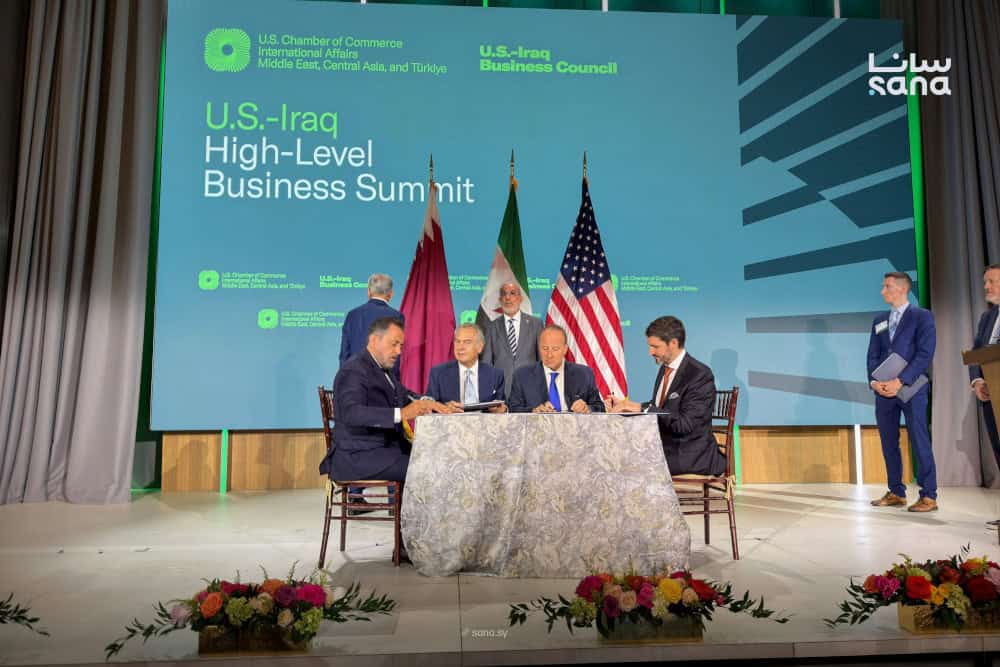
Syria focuses on energy deals, works to revive infrastructure and institutions
Syria is expanding energy and infrastructure cooperation as it seeks economic recovery and greater regional relevance. Damascus is also rebuilding state institutions, including graduating 1,000 new air force cadets.
-
Analysis: Ukraine’s defense leadership crisis becomes blessing in disguise
President Volodymyr Zelenskyy’s short-sighted decision to fire his popular defense minister may ultimately redound to Ukraine’s benefit, as the firestorm it unleashed has forced Zelenskyy to install a widely respected, new-school officer as Ukraine’s top general.

-
Generation Jihad | What is Iran’s breaking point?
The US says it’s degrading Iran’s threat, but as the renewed air campaign approaches the two-week mark, the math still doesn’t check out. In Part 1 of this conversation, Generation Jihad’s Bill Roggio joins FDD CMPP Senior Director Bradley Bowman and Senior Analyst Cameron McMillan to discuss the real gap between degrading Iran’s missile, drone, and naval capabilities and actually eliminating them, and why murky end goals could lead to a long-term, inconclusive standoff.
-
Houthis announce blockade of Saudi Arabia, ships reroute to avoid Bab al Mandeb Strait
The Houthis declared a complete maritime blockade of Saudi Arabia, claiming it is in response to blockades imposed by the Saudi-led coalition that supports Yemen’s internationally recognized government. Saudi Arabia denounced the blockade and said it will protect its ships, but multiple commercial vessels have rerouted to avoid the Bab al Mandeb Strait.

-
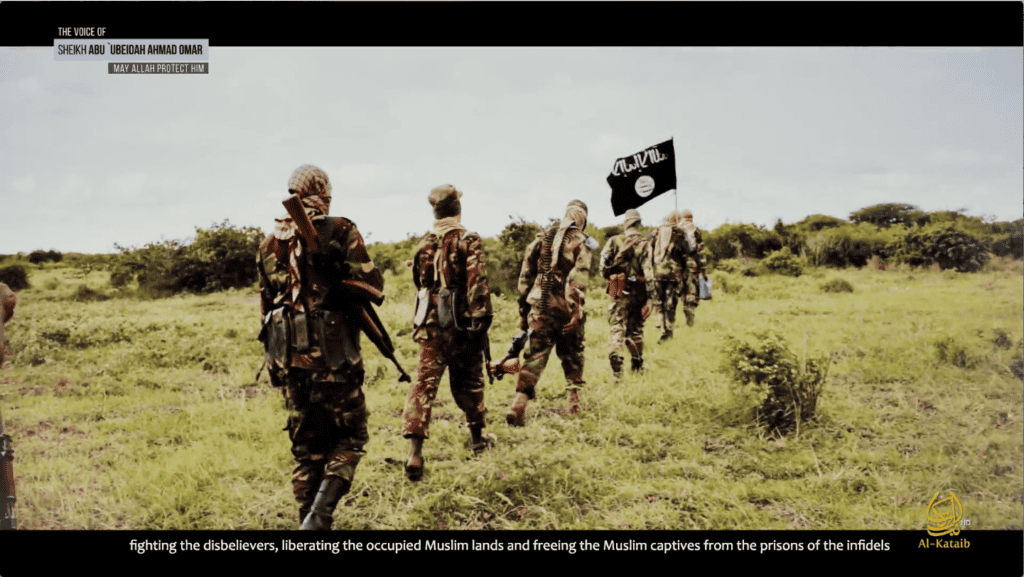
Somalia claims it killed senior Shabaab leader
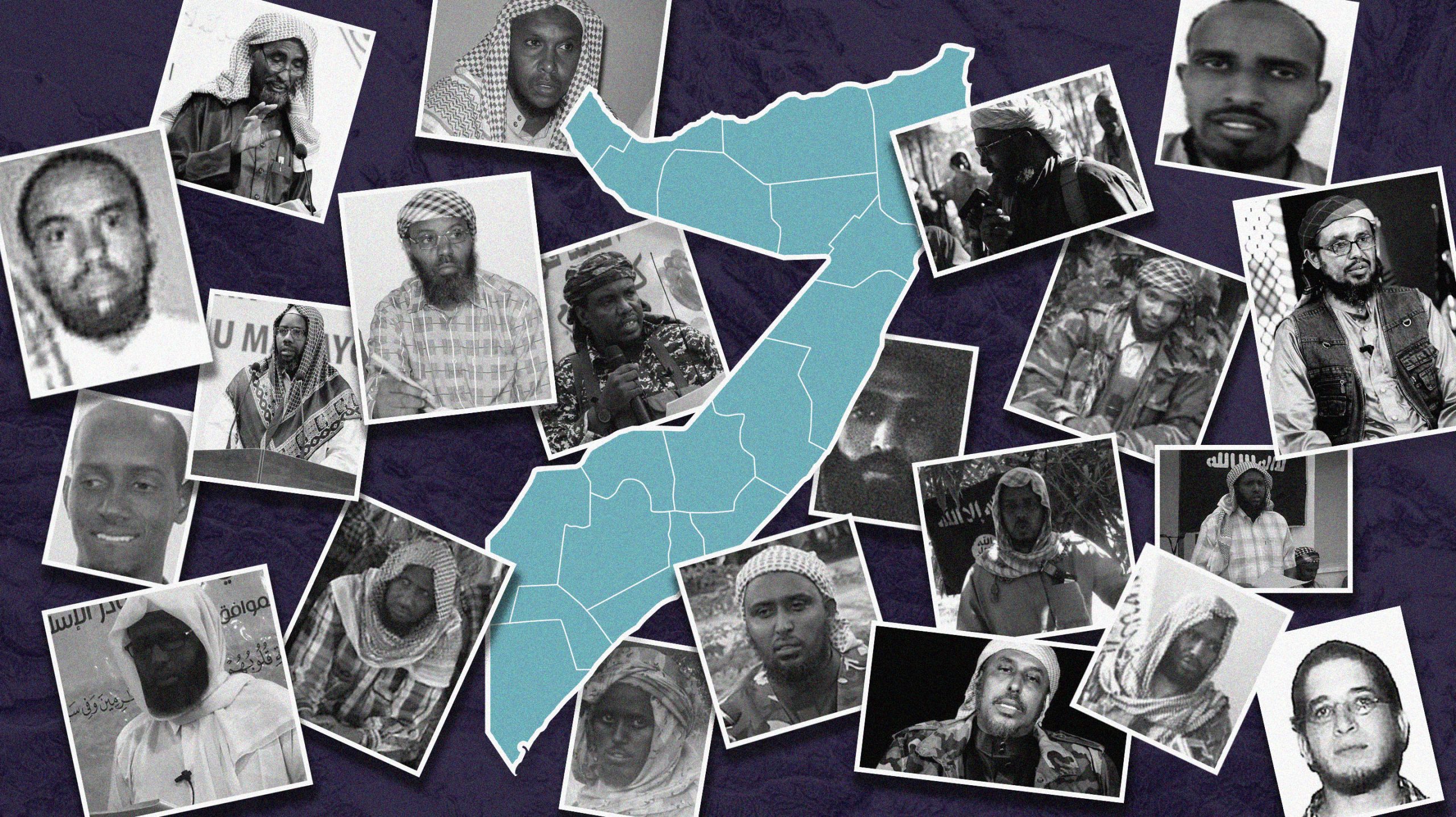
Somalia said that it and “international partners” killed Maalin Jinow Ibrahim, a reported co-founder of Shabaab and a member of its central shura council, in a targeted operation earlier this month. However, Al Qaeda’s branch for East Africa has yet to confirm his death.
-
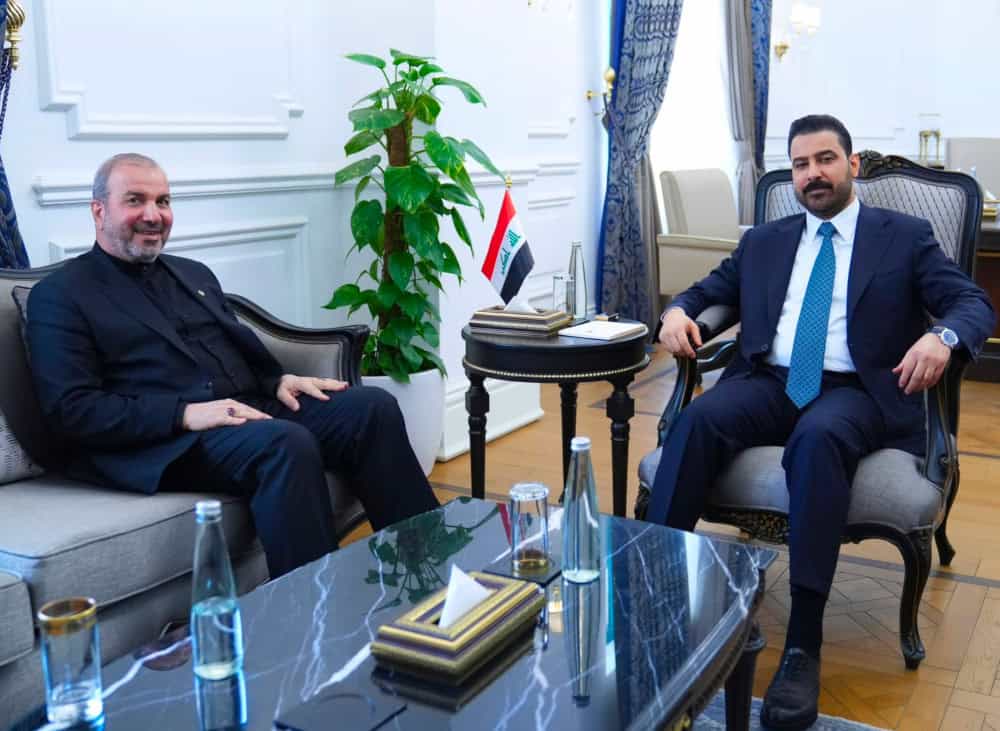
Iran renews attacks on Kurdish Iranian opposition groups in Iraq
Iran has intensified drone and missile attacks on Kurdish Iranian opposition groups and energy infrastructure in the Kurdistan Region of northern Iraq amid renewed tensions with the United States. Meanwhile, Iraqi Prime Minister Ali al Zaidi is seeking to balance relations with Washington and Tehran after his visit to Washington.
-
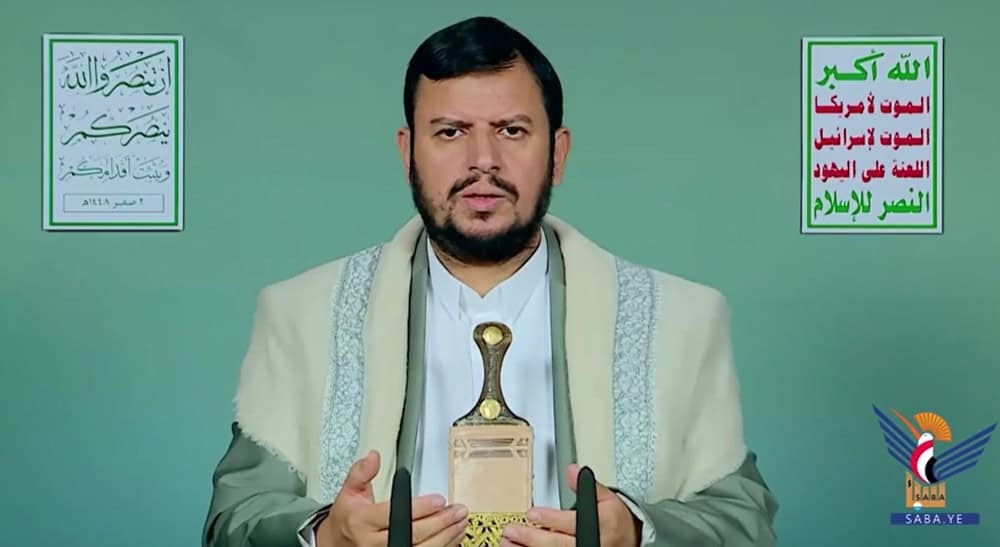
Iran reportedly tells Houthis to close Bab al Mandeb Strait if US strikes power grid
Reuters reported that Iran’s leaders instructed the Houthis in Yemen to close Bab al Mandeb Strait, the maritime chokepoint at the southern end of the Red Sea, if the United States strikes Iran’s power infrastructure. The Houthis are also focused on an escalatory cycle with Saudi Arabia that began after Iran and the Houthis attempted to re-establish direct flights in early July.
-
Deadly earthquakes overwhelm Venezuela’s emergency response, stall political transition
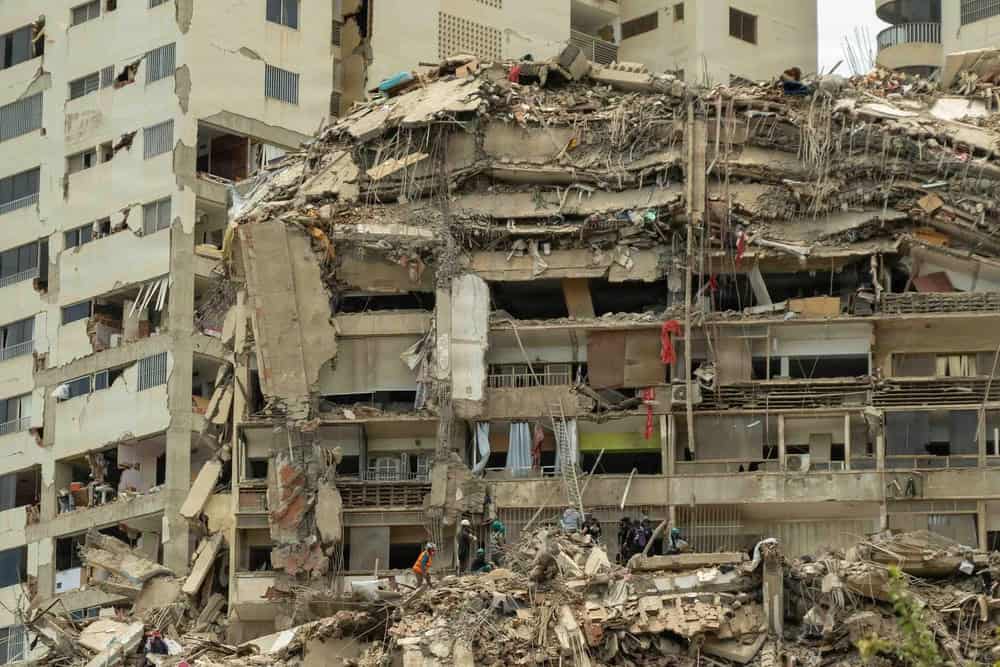
Two earthquakes that hit north-central Venezuela on June 24 have killed at least 4,829 people, injured 16,740, and displaced approximately 18,000, according to government figures. The disaster has overwhelmed Venezuela’s emergency services and slowed political developments that had gained momentum following the American capture of former President Nicolás Maduro in January.
-
Russia’s ‘Banderol’ low-cost cruise missile officially breaks cover
Moscow has now officially acknowledged the existence of its new Banderol low-cost cruise missile, which has seen growing action in Ukraine in recent months.

-
Iraq sanctions individuals and entities tied to Lebanese Hezbollah
Iraq’s Ministry of Finance issued an order imposing sanctions on Hezbollah-linked individuals and entities that mirrors US designations from March and June. Iraqi Prime Minister Ali al Zaidi is currently visiting the United States, where he hopes to garner support for an expanded economic partnership and prove his government’s commitment to countering Iranian influence.

-
Iraqi Prime Minister Zaidi meets President Trump, Secretary Hegseth in Washington
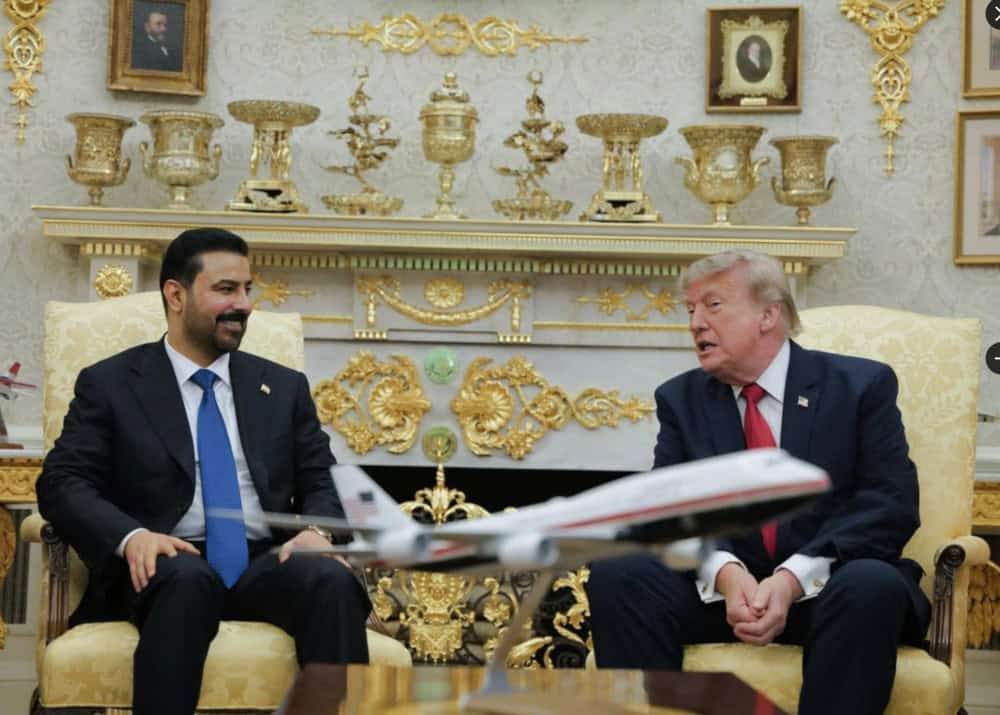
Iraqi Prime Minister Ali al Zaidi met US President Donald Trump and other US officials during his first official visit to Washington since taking office. The talks focused on security cooperation, investment, and Iraq’s plans to bring weapons held by Iranian-backed militias under state control. While Trump praised Zaidi’s leadership, the visit also drew criticism from pro-Iranian factions in Iraq and skepticism from some US lawmakers.
-
Syria intercepts advanced weapons bound for Hezbollah from Iraq
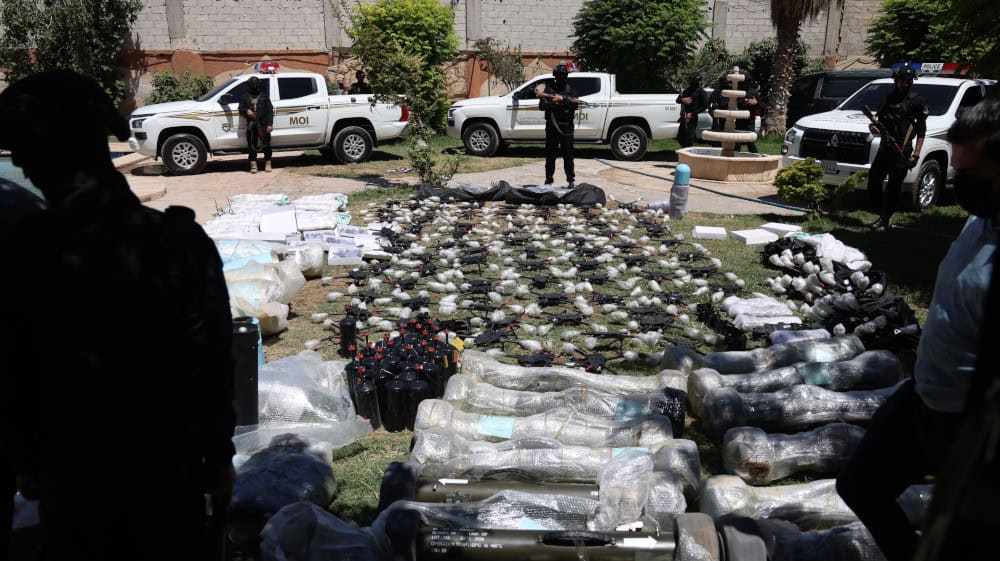
On July 16, Syrian authorities intercepted a weapons shipment concealed in an Iraqi oil tanker and bound for Hezbollah in Lebanon. The tanker contained a wide range of sophisticated weapons and components, including first-person-view drones, fiber-optic spools, drone warheads, anti-tank missiles, and cruise-missile components.
-
Generation Jihad | The blockade’s back: US-Iran MOU unravels
The Iran ceasefire is dead. FDD Research Analyst Janatan Sayeh and Bill Roggio discuss whether Europe may finally be turning on Tehran, whether Israel will rejoin the active fight, and whether the weakened Islamic Regime survives by unleashing its terror proxies across the Gulf.
