
-
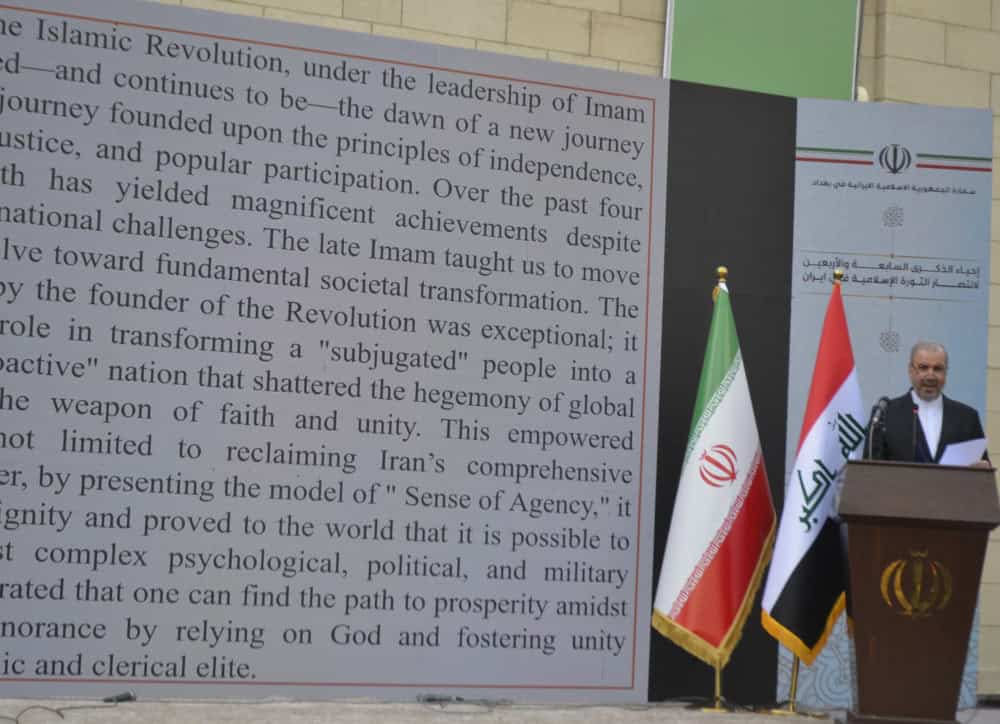
Iran says it has agreement with Iraq to expel Kurdish Iranian opposition groups
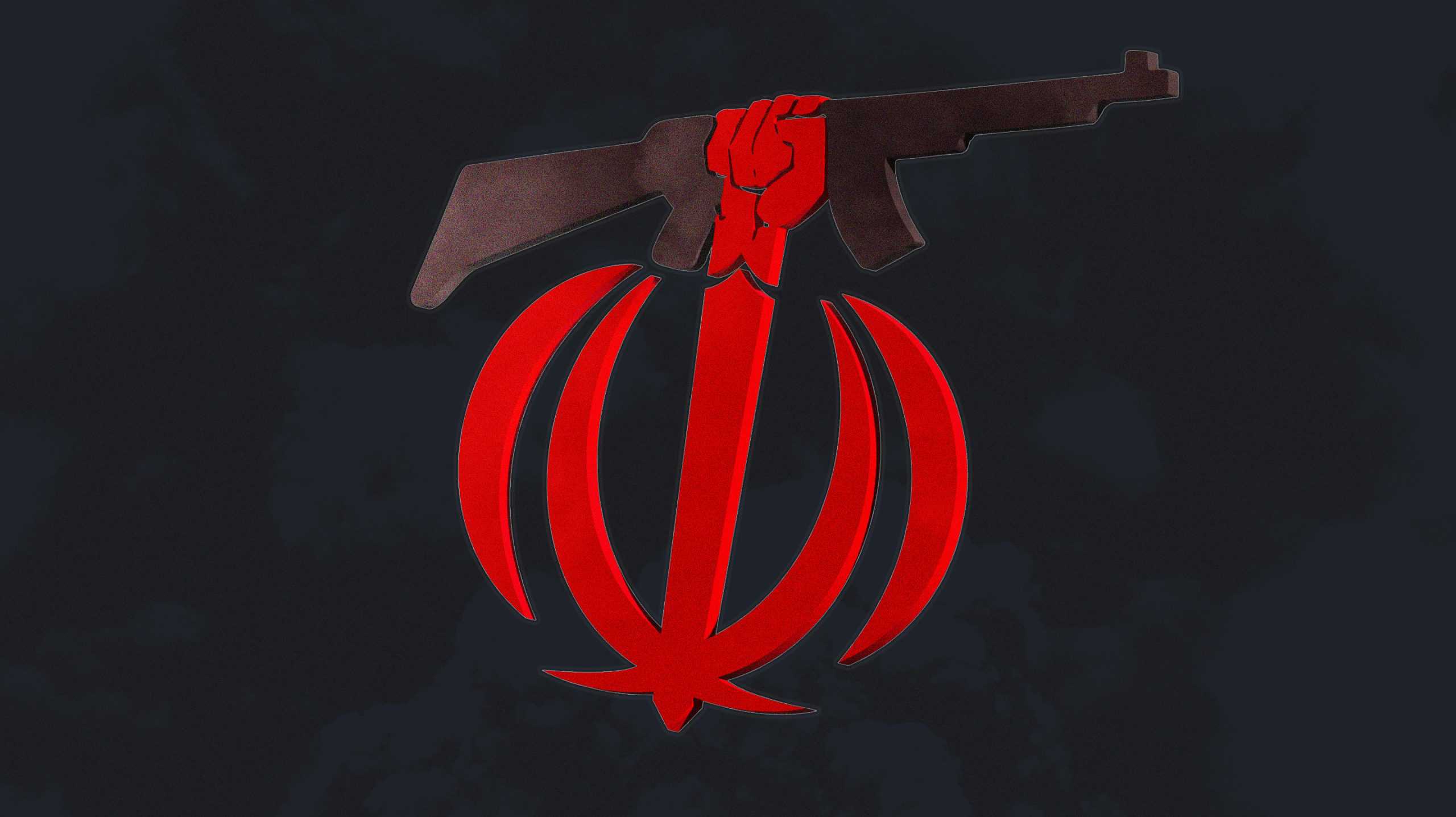
Iran’s ambassador to Iraq claimed on October 20 that Iraq has agreed to expel Iranian Kurdish opposition groups based in the Kurdistan Region. The announcement came amid increased Iranian attacks on these groups and as the Kurdistan Workers’ Party withdraws from positions in northern Iraq as part of a peace process with Turkey. An Iraqi source disputes Tehran’s claim that an expulsion agreement has been reached.
-
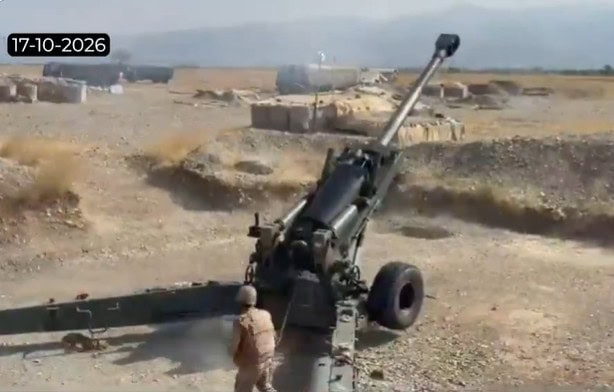
Pakistan-Taliban border clashes continue amid diplomatic efforts
Pakistani forces and the Taliban exchanged heavy fire along the border as Russia, the European, and China pressed for dialogue and action against terrorist groups operating from Afghanistan.
-
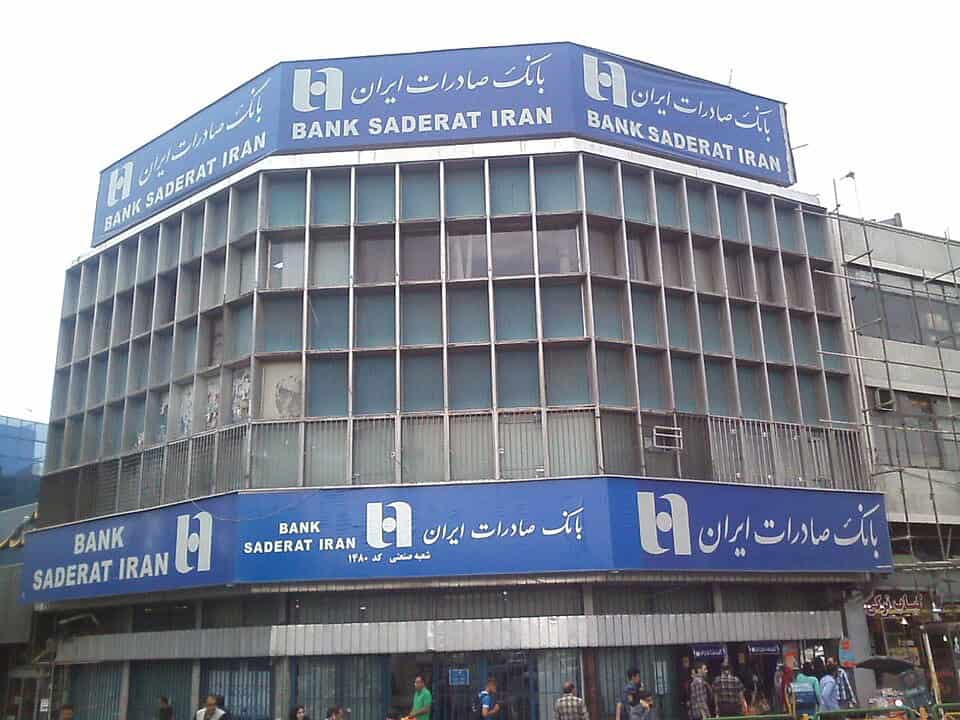
Lebanon revokes Iranian bank’s license amid US pressure over Hezbollah financing
Lebanon has revoked Bank Saderat Iran’s operating license amid US pressure to disrupt Hezbollah’s financial networks. The bank has a documented history of channeling Iranian funds to Hezbollah, but whether Lebanese authorities have closed its branches or initiated liquidation proceedings remains unclear.
-

Hezbollah accuses Lebanese police of violating security coordination procedure after supporters reportedly obstruct raid
Armed men identifying themselves as Hezbollah supporters reportedly surrounded Lebanese security personnel conducting an October 16 raid on a pharmaceutical warehouse near Beirut’s southern suburbs. Hezbollah subsequently claimed the officers had violated an agreed security coordination procedure with the group.
-

Profile: Hezbollah’s new liaison to the Lebanese state and society
Hussain al Abdallah, the new chief of Hezbollah’s Liaison and Coordination Unit who succeeded Wafiq Safa, reportedly sought the return of explosives seized by Lebanese security forces in early October. Abdallah’s career spans more than two decades in Hezbollah’s southern security apparatus.
-
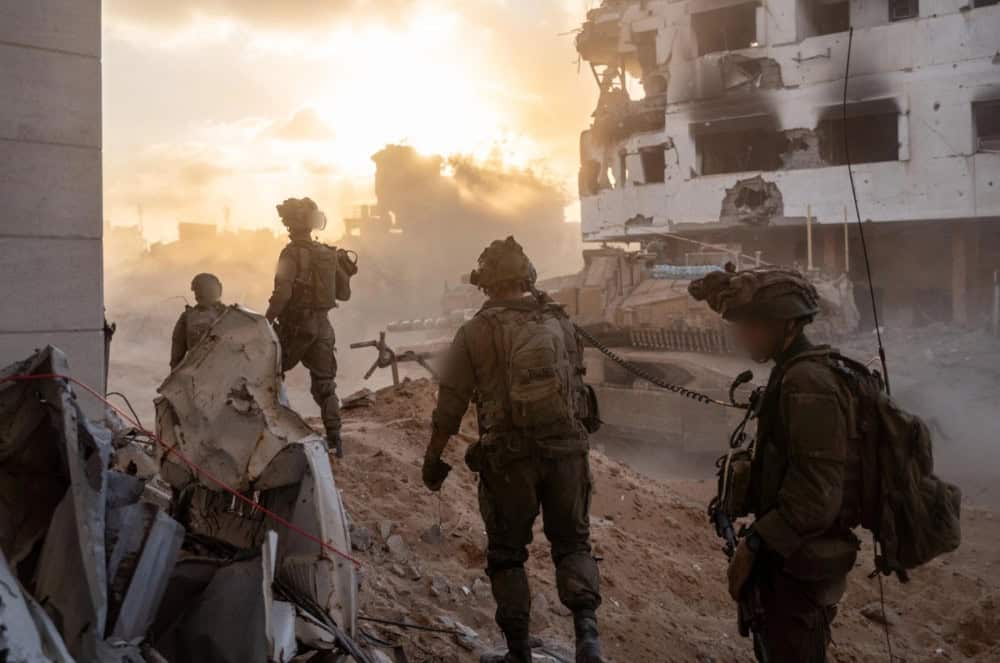
Israel reportedly blocks Board of Peace base in Gaza, IDF reports 31 ceasefire violations October 1–15
Efforts to implement the US-backed Board of Peace’s plans for Gaza remain stalled on the ground, with a first military facility still unbuilt, but preparations for Hamas’s disarmament and international reconstruction cooperation are moving forward. Meanwhile, Hamas maintains its grip on Gaza’s civilian administration and commercial activity, despite its July declaration that it was relinquishing…
-
Iraqi commander killed by Islamic State following Iraqi airstrikes against the group
An Iraqi brigadier general and two other military personnel were killed by an explosive device linked to the Islamic State near Kirkuk on October 14, a day after Iraqi F-16s carried out airstrikes against Islamic State positions in the area. The incident underscores the continued threat posed by the remnants of the jihadist group in…
-
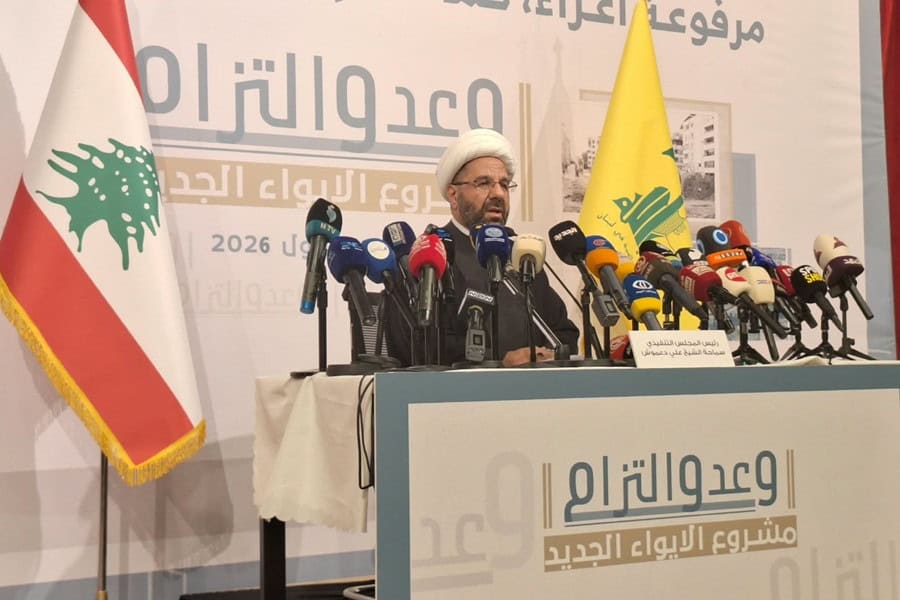
Hezbollah announces ‘Promise and Commitment’ housing and reconstruction program
Hezbollah announced a new housing-assistance program for Lebanese families displaced by the wars with Israel, even as earlier compensation payments remain outstanding and questions persist over the group’s financing. Separately, Lebanese Prime Minister Nawaf Salam met with Hezbollah and Amal lawmakers to discuss government-funded reconstruction projects in southern Lebanon and Beirut’s southern suburbs.
-

Shipshow: The world’s waterways are at war
The world’s most critical shipping lanes are becoming battlegrounds as Iran targets commercial vessels in the Strait of Hormuz, the Houthis threaten shipping through the Bab al Mandab, and Russia and Ukraine wage an escalating maritime war in the Black Sea. Bill Roggio is joined by Dr. Sal Mercogliano to discuss how these conflicts are…
-
Lebanese security forces seize explosives shipment reportedly bound for Hezbollah in Beirut
Lebanese security forces intercepted a shipment containing nearly 800 kilograms of explosives reportedly destined for Hezbollah in Beirut. Authorities arrested two men and are investigating the shipment’s origins and intended use. Hezbollah has reportedly demanded the explosives’ return, testing the government’s prohibition on the group’s military activities.
-
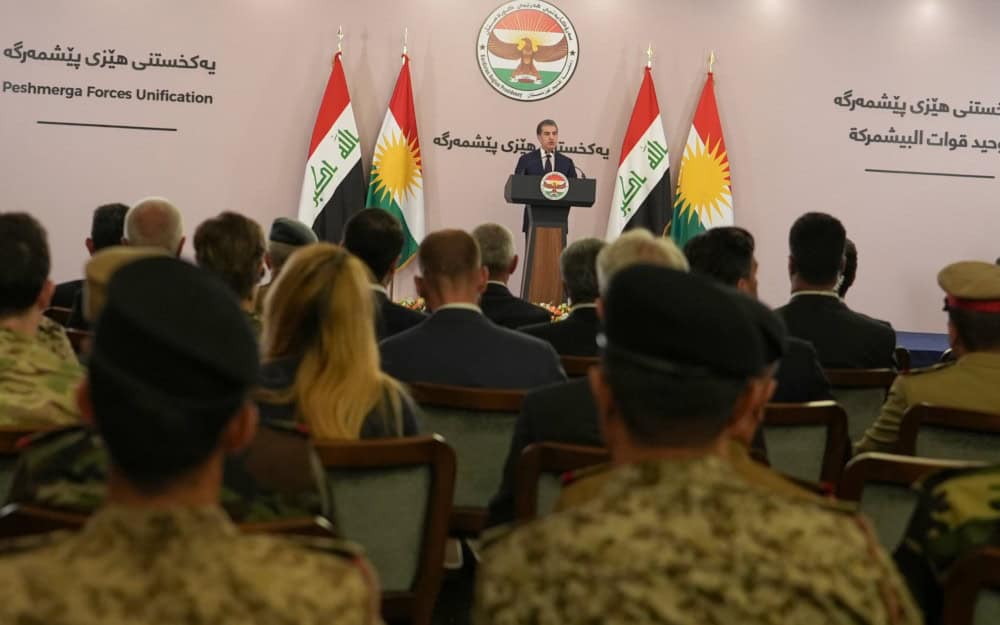
Iran targets Kurdish opposition groups in Iraq with new round of drone attacks
Iran launched a new round of drone attacks against Iranian Kurdish opposition groups in northern Iraq, including a strike on a Democratic Party of Iranian Kurdistan camp near Koya on October 12. As Iranian pressure mounts and concerns grow following the US military’s withdrawal from Iraq, Kurdish opposition groups have pledged not to use Iraqi…
All Articles
-
Israel lessens strikes after US-backed disarmament plan, rejects initial withdrawal; IDF reports 16 Gaza ceasefire violations July 31-August 18
After Israel’s rejection of the Board of Peace’s (BoP) initial disarmament plan, US Special Envoy Jared Kushner and BoP officials held talks with Hamas and Israel, followed by Washington adjusting its position to prioritize Hamas’s disarmament. Meanwhile, Hamas and other Palestinian terrorist groups continued violating the first phase of the ceasefire, according to Israel.

-
Countries condemn Iranian attack on Kurdistan Region prime minister’s office
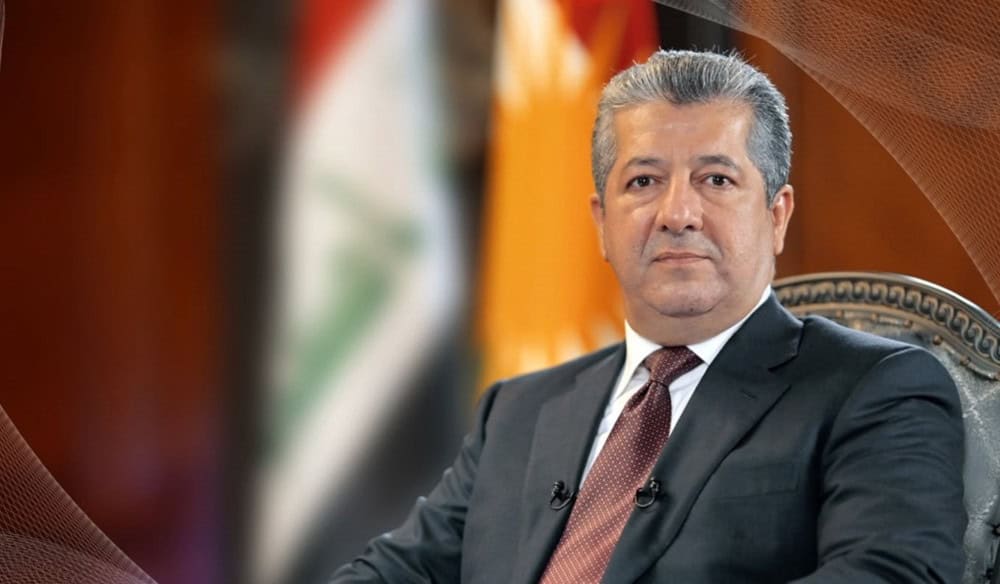
Iran’s August 17 drone attack targeting the office of Kurdistan Regional Government Prime Minister Masrour Barzani drew widespread international condemnation. The strike comes as Baghdad faces increasing pressure to rein in Iranian-backed militias and assert state control over their weapons.
-
UN report: The jihad’s new center of gravity
Generation Jihad’s Bill Roggio and Edmund Fitton-Brown, FDD senior fellow and former coordinator of the UN Monitoring Team, unpack the new UN 1267 report on the global state of the Islamic State, Al Qaeda, and their affiliated groups.
-
Israel says Hezbollah drone attack wounded 3 soldiers at Ali al Taher; IDF kills Hezbollah commanders in response
The Israel Defense Forces (IDF) said that a Hezbollah explosive drone seriously wounded three Israeli troops on the Ali al Taher Ridge on August 15. Israel responded with strikes that killed senior Radwan and Badr commanders. Hezbollah has not claimed the attack, and Lebanese reports allege Israel is considering a broader operation around the contested ridge.
-
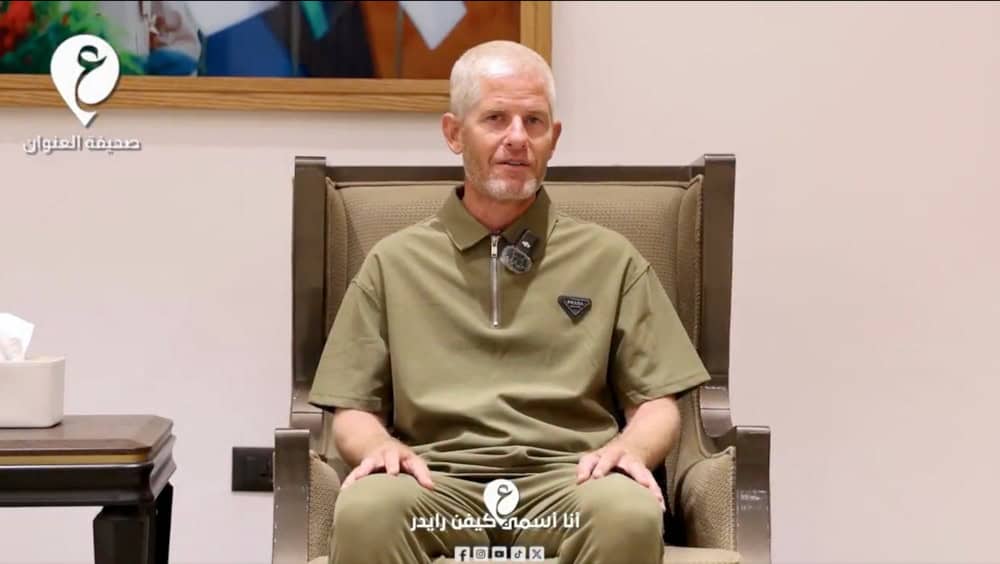
American missionary abducted in Niger freed after nearly 10 months of captivity
Kevin Rideout, who was abducted by gunmen from his home in Niger’s capital of Niamey last October and held by the Islamic State, was freed this week in Libya. The exact nature of his release remains murky, but Rideout has thanked Libyan officials for their efforts.
-
Generation Jihad | China, Russia, Iran, North Korea: Inside the Axis of Aggressors
China, Russia, Iran, and North Korea aren’t just aligned in rhetoric—they’re actively coordinating to erode American military, economic, and cyber dominance. In this episode, Generation Jihad’s Bill Roggio sits down with Bradley Bowman, senior director of FDD’s Center on Military and Political Power, and Ryan Brobst, CMPP deputy director, to unpack the real-world mechanics behind this dangerous authoritarian convergence.
-
Fighting in Yemen escalates, raising concern of a return to civil war
The Houthis launched drone and missile attacks on Yemeni forces and civilian infrastructure across three of Yemen’s governorates on August 6. The attacks have escalated fighting in the country while the Iran-backed terror group is simultaneously targeting Saudi Arabia and ships in the Red Sea.

-
IRGC-Qods Force commander Qaani travels to Iraq amid pressure over militia weapons
Gen. Esmail Qaani, commander of Iran’s Islamic Revolutionary Guard Corps-Qods Force (IRGC-QF), traveled to Iraq as Baghdad moves forward with legislation to place all weapons under state control. The visit came amid continued Iranian drone and missile attacks on Kurdish opposition groups in the Kurdistan Region of northern Iraq.

-
From Guantanamo Bay to ISCAP: The case of Jamal Kiyemba
In 2002, Jamal Kiyemba, a Ugandan national living in the United Kingdom, was arrested in northwest Pakistan after allegedly attempting to join Al Qaeda in Afghanistan and was sent to the US prison facility at Guantanamo Bay, Cuba. Released in 2006 and sent to Uganda, Kiyemba has since been in and out of prison, most recently over his support of the Islamic State’s Central Africa Province (ISCAP).

-
Generation Jihad | Losing ground: Somalia and Mali’s jihad problem
The US is losing leverage in Somalia as frustration with Mogadishu threatens critical African Union support and risks strengthening Al Shabaab’s hold. In Mali, renewed US airstrikes against JNIM raise a parallel concern—whether air power alone, without a ground strategy or political reform, can contain the group’s advance. Bill Roggio and Caleb Weiss examine these dynamics across the Sahel and the assess the murky state of Al Qaeda.
-
Analysis: North Korean missile deployment raises urgency of Ukraine’s Starlink plea
North Korea is reportedly dispatching as many as 120 additional ballistic missiles to Ukraine as the embattled country searches for ways to destroy Russian missile launchers.

-
Sudanese Armed Forces gains in civil war force strategic adjustment from paramilitia rival
The Sudanese military’s recapture of the Al Sadarat highway marks its most significant success against the Rapid Support Forces (RSF) in the fourth year of the Sudanese civil war. However, the RSF’s shift toward tribal mobilization and the growing role of foreign-backed drone warfare suggest the conflict’s broader cycle of adaptation and attrition will continue.

-
Afghan United Front commences operations against Taliban
The Afghan United Front has emerged as the first major Pashtun-led resistance organization to launch operations against the Taliban. The group’s likely focus on operations in southern Afghanistan would expand resistance organizations’ historical focus in the country’s north.
-
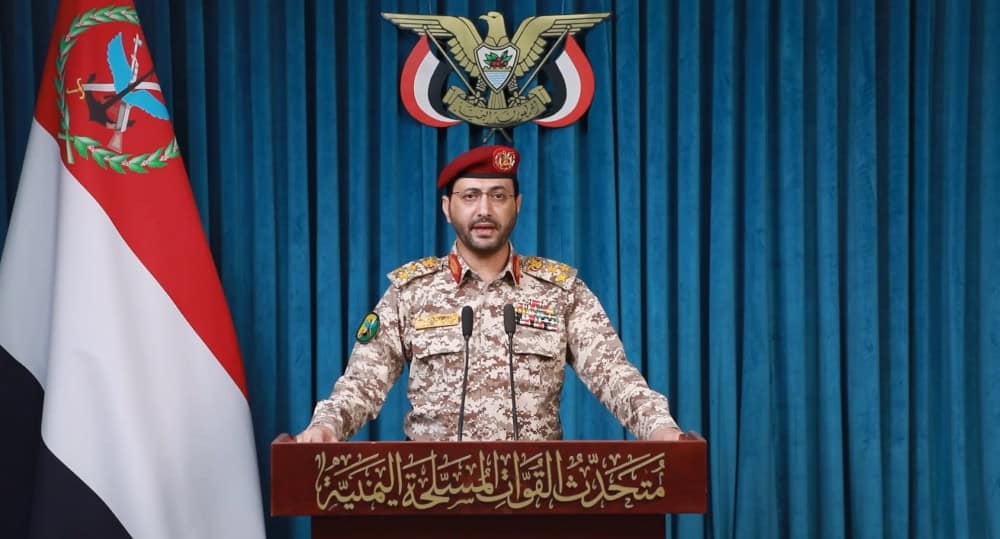
Houthis escalate attacks in Red Sea and on Saudi Arabia, Riyadh evaluates options
Yemen’s Houthis claimed attacks on eight Saudi-linked vessels as well as energy facilities and an airport to enforce its blockade of the kingdom. Saudi Arabia is reportedly pursuing a diplomatic path to de-escalate the conflict or military options if necessary.
-
Iraq pressured by regional countries to rein in Iran-backed militias as new data on extent of attacks released
Iraq faces mounting pressure to rein in the militias while balancing tensions with neighboring countries, the US, and Iran. The Kurdistan Region of northern Iraq has come under nearly 1,000 drone and missile attacks by Iran and its proxies since late February, underscoring the growing threat posed by Tehran’s network of militias.

-
Board of Peace announces Hamas disarmament agreement, IDF reports 32 Gaza ceasefire violations July 10–31
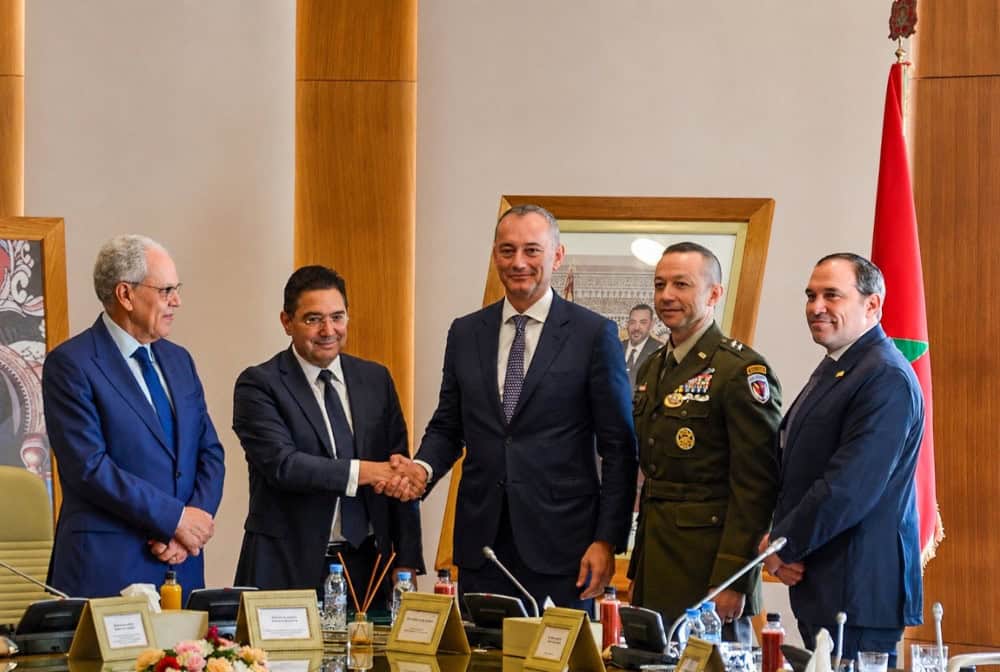
US President Donald Trump announced a 15-point Board of Peace roadmap transferring Gaza’s governance and security responsibilities. The plan links verified Hamas disarmament to phased Israeli withdrawal, but sequencing remains disputed.
-
Anti-Taliban resistance groups increase attacks in northeast Afghanistan, district center briefly falls
Three anti-Taliban resistance groups launched separate operations across Badakhshan province, Afghanistan, over a two-week period, temporarily overrunning a district center and attacking Taliban positions in multiple districts. While there is no evidence of direct coordination among the resistance groups, there are signs cooperation may be increasing.

-
Israel says Hezbollah launched drone attack on strategic ridge amid ceasefire
Israel accused Hezbollah of launching an explosive-laden drone at its positions in the Ali Al Taher Ridge on July 29, despite a ceasefire that went into effect on June 19. Hezbollah has not claimed the attack or issued a denial of the Israeli claims.
-
Former Israeli prime minister says Qatar funded Iran’s IRGC
Former Israeli Prime Minister Naftali Bennett vowed to declare Qatar an “enemy state” if reelected to lead the government. Among the reasons he cited was Qatar’s alleged funding of Iran’s Islamic Revolutionary Guard Corps.

-
Lebanese security forces incidentally discover Hezbollah weapons cache during raid
Lebanese security forces conducted a raid on a home in Beirut over a family dispute. During the operation, they reportedly discovered a large weapons cache, and subsequent interrogation allegedly uncovered that the cache’s owner was a “member of Hezbollah.”
