-
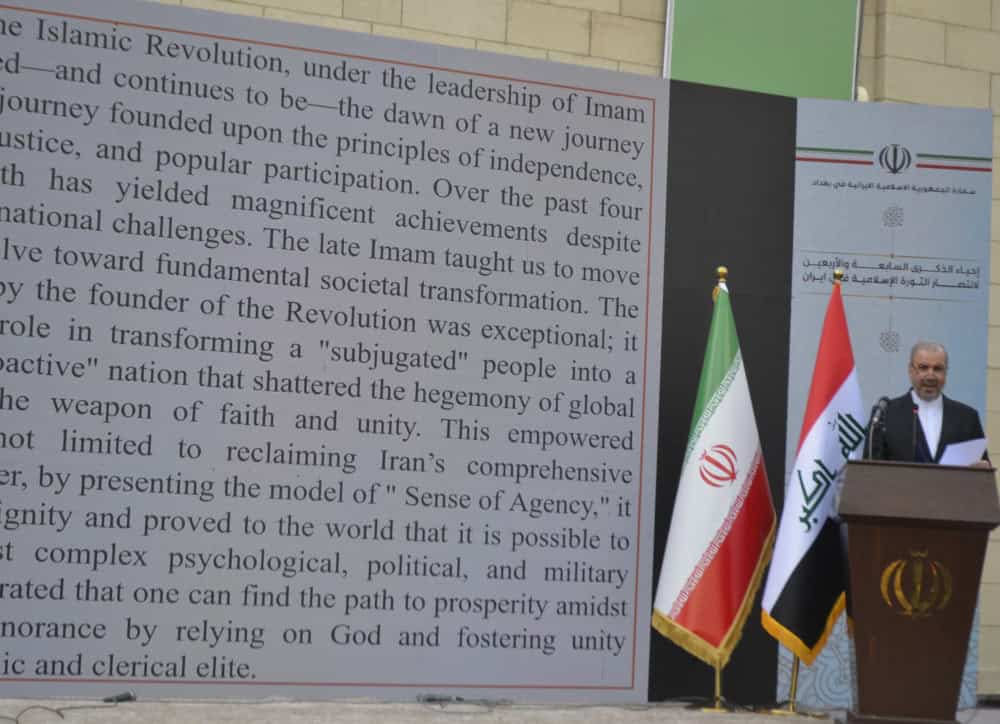
Iran says it has agreement with Iraq to expel Kurdish Iranian opposition groups
Iran’s ambassador to Iraq claimed on October 20 that Iraq has agreed to expel Iranian Kurdish opposition groups based in the Kurdistan Region. The announcement came amid increased Iranian attacks on these groups and as the Kurdistan Workers’ Party withdraws from positions in northern Iraq as part of a peace process with Turkey. An Iraqi source disputes Tehran’s claim that an expulsion agreement has been reached.
-
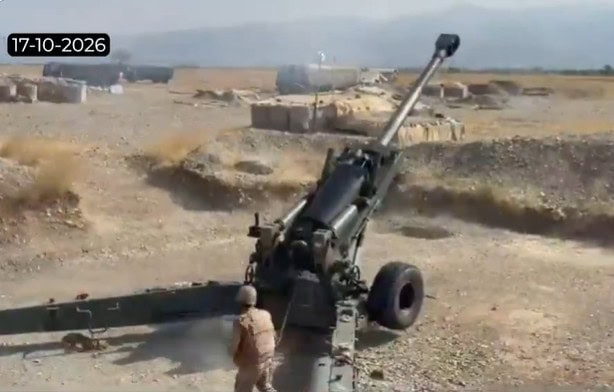
Pakistan-Taliban border clashes continue amid diplomatic efforts
Pakistani forces and the Taliban exchanged heavy fire along the border as Russia, the European, and China pressed for dialogue and action against terrorist groups operating from Afghanistan.
-
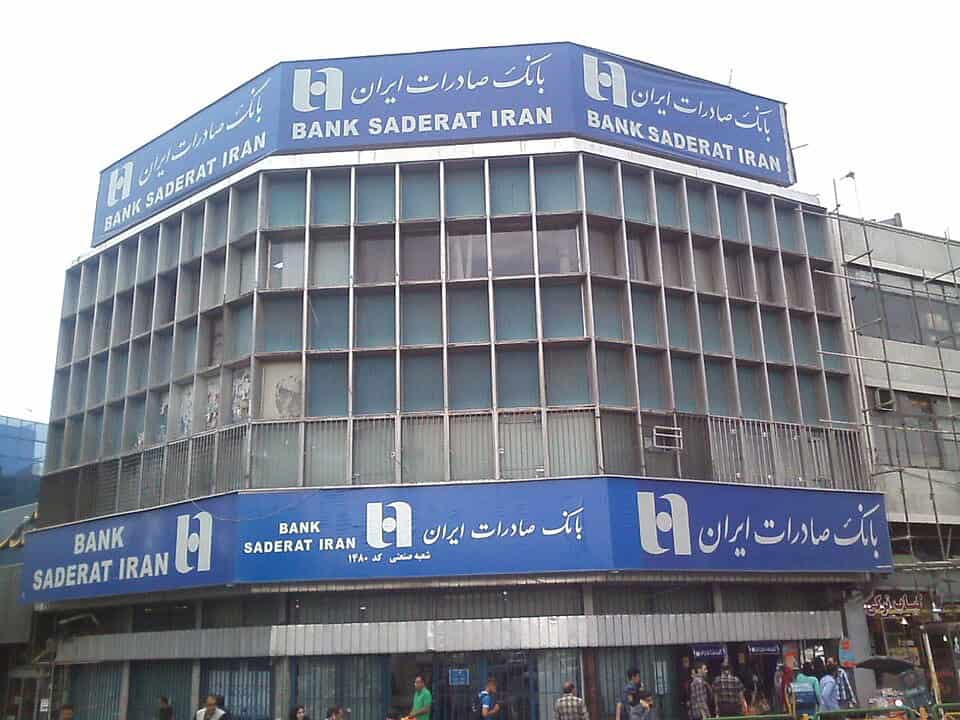
Lebanon revokes Iranian bank’s license amid US pressure over Hezbollah financing
Lebanon has revoked Bank Saderat Iran’s operating license amid US pressure to disrupt Hezbollah’s financial networks. The bank has a documented history of channeling Iranian funds to Hezbollah, but whether Lebanese authorities have closed its branches or initiated liquidation proceedings remains unclear.
-

Hezbollah accuses Lebanese police of violating security coordination procedure after supporters reportedly obstruct raid
Armed men identifying themselves as Hezbollah supporters reportedly surrounded Lebanese security personnel conducting an October 16 raid on a pharmaceutical warehouse near Beirut’s southern suburbs. Hezbollah subsequently claimed the officers had violated an agreed security coordination procedure with the group.
-

Profile: Hezbollah’s new liaison to the Lebanese state and society
Hussain al Abdallah, the new chief of Hezbollah’s Liaison and Coordination Unit who succeeded Wafiq Safa, reportedly sought the return of explosives seized by Lebanese security forces in early October. Abdallah’s career spans more than two decades in Hezbollah’s southern security apparatus.
-
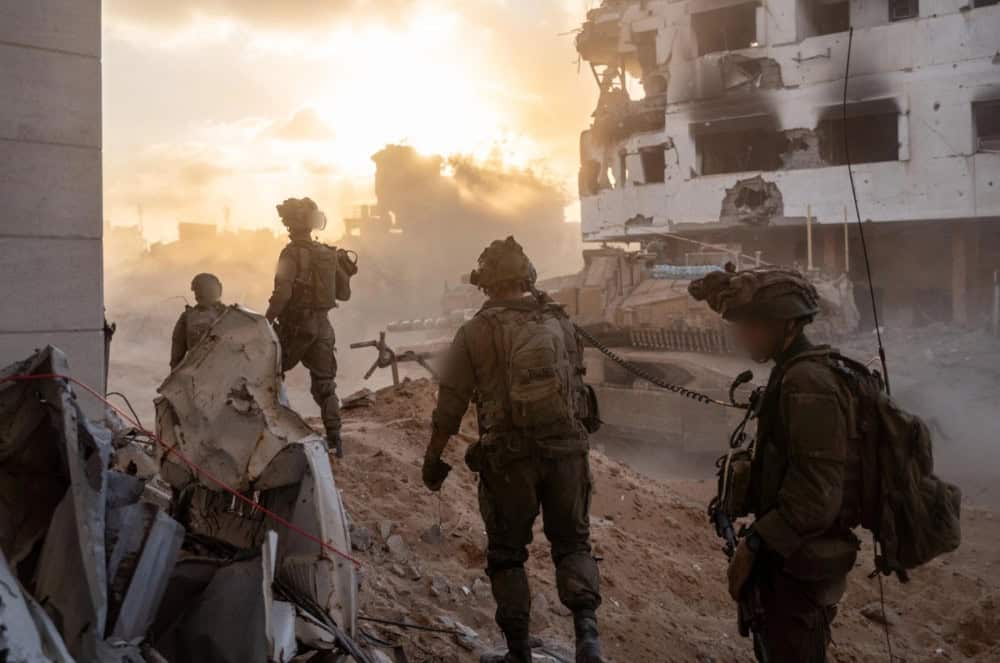
Israel reportedly blocks Board of Peace base in Gaza, IDF reports 31 ceasefire violations October 1–15
Efforts to implement the US-backed Board of Peace’s plans for Gaza remain stalled on the ground, with a first military facility still unbuilt, but preparations for Hamas’s disarmament and international reconstruction cooperation are moving forward. Meanwhile, Hamas maintains its grip on Gaza’s civilian administration and commercial activity, despite its July declaration that it was relinquishing…
-

Iraqi commander killed by Islamic State following Iraqi airstrikes against the group
An Iraqi brigadier general and two other military personnel were killed by an explosive device linked to the Islamic State near Kirkuk on October 14, a day after Iraqi F-16s carried out airstrikes against Islamic State positions in the area. The incident underscores the continued threat posed by the remnants of the jihadist group in…
-
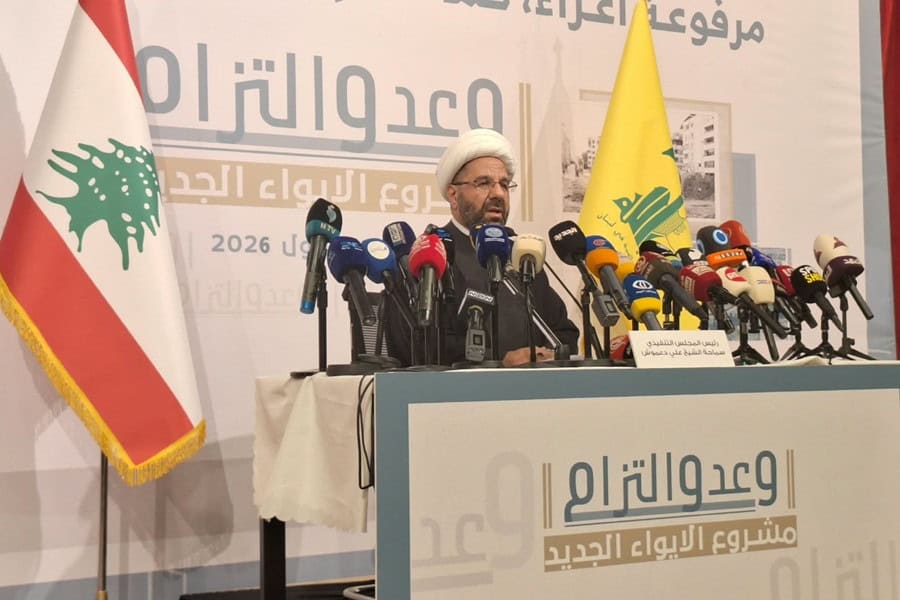
Hezbollah announces ‘Promise and Commitment’ housing and reconstruction program
Hezbollah announced a new housing-assistance program for Lebanese families displaced by the wars with Israel, even as earlier compensation payments remain outstanding and questions persist over the group’s financing. Separately, Lebanese Prime Minister Nawaf Salam met with Hezbollah and Amal lawmakers to discuss government-funded reconstruction projects in southern Lebanon and Beirut’s southern suburbs.
-

Shipshow: The world’s waterways are at war
The world’s most critical shipping lanes are becoming battlegrounds as Iran targets commercial vessels in the Strait of Hormuz, the Houthis threaten shipping through the Bab al Mandab, and Russia and Ukraine wage an escalating maritime war in the Black Sea. Bill Roggio is joined by Dr. Sal Mercogliano to discuss how these conflicts are…
-
Lebanese security forces seize explosives shipment reportedly bound for Hezbollah in Beirut
Lebanese security forces intercepted a shipment containing nearly 800 kilograms of explosives reportedly destined for Hezbollah in Beirut. Authorities arrested two men and are investigating the shipment’s origins and intended use. Hezbollah has reportedly demanded the explosives’ return, testing the government’s prohibition on the group’s military activities.
-
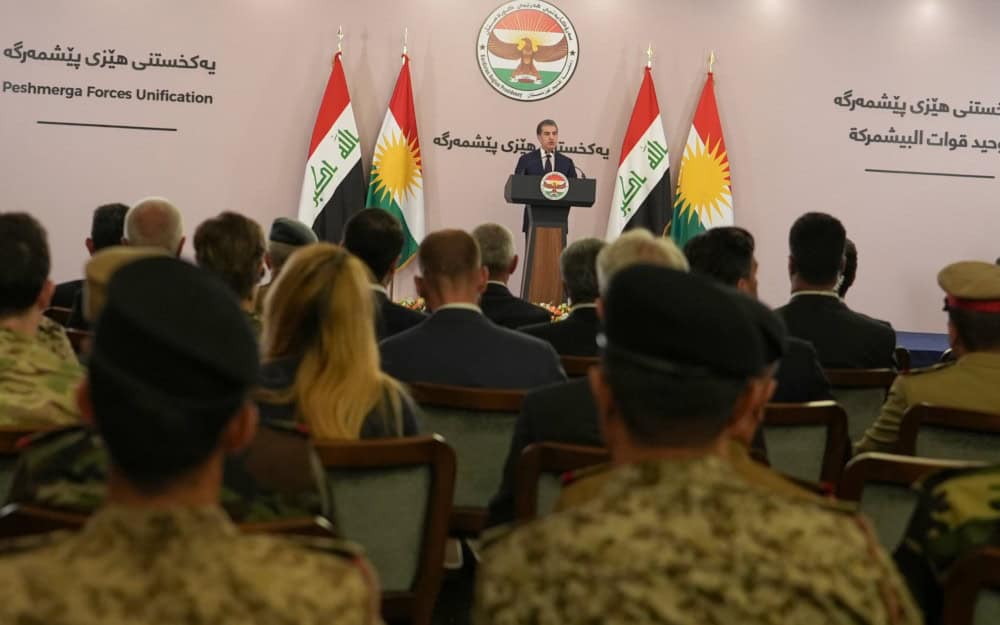
Iran targets Kurdish opposition groups in Iraq with new round of drone attacks
Iran launched a new round of drone attacks against Iranian Kurdish opposition groups in northern Iraq, including a strike on a Democratic Party of Iranian Kurdistan camp near Koya on October 12. As Iranian pressure mounts and concerns grow following the US military’s withdrawal from Iraq, Kurdish opposition groups have pledged not to use Iraqi…
All Articles
-
Islamic state plots disrupted and operatives arrested in 4 countries
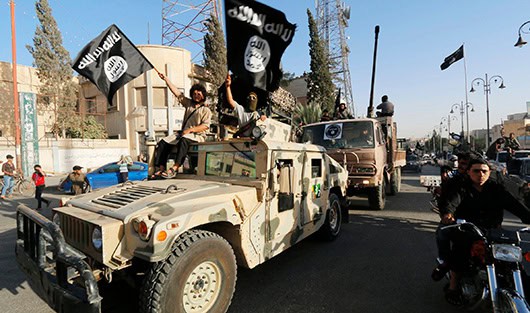
Authorities in Kuwait, Israel, Turkey, and France disrupted suspected Islamic State plots or arrested the organization’s sympathizers over the past month. The incidents demonstrate the jihadist group’s continued ability to recruit and radicalize individuals despite more than a decade of sustained counterterrorism pressure.
-
Iran continues attacks on Kurdish opposition group in northern Iraq
Iran has maintained its campaign against Kurdish Iranian opposition groups in the Kurdistan Region of northern Iraq, carrying out another drone strike on September 2 amid a US military withdrawal. The latest attack underscores the growing security challenges facing the Kurdistan Region as Iran intensifies pressure on Kurdish dissidents, and Iraq has yet to disarm Iran-backed militias.

-
Israel claims control of Ali al Taher after weeks of Hezbollah attacks and failed handover efforts
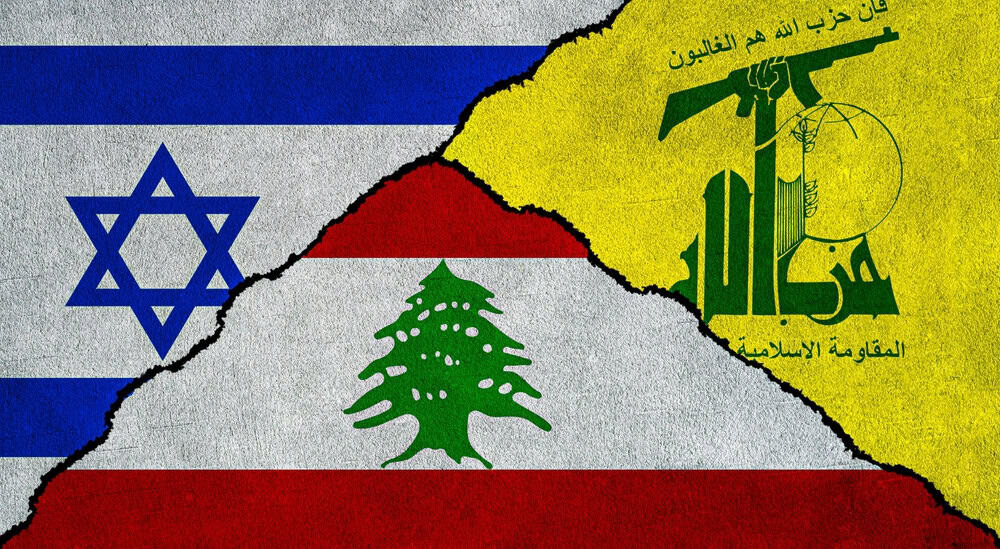
The IDF says it cleared Hezbollah fighters from underground infrastructure in south Lebanon’s Ali al Taher Ridge and achieved operational control above and below ground. Hezbollah denied losing the strategic position. The battle exposed the limits of Lebanese government efforts to secure the site through negotiation and prompted an Iranian threat of direct retaliation.
-
IDF captures Hamas security chief, reports 29 Gaza ceasefire violations Aug. 19–Sept. 3
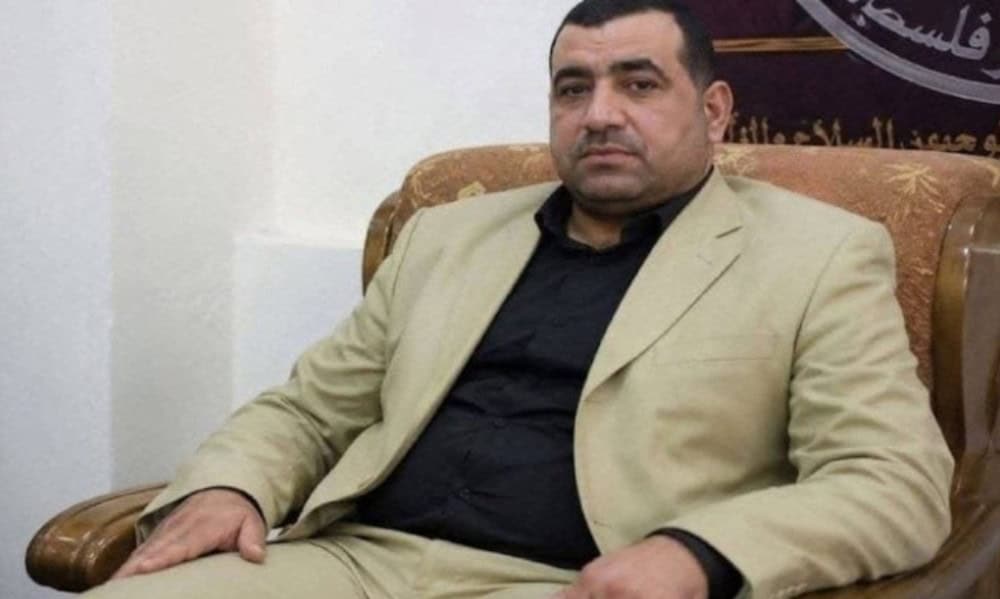
Israeli special operations forces captured a senior Hamas security official in a September 1 operation in the Katiba area of western Gaza City. The raid came as the US-backed Board of Peace’s stabilization plan and Hamas disarmament agreement, which had prompted Israel to scale back strikes in response to reported ceasefire violations, appeared to falter.
-
Kurdistan Region concerned over US support amid Iran’s continued attacks
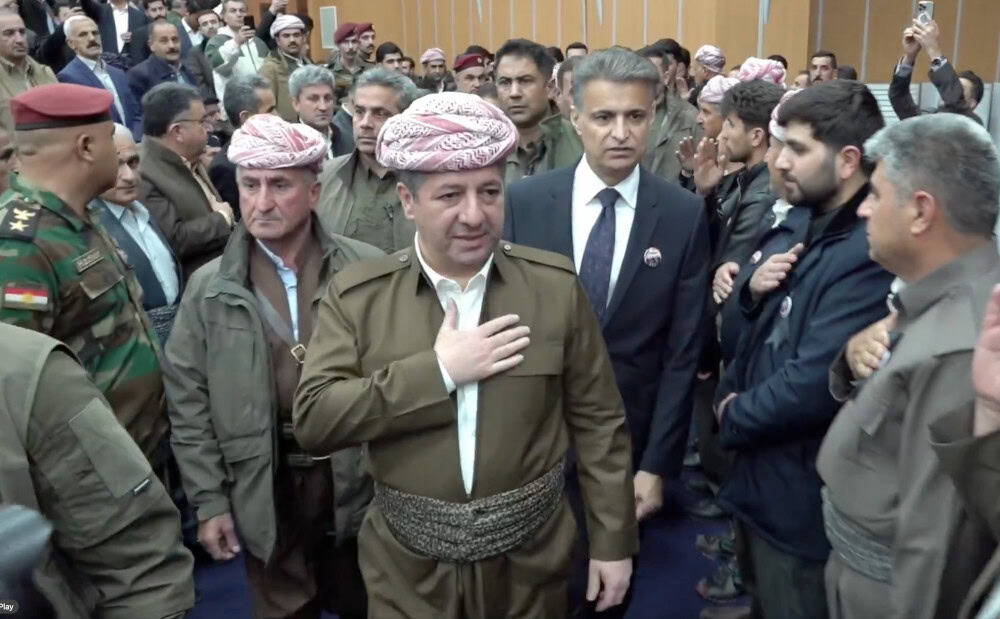
The latest report that the US is cutting funding for the Kurdistan Regional Government (KRG) of Iraq’s Peshmerga military force comes as Washington prepares to withdraw forces from Iraq and Iran continues its campaign of drone and missile attacks against the KRG.
-
White House, Caracas release details on historic US-Venezuela oil deal
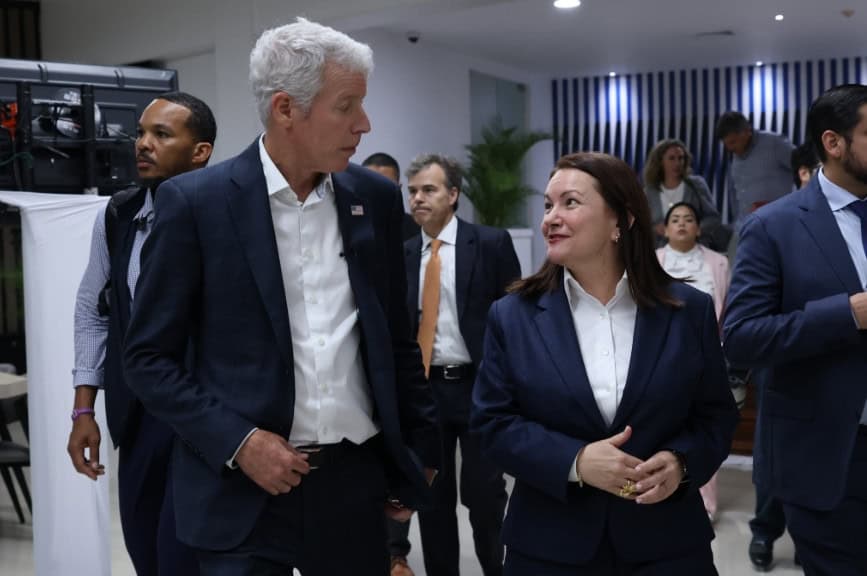
President Donald Trump announced on August 28 that the United States had reached a sweeping oil agreement with Venezuela that grants American interests majority control over more than 65 billion barrels of proven reserves. The US described the agreement as part of a 25-year strategy to expand US access to Venezuelan energy resources while building more secure and resilient supply chains in the Western Hemisphere.
-
The UN Monitoring Team’s latest report: Where the global jihad stands now
Generation Jihad guest host Edmund Fitton-Brown, FDD senior fellow and former coordinator of the UN Monitoring Team, talks with Colin Smith, the Monitoring Team’s current coordinator, about what the latest 1267 report shows about Al Qaeda, the Islamic State, and their affiliates, plus how the report is built and the challenges of keeping the spotlight on jihadist groups.
-
Top Islamic State spokesman killed in Yemen
Abu Hudhayfah al Ansari, who has been the official Islamic State spokesman for three years, was reported killed in a joint Saudi-Yemeni special forces raid in Hadhramaut Governorate. The Islamic State has yet to comment on Ansari’s status.
-
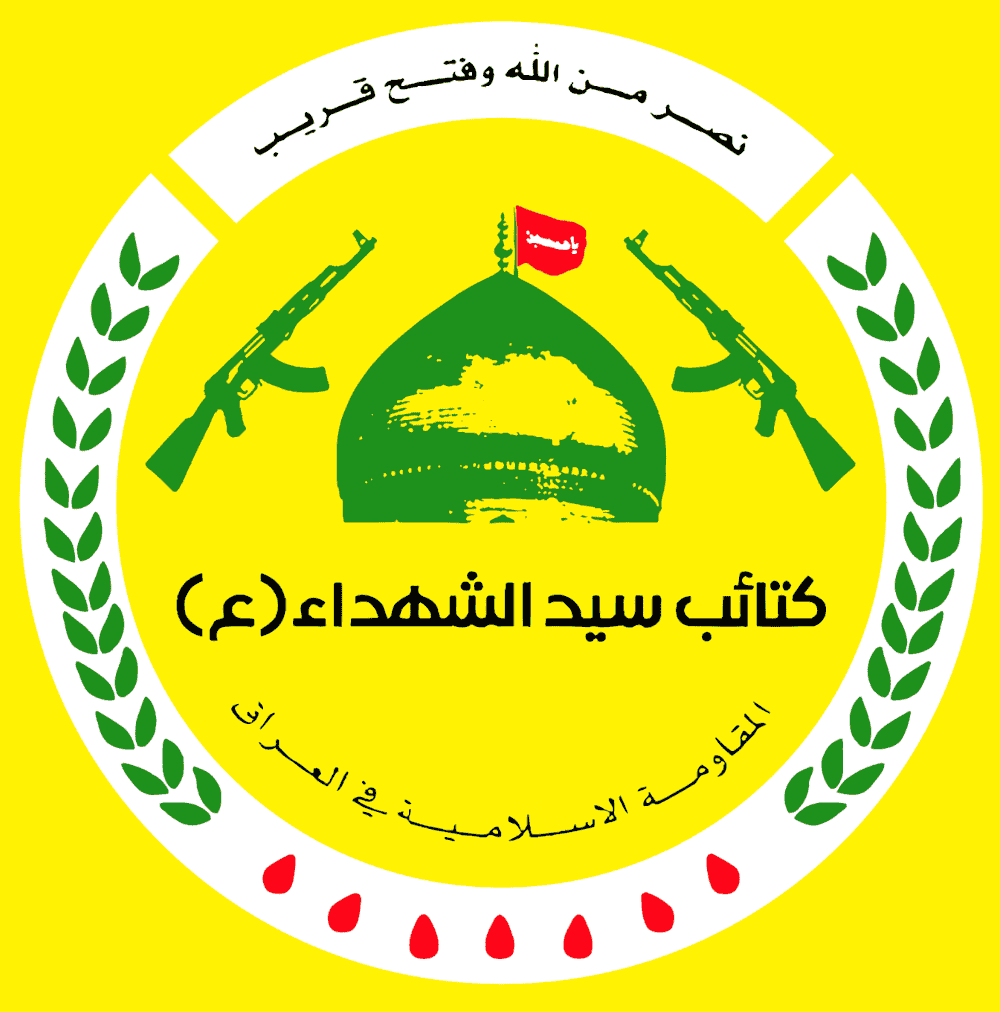
Iranian-backed militia in Iraq sets ‘conditions’ for disarmament
Iraq’s efforts to bring the weapons of Iranian-backed militias under state control are facing a new challenge as one of the country’s groups, Kataib Sayyid al Shuhada, has laid out conditions for disarmament. The debate comes amid continued US pressure on Baghdad to disarm the groups, a looming coalition withdrawal deadline, and renewed efforts by the Iraqi government to assert its authority over armed factions.
-
What is the Axis of Aggressors doing in Europe and the Middle East?
China, Russia, Iran, and North Korea are engaged in “unprecedented” cooperation, empowering Russian aggression in Ukraine and making the regime in Iran more lethal and resilient. Generation Jihad guest host Bradley Bowman, senior director of FDD’s Center on Military and Political Power (CMPP), discusses these relationships and impacts with John Hardie, deputy director of FDD’s Russia program, and Cameron McMillan, senior research analyst at FDD’s CMPP.
-
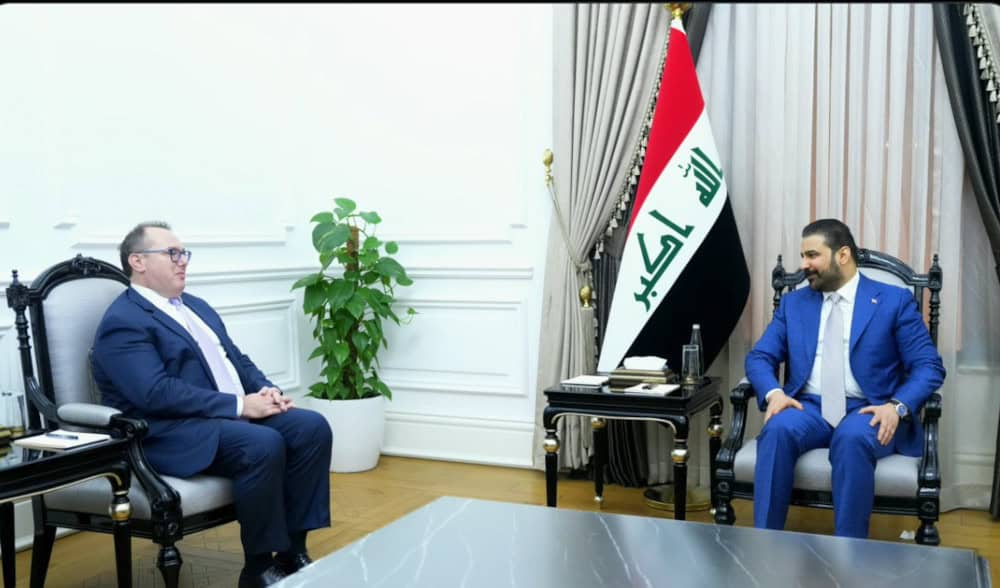
Iranian-backed Iraqi militias may seek to delay disarmament
Iraq’s efforts to disarm the country’s Iranian-backed militias appear to be facing growing political resistance as some factions seek to delay or avoid a September deadline. The debate comes as Washington continues pressing Baghdad to bring all weapons under state control.
-
Kurdish-led Syrian Democratic Forces announce its dissolution
The dissolution of the Syrian Democratic Forces (SDF), the main US-backed anti-Islamic State group in Syria, ends more than a decade of Kurdish-led autonomy in the country’s northeast, as the SDF’s military, security, and civilian institutions are integrated into the state.

-
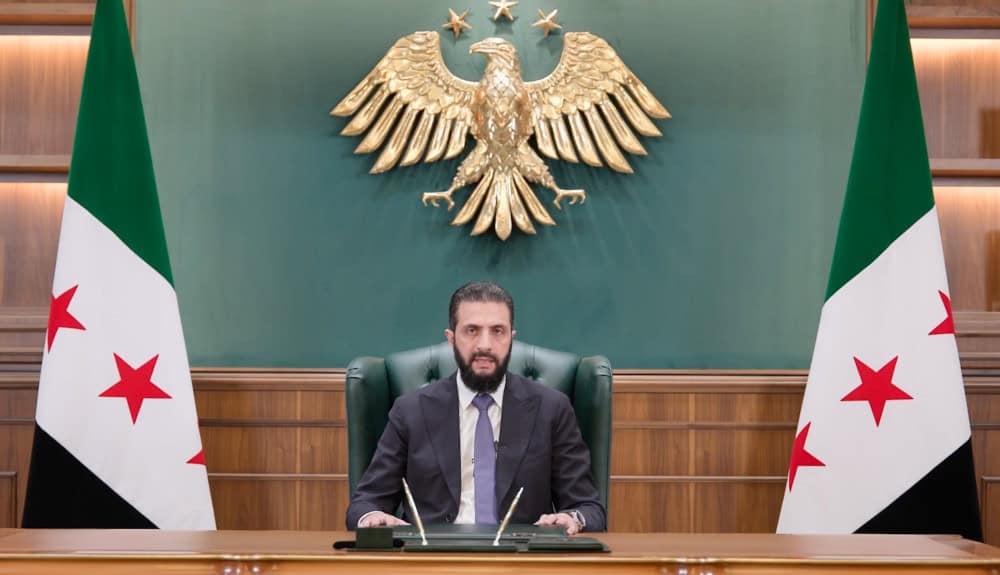
US rescinds Syria’s designation as a State Sponsor of Terrorism
On August 24, the United States formally rescinded Syria’s designation as a State Sponsor of Terrorism, marking a milestone in Washington’s effort to improve relations with Damascus. The decision came as the US has sought to advance security talks between Syria and Israel.
-
Taliban force surrender of dissident commander, kill senior anti-Taliban resistance leader
The surrender of dissident Taliban commander Juma Khan Fateh and the death of senior National Resistance Front commander Hasib Panjshiri give the Taliban notable victories as Afghanistan’s armed resistance attempts to build momentum.

-
Albany woman charged with plotting to attack New York Capitol in support of Islamic State
Jessica Bowie was arrested on August 19 and is accused of plotting to bomb the New York State Capitol. Her arrest marks the fifth Islamic State-linked terrorism case or incident in the United States this year.

-
Venezuela continues difficult recovery from twin earthquakes as oil sales surge
Venezuela’s recovery from massive earthquakes on June 24 has become increasingly costly as the death toll has climbed, the extent of infrastructure damage has come into sharper focus, and reconstruction has placed additional strain on an already fragile economy. However, Caracas’ oil sector has also continued to expand.

-
Resistance to Taliban rule persists in Afghanistan
Five years after the fall of Kabul, Afghanistan’s armed resistance continues to expand despite lacking territorial sanctuary, overt state sponsorship, and meaningful international assistance. Although it remains far from an existential threat to Taliban rule, its persistence challenges the appearance of uncontested control.

-
25 years later: The state of Al Qaeda
Twenty-five years after 9/11, analysts still can’t agree on whether Al Qaeda is a spent force or a resurgent threat. Generation Jihad’s Bill Roggio and co-host Will Selber speak with guest Graeme Wood, staff writer at The Atlantic, and unpack his new article on the group’s uncertain legacy.
-
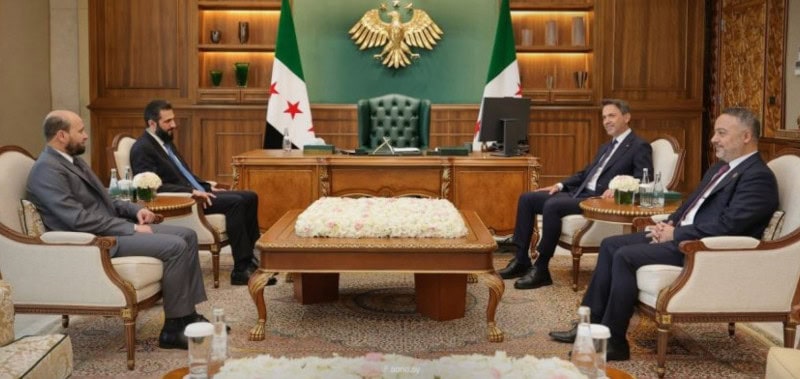
Israel strikes military airbase in Syria while warning Turkey
Israeli airstrikes on Syria’s Abu al Duhur military airbase overnight between August 17 and 18 highlighted growing tensions between Israel and Turkey over Ankara’s expanding role in Syria. Syria condemned the strikes, while the US continued efforts to de-escalate the situation.
-
Russia helps Iran sharpen its sword
Russia reportedly is supplying explosives, drone components, and other military goods to Iran, helping the Islamic Republic replenish arsenals for future rounds of fighting with the United States and Israel.