Iranian-backed militias in Iraq may be seeking to delay the government’s plan to disarm them. “A senior Iraqi official pushed back a September 30 deadline for pro-Iran factions to hand over their weapons, without offering an explanation for the move or providing a new date,” Agence France-Presse (AFP) reported on August 24.
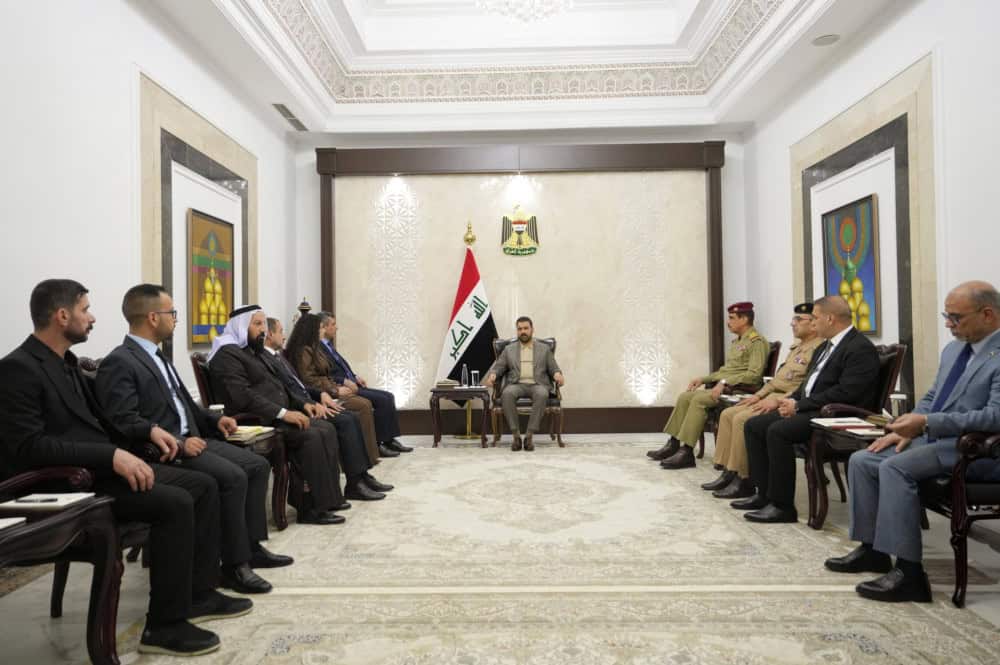
“September 30 is the date for the international coalition to depart [Iraq], not the deadline to hand over weapons,” Iraqi National Security Advisor Qasim al Araji told Iraq’s Al Iraqiya state broadcaster.
Over the last several months, since Iraqi Prime Minister Ali al Zaidi took office, the US has heavily pressured Iraq to rein in Iranian-backed militias. Expectations were that the groups would be disarmed or in the process of disarmament by September 30. US troops, deployed as part of the anti-Islamic State coalition, are expected to withdraw from Iraq by that date.
A longer version of Araji’s comments was published by the Rudaw Media Network. “Araji said the government was serious about ‘severing’ ties between political parties and Popular Mobilization Forces (PMF) brigades [which include many Iran-backed militias], adding that ongoing dialogues to complete the disengagement process were producing positive results,” Rudaw noted. Araji said that the weapons would be controlled by the state and not by any “external party.”
The AFP noted that Iraq had stood by the initial deadline until Araji’s recent comments. “Government spokesman Haider al-Aboudi had made a similar announcement to local media on Friday, despite announcing in June that factions had until the end of September to disarm,” the report, widely shared by regional media, added. An anonymous source told AFP that while Baghdad is insisting on placing the arms under government authority, “faction leaders are determined to hold onto their weapons because they believe disarming would serve Israel and the United States.”
The US is continuing to insist on disarmament, Al Hurra reported on August 25. A US official told MBN, which runs Al Hurra, that the US “fully supports the disarmament of the factions and the transfer of their weapons to the central Iraqi government.”
On August 27, Rudaw reported on a new proposal by several militias to “freeze” their activity for two years. “While some armed groups have responded positively to a call by Iraq’s new Prime Minister Ali al-Zaidi to lay down their weapons, five factions have refused, including Kata’ib Hezbollah, Sayyid al-Shuhada, and Harakat al-Nujaba,” the report added. The US reportedly rejected the proposal, although the US State Department did not comment. Rudaw’s report also noted that “Falih al-Fayyadh, head of the Popular Mobilization Commission (PMC), and Qasim al-Araji, national security advisor to Zaidi, are acting as mediators between the government and the armed groups.”
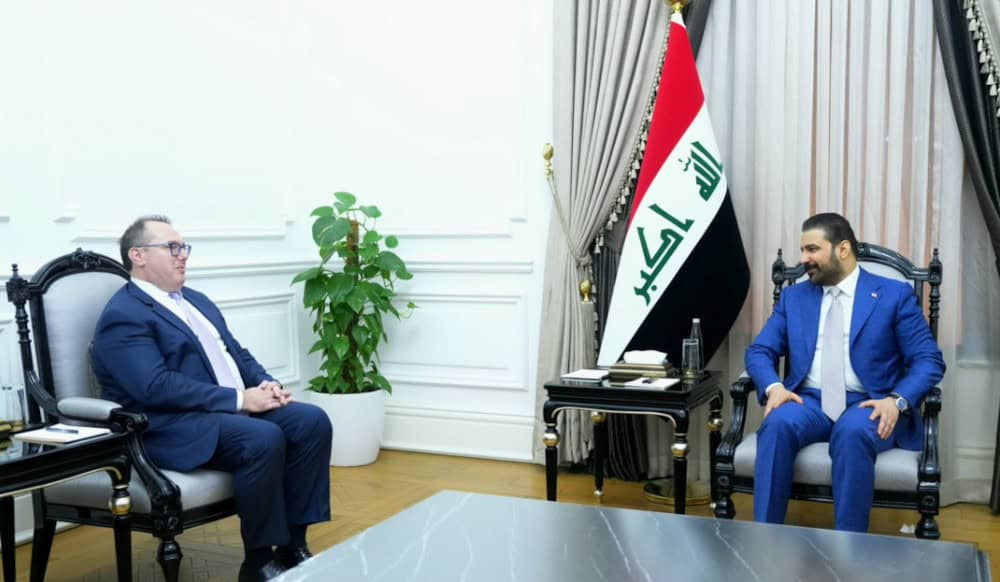
On August 27, Zaidi met with US Chargé d’Affaires Joshua Harris in Baghdad. “Harris expressed his thanks and appreciation to the Prime Minister and the efforts of the Iraqi government in developing joint economic cooperation and supporting the consolidation of security and stability in the region, affirming his country’s keenness to continue developing relations with Iraq, in a way that enhances the common interests between the two countries,” the Iraqi Prime Minister’s Office noted. The mention of consolidating security appeared to refer to efforts to bring militia arms into state hands.
The challenges Iraq faces in disarming the militias come in the context of several efforts to disarm Iranian-backed groups in the region. The US is also seeking to disarm Hamas in Gaza via the US and UN-backed peace plan that began in October 2025. There is also a push to disarm Hezbollah in Lebanon.
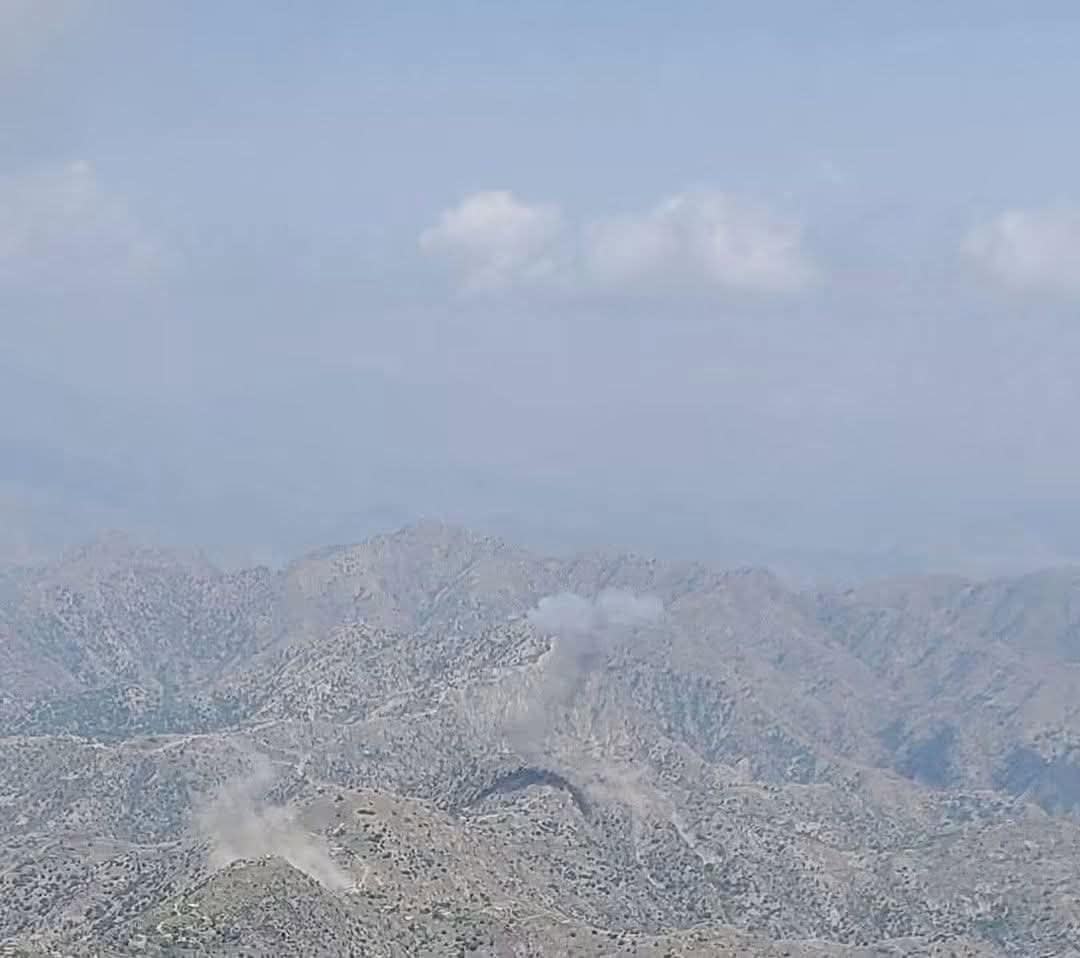
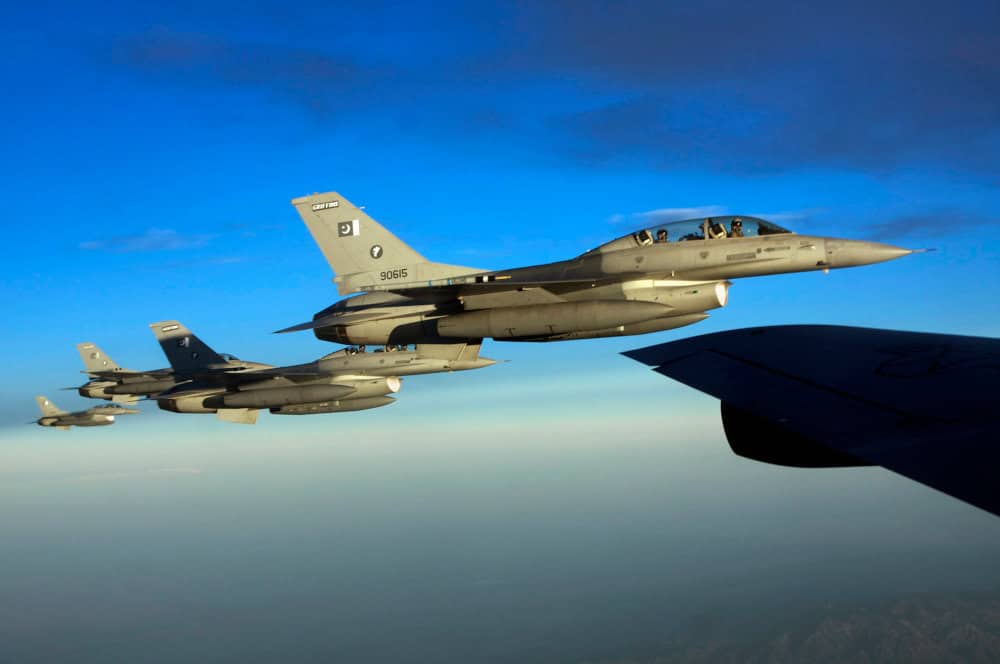
Iraq has continued to face instability from the militias. In late July, an Iranian-backed militia attacked Saudi Arabia. The US and Saudi Arabia responded with airstrikes. Iraq and Saudi Arabia have now increased coordination along the border in the wake of the attacks.
Despite Iraqi attempts at cracking down on the militias, including recent arrests, it remains to be seen how their arms will be collected. In addition, Iraq continues to face challenges in exporting oil through the Strait of Hormuz and complying with US sanctions on Iran.