-
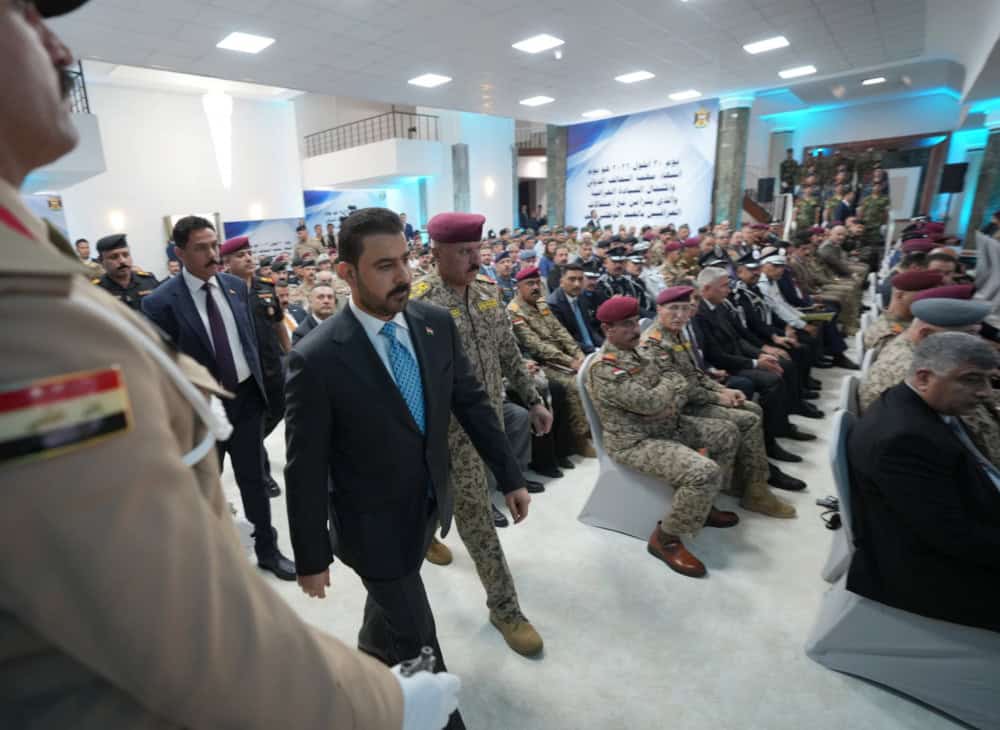
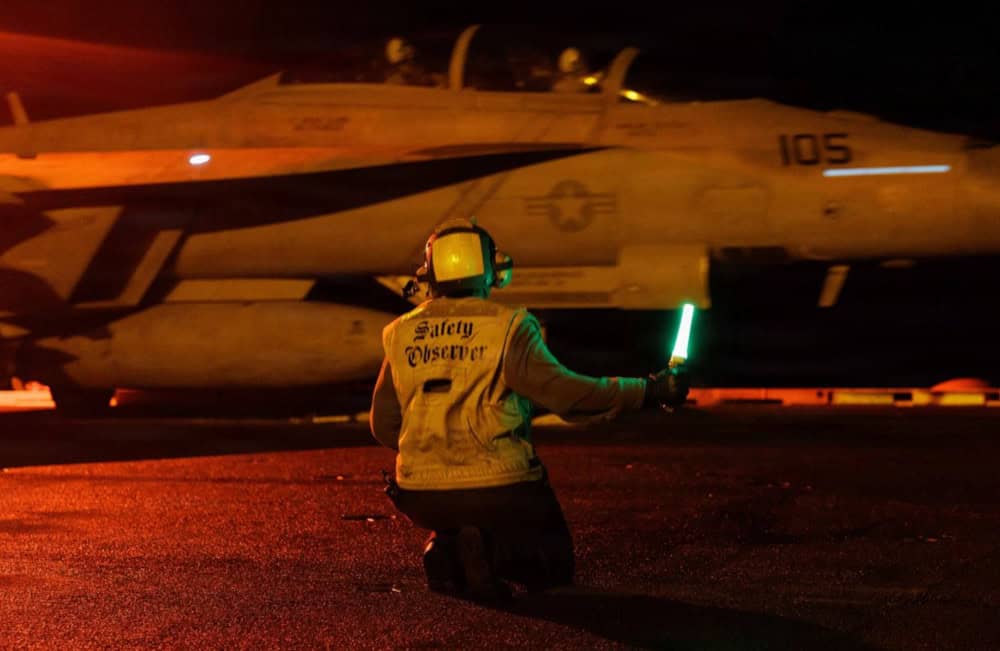
US forces complete departure from Iraq as anti-Islamic State mission in Iraq ends
US and other anti-Islamic State coalition forces completed their withdrawal from Iraq on September 30, ending Operation Inherent Resolve as Baghdad marked what it called a restoration of Iraqi sovereignty. The departure comes amid concerns about Iran-backed militias, air-defense gaps in the Kurdistan Region, and the future of US-Iraq security cooperation.
-
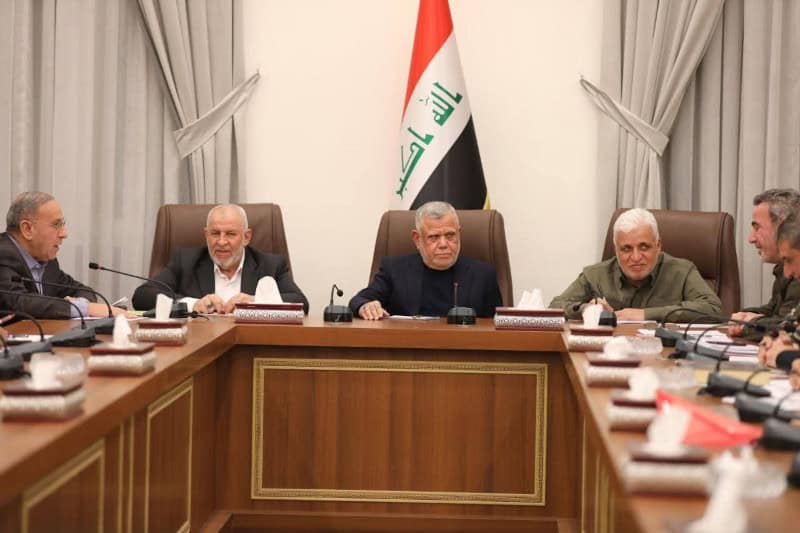
Iranian-backed Iraqi militias may seek to delay disarmament
Iraq’s efforts to disarm the country’s Iranian-backed militias appear to be facing growing political resistance as some factions seek to delay or avoid a September deadline. The debate comes as Washington continues pressing Baghdad to bring all weapons under state control.
-
US, Saudi Arabia strike Iranian-backed militias in Iraq after militia attacks
Iranian-backed militias in Iraq escalated attacks on Saudi Arabia and the Kurdistan Region in late July, prompting US and Saudi airstrikes against militia logistics and weapons sites across Iraq. The escalation comes as Washington pressures Iraqi Prime Minister Ali al Zaidi to disarm Iran-aligned militias and bring their weapons under state control.
-
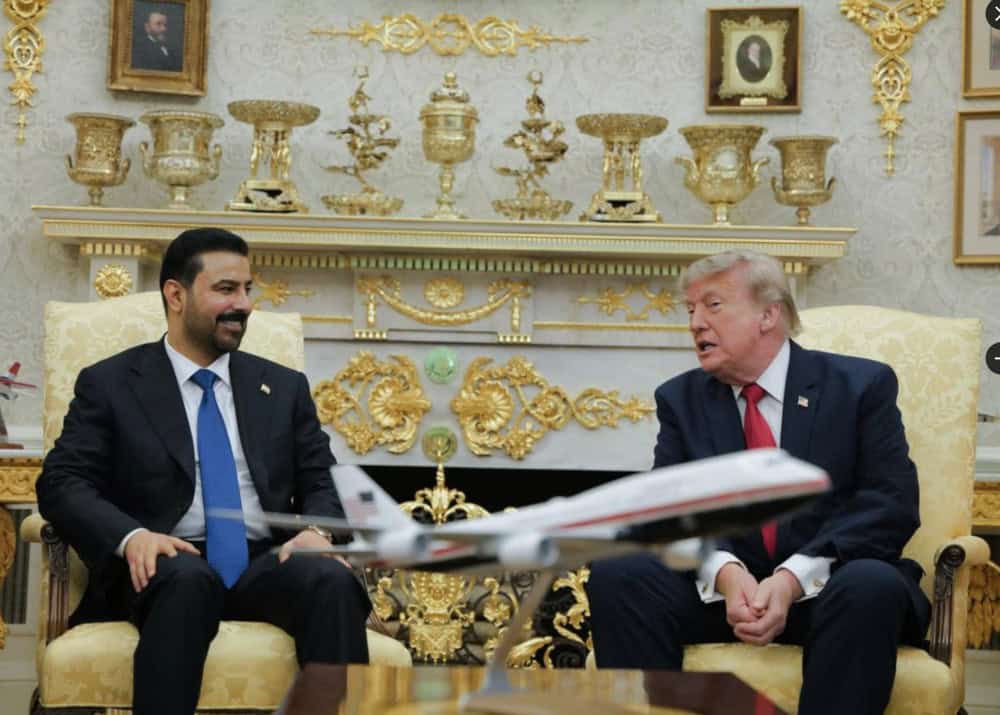
Iraqi Prime Minister Zaidi meets President Trump, Secretary Hegseth in Washington
Iraqi Prime Minister Ali al Zaidi met US President Donald Trump and other US officials during his first official visit to Washington since taking office. The talks focused on security cooperation, investment, and Iraq’s plans to bring weapons held by Iranian-backed militias under state control. While Trump praised Zaidi’s leadership, the visit also drew criticism from pro-Iranian factions in Iraq and skepticism from some US lawmakers.
-
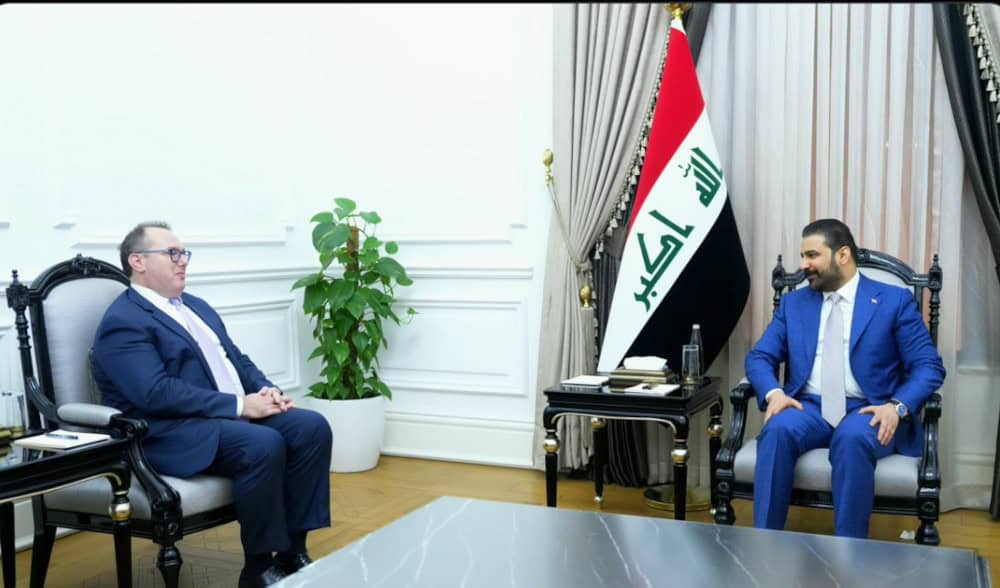
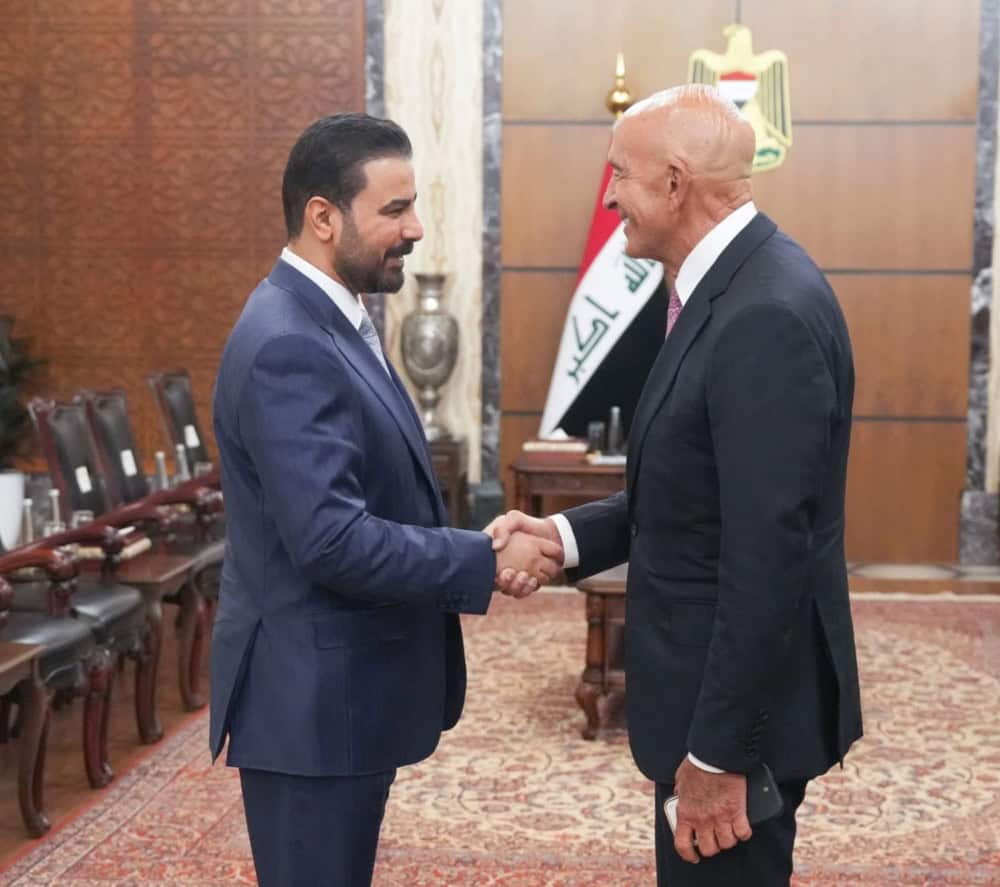
Iraqi Prime Minister Ali al Zaidi meets US envoy amid militia pressure
US Envoy to Iraq and Syria Tom Barrack’s recent visit to Iraq on June 15 highlighted Washington’s efforts to support stability, security cooperation, and political reform in the country amid continuing regional tensions. Discussions focused on strengthening ties between Baghdad and Washington, disarming Iranian-backed militias, and advancing energy deals.
-
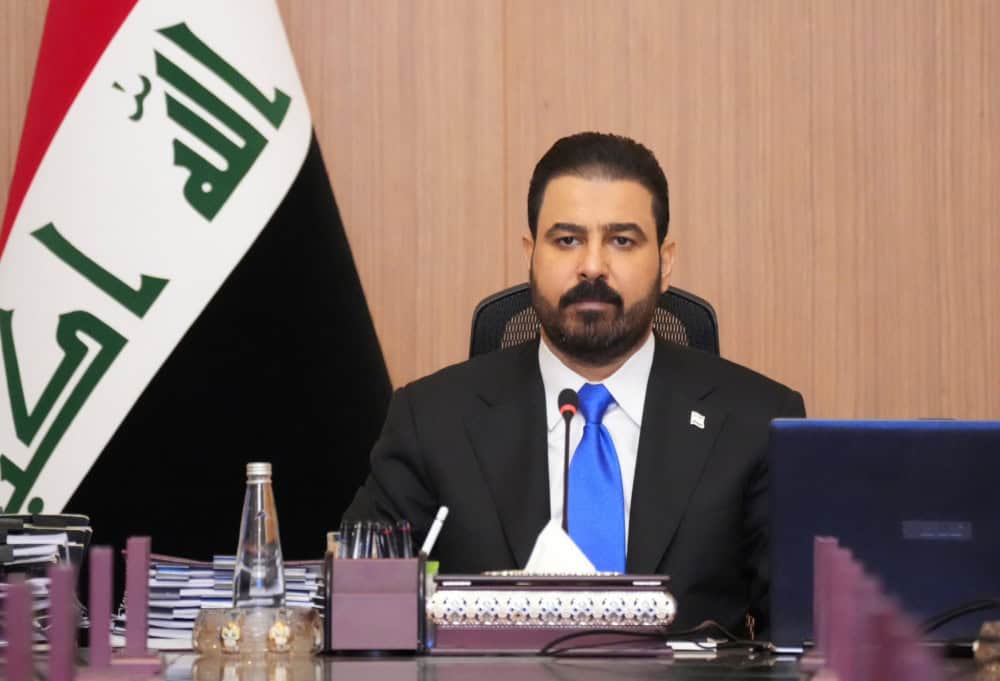
Iraq’s prime minister prepares US visit amid Iran threats and militia focus
Iraqi Prime Minister Ali al Zaidi is set to visit Washington, DC, as his government seeks investment, security cooperation, and support for efforts to strengthen state authority. A central focus of his agenda is bringing weapons held by Iranian-backed militias under government control, a process Baghdad hopes to advance before the planned end of the US anti-Islamic State mission in September 2026.
-
Saudi Arabia and UAE say drone attacks were launched from Iraq
Saudi Arabia and the United Arab Emirates said that recent drone attacks targeting their territory originated from Iraq, increasing pressure on Baghdad to address the activities of Iranian-backed militias operating inside the country. The incidents come amid continued regional tensions involving Iran and have intensified scrutiny of Iraq’s newly formed government.
-
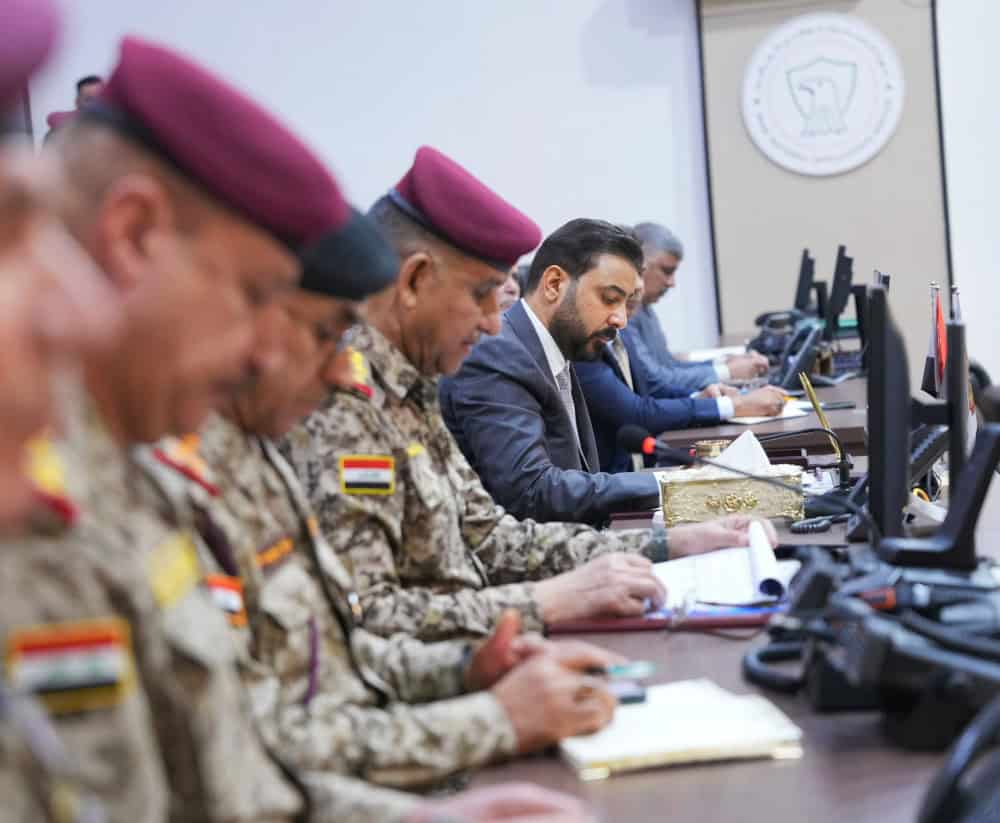
Iraq forms new government with only 14 of 23 ministers
Iraq’s parliament approved the new government six months after parliamentary elections in November 2025. Ali al Zaidi is now the prime minister, but key ministries remain unfilled amid disagreements between Tehran and Washington and their partners over the government’s formation.
-
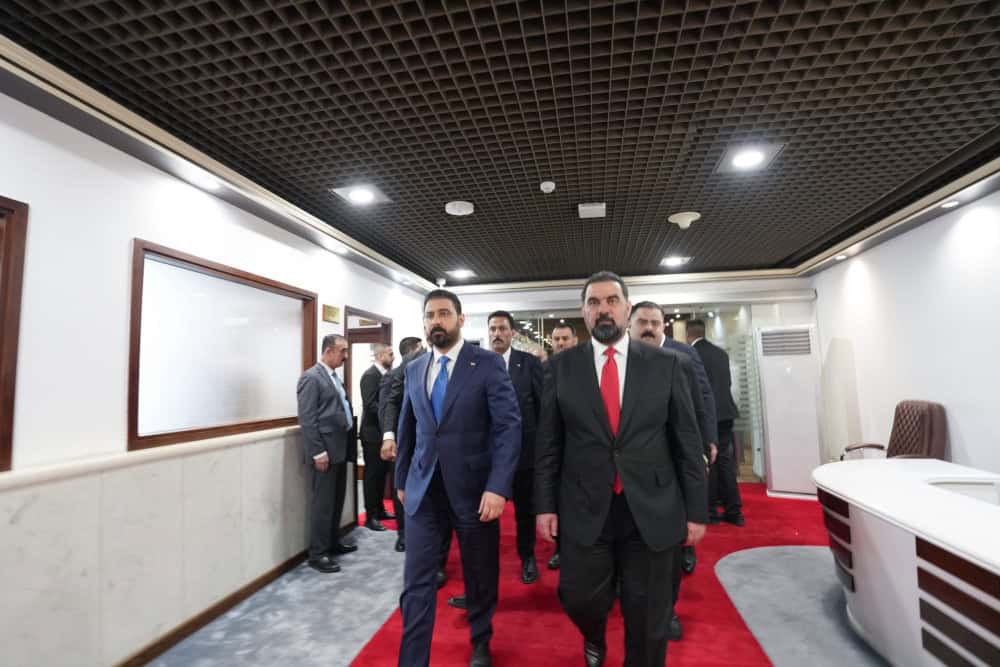
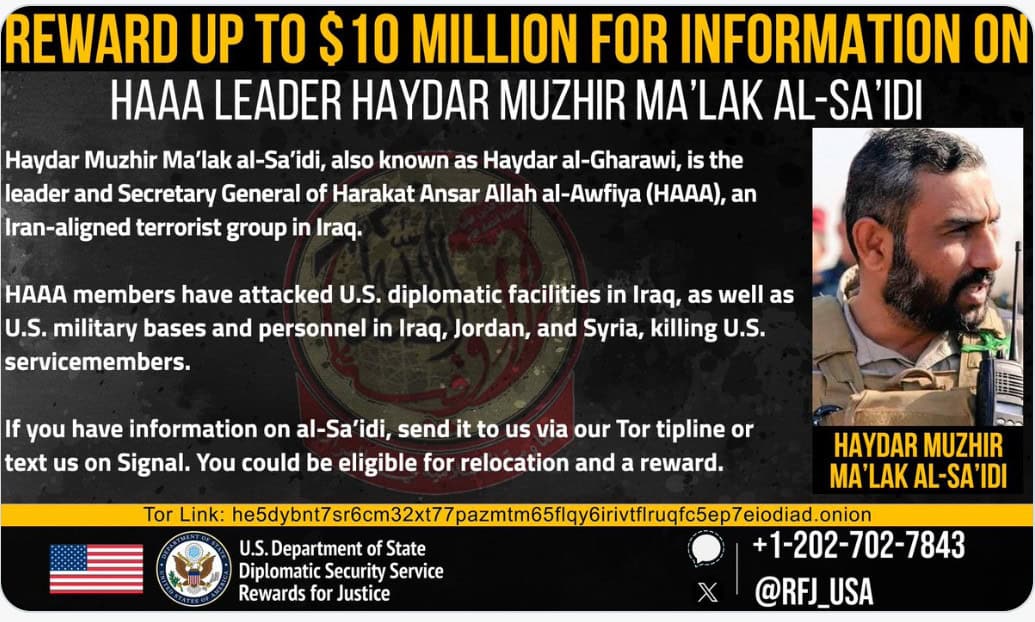
US offers rewards for 3 Iraqi militia leaders
The United States has intensified pressure on Iranian-backed militias in Iraq, offering multimillion-dollar rewards for information on additional key leaders linked to attacks on US personnel and facilities. The latest rewards target figures from three groups: Kataib Hezbollah, Kataib Sayyid al Shuhada, and Harakat Ansar Allah al Awfiya.
-
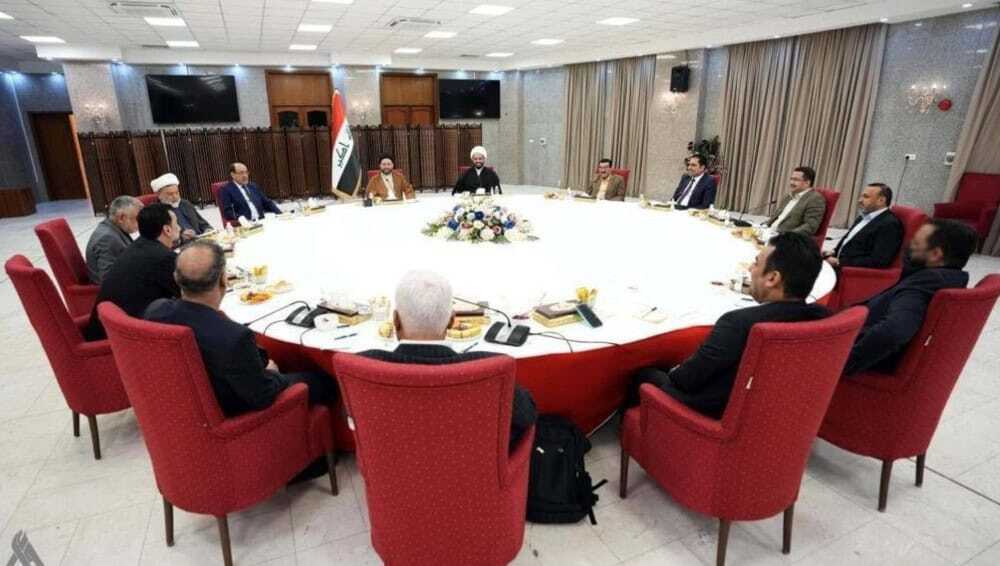
Iraq aims to select new PM as US warns of Iran-backed threats, IRGC-QF head visits
Iraq faces mounting political pressure as Shiite parties in the Coordination Framework (CF) seek to select a new prime minister amid tensions between the US and Iran. On the evening of April 20, the CF delayed its decision to nominate a candidate for the office until April 22. The US has reportedly paused some coordination with Baghdad pending investigations into attacks on US interests, and Iranian Islamic Revolutionary Guard Corps-Qods Force commander Esmail Qaani visited Iraq on April 19.
-
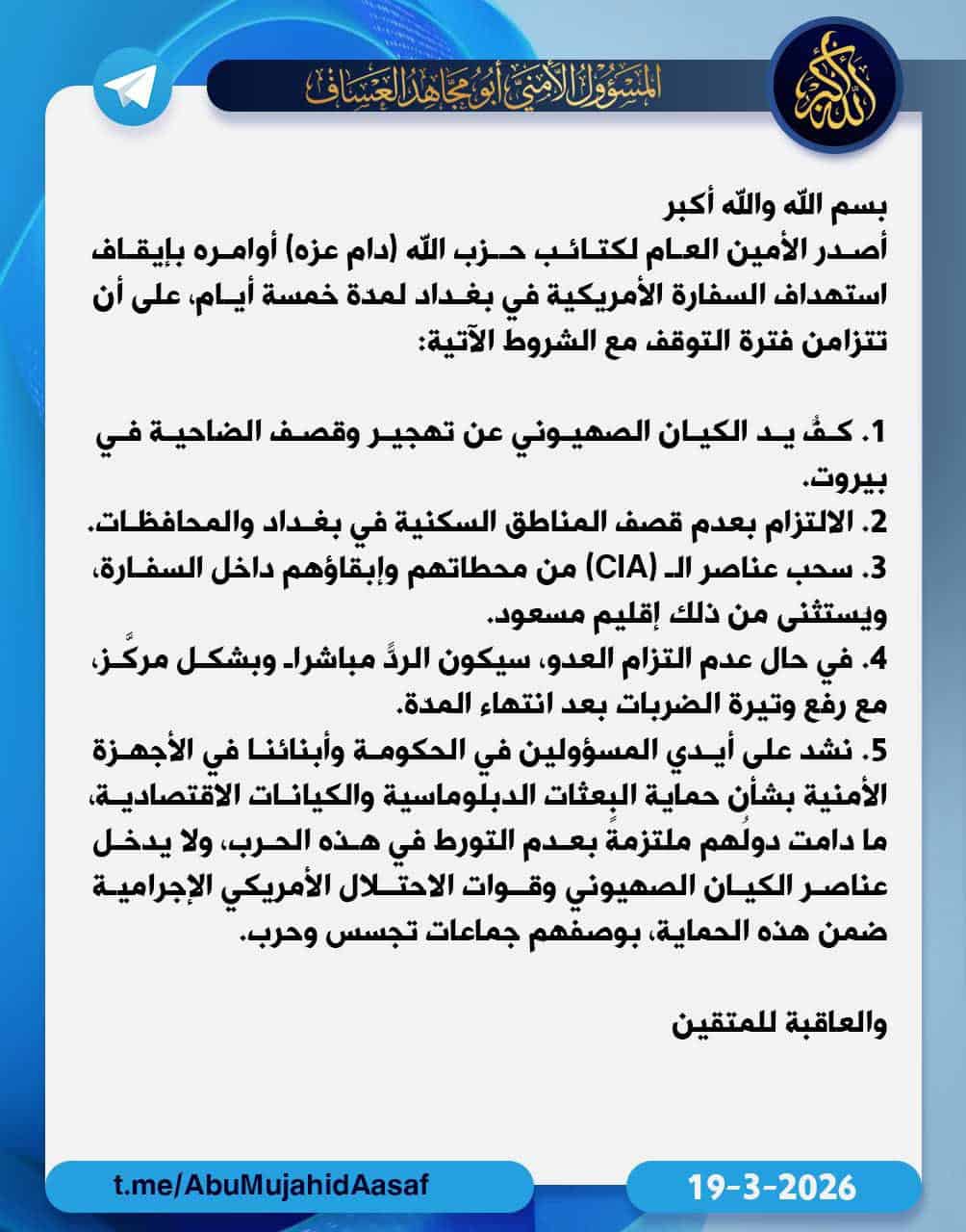
Strikes continue hitting Iran-backed Iraqi militias, Kataib Hezbollah declares temporary US embassy ceasefire
Unclaimed but likely American airstrikes have continued against Iran-backed Iraqi militias, with one strike reportedly killing a senior Kataib Hezbollah commander. The US and Kataib Hezbollah have subsequently agreed to a temporary, conditional pause in attacks on the US Embassy in Baghdad, though other hostilities in the country continue.
-
Iraq wrestles with US pressure over Iran-backed militias
Iraqi political and militia leaders are reportedly responding to pressure from the US to disband Iran-backed militias in Iraq. However, the progress of government efforts and the ultimate status of Iraq’s Popular Mobilization Forces (PMF), primarily supported by Iran, remain uncertain.