-
Saudi Arabia closes its East-West pipeline after attacks from Iraq
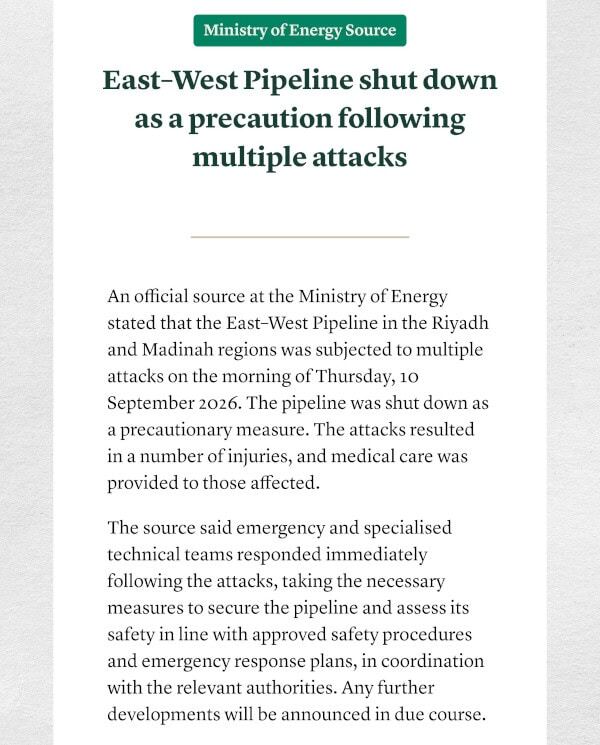
Riyadh announced the closure of its East-West Crude Oil Pipeline following drone attacks emanating from Iraq. The pipeline served as a critical oil export alternative to the Persian Gulf after the closure of the Strait of Hormuz.
-
Iran continues attacks on Kurdish opposition group in northern Iraq
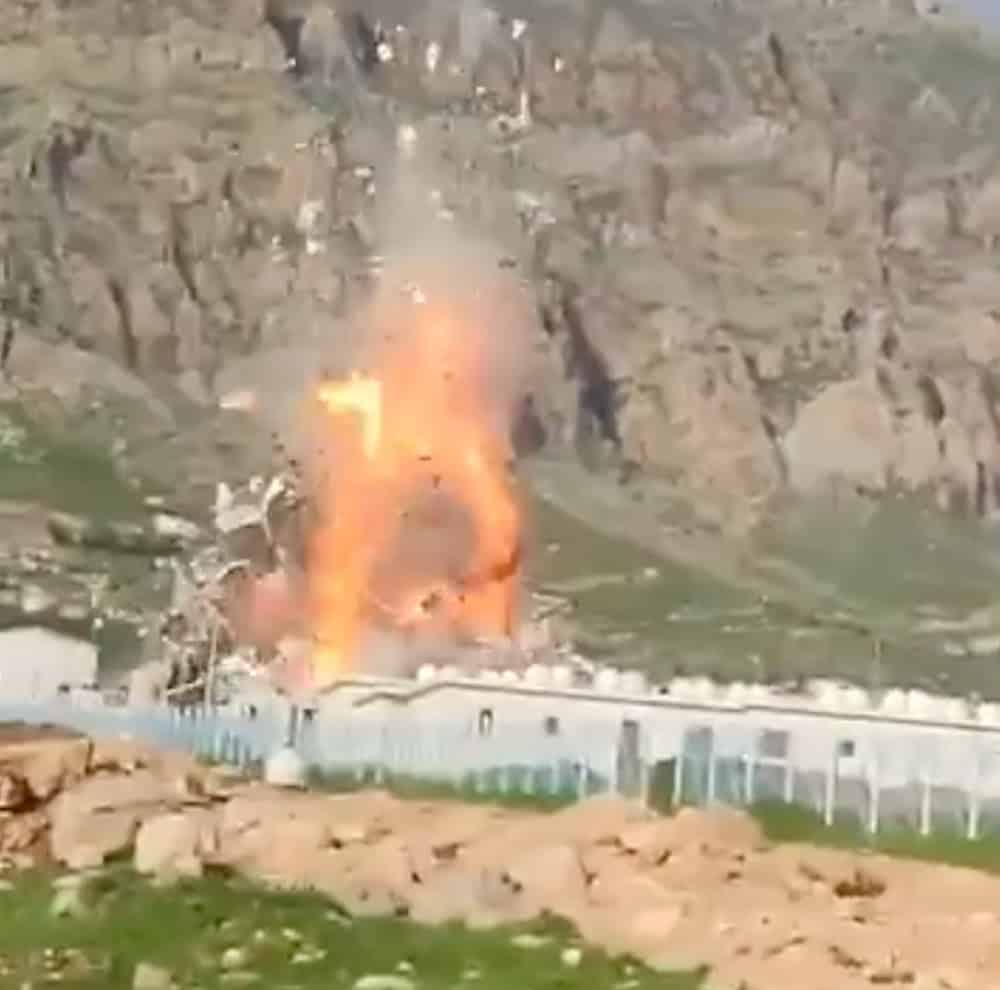
Iran has maintained its campaign against Kurdish Iranian opposition groups in the Kurdistan Region of northern Iraq, carrying out another drone strike on September 2 amid a US military withdrawal. The latest attack underscores the growing security challenges facing the Kurdistan Region as Iran intensifies pressure on Kurdish dissidents, and Iraq has yet to disarm Iran-backed militias.
-
Iranian-backed militia in Iraq sets ‘conditions’ for disarmament
Iraq’s efforts to bring the weapons of Iranian-backed militias under state control are facing a new challenge as one of the country’s groups, Kataib Sayyid al Shuhada, has laid out conditions for disarmament. The debate comes amid continued US pressure on Baghdad to disarm the groups, a looming coalition withdrawal deadline, and renewed efforts by the Iraqi government to assert its authority over armed factions.
-
Iranian-backed Iraqi militias may seek to delay disarmament
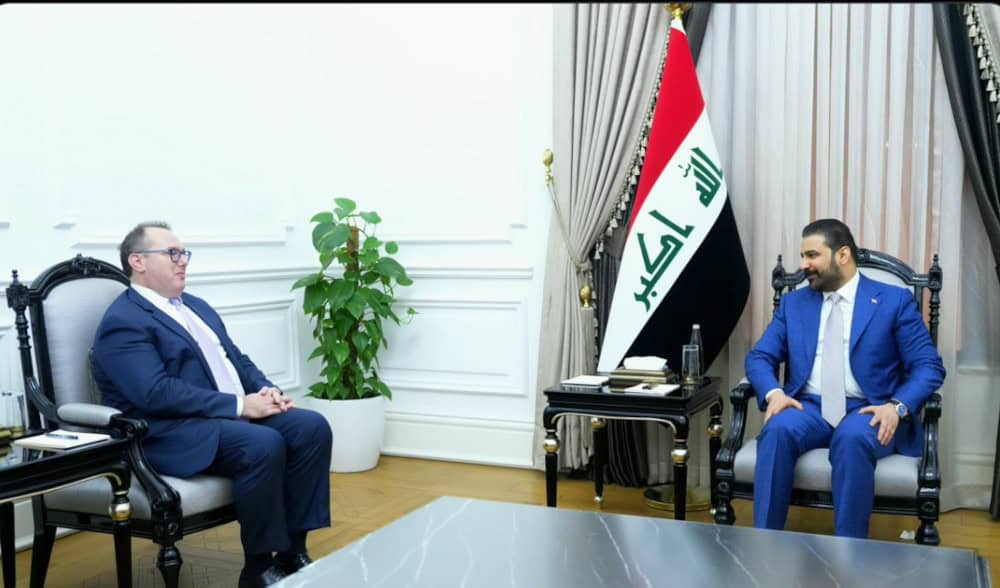
Iraq’s efforts to disarm the country’s Iranian-backed militias appear to be facing growing political resistance as some factions seek to delay or avoid a September deadline. The debate comes as Washington continues pressing Baghdad to bring all weapons under state control.
-
Countries condemn Iranian attack on Kurdistan Region prime minister’s office
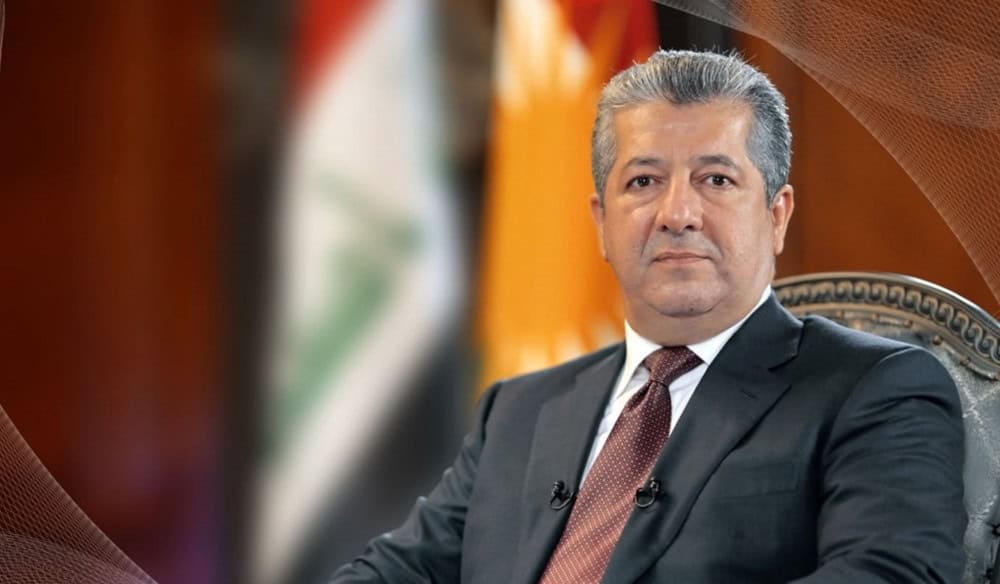
Iran’s August 17 drone attack targeting the office of Kurdistan Regional Government Prime Minister Masrour Barzani drew widespread international condemnation. The strike comes as Baghdad faces increasing pressure to rein in Iranian-backed militias and assert state control over their weapons.
-
IRGC-Qods Force commander Qaani travels to Iraq amid pressure over militia weapons
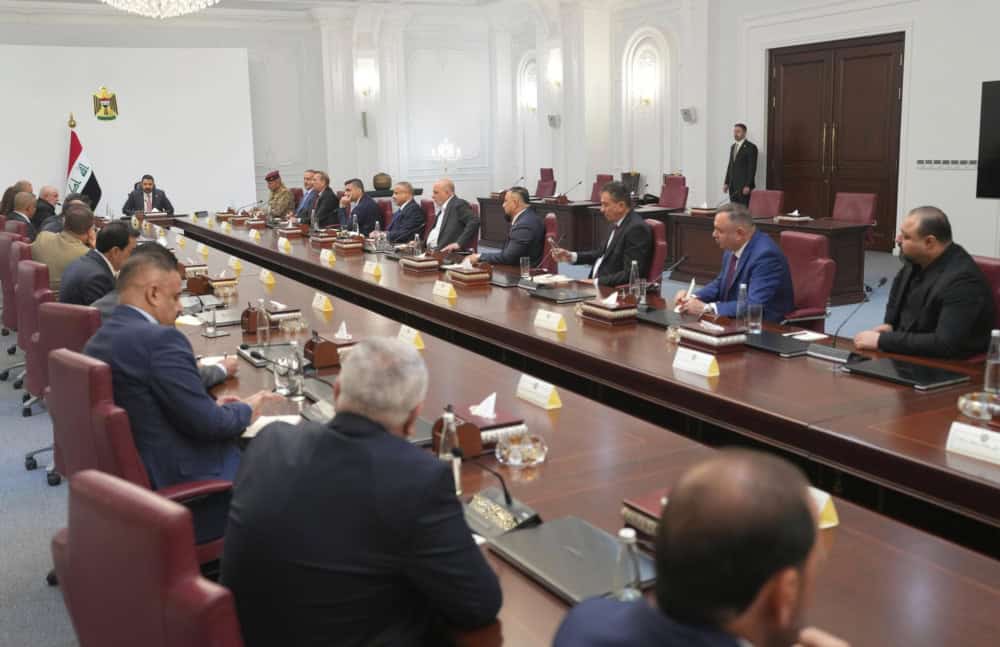
Gen. Esmail Qaani, commander of Iran’s Islamic Revolutionary Guard Corps-Qods Force (IRGC-QF), traveled to Iraq as Baghdad moves forward with legislation to place all weapons under state control. The visit came amid continued Iranian drone and missile attacks on Kurdish opposition groups in the Kurdistan Region of northern Iraq.
-
Iraq pressured by regional countries to rein in Iran-backed militias as new data on extent of attacks released
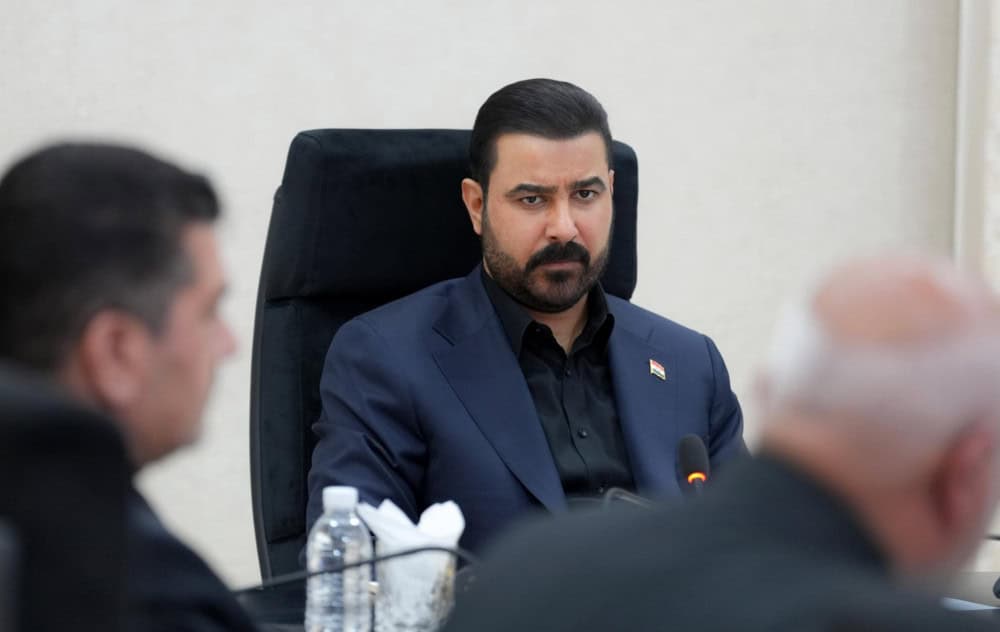
Iraq faces mounting pressure to rein in the militias while balancing tensions with neighboring countries, the US, and Iran. The Kurdistan Region of northern Iraq has come under nearly 1,000 drone and missile attacks by Iran and its proxies since late February, underscoring the growing threat posed by Tehran’s network of militias.
-
US, Saudi Arabia strike Iranian-backed militias in Iraq after militia attacks
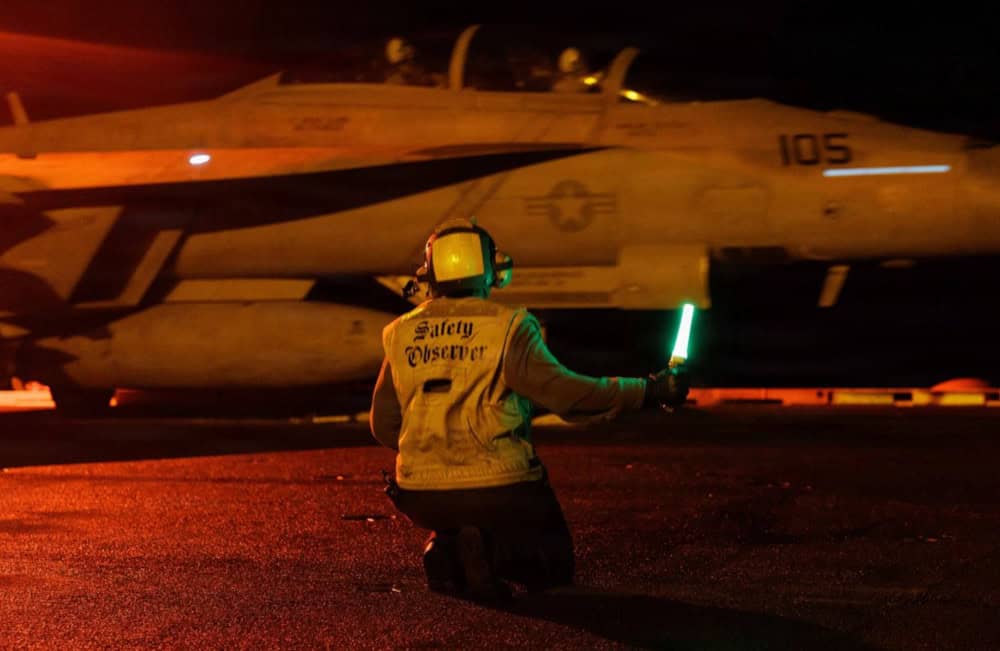
Iranian-backed militias in Iraq escalated attacks on Saudi Arabia and the Kurdistan Region in late July, prompting US and Saudi airstrikes against militia logistics and weapons sites across Iraq. The escalation comes as Washington pressures Iraqi Prime Minister Ali al Zaidi to disarm Iran-aligned militias and bring their weapons under state control.
-
Iraqi Prime Minister Zaidi meets President Trump, Secretary Hegseth in Washington
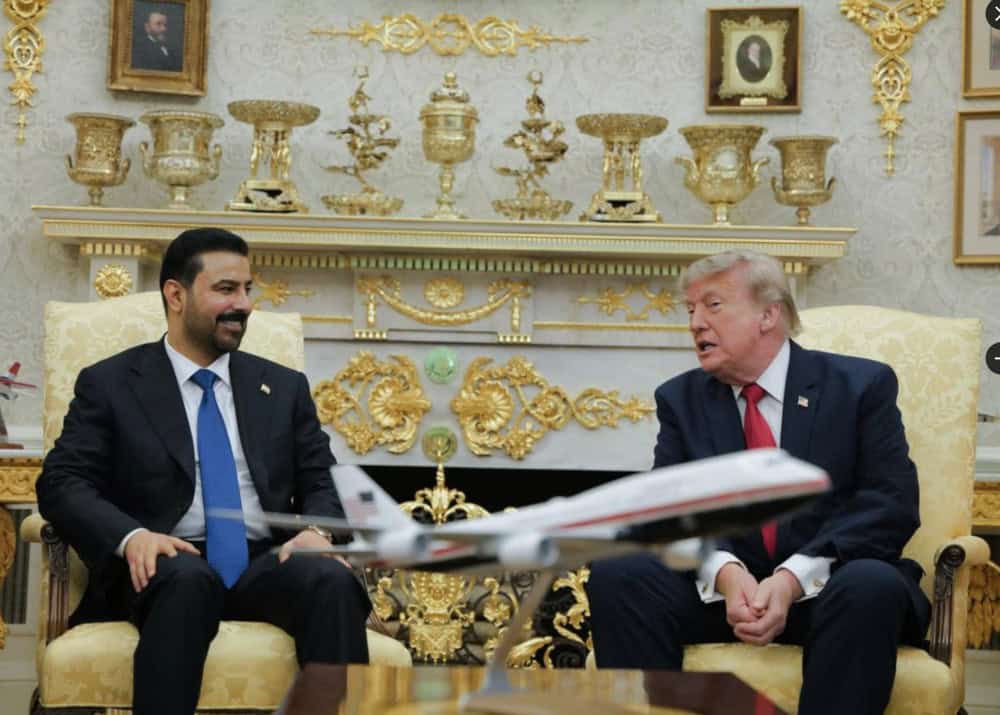
Iraqi Prime Minister Ali al Zaidi met US President Donald Trump and other US officials during his first official visit to Washington since taking office. The talks focused on security cooperation, investment, and Iraq’s plans to bring weapons held by Iranian-backed militias under state control. While Trump praised Zaidi’s leadership, the visit also drew criticism from pro-Iranian factions in Iraq and skepticism from some US lawmakers.
-
Body of slain Iranian leader Khamenei arrives in Iraq for Najaf and Karbala rites
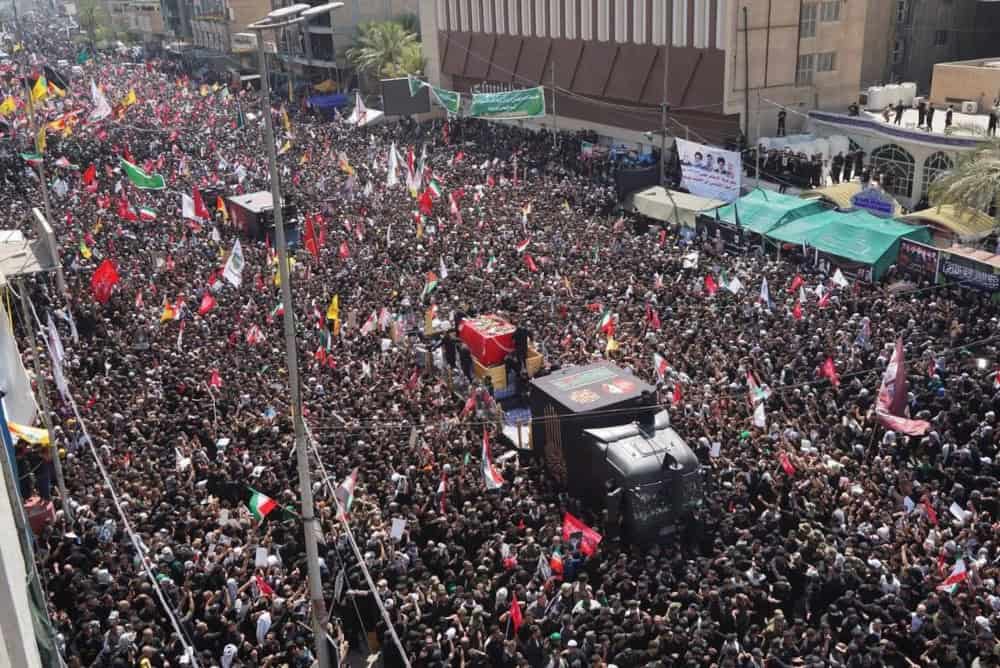
Iraqi elites received the body of slain Iranian Supreme Leader Ali Khamenei as his funeral procession toured Iraq’s Shiite holy cities on July 8. Notably, Iraq’s top cleric did not say prayers or attend the ceremony due to stated health reasons.
-
Iraq launches corruption crackdown, sets deadline for militia weapons handover
Iraq’s new government launched a sweeping anti-corruption campaign that resulted in dozens of arrests of politicians and senior officials across the country’s political spectrum. The raids, carried out by elite security forces, are part of Prime Minister Ali al Zaidi’s broader effort to strengthen state institutions and restore public confidence in government.

-
IDF confirms killing Hezbollah commander responsible for creating Iran-backed militias in Iraq
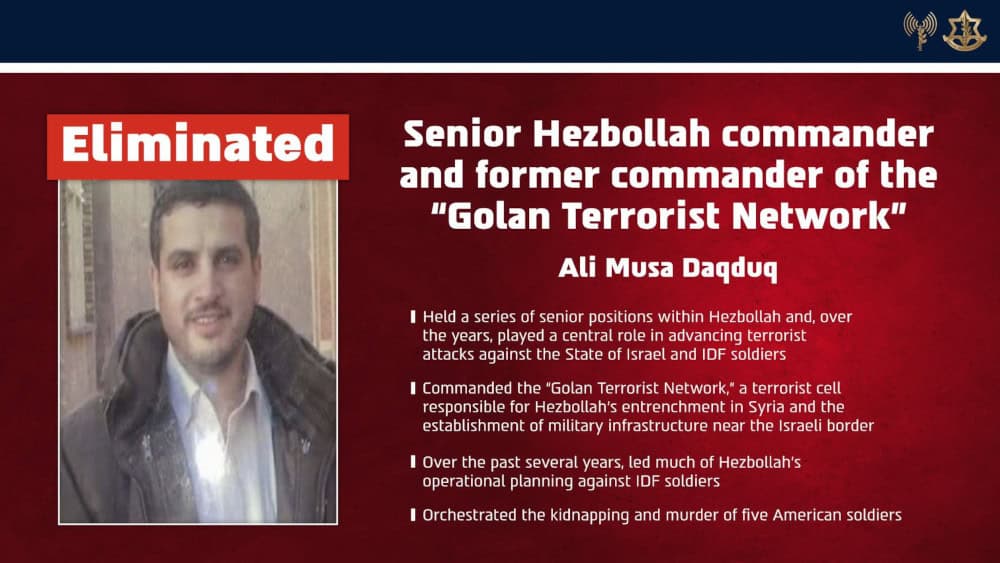
On June 14, the Israeli military confirmed that it killed Ali Mousa Daqduq, a wanted and dangerous Hezbollah military commander. Daqduq was a key architect of the Iranian-backed militias in Iraq and a top Hezbollah commander involved in leading attacks inside Israel. He was previously reported killed in the fall of 2024, but his death was never confirmed.
-
Iraq’s prime minister prepares US visit amid Iran threats and militia focus
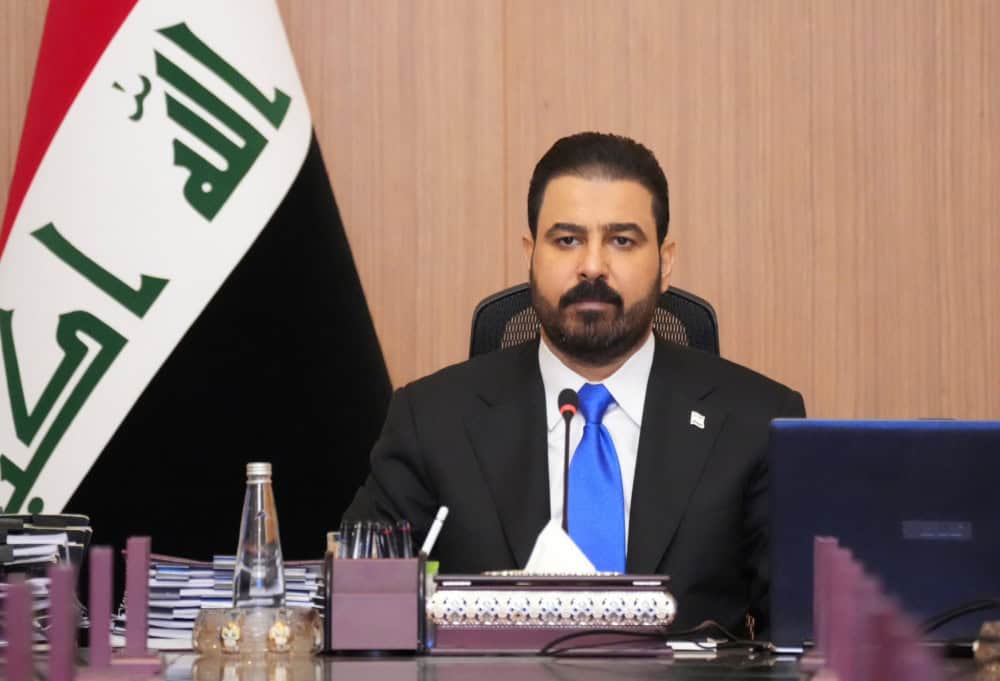
Iraqi Prime Minister Ali al Zaidi is set to visit Washington, DC, as his government seeks investment, security cooperation, and support for efforts to strengthen state authority. A central focus of his agenda is bringing weapons held by Iranian-backed militias under government control, a process Baghdad hopes to advance before the planned end of the US anti-Islamic State mission in September 2026.
-
Saudi Arabia and UAE say drone attacks were launched from Iraq
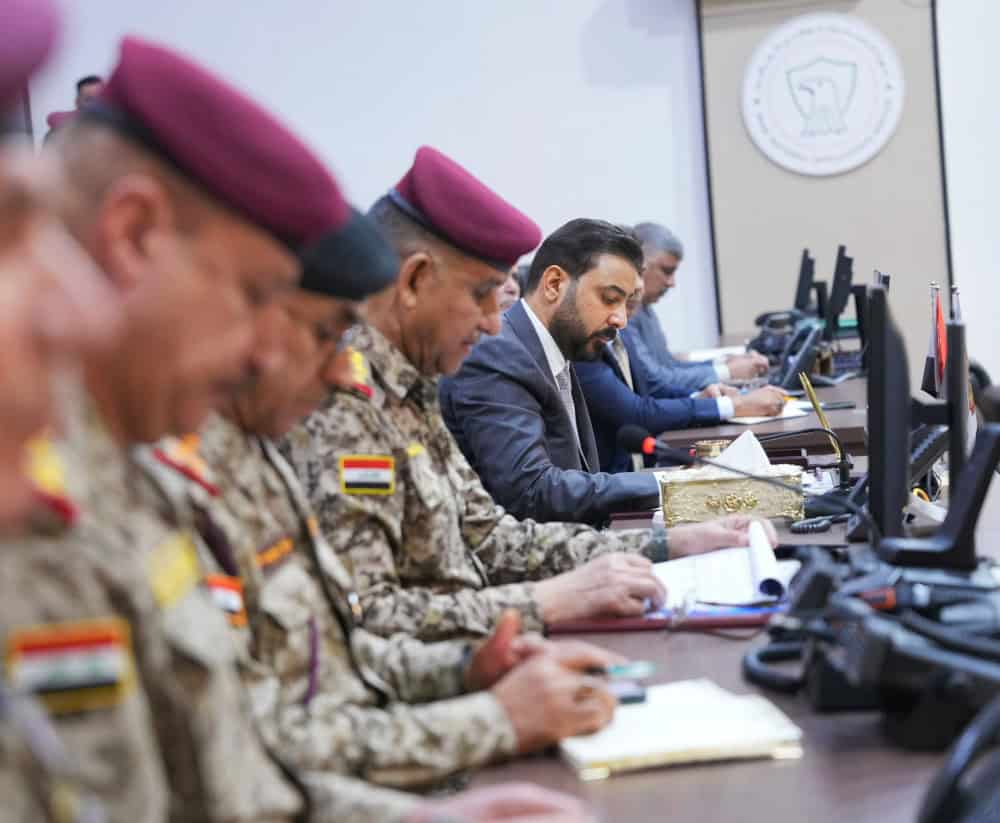
Saudi Arabia and the United Arab Emirates said that recent drone attacks targeting their territory originated from Iraq, increasing pressure on Baghdad to address the activities of Iranian-backed militias operating inside the country. The incidents come amid continued regional tensions involving Iran and have intensified scrutiny of Iraq’s newly formed government.
-
US offers rewards for 3 Iraqi militia leaders
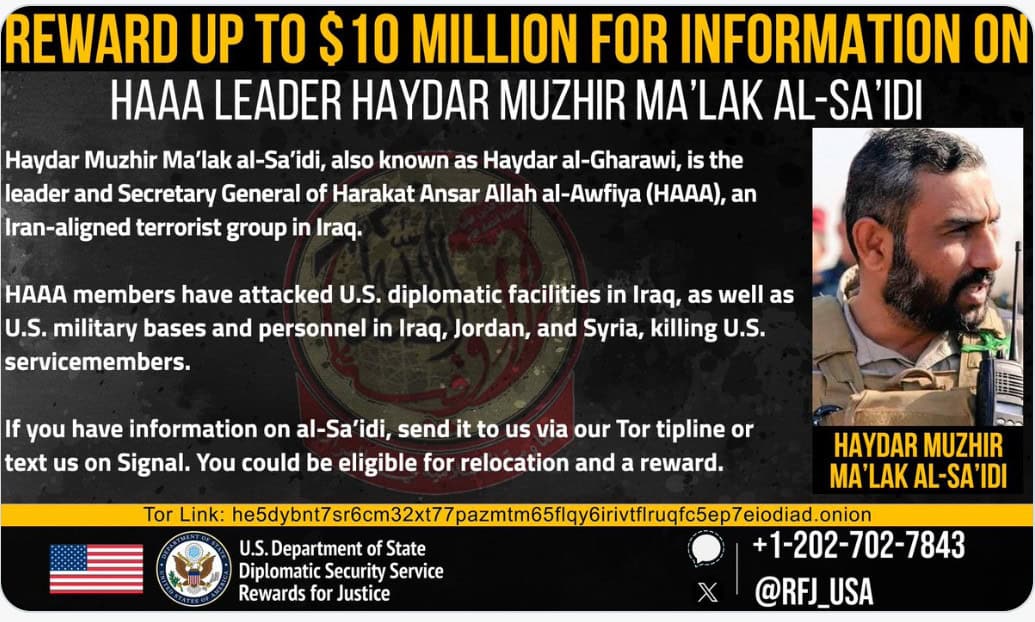
The United States has intensified pressure on Iranian-backed militias in Iraq, offering multimillion-dollar rewards for information on additional key leaders linked to attacks on US personnel and facilities. The latest rewards target figures from three groups: Kataib Hezbollah, Kataib Sayyid al Shuhada, and Harakat Ansar Allah al Awfiya.
-
Iraq nominates little-known businessman to be next prime minister
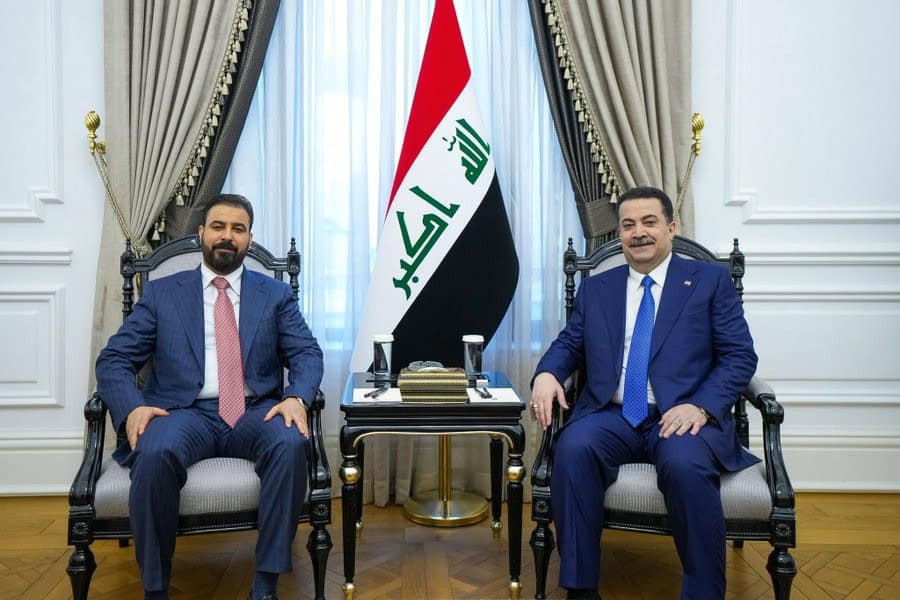
After months of political deadlock, the Shiite parties that comprise Iraq’s largest parliamentary bloc named Ali al Zaidi as the country’s prime minister-designate. Zaidi, a businessman who has not previously held a government position or been publicly affiliated with a specific party, now has 30 days to form a government.
-
Iraqi fundraising drives linked to militias channel support to Iran and Hezbollah
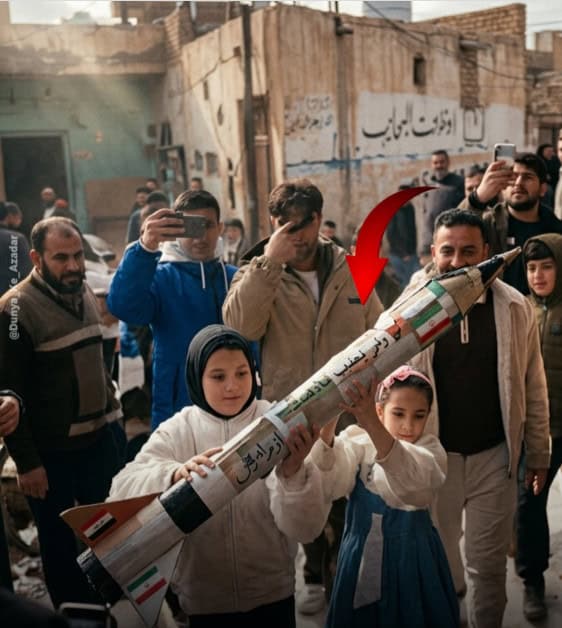
Efforts described by Iran-backed Iraqi militias as humanitarian campaigns increasingly show signs of serving as a parallel financial pipeline that also fuels Iran’s current war effort and regional proxy network. Across Iraq, groups aligned with Tehran are mobilizing donation drives framed as a religious obligation and in wartime solidarity.
-
Home of Kurdistan Region president targeted, American universities threatened as attacks escalate in Iraq
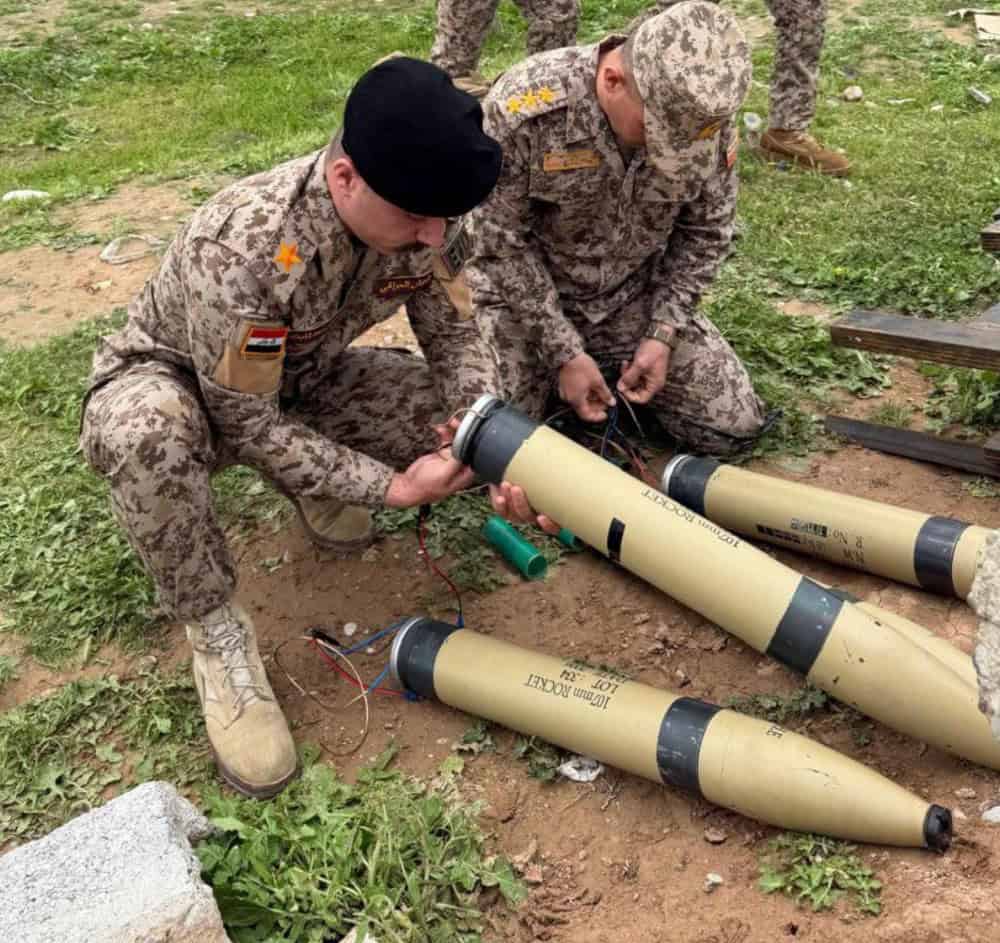
A drone attack targeted the residence of Kurdistan Region of Iraq President Nechirvan Barzani amid escalating strikes in Iraq on March 28, followed by a drone interception near the home of Masoud Barzani, leader of the Kurdistan Democratic Party (KDP), the following day. Iranian-backed militias and Iran have been blamed for attacks across Iraq, including more than 500 drone and missile strikes against the semi-autonomous Kurdistan Region since February 28.
-
6 Kurdistan Regional Government soldiers killed in Iranian attack on northern Iraq
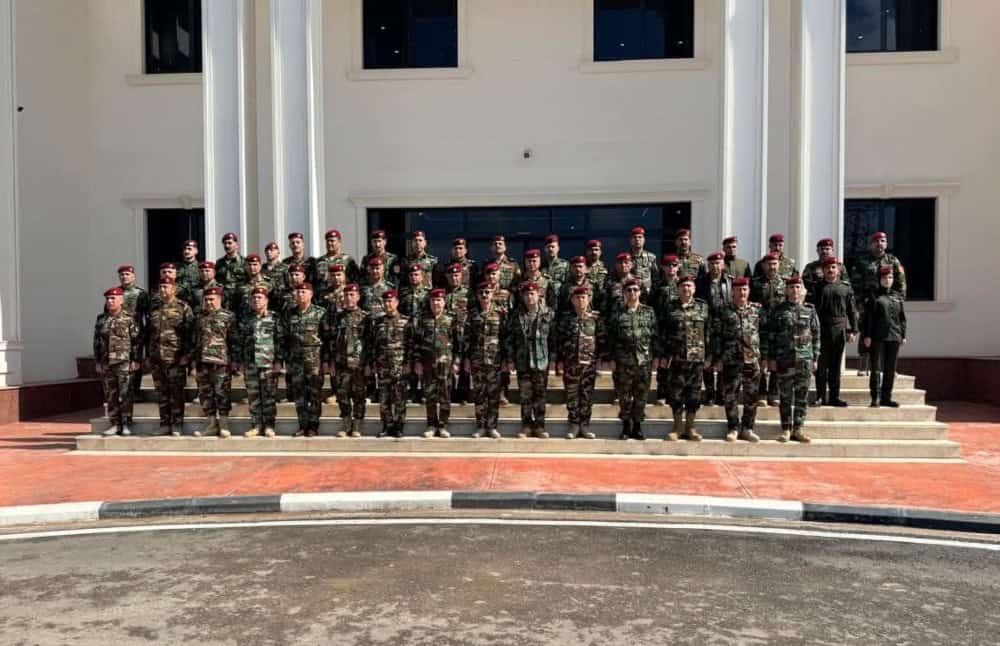
Six Peshmerga fighters were killed, and more than 20 were wounded in a missile strike north of Erbil on March 24, marking the deadliest attack on the Kurdistan Region since late February. The strike is part of a broader wave of drone and missile attacks by Iran and Iranian-backed militias targeting northern Iraq, US facilities, and Kurdish forces. In addition, rockets were fired toward Syria on March 23, and at least 15 members of Iraq’s Popular Mobilization Forces were killed in a likely US airstrike in Iraq’s Anbar province.
-
Strikes continue hitting Iran-backed Iraqi militias, Kataib Hezbollah declares temporary US embassy ceasefire
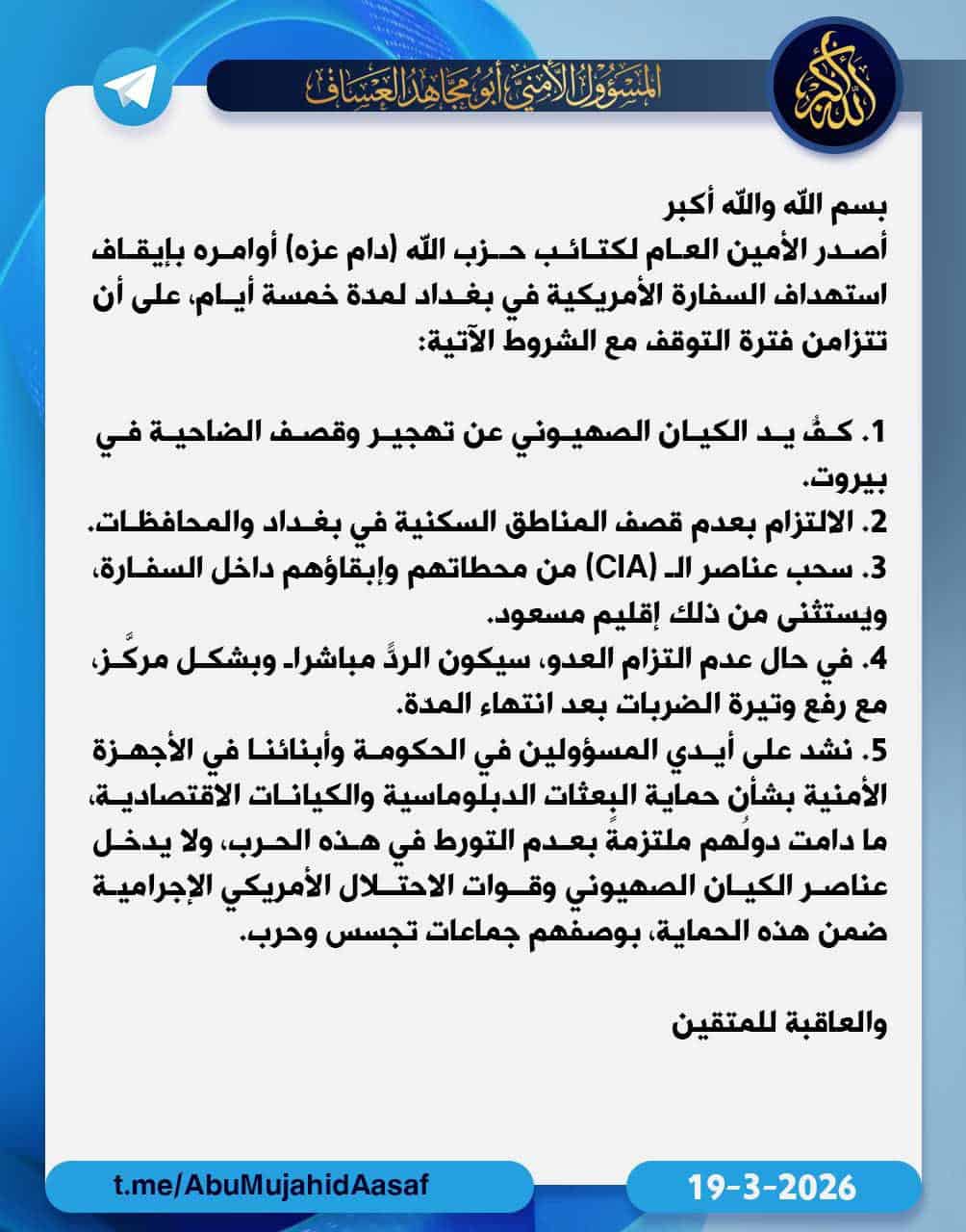
Unclaimed but likely American airstrikes have continued against Iran-backed Iraqi militias, with one strike reportedly killing a senior Kataib Hezbollah commander. The US and Kataib Hezbollah have subsequently agreed to a temporary, conditional pause in attacks on the US Embassy in Baghdad, though other hostilities in the country continue.
-
Iranian-backed militias escalate attacks in Iraq, send mixed signals on next steps
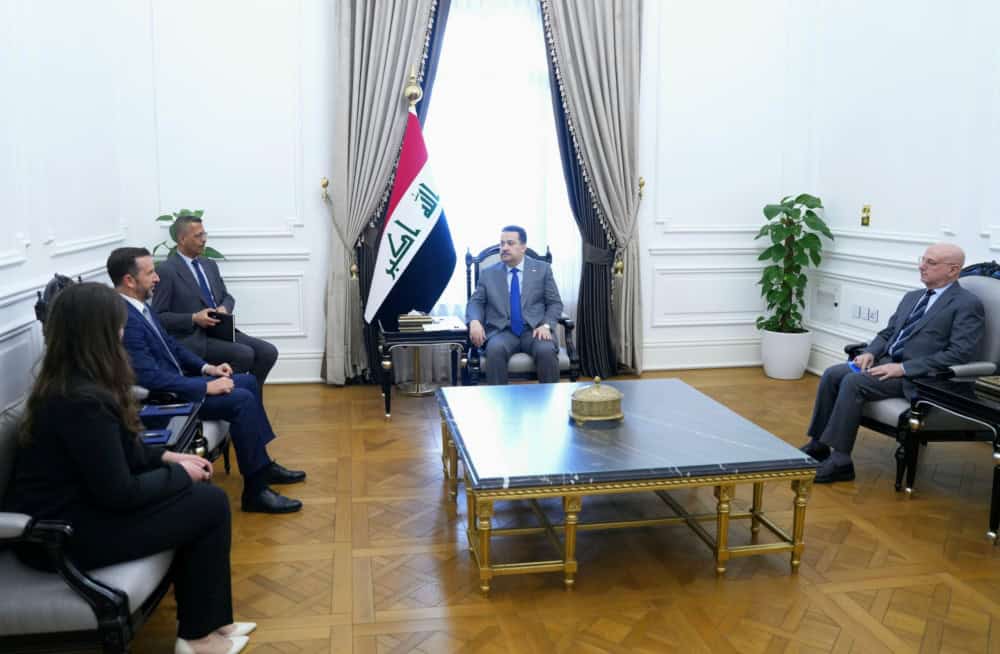
Iranian-backed militias have continued conducting attacks across Iraq, recently targeting US and foreign diplomatic sites in Baghdad and Erbil. Hundreds of strikes have hit the Kurdistan Region since late February, wounding Peshmerga forces and damaging key locations. While Kataib Hezbollah signaled a possible temporary pause in attacks tied to specific demands on March 18, other groups, such as Kataib Sayyid al Shuhada, vowed to continue.
-
Dozens of airstrikes target Iran-backed militias across Iraq
The unclaimed airstrikes, likely conducted by the United States as part of US-Israeli operations against the Islamic Republic of Iran, have targeted several Tehran-allied militias in Iraq and reportedly caused significant casualties. The US has not commented on these operations, which include over 30 reported strikes on the groups, who continue to attack US forces in the region.

-
Iran-backed Iraqi militias claim downing of US aircraft, US says not due to ‘hostile fire’
The Islamic Resistance in Iraq, a front organization for Iranian-backed militias, claimed to have shot down a US Air Force KC-135 Stratotanker over western Iraq but provided no evidence. US Central Command denied that the aircraft was shot down, and reports indicated that it had collided with another US warplane.

-
Rockets target US Embassy in Baghdad after Iraqi Shiite militia group issues threat over war in Lebanon
The day before an attack on the US Embassy on March 7, the Coordination Committee of the Iraqi Resistance had issued a statement warning that continued strikes on Beirut’s Dahiyeh area would elicit attacks against embassies and oil companies in the region. The ultimatum follows repeated Israeli strikes against Hezbollah infrastructure and personnel in Beirut’s southern suburbs after Hezbollah entered the war on March 2.

-
Iran escalates attacks on Kurdistan Region of Iraq
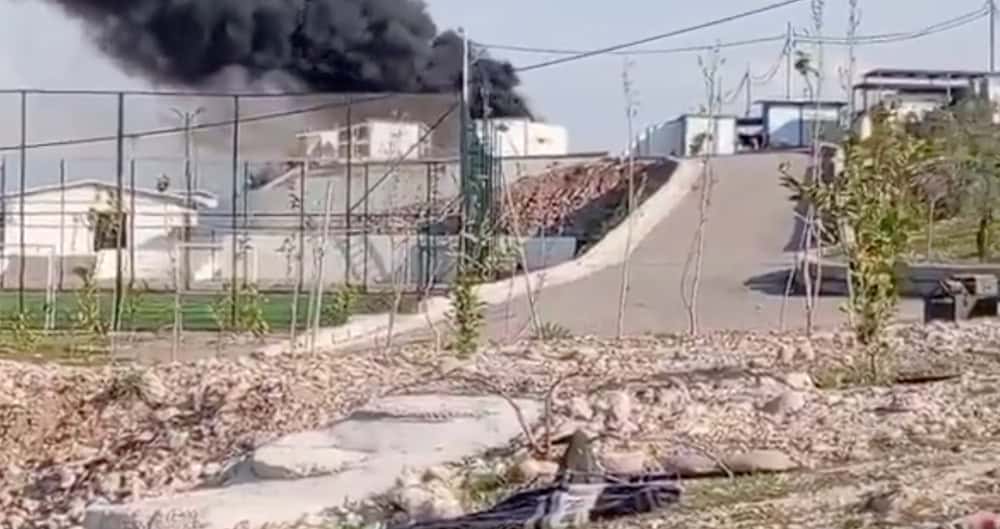
Iran and Iranian-backed militias have escalated drone and missile attacks on the Kurdistan Region of Iraq, striking sites in Erbil and Sulaimani Governorates and killing at least three people. Many of the attacks are targeting Kurdish Iranian opposition groups.
-
Vital Khor Mor gas field attacked in Kurdistan Region of northern Iraq
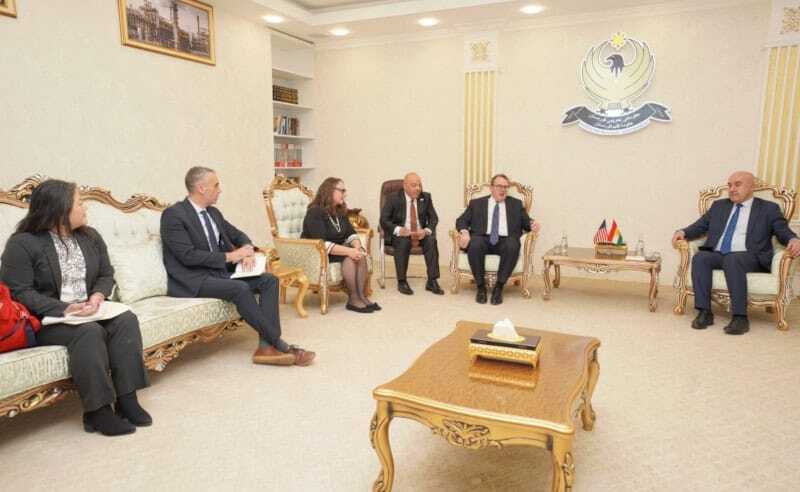
A November 26 drone attack on the Khor Mor gas field in the Kurdistan Region of Northern Iraq has led to power outages. The attack has been condemned by the US, UN, Turkey, Iran, and local Iraqi officials. Kurdistan Regional Government officials have called for increased protection of the facility, which has been targeted a dozen times in the last several years. Iranian-backed militias using kamikaze drones have been blamed for past attacks, and officials in Baghdad and Erbil vowed to investigate.
-
Iraq votes in parliamentary elections amid US security talks and concerns about Iranian influence
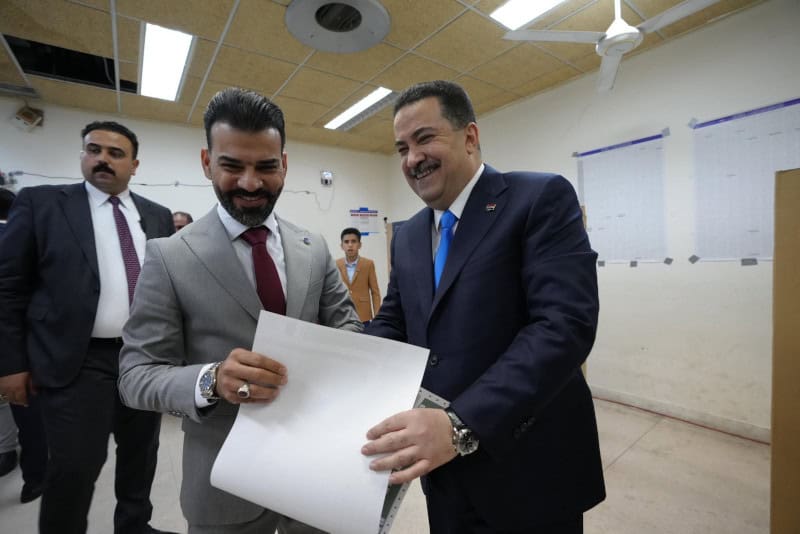
On November 11, Iraqis voted in the country’s sixth parliamentary election since 2006. More than 30 million people were eligible to vote, and estimates say turnout was around 55 percent. There were 329 seats up for election, with Iraqi parties divided along sectarian and ethnic lines. On the eve of the election, US officials met with their Iraqi counterparts to discuss future security cooperation. Meanwhile, Iran is closely monitoring the election results as pro-Iranian parties and militias seek to secure seats in parliament.
-
Iranian-backed Iraqi militias in spotlight after Secretary of State Rubio’s call with Prime Minister Sudani
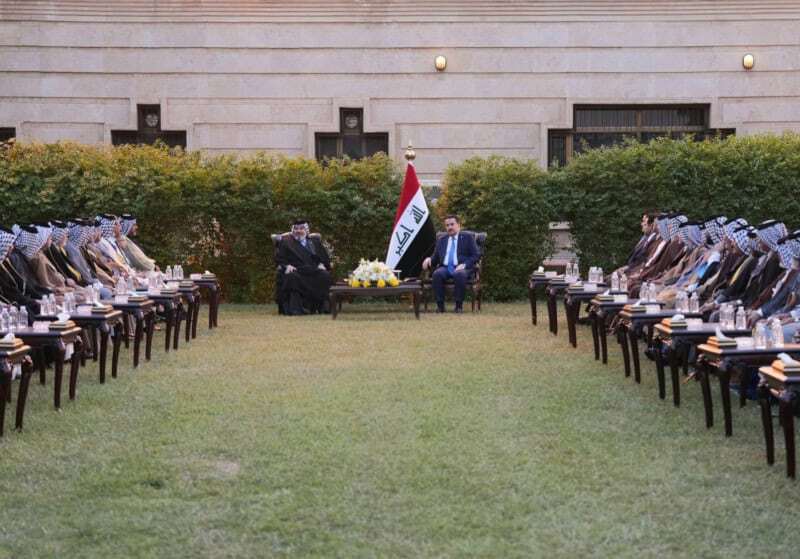
US Secretary of State Marco Rubio spoke with Iraqi Prime Minister Shia al Sudani on October 21, discussing the “urgency in disarming Iran-backed militias that undermine Iraq’s sovereignty.” Sudani told the US to “avoid unilateral decisions in Iraq.” The call followed increased US sanctions on Iranian-backed militias in Iraq and individuals linked to them. Separately, Iraq’s National Security Advisor Qasim al Araji visited Iran and met with the head of the Islamic Revolutionary Guard Corps (IRGC), while IRGC-Qods Force Commander Esmail Qaani visited Iraq to discuss upcoming elections with Shiite political parties.
-
Iraqi parliamentary candidate killed in car bombing
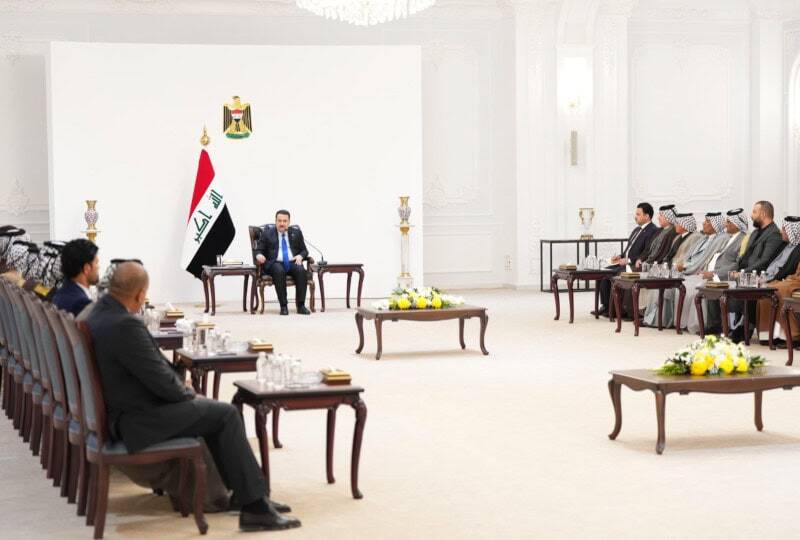
Safaa al Mashhadani was reportedly killed in a car bombing on October 15 in Tarmiya, a town north of Baghdad. Mashhadani was a candidate with the Sovereignty (Siyada) Alliance, an important Sunni party running in the country’s November elections. Iraqi media reports indicate the attack has the hallmarks of a targeted assassination, and the United Nations Assistance Mission for Iraq (UNAMI) called for a transparent investigation.
-
US designates 4 Iran-backed Iraqi militias as Foreign Terrorist Organizations
On September 17, the US State Department designated four Iran-backed Iraqi militias as Foreign Terrorist Organizations (FTOs). These groups, previously listed as Specially Designated Global Terrorists (SDGTs), have received support from the regime in Tehran and attacked US forces and interests in Iraq and across the Middle East.