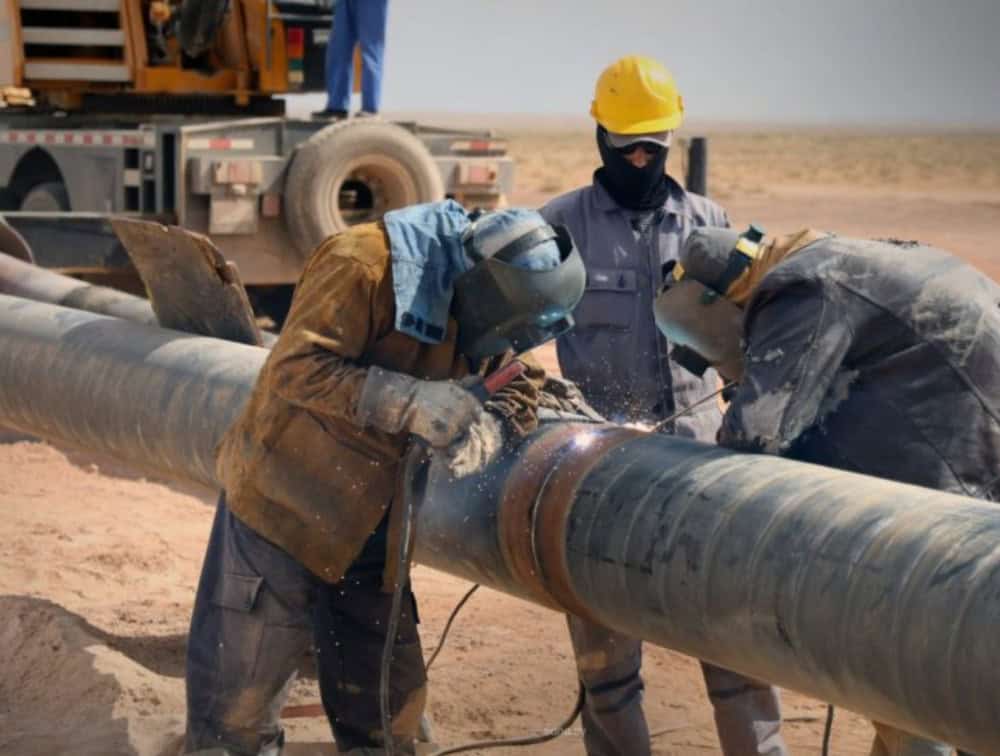
The important Khor Mor gas field in the Kurdistan Region of northern Iraq was attacked by kamikaze drones on the evening of November 26. It is the latest attack on the facility, which has been targeted by drones a dozen times in the last several years.
“A drone attack targeted a storage tank at the Khor Mor gas field late on Wednesday night, causing a blaze that took several hours to be brought under control. The attack also caused a widespread power outage,” the Kurdish Rudaw Media Network noted on November 28. US and other officials have condemned the attack, which set the gas field on fire. The Pearl Consortium, which “holds the rights to develop the field,” had recently boosted capacity at the site.
The Khor Mor gas field is located in Sulimaniyeh province, near the border between the autonomous Kurdistan Region and Iraq’s federally controlled province of Kirkuk. Thus, it is within range of rockets or drones that could have been launched by Iranian-backed militia groups who operate in the rest of the country.
Before the November 26 attack, there was an alert at the same gas field due to drone threats overnight between November 23 and 24.
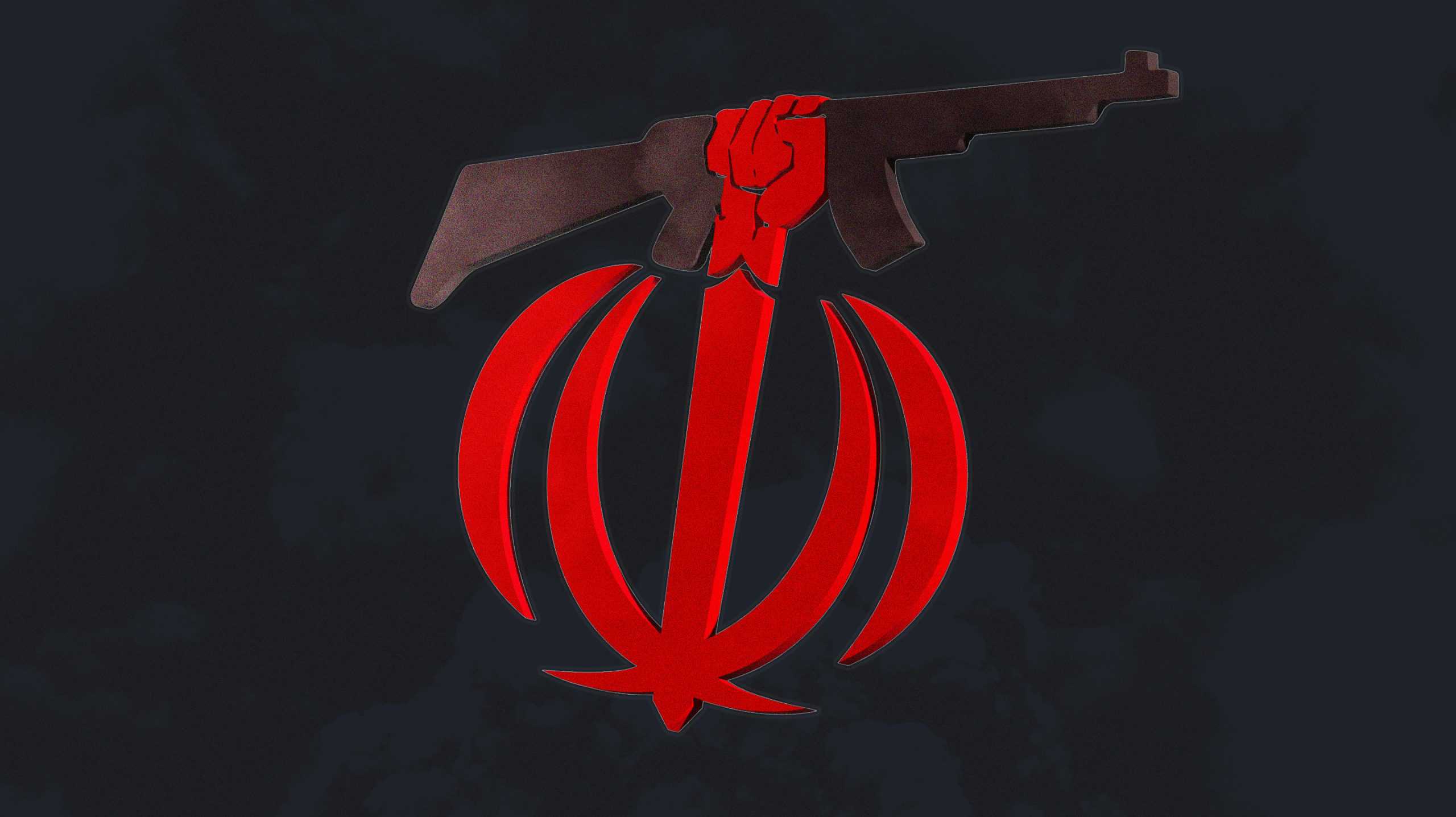
The attack comes at an important time for Iraq as Iraqi parties are jockeying for control in the wake of the November 11 parliamentary elections. Iranian-backed militias played a key role in the election, fielding numerous candidates, as they have in the past. The attack also comes after the Kurdistan Region said it had seen an increasing electrical power supply. “Attacks on Iraqi Kurdistan’s oilfields are recurrent and often lead to a halt of supplies, with local officials pointing to Iran-backed militias as a likely source—acting against US interests in the region,” Al Arabiya noted.
“A committee headed by [Iraqi Interior Minister] Abdul-Amir Shammari, with members including the head of the intelligence agency and the interior minister of the Kurdistan Region, and with the support of the global coalition, is investigating the attack on Khor Mor field,” Sabah al Numan, spokesperson for Iraq’s commander-in-chief of the armed forces, said on November 28.
Newly appointed US Envoy to Iraq Mark Savaya posted on November 27 that “armed groups operating illegally and driven by hostile foreign agendas carried out an attack yesterday on the Khor Mor gas field.” He added that the government of Iraq must identify those responsible and bring them to justice. “Let it be unequivocal: there is no place for such armed groups in a fully sovereign Iraq. The United States will fully support these efforts. Every illegal armed group and supporter will be tracked, confronted, and held accountable.” Savaya also said the US would work to support “a strong Kurdistan within a united and stable Iraq.
The US Consulate in Erbil also condemned the attack, noting that it is “the latest in a spate of attempts by malign actors to undermine Iraq’s stability and to target American investments in the Iraqi Kurdistan Region. We are prepared to lend support to efforts to protect this critical infrastructure.” In addition, the consulate said that Iraqi sovereignty should mean that “all weapons, especially drones, missiles, and rockets, are brought under state control.”
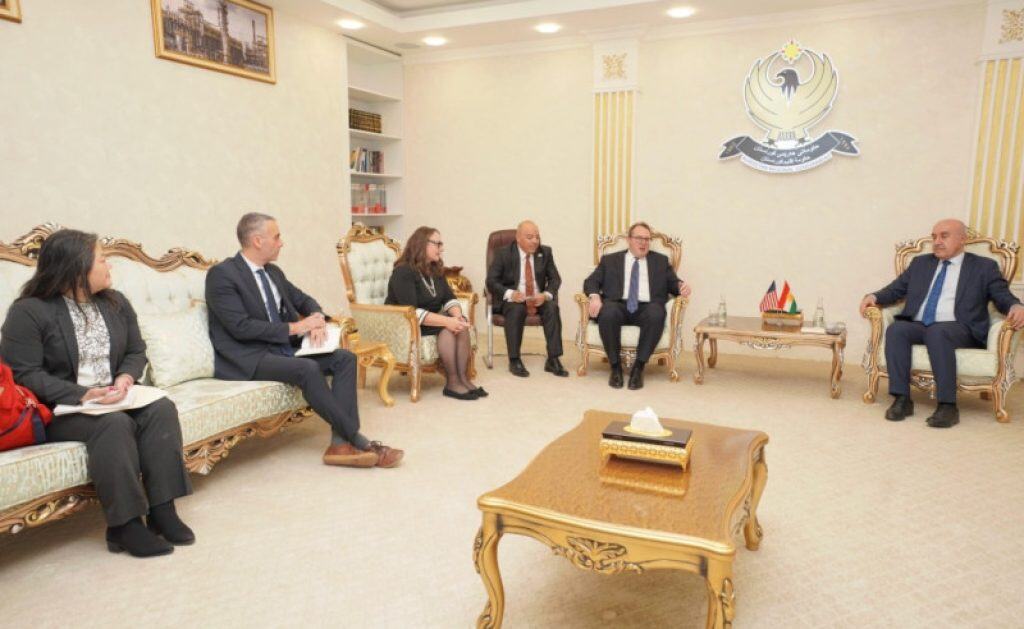
The attack on the gas field came hours after the US Chargé d’Affaires Joshua Harris and Consul General Gwendolyn Green had posted about meeting with Kurdistan Regional Government Minister of Electricity Kamal Mohmmad Salih “to discuss US energy priorities in the Iraqi Kurdistan Region.”
The attack has sparked a wave of condemnation. The UN Mission in Iraq stated that the incident “harms the economic infrastructure of the Kurdistan Region and all of Iraq but also sends negative messages, primarily against the Iraqi federal system.” Turkey’s Foreign Ministry and Iran’s Consulate in Erbil both condemned the attack, along with various Iraqi political parties, including the Shiite Coordination Framework.
The attack has led to discussions about why the gas field is being targeted, and Kurdish political leaders and commentators are calling for increased security to counter drones and other threats. Kurdistan Democratic Party head Masoud Barzani, an influential leader in the region and the former president of the KRG, said “the time has come to take serious and practical steps against these aggressions and unjust attacks, to put an end to them, and to punish those responsible.”
Rudaw reported that the US was offering protection in the wake of the attack, but the details of the support it can provide are still unclear.