-
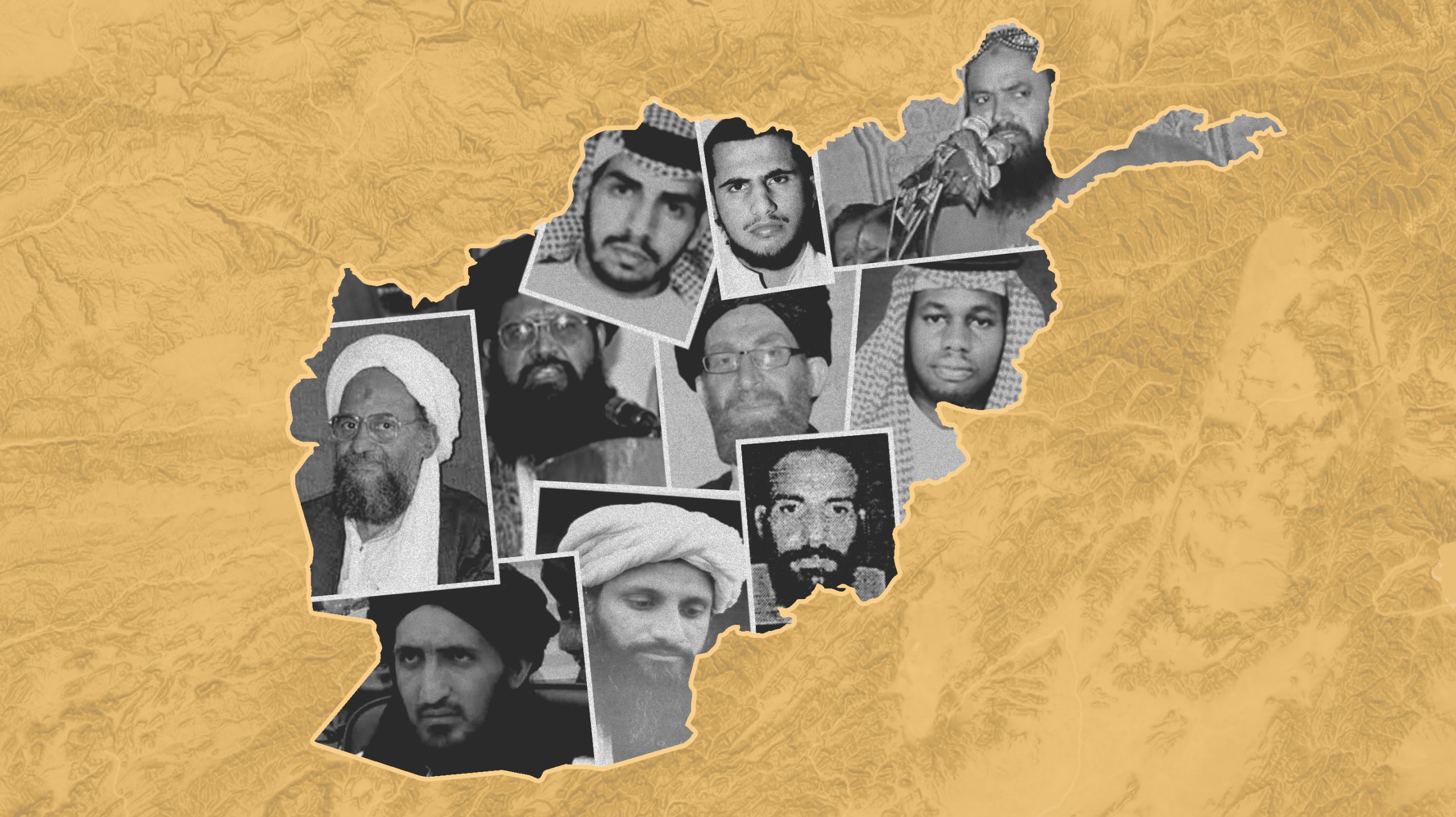
US flag trampling, militia disarmament dispute mark Iraq’s post-US withdrawal era
Iraq is grappling with controversy over the role of Iran-backed militias following the departure of US forces, including an incident in which Popular Mobilization Forces members were photographed driving over an American flag. Prime Minister Ali al Zaidi is pushing to bring militia weapons under state control by June 2027, with several factions reportedly agreeing to disarm while others continue to resist.
-
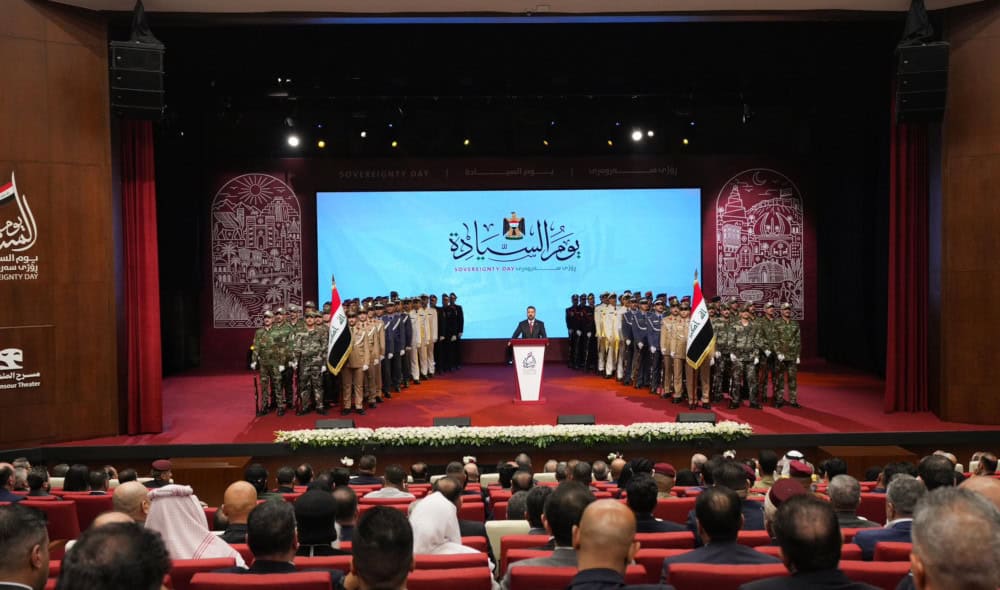
Iraq pressured by regional countries to rein in Iran-backed militias as new data on extent of attacks released
Iraq faces mounting pressure to rein in the militias while balancing tensions with neighboring countries, the US, and Iran. The Kurdistan Region of northern Iraq has come under nearly 1,000 drone and missile attacks by Iran and its proxies since late February, underscoring the growing threat posed by Tehran’s network of militias.

-
As Kurdistan Region seeks drone defenses, Rubio warns Iraq about Iran proxies
The Kurdistan Region of Iraq is seeking to acquire air-defense systems following months of missile and drone attacks targeting energy infrastructure and Iranian opposition groups across northern Iraq. US Secretary of State Marco Rubio warned that Iranian-backed proxies continue to threaten regional stability by launching attacks from Iraqi territory.
-
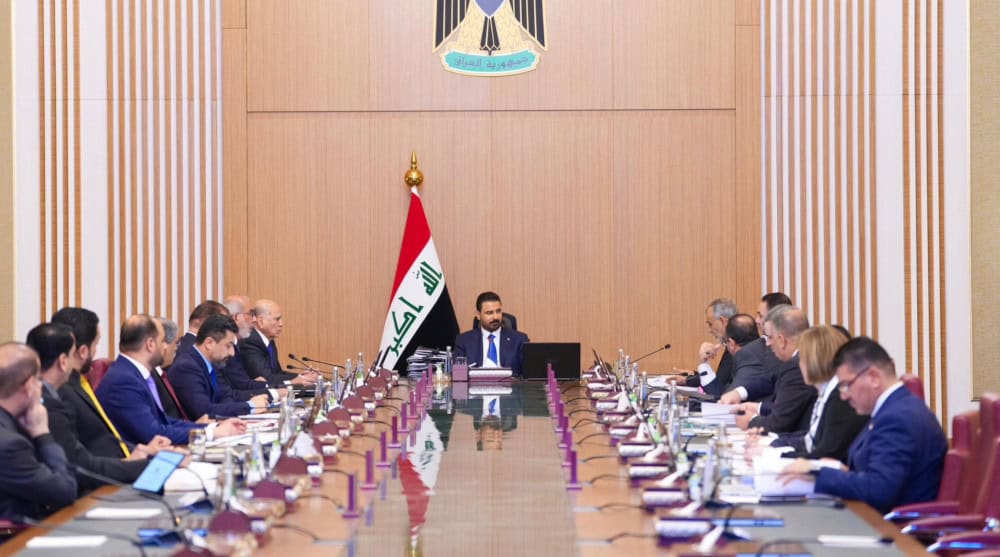
Iraqi Prime Minister Ali al Zaidi meets US envoy amid militia pressure
US Envoy to Iraq and Syria Tom Barrack’s recent visit to Iraq on June 15 highlighted Washington’s efforts to support stability, security cooperation, and political reform in the country amid continuing regional tensions. Discussions focused on strengthening ties between Baghdad and Washington, disarming Iranian-backed militias, and advancing energy deals.
-
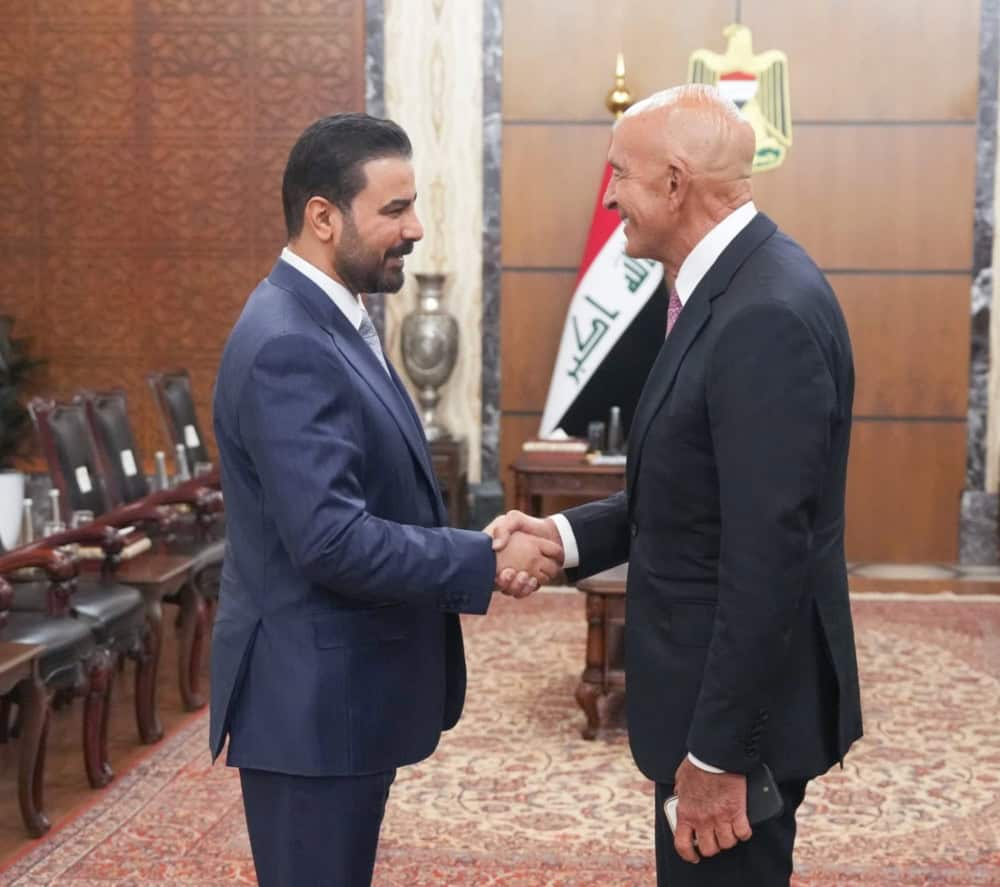
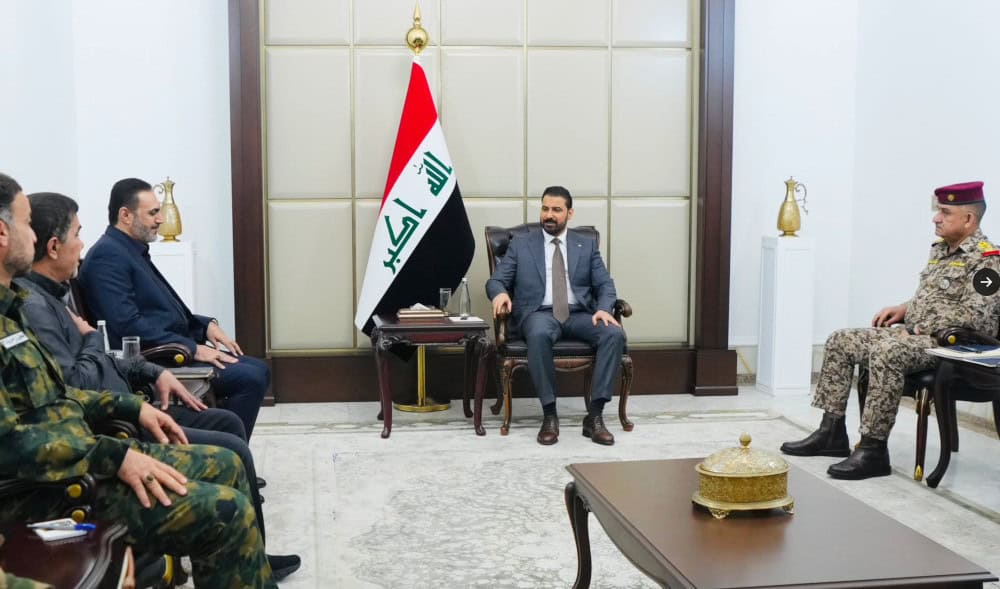
Several Iranian-backed militias in Iraq say they accept state control of weapons
Iraq’s new government is attempting to bring weapons held by Iranian-backed militias under state control, a move that could reshape the role of armed groups linked to the Popular Mobilization Forces (PMF). Several militias have announced plans to place their arms under government authority and disengage from the PMF, while others remain opposed or have issued mixed signals.
-
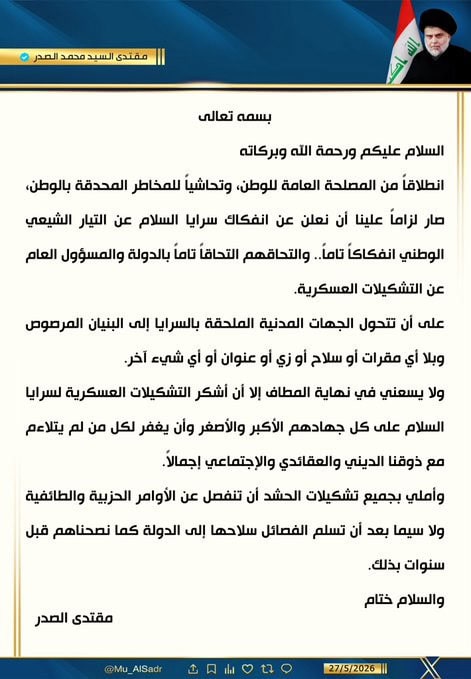
Muqtada al Sadr announces integration of his militia into the Iraqi state
Iraqi nationalist cleric Muqtada al Sadr announced that his militia, Saraya al Salam, will integrate into state security institutions. This development comes as Iraq’s new political leadership is navigating the issue of disarming Iran-backed militias.
-
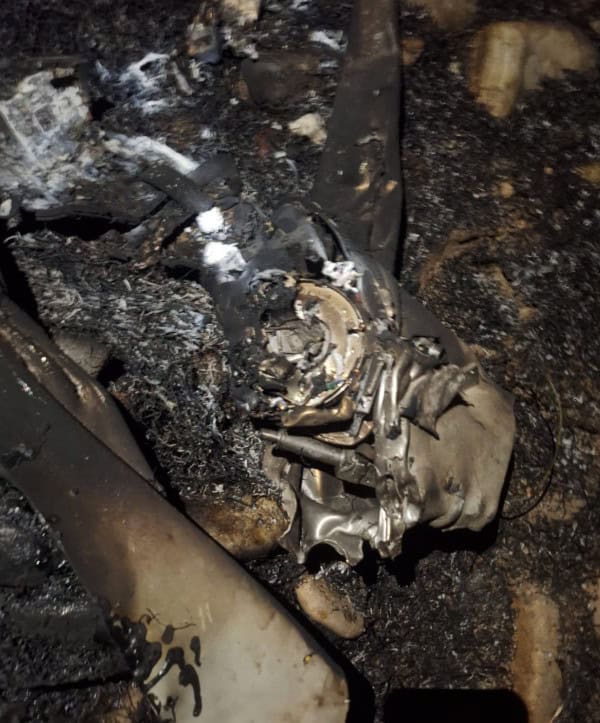
Iran conducts new attacks on Kurdish opposition groups in northern Iraq
The Kurdistan Freedom Party (PAK) said Iranian drones and a missile struck one of its facilities near Erbil on May 25, wounding nine Peshmerga, while other camps were reportedly also targeted in recent weeks. Kurdish Iranian opposition groups, operating from Iraq’s Kurdistan Region for decades, formed a coalition to coordinate activities in February. The attacks come as Iraq’s new government seeks to curb armed groups and address regional security concerns.
-
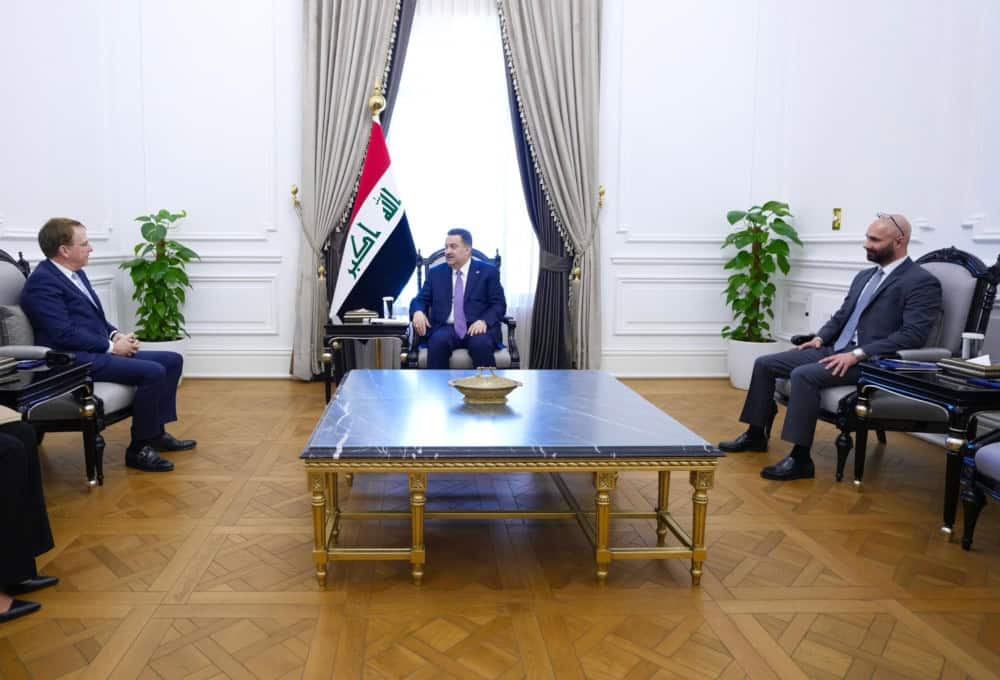
Iraq focuses on political appointees, economic challenges amid Iran ceasefire
Baghdad is shifting toward political stabilization and economic challenges during the fragile post-conflict phase that follows more than a month of US-Israeli strikes on Iran and Iranian-backed militia attacks in Iraq. After hundreds of militia attacks, including strikes on US and Kurdish targets, Iraq is moving forward with long-delayed political appointments, including choosing a new president.
-
Iraqi fundraising drives linked to militias channel support to Iran and Hezbollah
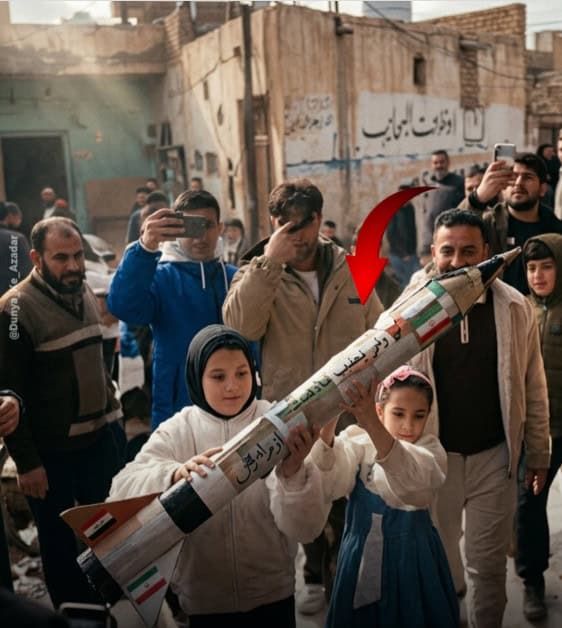
Efforts described by Iran-backed Iraqi militias as humanitarian campaigns increasingly show signs of serving as a parallel financial pipeline that also fuels Iran’s current war effort and regional proxy network. Across Iraq, groups aligned with Tehran are mobilizing donation drives framed as a religious obligation and in wartime solidarity.
-
Home of Kurdistan Region president targeted, American universities threatened as attacks escalate in Iraq
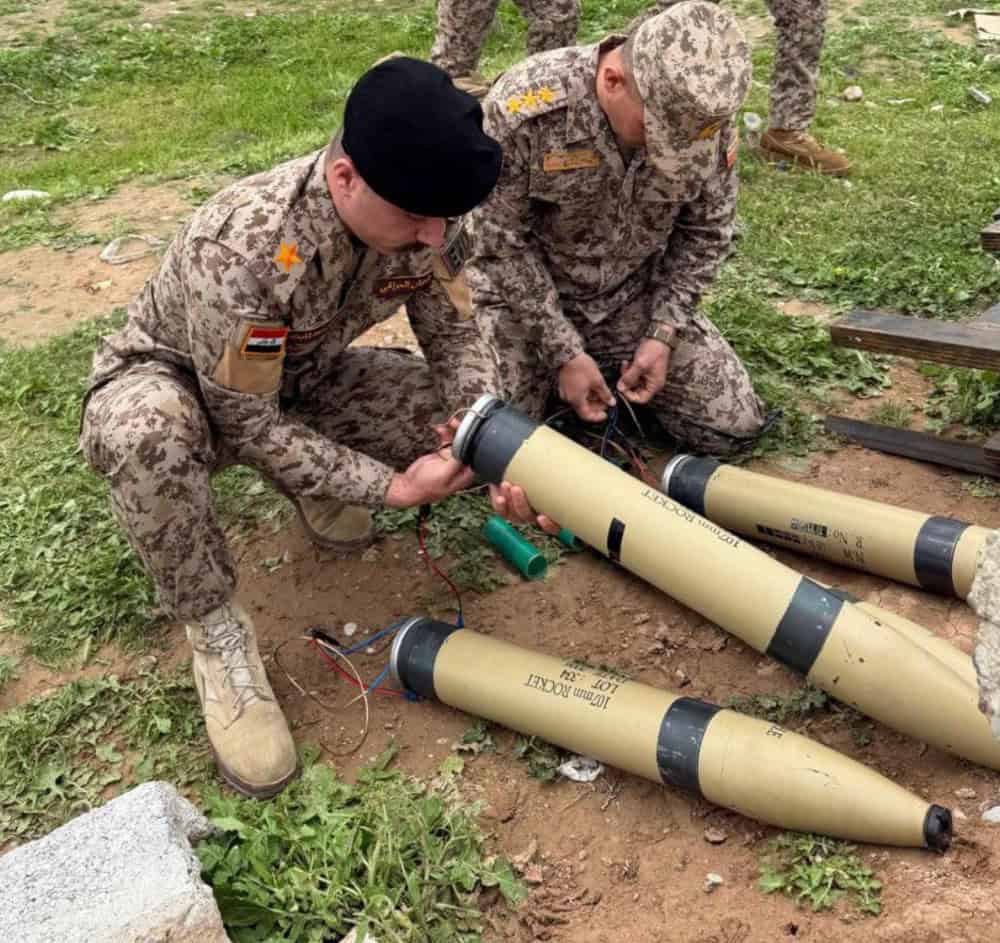
A drone attack targeted the residence of Kurdistan Region of Iraq President Nechirvan Barzani amid escalating strikes in Iraq on March 28, followed by a drone interception near the home of Masoud Barzani, leader of the Kurdistan Democratic Party (KDP), the following day. Iranian-backed militias and Iran have been blamed for attacks across Iraq, including more than 500 drone and missile strikes against the semi-autonomous Kurdistan Region since February 28.
-
Iranian-backed militias escalate attacks in Iraq, send mixed signals on next steps
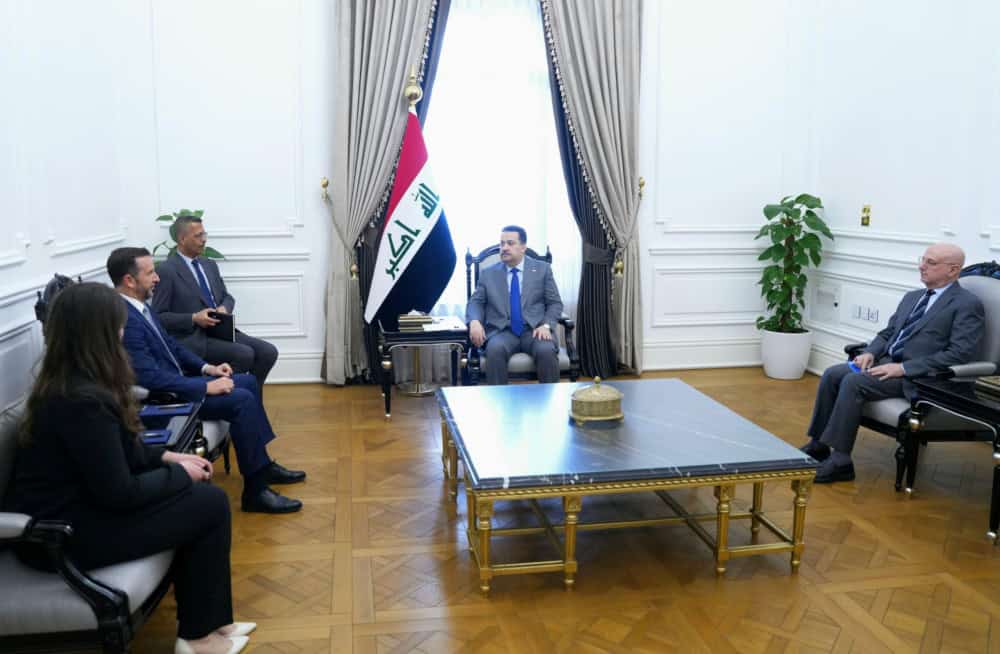
Iranian-backed militias have continued conducting attacks across Iraq, recently targeting US and foreign diplomatic sites in Baghdad and Erbil. Hundreds of strikes have hit the Kurdistan Region since late February, wounding Peshmerga forces and damaging key locations. While Kataib Hezbollah signaled a possible temporary pause in attacks tied to specific demands on March 18, other groups, such as Kataib Sayyid al Shuhada, vowed to continue.
-
Iran-backed Iraqi militias claim downing of US aircraft, US says not due to ‘hostile fire’
The Islamic Resistance in Iraq, a front organization for Iranian-backed militias, claimed to have shot down a US Air Force KC-135 Stratotanker over western Iraq but provided no evidence. US Central Command denied that the aircraft was shot down, and reports indicated that it had collided with another US warplane.

-
US condemns Iranian and militia attacks in Iraq amid unclaimed airstrikes on Tehran-backed militias
US Secretary of State Marco Rubio condemned Iranian and Iranian-backed militia attacks in Iraq during a March 9 call with Iraqi Prime Minister Mohammed Shia al Sudani, as drone and missile strikes continued across the country. Many attacks have targeted the Kurdistan Region of northern Iraq, where US forces are based, as well as other US facilities and diplomatic sites. Unclaimed airstrikes have also targeted Iranian-backed militias across Iraq.

-
Rockets target US Embassy in Baghdad after Iraqi Shiite militia group issues threat over war in Lebanon
The day before an attack on the US Embassy on March 7, the Coordination Committee of the Iraqi Resistance had issued a statement warning that continued strikes on Beirut’s Dahiyeh area would elicit attacks against embassies and oil companies in the region. The ultimatum follows repeated Israeli strikes against Hezbollah infrastructure and personnel in Beirut’s southern suburbs after Hezbollah entered the war on March 2.
-
Iranian-backed militias continue attacks on US forces in Iraq
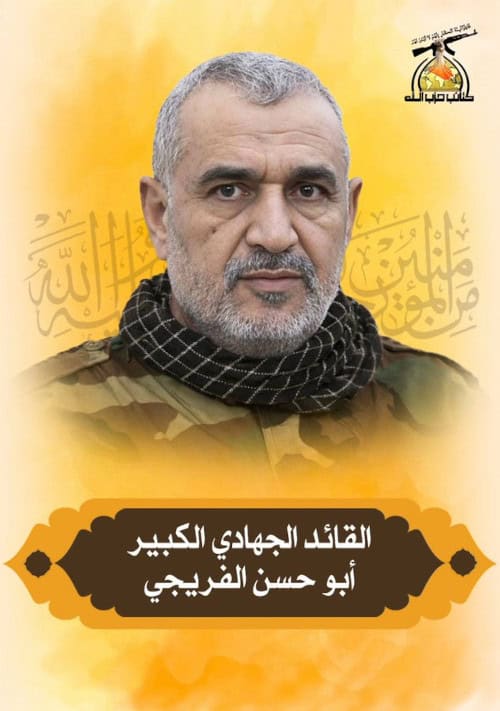
Iran-backed Iraqi militias claimed a series of drone and missile attacks against the “US presence” in the region on March 4 and 5, many targeting Iraqi Kurdistan, where significant American forces are located. US and Israeli forces are also likely operating against the Tehran-allied militias in Iraq, as both the militias and official government sources have reported a US presence and unidentified strikes against these groups.
-
Iran’s regional partners spark protests across the Middle East and South Asia
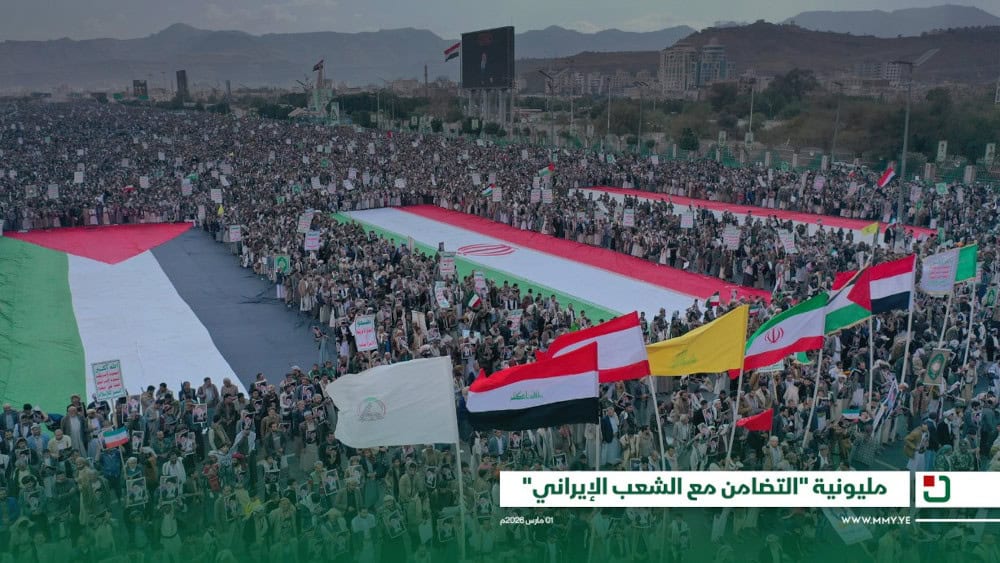
Tehran’s partners and sympathizers have arranged protests across the region against the US-Israeli campaign against Iran, especially the killing of Iranian Supreme Leader Ali Khamenei. Some of the demonstrations have turned violent and present a danger to the local US diplomatic presence and civilians.
-
Iraqi Shiite militias claim attacks on US bases
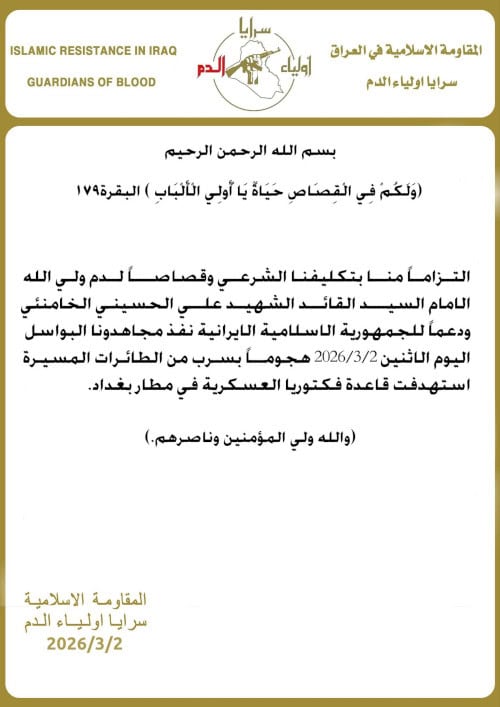
Iraqi militias backed by Iran have continued to fire drones and missiles at American bases in Iraq and in the region. Both the Islamic Resistance in Iraq and Saraya Awliya al Dam have claimed responsibility for the strikes. Collectively, the groups have claimed dozens of operations against American bases since March 1.
-
Former Iraq PM Maliki vows to pursue return to office despite US opposition
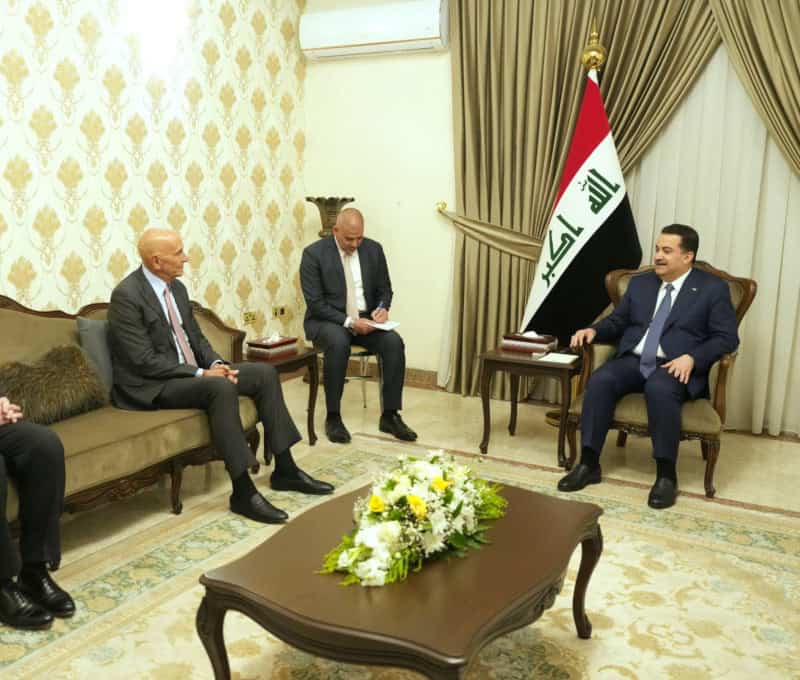
Former Iraqi Prime Minister Nouri al Maliki has vowed to continue pursuing a return to office regardless of US pressure opposing his candidacy, intensifying political uncertainty following Iraq’s November 2025 elections. Maliki’s bid comes as Shiite factions within the Coordination Framework weigh their options amid ongoing efforts to select a new president and prime minister.
-
3 months after elections, Iraq still unable to form a government
Iraq’s Shiite leadership has chosen a candidate to lead the next government, but American objections have contributed to stalling the government-formation process. The country’s leaders may turn to creative solutions to navigate the impasse, including declaring the current government an extended caretaker government.

-
Tehran regime fears defections as Iran’s nationwide movement defies containment
Iran’s protest movement has now entered its third week, and the regime is struggling to contain the unrest. Islamic Republic authorities fear disobedience within the ranks, and reports of potential defections point to growing anxiety inside the security apparatus. Washington is assessing options to strike regime sites.

-
Iraq investigation concludes drones struck Khor Mor gas field, Kurdistan Region requests air defenses
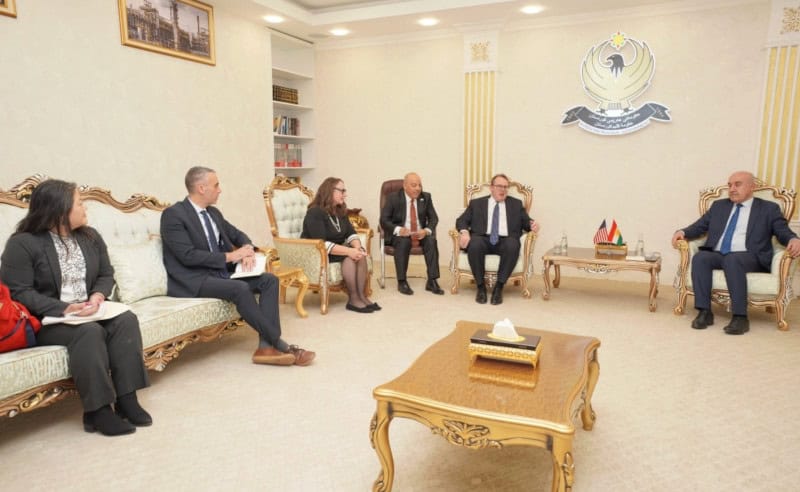
An Iraqi government investigation into the November 26 attack on the Khor Mor gas field in the Kurdistan Region concluded on December 3 that two drones carried out the attack. The committee investigating the incident has recommended establishing an integrated air defense system for the site. US officials meeting with their counterparts from the Kurdistan Regional Government (KRG) discussed support for the KRG and bolstering coordination against threats.
-
Vital Khor Mor gas field attacked in Kurdistan Region of northern Iraq
A November 26 drone attack on the Khor Mor gas field in the Kurdistan Region of Northern Iraq has led to power outages. The attack has been condemned by the US, UN, Turkey, Iran, and local Iraqi officials. Kurdistan Regional Government officials have called for increased protection of the facility, which has been targeted a dozen times in the last several years. Iranian-backed militias using kamikaze drones have been blamed for past attacks, and officials in Baghdad and Erbil vowed to investigate.