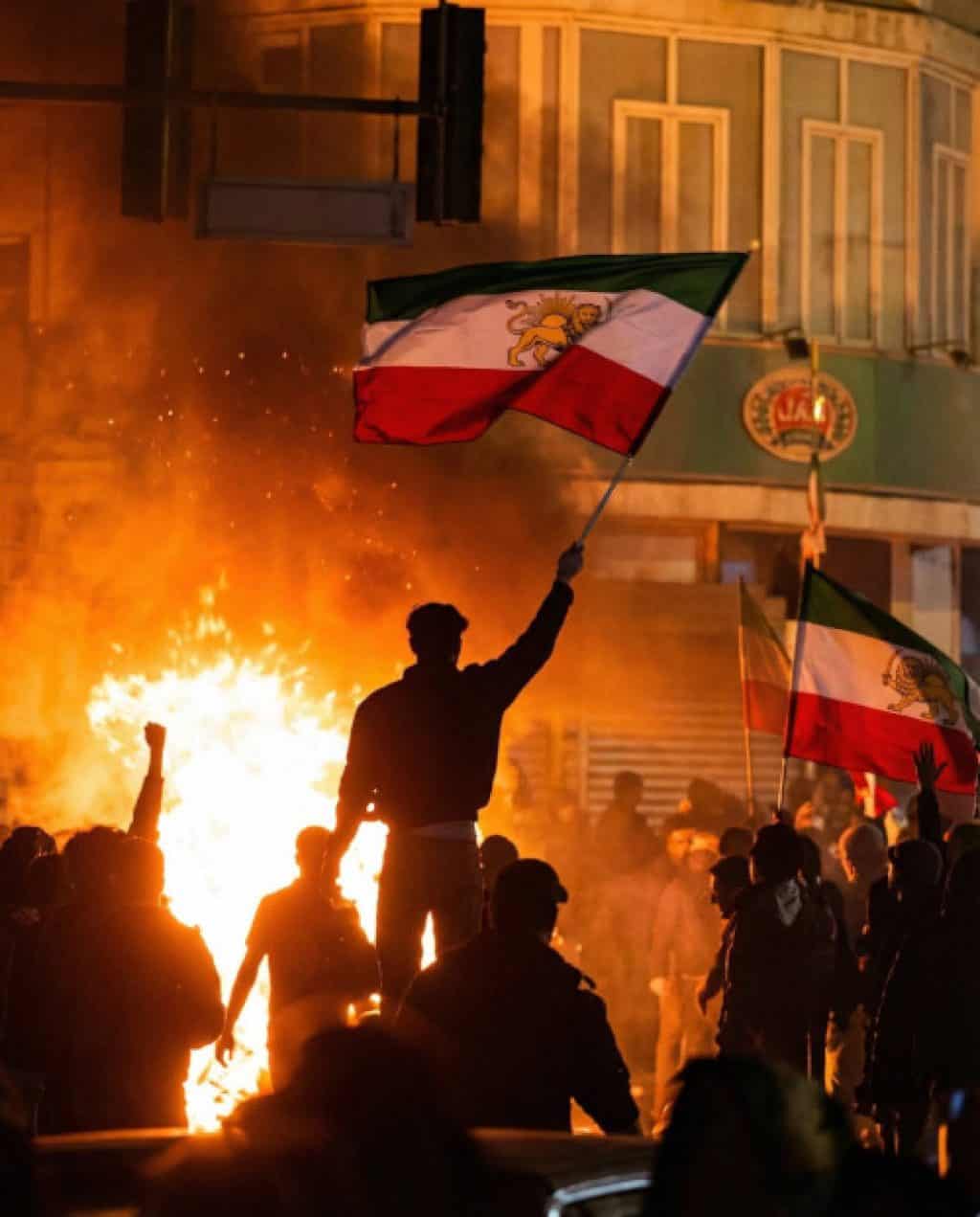
What began on December 28 as demonstrations in downtown Tehran, driven by runaway inflation and the rial’s sharp depreciation against the dollar, has moved beyond a protest wave and become a nationwide movement. Now entering its third week, at least 574 protest locations have been identified across 185 cities in all 31 provinces, making it the most sustained and geographically expansive anti-regime movement in the Islamic Republic’s history.
As authorities have failed to meaningfully deter protesters or contain the movement, fears of defections within the armed forces are growing. The Intelligence Organization of the Islamic Revolutionary Guard Corps (IRGC) issued a statement on January 9 that followed a familiar regime pattern, framing the unrest as a US and Israeli conspiracy and casting Iranian protesters as terrorists. The statement claimed that “a targeted, multi-phase plan has been designed under the guidance of foreign intelligence services, with operational leadership by organized terrorist forces.”
However, in a now-deleted section of the statement, the IRGC Intelligence Organization also warned that any “defiance, desertion, or disobedience” among military personnel would be met with “trial and decisive action.” The apparent removal of this language likely reflects concerns about triggering a panic, but it nevertheless exposes the depth of anxiety among regime officials.
Anonymous Islamic Republic officials told The Telegraph that Iranian Supreme Leader Ali Khamenei “is in closer contact with the IRGC than with the army or the police, because he believes the risk of IRGC defections is almost non-existent, whereas others have defected before.”
A major turning point in the current protest wave came when Crown Prince Reza Pahlavi, son of the shah deposed after the 1979 Islamic Revolution, called on Iranians to hold demonstrations. After his call to begin protesting on January 8, unprecedented crowds marched in cities nationwide in an uprising so extensive that authorities shut down the internet that night. The outage remains ongoing, alongside electricity blackouts and disruptions to landline phone service. Chants of “Long Live the King!” and “This is the final battle, Pahlavi will return” were heard across the country, with protesters erecting the pre-1979 Iranian flag bearing the lion and sun.
Beyond the call for action, the opposition’s defection plan has become a particular concern for the regime. In June, Pahlavi announced the establishment of a defection platform.
“I am establishing a formal channel for military, security, and police personnel to reach out directly to me, my team, and our expanding operation,” Pahlavi stated. “This is a secure platform to efficiently manage the growing volume of inbound communications and requests from those breaking with the regime and seeking to join our movement.”
The Islamic Republic’s repression apparatus is no stranger to violent crackdowns. During the 2019 protest wave, security forces killed an estimated 1,500 unarmed Iranians within a matter of days, in addition to killing hundreds in other protest cycles, including children, and arresting over 20,000 people following the 12-day war. This apparatus consists primarily of the IRGC and its subordinate Basij forces, operating in parallel with law enforcement bodies and specialized units.
Estimates vary significantly, and internet shutdowns make it difficult to establish precise casualty figures, but current assessments indicate that between over 500 and more than 2,000 protesters and over 100 security personnel have been killed. Video footage shows armed forces opening fire on protesters using shotguns and automatic weapons.
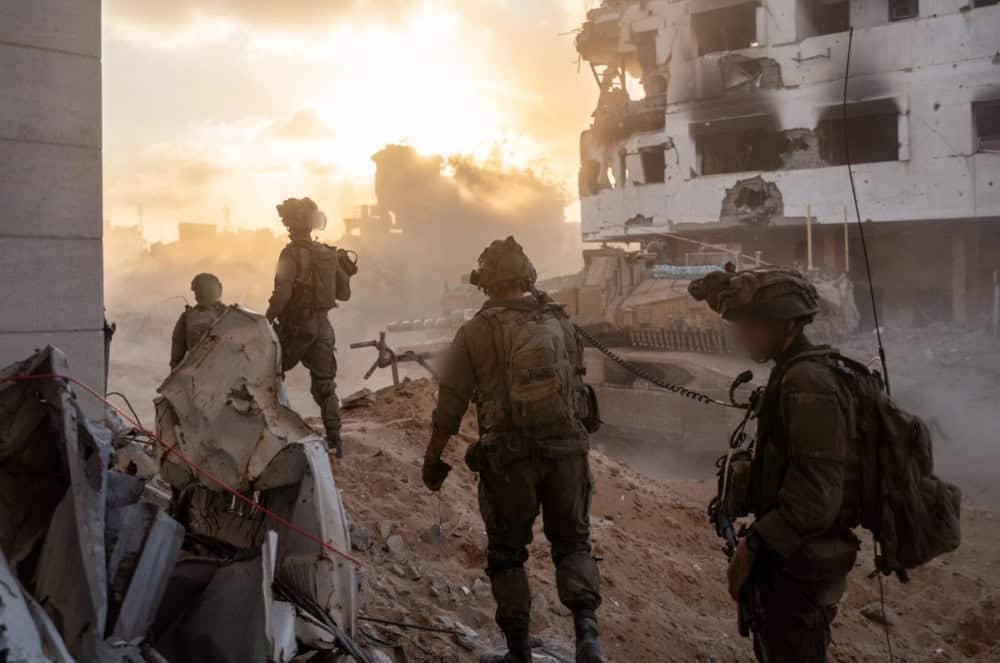
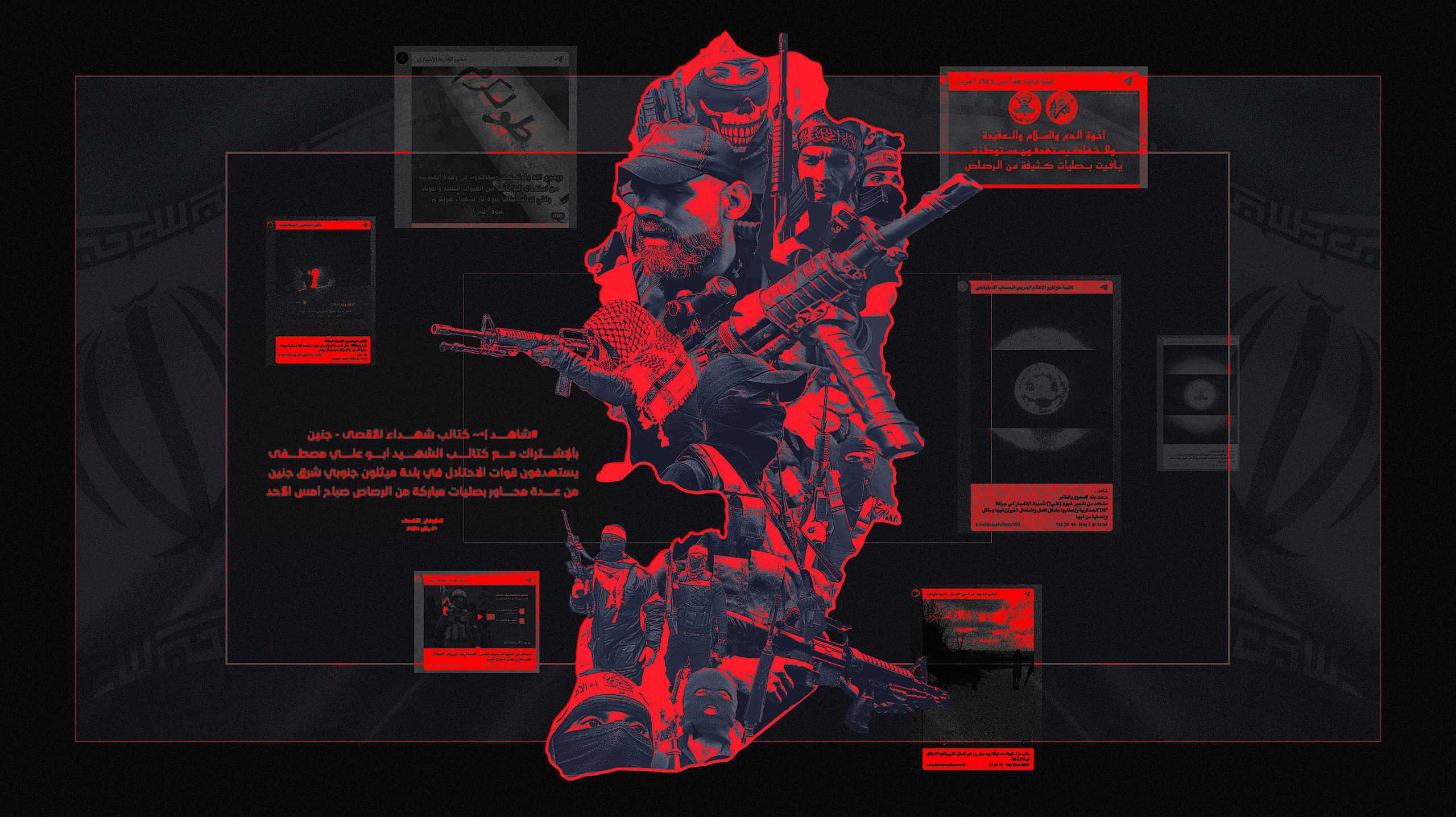
Tehran’s use of regional Shiite militias is reinforcing its repression apparatus. The regime has deployed more than 800 fighters from Lebanese Hezbollah and Iraqi groups, including Kataib Hezbollah, Harakat al Nujaba, and Sayyid al Shuhada, each designated by the United States as a Foreign Terrorist Organization, alongside the Iran-backed Badr Organization. The regime has long relied on these proxies to suppress unrest at home, including during the protest waves of 2009, 2019, and 2022.
US President Donald Trump threatened the Tehran regime with consequences for violently suppressing the protests. “If Iran shots [sic] and violently kills peaceful protesters, which is their custom, the United States of America will come to their rescue. We are locked and loaded and ready to go,” Trump posted on Truth Social on January 2. Since then, he has reiterated support for Iranian protesters, saying, “Iran is looking at FREEDOM, perhaps like never before. The USA stands ready to help!!!”
The Wall Street Journal reported on January 11 that Trump aides are set to brief the president on Tuesday regarding potential follow-on measures, including military, cyber, and economic options, to back up those threats. Axios reported on January 9 that while US intelligence had initially assessed the protests as lacking sufficient momentum to threaten the Tehran regime’s stability, that assessment is now being reconsidered in light of the scale and persistence of the demonstrations.
“Iran wants to negotiate […] We might meet with them. A meeting is being set up, but we may have to act because of what is happening before the meeting,” Trump told reporters on Air Force One on Sunday.