-
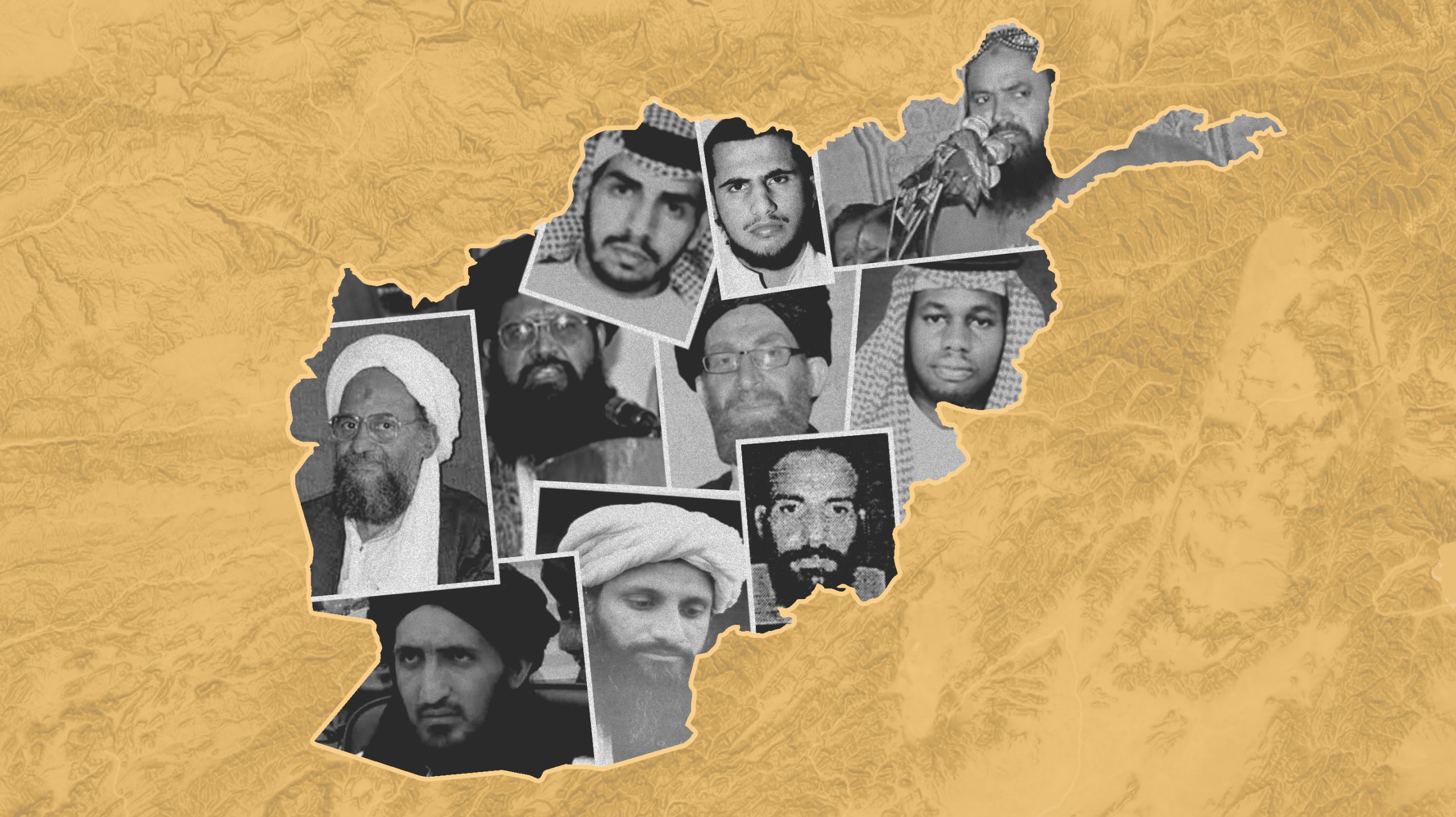
Iranian-backed militias escalate attacks in Iraq, send mixed signals on next steps
Iranian-backed militias have continued conducting attacks across Iraq, recently targeting US and foreign diplomatic sites in Baghdad and Erbil. Hundreds of strikes have hit the Kurdistan Region since late February, wounding Peshmerga forces and damaging key locations. While Kataib Hezbollah signaled a possible temporary pause in attacks tied to specific demands on March 18, other groups, such as Kataib Sayyid al Shuhada, vowed to continue.
-
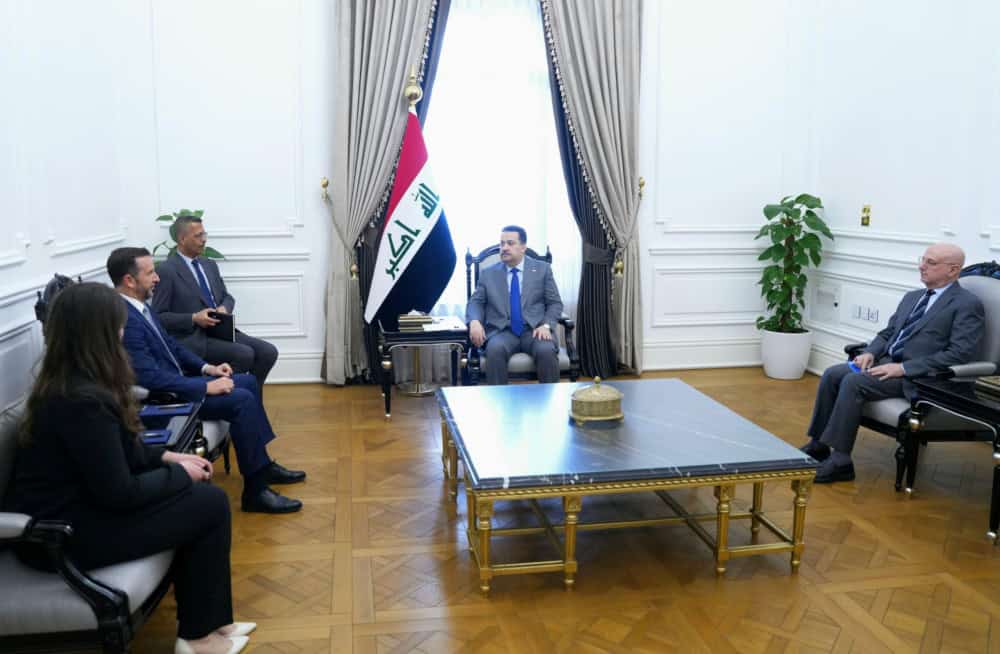
Vital Khor Mor gas field attacked in Kurdistan Region of northern Iraq
A November 26 drone attack on the Khor Mor gas field in the Kurdistan Region of Northern Iraq has led to power outages. The attack has been condemned by the US, UN, Turkey, Iran, and local Iraqi officials. Kurdistan Regional Government officials have called for increased protection of the facility, which has been targeted a dozen times in the last several years. Iranian-backed militias using kamikaze drones have been blamed for past attacks, and officials in Baghdad and Erbil vowed to investigate.
-
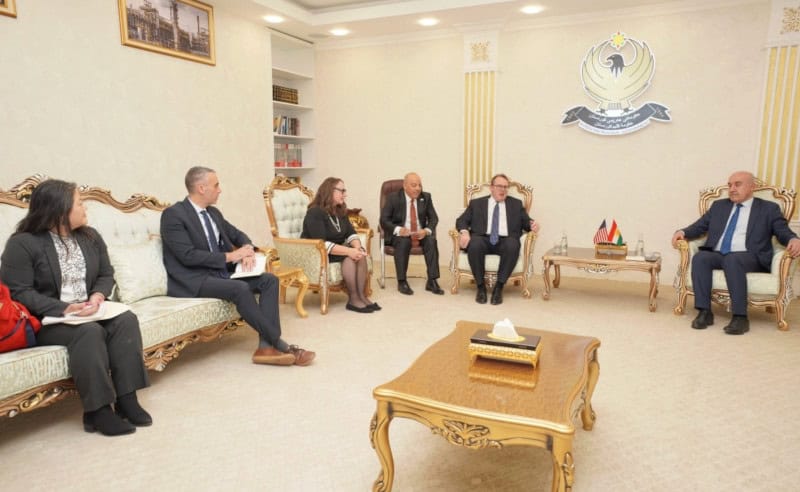
With voting in Iraq complete, government formation begins
Iraq is embarking on a likely months-long process of government formation after its national election. Sunni and Kurdish leaders will be elected to serve as speaker of the Council of Representatives and president of Iraq, respectively, in accordance with Iraq’s traditional sectarian power-sharing arrangements. The office of the prime minister, who is the head of government, goes to a Shiite leader and will be determined by negotiations within and between the major parties and alliances that emerge post-election.
-
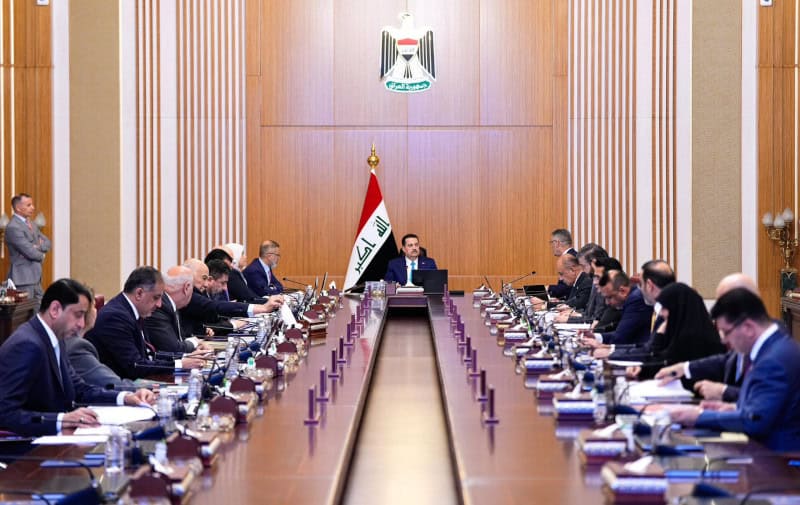
US expresses concern over Iraqi legislation enshrining militias as independent security force
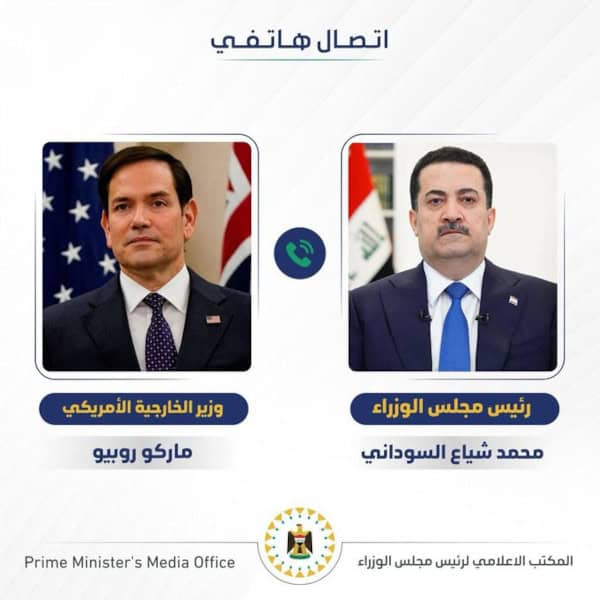
US Secretary of State Marco Rubio voiced American objections to pending Iraqi legislation concerning the Popular Mobilization Forces (PMF), an entity largely composed of pro-Iranian militias. Iraq is attempting to pass a law to protect and legitimize the PMF as an autonomous security organization separate from other government military or security agencies.
-
Iraqi prime minister announces electoral alliance
Iraqi Prime Minister Mohammed Shia al Sudani announced the elements of his electoral alliance for Iraq’s November 2025 elections. The coalition includes current and former Shiite politicians as well as Faleh al Fayyadh, a Sudani ally and chairman of the Popular Mobilization Forces.

-
Islamic State ‘finance emir for Mosul’ relocated to Turkey, US says
On Aug. 29, the Treasury Department announced that Salim Mustafa Muhammad al-Mansur had been added to the US government’s list of specially designated global terrorists. The move was made in conjunction with the Iraqi government. Al-Mansur served as the Islamic State’s “finance emir for Mosul,” Iraq as of earlier this year, but he has “moved to Turkey.”
-
Islamic State claims more than 700 suicide attacks since beginning of the year
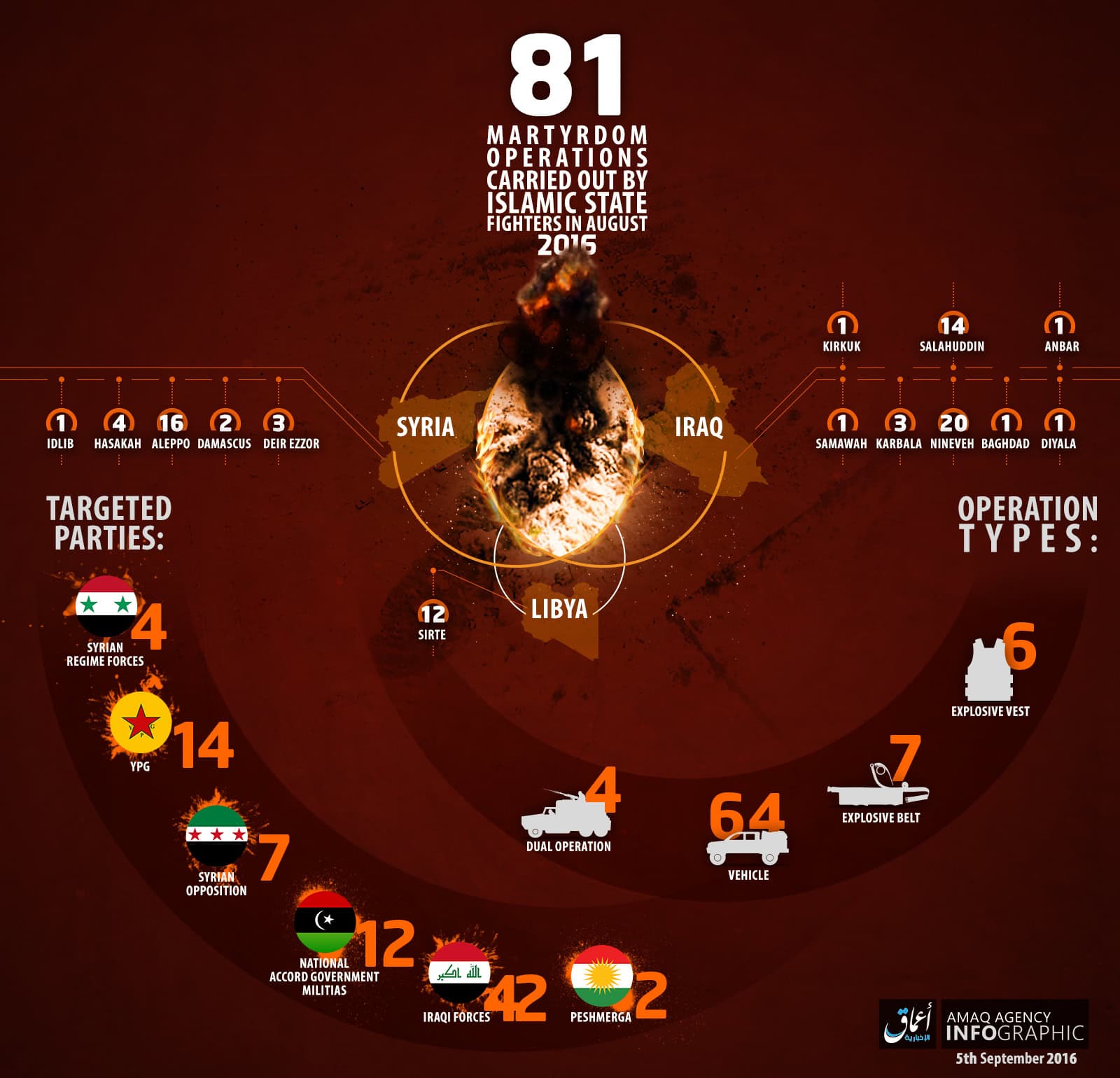
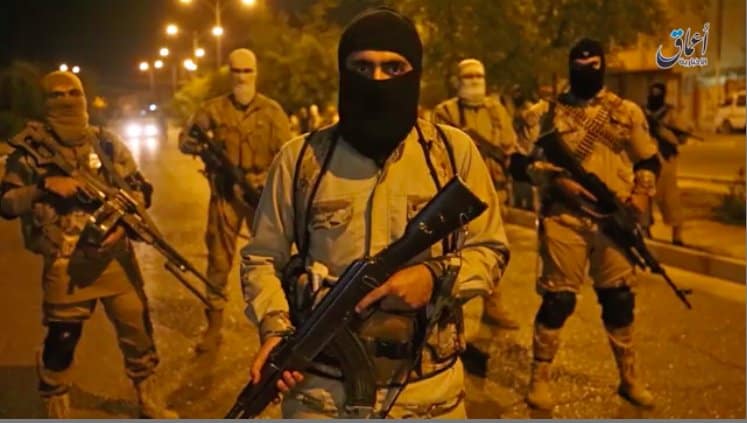
The Islamic State’s Amaq News Agency has claimed 729 “martyrdom operations” in Iraq, Syria and Libya since the beginning of the year. The figures for August indicate that 81 suicide attacks were carried out in these three countries. If the statistics are accurate, then the self-declared “caliphate” is carrying out suicide bombings at a historically high rate.