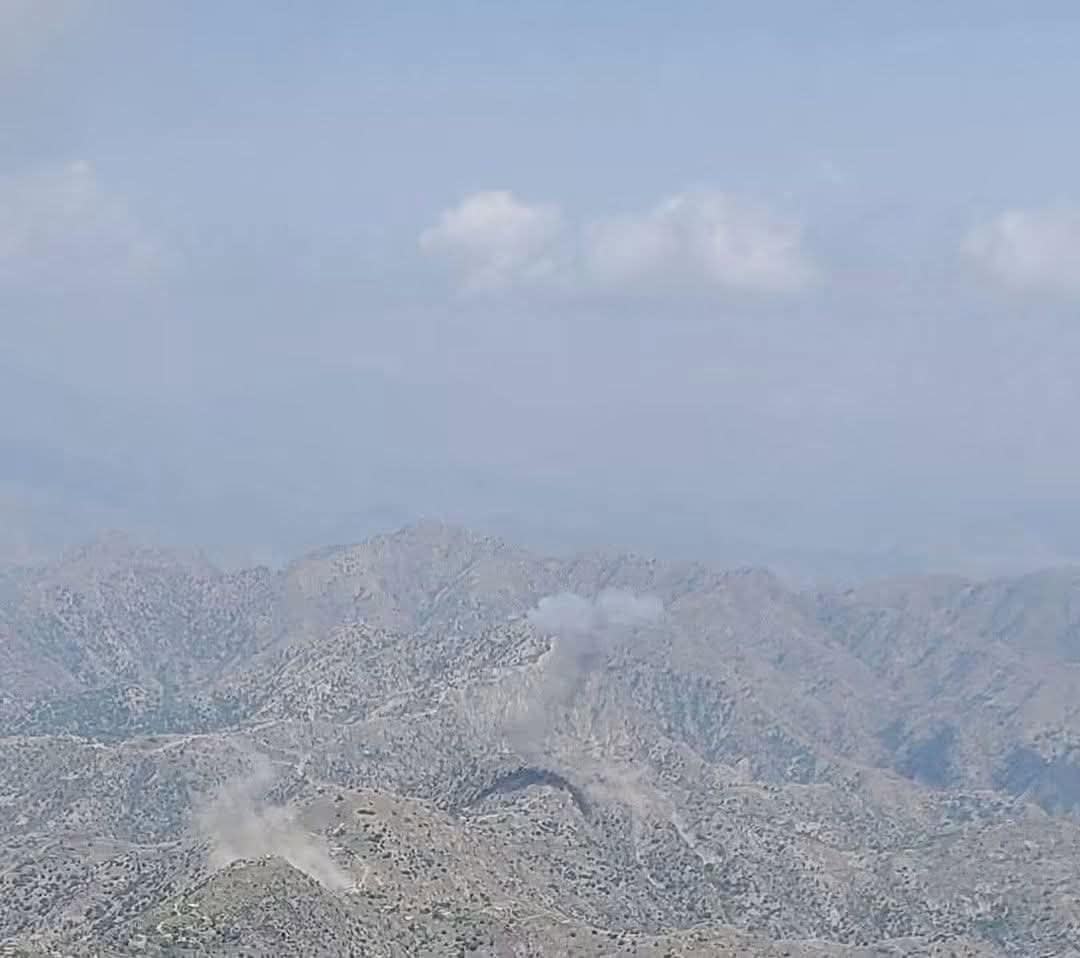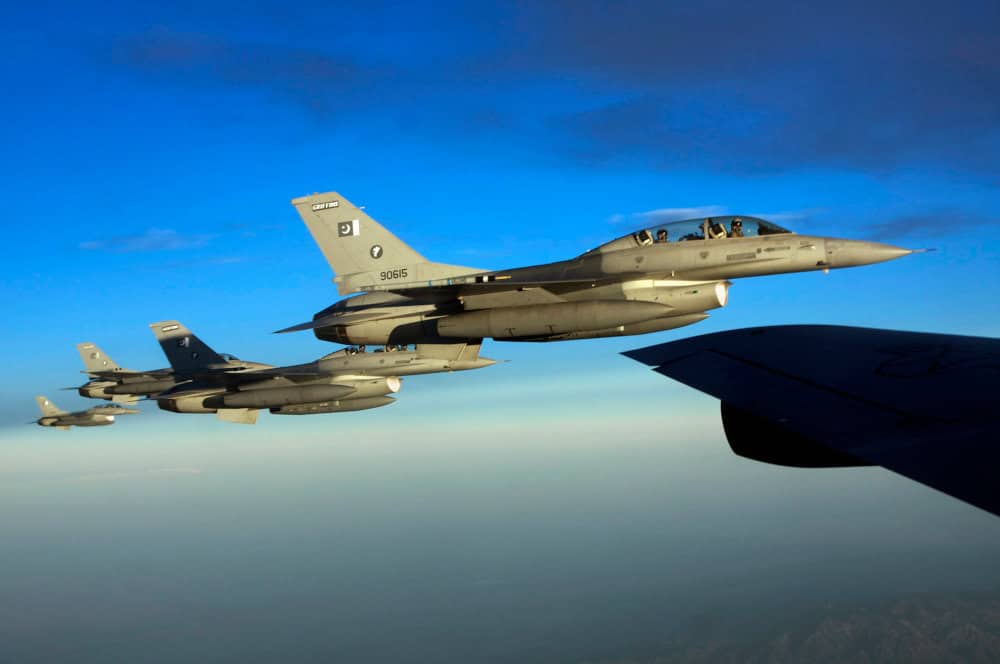
Iraq finds itself under growing pressure from regional countries and the US to rein in Iranian-backed Iraqi militias. The latest pressure from Saudi Arabia, Kuwait, and Jordan comes as Ahmad al Hamidawi, the leader of Kataib Hezbollah, rejected calls for the country’s Iran-backed militias to disarm. The Kurdistan Region of Northern Iraq has been attacked 966 times by Iran and its proxy groups since February 28, according to new data published by the Rudaw Media Network on August 2. The report emerged days after Saudi Arabia and the US conducted airstrikes in Iraq in response to attacks by Iran-backed militias on Saudi Arabia.
Iraqi militias have been carrying out attacks for years in their country, often targeting US forces, diplomatic facilities, and the Kurdish semi-autonomous region of northern Iraq. The Kurdistan Region hosts a large US consulate in Erbil, US forces, and many Kurdish Iranian opposition groups that have fled to Iraq over the years. As such, the region is in the crosshairs of both Iran and Iranian-backed groups. Iraqi militias have also significantly targeted energy infrastructure in the past.
Rudaw’s new data provides new details on the scope of the attacks. “According to Rudaw’s records, 966 one-way attack drones and missiles have been fired at the Kurdistan Region since the war began, killing 32 people and injuring around 150 others. In the past 24 hours alone, the Region has been hit by five drones — four in Sulaimani and one in Erbil,” Rudaw noted. The report emerged as Rudaw inquired with the Pentagon about reports the US could be redeploying forces from Erbil.
“The United States military has started to draw down its last remaining forces from Iraq stationed in the vicinity of Erbil’s airport in the Iraqi Kurdistan Region, well-placed sources with close knowledge of the process confirmed to Al-Monitor,” the news website reported on July 31. Al-Monitor said Patriot air defense systems had already been moved.
Baghdad is facing renewed pressure to rein in Iraq’s Iran-backed militias as the groups have expanded attacks to the country’s neighbors. Primarily drones but also some missiles and rockets have targeted Jordan, Kuwait and Saudi Arabia. “Iraq is facing a fresh wave of regional pressure after Saudi Arabia struck sites inside the country and several neighboring states, including Kuwait, Jordan and Syria, warned Baghdad that any attack launched from Iraqi soil against their territory would be met with direct military retaliation against armed factions inside the country,” Iraq’s Shafaq News said on August 3.
The leader of Kataib Hezbollah, Ahmad al Hamidawi, who is a US-sanctioned terrorist, rejected calls to disarm the militias on August 4. “This calls for us to adhere to the weapon of resistance, not to compromise it, but rather to develop it, enhance its arsenal, and seek to purge our security environment,” he said.
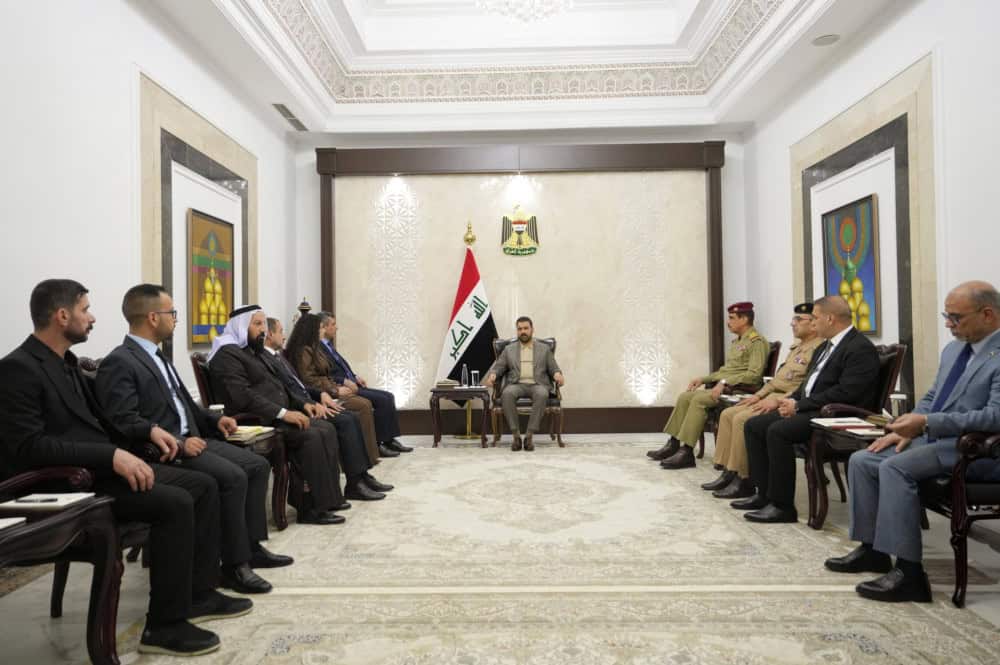
Iraqi Prime Minister Ali Al Zaidi responded to the increased tensions with Saudi Arabia by chairing an emergency meeting on August 1. “His Excellency emphasized during the meeting the prevention of any violations or threats emanating from Iraqi territory toward neighboring countries, the formation of a joint security committee to confront challenges, and directed the establishment of deterrent mechanisms to prevent the recurrence of such incidents or any potential breaches,” Iraq’s Prime Minister’s Office noted. Iraq claimed it was ready to “thwart” attacks against neighboring countries.
The tensions in Iraq and continued attacks by Iran and Iranian-backed militias come as the country began to receive millions of Shiite pilgrims for the annual Arbaeen pilgrimage. Events continued smoothly, the state-run Iraqi News Agency reported on August 4. Zaidi visited Karbala, one of the Shiite holy cities, during the pilgrimage.
Iranian Foreign Minister Abbas Aragchi alsoarrived in Iraq on August 3 for the Arbaeen events. “These ceremonies demonstrate the unity of the Iraqi and Iranian peoples, with participants from both countries constituting the majority. This embodies the strength of the religious and ideological ties between the two nations,” Aragchi said.