-
US flag trampling, militia disarmament dispute mark Iraq’s post-US withdrawal era
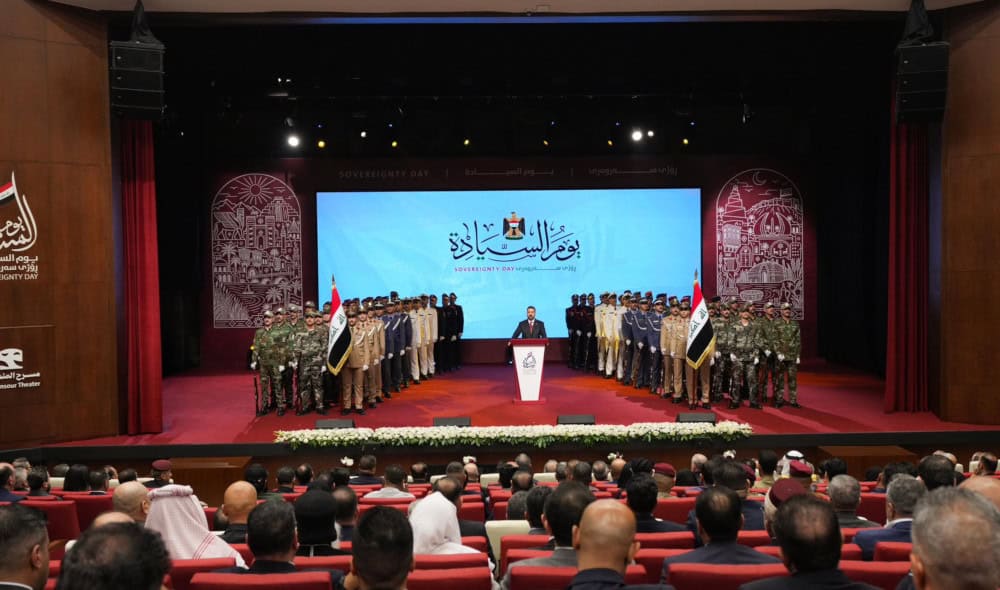
Iraq is grappling with controversy over the role of Iran-backed militias following the departure of US forces, including an incident in which Popular Mobilization Forces members were photographed driving over an American flag. Prime Minister Ali al Zaidi is pushing to bring militia weapons under state control by June 2027, with several factions reportedly agreeing to disarm while others continue to resist.
-
Iraq pressured by regional countries to rein in Iran-backed militias as new data on extent of attacks released
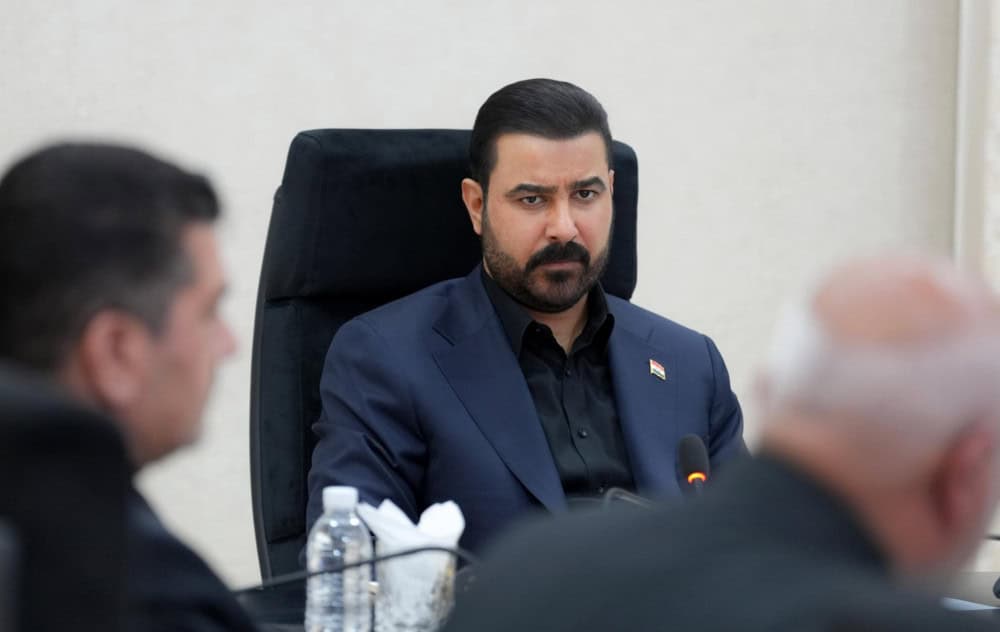
Iraq faces mounting pressure to rein in the militias while balancing tensions with neighboring countries, the US, and Iran. The Kurdistan Region of northern Iraq has come under nearly 1,000 drone and missile attacks by Iran and its proxies since late February, underscoring the growing threat posed by Tehran’s network of militias.
-
Iraqi Prime Minister Ali al Zaidi meets US envoy amid militia pressure
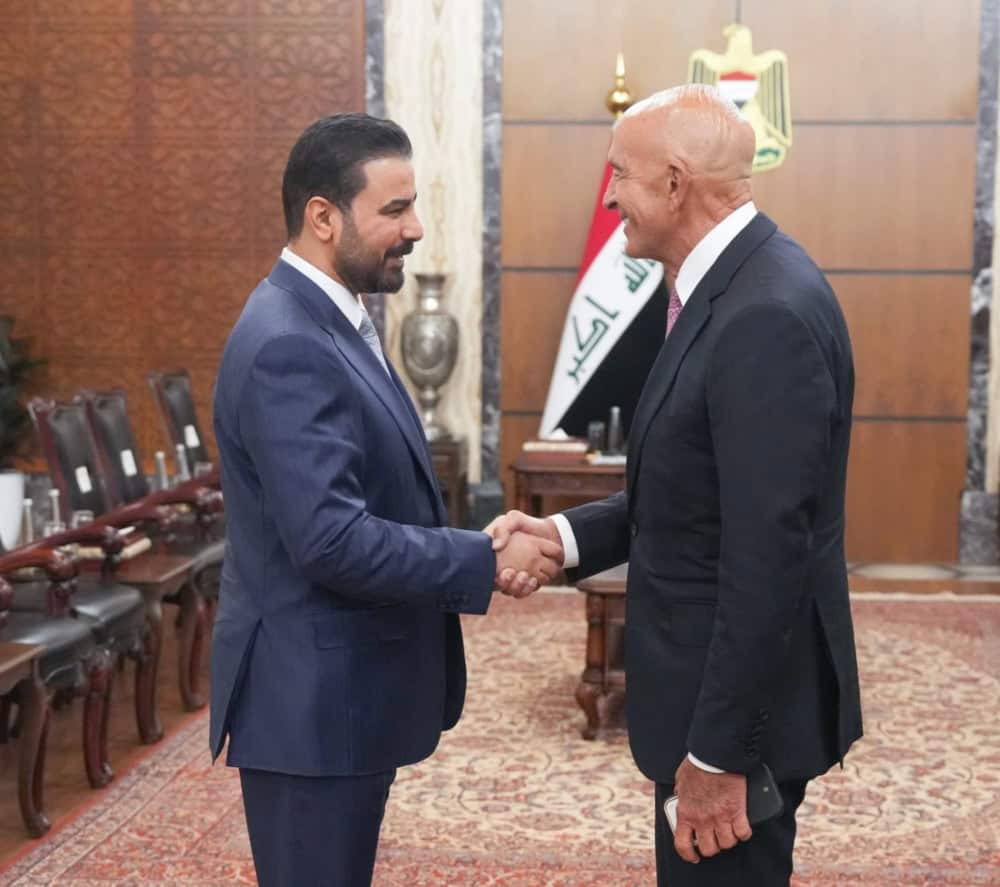
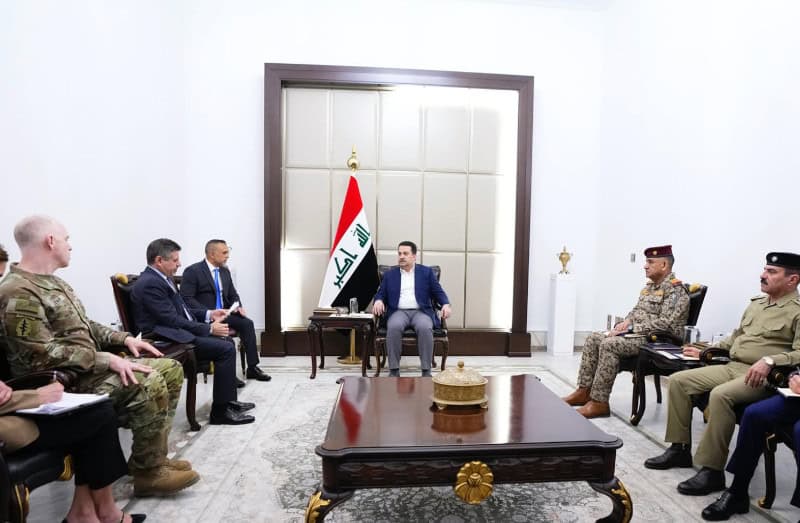
US Envoy to Iraq and Syria Tom Barrack’s recent visit to Iraq on June 15 highlighted Washington’s efforts to support stability, security cooperation, and political reform in the country amid continuing regional tensions. Discussions focused on strengthening ties between Baghdad and Washington, disarming Iranian-backed militias, and advancing energy deals.
-
Several Iranian-backed militias in Iraq say they accept state control of weapons
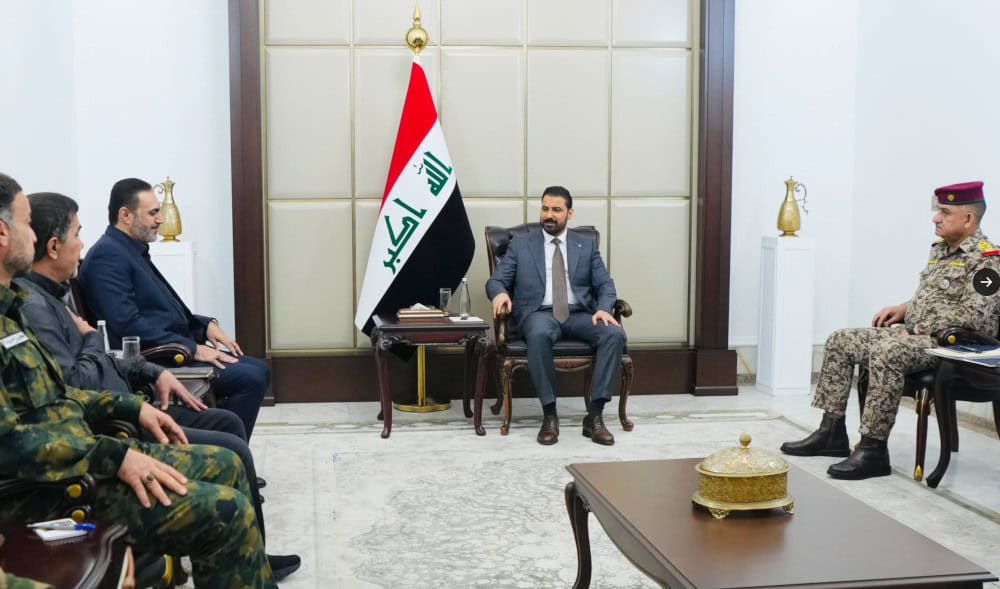
Iraq’s new government is attempting to bring weapons held by Iranian-backed militias under state control, a move that could reshape the role of armed groups linked to the Popular Mobilization Forces (PMF). Several militias have announced plans to place their arms under government authority and disengage from the PMF, while others remain opposed or have issued mixed signals.
-
US offers rewards for 3 Iraqi militia leaders
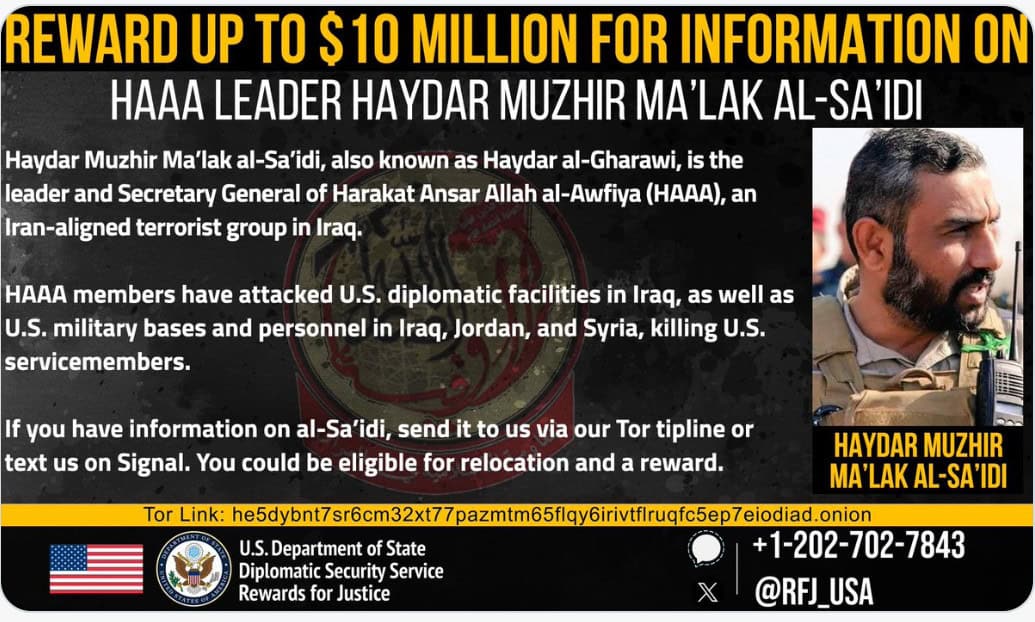
The United States has intensified pressure on Iranian-backed militias in Iraq, offering multimillion-dollar rewards for information on additional key leaders linked to attacks on US personnel and facilities. The latest rewards target figures from three groups: Kataib Hezbollah, Kataib Sayyid al Shuhada, and Harakat Ansar Allah al Awfiya.
-
US Treasury designates 7 Iran-backed Iraqi militia commanders as terrorists
The US Treasury Department announced the designation of seven high-level members of Iran-backed Iraqi militias as Specially Designated Global Terrorists on April 17. Their organizations are previously US-designated terror groups that, operating under front groups, have conducted numerous attacks on the US presence in Iraq since the start of the war with Iran on February 28.
-
Iraq focuses on political appointees, economic challenges amid Iran ceasefire
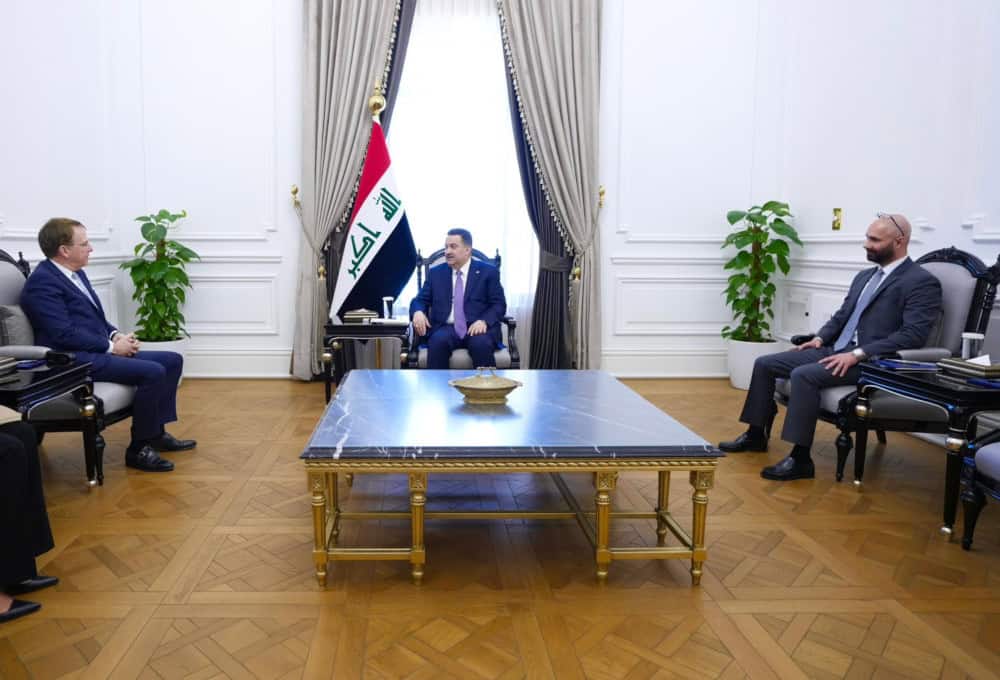
Baghdad is shifting toward political stabilization and economic challenges during the fragile post-conflict phase that follows more than a month of US-Israeli strikes on Iran and Iranian-backed militia attacks in Iraq. After hundreds of militia attacks, including strikes on US and Kurdish targets, Iraq is moving forward with long-delayed political appointments, including choosing a new president.
-
American journalist kidnapped in Baghdad by Iranian proxy
The Iran-backed terror group Kataib Hezbollah, an Iraqi Shiite militia, kidnapped American journalist Shelly Kittleson in downtown Baghdad on March 31. The US government had previously warned Kittleson of a threat against her and the group’s desire to kill or abduct journalists.

-
Strikes continue hitting Iran-backed Iraqi militias, Kataib Hezbollah declares temporary US embassy ceasefire
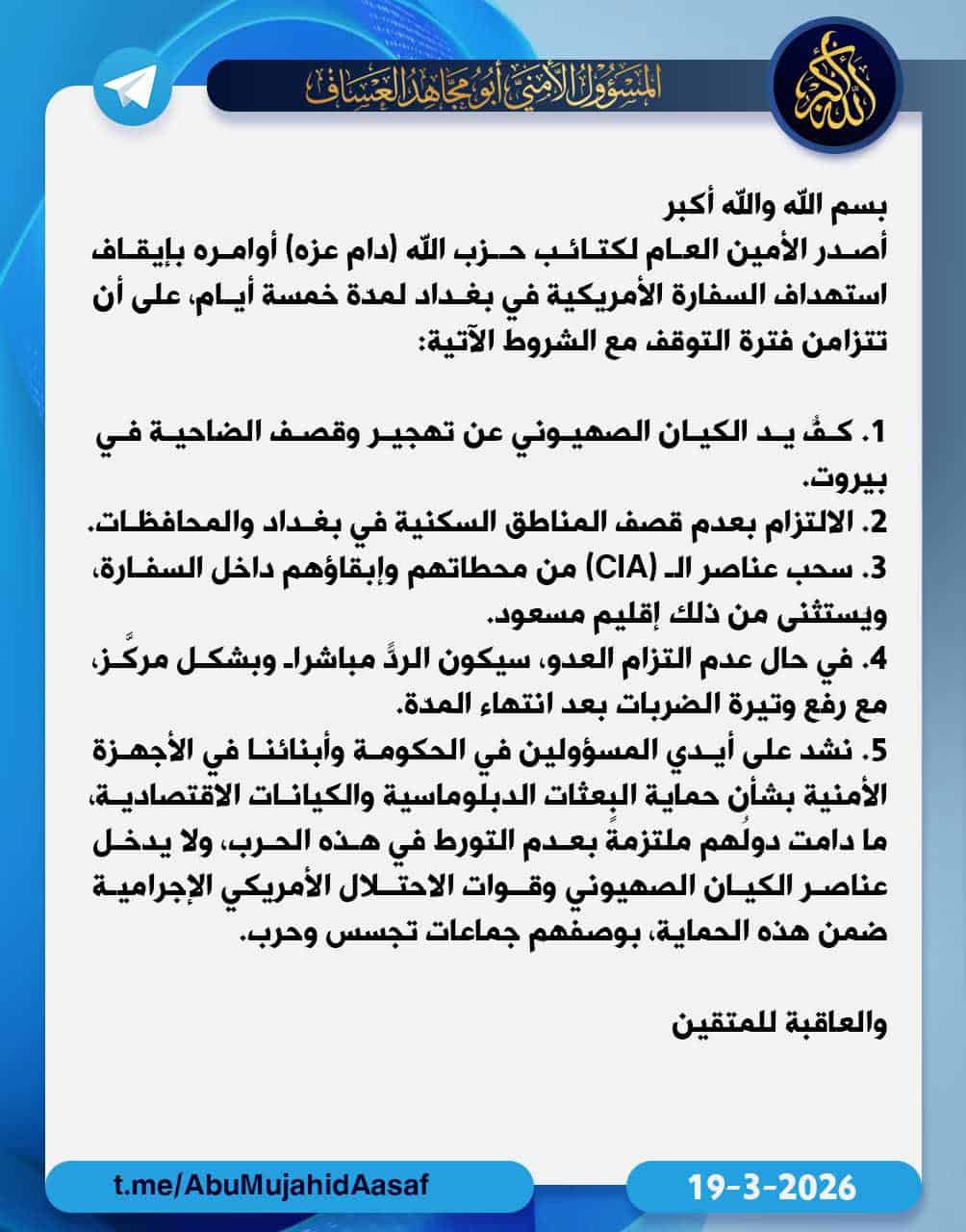
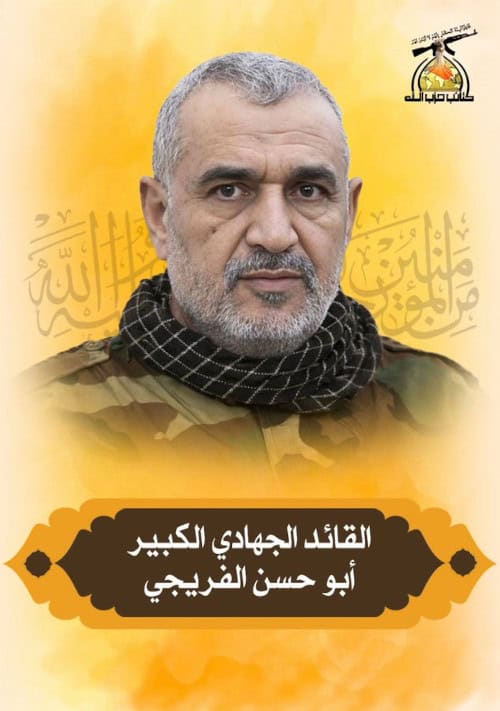
Unclaimed but likely American airstrikes have continued against Iran-backed Iraqi militias, with one strike reportedly killing a senior Kataib Hezbollah commander. The US and Kataib Hezbollah have subsequently agreed to a temporary, conditional pause in attacks on the US Embassy in Baghdad, though other hostilities in the country continue.
-
Dozens of airstrikes target Iran-backed militias across Iraq
The unclaimed airstrikes, likely conducted by the United States as part of US-Israeli operations against the Islamic Republic of Iran, have targeted several Tehran-allied militias in Iraq and reportedly caused significant casualties. The US has not commented on these operations, which include over 30 reported strikes on the groups, who continue to attack US forces in the region.
-
Iranian-backed militias continue attacks on US forces in Iraq
Iran-backed Iraqi militias claimed a series of drone and missile attacks against the “US presence” in the region on March 4 and 5, many targeting Iraqi Kurdistan, where significant American forces are located. US and Israeli forces are also likely operating against the Tehran-allied militias in Iraq, as both the militias and official government sources have reported a US presence and unidentified strikes against these groups.
-
Iraqi Shiite militias join the war between Israel, the US, and Iran with drone attacks
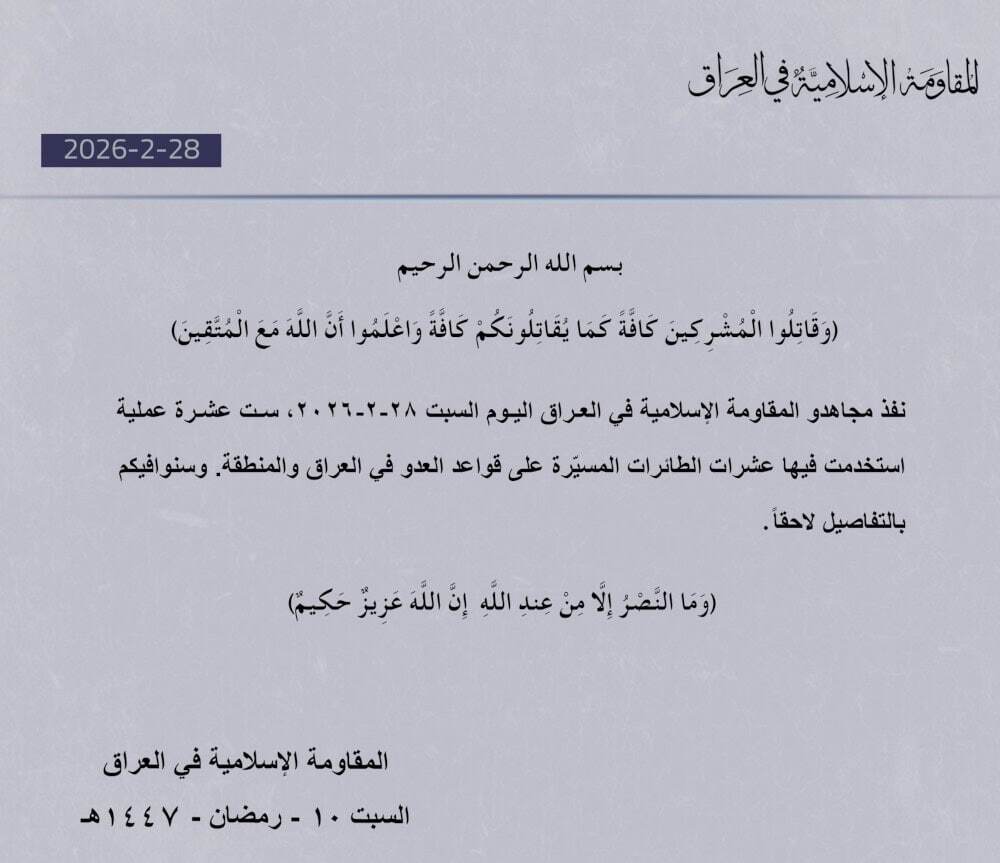
The Islamic Resistance in Iraq (IRI), a coalition of Iran-backed Shiite militias, claimed over a dozen drone attacks against “enemy bases in Iraq and the region” and issued statements of support for the Tehran regime in retaliation for US and Israeli strikes on Iran. The groups are also responding to unclaimed airstrikes on Iraq that have reportedly killed at least six people, including four confirmed Iraqi militiamen.
-
Iranian Kurdish groups unite against Tehran regime, Iraqi militias threaten Kurdistan Region
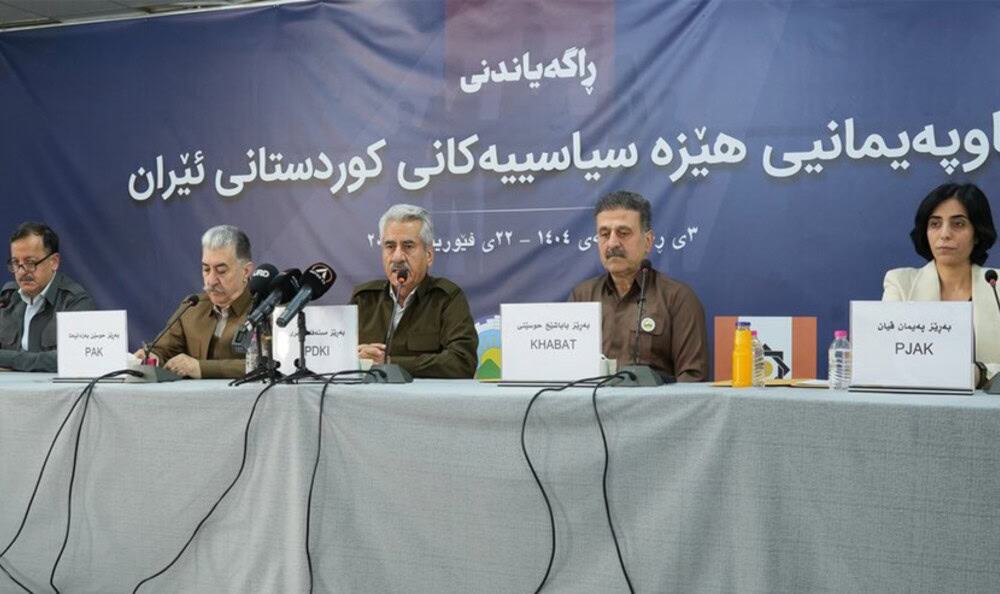
Five Iranian Kurdish opposition groups have announced a coalition aimed at opposing Iran’s regime. The alliance, unveiled at a joint press conference on February 22, includes the PDKI, PJAK, PAK, Komala, and the Khabat Organization. The move comes amid heightened US-Iran tensions and renewed threats from the Iranian-backed Iraqi militia Kataib Hezbollah, which warned the Kurdistan Region against cooperating with “foreign forces.”
-
Trump calls for Iraq to reject Maliki as prime minister, Maliki denounces US ‘interference’
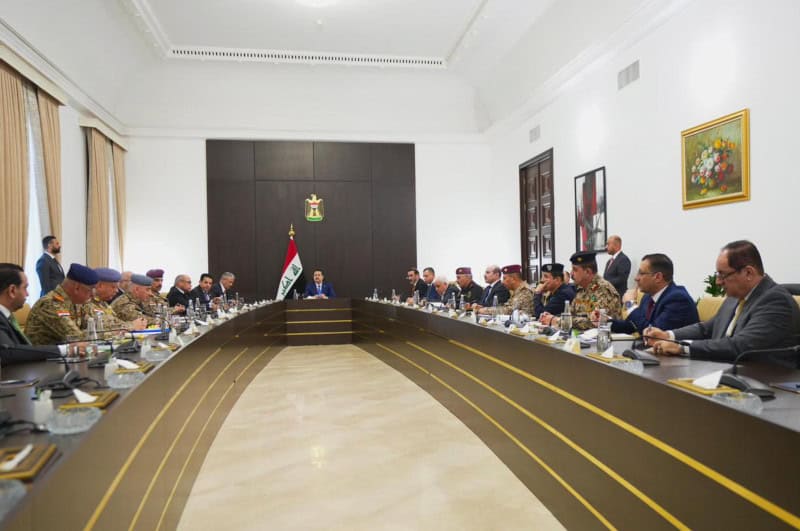
On January 28, former Iraqi Prime Minister Nouri al Maliki stated that he rejected “blatant American interference in Iraq’s internal affairs,” a day after US President Donald Trump said Maliki, who is a leading contender for the country’s next prime minister, should not retake the office. US envoy to Iraq Mark Savaya also said that Iranian-backed militias should be prevented from having power in the next government. Separately, several Iranian-backed militias threatened to support Iran in any conflict with the US or Israel and sent forces to the border with Syria amid fighting between the Syrian government and the Syrian…
-
Kataib Hezbollah threatens US bases in the Middle East if US strikes Iran
Kataib Hezbollah, an Iraqi Shiite militia, warned the United States that if Washington launched a war with Iran, the group would attack American bases in the region. The threat comes amid rising tension between Washington and Tehran as the Islamic Republic continues a brutal crackdown on demonstrations that began nearly three weeks ago.
-
Iraqi militias divided on disarming and accepting government control
Iranian-backed militias in Iraq are reportedly considering an initiative to disarm and place their weapons under government control. The militias, part of Iraq’s Popular Mobilization Forces (PMF), have been incorporated as independent units within Iraq’s security forces since 2016. Kataib Hezbollah, one of the most powerful of militias, has rejected disarmament, while the US lauded the potential development.
-
Iraqi parliamentary candidate killed in car bombing
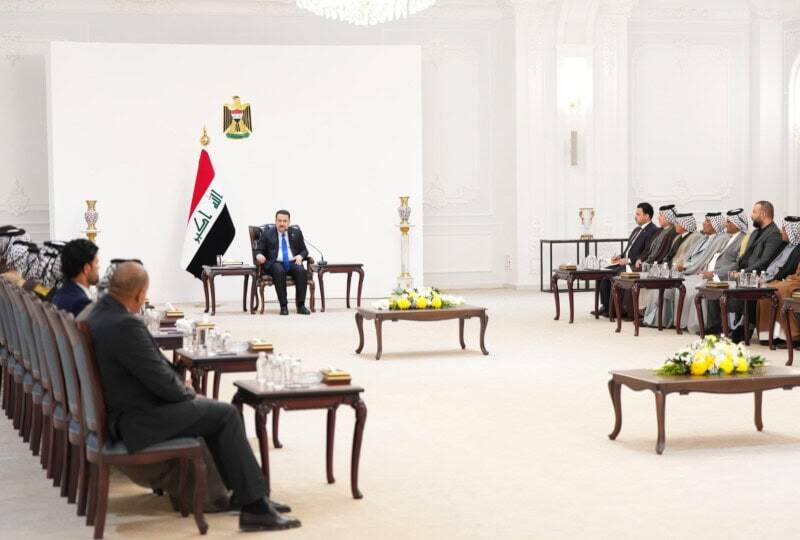
Safaa al Mashhadani was reportedly killed in a car bombing on October 15 in Tarmiya, a town north of Baghdad. Mashhadani was a candidate with the Sovereignty (Siyada) Alliance, an important Sunni party running in the country’s November elections. Iraqi media reports indicate the attack has the hallmarks of a targeted assassination, and the United Nations Assistance Mission for Iraq (UNAMI) called for a transparent investigation.
-
Analysis: How the Iranian regime’s foreign proxies suppress Iranian protestors
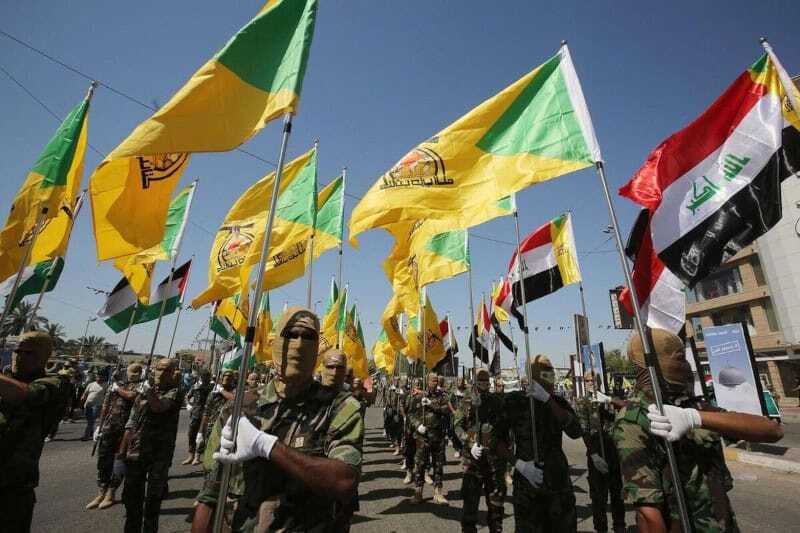
The Islamic Republic has long backed proxy groups abroad, but their role inside Iran is less well-known. Lebanese Hezbollah, Iraqi Shiite militias, and the Afghan Fatemiyoun Brigade have helped suppress dissent within Iran, and recent reports of their harassment of female students have sparked new outrage.
-
US designates 4 Iran-backed Iraqi militias as Foreign Terrorist Organizations
On September 17, the US State Department designated four Iran-backed Iraqi militias as Foreign Terrorist Organizations (FTOs). These groups, previously listed as Specially Designated Global Terrorists (SDGTs), have received support from the regime in Tehran and attacked US forces and interests in Iraq and across the Middle East.
-
Princeton researcher Elizabeth Tsurkov freed in Iraq
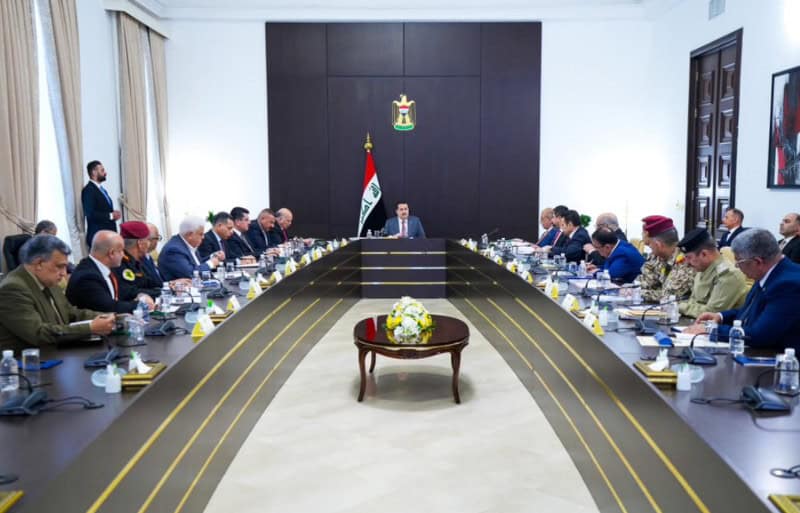
Princeton researcher Elizabeth Tsurkov, who was kidnapped by Iranian-backed militia Kataib Hezbollah in March 2023 and holds Israeli and Russian citizenship, was freed in Iraq on September 9, according to President Donald Trump. The Iraqi Prime Minister’s Office claimed that security agencies in the country had secured her release, and they would pursue those “involved in this crime and hold them accountable.” A source reported to be from Kataib Hezbollah claimed the group had released her to avoid conflict in Iraq and in light of the US withdrawal from the country.
-
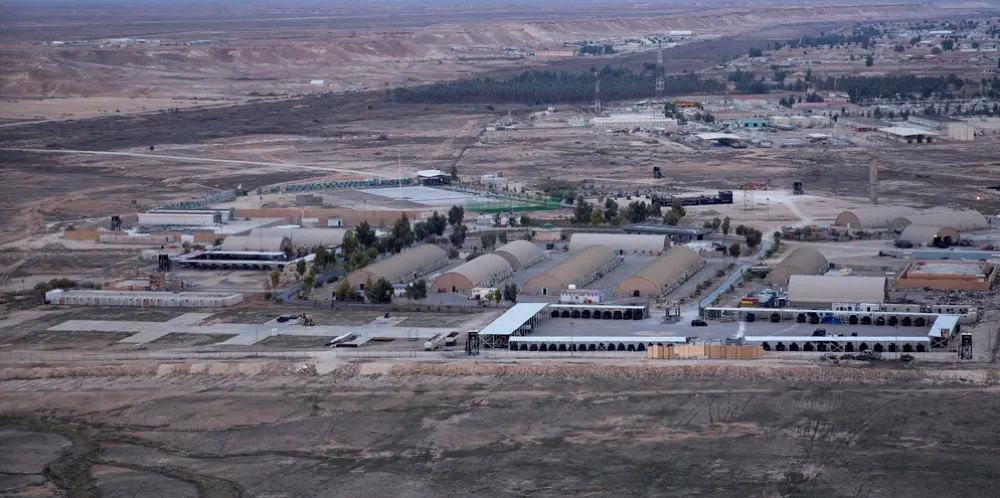
US forces begin withdrawal from Ain al Asad airbase as US presence in Iraq transitions
Iraqi and American officials announced that the US-led counter-Islamic State operation in Iraq began its transition to a bilateral security agreement. US forces have begun moving from Iraqi bases as part of the first phase of the shift, which will end “the coalition’s military mission” in the country.
-
Iraqi PM Sudani condemns Kataib Hezbollah for shooting at Ministry of Agriculture
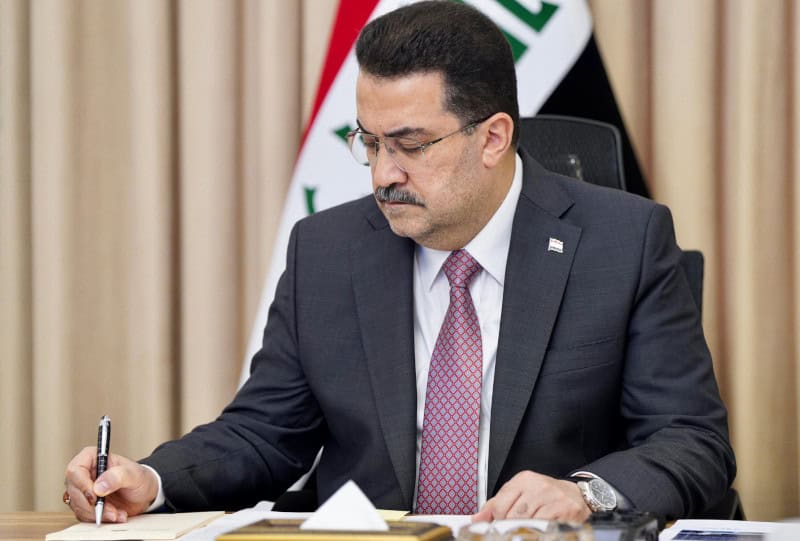
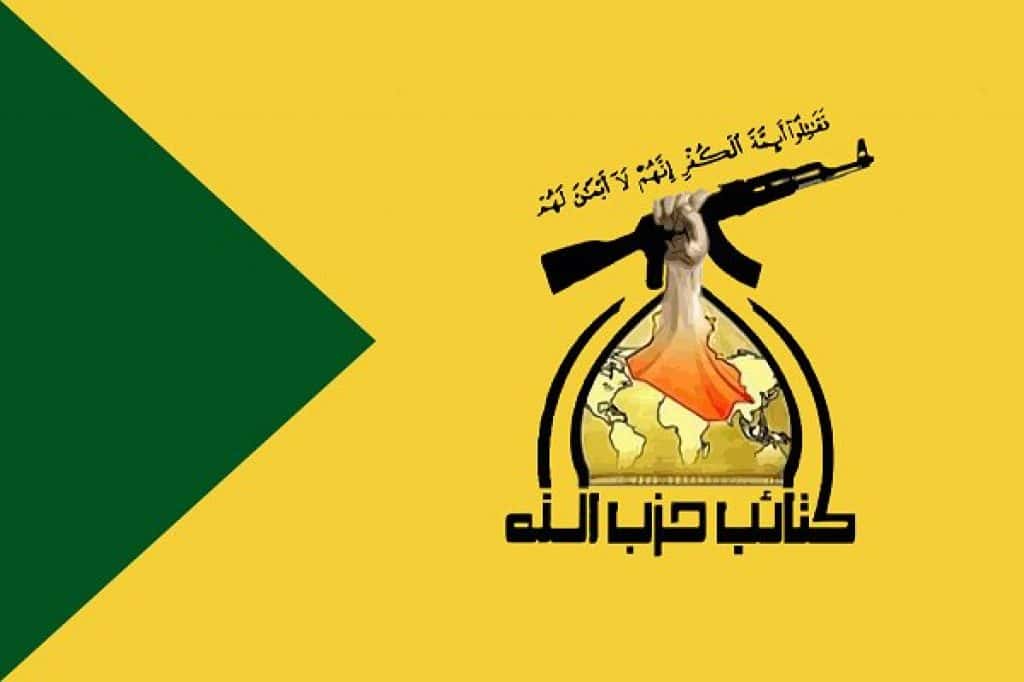
Kataib Hezbollah, an Iran-backed militia, was involved in a deadly shooting at Iraq’s Ministry of Agriculture on July 27. Despite the support for Iran-backed militias from many Shiite politicians, Iraqi Prime Minister Mohammad Shia al Sudani announced the results of an investigation that found the militia responsible for the incident and recommended consequences.
-
Iranian-backed militias threaten US amid rising tensions in Iraq over Iran-Israel conflict
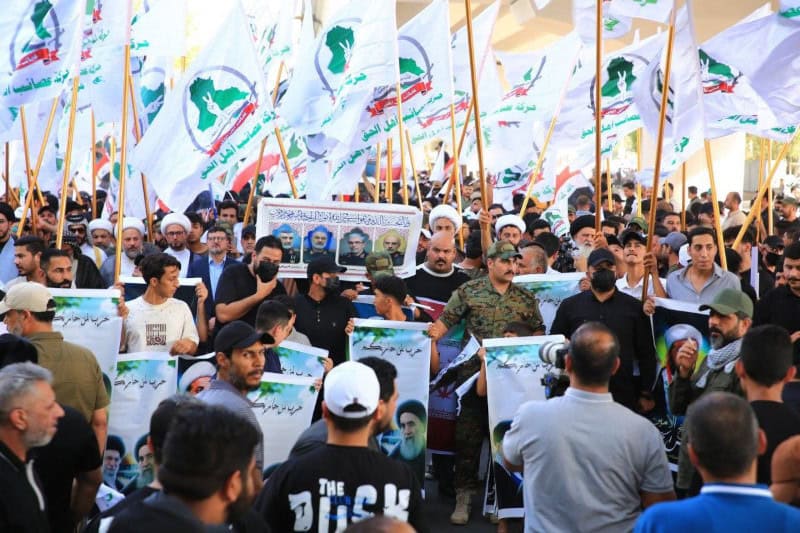
Tensions in Iraq have grown in the wake of the Israeli attack on Iran on June 12. Pro-Iranian Iraqi militias have increased their threats against US forces and held rallies against the US presence in Iraq. The Iraqi government has sent security forces to Nineveh Governorate to prevent the area from being used by militias to launch rockets. In addition, several drones launched by Iran have crashed in Iraq.
-
Iraqi militias largely rely on rhetoric in response to Israel-Iran conflict—for now
Iranian-backed militias in Iraq have refrained from attacking Israel directly since the start of the war between Israel and Iran on June 13. However, there have been two unclaimed attacks on US interests in Iraq since Operation Rising Lion began, and the Iraqi groups have ramped up anti-Israeli and anti-American rhetoric, threatening US interests and mobilizing supporters through propaganda channels.
-
Iran-backed Shiite militias attack US forces based in Iraq
The Islamic Resistance of Iraq has carried out more than 180 such attacks against US forces in Iraq, Syria, and Jordan since October 7, 2023. The most recent attack risks drawing US forces into an offensive role in Israel’s war with Iran. Thus far, the US has attempted only to provide defensive support for Israel in the conflict.
-
US adds Iran-backed Iraqi militia Kataib Imam Ali to list of terror organizations
Kataib Imam Ali is the sixth Iran-backed Shiite militia in Iraq that has been listed by the US as a terrorist organization. The group’s secretary general was previously designated for his ties to Iran’s Islamic Revolutionary Guards Corps–Qods Force and its former commander, Qassem Soleimani.
-
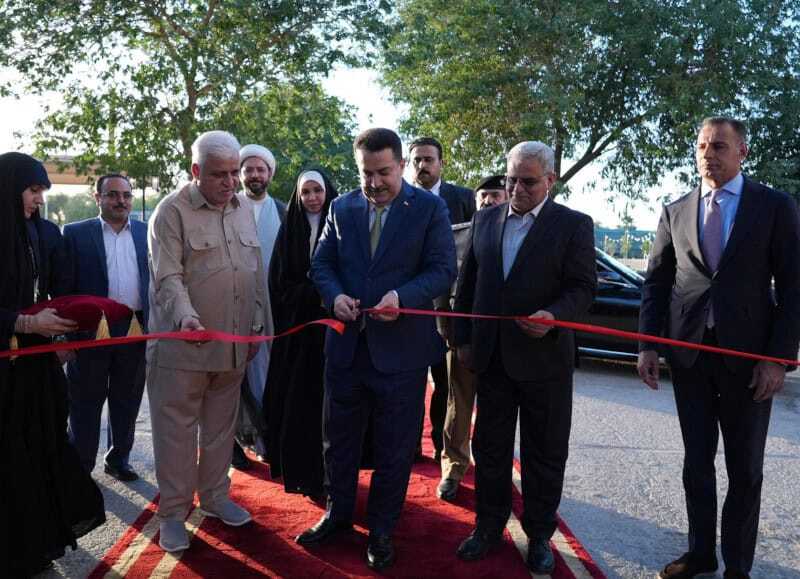
Efforts continue to free kidnapped Princeton researcher Elizabeth Tsurkov
Reports in Iraqi, Israeli, Lebanese, and US media indicate that efforts continue to free Princeton researcher Elizabeth Tsurkov, who was kidnapped in Iraq 800 days ago in March 2023. The Iranian-backed militia Kataib Hezbollah is believed to be holding Tsurkov in Iraq, and pressure on the Iraqi government to find and free her has increased over the last six months. Recent reports indicate that Tsurkov could be exchanged for several people held in different countries who Kataib Hezbollah wants to be freed.
-
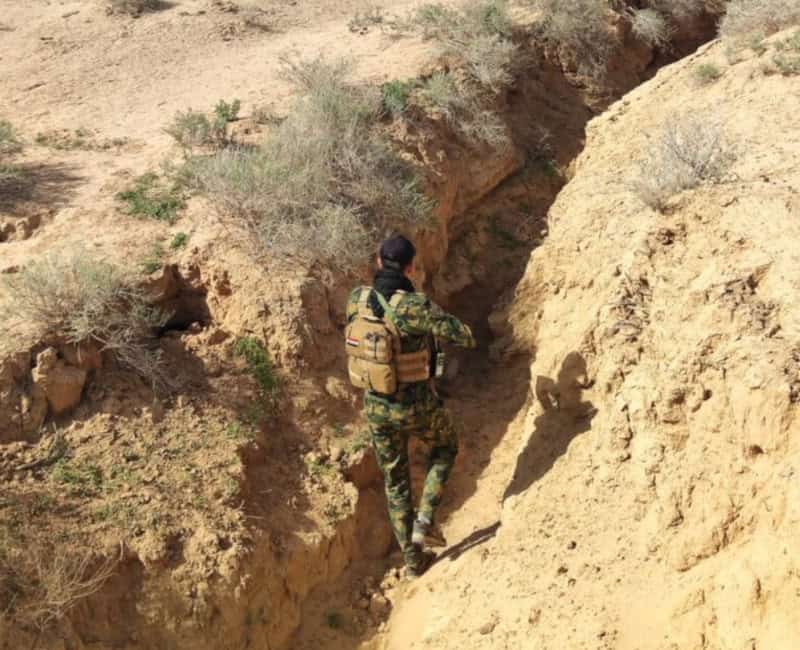
Iraq’s Kataib Hezbollah militia denies report it will disarm
Kataib Hezbollah issued a statement on April 8 rejecting a Reuters report that said it was considering disarmament. Iraq has been under pressure to rein in Iranian-backed militias that are part of the Popular Mobilization Forces (PMF), of which Kataib Hezbollah is a key member. A member of Iraq’s parliament said the PMF is essential for defending Iraq, and the organization’s units conducted several operations across the country, showcasing their presence.
-
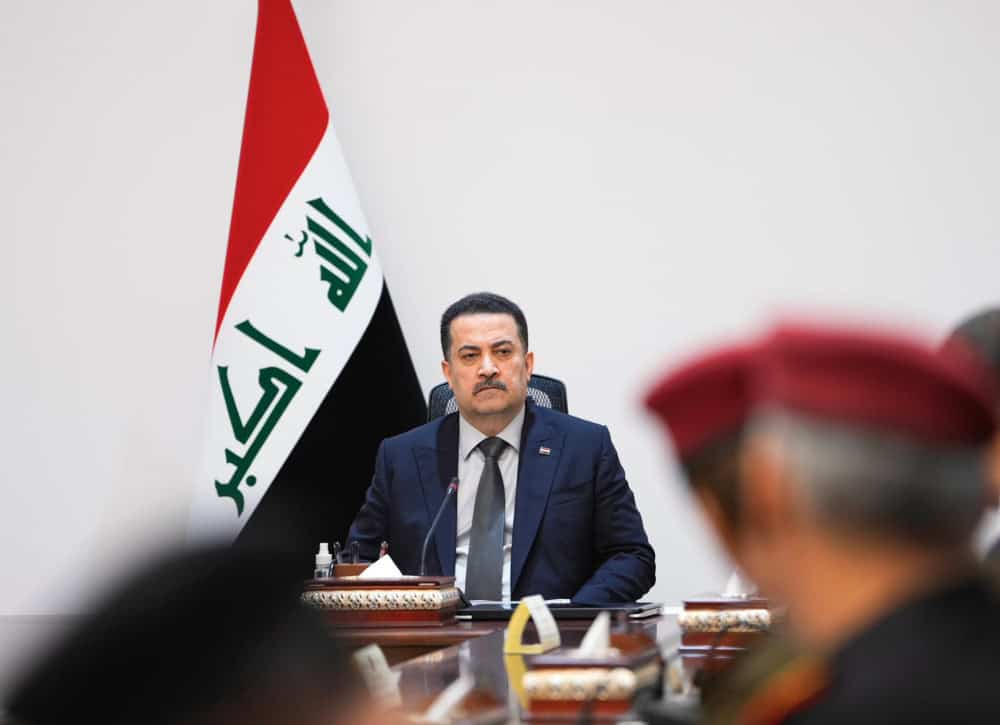
After 2 years, Iraq claims to be searching for kidnapped researcher Elizabeth Tsurkov
On March 5, Iraqi National Security Advisor Qassem al Araji said that Baghdad is trying to locate kidnapped researcher Elizabeth Tsurkov, an Israeli and Russian citizen who was abducted in March 2023. Israeli officials have blamed Kataib Hezbollah for kidnapping Tsurkov, and her case has received increased attention in the last two months since the Trump administration entered office.
-
Pro-Iranian Iraqi militia leaders gather in Lebanon for Hezbollah leader’s funeral
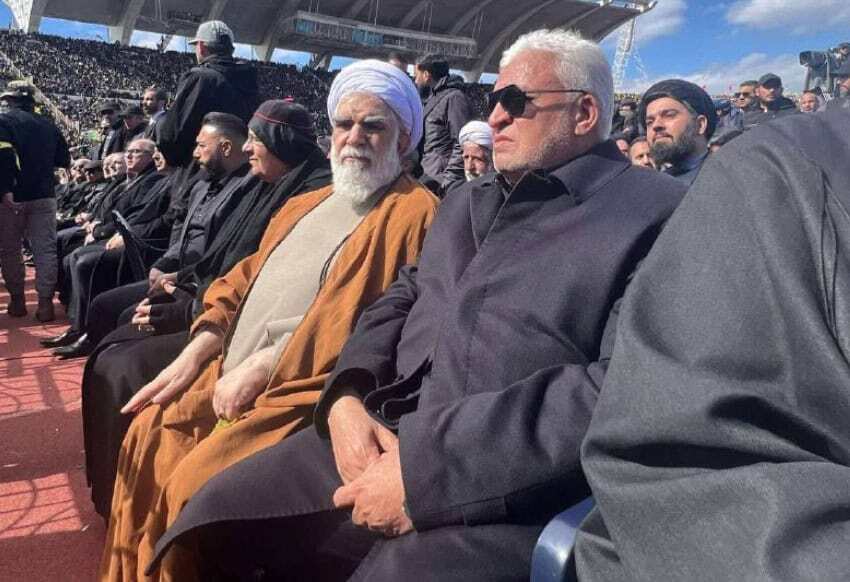
Falih al Fayyadh, the head of Iraq’s largely pro-Iranian Popular Mobilization Units (PMU), traveled to Beirut for the funeral of Hezbollah leader Hassan Nasrallah on February 23. Other senior members of pro-Iranian militias in Iraq also attended the funeral, and several militia leaders put out statements. Hezbollah-affiliated media claimed approximately 200,000 Iraqis came to Lebanon for the event, though this number is unverified.