-
Syria increases criticism of Israeli actions, continues diplomatic outreach
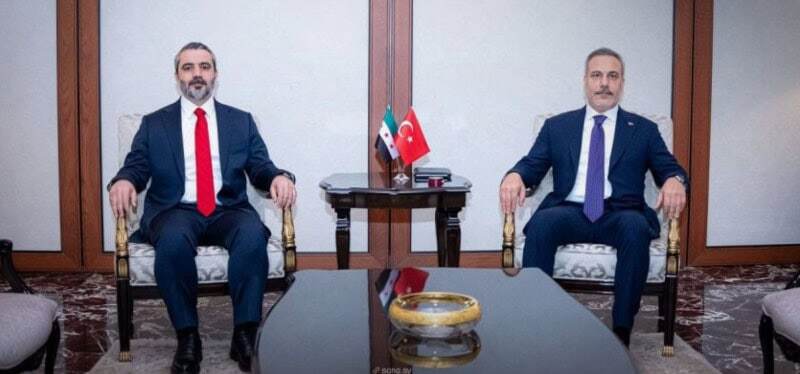
Syria has stepped up its criticism of Israeli military operations in Syria, drawing support from several regional countries. Damascus continues diplomatic outreach, strengthening ties with Turkey, Saudi Arabia, the UAE, and the US as it seeks to consolidate its regional position following the fall of the Assad regime.
-
Yemeni government forces launch Saudi-backed counteroffensive against Houthis
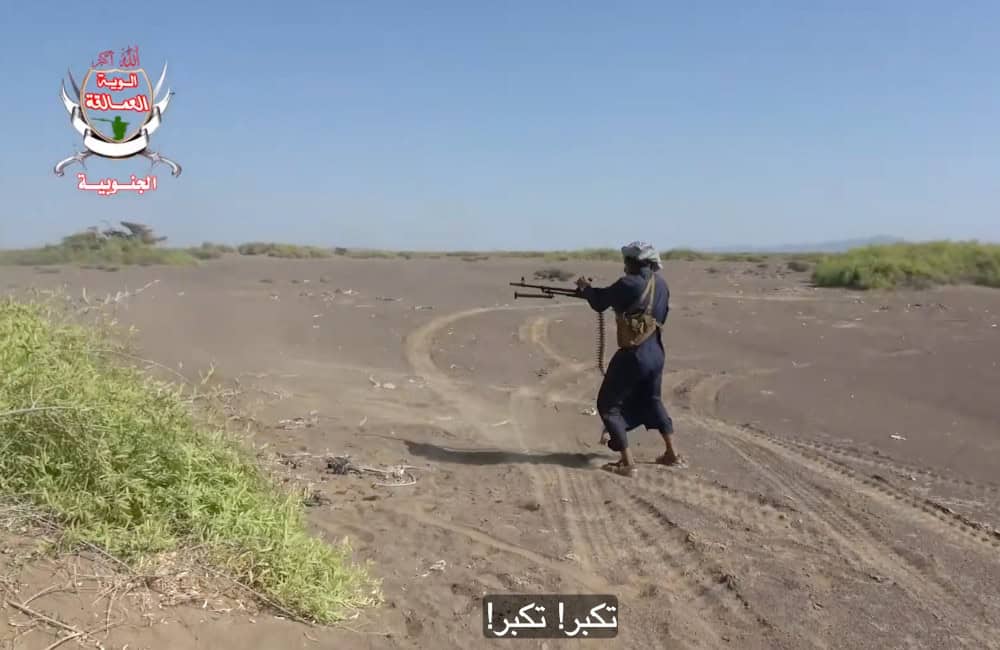
The Yemeni government announced a counteroffensive against the Houthis, with Saudi support, to retake territory the group seized in September, stating that removing the Houthis from the Yemeni capital of Sanaa is a goal. Forces aligned with Yemen’s internationally recognized government retook territory along the Bab al Mandeb Strait on October 5.
-
Houthis fight for key Yemeni highlands, continue striking Saudi Arabia
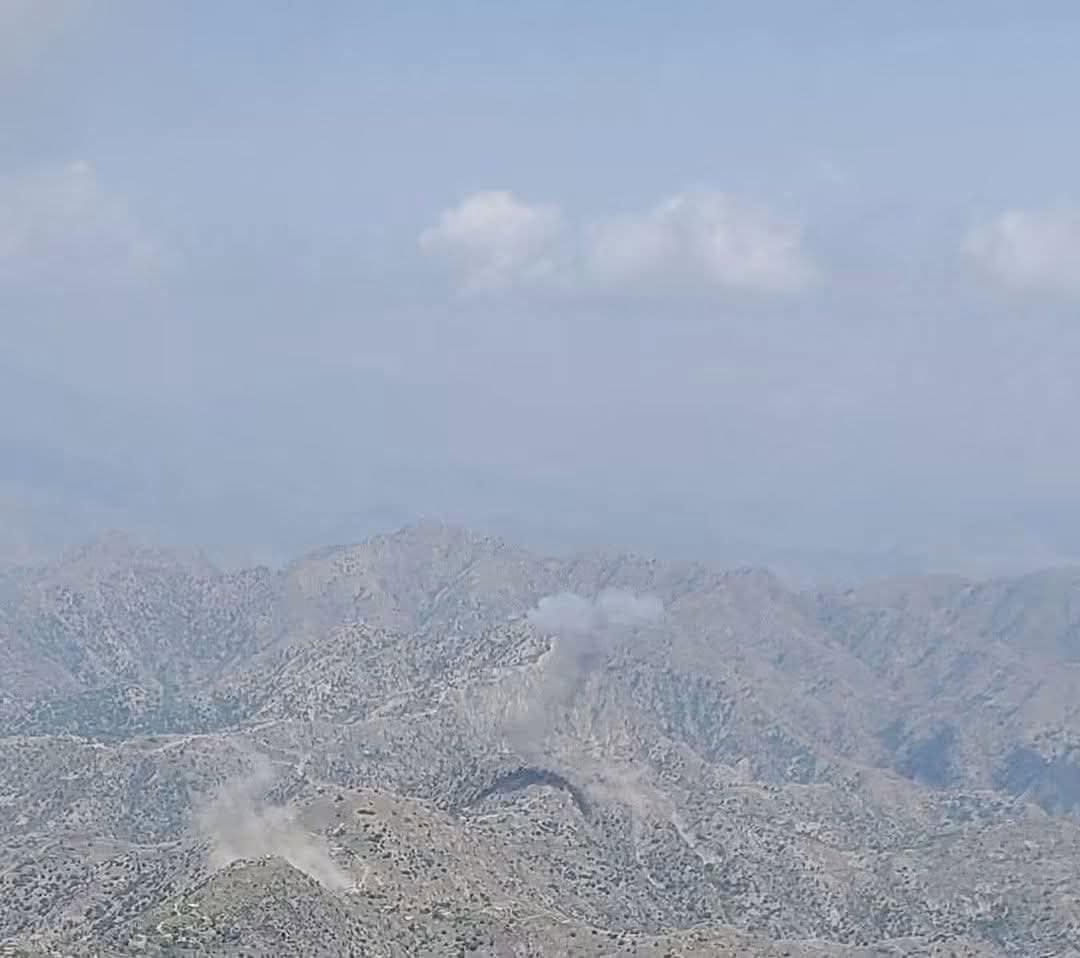
The Houthis and the Yemeni Armed Forces, along with allied militias, have continued fighting on multiple fronts across the country, with the Houthis particularly focused on the highlands inland from their recent coastal advance. The Houthis have also maintained their attacks on Saudi Arabia, prompting Riyadh to renew its request for US airstrikes, which President Donald Trump has repeatedly rejected.
-
Saudi Arabia closes its East-West pipeline after attacks from Iraq
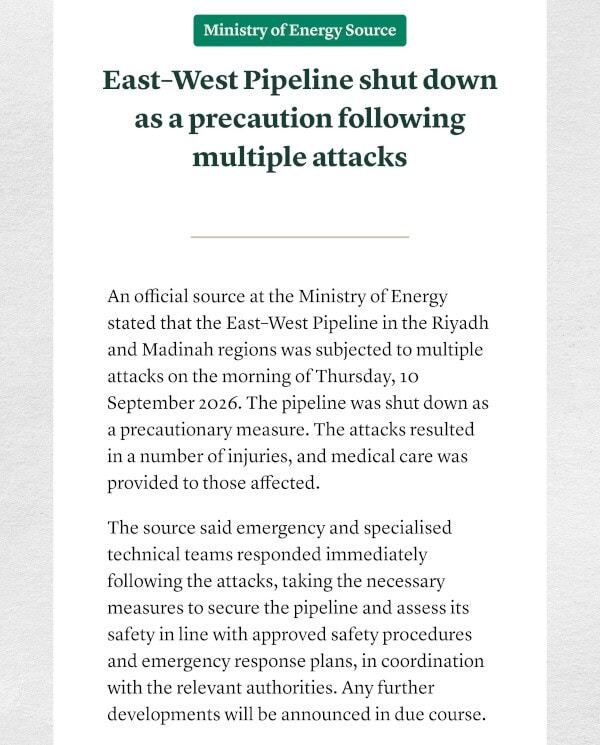
Riyadh announced the closure of its East-West Crude Oil Pipeline following drone attacks emanating from Iraq. The pipeline served as a critical oil export alternative to the Persian Gulf after the closure of the Strait of Hormuz.
-
Houthis escalate attacks in Red Sea and on Saudi Arabia, Riyadh evaluates options
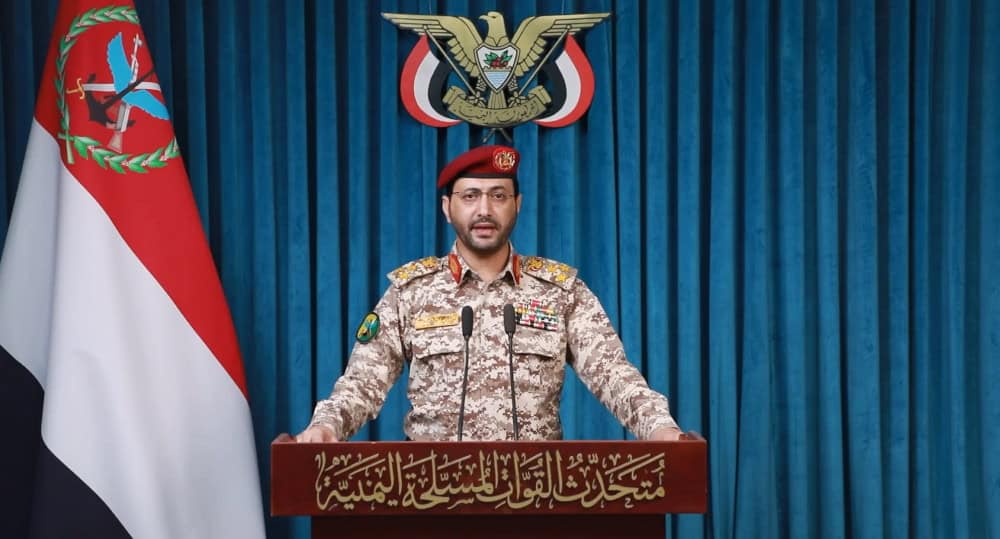
Yemen’s Houthis claimed attacks on eight Saudi-linked vessels as well as energy facilities and an airport to enforce its blockade of the kingdom. Saudi Arabia is reportedly pursuing a diplomatic path to de-escalate the conflict or military options if necessary.
-
Iraq pressured by regional countries to rein in Iran-backed militias as new data on extent of attacks released
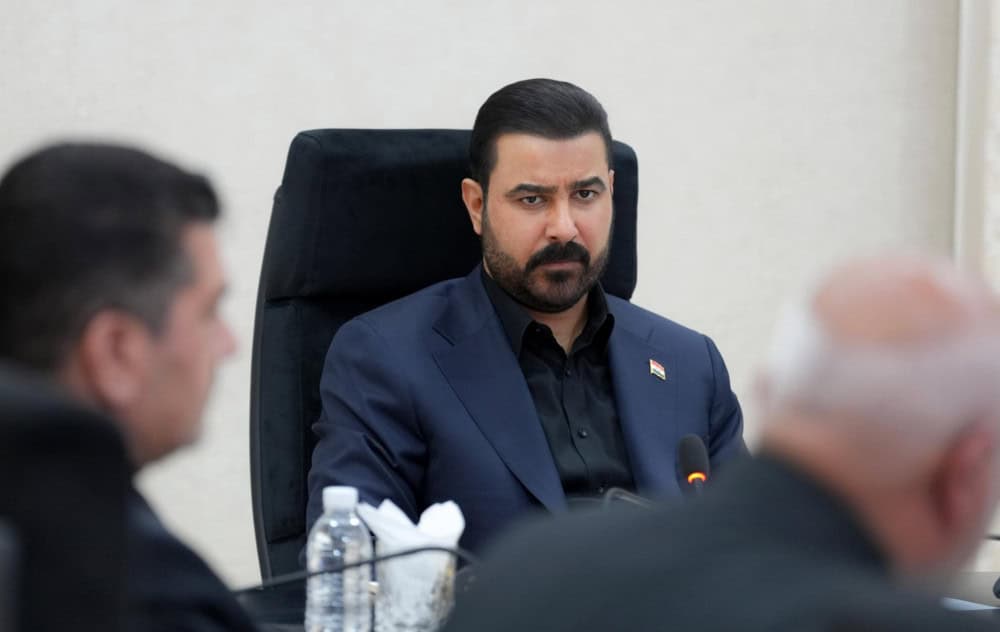
Iraq faces mounting pressure to rein in the militias while balancing tensions with neighboring countries, the US, and Iran. The Kurdistan Region of northern Iraq has come under nearly 1,000 drone and missile attacks by Iran and its proxies since late February, underscoring the growing threat posed by Tehran’s network of militias.
-
US, Saudi Arabia strike Iranian-backed militias in Iraq after militia attacks
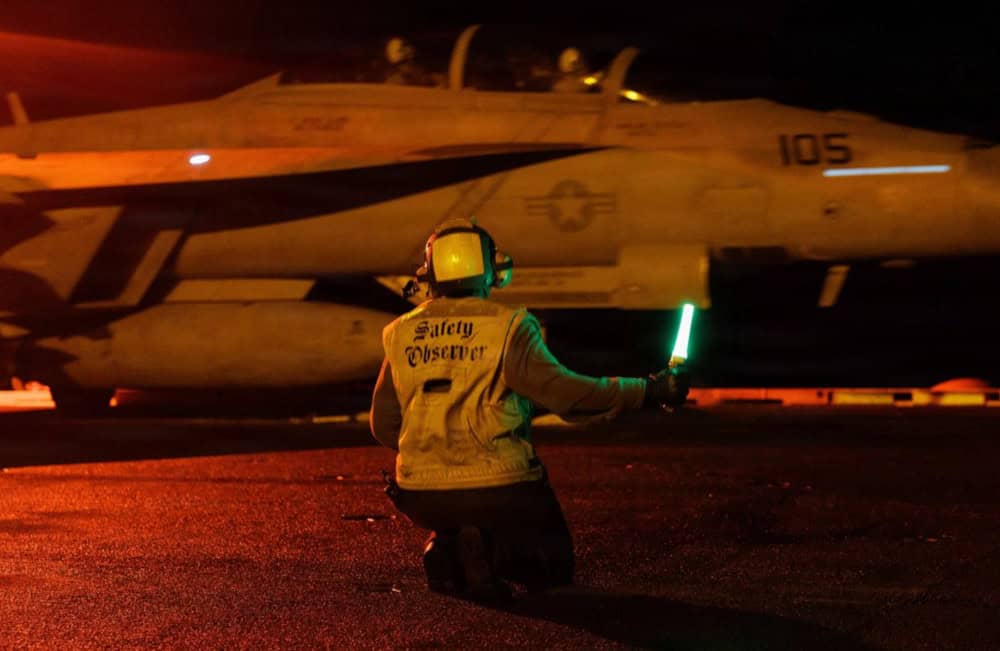
Iranian-backed militias in Iraq escalated attacks on Saudi Arabia and the Kurdistan Region in late July, prompting US and Saudi airstrikes against militia logistics and weapons sites across Iraq. The escalation comes as Washington pressures Iraqi Prime Minister Ali al Zaidi to disarm Iran-aligned militias and bring their weapons under state control.
-
Houthis announce blockade of Saudi Arabia, ships reroute to avoid Bab al Mandeb Strait
The Houthis declared a complete maritime blockade of Saudi Arabia, claiming it is in response to blockades imposed by the Saudi-led coalition that supports Yemen’s internationally recognized government. Saudi Arabia denounced the blockade and said it will protect its ships, but multiple commercial vessels have rerouted to avoid the Bab al Mandeb Strait.

-
Syria opens new parliament, hosts Turkish Navy
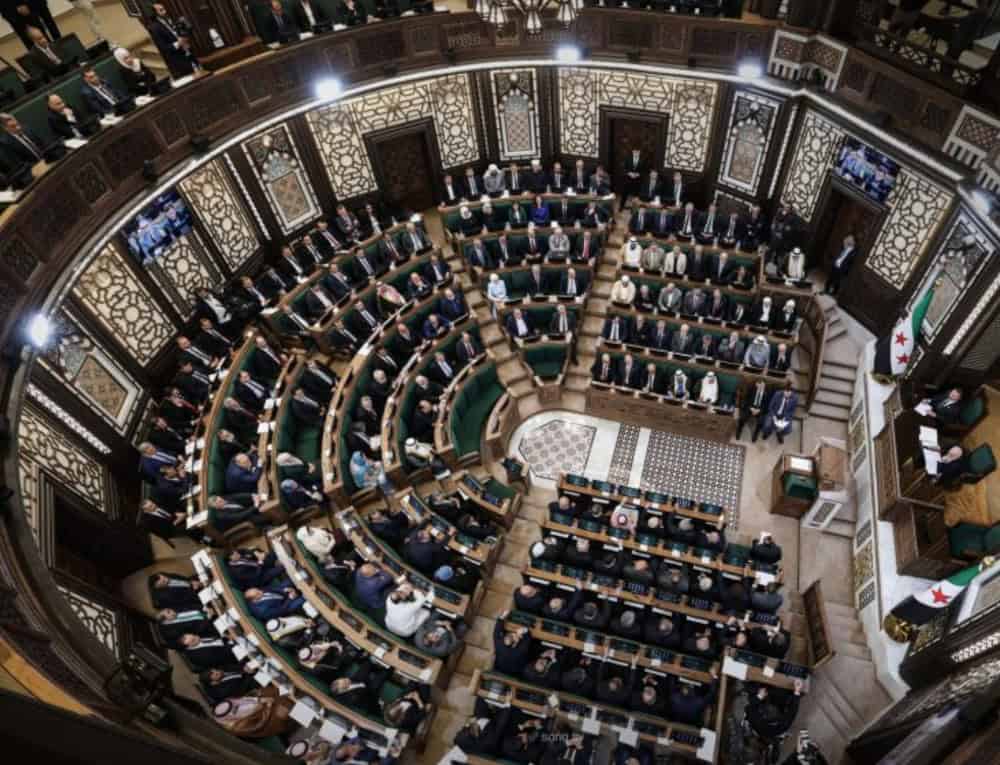
Syria has convened its first parliament since the fall of the Assad regime, marking another milestone in the country’s political transition under President Ahmad al Sharaa. The assembly’s opening comes as Syria expands diplomatic engagement and attempts to strengthen regional and international ties.
-
Saudi Arabia and Houthis trade attacks over restarting direct flights between Yemen and Iran
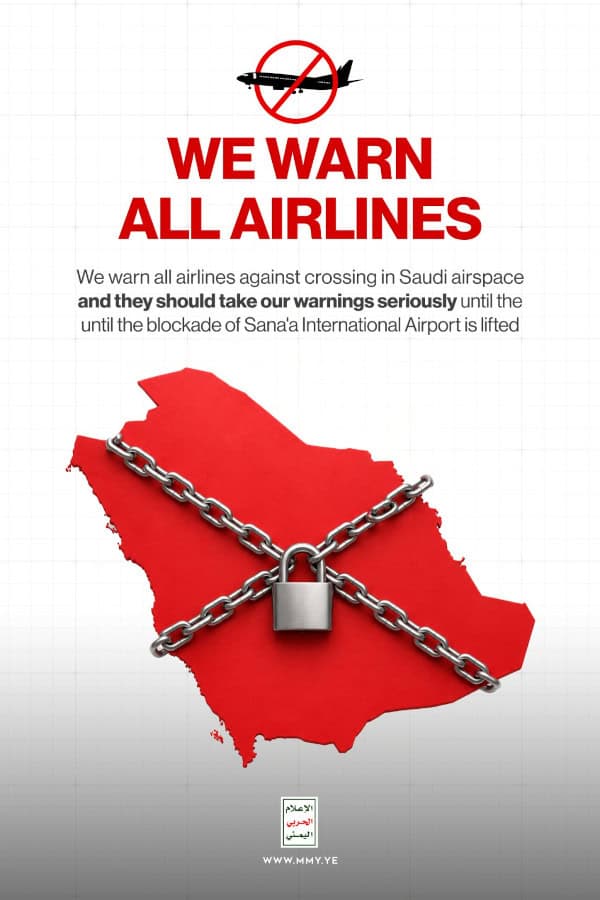
The Houthis and Iran attempted to resume direct flights between Tehran and Sanaa, the Houthi-controlled capital of Yemen, in early July. On July 14, Saudi Arabia struck Sanaa International Airport to prevent one such flight, prompting the Houthis to launch missiles at Saudi Arabia in response.
-
Saudi Arabia and UAE say drone attacks were launched from Iraq
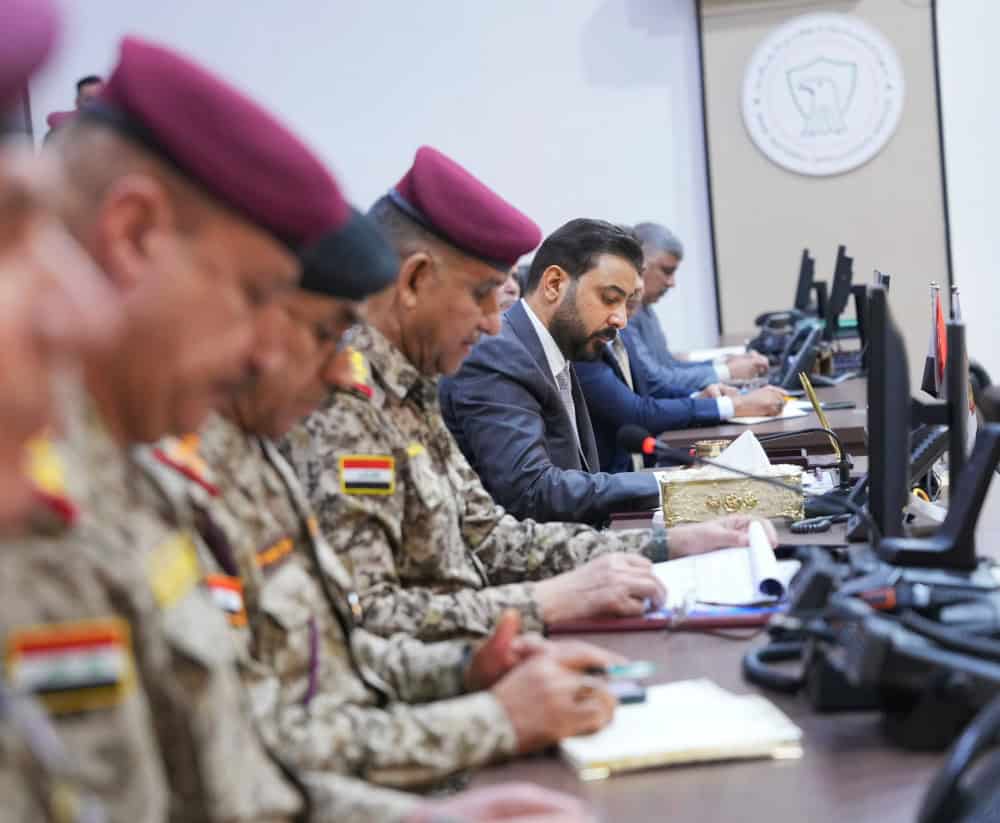
Saudi Arabia and the United Arab Emirates said that recent drone attacks targeting their territory originated from Iraq, increasing pressure on Baghdad to address the activities of Iranian-backed militias operating inside the country. The incidents come amid continued regional tensions involving Iran and have intensified scrutiny of Iraq’s newly formed government.
-
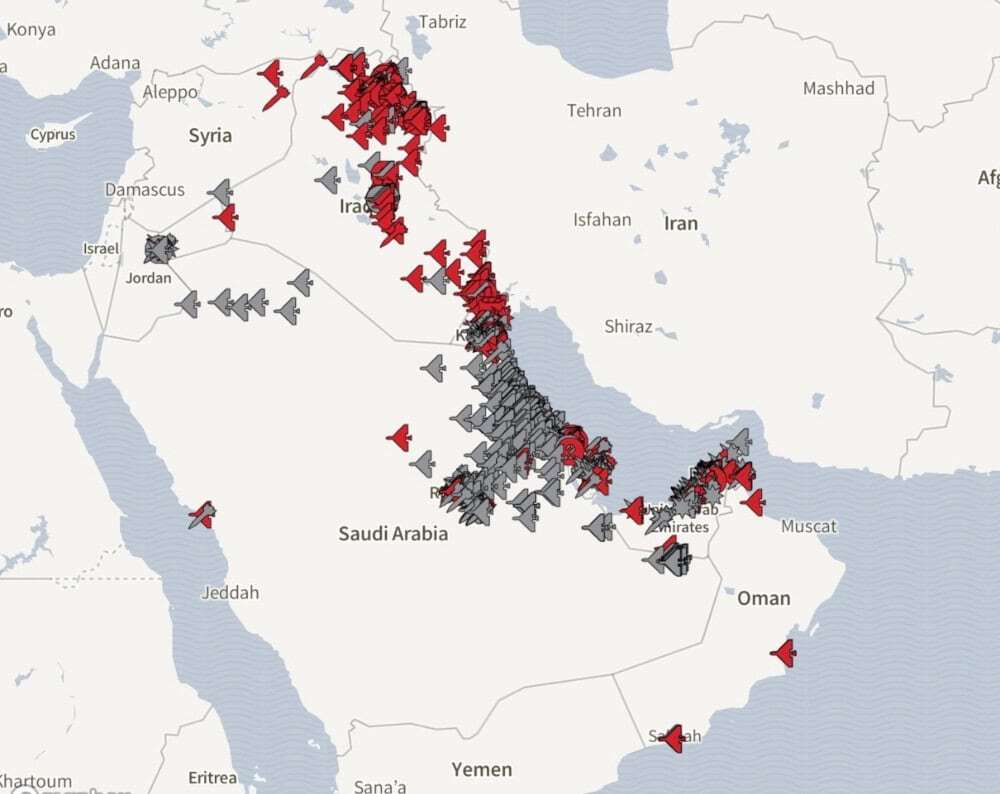
Iran’s war against regional states: UAE bore the brunt, Iraqi Kurdistan still under fire
The ceasefire between the US and Iran has largely held since April 8, and large-scale Iranian barrages targeting predominantly Arab states have ended. However, some attacks, particularly against Iraqi Kurdistan, have continued.
-
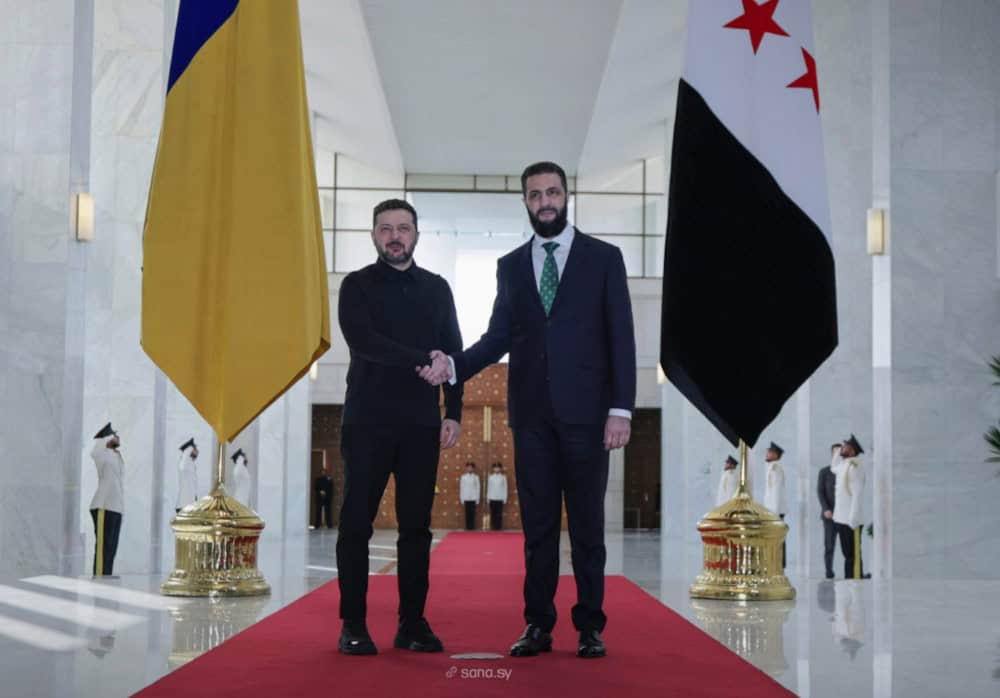
Syria focuses on diplomacy amid Iran war
Syria has sought to position itself as a diplomatic actor amid the regional conflict with Iran, maintaining relative stability while several neighboring states faced significant missile and drone attacks. Damascus has intensified high-level engagements with Turkey, the United States, and Ukraine, highlighting efforts to rebuild international ties following the fall of the Bashar al Assad regime.
-
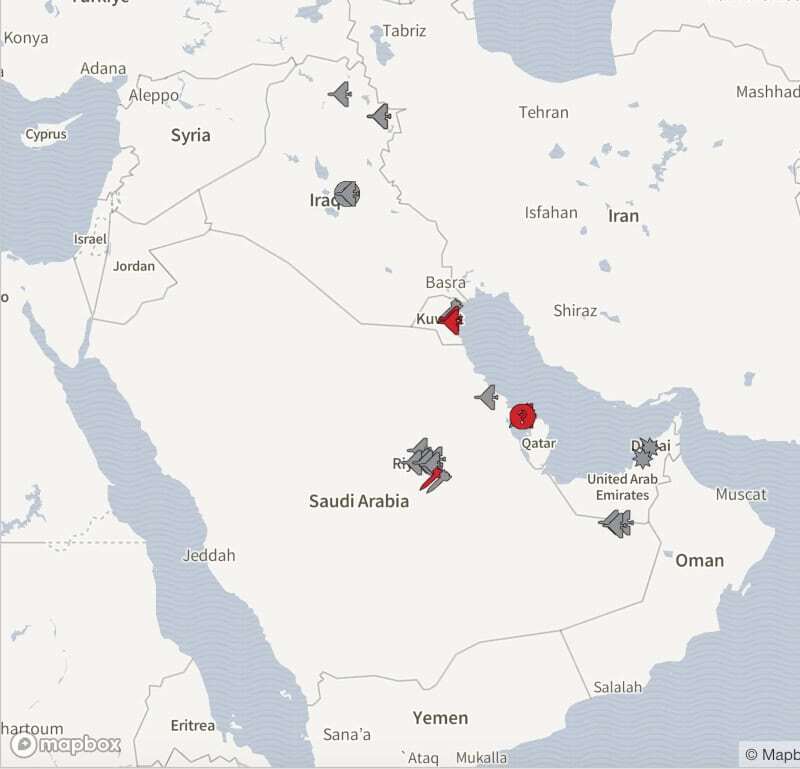
Iran continues striking civilian infrastructure and US bases in the Gulf (March 7–8 updates)
Between March 7 and 8, Iran continued launching drones and missiles across the Persian Gulf, targeting energy infrastructure, airports, military bases, government buildings, and urban areas in Saudi Arabia, Kuwait, Bahrain, and the United Arab Emirates.
-
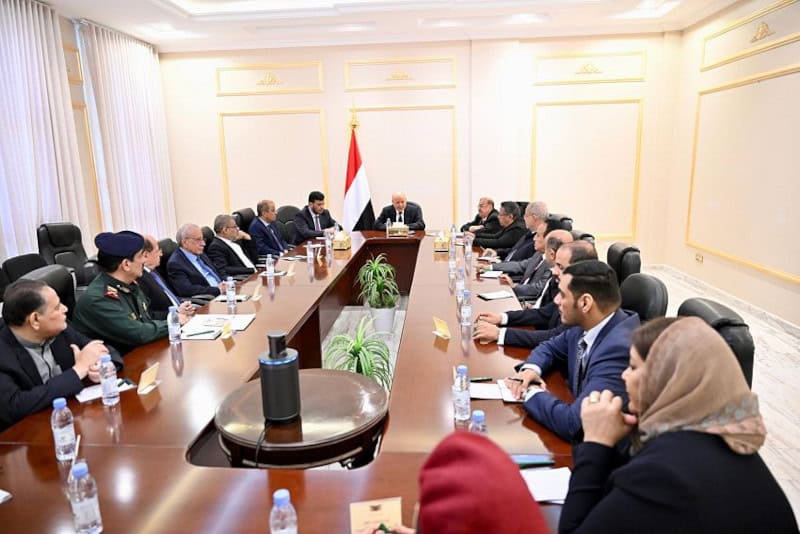
UAE forces to depart Yemen after Saudi demands, strikes
The United Arab Emirates announced the withdrawal of its forces from Yemen after demands for their departure from Saudi and select Yemeni leaders and Saudi airstrikes targeting Yemeni separatist groups. The UAE forces previously served in a counterterrorism capacity as part of the Saudi-led coalition fighting the Houthis. Saudi Arabia and the United Arab Emirates, as well as their respective local partners, are renegotiating the balance of power in Yemen after southern separatist forces captured the country’s eastern territory.
-
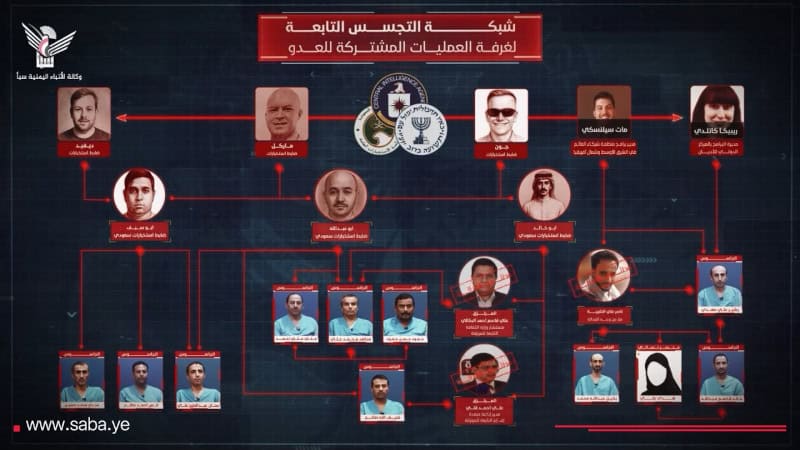
Houthis arrest alleged members of Saudi-American-Israeli spy ring
On November 8, the Houthis announced the arrest of members of an alleged espionage network that they claim was operated by Saudi Arabia, the United States, and Israel. The Yemeni terrorist group accused these individuals of identifying and providing information on sensitive sites and residential areas in Houthi-controlled territory.
-
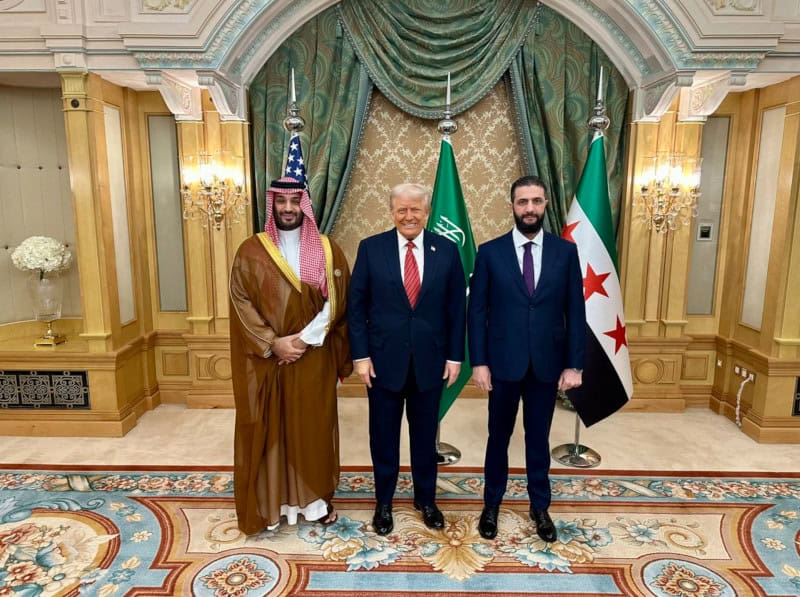
President Trump meets with a Specially Designated Global Terrorist, lifts sanctions on Syria
US President Donald Trump met with Syrian interim president Ahmad al Sharaa, a US and UN-designated terrorist and the former leader of Al Qaeda’s branch in Syria, and committed to removing US sanctions on Syria.
-
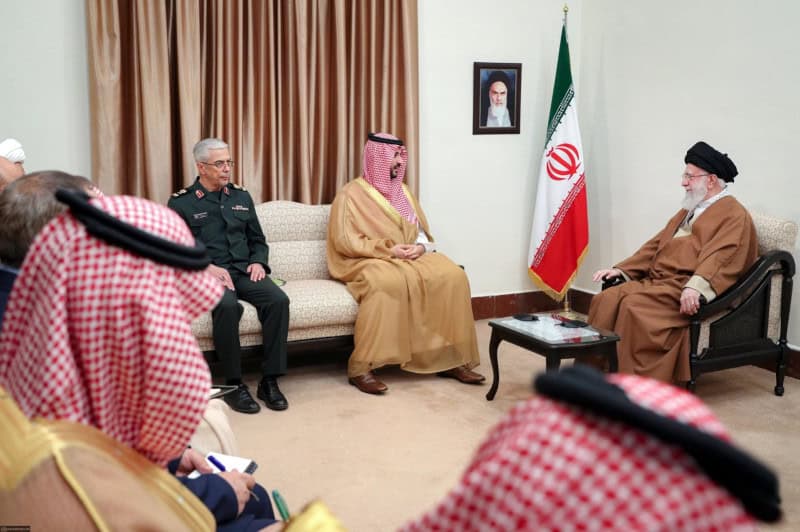
Analysis: A decade of Saudi-Iranian relations: from rivalry to re-engagement
From 2015 to 2025, Tehran-Riyadh ties shifted from confrontation to cautious engagement. Prince Khalid bin Salman’s visit to Tehran marks a historic step in de-escalation amid rising regional tensions. Riyadh appears intent on avoiding entanglement in a broader conflict between Iran and the West.
-
Yemeni forces planning ground offensive against the Houthis
Reports are emerging across Yemeni and global media of an impending ground offensive against the Houthis by a conglomeration of anti-Houthi forces. These potential plans center on the west coast of Yemen, an economic center for the terrorist group.
-
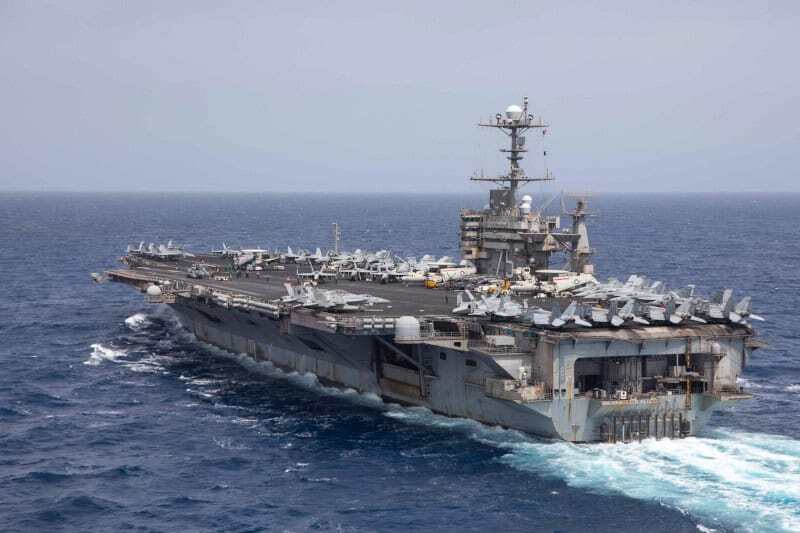
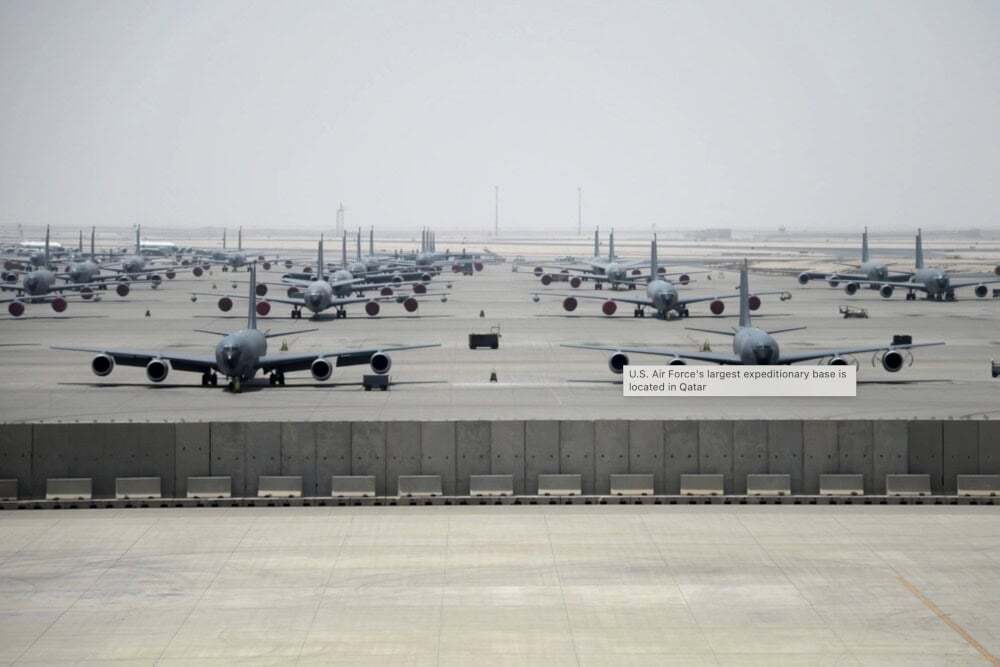
Analysis: Don’t over-concentrate US forces in the Middle East
US military bases in the Persian Gulf confront two challenges, one military and the other political. FDD’s Ryan Brobst, Bradley Bowman, and Behnam Ben Taleblu survey the two challenges and propose a way to address them.
-
Analysis: Taliban leader Sirajuddin Haqqani becomes a statesman
After meeting the ruler of the UAE, Sirajuddin Haqqani traveled to Saudi Arabia to attend the Hajj. His travel was approved by the international community. Official recognition is almost certainly to follow.

-
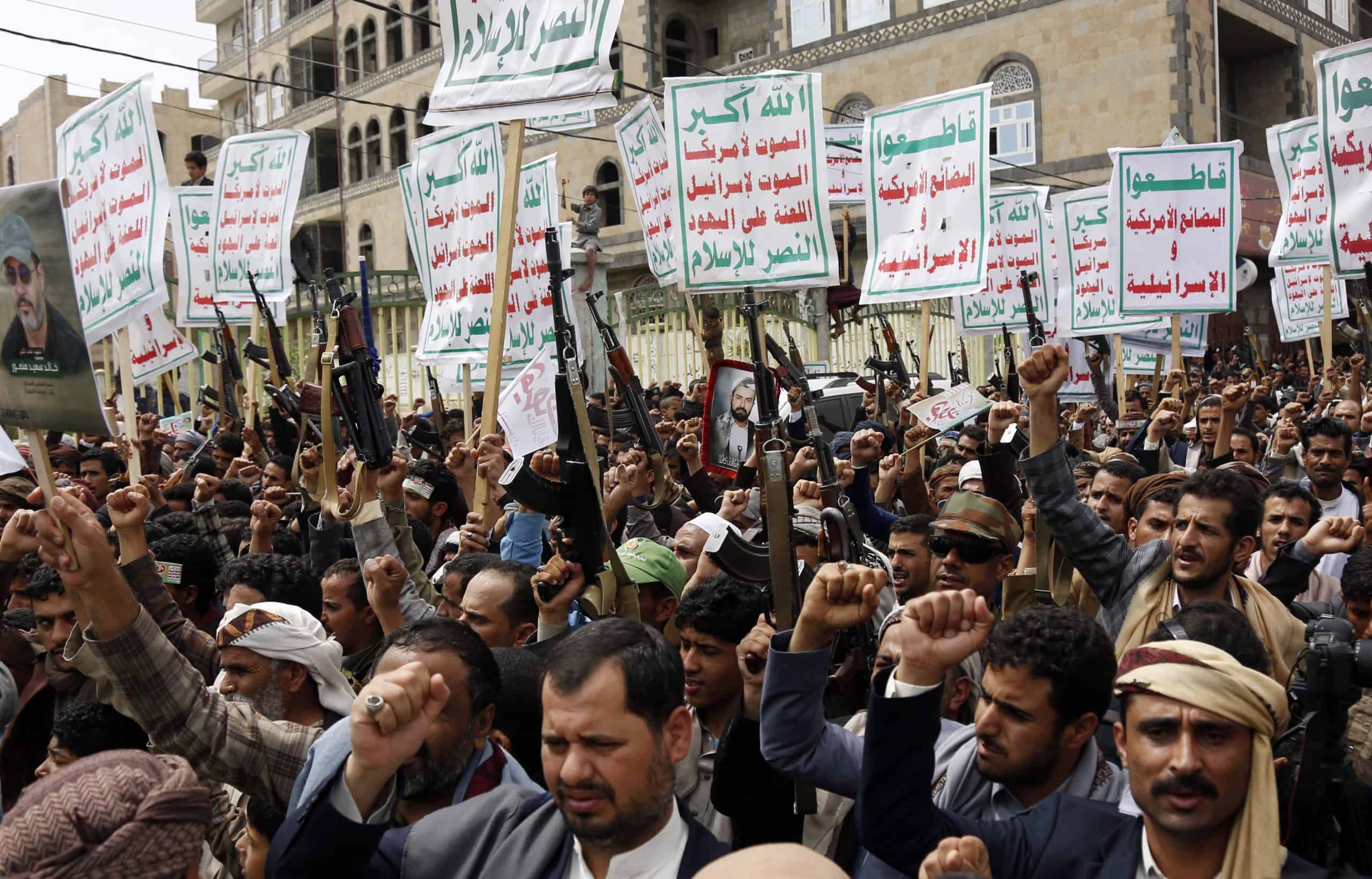
Saudi Arabia Designates Individuals for Supporting Yemen’s Houthi Movement
On Wednesday, Saudi Arabia designated five individuals for providing support to the Iran-backed Houthi movement.
-
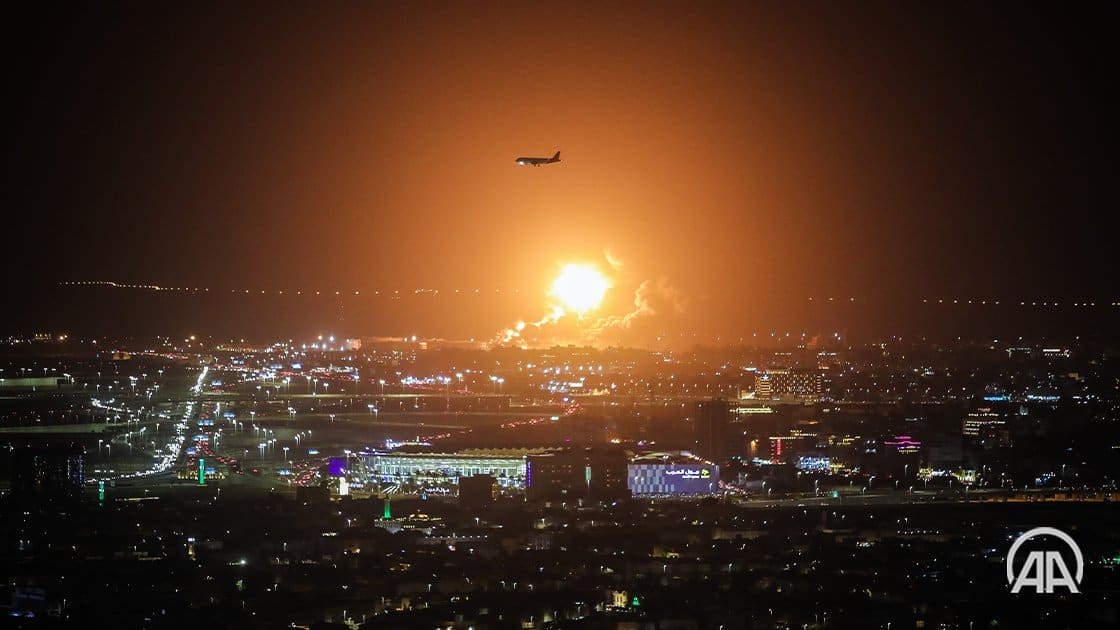
Houthis Launch Third “Siege Breaking” Operation in Saudi Arabia
Iran-backed Houthis in Yemen renewed attacks against Saudi energy facilities on Friday causing an enormous fire in one of the country’s largest cities.
-
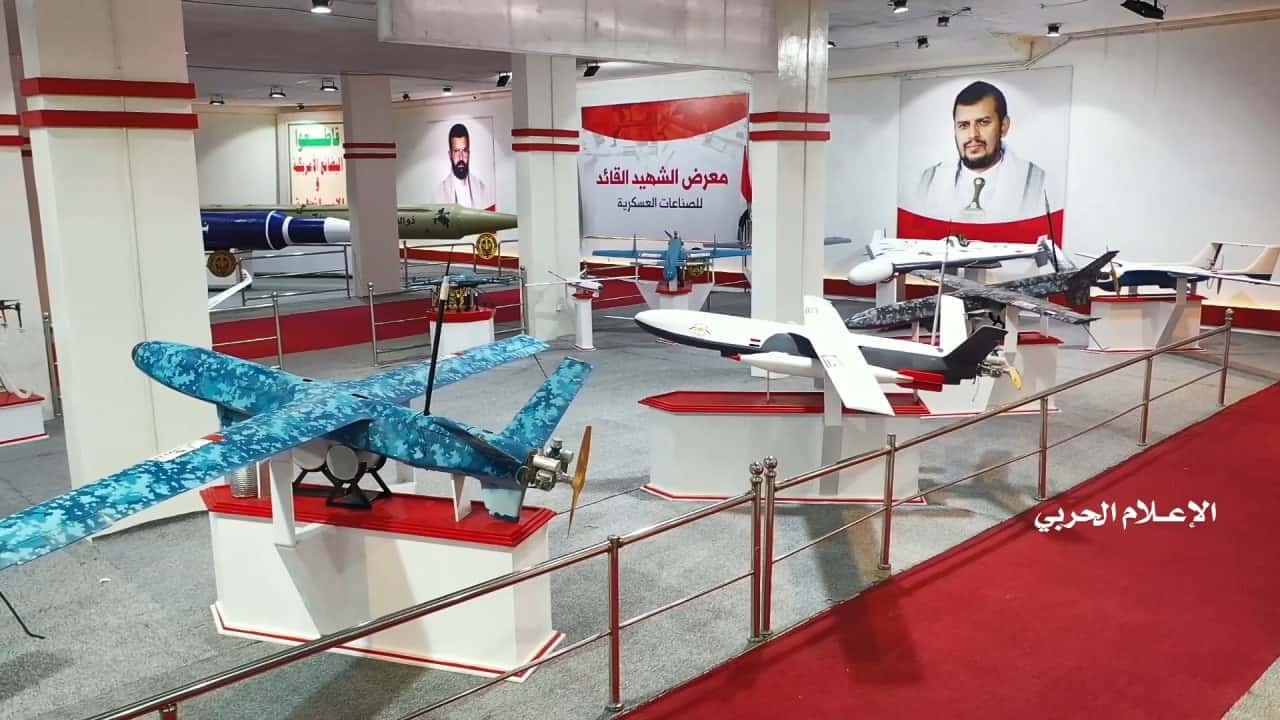
Houthis Renew Attacks Against Saudi Arabia
Yemen’s Houthis renewed attacks against Saudi Arabia by launching three waves of assaults on Saturday and Sunday.
-
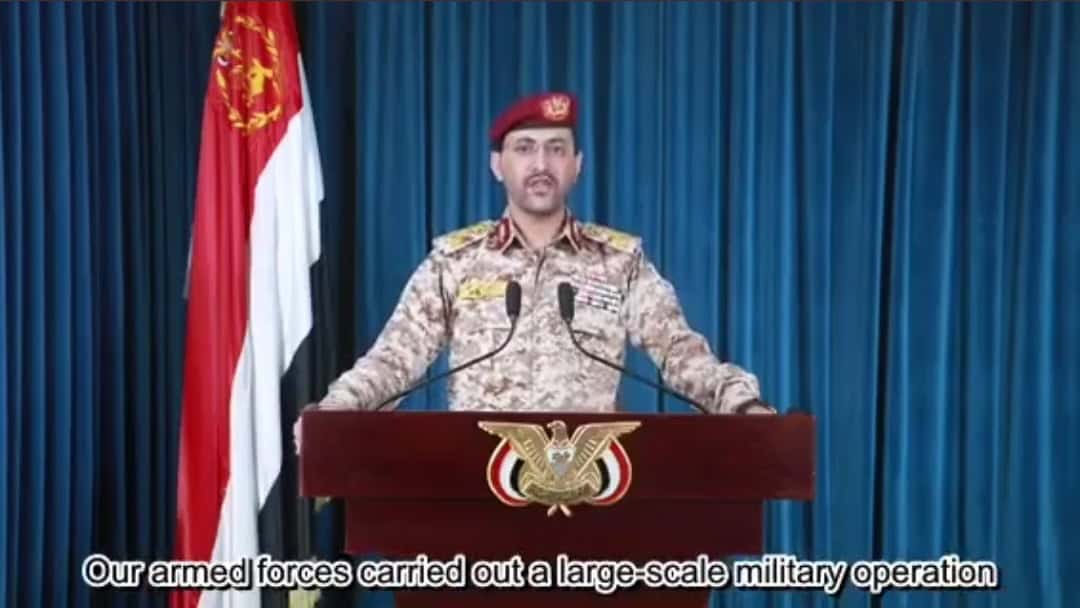
Houthis Claim Credit for Drone Attacks on Saudi Oil Refineries
In its second attack in recent weeks, the Houthis targeted several oil refineries in Saudi Arabia including an Aramco facility in Riyadh.
-
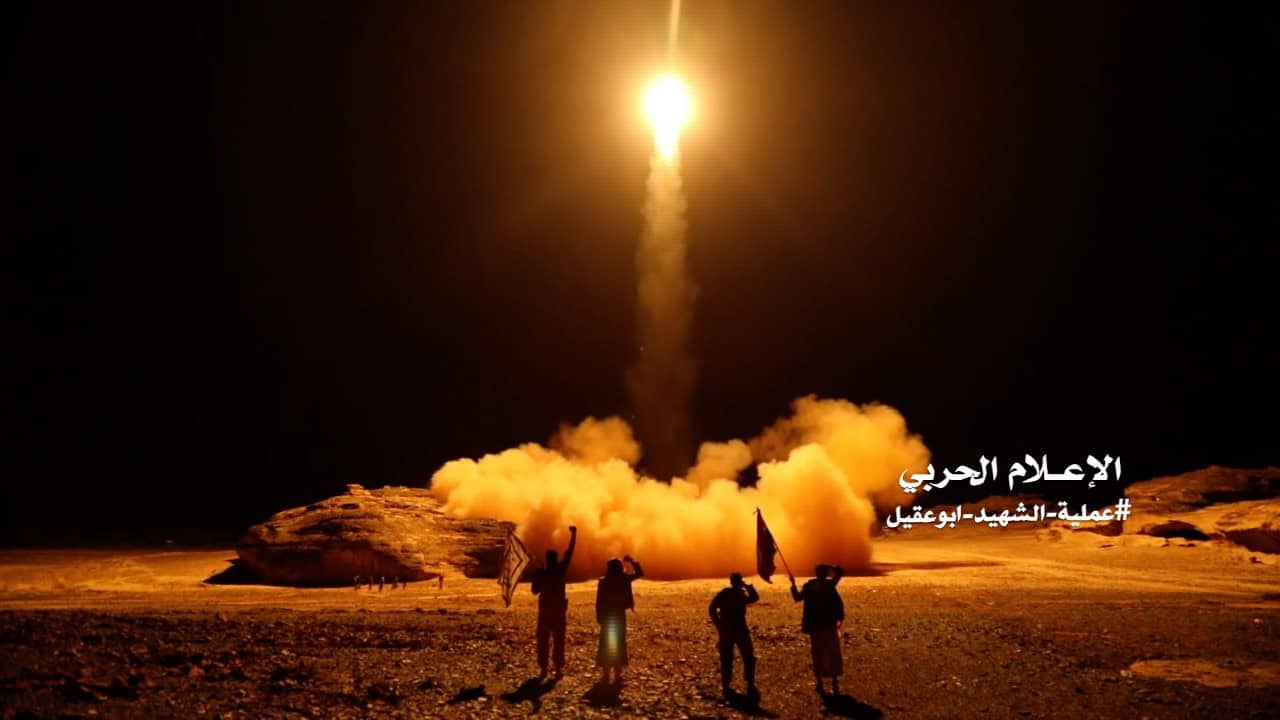
Houthis Renew Attack on Abu Dhabi With Ballistic Missiles
Abu Dhabi came under renewed ballistic missile attack by the Houthis Monday morning in response to its role in the Saudi-led conflict in Yemen.
-
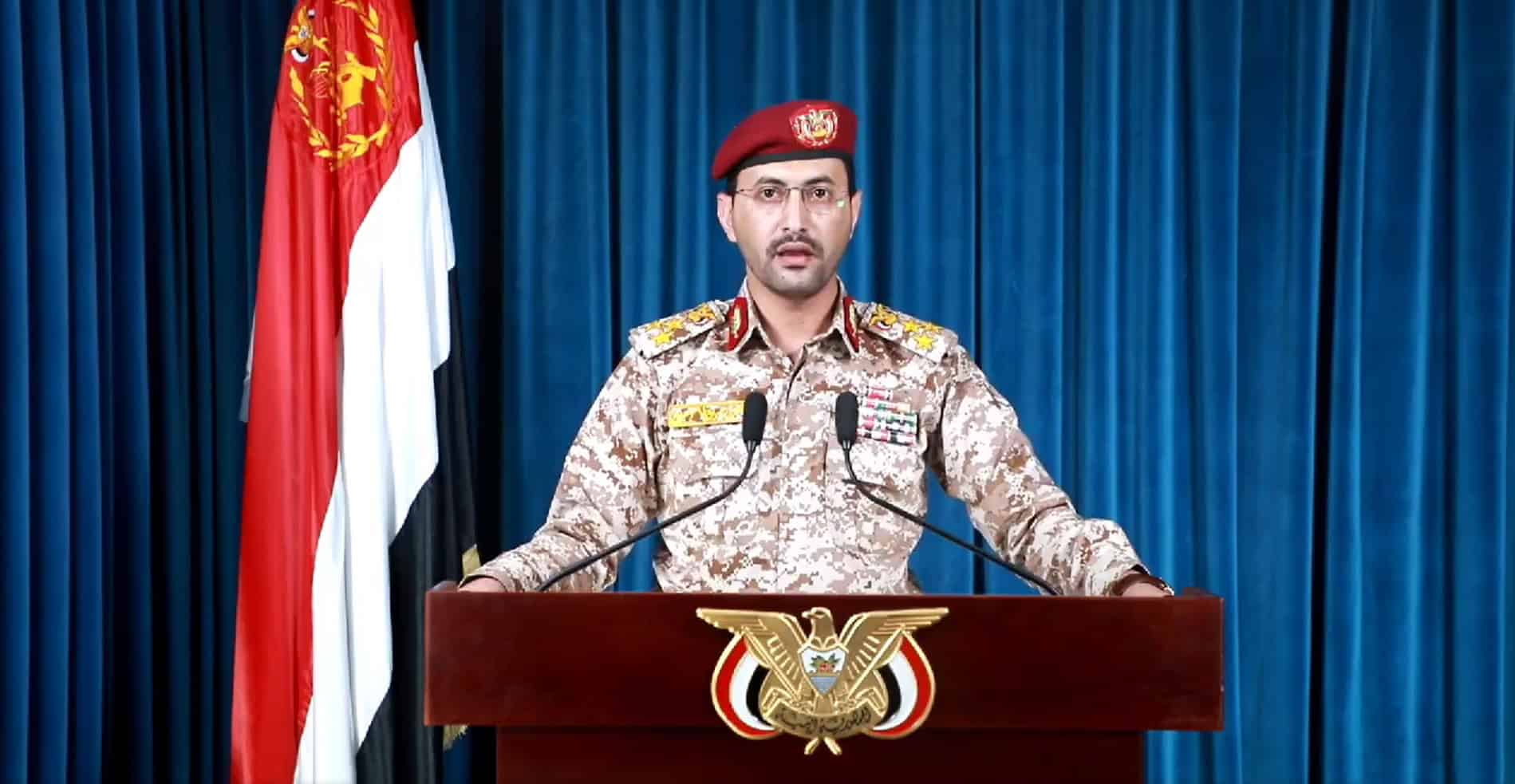
Houthis launch aerial attack against UAE capital Abu Dhabi
Houthi spokesperson announced the Iran-backed group conducted a high profile strike against sites in the UAE on Monday.
-
Purported new militant group claims drone attack against Saudi Arabia
A newly formed militant group claims drone attack against Saudi Arabia after a double suicide bombing in Iraq on Thursday.
-
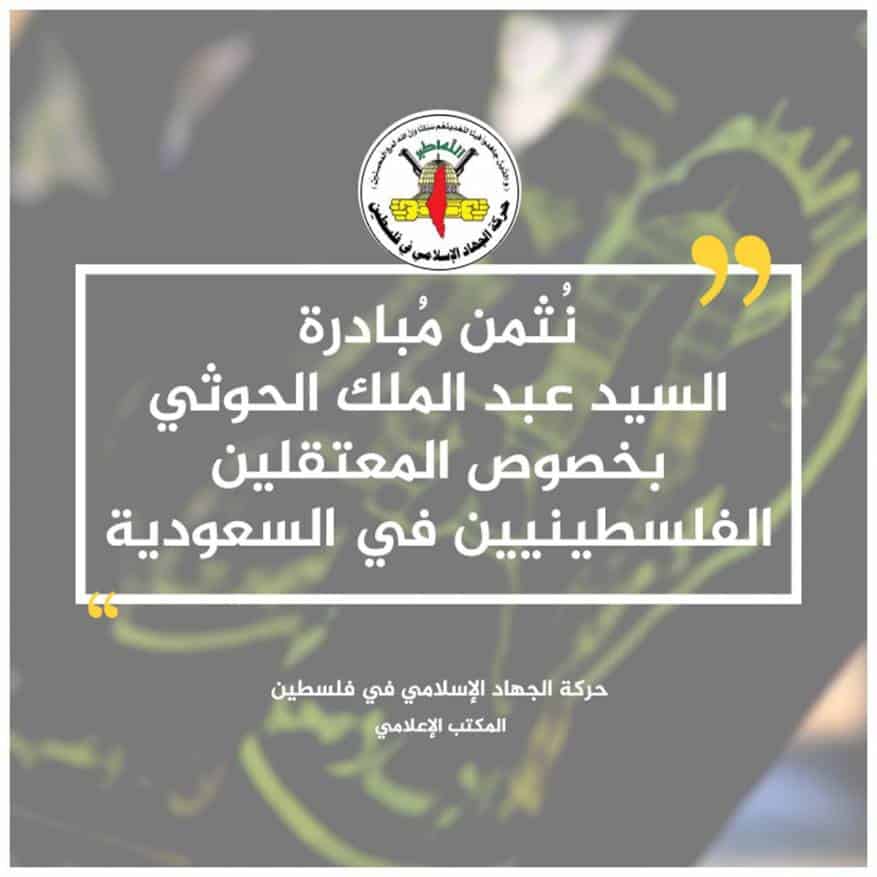
Palestinian militants praise Houthi’s offer for a prisoner exchange with Saudi Arabia
Gaza’s militant groups commend Houthi’s efforts to release Hamas members held in Saudi Arabia under terrorism charges.
-
Saudi textbooks revised, but still incite hate
Saudi Arabia has revised its educational curriculum, but the kingdom’s textbooks still include passages that incite hate against Jews, homosexuals and the “infidels.”