-
Purported new militant group claims drone attack against Saudi Arabia
A newly formed militant group claims drone attack against Saudi Arabia after a double suicide bombing in Iraq on Thursday.

-
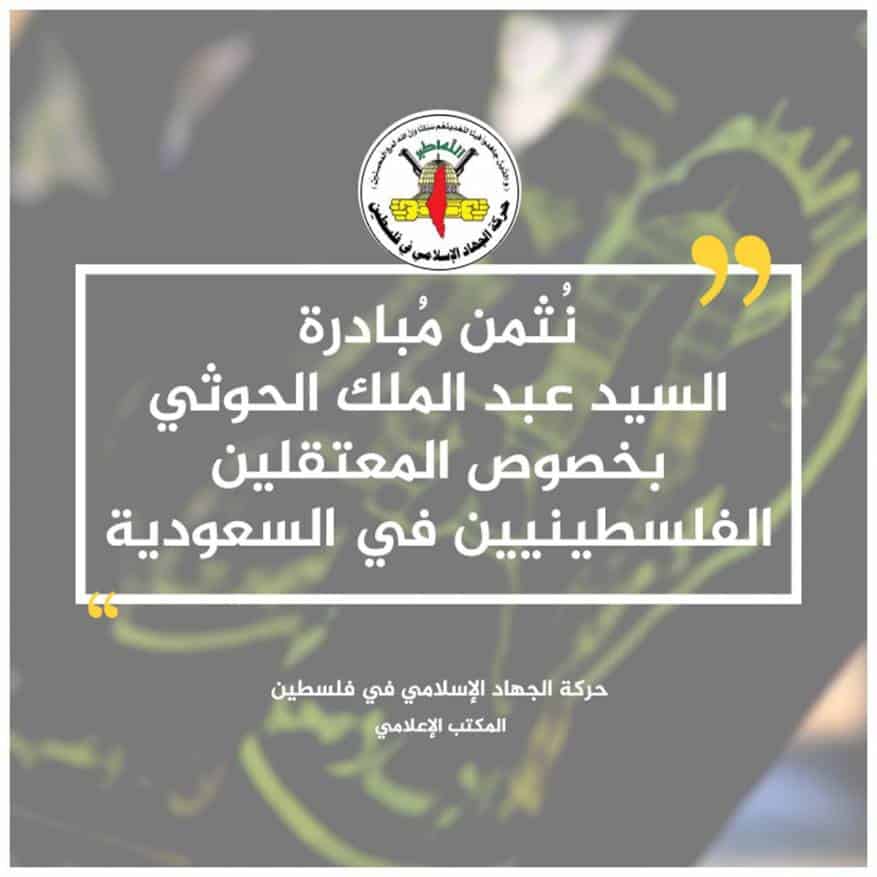
Palestinian militants praise Houthi’s offer for a prisoner exchange with Saudi Arabia
Gaza’s militant groups commend Houthi’s efforts to release Hamas members held in Saudi Arabia under terrorism charges.
-
Saudi textbooks revised, but still incite hate
Saudi Arabia has revised its educational curriculum, but the kingdom’s textbooks still include passages that incite hate against Jews, homosexuals and the “infidels.”

-
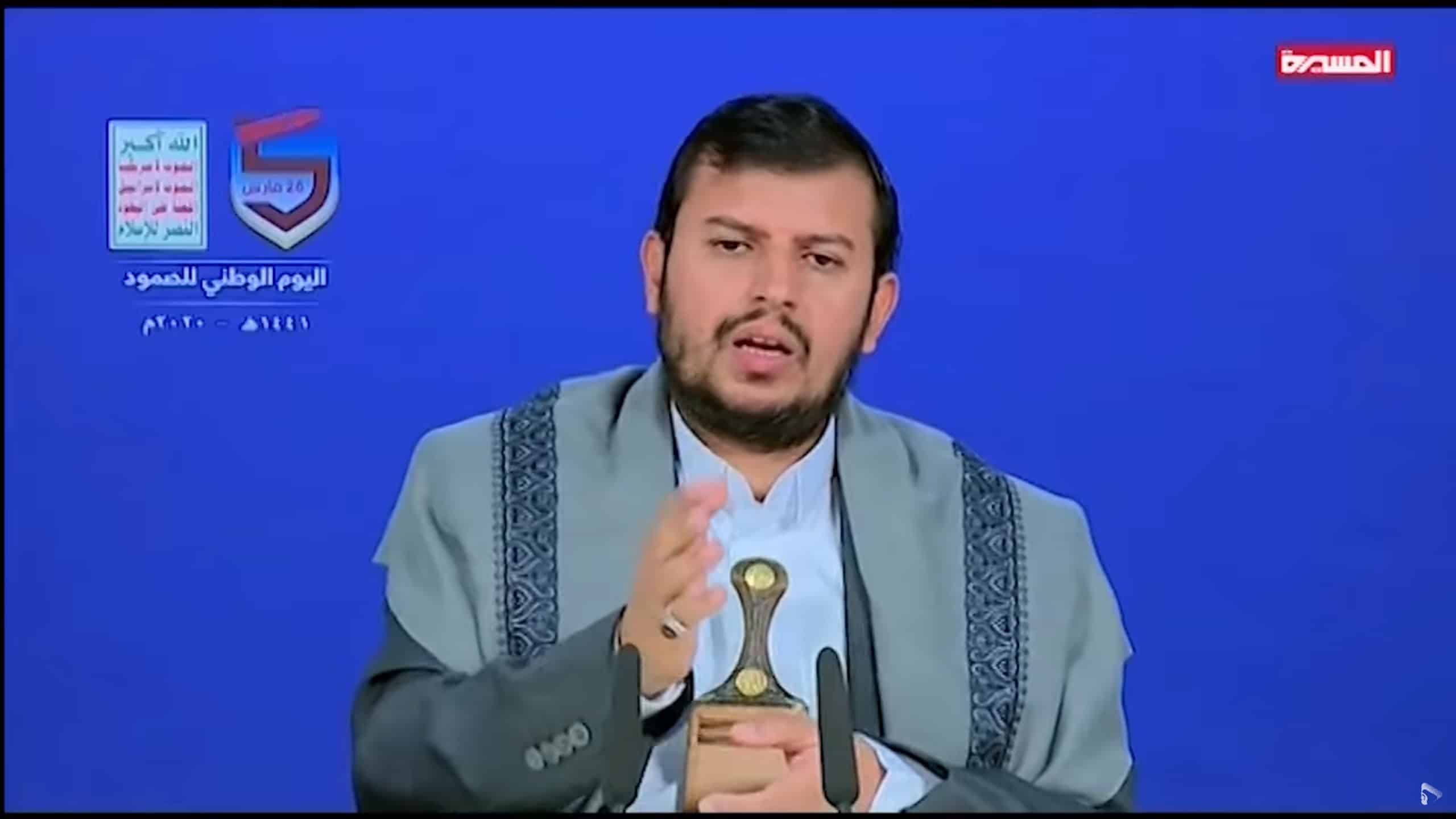
Houthi leader proposes prisoner exchange of Hamas members detained in Saudi Arabia
The Houthi leader offered to release a captured Saudi pilot in exchange for the freedom of the detained Hamas members.
-
Houthis report capture of province bordering Saudi Arabia
The capture of large parts of al Jawf allows the Houthis to focus on neighboring Ma’rib, where the internationally recognized Hadi government contests for power in the north.
-
Houthis increase use of suicide drone boats in recent weeks
Not only have the Houthis utilized this tactic more in recent weeks, but the insurgency has also exported the drones to the Arabian Sea.

-
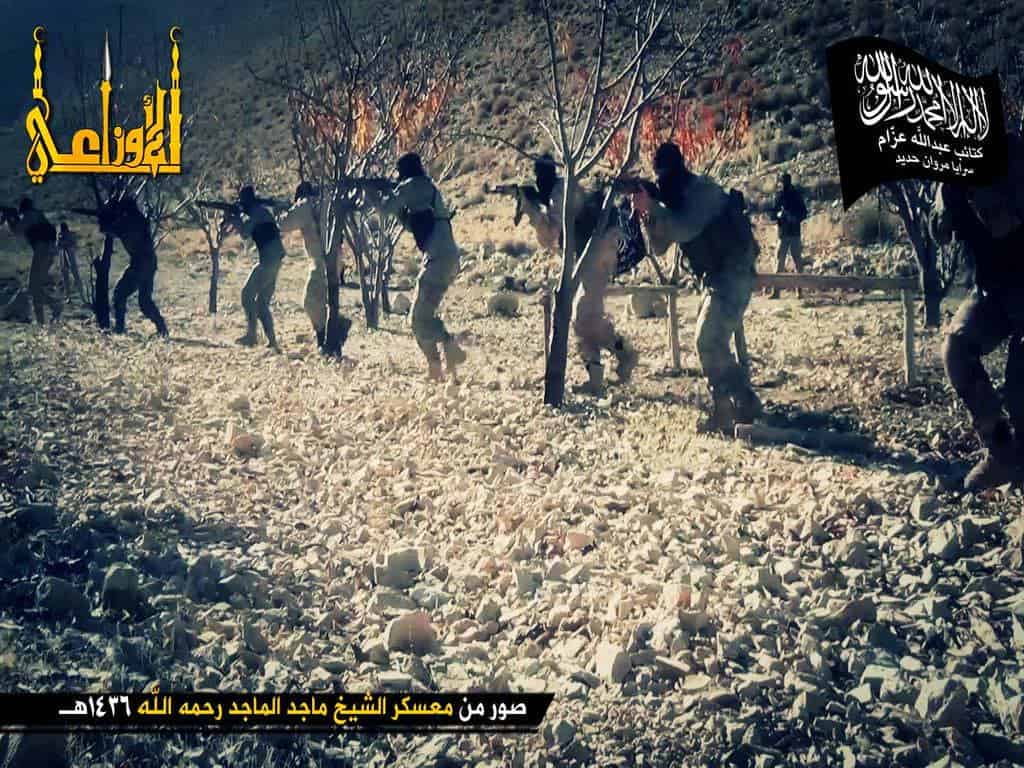
Abdullah Azzam Brigades dissolves itself in Syria
After a long-hiatus, the al Qaeda-linked Abdullah Azzam Brigades announces its dissolution inside Syria.
-
Houthis claim major operation inside Saudi Arabia
Yemen’s Houthis claim that the operation is the largest in nearly four years of conflict with Saudi Arabia and its allies.

-
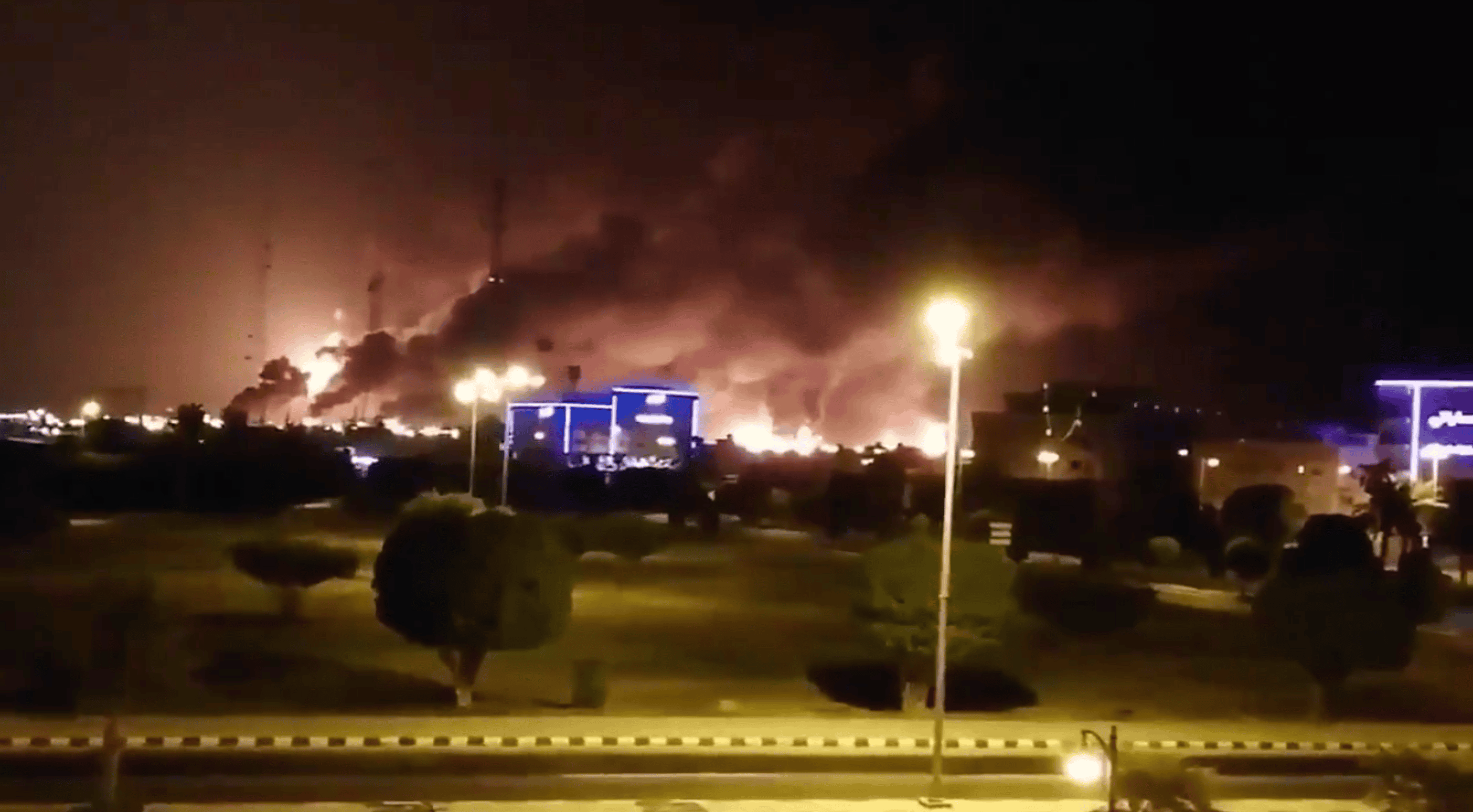
Saudi oil facilities set ablaze by Houthi drone strikes
The confirmed drone strike campaign so far from Houthi-controlled territory in Yemen represents another worrying development in the region.
-
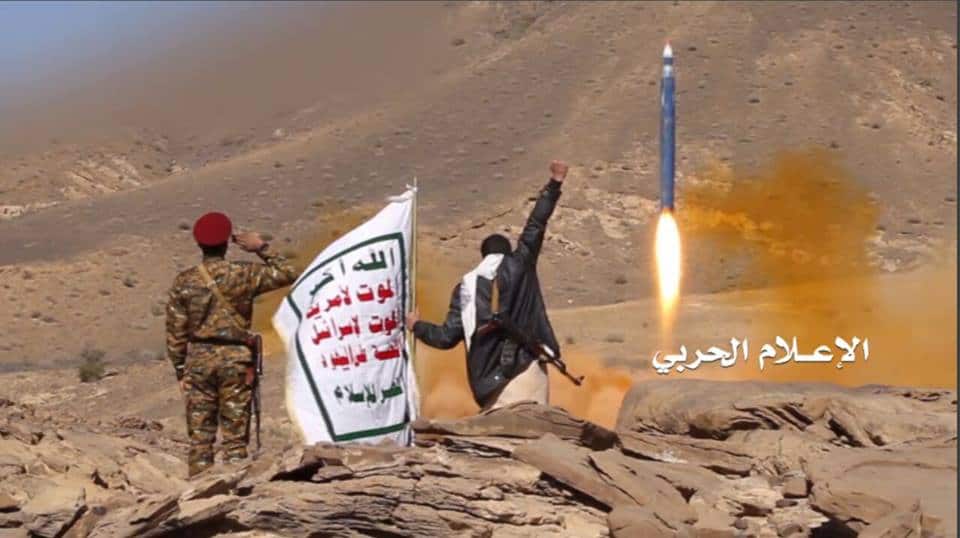
String of attacks in Saudi Arabia claimed by Houthis
Since Aug. 24, Yemen’s Houthi insurgents have claimed a series of attacks inside Saudi territory.
-
Houthis claim major drone operation near the UAE
The confirmed drone strikes near the Saudi borders with the UAE is a worrying development in the conflict.

-
Analysis: Houthi drone strikes in Saudi Arabia and Yemen
Beginning last year, the Houthis have launched dozens of drone strikes inside Saudi Arabia and Yemen. FDD’s Long War Journal has mapped these strikes.
-
Analysis: Houthi missiles against the Saudi-led coalition
Since 2015, the Houthi insurgents in Yemen have launched a myriad of ballistic missiles into Saudi Arabia, the United Arab Emirates, and at various sites across Yemen. FDD’s Long War Journal has mapped these missile launches.
-
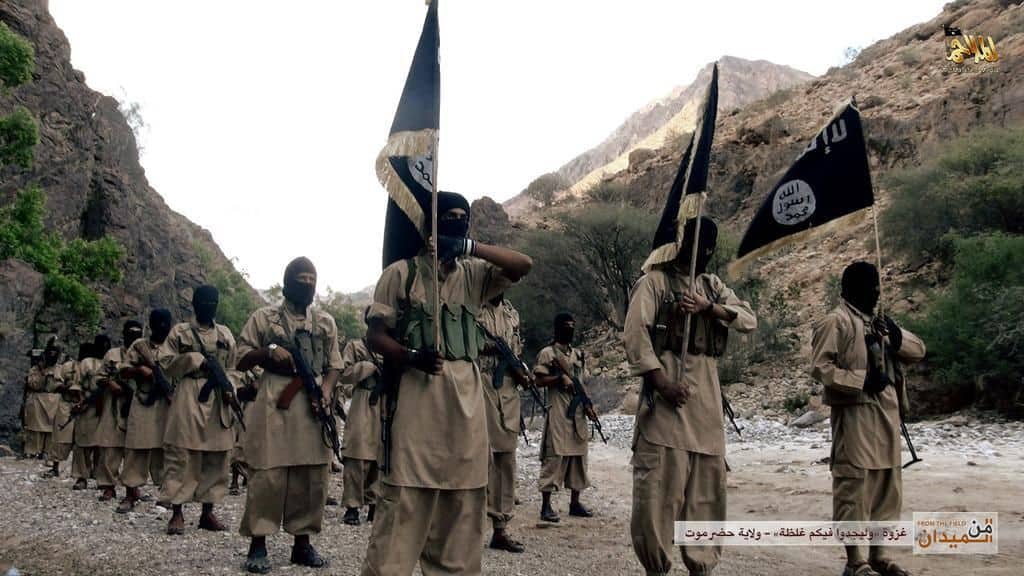
AQAP responds to Al Jazeera documentary
Al Jazeera released a documentary alleging that Bahrain and al Qaeda in the Arabian Peninsula work together. Today, the al Qaeda branch denied this accusation in a letter to the editor.
-
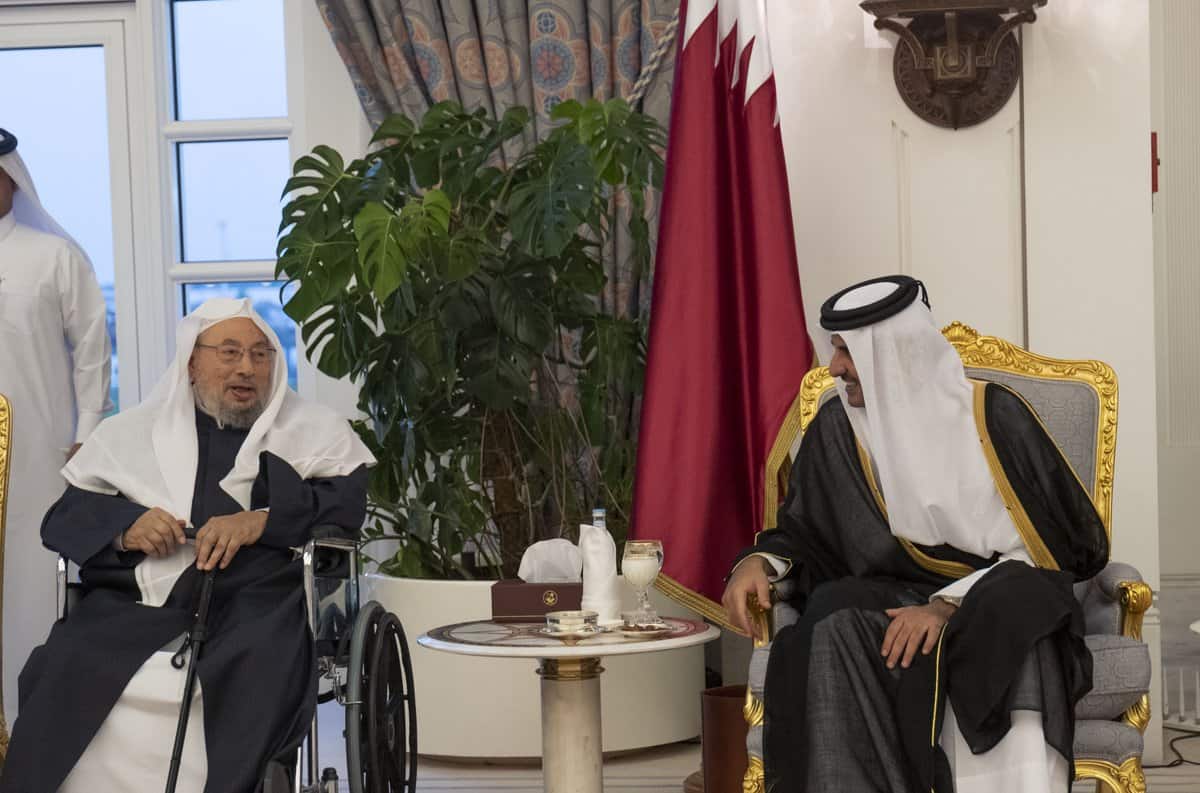
Analysis: Gulf governments sponsored anti-Semitic hate preachers during Ramadan 2019
Hate preachers were hosted by Gulf governments at multiple events during Ramadan 2019. The Government of Qatar continued to be the worst offender in this regard.
-
Leader of ISIS in Yemen captured in joint counterterrorism raid
Saudi and Yemeni special forces captured the leader of ISIS in Yemen, as well as the group’s chief financial officer, earlier this month. The raid was backed by the US.

-
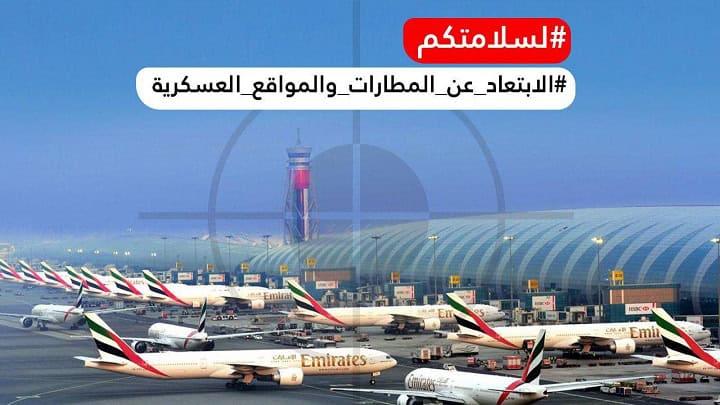
Houthis launch more strikes on Saudi Arabia
Houthis continue to target Saudi facilities with cruise missiles and suicide drones. These strikes come during increased tensions between the United States and Iran.
-
Yemen’s Houthis target Saudi airports
The Houthi insurgents claimed hitting a southern Saudi airport with a cruise missile, as well as drone strikes.
-
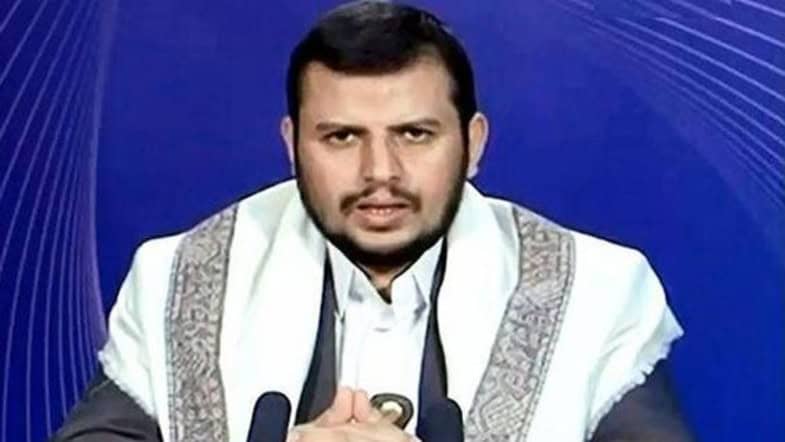
Yemen’s Houthis claim drone strikes on Saudi pipeline
The confirmed use of armed drones to target major oil pipelines deep within Saudi Arabia represents a major increase in the Houthis capabilities.
-
Teaching Hate and Violence: Problematic Passages from Saudi State Textbooks for the 2018–19 School Year
A new report by David Andrew Weinberg, ADL’s Washington Director for International Affairs, documents the intolerant language of all kinds still found in Saudi Arabia’s government-published textbooks for schoolchildren.

-
US designates 3 members of Lashkar-e-Tayyiba as terrorists
The US Treasury and State Departments designated three members of Lashkar-e-Tayyiba as terrorists today. One of them was captured in Iraq in 2004 and held for a decade before he was transferred to Pakistan and released. Another has raised funds to send to Syria.

-
Analysis: America’s Gulf allies still sponsor hate preachers
America’s Gulf allies — Qatar, Dubai, Saudi Arabia and Kuwait — still sponsor hate preachers during Ramadan.

-
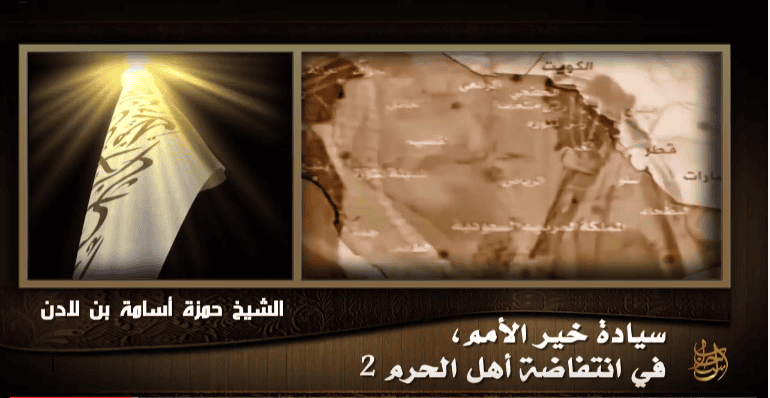
Hamza bin Laden warns of Shiite expansion in the Middle East
In his latest message, Hamza bin Laden warns that Shiites are expanding throughout the Middle East and claims that the Saudi government is incapable of stopping them. Hamza calls upon Muslims to support the jihadists in Yemen. He also criticizes the relationship between the Saudis and the US.

-
Al Qaeda seeks to incite violence after US recognizes Jerusalem as Israel’s capital
Al Qaeda’s general leadership and regional branches have released statements denouncing the US decision to recognize Jerusalem as Israel’s capital.
-
Understanding al Qaeda through the massive trove of Osama bin Laden’s files
On Nov. 17, The Foundation for Defense of Democracies and FDD’s Long War Journal held an event to discuss the findings from the recently released documents from Osama bin Laden’s compound.

-
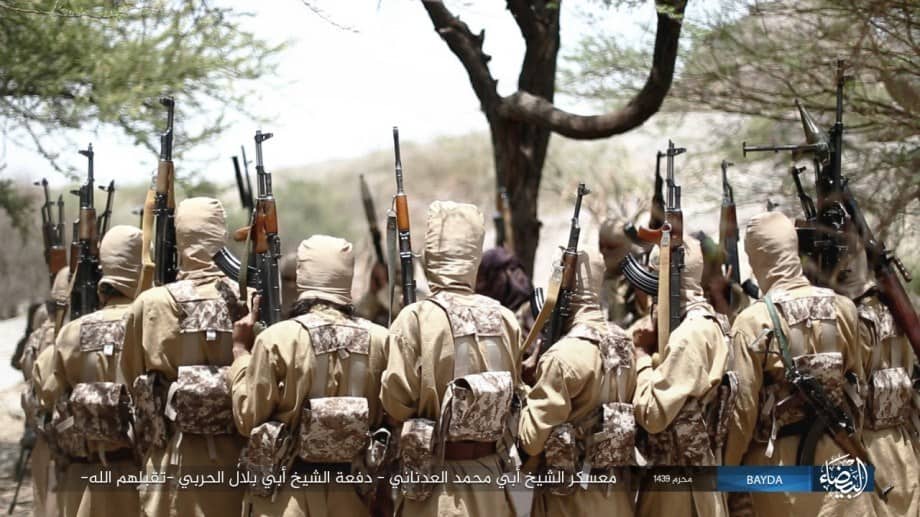
US and Gulf nations sanction 8 jihadists in Yemen
The US Treasury Department and several Gulf States announced today that eight jihadists in Yemen have been designated as terrorists. The newly-sanctioned terrorists serve either the Islamic State’s Yemeni branch, Al Qaeda in the Arabian Peninsula, or both.
-
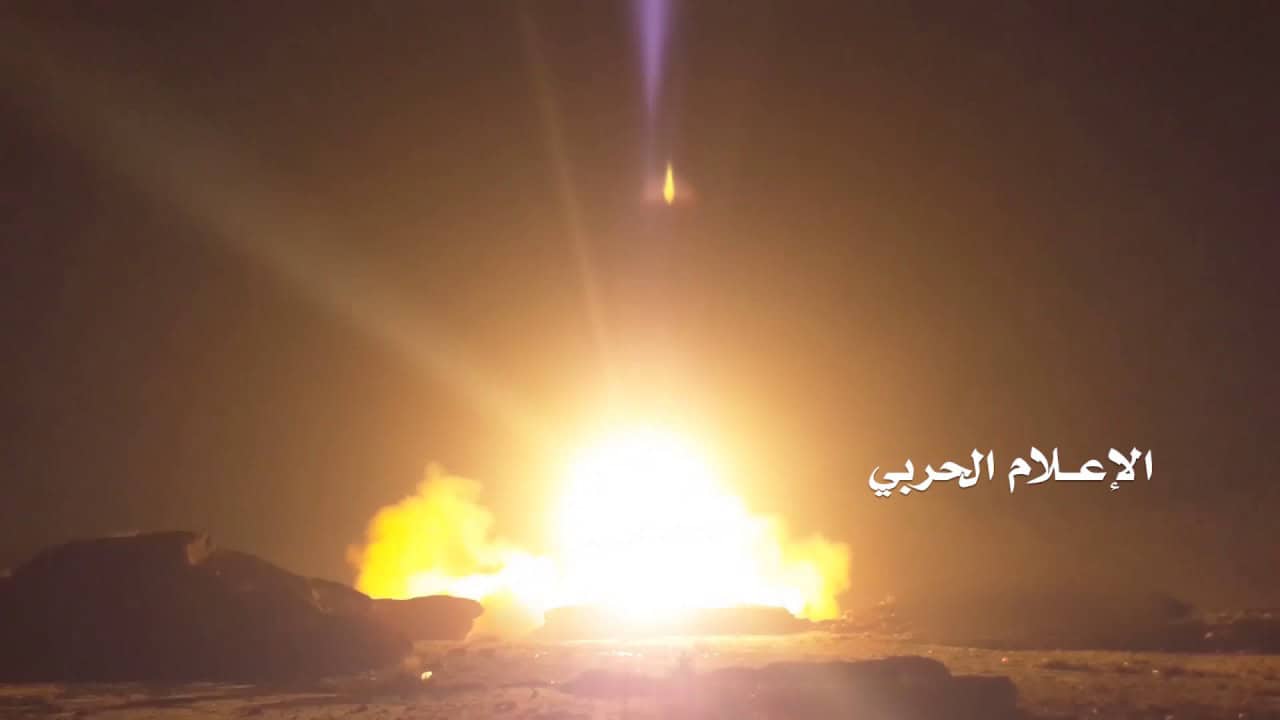
Saudi Arabia reports shooting down Houthi missile near Mecca
Today’s launch comes less than a week after a similar ballistic missile launch directed at Yanbu, Saudi Arabia.
-
Yemeni Houthis release video of missile launch on Saudi oil refinery
Saturday’s launch shows that ballistic missiles launched from Houthi-held territory in Yemen continue to be a threat to Saudi Arabia and the wider area.

-
Analysis: Saudi Arabia’s troubling educational curriculum
On July 19, Dr. David Andrew Weinberg testified before Congress concerning the incitement found in Saudi Arabia’s government-published textbooks for school children. He argued that such incitement is not just a moral issue or a human rights issue, but also a national security issue.
-
Al Qaeda criticizes Saudi relations with West during President Trump’s visit
Al Qaeda released an audio message from Hamza bin Laden and a news bulletin during President Trump’s recent visit to Saudi Arabia. Hamza does not mention the American delegation, but he does criticize the Saudi family’s historical dealings with the British. The one-page newsletter specifically addresses Trump’s visit and claims that a new center for combating extremism in Riyadh will really be used “to fight faith, purity, and commitment.”