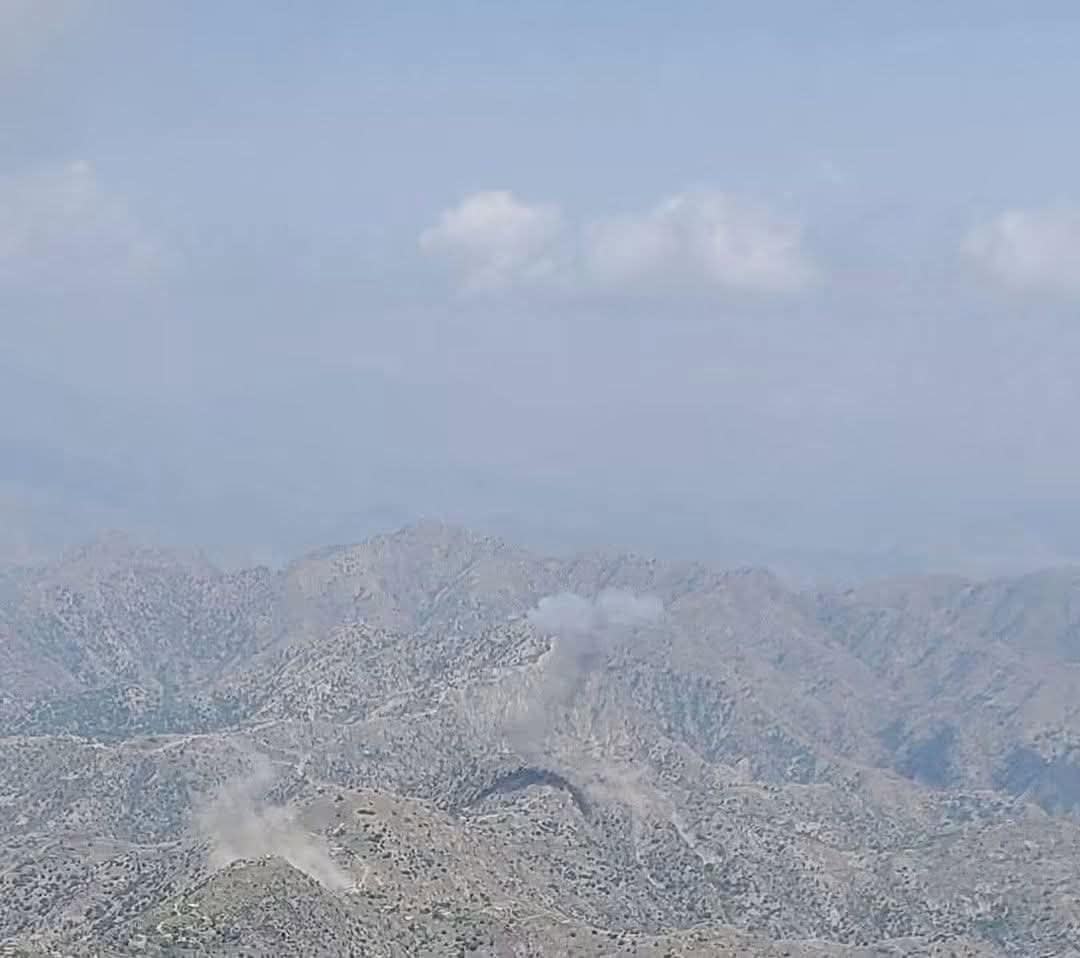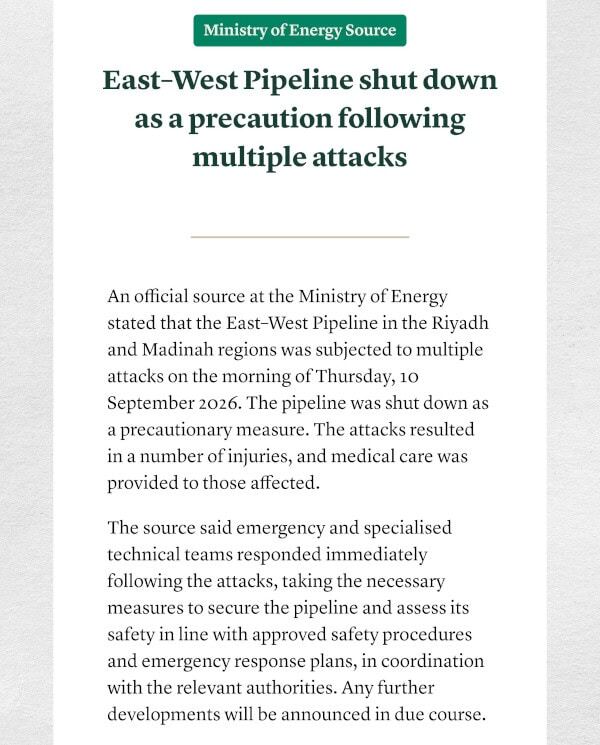
Saudi Arabia announced on September 11 that the East-West Crude Oil Pipeline, its main Hormuz-bypass route to the Red Sea, was closed following multiple drone attacks the day before in the country’s central Riyadh province and southern Medina province. The pipeline moved up to five million barrels of oil a day from the kingdom’s eastern fields to Yanbu, its Red Sea export terminal, replacing oil that formerly left through the Strait of Hormuz. Brent crude prices jumped to around $110 per barrel before dropping to $105 on the afternoon of September 11. This is the first time the oil benchmark has settled above $100 per barrel since May.
The Saudi Ministry of Energy said that the shutdown was a precaution, but satellite imagery showed fires at pumping stations along the pipeline. The Saudi Ministry of Foreign Affairs said that the attacks were conducted by “several drones launched from Iraq, which resulted in injuries and some damage.” However, the ministry declined to respond to the attacks, adding, “following a request from the Prime Minister of the Republic of Iraq to allow the brotherly Iraqi government the opportunity to take the necessary measures to prevent attacks originating from Iraqi territories against the Kingdom and neighboring countries, the Kingdom has chosen not to respond at this stage and to support the efforts of the Iraqi government.”
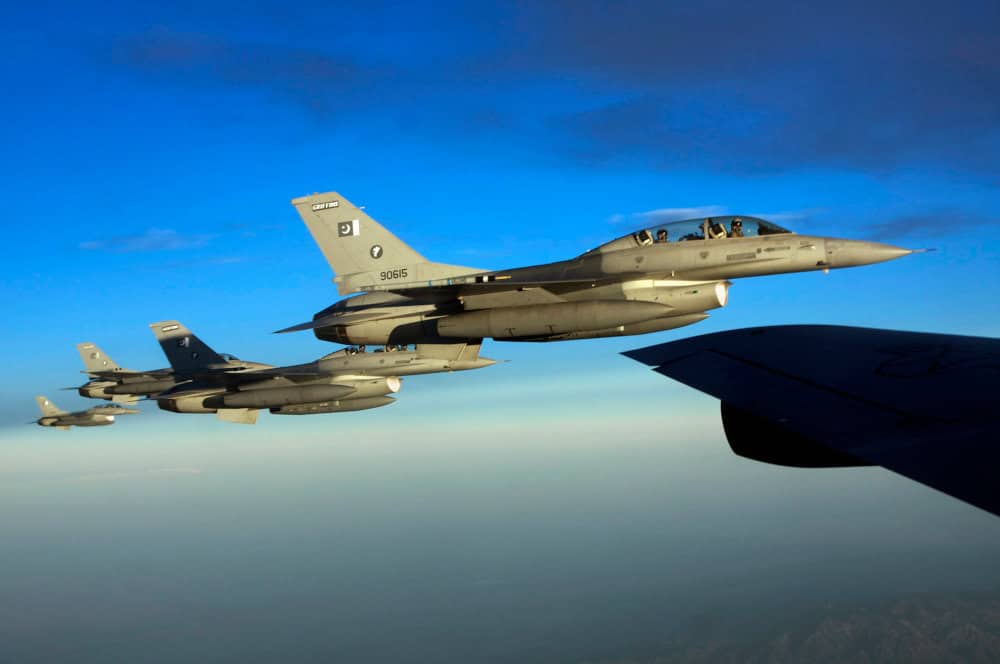
In late July, Iraqi militias launched drone attacks on Saudi energy facilities that prompted Riyadh to launch airstrikes with US Central Command (CENTCOM) against the militias on July 28. This attack followed an announcement by Yemen’s Houthis of a maritime blockade of Saudi Arabia on July 20. The Houthis have also conducted numerous attacks on Saudi energy facilities in the Kingdom’s south and its west coast since the blockade announcement.
Iraqi militias and the Houthis have increased cooperation in recent months. Reportedly, the Yemeni terror group assisted Iraqi militias in planning and executing the July drone attacks on Saudi Arabia. The July US-Saudi airstrikes on Iraqi militia positions also killed a Houthi commander alongside Iranian Islamic Revolutionary Guard Corps advisers.
Iraqi Prime Minister Ali al Zaidi, who was sworn into office on May 14, has given militias in Iraq, the vast majority of which are backed by Iran, until September 30 to disarm. However, at least four Iran-backed militias have refused to disarm or listed conditions for their disarmament that the Iraqi government will be unable to meet.
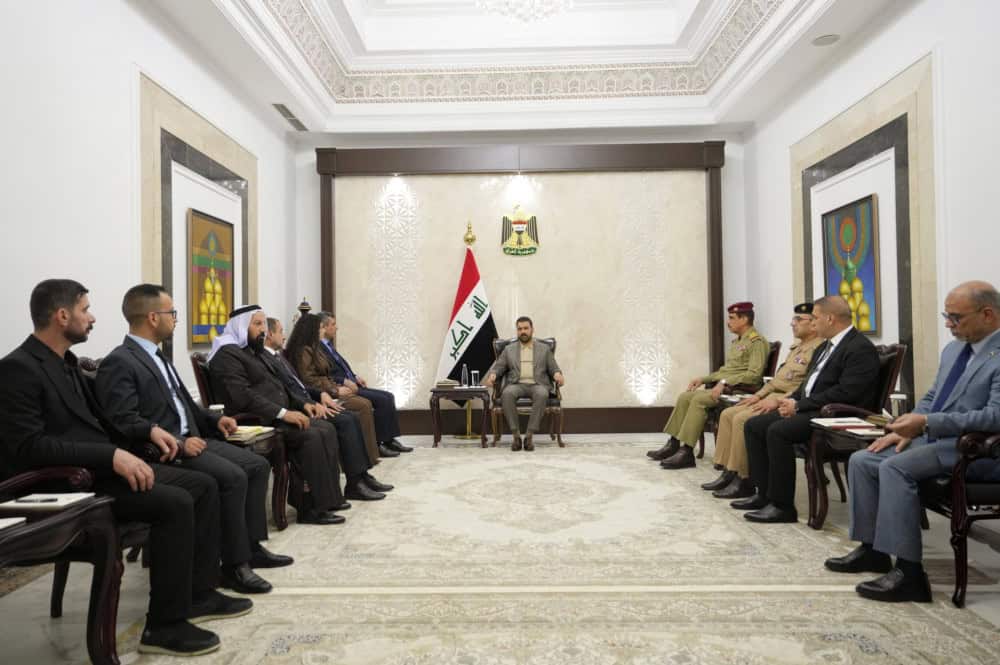
Following the September 10 attack on the East-West pipeline, Zaidi condemned the attack and formed a committee to investigate the Maysan Operations Command, the provincial military command that oversees security in the Iran-bordered province, and dismissed the operations commander. He also issued a statement announcing the dismissal of Maysan province’s police chief and the transfer other security officials, pending the investigation.
“His Excellency’s [Zaidi’s] directives come in light of the recent security breaches that occurred in the province,” Sabah al Numan, spokesman for the commander in chief of the armed forces, said in a September 12 post on X.