-
Shipshow: The world’s waterways are at war
The world’s most critical shipping lanes are becoming battlegrounds as Iran targets commercial vessels in the Strait of Hormuz, the Houthis threaten shipping through the Bab al Mandab, and Russia and Ukraine wage an escalating maritime war in the Black Sea. Bill Roggio is joined by Dr. Sal Mercogliano to discuss how these conflicts are disrupting global trade, driving up energy prices, and threatening the freedom of navigation.
-
Yemeni government forces launch Saudi-backed counteroffensive against Houthis
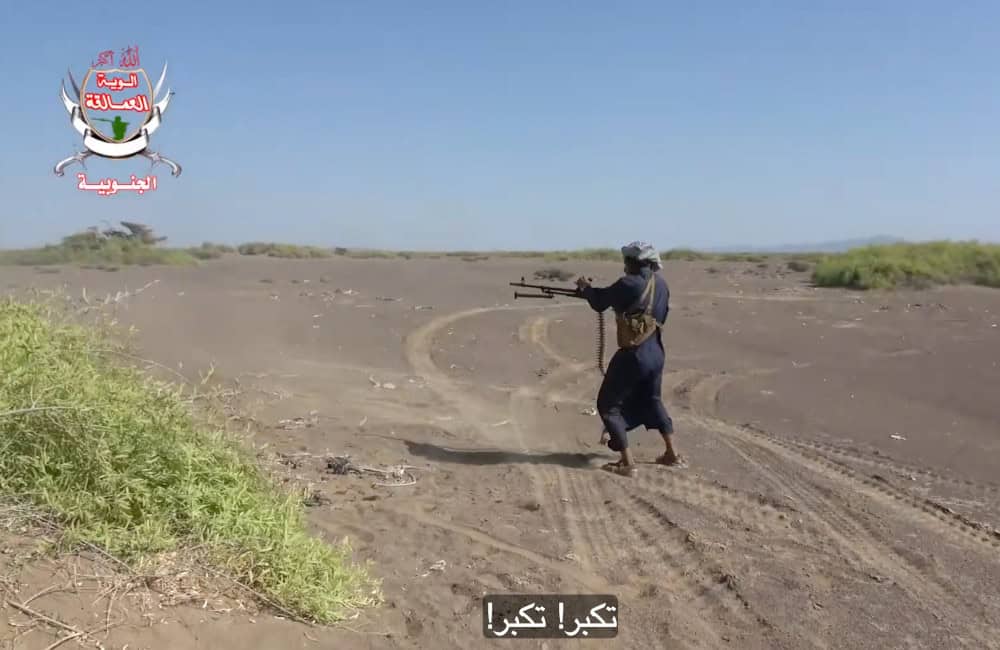
The Yemeni government announced a counteroffensive against the Houthis, with Saudi support, to retake territory the group seized in September, stating that removing the Houthis from the Yemeni capital of Sanaa is a goal. Forces aligned with Yemen’s internationally recognized government retook territory along the Bab al Mandeb Strait on October 5.
-
US charges engineer with supporting Houthis, Louisiana brothers and Florida man with financing Hamas
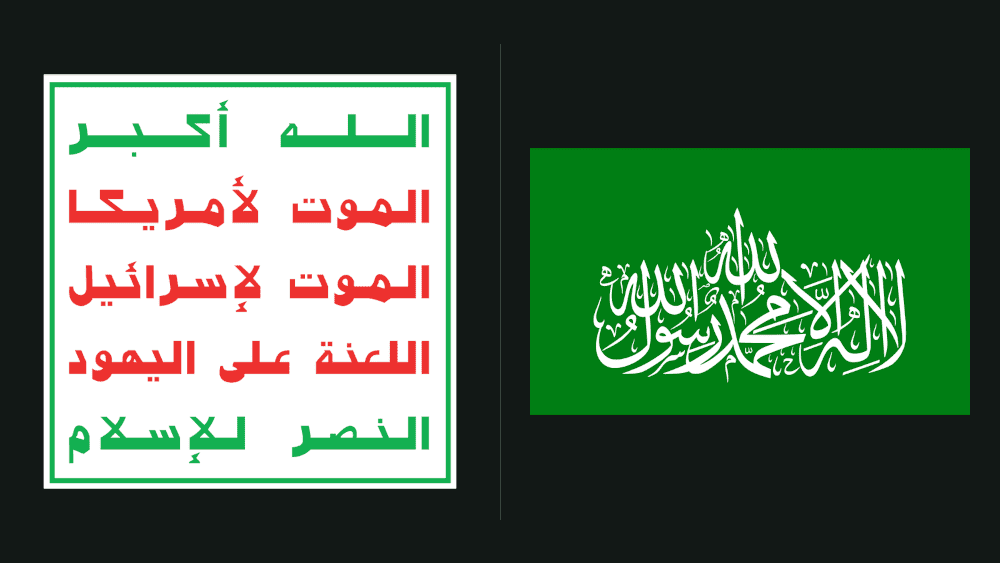
In September, federal prosecutors brought three cases involving alleged support for Middle East terrorist groups: one against a DOE engineer accused of assisting the Houthis and two others accusing Louisiana brothers and a Florida beauty-store owner of financing Hamas.
-
Houthis fight for key Yemeni highlands, continue striking Saudi Arabia
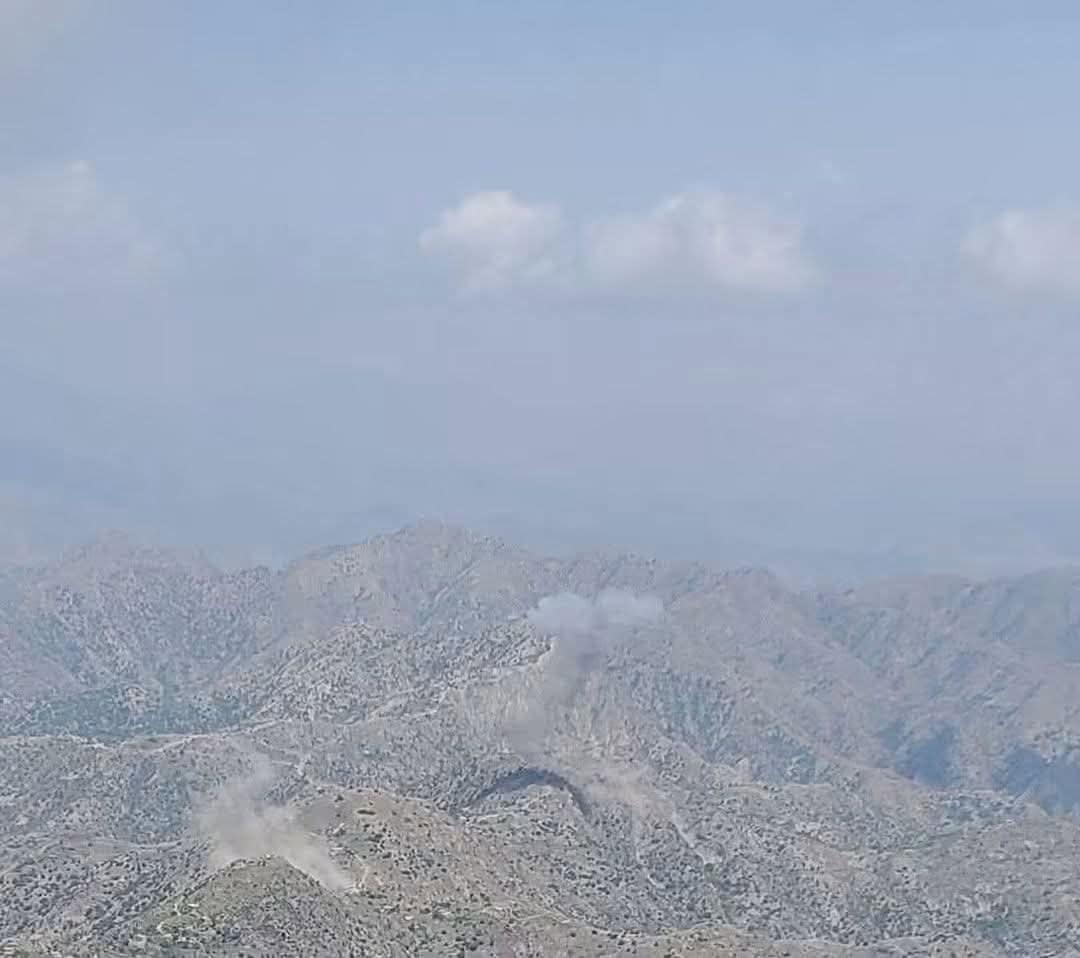
The Houthis and the Yemeni Armed Forces, along with allied militias, have continued fighting on multiple fronts across the country, with the Houthis particularly focused on the highlands inland from their recent coastal advance. The Houthis have also maintained their attacks on Saudi Arabia, prompting Riyadh to renew its request for US airstrikes, which President Donald Trump has repeatedly rejected.
-
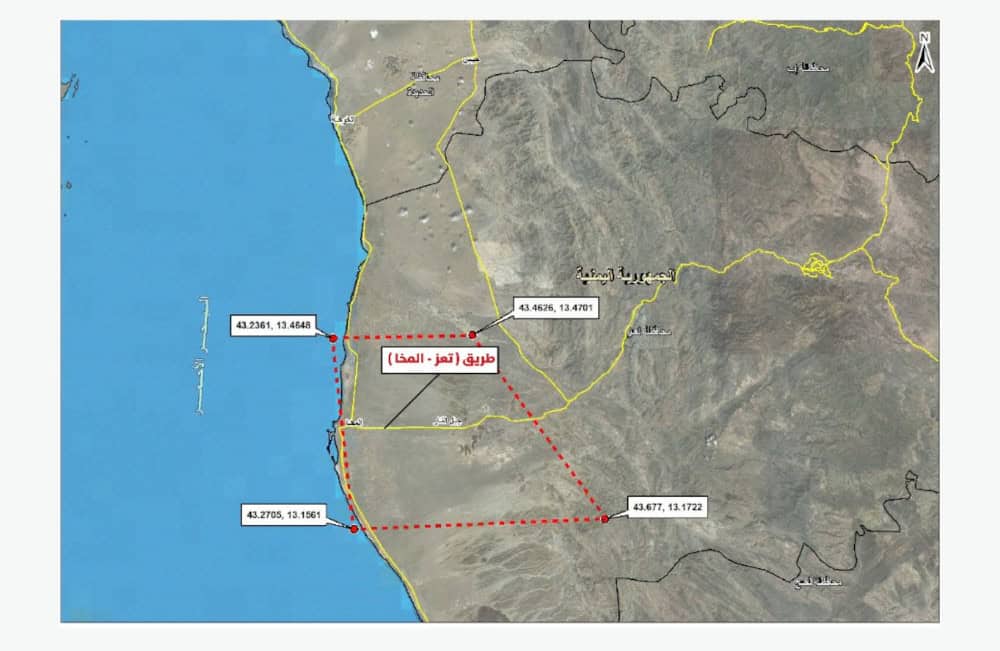
Houthis take Yemen’s Red Sea coast and key Bab al Mandeb islands
After launching a significant campaign against forces of the internationally recognized government of Yemen on August 6, the Houthis seized the entirety of Yemen’s Red Sea coast and a strategic island in the Bab al Mandeb Strait by September 11. A counteroperation by the Yemeni Armed Forces is contesting key territory along the strait.
-
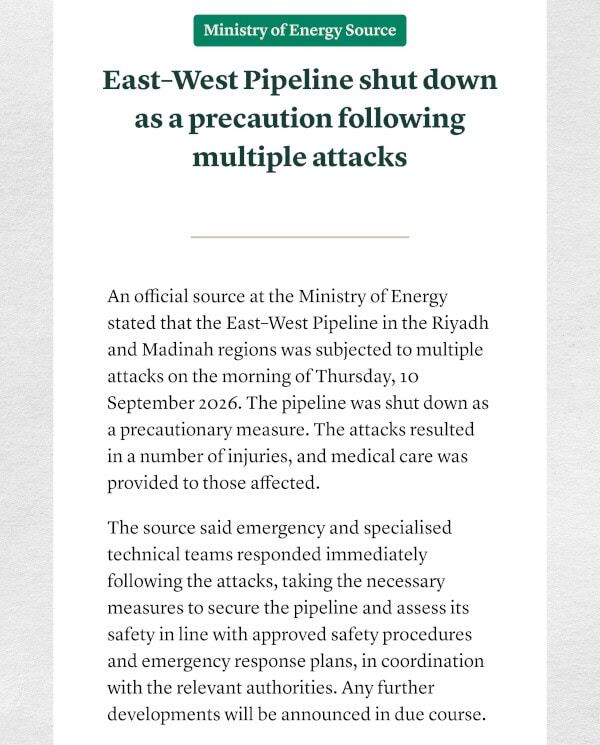
Saudi Arabia closes its East-West pipeline after attacks from Iraq
Riyadh announced the closure of its East-West Crude Oil Pipeline following drone attacks emanating from Iraq. The pipeline served as a critical oil export alternative to the Persian Gulf after the closure of the Strait of Hormuz.
-
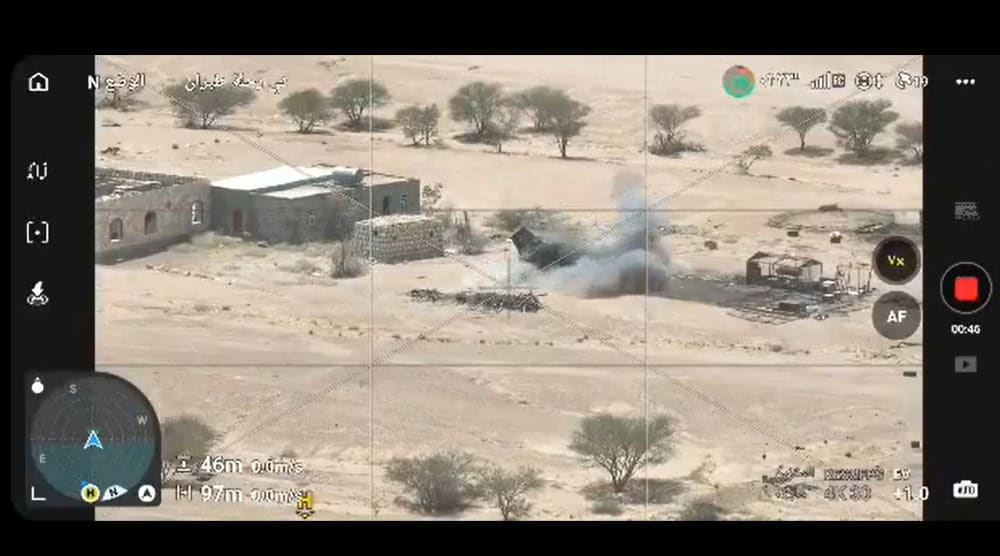
Fighting in Yemen escalates, raising concern of a return to civil war
The Houthis launched drone and missile attacks on Yemeni forces and civilian infrastructure across three of Yemen’s governorates on August 6. The attacks have escalated fighting in the country while the Iran-backed terror group is simultaneously targeting Saudi Arabia and ships in the Red Sea.
-
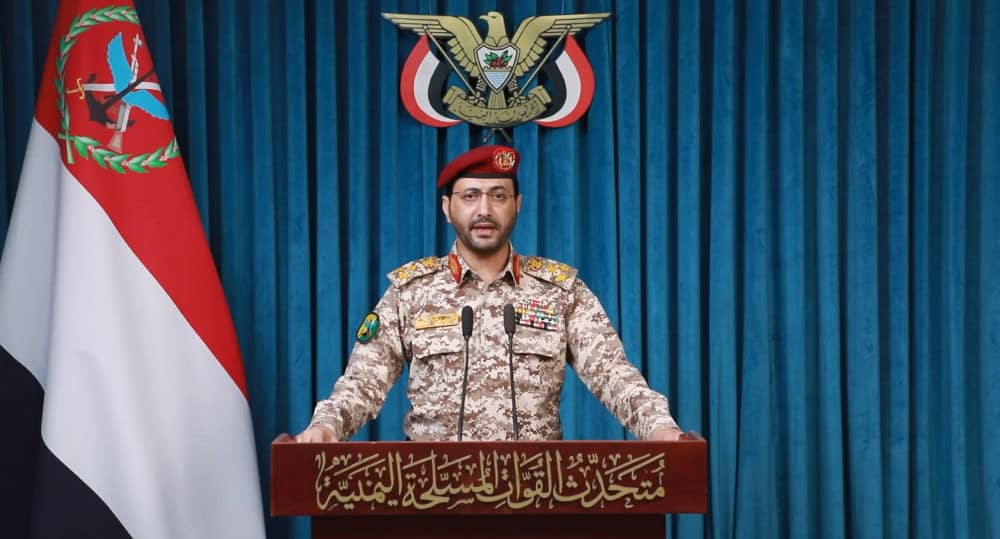
Houthis escalate attacks in Red Sea and on Saudi Arabia, Riyadh evaluates options
Yemen’s Houthis claimed attacks on eight Saudi-linked vessels as well as energy facilities and an airport to enforce its blockade of the kingdom. Saudi Arabia is reportedly pursuing a diplomatic path to de-escalate the conflict or military options if necessary.
-
Houthis announce blockade of Saudi Arabia, ships reroute to avoid Bab al Mandeb Strait
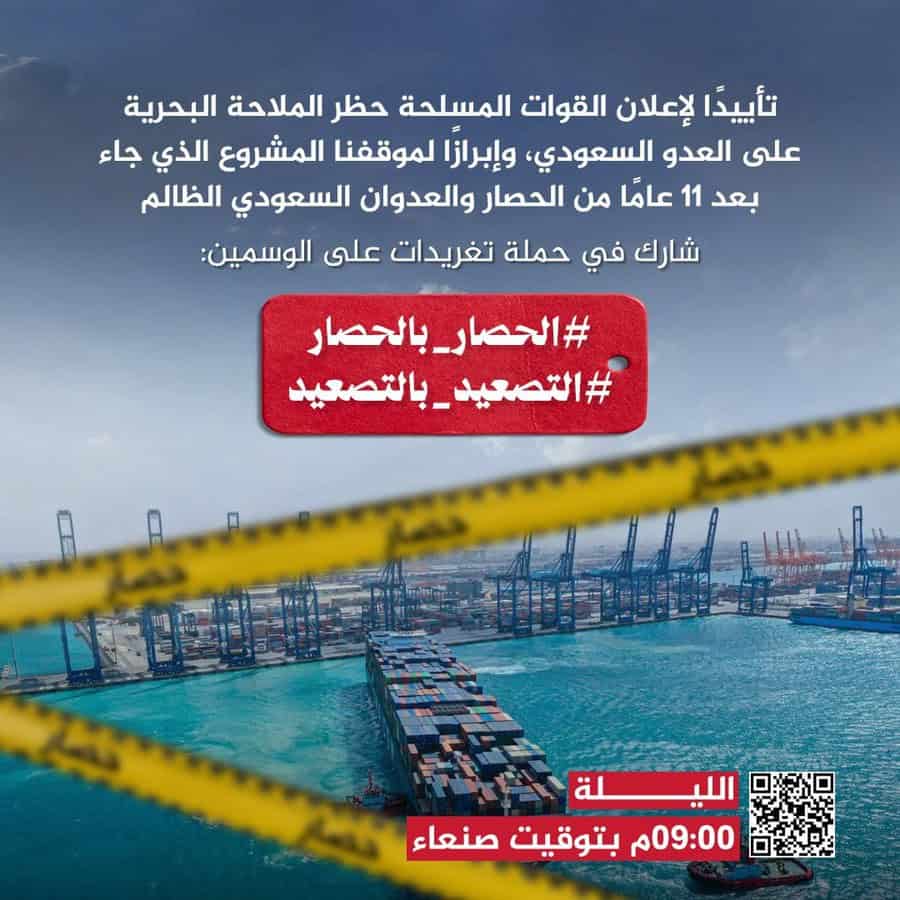
The Houthis declared a complete maritime blockade of Saudi Arabia, claiming it is in response to blockades imposed by the Saudi-led coalition that supports Yemen’s internationally recognized government. Saudi Arabia denounced the blockade and said it will protect its ships, but multiple commercial vessels have rerouted to avoid the Bab al Mandeb Strait.
-
Iran reportedly tells Houthis to close Bab al Mandeb Strait if US strikes power grid
Reuters reported that Iran’s leaders instructed the Houthis in Yemen to close Bab al Mandeb Strait, the maritime chokepoint at the southern end of the Red Sea, if the United States strikes Iran’s power infrastructure. The Houthis are also focused on an escalatory cycle with Saudi Arabia that began after Iran and the Houthis attempted to re-establish direct flights in early July.

-
Saudi Arabia and Houthis trade attacks over restarting direct flights between Yemen and Iran
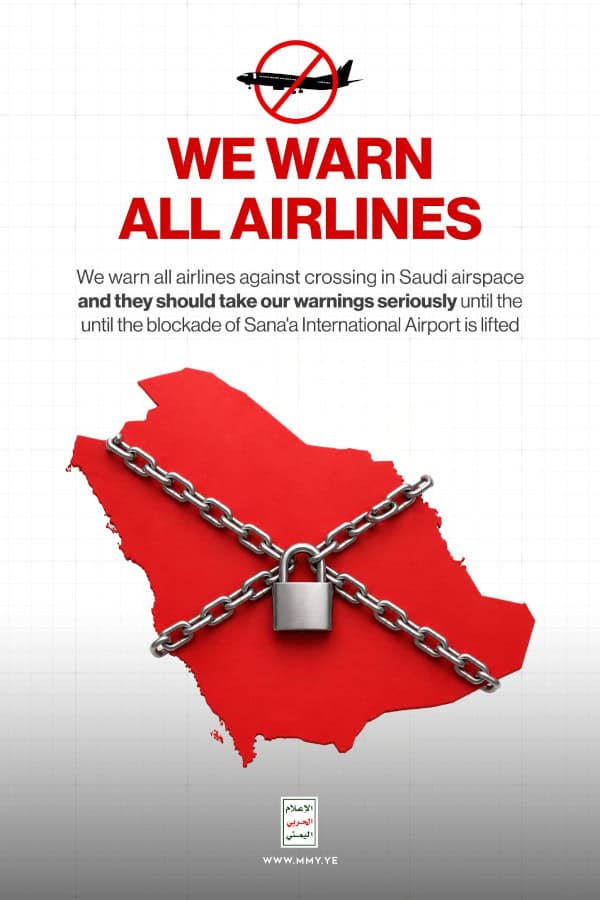
The Houthis and Iran attempted to resume direct flights between Tehran and Sanaa, the Houthi-controlled capital of Yemen, in early July. On July 14, Saudi Arabia struck Sanaa International Airport to prevent one such flight, prompting the Houthis to launch missiles at Saudi Arabia in response.
-
Houthis attack Israel and announce ban on Israeli vessels in the Red Sea
The Houthis in Yemen launched two missiles at Israel and declared a blockade of Israeli vessels in the Red Sea on Monday. The Iran-backed terror group conducted this attack during waves of Iran’s own missile attacks against Israel.

-
Houthis emphasize solidarity and coordination with Iran-led Axis of Resistance
The Houthis in Yemen reiterated support for their partners in the Iran-led Axis of Resistance, singling out Hezbollah in Lebanon and Hamas in Gaza. While leaving the door open to further involvement in the ongoing regional conflict, the group stopped short of saying it would join the fighting.

-
Houthis portray steadfast support for Iran, reportedly consider Red Sea toll
The Houthis have reiterated support for Iran despite their limited involvement in the Islamic Republic’s recent war with Israel and the United States. The Yemeni terrorist group is also reportedly weighing a toll for the safe transit of ships in the Red Sea, a move it has implemented before.

-
Generation Jihad | Battle for the Strait
FDD Senior Fellow Edmund Fitton-Brown joins Bill Roggio to assess the current state of the Iran War. From the dual blockade in the Strait of Hormuz to the failed peace negotiations, they consider: Why did Pakistan step up as mediator? Can Tehran stretch the Houthis for even more leverage in the Red Sea? Has the war pushed the Gulf States closer together?
-
Yemen’s Houthis enter Iran war with drone and missile attacks on Israel
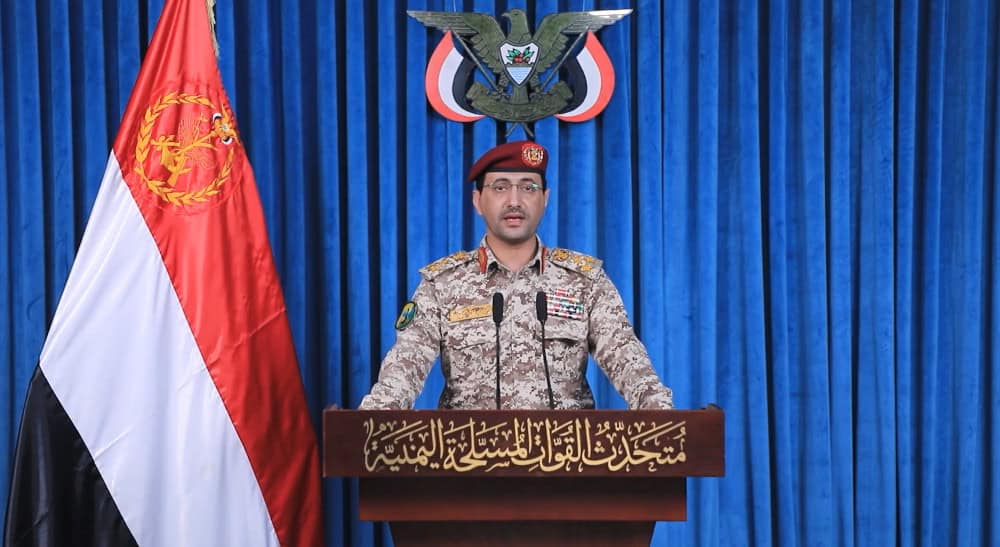
The Houthis launched missile and drone attacks against Israel, the first direct military action since the beginning of the US and Israeli campaign against Iran that began on February 28. The Iran-backed Yemeni terrorist group threatened to continue and expand attacks until a series of conditions it issued are met.
-
Iran’s regional partners spark protests across the Middle East and South Asia
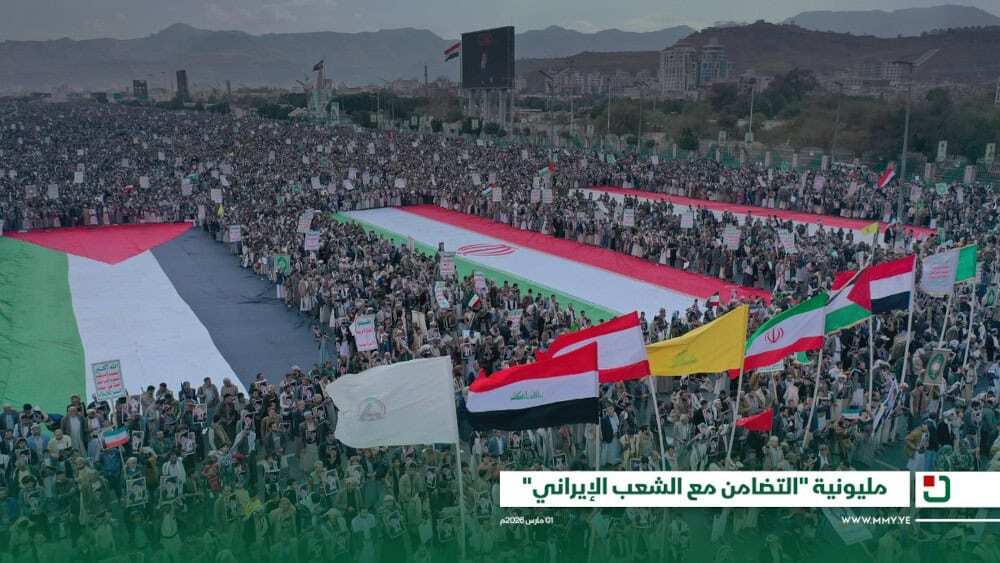
Tehran’s partners and sympathizers have arranged protests across the region against the US-Israeli campaign against Iran, especially the killing of Iranian Supreme Leader Ali Khamenei. Some of the demonstrations have turned violent and present a danger to the local US diplomatic presence and civilians.
-
Houthis express solidarity with Iran but do not launch retaliatory attacks—yet
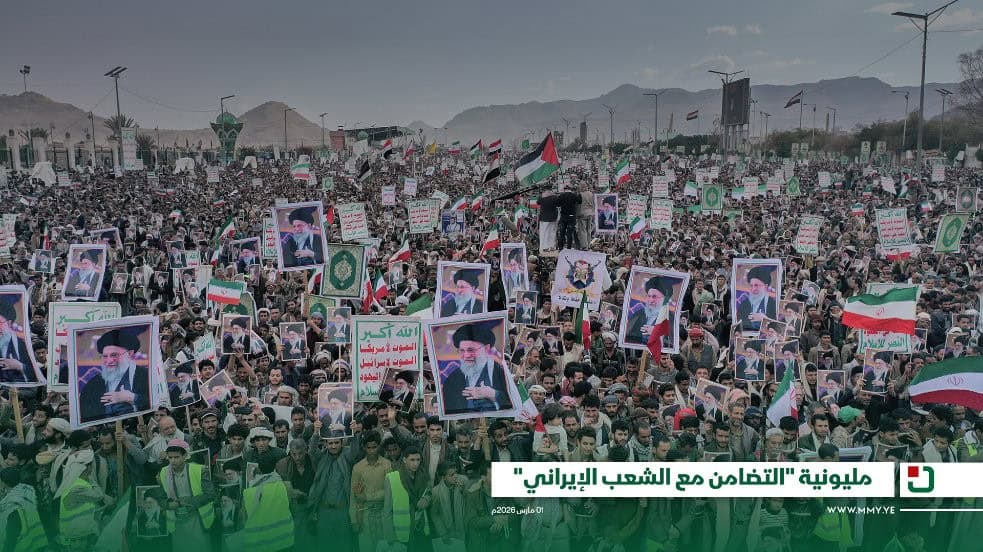
Houthi leader Abdulmalik al Houthi has delivered speeches in support of the Islamic Republic of Iran since the start of the US-Israeli military campaign, but he has not yet announced specific retaliatory military action. Instead, the Houthis have officially called for mass demonstrations and increased media activity in support of the regime. However, officials from the Iran-backed group have told media outlets that it will resume attacks against Israel and Red Sea shipping.
-
Houthis escalate attacks against Yemeni government-aligned forces
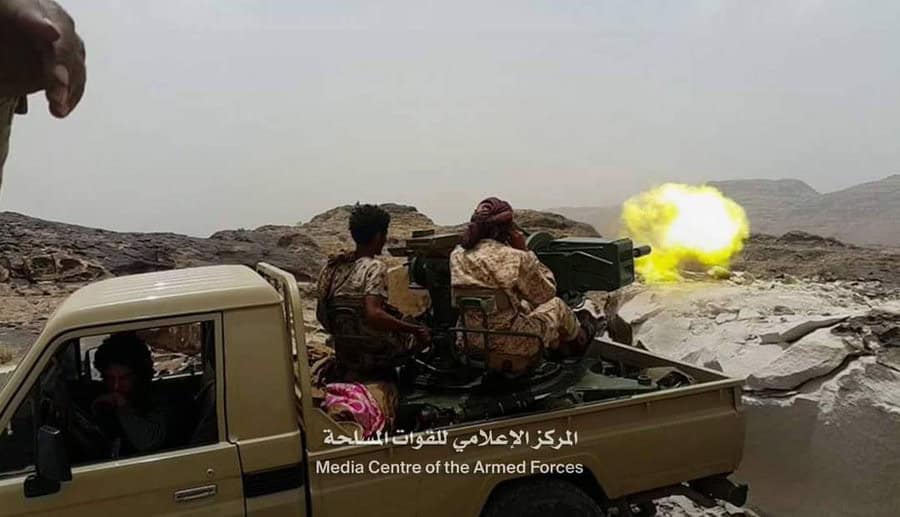
The Houthis have mobilized personnel and attacked opposition forces along important domestic frontlines in recent weeks. The Iran-backed terrorist group also appears to be preparing for an emergency, and it is uncertain if this effort is related to domestic activity or potential US strikes on Iran.
-
Iran and its proxies threaten retaliation against US and Israel amid US military buildup
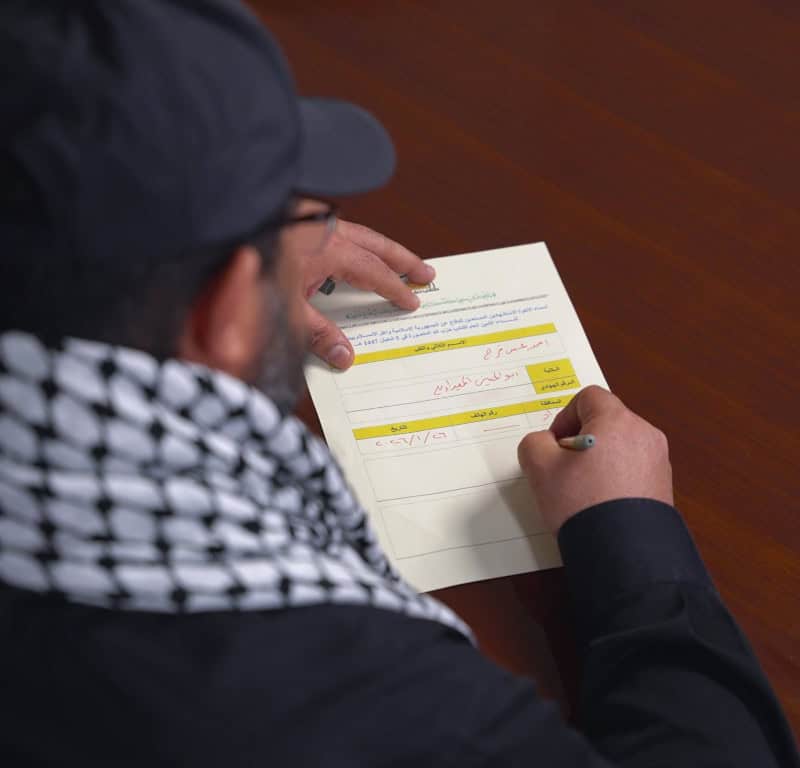
Tehran and its regional proxy groups have threatened retaliation against the United States and Israel as Washington moves additional military assets into the Middle East after the regime’s lethal crackdown on protesters. Regime-affiliated outlets and proxy leaders have outlined various retaliation scenarios, including drone swarms, maritime disruption efforts, and suicide attacks.
-
UAE forces to depart Yemen after Saudi demands, strikes
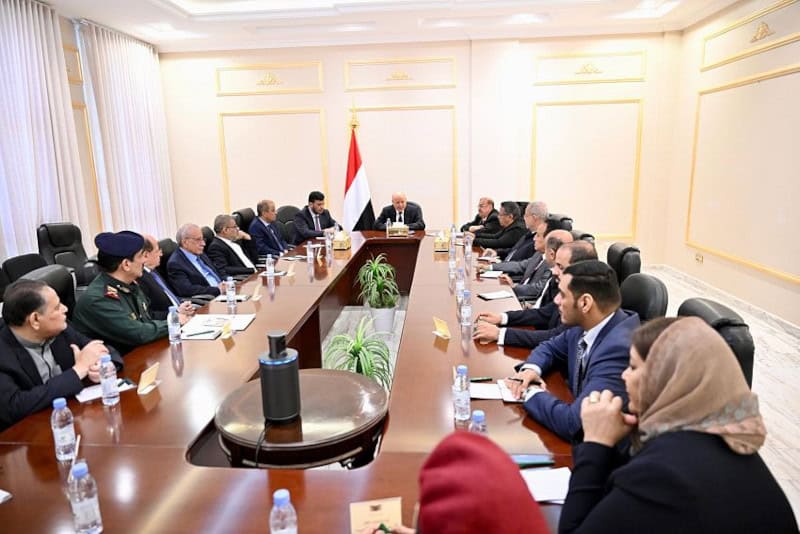
The United Arab Emirates announced the withdrawal of its forces from Yemen after demands for their departure from Saudi and select Yemeni leaders and Saudi airstrikes targeting Yemeni separatist groups. The UAE forces previously served in a counterterrorism capacity as part of the Saudi-led coalition fighting the Houthis. Saudi Arabia and the United Arab Emirates, as well as their respective local partners, are renegotiating the balance of power in Yemen after southern separatist forces captured the country’s eastern territory.
-
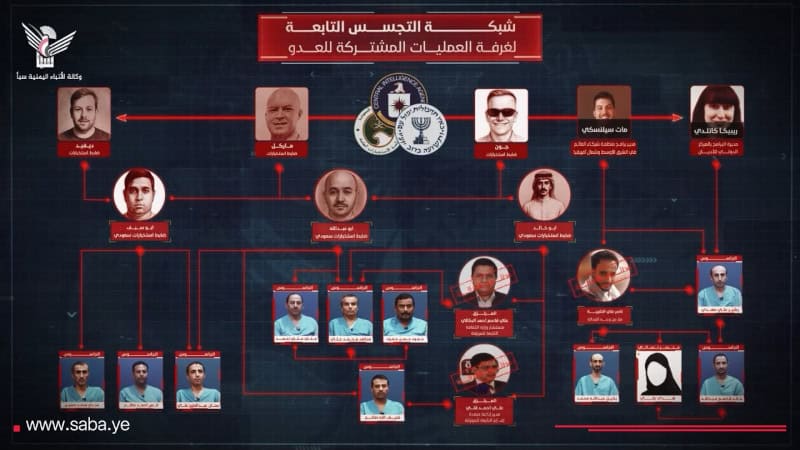
Houthis arrest alleged members of Saudi-American-Israeli spy ring
On November 8, the Houthis announced the arrest of members of an alleged espionage network that they claim was operated by Saudi Arabia, the United States, and Israel. The Yemeni terrorist group accused these individuals of identifying and providing information on sensitive sites and residential areas in Houthi-controlled territory.
-
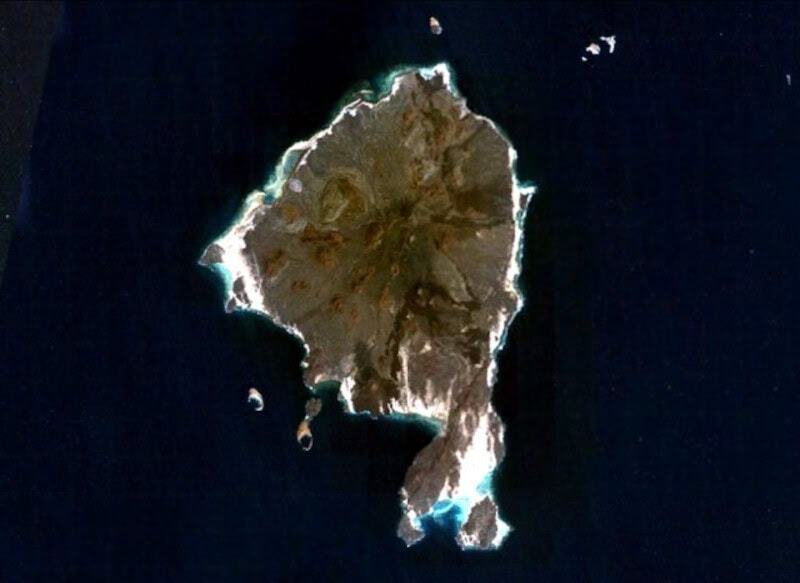
UAE ‘likely’ building airstrip on strategic island in Red Sea
Satellite imagery shows an airstrip under construction on Zuqar Island, a strategic location in the Red Sea that is under the control of the National Resistance Forces (NRF), an anti-Houthi partner of the UAE. The UAE has reportedly been behind the development of a series of airstrips across strategic locations in and around the Red and Arabian Seas.
-
Houthis signal pause in attacks on Israel after Gaza ceasefire, detail attacks during the conflict
Yemen’s Houthis have indicated that they will stop their attacks on Israel and shipping in international waters as long as a ceasefire between Israel and Hamas is in place. The group also announced the death of its military chief of staff and provided summary statistics of attacks conducted during the war.

-
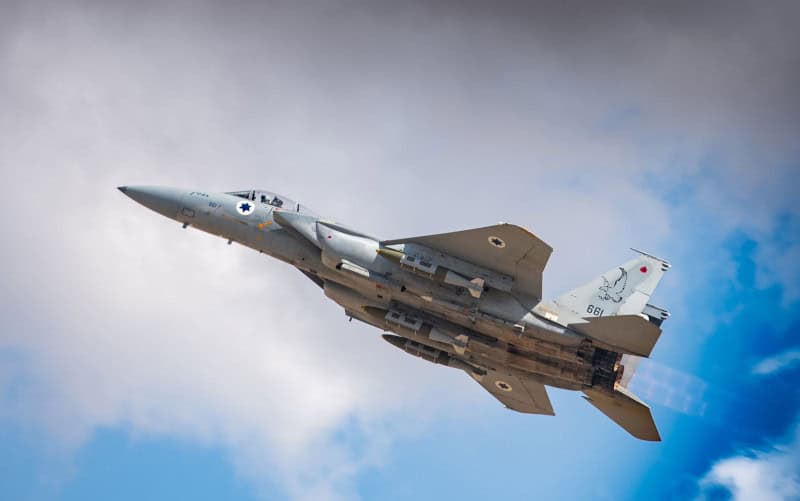
Israeli military targets Yemeni capital in response to Houthi drone attacks on Israel
Israel targeted Houthi infrastructure in Sanaa, Yemen, in response to drone attacks on Eilat, Israel. According to the Houthi-controlled health ministry, the strikes killed eight and injured 142.
-
Israel kills 12 top officials in Yemen’s Houthi-controlled government
The Israel Defense Forces (IDF) confirmed that it killed 12 Houthi political leaders in an assassination strike that targeted a meeting in Sanaa on August 28. The successful attack indicates that the IDF has improved its intelligence efforts in Yemen.

-
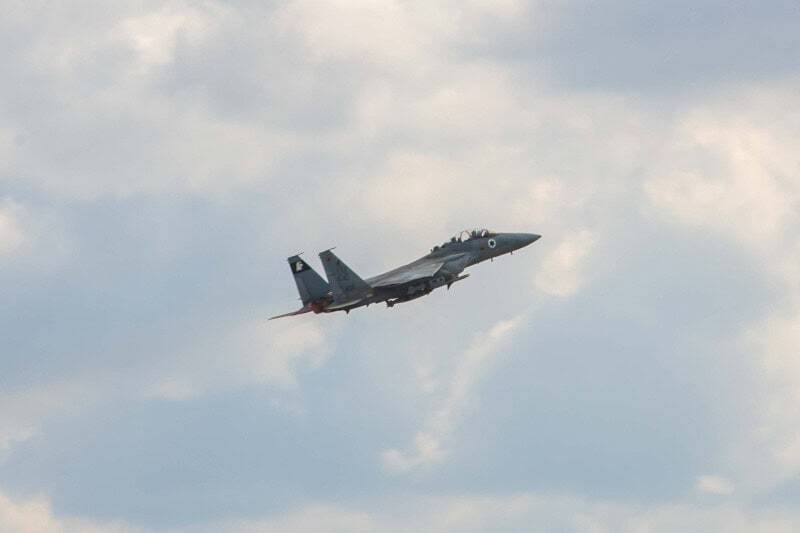
Israel strikes Sanaa amid continuing Houthi missile launches against Israel
Israel launched attacks against the Houthis’ military and economic infrastructure and attempted assassinations of the group’s key leaders this week. Some sources in Yemen claim that Houthi Prime Minister Ahmed al Rahawi was killed, but this information is unconfirmed.
-
Yemeni officials seize weapons sent to Houthis
Yemeni forces seized a shipment of weapons that originated in China and was bound for the Houthis, marking the second major weapons interception this summer. The seized shipments indicate the Yemeni terrorist group’s efforts to rearm.

-
Houthis continue to attack education in Yemen
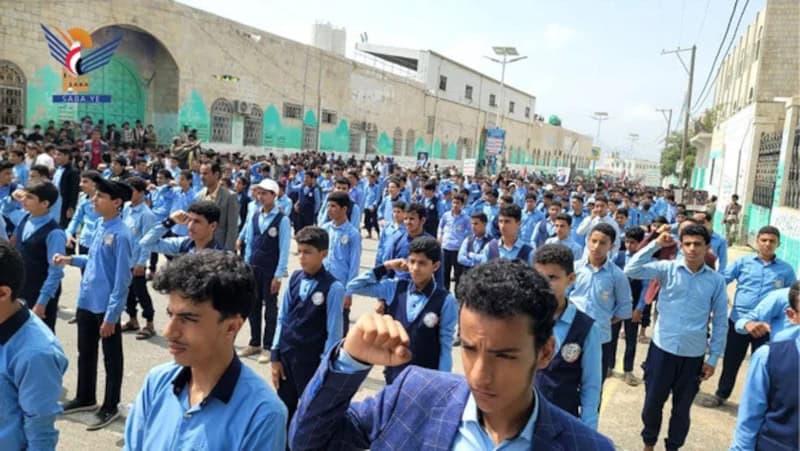
The Houthis are forcing their ideology into schools and arresting noncompliant teachers. The Iran-backed terrorists have targeted children in the hopes they grow up fully indoctrinated and become loyal Houthi followers.
-
Houthis resume deadly Red Sea shipping attacks
The Houthis resumed targeting Red Sea shipping with two attacks on commercial vessels that killed three crew members and injured two more. The Yemeni terrorist group had not targeted commercial shipping in over half a year.