-
The Houthis join Iran’s attacks on Israel
Yemen’s Houthis have continued their campaign against Israel, but now in coordination with and support of Iran. Other Iranian proxies within the Tehran-led Axis of Resistance have chosen not to involve themselves in the conflict openly and directly, so far. Israel carried out a targeted strike in Yemen in response to Houthi attacks.

-
Yemeni president meets with Russian president despite Russia’s ongoing relationship with the Houthis
Yemeni President Rashad al Alimi and Russian President Vladimir Putin held the first presidential-level meeting between the two countries in recent years. The heads of state discussed bilateral relationships and regional security, but the visit was clouded by Russia’s ongoing friendliness with the Houthis.

-
Houthis begin rebuilding after airstrikes, rely on extortion to finance projects
The Houthis have started rebuilding efforts after significant US and Israeli airstrikes. The terrorist group is extorting the citizens of northern Yemen to fund the reconstruction of damaged infrastructure.

-
President Trump announces ceasefire between US and Houthis
The US and the Houthis entered a ceasefire brokered by Oman on May 6 in which each side agreed not to target the other. However, American and Houthi leaders have made contradictory statements about the circumstances of the ceasefire, each trying to portray it as a sign of the other’s weakness. Israel is not part of the agreement.

-
Israel announces airstrikes against Iran-backed Houthis in Yemen
On May 5, the Israeli military launched airstrikes against Houthi targets in Yemen, including the Hudaydah port and a cement factory used for military infrastructure, in response to a ballistic missile attack that injured six people near Ben Gurion Airport. The strikes come amid escalating Houthi attacks on Israeli territory and maritime vessels, as well as ongoing US-led operations targeting Houthi military assets across Yemen.

-
Houthis conduct retaliatory strikes, issue threats, sanctions, and boycotts against US and Israel
The Houthis have responded to the large-scale operation conducted by US forces with largely unsuccessful attacks against the US Navy and Israel. The group has also issued sanctions against American companies and ordered a boycott of US and Israeli products.

-
Yemeni forces planning ground offensive against the Houthis
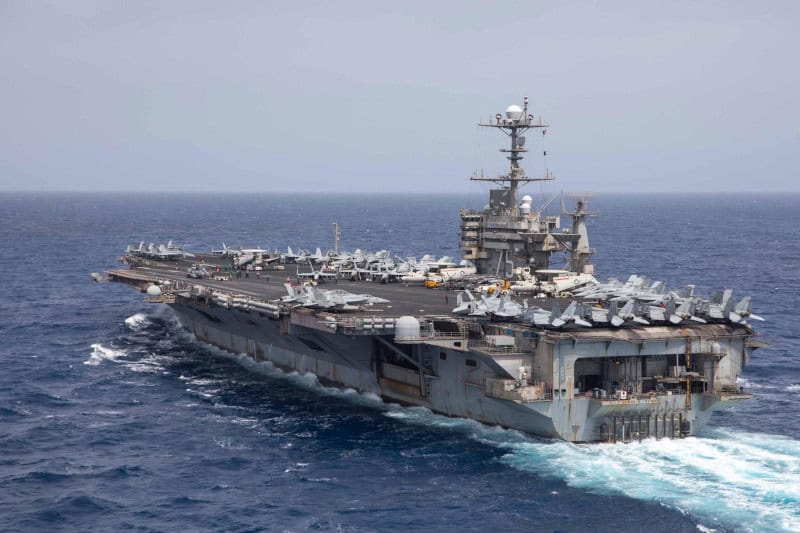
Reports are emerging across Yemeni and global media of an impending ground offensive against the Houthis by a conglomeration of anti-Houthi forces. These potential plans center on the west coast of Yemen, an economic center for the terrorist group.
-
US targets Houthi military and political leaders in latest campaign
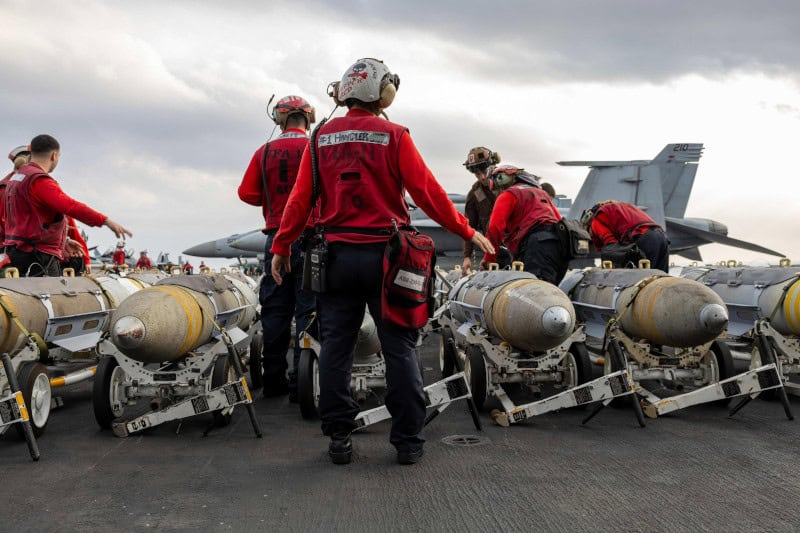
Numerous reports have alleged the deaths of Houthi fighters of various military ranks since the Trump administration ramped up military operations in Yemen. However, while some of these claims appear credible, others require further verification.
-
Iranian personnel leave Yemen as US strikes intensify
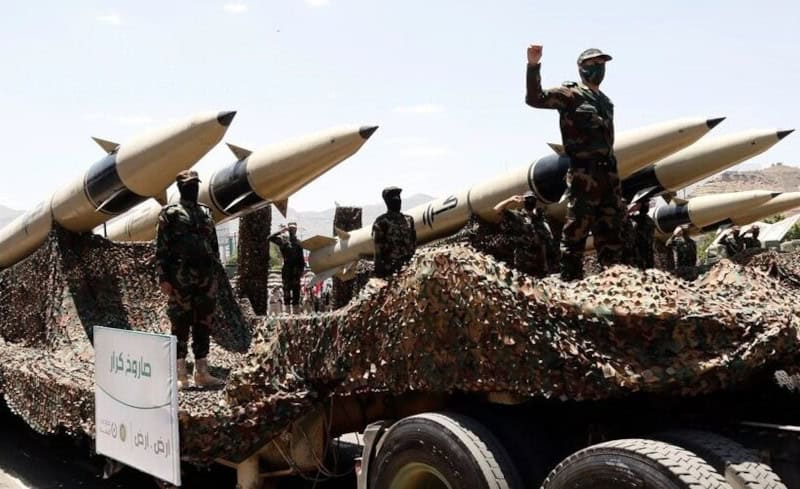
Iran has reportedly ordered its military personnel to leave Yemen amidst the growing US bombing campaign. The move reflects a broader pattern of the Islamic Republic recalibrating its regional strategy in response to the Trump administration’s moves to curtail Tehran’s influence in the Middle East and threats to potentially strike Iran’s nuclear sites.
-
Houthi kidnappings of civilians increase amidst US airstrikes
The Houthis detained at least 75 civilians over concerns that they are providing support to the ongoing US airstrike campaign in Yemen. The Houthis regularly conduct arbitrary detentions, but the total marks a rapid increase since the onset of US strikes.
-
Key targets hit by ongoing US airstrikes against the Houthis
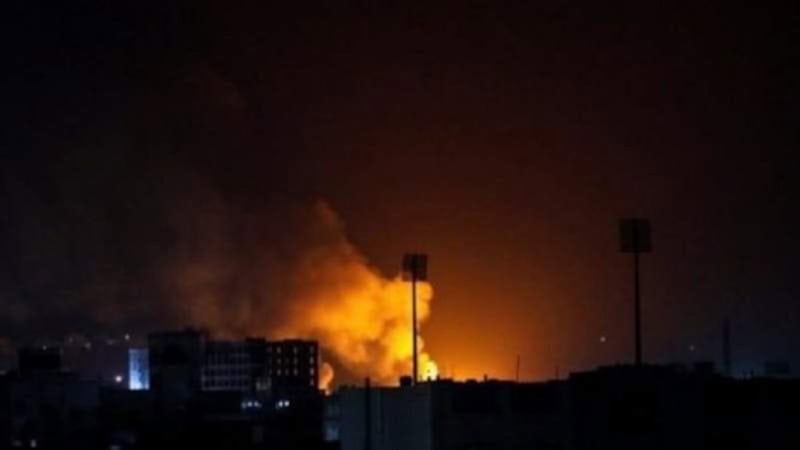
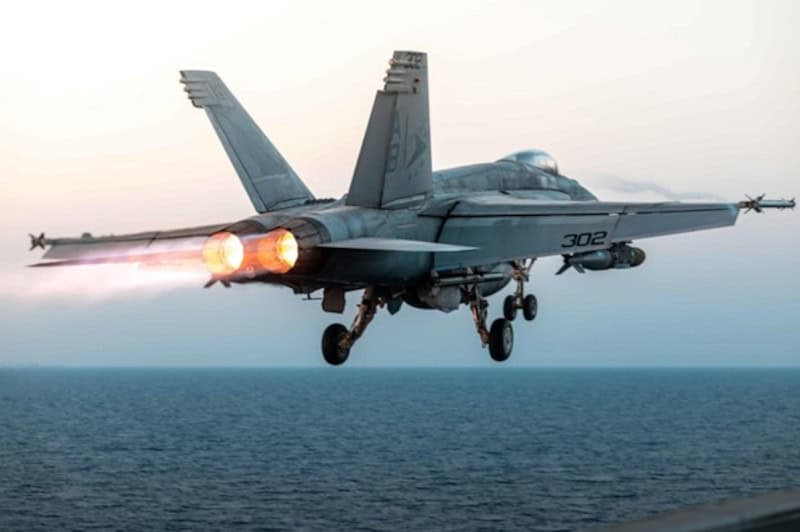
In the almost two weeks since the US began its large-scale operation against the Houthis, airstrikes have rocked Houthi-controlled northern Yemen. While the Yemeni terrorist group is trying to control information released about the damage, various sources have identified key governorates and important infrastructure hit by US strikes.
-
Iraq’s former PM visits Houthis amid US strikes and Houthi attacks on ships, Israel
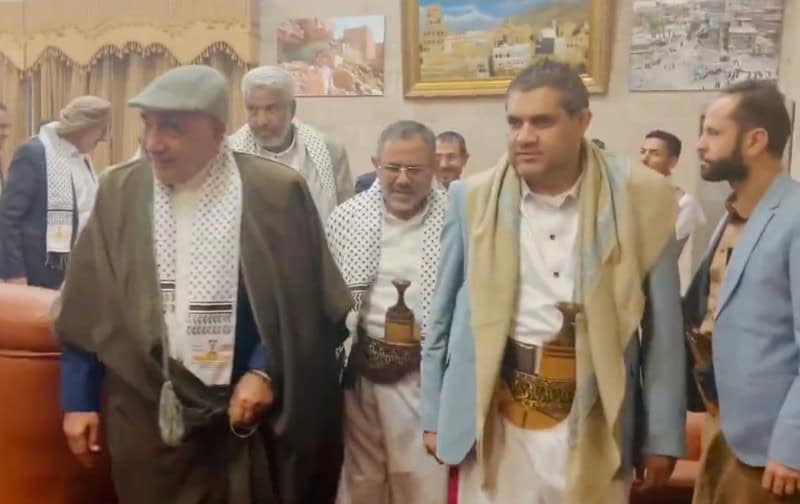
Former Iraqi Prime Minister Adil Abdul-Mahdi traveled to Houthi-controlled Sanaa in Yemen on March 20, according to reports in Iranian and Yemeni media. His visit occurred as the US continued its campaign of airstrikes against the Iranian-backed Houthis. Sources Abdul-Mahdi was in Yemen to attend a conference in support of Palestinians, but other reports speculated that his visit may be linked to the US conflict with the Houthis and Iran’s historic backing of the group.
-
Iran reportedly urges the Houthis to de-escalate ‘tensions’
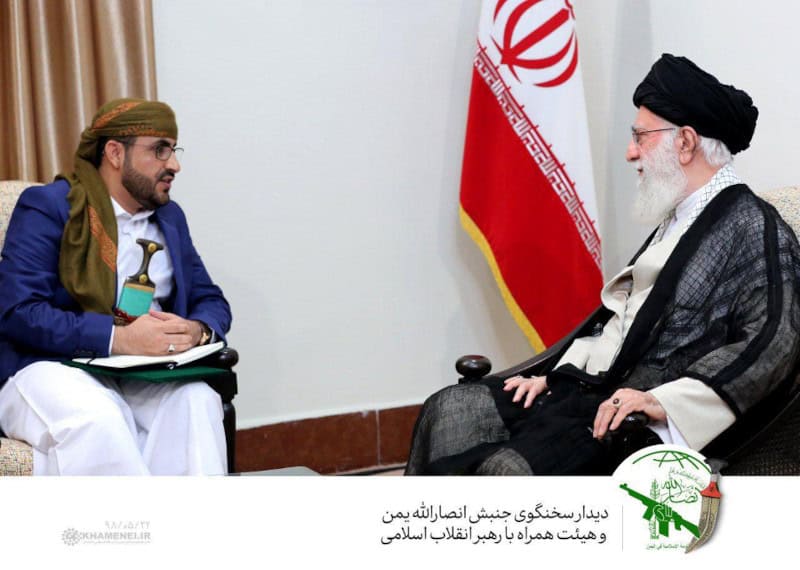
Iran reportedly urged the Houthis to de-escalate tensions in the Red Sea following President Donald Trump’s warning the US will hold Tehran accountable for its proxy’s destabilizing activities. Iranian calls for de-escalation, along with previous communications with other regional proxies, may signal a shift in the Islamic Republic’s proxy strategy.
-
US continues operations against the Houthis
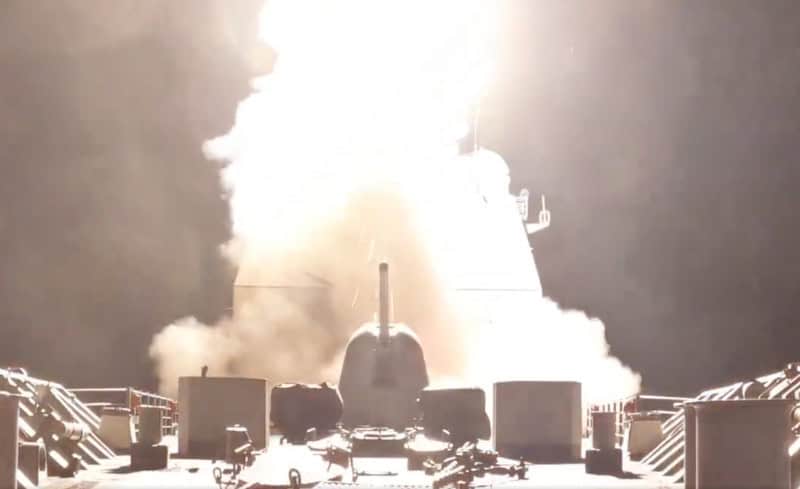
The US has continued striking the Houthis in Yemen, hitting targets across territory controlled by the group, including military sites, infrastructure, and personnel. The Houthis have unsuccessfully attempted to target US naval assets in response.
-
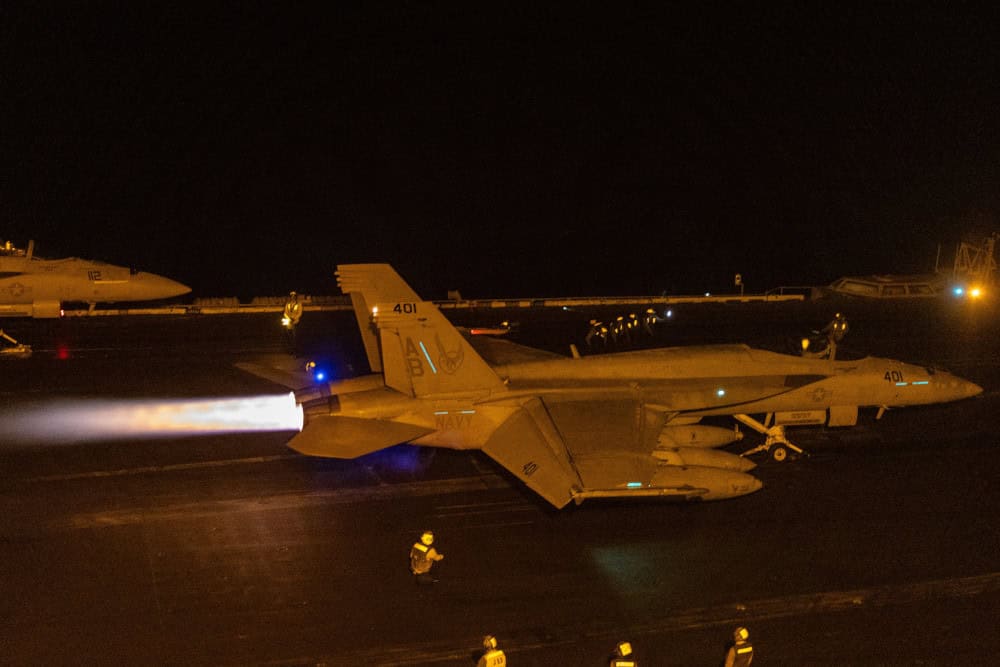
US military launches large-scale operation against Houthis in Yemen
The strikes against the Houthis, who have targeted international shipping in the Red Sea and Gulf of Aden, are the first military actions taken against the Iranian-backed militia by the Trump administration since it took office. The US re-added the Iranian-backed militia to its list of Foreign Terrorist Organizations 10 days ago.
-
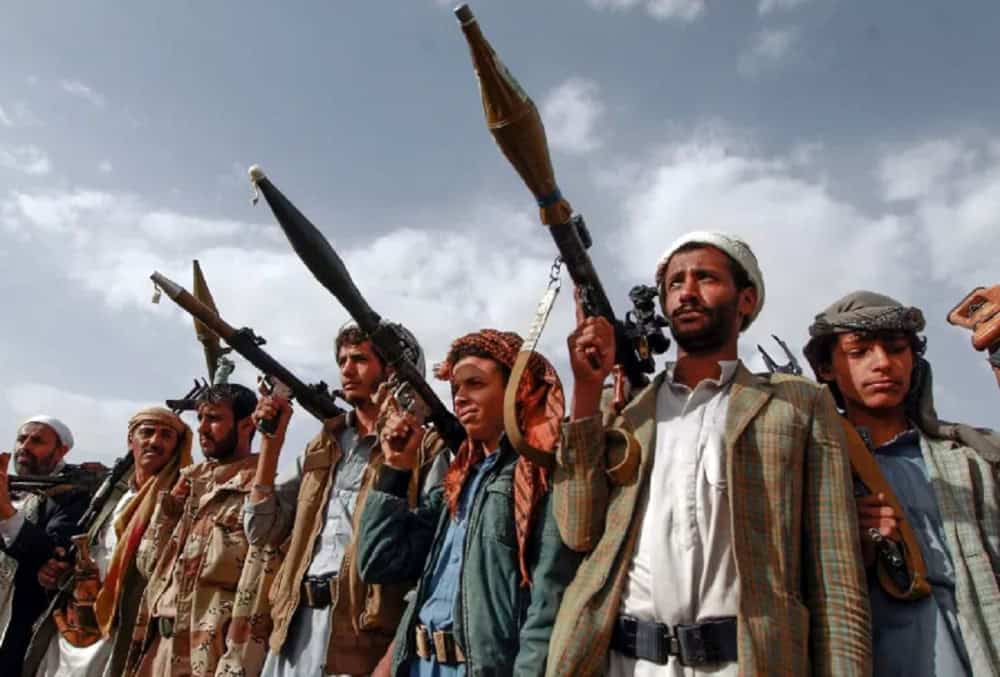
Houthis ramp up domestic attacks in Marib
Following the Houthis’ cessation of Red Sea attacks in January 2025, the group has engaged in more military activity against Yemen’s internationally recognized government. Houthi attacks in front-line provinces have reached levels not seen since before October 2023.
-
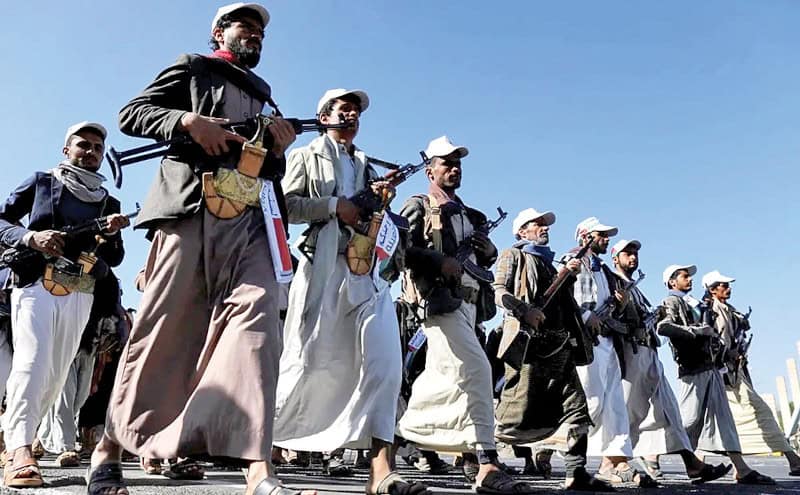
US re-designates Houthis as Foreign Terrorist Organization, sanctions leaders
The Trump Administration returned the Houthis to the FTO list after President Donald Trump issued an executive order targeting the group on the second day of his term. The US Treasury followed the FTO designation with a round of sanctions against senior Houthi operatives involved in financing, weapons procurement, and cooperation with the terrorist group’s partners.
-
Lebanon seizes funds bound for Hezbollah at Beirut airport
Lebanon seized $2.5 million in cash destined for Hezbollah carried by a man arriving from Turkey. This development follows Israeli accusations that Turkey is being used as a conduit for Iranian funds to reach Hezbollah and may be facilitating the transfers.

-
Trump administration re-designates Houthis as a Foreign Terrorist Organization
The Biden administration removed the Houthis from the list of Foreign Terrorist Organizations in 2021 and didn’t re-list the group despite over 15 months of missile and drone attacks on US naval forces, international shipping, and Israel. The Trump administration ordered re-listing the Houthis after two days in office.

-
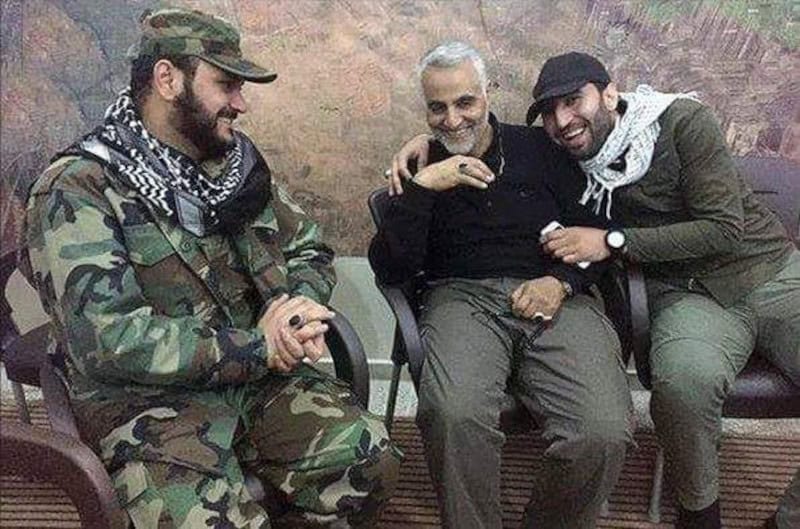
Analysis: The role of Iraqi Shia militias as proxies in Iran’s Axis of Resistance
Iraq’s Shia militias play a unique part in Iran’s Axis of Resistance and present distinct challenges for the US, Israel, and the Iraqi state. Notably, a more direct conflict between the militias and the US and Israel would imperil the Iraqi government’s ability to balance its relationships with Iran and the US, along with the country’s essential stability.
-
Analysis: Tehran’s triad: propaganda, proxies, and preparedness
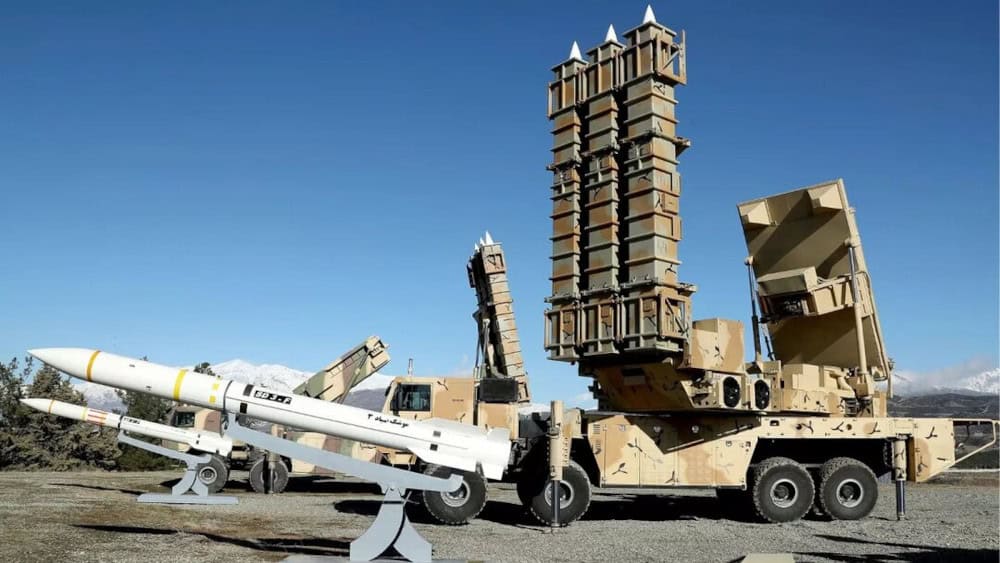
The Tehran regime faces significant challenges, including the diminished influence of its regional proxies and the potential for an Israeli strike on its nuclear facilities. In response, the Islamic Republic has devised a three-pronged strategy: bolstering morale through propaganda, conducting extensive military drills as a deterrent, and amplifying support for its remaining proxies.
-
Israel strikes Houthi targets after ballistic missile attacks on Israel
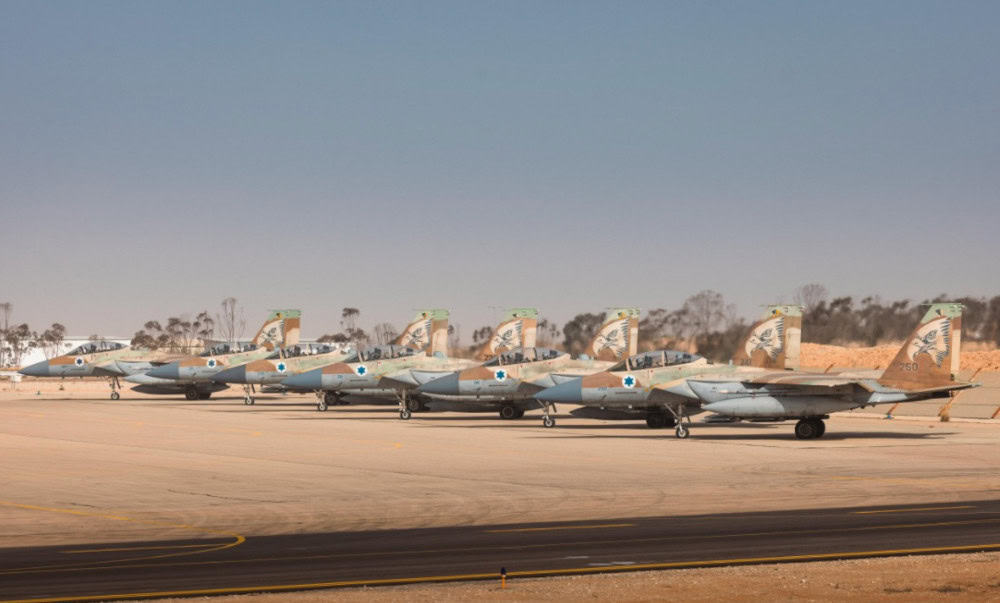
The Israel Defense Forces (IDF) carried out airstrikes on the Iranian-backed Houthis in Yemen on December 26. The daytime strikes targeted the port of Hudaydah and Sanaa International Airport, among other targets. The IDF said it was targeting military infrastructure linked to the Houthis and Iranian smuggling of weapons to the group. The Houthis conducted a ballistic missile attack on Israel in the early hours of December 27.
-
Israel strikes Iranian-backed Houthis in Yemen after missile attacks
The Israeli Air Force carried out retaliatory strikes on the Iranian-backed Houthis in Yemen on December 19, following a Houthi missile attack targeting the Tel Aviv area on December 19 and also another attack on December 16. The IDF intercepted both threats, though debris on December 19 fell on a school near Tel Aviv. Israel’s strikes in Yemen targeted ports and energy infrastructure.

-
IDF reports 6 Israeli soldiers killed in Lebanon
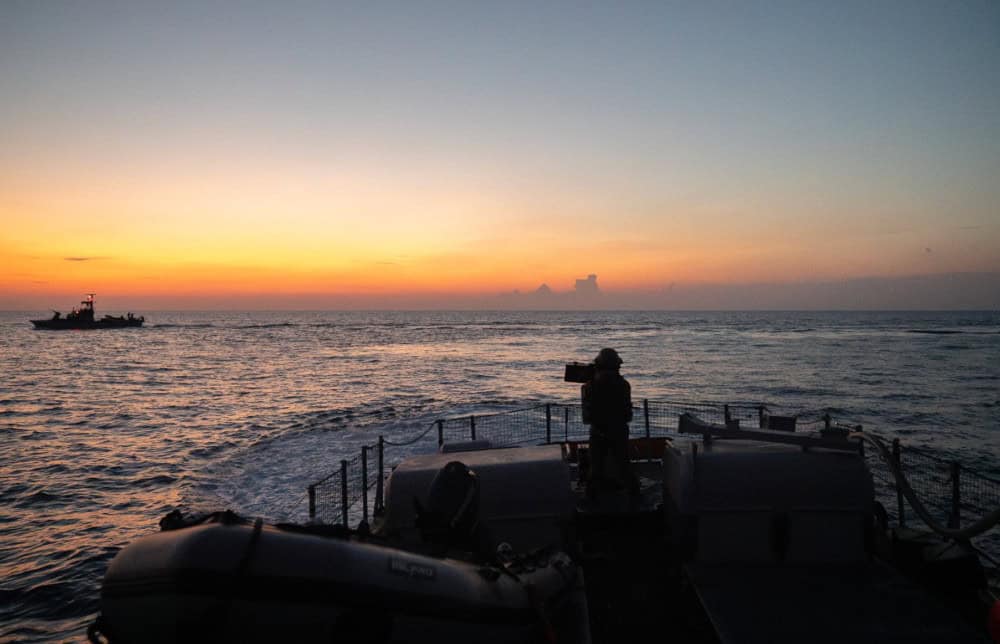
The Israel Defense Forces (IDF) released the names of six soldiers from the 51st Battalion of the Golani Infantry Brigade who were killed in southern Lebanon on November 13. The same battalion suffered heavy losses during Hamas’s attack on October 7, 2023. Hezbollah carried out attacks targeting central Israel on November 13, and Israel intercepted drones aimed at southern Israel on November 12 and 13. In addition, the Israeli Navy targeted a Hezbollah naval site.
-
Multi-front drone threats against Israel increase
Israel faces a rising drone threat from Iranian-backed proxies. On October 22, Israel confirmed that a drone attack on October 19 had struck a residence of Israeli Prime Minister Benjamin Netanyahu, and Hezbollah took responsibility for the attack. Hezbollah also killed four IDF soldiers and wounded 60 in an attack on an IDF training base on October 13. Israel’s Minister of Defense held a trial for defense companies to showcase technology to counter drone threats on October 14.

-
Israel faces attacks on multiple fronts on the anniversary of the October 7 attack
Israel commemorated the anniversary of the October 7 massacre as Hamas fired more than 135 rockets at southern and central Israel, Iraqi militias targeted Israel with drones, and the Houthis launched a long-range missile at central Israel. The IDF’s top general met with the head of US Central Command on October 6. A third IDF division began operations in Lebanon as the Israeli Air Force hit 120 Hezbollah targets.

-
Analysis: The Houthis’ leadership structure
The Houthis in Yemen have an extensive leadership hierarchy. FDD’s Long War Journal lists some of the leaders of the organization, their roles, and if they have been sanctioned by the United States government.

-
Israel strikes targets on multiple fronts
The IDF carried out airstrikes on the Iranian-backed Houthis in Hudaydah using dozens of aircraft. An Israeli missile ship intercepted a UAV launched at Israel, and Iranian-backed militias in Iraq took credit for the attack. Israeli forces in Gaza uncovered a tunnel. Hezbollah carried out numerous rocket attacks on Israel on September 29, and the IDF continued strikes on the terrorist group. The IDF confirmed that more than 20 Hezbollah members were eliminated in the September 27 strike which killed Hezbollah leader Hassan Nasrallah in Beirut.

-
Analysis: The Houthis have challenged the Rules-Based International System and must be defeated
Was the international community culpably naive in failing to give unqualified backing to Yemen’s internationally recognized government (IRG)? And was this largely because of a knee-jerk hostility to the Saudis that is so common in Western progressive circles? If the Houthis genuinely pose a chronic threat to the Rules-Based International System and intend to hold freedom of navigation in the Red Sea hostage to any and every tactical interest they choose to pursue, will it become inevitable to try to revive and empower the Saudi-IRG coalition to suppress them?

-
Israel inches closer to decision on northern operation against Hezbollah
Israeli Prime Minister Benjamin Netanyahu and Minister of Defense Yoav Gallant met with Amos Hochstein, a senior advisor to President Joe Biden. Both indicated that Israel was nearing a decision to act with more military force against Hezbollah after 11 months of attacks that have forced 60,000 Israelis to evacuate from their homes. Hezbollah continued to carry out attacks on September 16, targeting numerous areas in northern Israel.