-
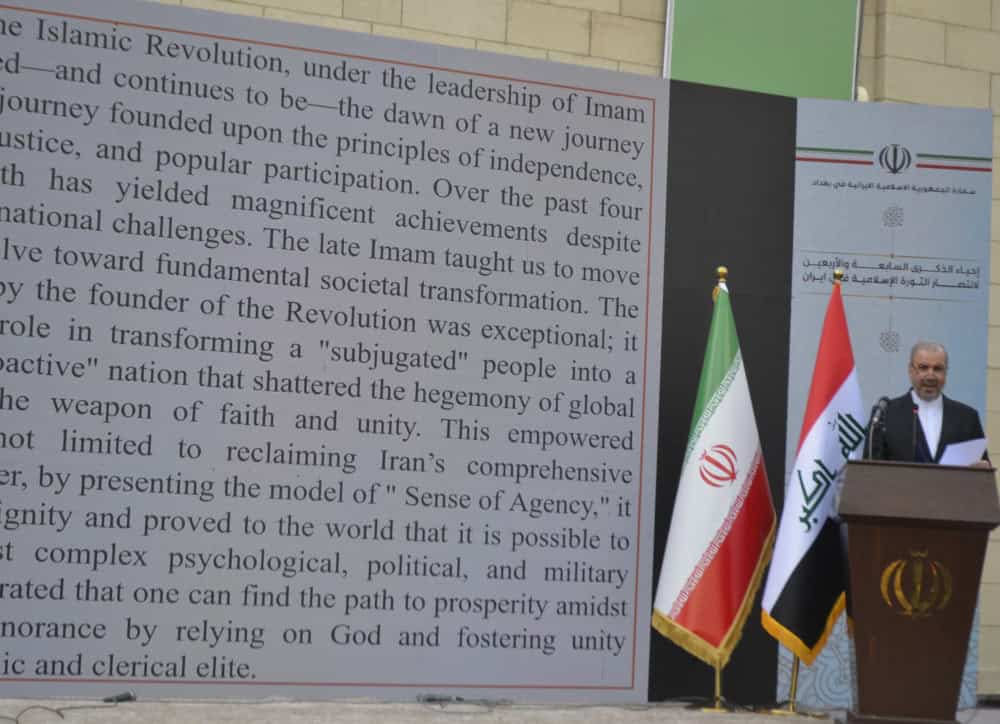
Iran says it has agreement with Iraq to expel Kurdish Iranian opposition groups
Iran’s ambassador to Iraq claimed on October 20 that Iraq has agreed to expel Iranian Kurdish opposition groups based in the Kurdistan Region. The announcement came amid increased Iranian attacks on these groups and as the Kurdistan Workers’ Party withdraws from positions in northern Iraq as part of a peace process with Turkey. An Iraqi source disputes Tehran’s claim that an expulsion agreement has been reached.
-
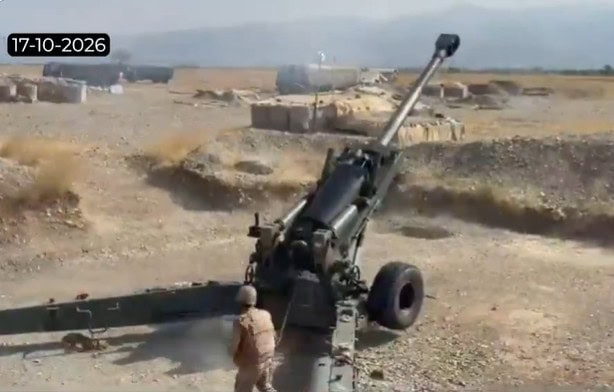
Pakistan-Taliban border clashes continue amid diplomatic efforts
Pakistani forces and the Taliban exchanged heavy fire along the border as Russia, the European, and China pressed for dialogue and action against terrorist groups operating from Afghanistan.
-
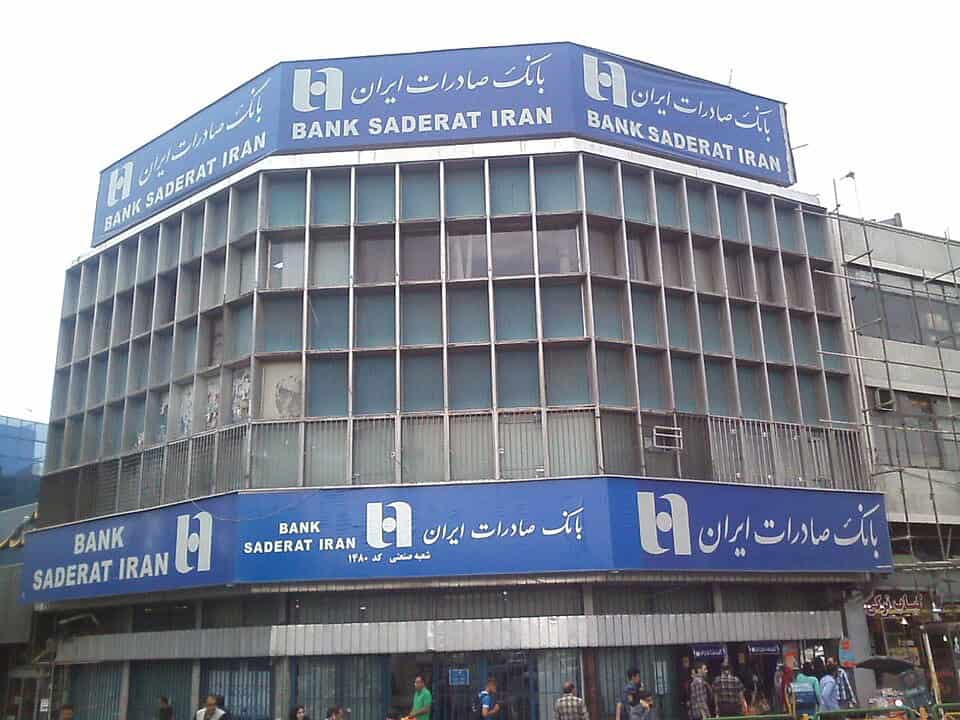
Lebanon revokes Iranian bank’s license amid US pressure over Hezbollah financing
Lebanon has revoked Bank Saderat Iran’s operating license amid US pressure to disrupt Hezbollah’s financial networks. The bank has a documented history of channeling Iranian funds to Hezbollah, but whether Lebanese authorities have closed its branches or initiated liquidation proceedings remains unclear.
-

Hezbollah accuses Lebanese police of violating security coordination procedure after supporters reportedly obstruct raid
Armed men identifying themselves as Hezbollah supporters reportedly surrounded Lebanese security personnel conducting an October 16 raid on a pharmaceutical warehouse near Beirut’s southern suburbs. Hezbollah subsequently claimed the officers had violated an agreed security coordination procedure with the group.
-

Profile: Hezbollah’s new liaison to the Lebanese state and society
Hussain al Abdallah, the new chief of Hezbollah’s Liaison and Coordination Unit who succeeded Wafiq Safa, reportedly sought the return of explosives seized by Lebanese security forces in early October. Abdallah’s career spans more than two decades in Hezbollah’s southern security apparatus.
-
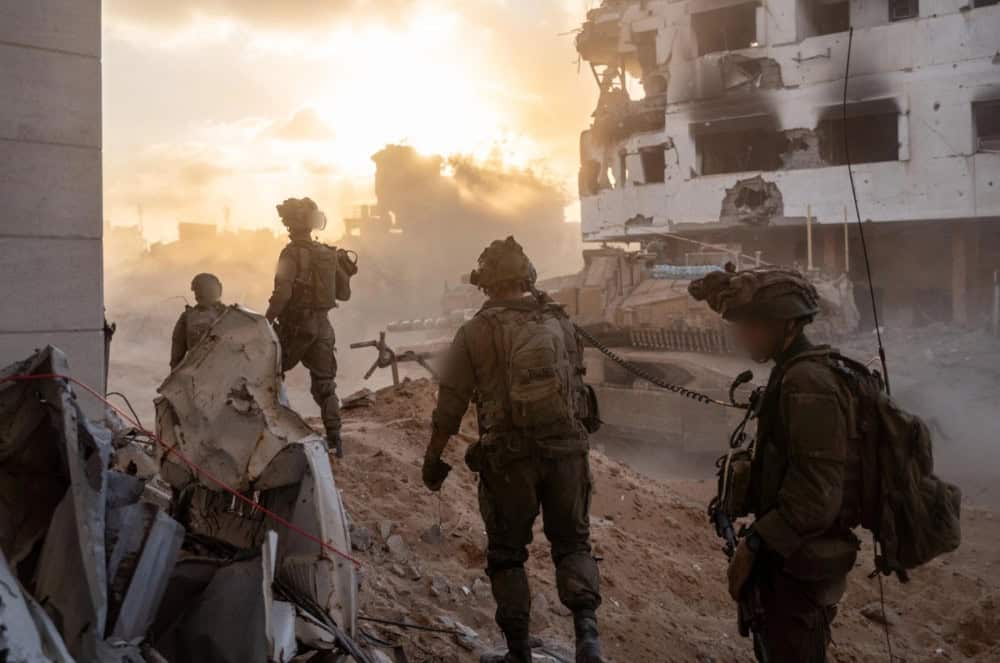
Israel reportedly blocks Board of Peace base in Gaza, IDF reports 31 ceasefire violations October 1–15
Efforts to implement the US-backed Board of Peace’s plans for Gaza remain stalled on the ground, with a first military facility still unbuilt, but preparations for Hamas’s disarmament and international reconstruction cooperation are moving forward. Meanwhile, Hamas maintains its grip on Gaza’s civilian administration and commercial activity, despite its July declaration that it was relinquishing…
-

Iraqi commander killed by Islamic State following Iraqi airstrikes against the group
An Iraqi brigadier general and two other military personnel were killed by an explosive device linked to the Islamic State near Kirkuk on October 14, a day after Iraqi F-16s carried out airstrikes against Islamic State positions in the area. The incident underscores the continued threat posed by the remnants of the jihadist group in…
-
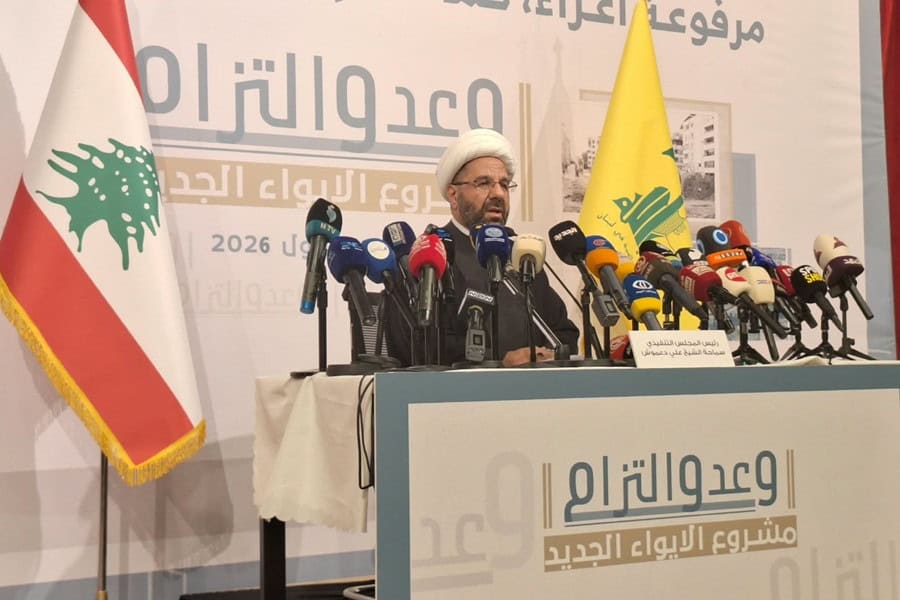
Hezbollah announces ‘Promise and Commitment’ housing and reconstruction program
Hezbollah announced a new housing-assistance program for Lebanese families displaced by the wars with Israel, even as earlier compensation payments remain outstanding and questions persist over the group’s financing. Separately, Lebanese Prime Minister Nawaf Salam met with Hezbollah and Amal lawmakers to discuss government-funded reconstruction projects in southern Lebanon and Beirut’s southern suburbs.
-

Shipshow: The world’s waterways are at war
The world’s most critical shipping lanes are becoming battlegrounds as Iran targets commercial vessels in the Strait of Hormuz, the Houthis threaten shipping through the Bab al Mandab, and Russia and Ukraine wage an escalating maritime war in the Black Sea. Bill Roggio is joined by Dr. Sal Mercogliano to discuss how these conflicts are…
-
Lebanese security forces seize explosives shipment reportedly bound for Hezbollah in Beirut
Lebanese security forces intercepted a shipment containing nearly 800 kilograms of explosives reportedly destined for Hezbollah in Beirut. Authorities arrested two men and are investigating the shipment’s origins and intended use. Hezbollah has reportedly demanded the explosives’ return, testing the government’s prohibition on the group’s military activities.
-
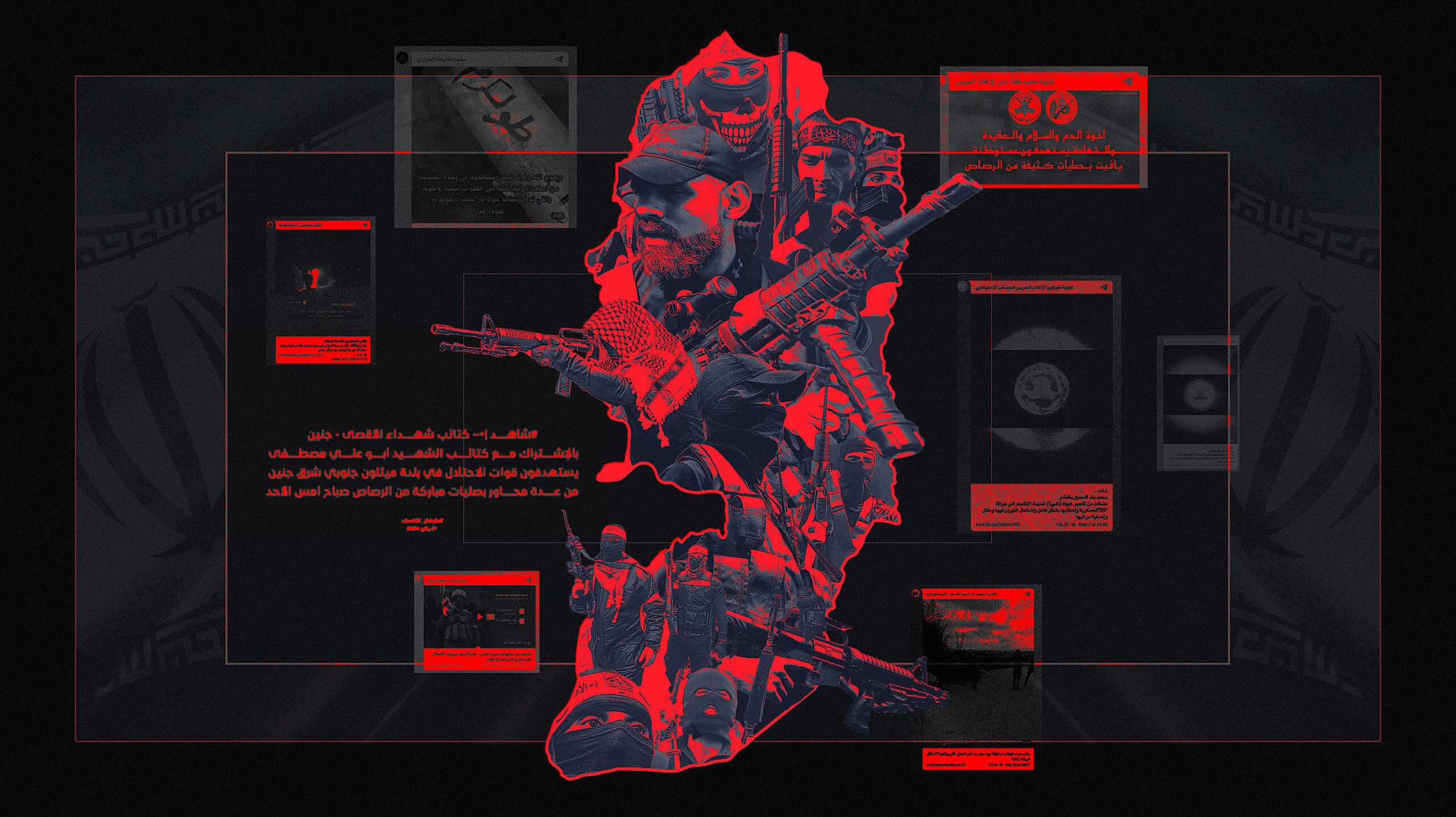
Iran targets Kurdish opposition groups in Iraq with new round of drone attacks
Iran launched a new round of drone attacks against Iranian Kurdish opposition groups in northern Iraq, including a strike on a Democratic Party of Iranian Kurdistan camp near Koya on October 12. As Iranian pressure mounts and concerns grow following the US military’s withdrawal from Iraq, Kurdish opposition groups have pledged not to use Iraqi…
All Articles
-
Islamic State suspects extradited or arrested in Lebanon, Canada, Australia, and the US
Over the past 72 hours, authorities in four countries announced arrests, charges, and an extradition involving alleged Islamic State activity, including an assassination plot, a chemical attack, propaganda distribution, and financing travel to Syria.
-
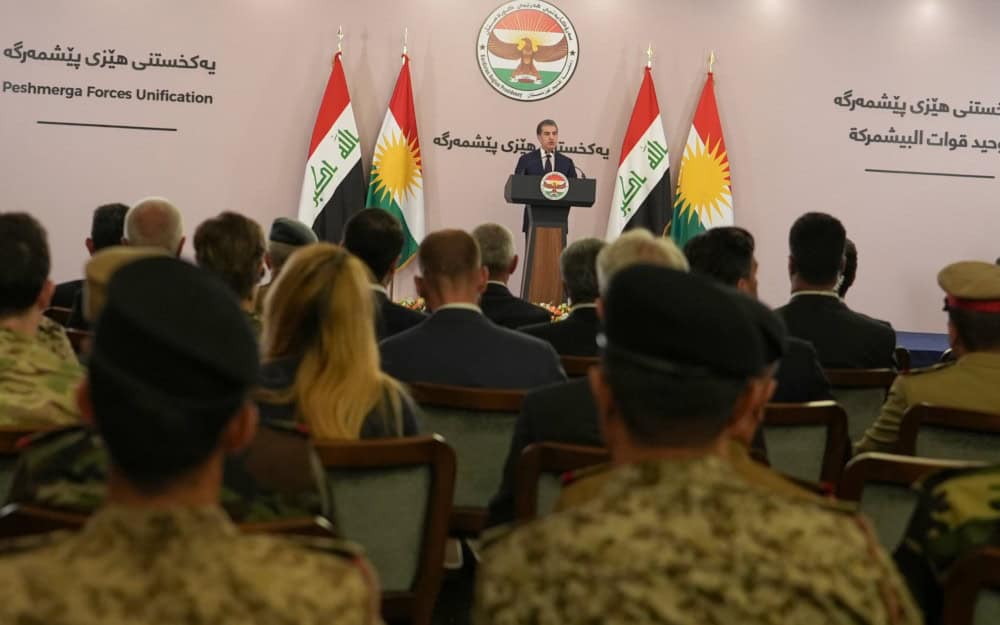
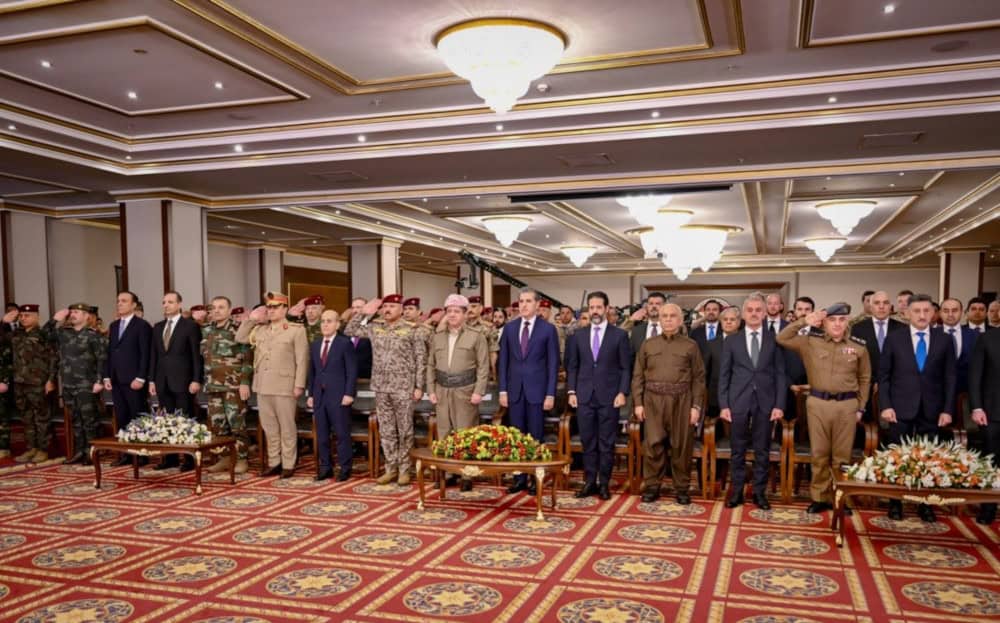
Kurdistan Region of Iraq announces Peshmerga unification
The Kurdistan Regional Government announced the completion of a years-long process to unify the Peshmerga armed forces under the Ministry of Peshmerga Affairs, ending longstanding divisions between units linked to the Kurdistan Democratic Party (KDP) and the Patriotic Union of Kurdistan (PUK). The move comes amid the departure of US forces, pressure to disarm Iran-backed militias, and efforts to strengthen cooperation between the Kurdistan Region and Baghdad.
-
Houthis fight for key Yemeni highlands, continue striking Saudi Arabia
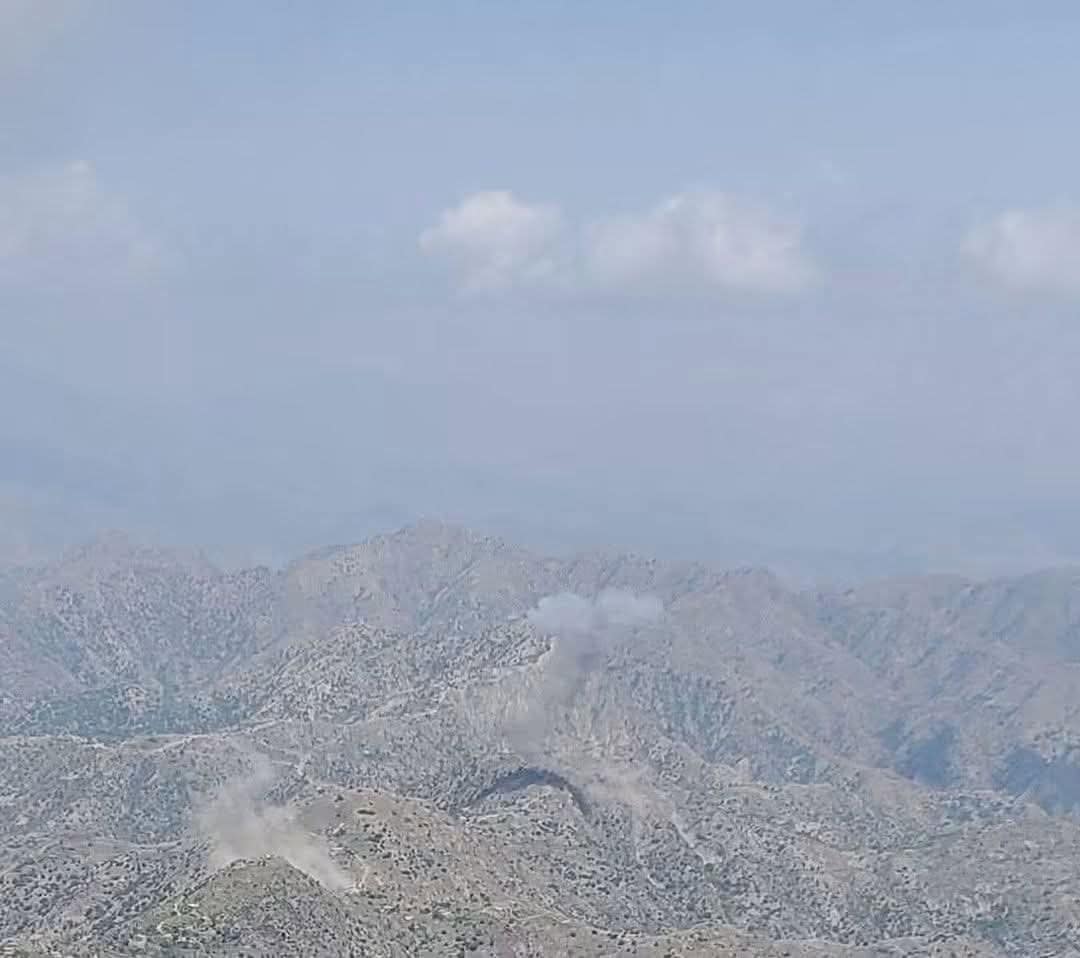
The Houthis and the Yemeni Armed Forces, along with allied militias, have continued fighting on multiple fronts across the country, with the Houthis particularly focused on the highlands inland from their recent coastal advance. The Houthis have also maintained their attacks on Saudi Arabia, prompting Riyadh to renew its request for US airstrikes, which President Donald Trump has repeatedly rejected.
-
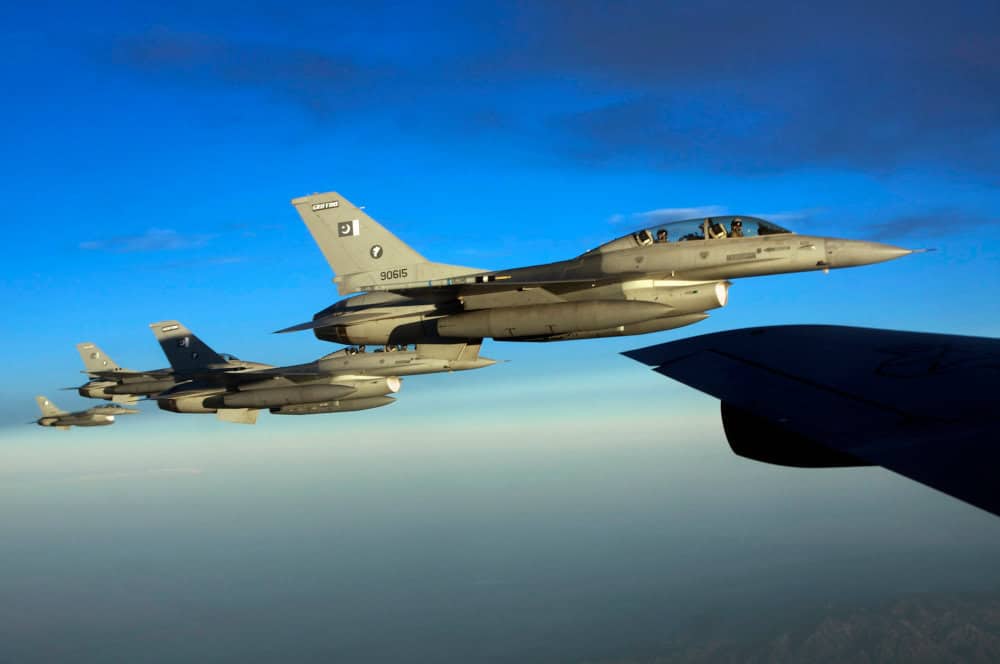
Pakistan conducts airstrikes in eastern Afghanistan in retaliation for terrorist attacks
The Pakistani Air Force conducted airstrikes in eastern Afghanistan reportedly targeting terrorist training centers in response to a recent complex suicide attack in western Pakistan. The Taliban denied involvement in the attack and promised an “appropriate response” to Pakistan’s airstrikes.
-
Yazidi armed group YBS to disarm, integrate into Iraqi security forces
The Sinjar Resistance Units (YBS), a Yazidi armed group with links to the Kurdistan Workers’ Party (PKK), has agreed to disarm and integrate eligible members into Iraq’s security forces as Baghdad seeks to stabilize Sinjar and facilitate the return of displaced Yazidis. The agreement comes amid broader efforts to disarm Iranian-backed militias in Iraq and parallels integration processes involving the Syrian Democratic Forces in Syria.

-
Is Hezbollah finished, or just adapting?
Generation Jihad guest host David Daoud, an FDD senior fellow focused on Lebanon and Hezbollah, talks with Lina Khatib, an associate fellow in Chatham House’s Middle East and North Africa Programme, about her July trip in southern Lebanon, why the 2006 war never put the LAF in charge of the border, and whether Beirut can take Hezbollah’s weapons now that the group is weaker and Assad is gone.
-
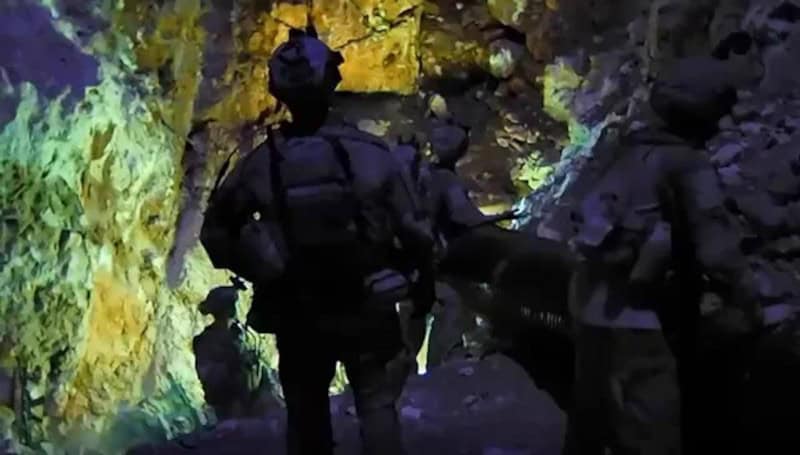
How Hezbollah reframed the battle for Ali al Taher as Israel advanced
As Israeli forces pushed from the outskirts of Ali al Taher Ridge into its underground network, Hezbollah repeatedly revised what counted as a success for the group—from denying Israeli entry to portraying the loss of the position as an attritional achievement.
-
Syria’s military is rebuilding, but foreign influence may slow security progress
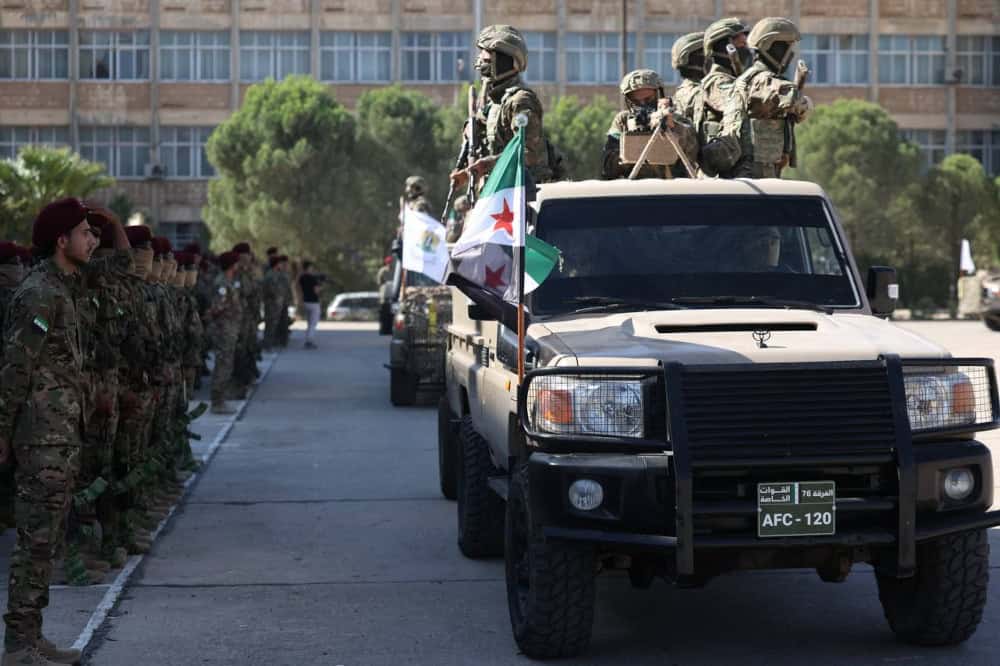
Syria’s post-Assad military is rebuilding rapidly, but its structure and foreign dependencies could limit Damascus’s ability to advance US security interests. If security cooperation from Turkey and Russia comes with strings attached, it may jeopardize Syria’s potential as a future partner against the Islamic State and Hezbollah.
-
LAF-Hezbollah coordination and the limits of Lebanon’s disarmament effort
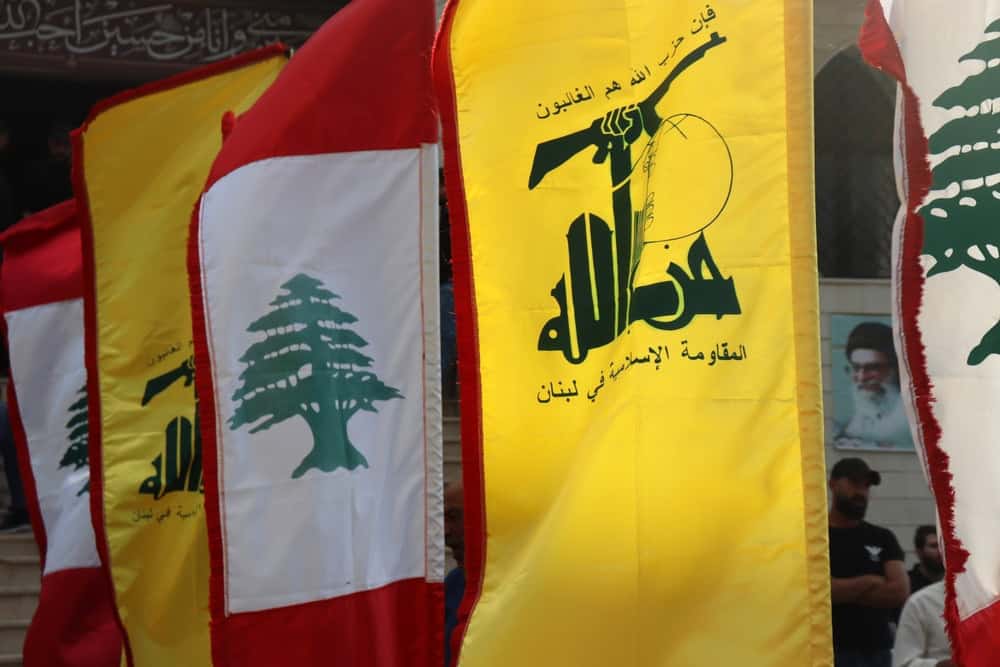
Israel reportedly assesses that the Lebanese military is coordinating with Hezbollah in pilot zones intended to disarm non-state groups. The broader claim is supported by years of evidence, and the record since 2024 shows what coordination has produced: negotiated access, handovers, and seizures without Hezbollah’s genuine disarmament.
-
Iraq continues investigating attack on Saudi Arabia from Iraqi territory
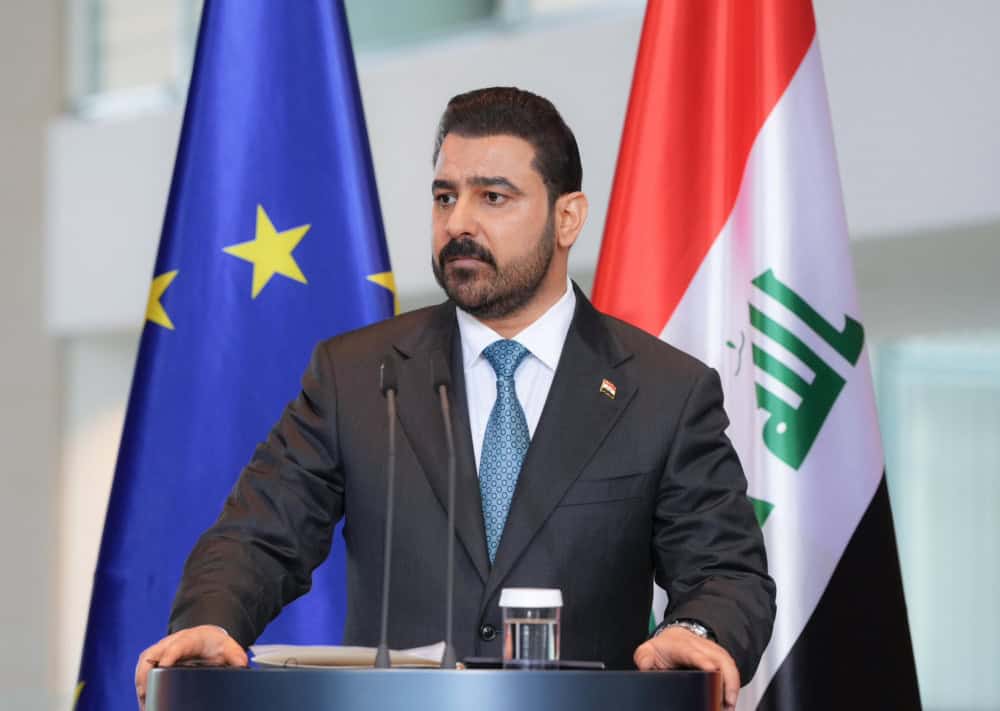
Iraq is investigating September 11 drone strikes on Saudi Arabia’s East-West Crude Oil Pipeline after confirming the attack originated from its territory. The incident comes as Baghdad faces pressure over militia activity and continued Iranian strikes on Kurdish Iranian opposition groups based in northern Iraq.
-
FBI arrests Pennsylvania man accused of plotting Islamic State-inspired attack
Federal authorities arrested Jonathan Hunter Kramer in Cranberry Township, Pennsylvania, on September 12 after he allegedly acquired a semiautomatic rifle and ammunition while preparing to conduct an attack inspired by the Islamic State.
-
Israeli elections stall Board of Peace plans, IDF reports 14 Gaza ceasefire violations Sept. 4–15
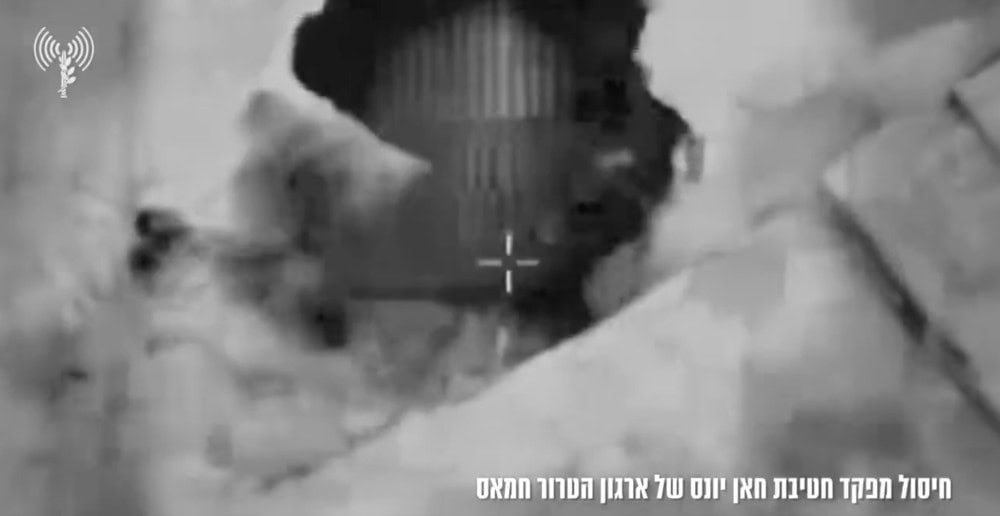
United States officials have expressed frustration with Israeli Prime Minister Benjamin Netanyahu for resisting parts of their Gaza strategy. The US-backed Board of Peace, tasked with overseeing Gaza’s political transition, has seen Netanyahu stall several initiatives as he campaigns in a closely contested election. Meanwhile, the Israel Defense Forces (IDF) reported 14 ceasefire violations in Gaza between September 4 and 15.
-
Houthis take Yemen’s Red Sea coast and key Bab al Mandeb islands
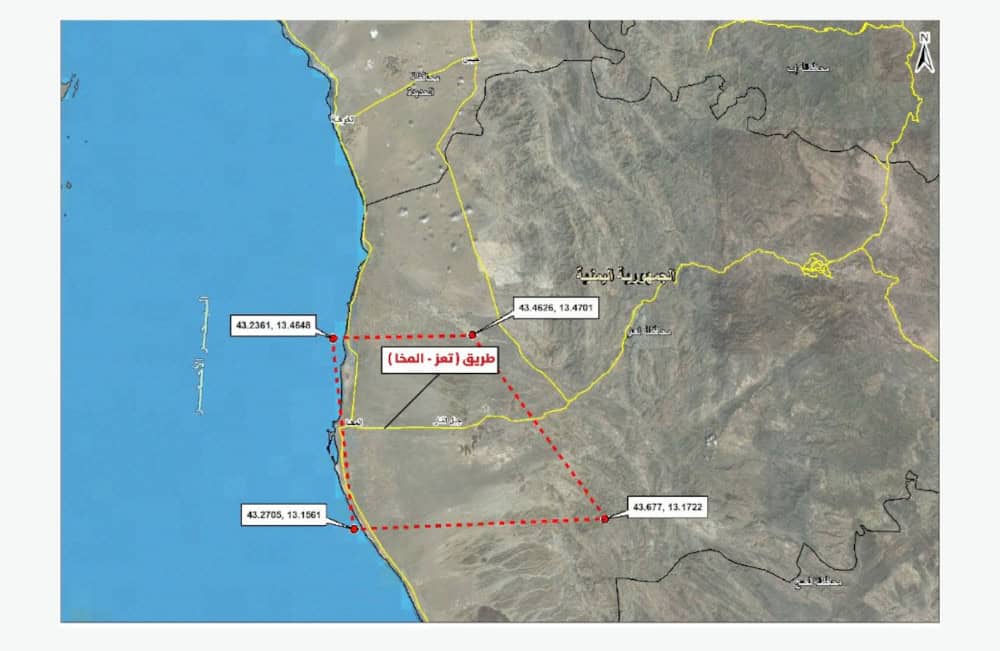
After launching a significant campaign against forces of the internationally recognized government of Yemen on August 6, the Houthis seized the entirety of Yemen’s Red Sea coast and a strategic island in the Bab al Mandeb Strait by September 11. A counteroperation by the Yemeni Armed Forces is contesting key territory along the strait.
-
Saudi Arabia closes its East-West pipeline after attacks from Iraq
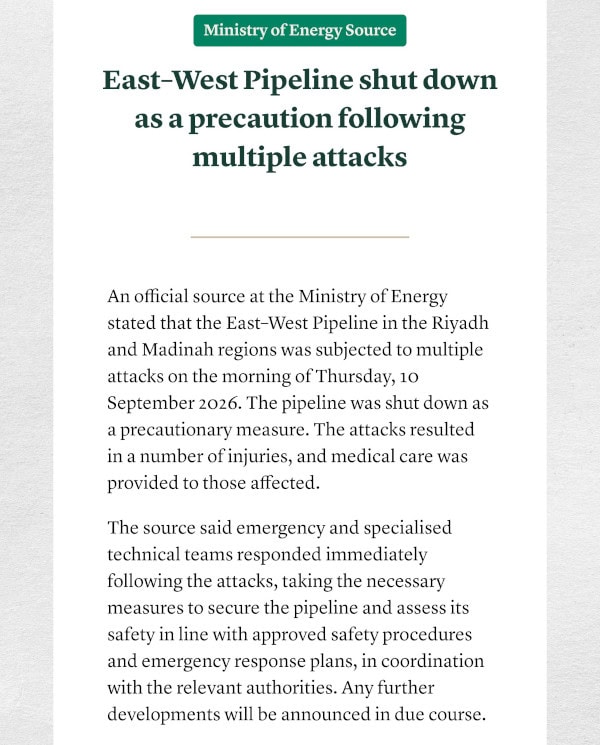
Riyadh announced the closure of its East-West Crude Oil Pipeline following drone attacks emanating from Iraq. The pipeline served as a critical oil export alternative to the Persian Gulf after the closure of the Strait of Hormuz.
-
IDF destroys Hezbollah underground command complex at Ali al Taher, withdraws from ridge
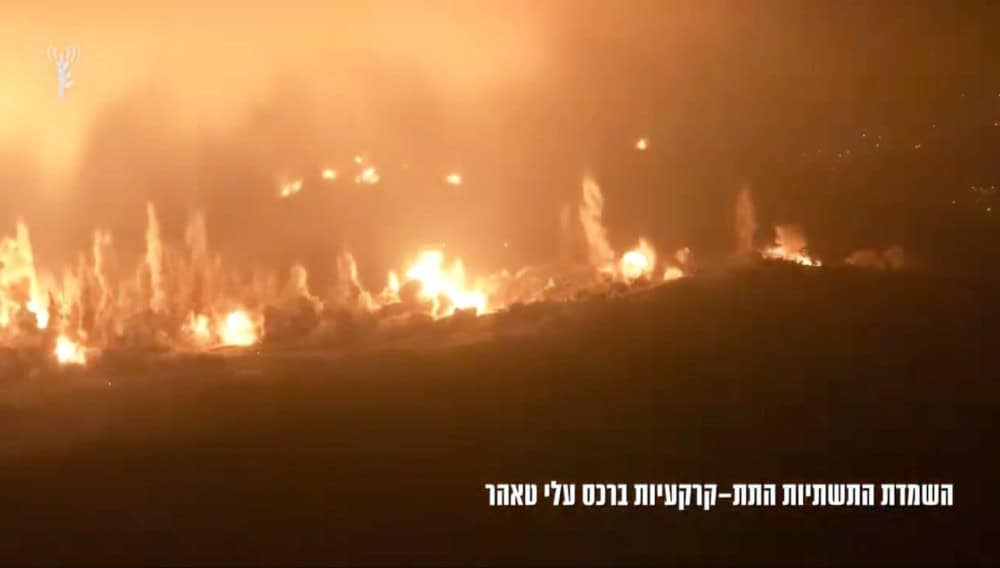
The IDF says it destroyed more than two kilometers of Hezbollah underground infrastructure beneath Ali al Taher Ridge in southern Lebanon and identified the facility as a central command complex for Hezbollah’s Badr Unit. Israeli Army Radio reported that troops subsequently withdrew from the ridge and redeployed toward Beaufort, and Israel says it will retain control of Ali al Taher through surveillance and firepower.
-
Board of Peace focuses on International Stabilization Force for Gaza
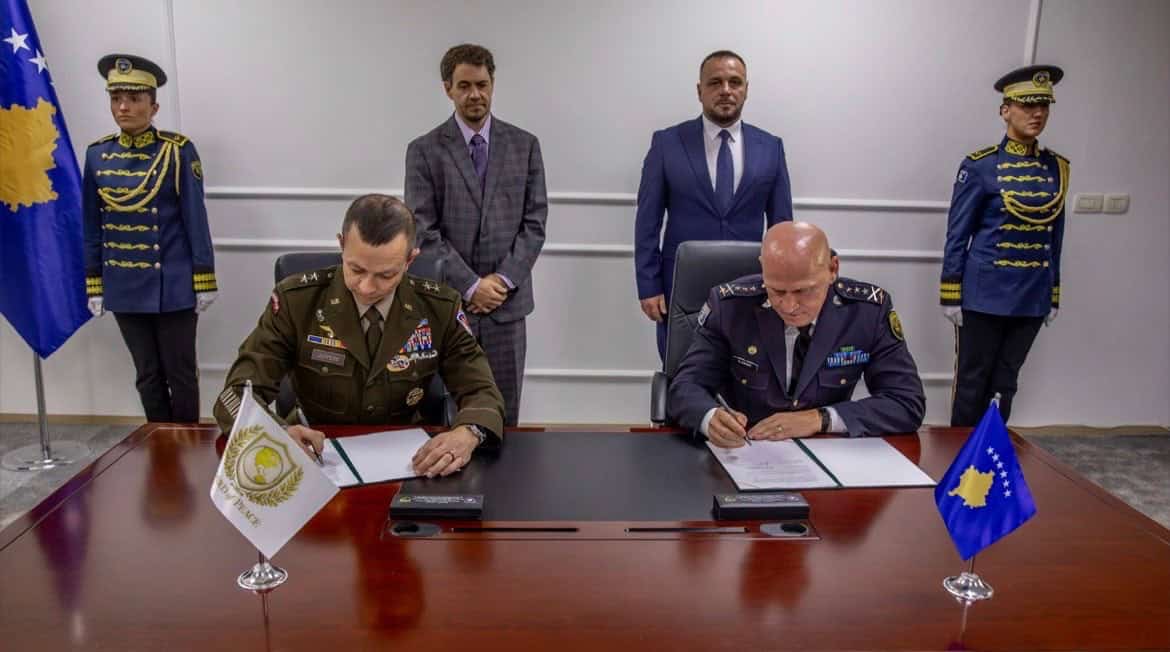
The Board of Peace continues efforts to assemble the International Stabilization Force for Gaza, securing commitments from Kosovo and Albania as preparations advance to implement the US-backed peace plan. While progress on the ground remains tied to Hamas’s disarmament and Israel’s political timetable, international planning for Gaza’s future governance and security continues to move forward.
-
Lebanese Army details pilot zone arms seizures, claims operational control
The Lebanese Armed Forces said its operations in three southern Lebanon pilot areas have produced “operational control.” The military’s first detailed official accounting of arms seizures there shows that roughly 86 percent of its 1,818-item weapons-and-ammunition tally consists of “light ammunition.”
-
The truth about America’s munitions crisis
What is the true nature of America’s munitions crisis? What are the consequences of the current challenges? How did we get into this position? And what must we do to build the defense industrial base production capacity and munitions arsenals that the US needs? Generation Jihad guest host Bradley Bowman is joined by Colonel (Ret.) Mark Cancian, a senior adviser with the Defense and Security Department at the Center for Strategic and International Studies, to discuss the true state of America’s defense industrial base and arsenal.
-
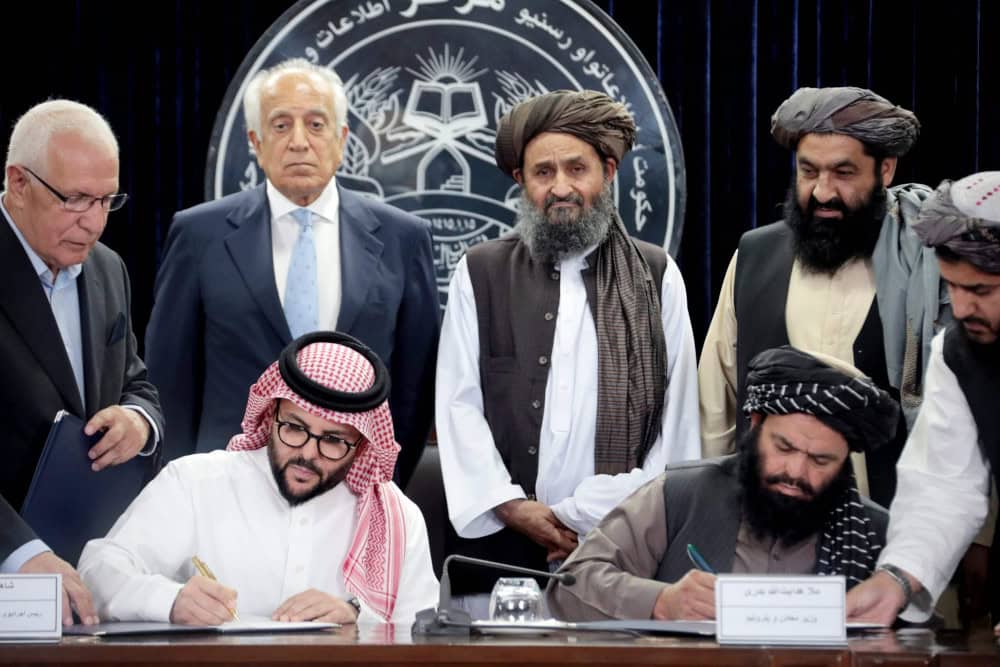
Former US ambassador Khalilzad visits Kabul, attends Taliban oil deal signing
Former US Ambassador to Afghanistan Zalmay Khalilzad met with senior Taliban officials and attended the signing of a major oil and gas agreement with a Saudi company, despite the US State Department insisting that he was acting solely “in a personal capacity.” Whatever his intentions, Khalilzad gave the Taliban something it has sought since returning to power: an appearance of American validation.
-
Lebanese Army intensifies Nabatieh deployment as report says mission excludes Hezbollah disarmament
The Lebanese Armed Forces (LAF) is intensifying its presence in Nabatieh in southern Lebanon while reinforcing nearby Zawtar al Gharbiyeh, one of the pilot zones of the June 26 Trilateral Framework Between the United States of America, the State of Israel, and the Republic of Lebanon. Lebanese reporting says the Nabatieh mission is intended to contain escalation rather than disarm Hezbollah, even though the framework makes the LAF responsible for implementing a process centered on the verified disarmament and dismantlement of non-state military infrastructure.