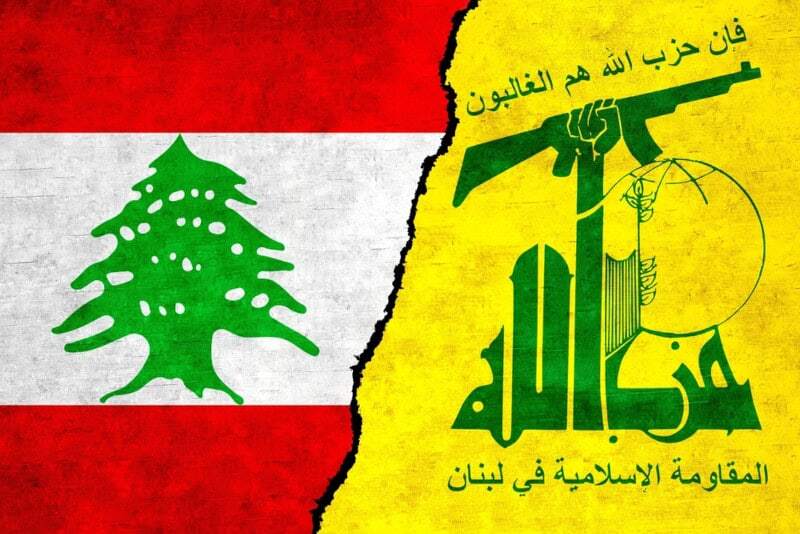
Men identifying themselves as Hezbollah supporters reportedly surrounded a Lebanese police patrol on October 16 during a raid on a warehouse containing unfit pharmaceuticals in Galerie Semaan, near Beirut’s southern suburbs. Lebanon’s Internal Security Forces (ISF), the country’s national police force, confirmed an attempt to obstruct the search but said officers completed the operation. Hezbollah subsequently claimed the patrol had failed to follow an agreed security coordination procedure.
Officers from the ISF’s Central Criminal Investigations Department were acting under instructions from Lebanon’s top prosecutor, Ahmad Rami Hajj, following a referral from Health Minister Rakan Nassereddine, a Hezbollah-nominated cabinet member. Hajj had ordered an investigation into a list of suspect medications he requested from the Health Ministry’s director general. His instructions to the ISF included inspecting warehouses belonging to pharmaceutical importers and agents, seizing suspect stocks to prevent their circulation, and identifying the companies’ owners. A Health Ministry pharmaceutical inspector was to attend the searches and seizures, and the findings were to be reported to Hajj.
The Lebanese broadcaster Al Jadeed said the Galerie Semaan warehouse belonged to a pharmaceutical company and contained spoiled medications or drugs failing sanitary requirements. According to the report, dozens of armed young men gathered around the officers during the raid, identified themselves as Hezbollah supporters, and demanded that the patrol commander withdraw. The number reportedly grew into the hundreds. The commander contacted Hajj, who instructed him to request reinforcements from the Lebanese Armed Forces (LAF) and ISF. Al Jadeed said soldiers arrived before the armed men withdrew.
The ISF confirmed that men on motorcycles had gathered to prevent its officers from entering the warehouse. The force said the officers nevertheless searched it, confiscated the pharmaceuticals, and sealed the premises with red wax. An investigation remained underway under judicial supervision. The ISF did not identify the men as Hezbollah supporters, describe them as armed, or mention the army’s intervention. It also did not identify the company or warehouse owner.
Hezbollah’s Media Relations Office later denied any connection to the warehouse or its contents. In a statement published by the Hezbollah-affiliated news outlet Al Ahed, the group accused some media outlets of circulating misleading information about the incident. Hezbollah said the patrol entered a security-sensitive area without following “the mechanism agreed upon between Hezbollah and the security authorities.” The group claimed the arrangement accounts for continued Israeli threats against Beirut’s southern suburbs and associated security risks.
Hezbollah stated that communications with the relevant authorities and legal officials resolved the issue, allowing the patrol to complete its judicially authorized mission peacefully. It maintained that the situation had returned to normal before LAF reinforcements arrived, differing from Al Jadeed’s chronology. Hezbollah also expressed support for the Health Ministry’s measures and the security forces carrying out their normal duties. The group’s statement did not specifically address reports that armed Hezbollah supporters had surrounded the patrol.
Hezbollah also did not specify the terms of the purported security coordination procedure or identify the Lebanese security agencies involved. The ISF’s statement did not mention such an arrangement.
A similar confrontation reportedly occurred on January 23 at Tayouneh Junction, on the boundary between Beirut and its southern suburbs, when Hezbollah supporters allegedly obstructed ISF personnel investigating suspicious vehicles. Lebanese reporting described negotiations with Hezbollah officials to resolve that incident. Hezbollah and the Lebanese military have also coordinated on other security matters.
On March 2, Lebanon’s cabinet banned Hezbollah’s military and security activities and ordered the group to surrender its weapons. Under the June 26 US-brokered trilateral framework between the United States, Israel, and Lebanon, Beirut also committed to disarming non-state armed groups nationwide and preventing them from retaining military or security roles.